What Finding Stink Bugs Inside Your Maryland Home In Summer Really Means
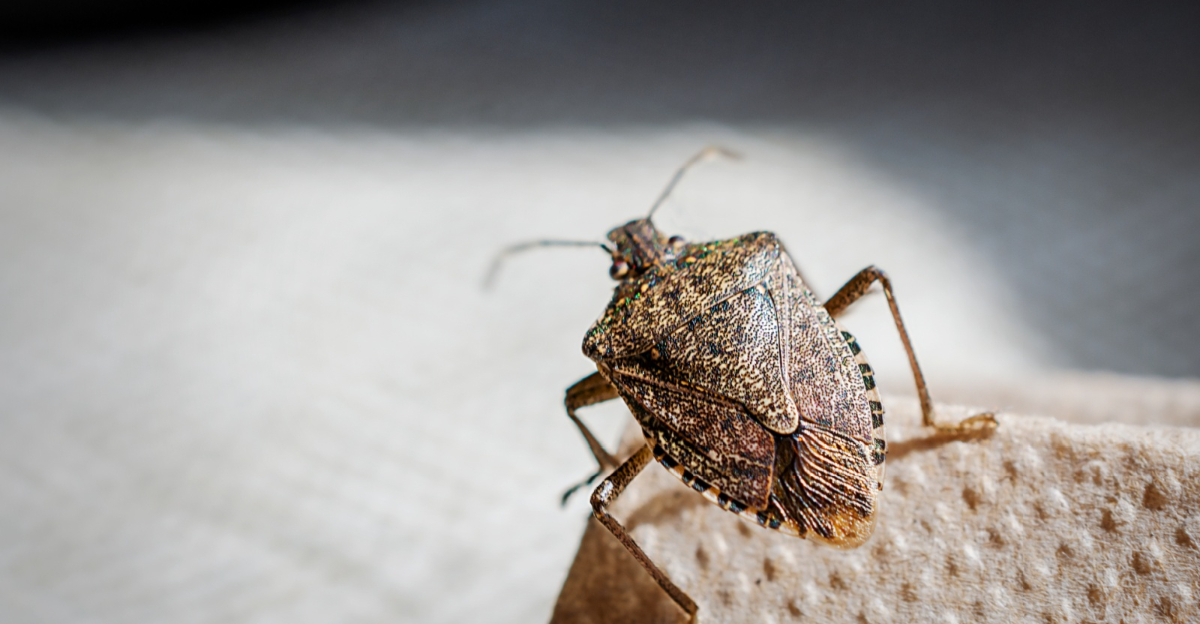
You pause. A shield-shaped visitor clings to your kitchen wall, its patterned shell gleaming under your lights.
You recognize that smell, that sharp, herbal warning released when you get too close. Maryland summers run hot, but they also send stink bugs wandering straight into your home searching for cooler ground.
You reached for a tissue last time, smooshed it fast, then instantly regretted that choice. Why do these little wanderers keep picking your house specifically?
That question will stick with you until you stop treating each bug as a random guest and start reading the pattern behind their arrival.
Maryland homes offer something stink bugs desperately want, and your walls are practically putting out a welcome sign.
These visits follow predictable logic once you understand the signals your house sends to every crawling thing outside. Stop ignoring the clues, or they will keep coming back for more.
Early Overwintering Scouts Seeking Shelter
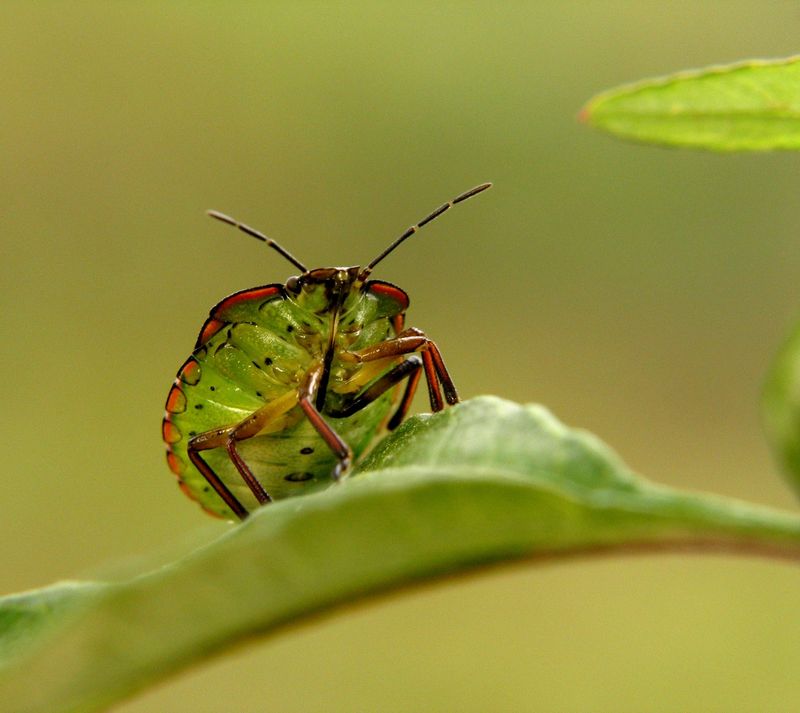
One bug in July feels harmless. But that single stink bug might actually be a scout, checking out your home before the rest follow.
Brown marmorated stink bugs have a fascinating survival strategy. They send out early individuals to locate warm, protected spaces before temperatures drop later in the year.
Summer sightings are not always about escaping heat. Some of these insects are already planning months ahead, mapping out potential overwintering sites in late summer.
Your walls, attic, and crawl spaces feel like prime real estate to them. Once a scout finds a cozy gap or crack, others tend to show up shortly after.
The first one in releases aggregation pheromones, a natural chemical response that draws more of its kind to the same location.
Spotting one stink bug inside your Maryland home in summer should prompt you to inspect your exterior immediately. Check window frames, door seals, and utility entry points for even the smallest openings.
Sealing those gaps now is far easier than dealing with a larger influx later in the fall. Sealing those gaps now is far easier than dealing with a larger influx later in the fall.
Re-Emerging Winter Holdovers Leaving Wall Voids
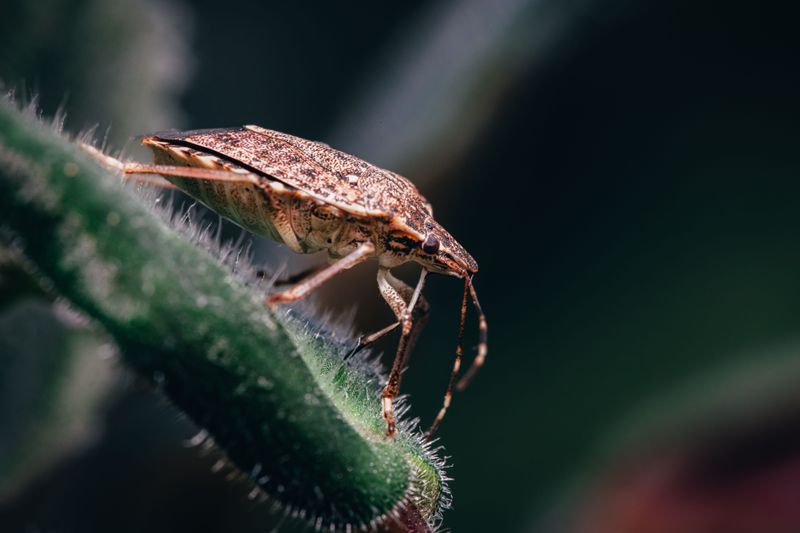
Sometimes the bug you see in summer never actually left. It spent the entire winter tucked inside your walls, completely hidden from view.
Brown marmorated stink bugs are expert hibernators. They squeeze into wall voids, attic insulation, and hollow door frames to wait out cold weather without you ever noticing.
When spring arrives and temperatures climb, these holdovers wake up groggy and disoriented. Some head toward outdoor light, but others wander deeper into your living space instead.
By early summer, the stragglers are fully active and looking for a way out. You might spot them near windows or light fixtures as they instinctively chase warmth and brightness.
Seeing stink bugs inside your Maryland home in summer could mean your home hosted a hidden cluster all winter long. That is not a fun realization, but it is an important one.
The good news is that these re-emerging bugs rarely reproduce inside your walls. They are simply finishing their exit, which means the problem may resolve on its own if entry points are sealed.
Your Maryland Garden Changes Every Week. Your Plan Should Too.
Gardening in Maryland changes quickly throughout the season. Every Friday you’ll receive a simple weekly plan showing exactly what to plant, prune, fertilize, harvest, and protect so you never miss the right timing.
However, leaving those gaps open guarantees a repeat performance next season. A professional inspection can pinpoint where these insects entered and help you close those pathways for good.
Peak Adult Population Season (Late July Through September)
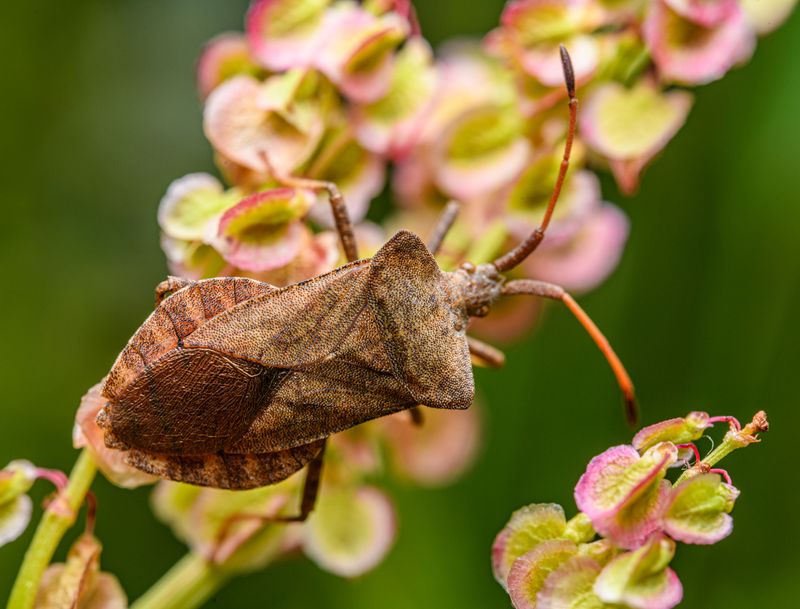
Late July kicks off one of the most active periods for stink bugs across the Mid-Atlantic region. Adult populations surge, and their activity becomes nearly impossible to ignore.
Maryland sits right in the heart of stink bug territory. Maryland ranks among the most affected states in the Mid-Atlantic region for brown marmorated stink bug activity
During peak season, these adults are feeding aggressively on fruits, vegetables, and ornamental plants. All that outdoor feeding drives them to explore new areas, including the sides of your home.
As they wander and forage, they inevitably stumble onto entry points. An open window, a torn screen, or a gap around a pipe becomes an easy path inside.
Finding stink bugs inside your Maryland home in summer during this window is extremely common. You are not dealing with a fluke; you are dealing with a seasonal pattern.
The population peak also means competition for outdoor resources is fierce. Bugs that cannot find enough food outside will push further into new environments, including your kitchen and living room.
Knowing that late summer is crunch time helps you stay proactive. Repairing screens, adding door sweeps, and reducing outdoor lighting can dramatically cut down on how many make it indoors.
Gaps And Cracks In Baseboards, Windows, And Doors
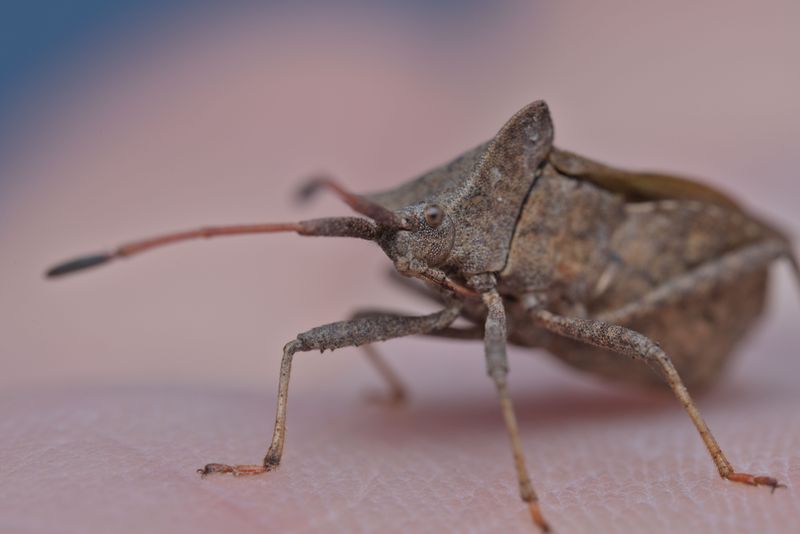
Your home looks solid from the outside, but stink bugs see it very differently. To them, it is full of inviting doors that humans never even notice.
A gap as small as a credit card’s thickness is enough for a stink bug to slip through. These insects are surprisingly flat and flexible for their size.
Common entry points include spaces around window frames, door thresholds, utility pipes, and electrical outlets on exterior walls. Baseboards that have pulled away from the wall even slightly are also favorite entry spots.
Summer heat causes building materials to expand and contract, which can open up tiny gaps that were not there before. Those new cracks create fresh opportunities for insects to wander inside.
If you are finding stink bugs inside your Maryland home in summer, do a slow walk around the exterior. Bring a flashlight and look at every point where something passes through the wall.
Foam sealant and weatherstripping are your best friends during this inspection. Both are inexpensive, easy to apply, and incredibly effective at closing the routes these insects rely on.
Do not overlook the attic either, since roofline gaps and soffit vents are major highways for stink bugs. Covering vents with fine mesh screen can block access without restricting airflow.
Lush Vegetation And Gardens Right Outside The Home

That gorgeous garden you planted in May might be the biggest reason stink bugs are showing up inside your home right now. Lush summer plants are a rich and varied food source for these insects.
Brown marmorated stink bugs feed on over 100 plant species. Tomatoes, peppers, peaches, apples, and ornamental shrubs are among their absolute favorites.
When your garden is right up against your foundation, the leap from plant to wall is almost effortless. A bug feeding on a tomato vine at noon could be inside your kitchen by evening.
Dense plantings also create shaded, humid microclimates close to your home’s exterior. Stink bugs love those conditions and will linger near vegetation that offers both food and shelter.
Pulling garden beds back a few feet from the foundation can make a meaningful difference. Creating a clear, mulch-free zone around the base of your home reduces the bridge between bugs and your walls.
Removing overripe or fallen fruit quickly also cuts down on the attraction. Rotting produce sends out strong scent signals that draw insects from surprisingly long distances.
Finding stink bugs inside your Maryland home in summer often traces back to what is growing just outside. A quick garden audit could be the most effective pest control move you make all season.
Maryland’s Warm, Humid Summer Climate
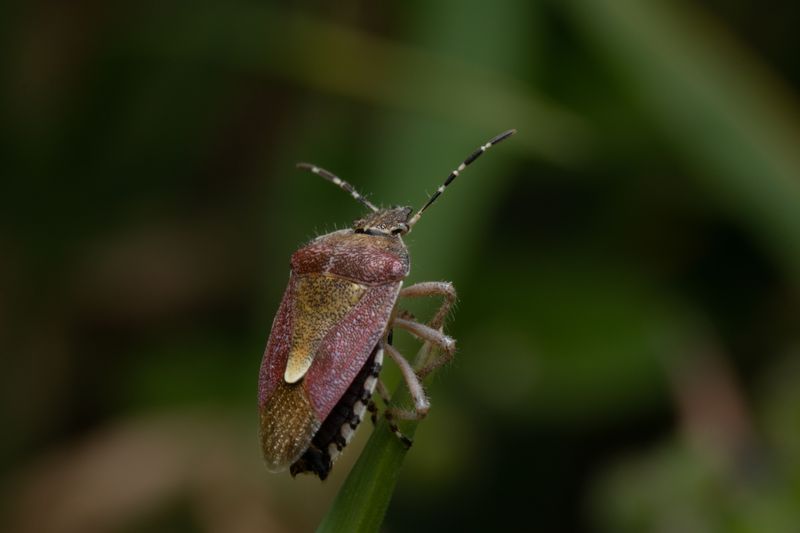
Maryland summers are notably hot and humid. The combination of high heat and thick humidity creates perfect conditions for stink bug activity to surge.
Warm temperatures accelerate the insect’s metabolism, meaning they eat more, move faster, and reproduce quicker. Humidity keeps them comfortable during their most active foraging hours.
The Mid-Atlantic climate that makes Maryland summers so sticky is near-ideal conditions for brown marmorated stink bugs. They thrive in exactly these conditions.
When outdoor temperatures spike above 85 degrees, stink bugs often seek relief near cooler surfaces. Your shaded siding, air-conditioned interior, and cool basement walls become attractive alternatives.
Humidity also softens wood and caulk over time, which can gradually widen existing entry points. What was a tight seal in spring may have loosened enough by August to let insects through.
Maryland’s climate also supports the lush vegetation these bugs depend on for food. More plants mean more bugs, and more bugs mean more pressure on your home’s exterior.
Finding stink bugs inside your Maryland home in summer makes total sense when you consider the regional climate. Addressing the climate-related entry factors is a key part of any effective long-term prevention strategy.
Attraction To Light And Warm Exterior Surfaces

Turn on your porch light at dusk in August and watch what happens. Within minutes, insects of all kinds gather, and stink bugs are almost always in the mix.
Brown marmorated stink bugs are strongly phototactic, meaning they are naturally drawn to light sources. Outdoor lighting on warm summer nights draws them directly toward your home’s exterior.
Once they are on your walls near a light, they start exploring the surrounding surface. Any crack or gap near a lit fixture becomes an immediate target for entry.
Dark-colored siding and sun-baked brick also attract stink bugs during daylight hours. These surfaces absorb heat, and the bugs will press against them to regulate their own body temperature.
Switching outdoor bulbs to warm-spectrum LED or yellow bug lights can reduce the attraction significantly. These wavelengths are far less appealing to most flying and crawling insects.
Motion-activated lights are another smart option since they limit how long your exterior stays illuminated. Less light exposure means fewer bugs clustering near your doors and windows each night.
Finding stink bugs inside your Maryland home in summer often starts with a bright light left on all night. A simple change in lighting habits can reduce indoor sightings faster than almost any other fix.
Summer Egg-Laying Cycle Causing Seasonal Population Rise Nearby
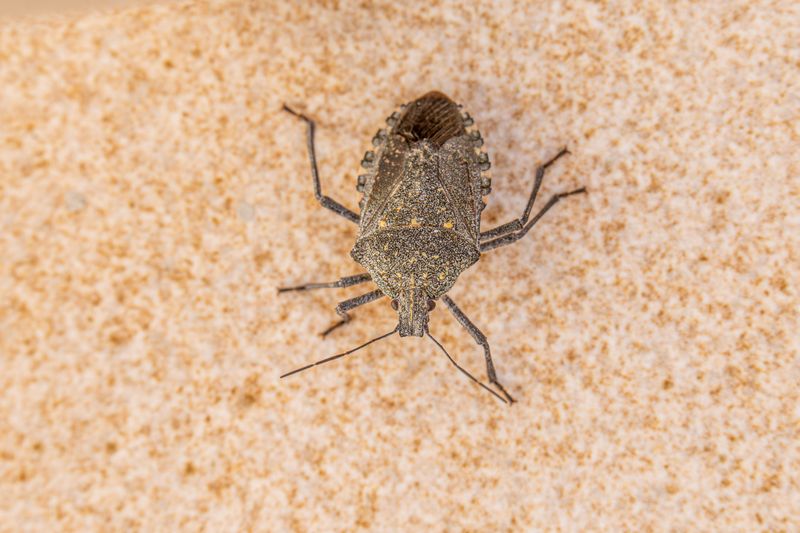
A stink bug sighting in summer is not just about one bug. It is a signal that a breeding population is active very close to your home.
Female brown marmorated stink bugs lay eggs from June through August, producing clusters of 20 to 30 pale green eggs at a time. Those eggs hatch quickly in warm weather, adding fresh waves of nymphs to the local population.
Each female can lay multiple egg batches across a single season. That math adds up fast, and a small group of stink bugs near your garden can become a large one by late summer.
Nymph development typically takes five to eight weeks in warm conditions. New adults emerge hungry and searching for resources.
Those newly hatched bugs are often what drives the sudden spike in indoor sightings during August and September. The population around your home grows faster than the outdoor food supply can support.
Checking the undersides of leaves in your garden for egg clusters is a proactive way to reduce pressure on your home. Removing egg masses early breaks the cycle before it escalates.
Finding stink bugs inside your Maryland home in summer is often the final clue that a breeding boom is already underway outside. Catching it early is the smartest move you can make.