The Ohio Native Flower That Blooms So Long It Outlasts Three Rounds Of Annuals
Most Ohio gardeners have done the math on annuals without realizing it. Buy them in spring, enjoy them for a stretch, replace them when they fade, repeat.
It feels normal because everyone does it. It adds up in ways that a single native perennial can make look completely unnecessary.
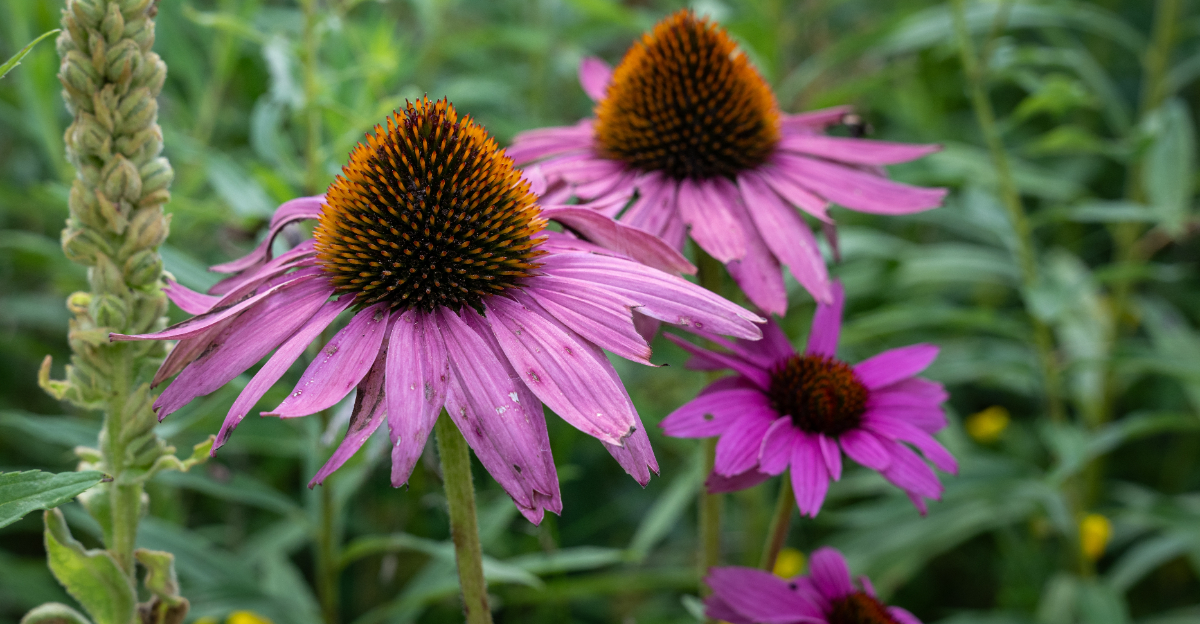
One Ohio native flower runs laps around that cycle. It blooms through summer into fall and feeds pollinators at a scale most annuals cannot touch.
It also comes back every year without a nursery trip or replacement cost. By the time most annual rotations have turned over three times, this native is still going.
Same plant, same spot, more established and more productive each season. Ohio gardens have been slow to fully appreciate what this flower actually offers.
The ones that have made room for it tend to never look back.
1. Choose Purple Coneflower For A Long Native Bloom Window
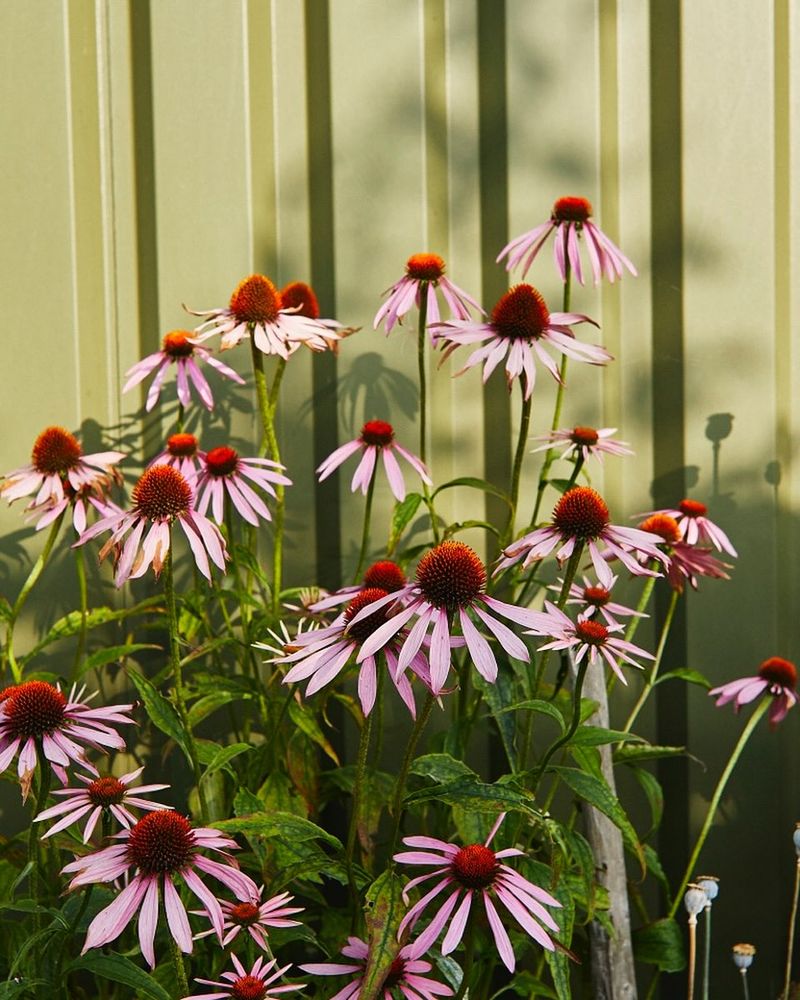
A sunny bed needs a plant that keeps its place after the first wave of seasonal color starts looking worn. Purple coneflower steps up here in a way that few other native perennials match as reliably in regional summer gardens.
In a well-sited location with full sun and decent drainage, Echinacea purpurea typically begins blooming in late June or early July. Flowering can continue through August and even into September in favorable conditions.
That stretch covers a window when many popular annuals are fading, getting leggy, or needing a full replacement to stay fresh-looking.
To be clear, purple coneflower does not flower every single day without pause from June to frost. Bloom intensity can shift depending on heat, rainfall, and how established the plant is.
First-year plants often bloom less than second or third-year plants with deeper root systems.
The native species tends to be more consistent in local gardens than some hybrid cultivars, which can vary in vigor and bloom duration. Choosing locally sourced or regionally appropriate plants gives the best results.
Over time, a well-established clump can carry a border through a long, productive summer stretch that short-lived annuals simply cannot match without frequent refreshing.
2. Plant It In Full Sun For The Strongest Flower Show
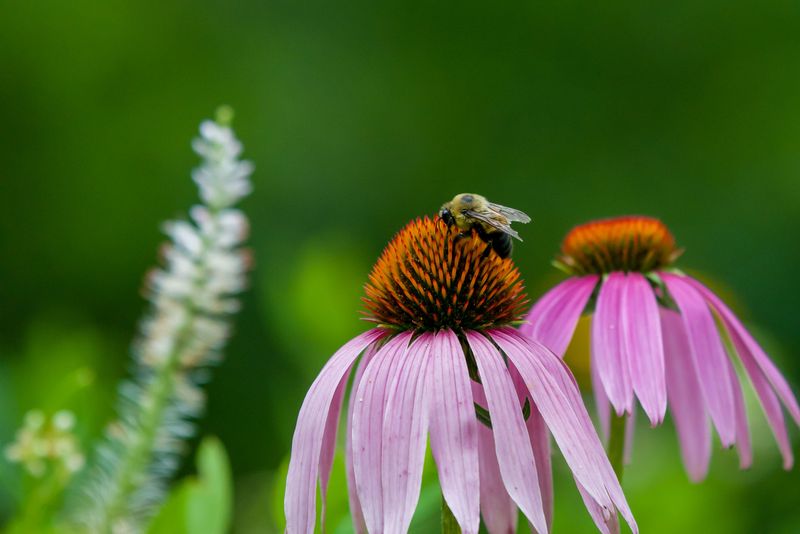
Placement matters more than most Ohio gardeners expect when it comes to how well purple coneflower performs. A spot that gets six or more hours of direct sun each day is where this plant truly shows what it can do.
In partial shade, flowering tends to drop off noticeably. Plants may stretch toward available light, producing taller but weaker stems that flop over by midsummer.
The flower count goes down, and the overall display looks thin compared to what a sunny site produces. Shade from nearby trees or structures is one of the most common reasons coneflowers underperform in home landscapes.
Open sunny borders, meadow-style plantings, and south or west-facing beds are all strong choices. Avoid tucking coneflowers under overhanging eaves or near large shrubs that cast afternoon shade.
Good air circulation around the plants also helps reduce foliar issues that can show up in humid summer conditions.
Your Ohio Garden Changes Every Week. Your Plan Should Too.
Gardening in Ohio changes quickly throughout the season. Every Friday you’ll receive a simple weekly plan showing exactly what to plant, prune, fertilize, harvest, and protect so you never miss the right timing.
Annuals grown in full sun often need more frequent watering and trimming to keep pace with summer heat. Purple coneflower, once established in the same sunny spot, handles those conditions with much less intervention.
The sun that challenges other plants is exactly what coneflower needs to perform at its best.
3. Let Established Roots Handle Summer Dry Spells
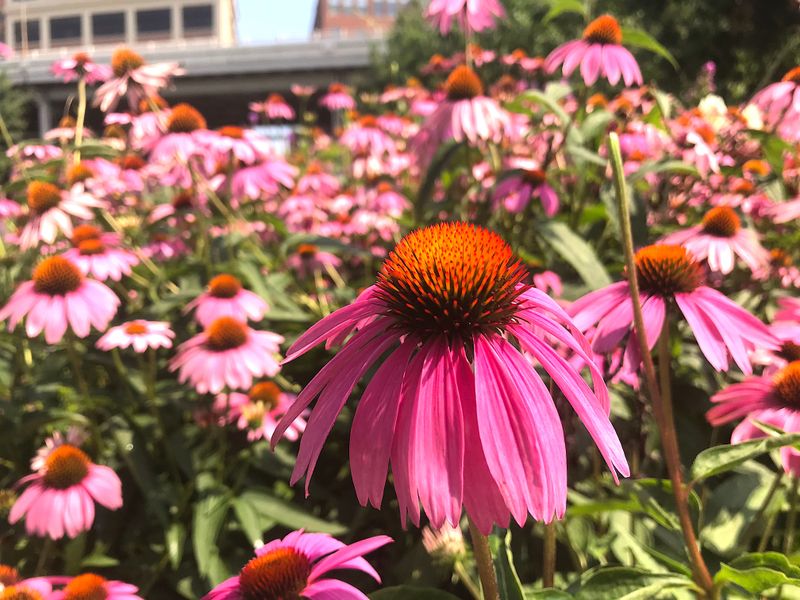
July can be brutal in regional gardens. Stretches of dry, hot weather push shallow-rooted plants to the edge.
Annuals planted in spring often need consistent watering just to stay upright and flowering through the worst of it. Established purple coneflower handles dry spells better than many of those shallow-rooted options.
The key word is established. Plants that have been in the ground for a full growing season or more develop deeper, more resilient root systems that can access soil moisture further down.
That root depth gives them staying power that newly planted or annual species cannot replicate.
New transplants and first-year seedlings are a different story. They need regular watering while their roots are still spreading and settling.
Skipping water during the first summer, especially during dry stretches, puts young plants under real stress and can set back their long-term development significantly.
Once a coneflower clump reaches its second or third year, it generally needs far less supplemental watering during normal summer conditions.
Extended droughts may still require occasional irrigation, but the plant handles average dry periods with much less fuss than annuals.
That resilience is part of what makes it such a dependable presence in a summer bed that sees real heat.
4. Cut Spent Blooms To Encourage Fresh Flowers
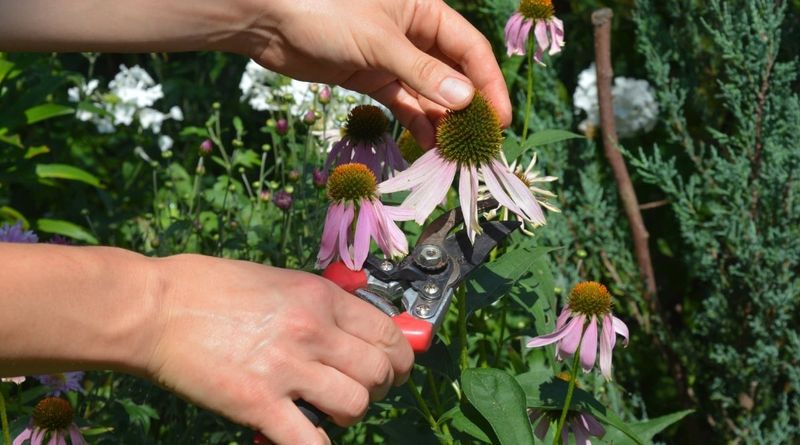
A faded coneflower bloom left on the stem is not wasted, but it does mean the plant is putting energy into seed production rather than pushing out new flowers.
Trimming, which means removing spent blooms before seeds fully form, can extend the flowering period and keep plants looking cleaner through the season.
The process is straightforward. Cut the faded flower stem back to a healthy side bud or leaf node rather than just snapping off the spent head.
New buds along the stem often develop into additional flowers when the plant is not focused entirely on ripening seeds. Regular trimming through July and into August can noticeably stretch the bloom display.
That said, gardeners do not need to remove every single spent bloom. Leaving some flowers to mature into seed heads toward the end of the season sets up the late-season value that makes coneflower worth keeping even after peak bloom.
The practical approach is to trim actively through midsummer, then ease off in late August to allow seed heads to develop for fall and winter interest.
This balanced strategy gives the best of both worlds. More flowers during the main season and a useful seed-head structure afterward.
Annuals rarely offer that kind of two-stage value from a single planting.
5. Leave Some Seed Heads For Late-Season Wildlife
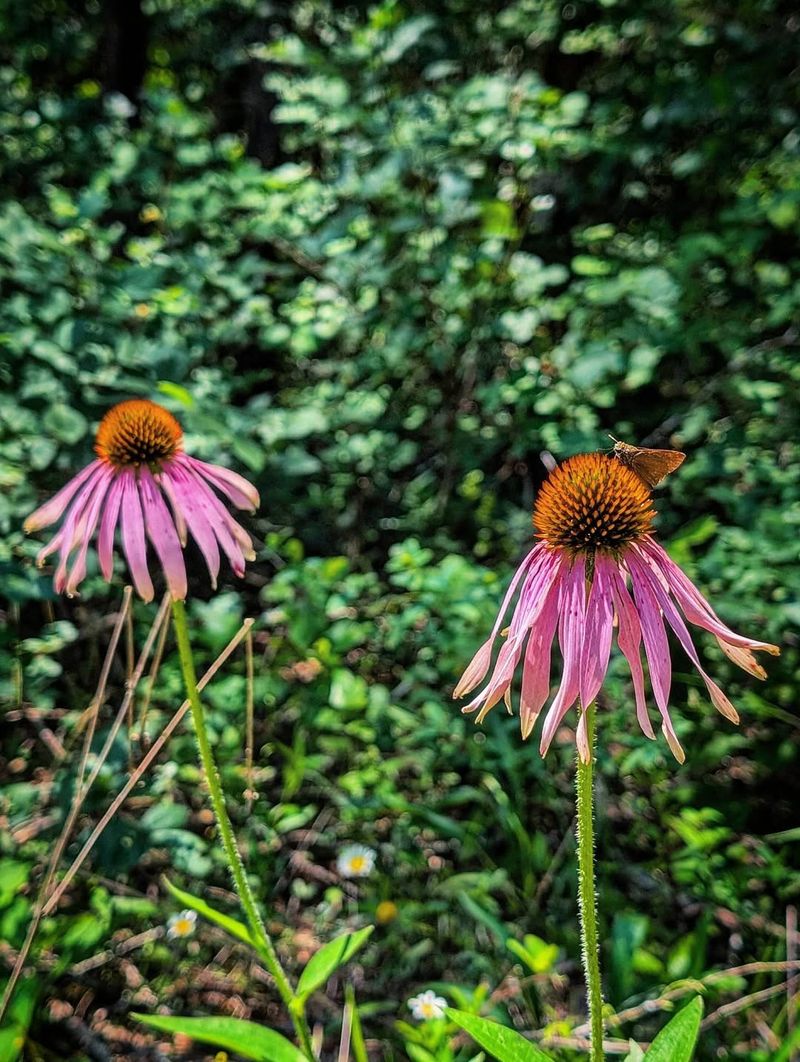
After the petals drop and the blooming season winds down, the spiky brown cones that remain on purple coneflower stems become something worth keeping.
Those seed heads attract birds that actively feed on the seeds during fall and winter when other food sources are getting scarce.
American goldfinches are among the most frequently observed visitors to coneflower seed heads. They cling to the dried cones and pick out seeds with precision, sometimes returning to the same plants repeatedly over weeks.
Other finch species and small songbirds also take advantage of these seed heads in garden settings.
Beyond feeding value, the upright seed heads add visual structure to the Ohio garden during the months when most other plants have gone dormant or collapsed.
A row of coneflower cones standing through November and into December gives the bed a natural, textured look that bare soil cannot provide.
It is worth noting that seed heads alone do not replace all wildlife habitat needs. A garden that supports birds and beneficial insects benefits from a variety of native plants, shelter, and water sources working together.
Coneflower seed heads are one useful piece of that larger picture. Leaving them through winter, rather than cutting everything down in fall, is a simple choice with real seasonal payoff.
6. Pair It With Short-Lived Annuals For Constant Color
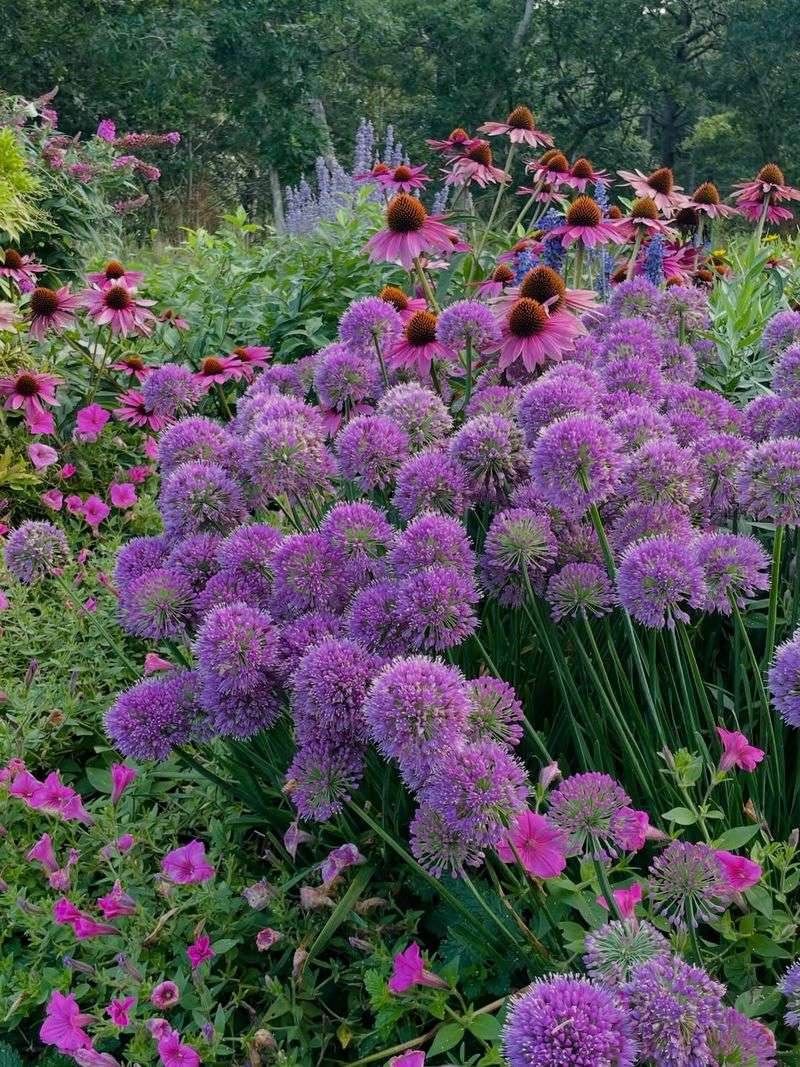
Annuals and native perennials are not competing teams. A well-designed Ohio garden bed can use both, with each plant type doing what it does best.
Purple coneflower works well as an anchor in a mixed planting, providing a reliable returning structure while annuals fill in gaps with quick, season-long color.
Zinnias, marigolds, and lantana are examples of annuals that bloom heavily and complement coneflower well in a sunny bed. They fill the spaces between coneflower clumps with dense color.
They can also be swapped out each season without disturbing the perennial framework underneath.
The practical benefit of this pairing is that the coneflower holds its position year after year while the annuals provide flexibility. If one annual selection fades early or does not perform as expected, it can be replaced without uprooting the entire bed.
The coneflower stays put and keeps contributing.
From a design standpoint, coneflower’s upright form and bold flower heads contrast nicely with the mounding or trailing habits of many annuals. The combination avoids the flat, one-note look that an all-annual planting can sometimes produce.
Mixing textures and plant types is one of the easier ways to make a summer bed look intentional and full through a long season.
7. Avoid Rich Wet Soil That Weakens The Plant
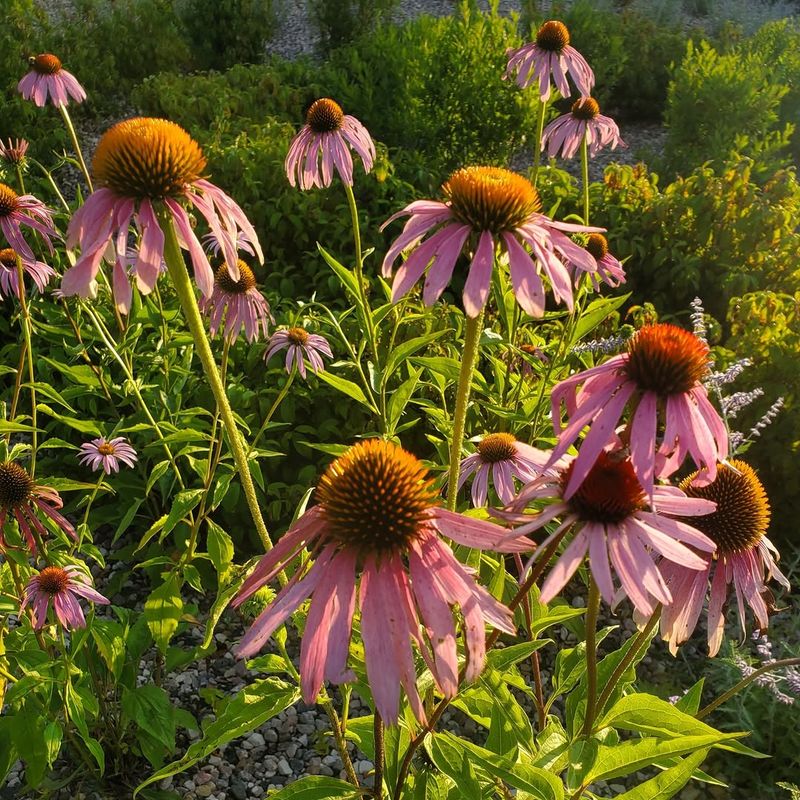
Not every garden site suits purple coneflower, and the soil situation is where many gardeners run into trouble. This plant evolved in well-drained, often lean soils across prairies, open woodlands, and rocky slopes.
Replicating those conditions, or at least avoiding the opposite, gives it the best chance to perform well over multiple seasons.
Soggy soil is one of the most reliable ways to weaken coneflower over time. Poor drainage, heavy clay, or low spots that stay wet through spring can all cause root problems.
Those problems may show up as stunted growth, floppy stems, or plants that do not return after winter.
Overly rich soil is also worth watching. Beds heavily amended with compost or fertilizer can push coneflower to produce lots of leafy growth at the expense of flowers.
Lean to moderately fertile, well-drained soil tends to produce more compact, upright plants with better flower production than heavily enriched garden beds.
Good air circulation around the plants matters too, especially in humid summer conditions. Crowded plantings with poor airflow can develop foliar issues that affect appearance.
Spacing plants appropriately helps prevent common coneflower problems. Avoiding low, sheltered spots with poor drainage also helps prevent underperformance in local gardens.
8. Count On Coneflowers When Annuals Start Fading
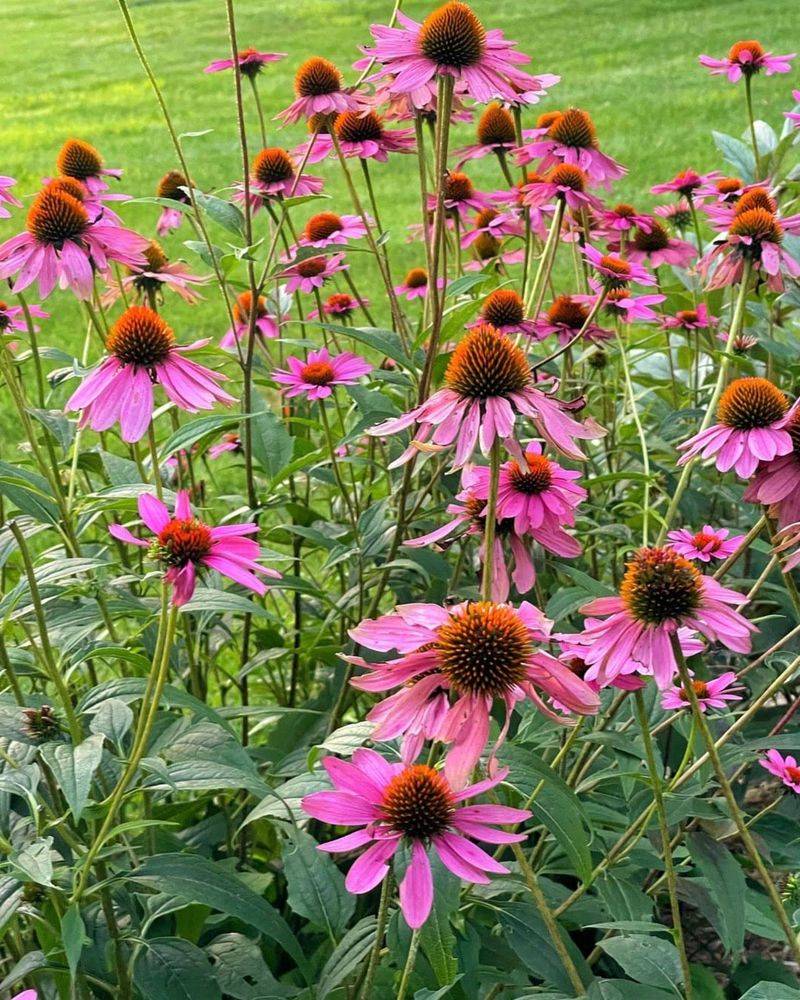
By the time August settles in and the heat has been running for weeks, many annual plantings start showing their limits. Petunias get leggy.
Impatiens wilt in the afternoon. Even reliable annuals that looked great in June start needing more attention to stay presentable.
That is exactly the moment when a well-established coneflower clump earns its place in the bed.
Purple coneflower does not need to be replanted each year. It returns from its root system, builds a larger clump over time, and comes back with more flowering stems as the plant matures.
A three or four-year-old clump in a good site can produce dozens of blooms across a single season, far more than a single transplant from the first year.
Coneflower offers long summer bloom, heat tolerance once roots are established, and post-bloom seed-head value. That combination makes it a dependable backbone for a sunny bed.
It is not a plant for every site or every garden goal. But for a full-sun border that needs a returning, long-blooming native that handles real summer conditions, it is hard to match.
Choosing the native species over heavily bred cultivars also tends to support better long-term garden performance and stronger regional wildlife connections. Starting with one good clump in a sunny, well-drained spot is all it takes to see the difference firsthand.