Tennessee Crops You Can Still Plant In July For A Fall Harvest
Most Tennessee gardeners pack up their seed packets by June and call it a season. That is a mistake that costs them months of fresh produce.
July soil is warm and days are long. A surprising number of crops actually thrive when planted right now, not in spite of the heat, but because of it.
July soil is warm and days are long. A surprising number of crops thrive when planted right now, not in spite of the heat, but because of it. The key is knowing which vegetables can hit full maturity before the first frost.
Plant the wrong thing and you will be staring at an unfinished crop when the temperatures drop. Plant the right thing and you will be pulling fresh vegetables well into fall.
Tennessee’s growing window is longer than most gardeners realize, and July is not the end of it. It is closer to the middle.
1. Bush Beans
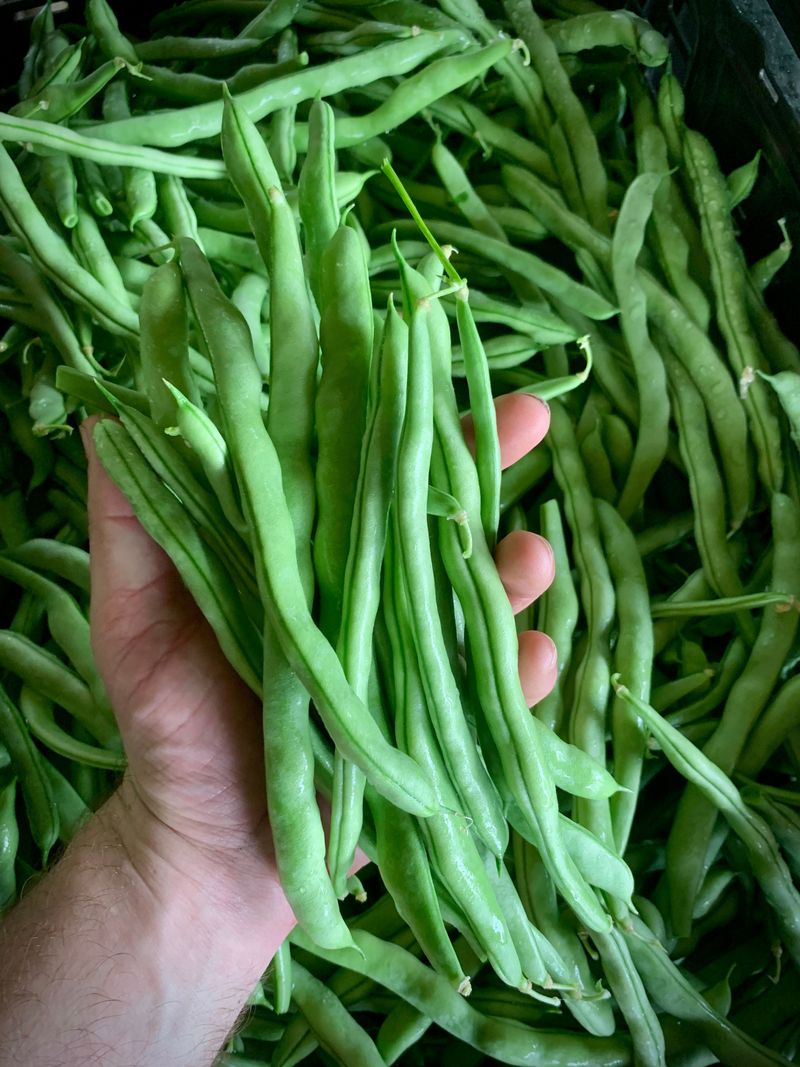
Bush beans are one of those crops that make you feel like a gardening genius. They grow fast, ask for very little, and reward you with handfuls of crisp pods in just 50 to 60 days.
Planting in early July gives your beans enough warm soil to germinate quickly. Soil temps of 70 degrees or above help seeds germinate quickly, and July in the Volunteer State delivers that without question.
Sow seeds about one inch deep and two to four inches apart in rows. No need to soak them beforehand, just drop them in and water well after planting.
Bush beans do not need stakes or trellises, which makes them beginner-friendly. They bush out low to the ground and produce pods all at once, making harvest day feel like a party.
Watch out for beetles and aphids, which love bean plants in warm weather. A quick spray of neem oil keeps most pests away without harming your harvest.
Pick pods when they are firm and about four inches long. Leaving them on the plant too long causes seeds inside to swell and flavor to drop off.
Succession planting every two weeks, with the last sowing no later than mid-July, can stretch your harvest window into October.
Few vegetables are as satisfying to grow as bush beans. They are proof that a fall garden can be both easy and delicious.
2. Kale
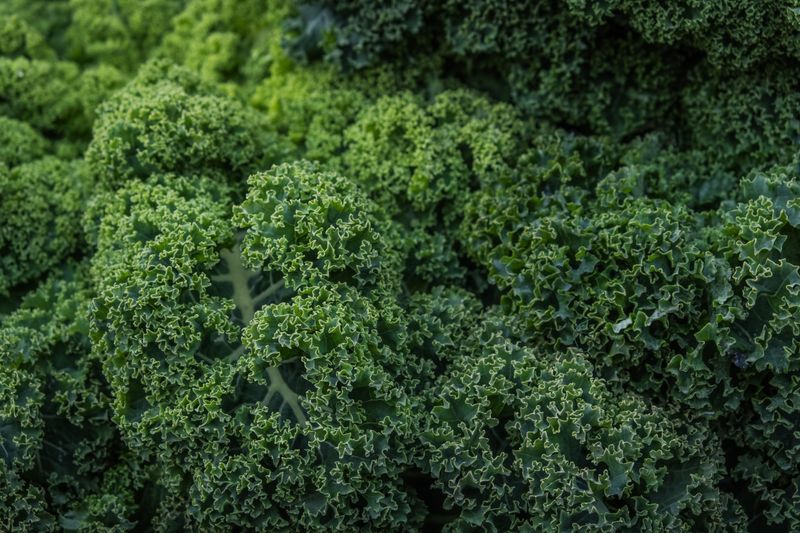
Kale actually tastes better after a frost, and that makes it one of the smartest crops you can plant right now. The cold converts starches in the leaves to sugar, giving you a sweeter, richer bite by fall.
Start seeds indoors in early July or direct sow outdoors into prepared beds. Kale prefers well-drained soil with plenty of compost worked in before planting.
Transplant seedlings outside when they have at least two true leaves showing. Space plants about 18 inches apart so air can circulate freely between them.
This crop is tough and handles heat better than most cool-season greens. A little afternoon shade helps during the hottest July weeks while seedlings are getting established.
Your Tennessee Garden Changes Every Week. Your Plan Should Too.
Gardening in Tennessee changes quickly throughout the season. Every Friday you’ll receive a simple weekly plan showing exactly what to plant, prune, fertilize, harvest, and protect so you never miss the right timing.
Water consistently but do not overdo it. Kale roots like moisture without sitting in soggy ground, so raised beds or well-draining soil work best here.
Harvest outer leaves first and leave the center crown intact. The plant keeps producing new growth for weeks, giving you multiple rounds of fresh greens from a single plant.
Lacinato kale, also called dinosaur kale, performs especially well in Southern climates. Its flat, bumpy leaves are easier to clean and hold up beautifully in soups and stir-fries.
Growing kale in July sets you up for a harvest window that runs from September straight through December. That kind of longevity is rare and worth every bit of effort you put in now.
3. Collard Greens
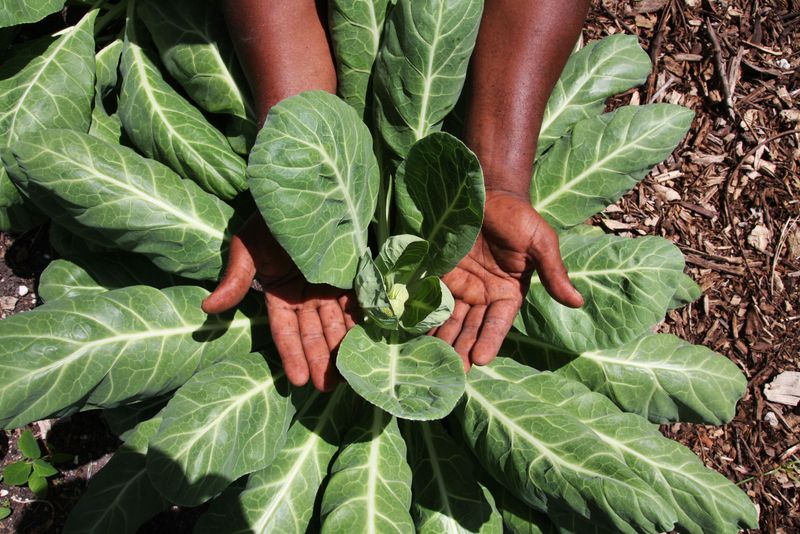
Collard greens are practically a Southern tradition, and July is exactly when you want to get them in the ground. These hardy greens thrive in the heat of summer and only get better as fall temperatures cool down.
Plant seeds about a quarter inch deep directly into garden beds or start transplants indoors. Either method works well, though direct sowing is faster and requires less fuss.
Collards grow into large, leafy plants that need room to spread. Space them at least 18 to 24 inches apart so each plant gets enough sunlight and airflow to stay healthy.
This crop is surprisingly drought-tolerant once established, but consistent watering during the first few weeks is critical. Young transplants need steady moisture to develop strong root systems before fall arrives.
Feed your collards with a balanced fertilizer about three weeks after planting. Nitrogen-rich options help push big, lush leaf growth that makes harvest so satisfying.
Cabbage worms are the main pest to watch for on collard plants. Row covers or hand-picking caterpillars off leaves keeps damage manageable without reaching for heavy chemicals.
Begin harvesting lower leaves when they reach about 10 inches long. Picking from the bottom up keeps the plant producing fresh new leaves from the center throughout the season.
Collard greens planted now will be table-ready in a matter of weeks, right as fall temperatures begin to settle in across Tennessee.
4. Broccoli
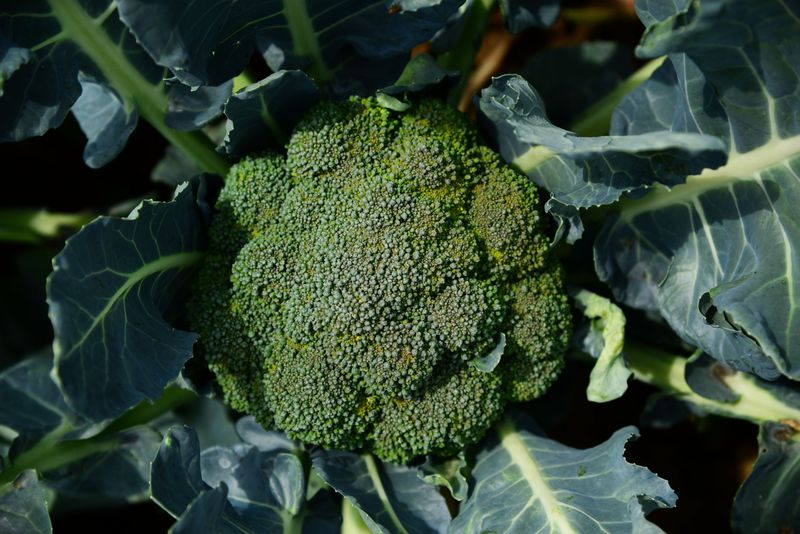
Broccoli has a reputation for being finicky, but fall-planted broccoli in the South is actually one of the most rewarding crops you can grow. Cooler fall temps produce tight, flavorful heads that summer heat simply cannot match.
Start seeds indoors around the first week of July for transplanting in about four to six weeks. Getting a head start inside protects seedlings from the worst of the summer heat during their most vulnerable stage.
Broccoli needs full sun, at least six hours daily, and rich, fertile soil to perform well. Mix compost into your bed before transplanting to give roots the nutrients they need right away.
Space transplants 18 inches apart in rows about two feet wide. Crowding broccoli stunts growth and increases the risk of disease spreading between plants quickly.
Keep soil consistently moist but never waterlogged. Broccoli roots are sensitive to drought stress, which can cause heads to button up small before they reach full size.
Watch for imported cabbage worms and aphids, both common on brassica crops. Bacillus thuringiensis, or Bt, is a safe organic spray that handles worms without harming beneficial insects nearby.
Harvest heads before yellow flowers begin to open on the crown. Once flowers appear, flavor turns bitter fast, so check plants every couple of days once heads reach full size.
Side shoots keep producing after the main head is cut, extending your harvest for weeks. Broccoli planted in July can reward patient gardeners well into fall, particularly in the warmer parts of the state.
5. Cabbage
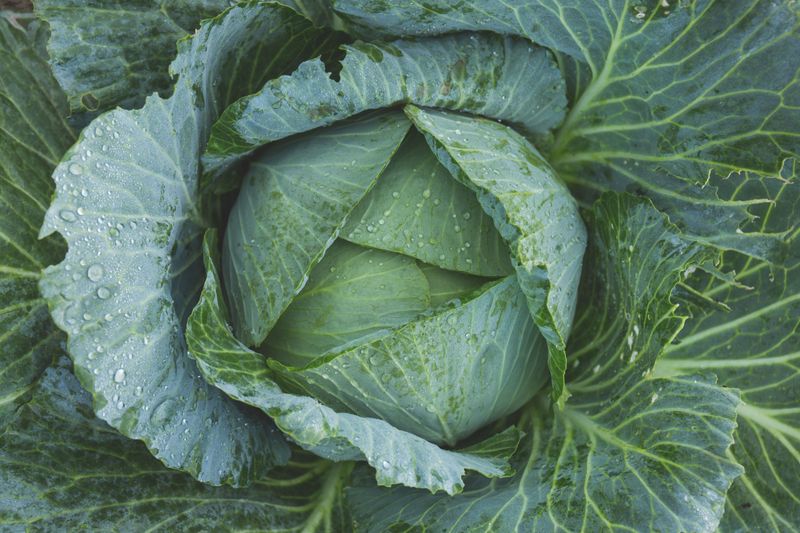
Image Credit: © freestocks.org / Pexels
Cabbage is one of those crops that looks impressive in the garden and tastes even better on the plate. A tight, heavy head of homegrown cabbage harvested in October feels like a real gardening achievement.
For a fall crop, start cabbage seeds indoors around early July and transplant outdoors in mid-to-late August. That timing lets seedlings skip the worst heat while still maturing before frost arrives.
Cabbage prefers fertile, slightly acidic soil with a pH between 6.0 and 7.0. Testing your soil before planting saves a lot of guesswork and helps you amend properly ahead of time.
Space transplants 12 to 18 inches apart depending on the variety you choose. Smaller varieties like Early Jersey Wakefield can be planted closer, while larger types need more breathing room.
Consistent watering is non-negotiable with cabbage. Irregular moisture causes heads to crack right down the middle, which ruins the harvest you worked hard to grow.
Fertilize every three weeks with a balanced granular fertilizer to support steady leaf and head development. Cabbage is a heavy feeder and responds noticeably to regular nutrient boosts throughout the season.
Cabbage loopers and imported worms are the biggest threats to your crop. Check the undersides of leaves regularly and remove eggs before they hatch into hungry caterpillars.
Homegrown fall cabbage tends to be noticeably sweeter and more tender than store-bought varieties harvested out of season. Plant it now and taste the difference for yourself come harvest time.
6. Cucumbers
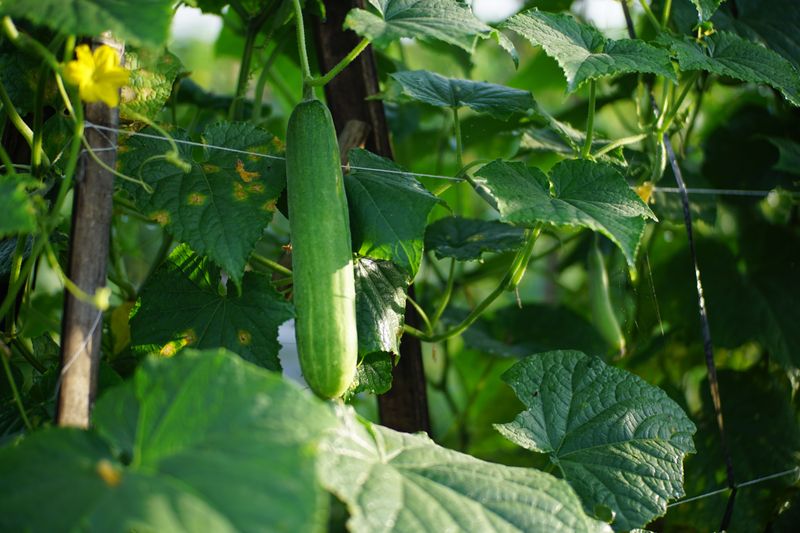
Cucumbers are warm-weather lovers, which makes July planting a smart move for a second round of summer-to-fall production. A July planting can extend your cucumber season by six to eight weeks past your spring crop.
Choose fast-maturing varieties like Straight Eight or Spacemaster, which hit harvest in about 50 to 55 days. That timeline fits perfectly for an early September through October harvest before frost shuts things down.
Direct sow seeds one inch deep in hills or rows after amending soil with rich compost. Cucumbers are heavy feeders and love loose, well-draining soil packed with organic matter from the start.
Trellising cucumbers saves space and keeps fruit clean and straight. Vertical growing also improves air circulation around leaves, which helps prevent powdery mildew in the humid Southern summer air.
Water deeply two to three times per week rather than light daily sprinkles. Deep watering encourages roots to go down instead of staying shallow, which makes plants more stable and drought-resistant.
Cucumber beetles are the main pest threat in mid-summer plantings. Yellow sticky traps placed near plants catch adults early before populations explode and cause serious leaf and root damage.
Harvest slicing cucumbers when they reach six to eight inches long and are still dark green; pickling varieties are best picked at two to four inches. Waiting too long causes fruit to turn yellow, get seedy, and taste noticeably bitter on the vine.
A second cucumber crop in fall feels like a bonus round in the garden. Plant in July and enjoy fresh cucumbers long after your neighbors have given up for the season.
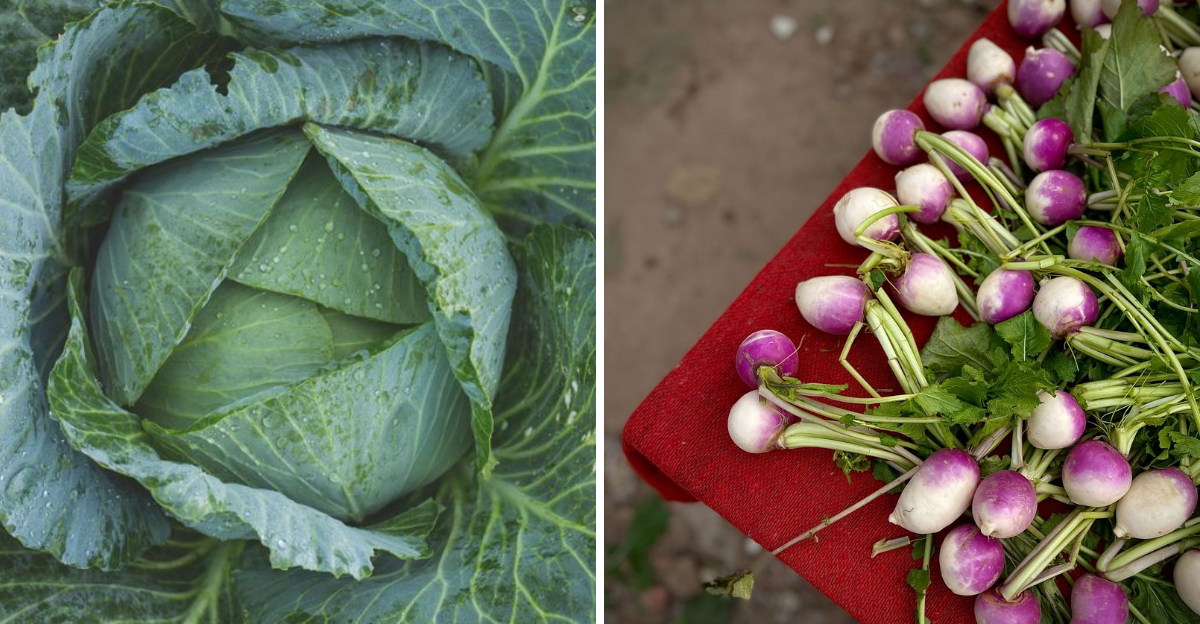
7. Turnips
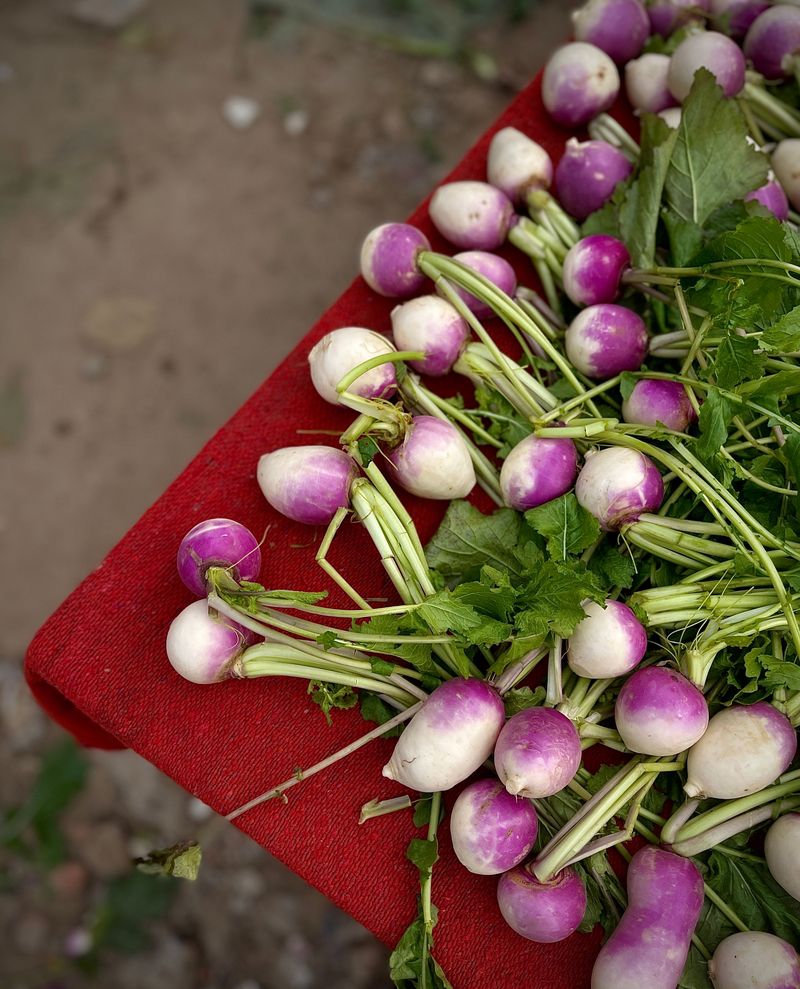
Image Credit: © Nishant Aneja / Pexels
Turnips might be the most underrated crop on this entire list. They grow fast, take up little space, and give you two harvests in one: the roots and the greens are both completely edible.
Direct sow turnip seeds in mid-to-late July for roots ready in about 45 to 60 days. Thin seedlings to four to six inches apart once they sprout so roots have room to round out properly.
Turnips prefer loose, deep soil free of rocks and clumps that could cause misshapen roots. Breaking up compacted soil before planting is one of the best investments of time you can make.
These plants handle heat well as seedlings but truly shine once fall temps drop into the 50s. Cooler weather sweetens the roots naturally, reducing that sharp, peppery bite some people associate with turnips.
Water regularly to keep soil evenly moist throughout the growing period. Dry spells followed by heavy rain cause roots to crack, which affects both appearance and storage quality after harvest.
Flea beetles are the most common pest problem with turnips. Row covers placed over young seedlings right after planting block adult beetles before they can chew tiny holes through tender leaves.
Harvest roots when they reach two to three inches in diameter for the best texture and flavor. Larger roots tend to get woody and less pleasant to eat, so timing your pull matters.
Turnip greens sauteed with garlic and olive oil are a Southern staple for good reason. Grow this humble crop in July and you will wonder why you ever overlooked it before.
8. Pumpkins
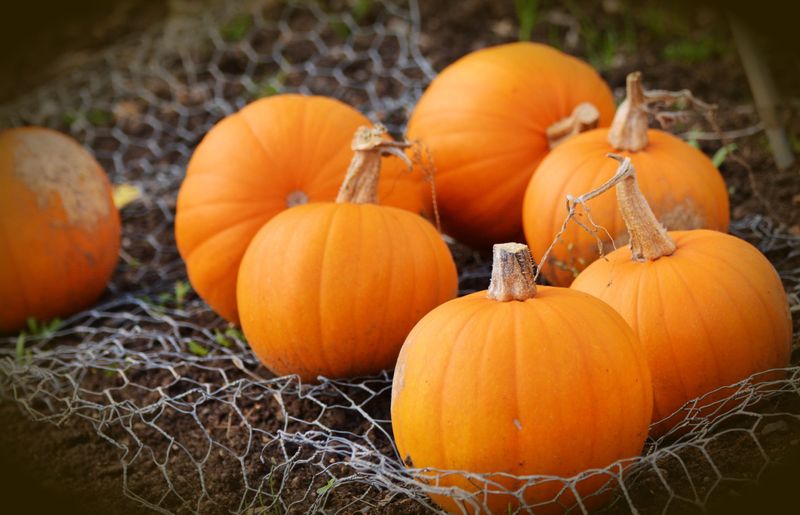
Planting pumpkins in July for a fall harvest is one of the most satisfying gardening moves you can make. Picture a bright orange pumpkin sitting on your porch in October, one you grew yourself from seed.
Most standard pumpkin varieties need 90 to 100 days to mature, so planting in early July puts harvest right at late September or October. That timing lines up perfectly with fall decorating season and Halloween.
Choose a spot with full sun and plenty of room because pumpkin vines sprawl aggressively. Some varieties send vines 10 to 15 feet in every direction, so plan your garden layout carefully before planting.
Plant seeds one inch deep in hills of two to three seeds each, then thin to the strongest plant per hill. Hills should be spaced at least six feet apart to give vines space to run freely.
Pumpkins are thirsty plants that need about one inch of water per week. Water at the base of plants and avoid wetting leaves, which helps prevent fungal diseases common in humid Southern summers.
Squash vine borers and cucumber beetles are the two biggest threats to pumpkin crops. Checking vines weekly for damage and removing pests early keeps plants productive through the long growing season.
Cure harvested pumpkins in a warm, sunny spot for about 10 days to harden the skin. Proper curing extends shelf life dramatically and helps them last through the entire fall season.
Growing pumpkins connects you to something ancient and joyful about the harvest season. These Tennessee crops you can still plant in July for a fall harvest make October feel truly earned.