These 9 Common Tennessee Yard Habits Attract More Ticks Than You Realize
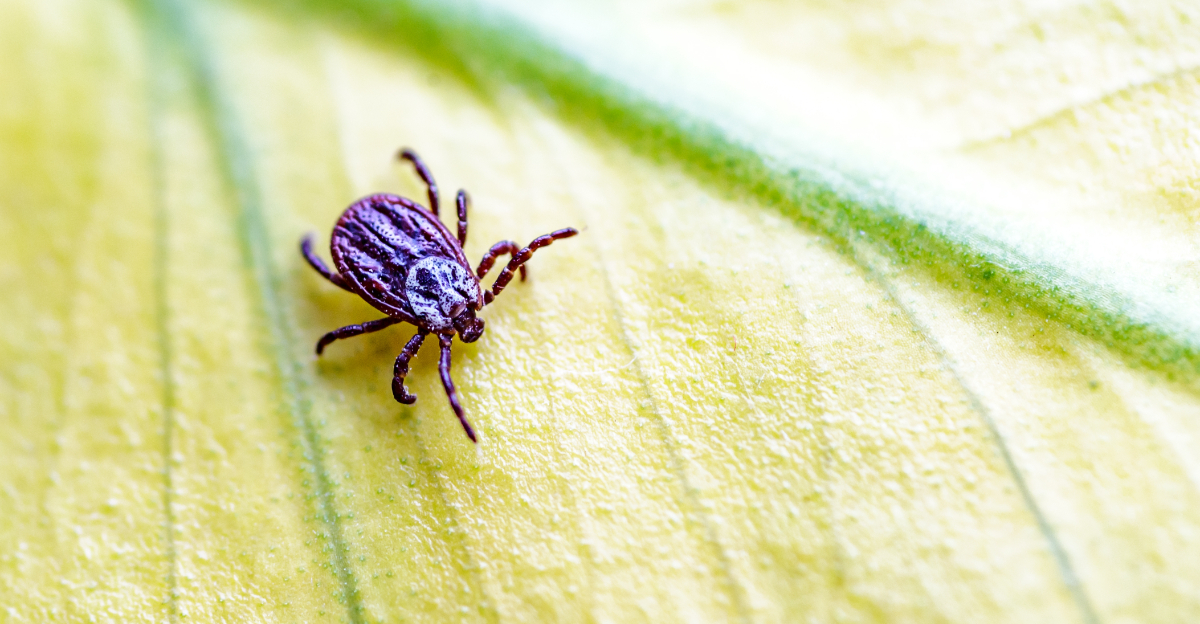
That itch on your ankle after a few minutes in the backyard is not always a mosquito. In Tennessee, ticks are active nearly year-round, and your own yard might be rolling out the welcome mat for them.
The state’s warm, humid summers give ticks exactly what they need to survive, shade, moisture, and plenty of places to hide. What most homeowners don’t realize is that ordinary yard habits are making the problem worse.
None of it seems like a big deal until you’re pulling ticks off your dog every other day. Small, practical changes to how you manage your yard can shift things fast.
Here’s what’s likely drawing ticks in, and what you can do about it.
1. Letting Grass Grow Too Tall
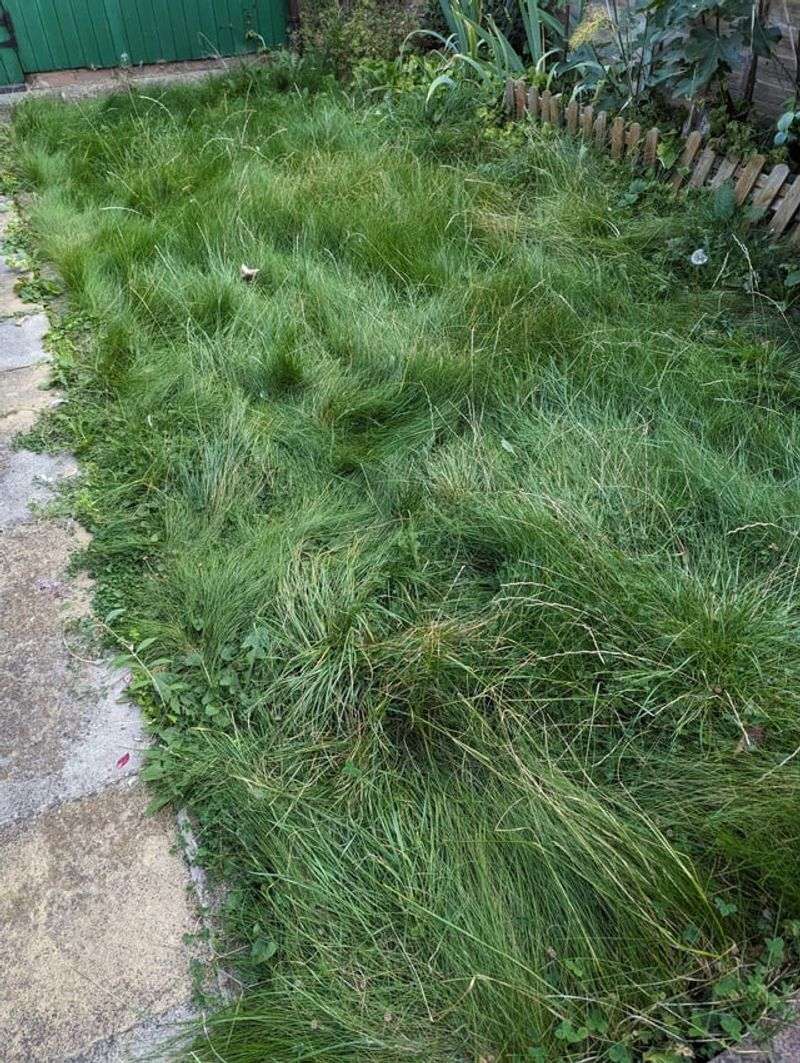
Tall grass is basically a five-star hotel for ticks. They love hiding in dense, damp blades where they can wait patiently for a host to brush past.
Ticks do not jump or fly to reach you. They practice something called questing, where they climb grass blades and stretch their front legs out, ready to grab onto anything warm that passes by.
This is especially common along the edges of your lawn where grass meets garden beds, fences, or wooded areas. Those transition zones are where tick activity tends to be highest.
When your lawn gets shaggy, you are handing ticks the perfect setup. Grass over four inches tall traps moisture and blocks sunlight, creating the cool, humid conditions ticks need to survive.
Mowing regularly keeps that environment less appealing to them. Aim to keep your lawn trimmed to about three inches or shorter throughout the warmer months.
Even during cooler Tennessee winters, ticks can stay active when temperatures stay above freezing. Skipping mowing in fall is a habit that lets tick populations build up before spring even arrives.
A well-maintained lawn is one of the easiest defenses you have. Keep the blades short, stay consistent with your mowing schedule, and you have already removed one of their favorite hiding spots from your yard.
2. Skipping Leaf Cleanup In Fall And Winter
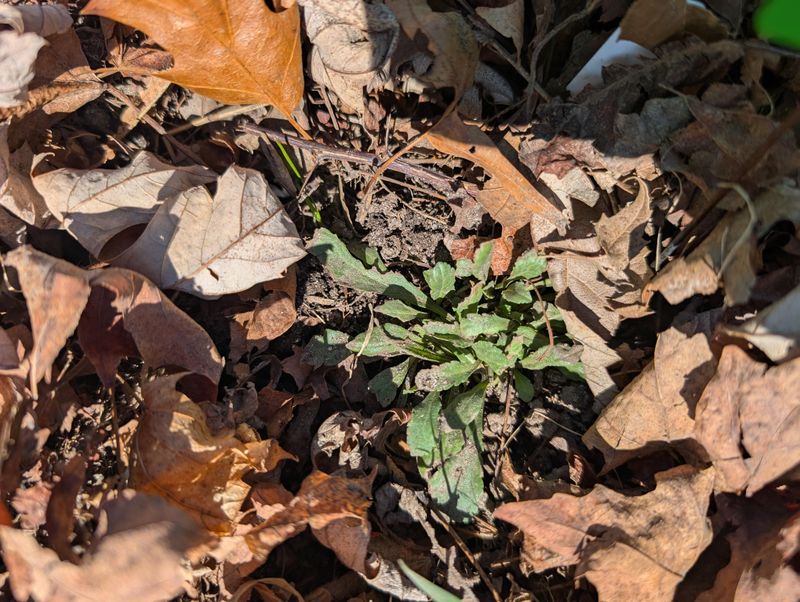
Raking leaves feels like a never-ending chore, especially when more keep falling every day. But those crunchy piles sitting in your yard all season are creating a cozy tick habitat that attracts more ticks to your property.
Leaf litter holds moisture like a sponge. Ticks burrow into the damp, decomposing layers and stay protected from cold air and dry conditions that would otherwise slow them down.
Leaf piles are one of the most overlooked tick hotspots in residential yards. The problem gets worse when leaves pile up along fences, garden beds, and wooded edges.
Clearing leaves promptly in fall makes a noticeable difference. Bag them or compost them away from your home and high-traffic areas where your family spends time.
Winter cleanup matters just as much as fall cleanup. Ticks like the deer tick, common across middle and east Tennessee, stay active in temperatures as low as 35 degrees Fahrenheit.
Do not let leaves sit until spring, thinking the cold has taken care of the problem. A tidy yard through the colder months is a smarter long-term strategy for reducing tick pressure around your home.
Your Tennessee Garden Changes Every Week. Your Plan Should Too.
Gardening in Tennessee changes quickly throughout the season. Every Friday you’ll receive a simple weekly plan showing exactly what to plant, prune, fertilize, harvest, and protect so you never miss the right timing.
3. Leaving Brush Piles And Yard Debris Around
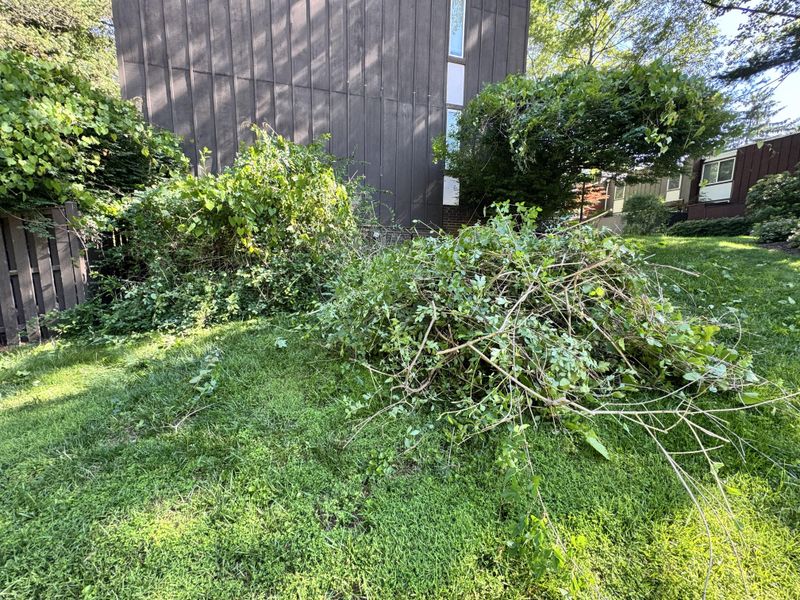
That pile of branches you stacked by the fence last spring is probably still sitting there, is it not? Brush piles are one of the most overlooked tick magnets in any yard.
Ticks thrive in dark, damp, sheltered spaces. Stacked wood, dead branches, and yard clippings create exactly that kind of environment, giving ticks a safe place to rest and reproduce.
Brush piles also attract small animals like mice, voles, and rabbits. These critters are major tick hosts, meaning they carry ticks right into your yard and drop them off as they move around.
Cleaning up debris regularly breaks that cycle. When there is no shelter for small animals, there are fewer ticks getting deposited near your home.
If you need to store firewood, keep it stacked neatly and elevated off the ground. Stack it away from your house, ideally in a sunny, dry spot where ticks cannot easily survive.
Make debris removal a monthly habit rather than a once-a-year project. A cleaner yard is not just more attractive to look at, it is genuinely less hospitable to the pests that make outdoor time miserable for your whole family.
4. Not Creating A Barrier Between Your Lawn and Wooded Areas
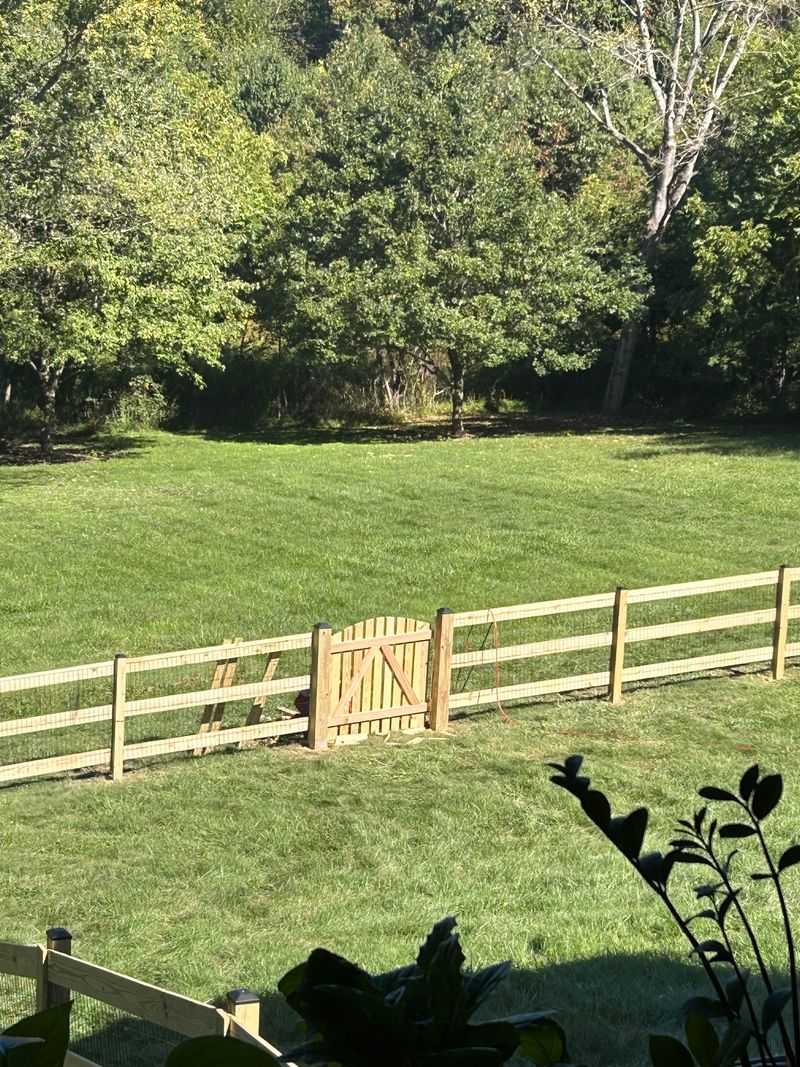
If your yard backs up to woods, you are living right next to tick territory. Without a clear boundary, ticks migrate freely from the tree line straight into your lawn.
Creating a barrier between your grass and the woods is one of the most effective habits Tennessee homeowners can adopt. A three-foot-wide strip of wood chips or gravel creates a dry zone that ticks are far less likely to cross.
Ticks dislike dry, sunny surfaces. Mulch and gravel dry out quickly after rain, making them unappealing for ticks that need moisture to stay alive and active.
This buffer zone also discourages deer and small rodents from wandering into your yard. Fewer visiting animals means fewer ticks getting dropped off at the edge of your lawn.
The barrier does not need to be expensive or elaborate. Plain wood chip mulch from a local hardware store works well and looks tidy along a fence line or garden border.
Maintaining this zone is just as important as creating it. Rake it out periodically, keep it free of leaves and debris, and refresh the mulch each season to keep the barrier working as a genuine line of defense between your family and wooded tick habitat.
5. Planting Deer-Attracting Plants Near Your Home
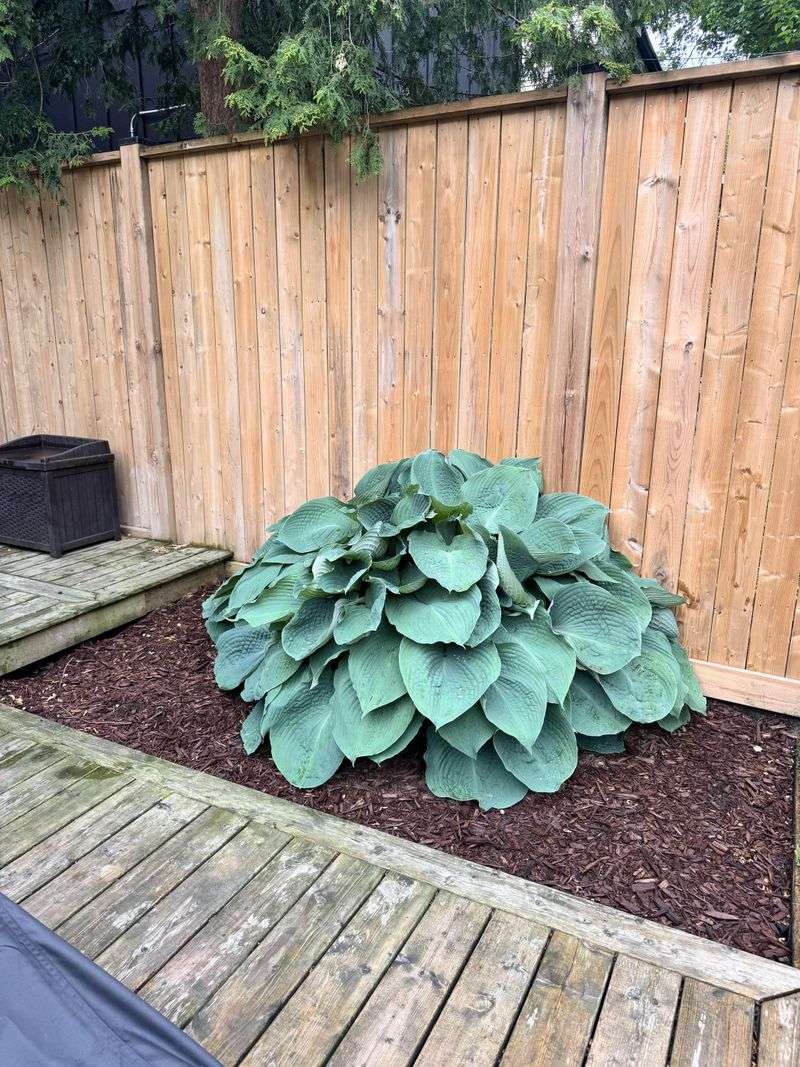
Deer are beautiful, but they are also walking tick delivery systems. A single deer can carry hundreds of ticks at a time, dropping them off wherever it wanders through your yard.
Planting hostas, roses, tulips, and fruit trees near your home is basically sending out a dinner invitation to deer. Once they find a reliable food source, they keep coming back, and they bring ticks along every visit.
Tick populations near homes with frequent deer activity tend to be significantly higher. Research suggests that deer presence is one of the strongest predictors of tick density in residential yards.
Swapping deer-favorite plants for deer-resistant varieties is a practical solution. Lavender, catmint, salvia, and ornamental grasses are beautiful options that deer tend to leave alone.
Native Tennessee plants like black-eyed Susans and coneflowers are also naturally less appealing to deer. They support pollinators and look stunning without rolling out a welcome mat for tick-carrying wildlife.
Rethinking your garden layout does not mean giving up a beautiful yard. Strategic planting keeps deer at a distance, reduces tick pressure near your home, and still gives you a landscape you will actually enjoy spending time in.
6. Leaving Pet Toys And Outdoor Gear Scattered In The Yard
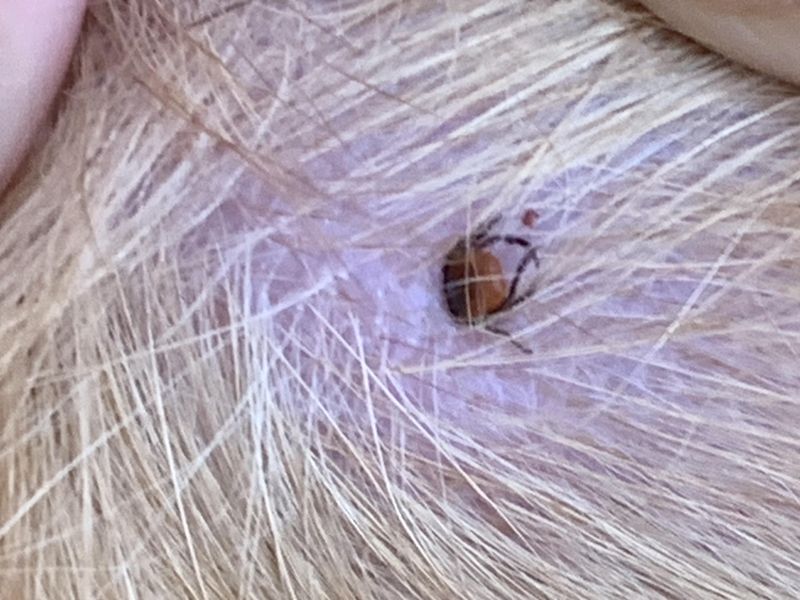
It is easy to leave dog toys, garden gloves, or kids’ outdoor shoes scattered across the yard after a long day. But those items collect moisture and create tiny sheltered spots that ticks love to hide in.
A rubber chew toy left in the grass overnight holds dew underneath it by morning. That small patch of damp, shaded ground is exactly what a tick needs to stay comfortable and wait for a host.
Outdoor gear that sits in shady spots is especially problematic. Gardening gloves, kneeling pads, and old shoes left near shrubs or garden beds can harbor ticks that hitch a ride inside when you pick them up later.
Getting into the habit of bringing things in at the end of each day makes a real difference. It takes just a few minutes and removes dozens of potential tick hiding spots from your yard.
Designate a storage bin or covered basket near your back door for quick cleanup. That small routine keeps your yard tidier and reduces the number of damp, cluttered surfaces where ticks can settle in.
Your pets are especially vulnerable since they nose around every corner of the yard. Picking up their toys daily and checking them for ticks before bringing anything inside is a simple habit that protects the whole household.
7. Ignoring Shady, Damp Spots In Your Yard
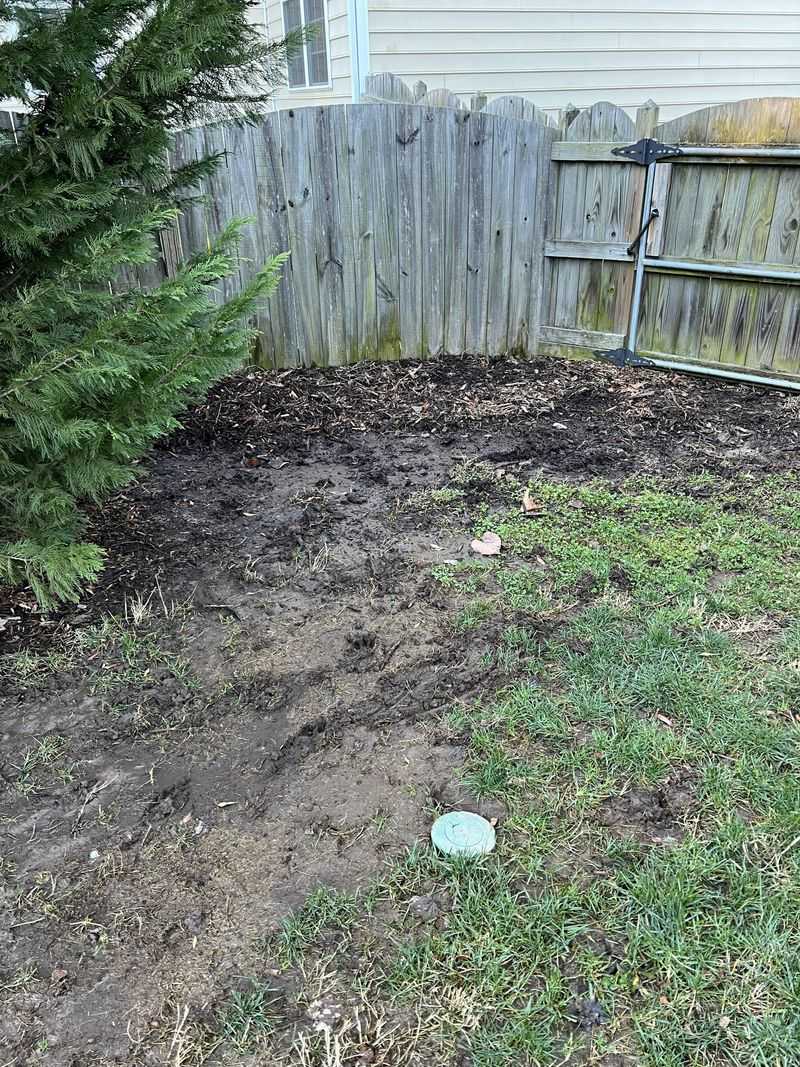
That soggy corner behind the shed where the sun never quite reaches is not just an eyesore. It is prime tick habitat, and ignoring it is one of the most common yard habits that attract more ticks to your outdoor space.
Ticks cannot regulate body moisture on their own. They depend entirely on humid, shaded environments to stay hydrated and active, which is why they gravitate toward low-lying, damp areas of your yard.
Spots under dense shrubs, beside air conditioning units, and along shaded fence lines are common problem zones. These areas stay moist long after rain and rarely get enough sun to dry out naturally.
Trimming back overgrown shrubs opens those areas to sunlight and air circulation. Even a few extra hours of sun exposure each day can make a shaded corner significantly less tick-friendly.
Improving drainage in soggy spots also helps. Adding gravel, regrading a low area, or redirecting downspouts keeps standing water from creating a persistently damp environment ticks can exploit.
Walk your yard on a dry afternoon and make note of every shady, damp patch you find. Each one you address is one less place ticks can thrive, and that means fewer encounters every time you and your family head outside to enjoy your Tennessee yard.
8. Skipping A Fence Around Your Property
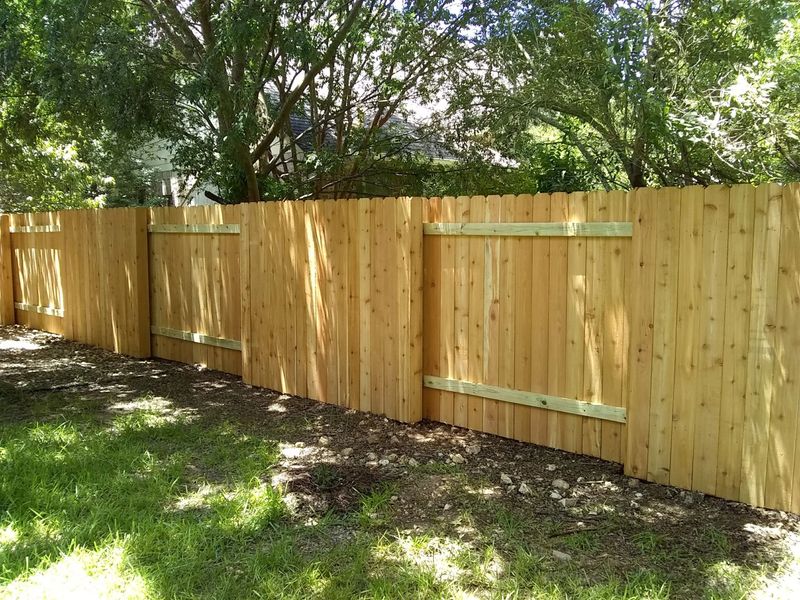
An unfenced yard is an open invitation for wildlife to wander through freely. Deer, foxes, raccoons, and stray dogs all carry ticks, and without a fence, very little stops them from crossing your lawn.
Fencing is not just about privacy or aesthetics. A well-placed fence around your property creates a genuine physical barrier that limits how often tick-carrying animals pass through your outdoor space.
Not every fence style works equally well. A solid fence at least seven to eight feet tall is one of the most effective options for keeping deer out.
Even a shorter fence helps reduce traffic from smaller animals like rabbits and raccoons, which are common tick hosts in Tennessee. Less animal traffic means fewer ticks being deposited in your yard throughout the season.
Fencing is a bigger investment than some other tick-prevention strategies, but it pays off in multiple ways. It also helps define your yard, protect your garden, and give kids and pets a safer space to play.
If a full perimeter fence is not in the budget right now, start with fencing the areas where wildlife enters most often. Blocking even one main corridor can noticeably reduce the number of ticks making their way across your property each season.
9. Letting Wildlife Freely Pass Through Your Yard
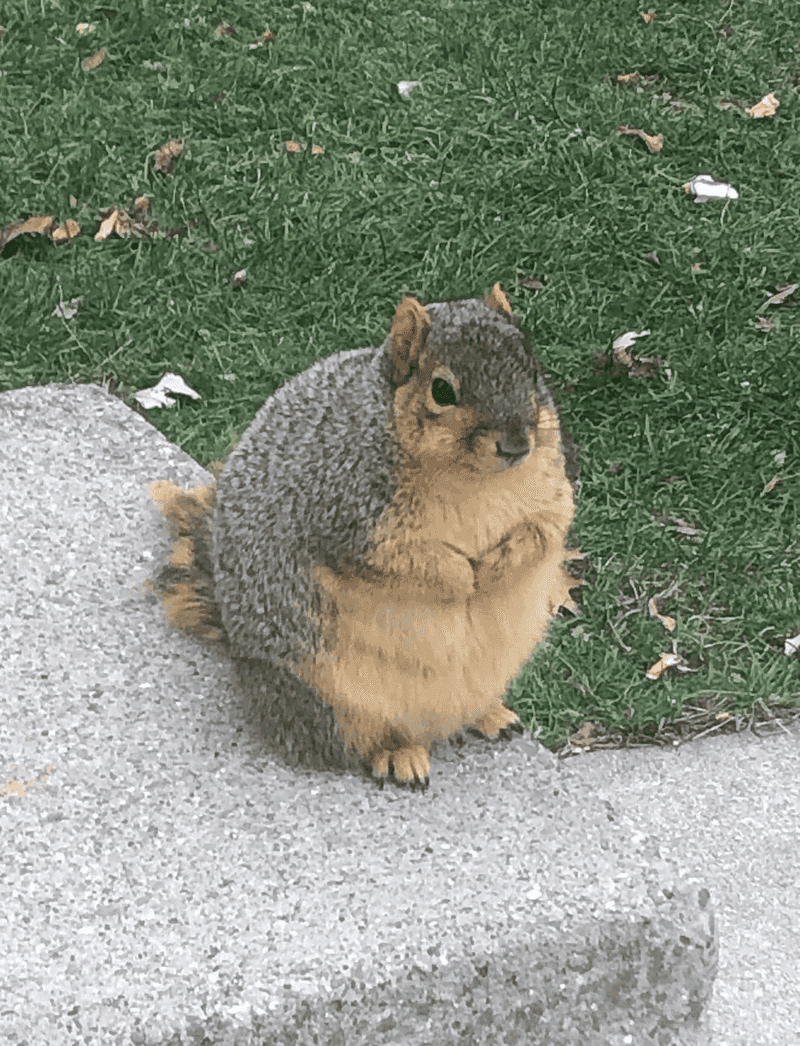
Watching deer graze at the edge of your yard at sunrise feels magical, but those graceful visitors are leaving behind something far less charming. Ticks drop off wildlife constantly as animals move through residential yards across the state.
Raccoons, deer, and even squirrels all serve as tick hosts. Each time one of these animals crosses your lawn, it can deposit ticks that then begin searching for their next host, which could be you, your kids, or your dog.
Reducing wildlife access to your yard is one of the most impactful steps you can take. Secure trash cans, remove bird feeders during peak tick season, and avoid leaving pet food outdoors, since all of these attract animals that bring ticks along.
Bird feeders are a sneaky culprit that many homeowners overlook. The seeds that fall to the ground attract mice and squirrels, which are among the most common tick hosts around.
Motion-activated sprinklers and lights can discourage nighttime wildlife visits without harming any animals. These simple tools send a clear signal that your yard is not an easy pass-through.
Managing your yard with wildlife in mind is the smartest long-term move. Fewer animals wandering through means fewer ticks landing in your Tennessee yard, and that makes every outdoor moment safer for your whole family.