The Meaning Behind A Roadrunner Visiting Your Texas Garden For The First Time
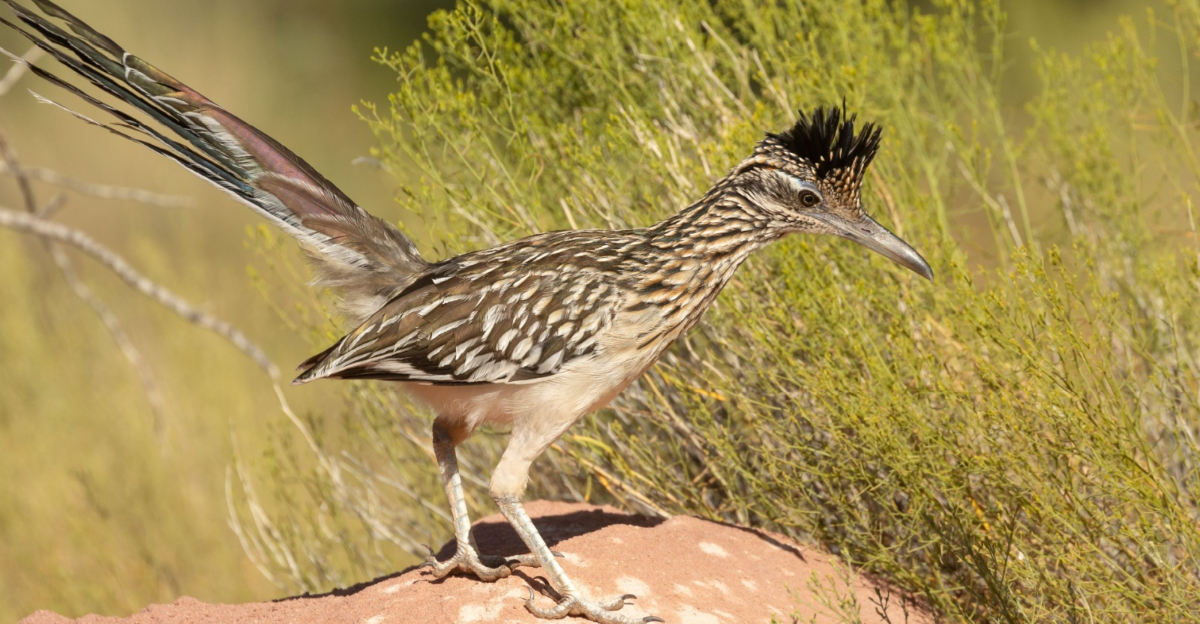
One second your Texas garden is just sitting there minding its own business, and the next a Greater Roadrunner comes shooting through like it owns the place.
Long tail bobbing, eyes sharp, moving with that unmistakable energy that makes you put down whatever you were doing and just watch.
These birds have serious personality, and a roadrunner sighting has a way of feeling like more than just a random wildlife moment. A lot of Texans find themselves wondering what it actually means when one shows up.
Is it a sign? A symbol? Just a very confident bird looking for lunch? Honestly, it might be all three.
Texas gardens with sunny paths, open ground, cactus beds, and brushy edges can be surprisingly appealing to roadrunners, and the reasons they show up are just as interesting as the meanings people connect to the visit.
1. It May Symbolize Quick Thinking Or Adaptability
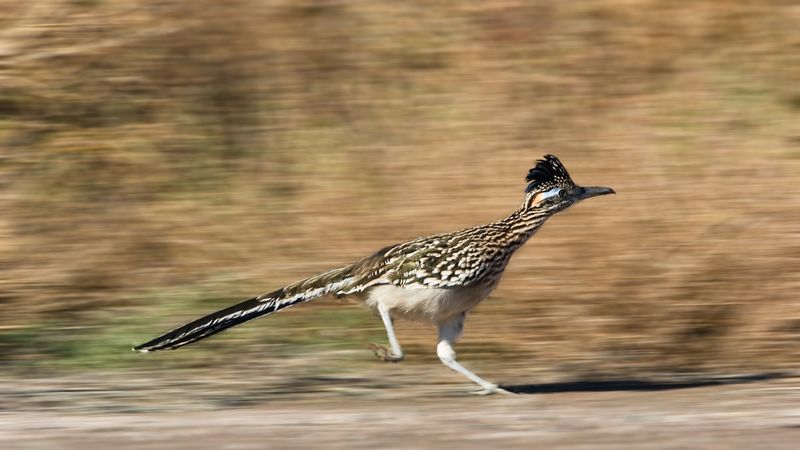
A long-tailed shape darting across a dry garden path tends to leave a strong impression. For many people in Texas, the roadrunner has long been associated with quick thinking, fast movement, and the ability to shift direction without missing a beat.
That connection feels natural when you watch one move, because these birds do not linger or hesitate the way some backyard visitors do.
The symbolic link to adaptability comes from the roadrunner’s real behavior. These birds thrive across a wide range of Texas landscapes, from brushy Hill Country edges to South Texas scrub and suburban yards near open fields.
They adjust to shifting conditions, changing food sources, and new environments with what looks like easy confidence.
Seeing one in your garden for the first time may feel like a nudge toward your own flexibility or resourcefulness. That kind of personal meaning is a cultural and individual interpretation rather than a biological message from the bird itself.
Still, the roadrunner’s actual behavior in the wild does reflect genuine adaptability, which makes the symbolic connection feel grounded rather than invented.
2. It May Feel Like A Sign Of Confidence
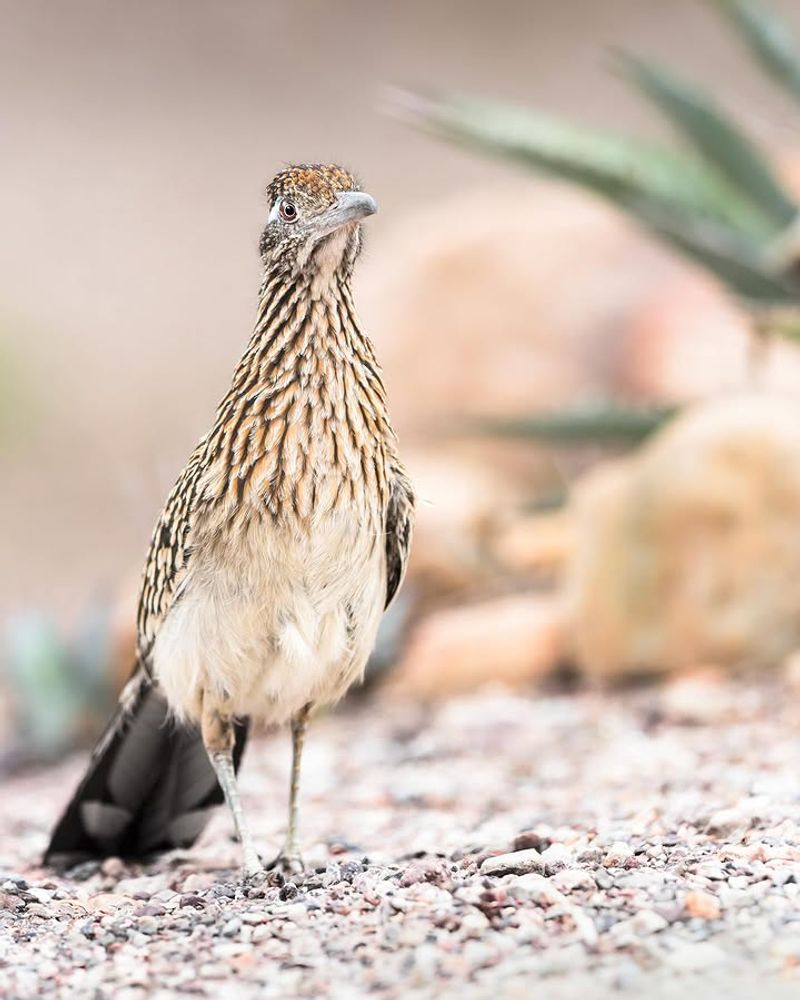
Watch a roadrunner walk through a yard and you will notice it does not flinch easily. It moves with a steady, deliberate stride, holds its head up, and seems entirely unbothered by fences, garden furniture, or people nearby.
That posture reads as confidence, and many Texas gardeners describe their first roadrunner sighting as feeling like an unexpected visit from something fearless.
The bird’s boldness has roots in its actual biology. Roadrunners are capable hunters that take on lizards, large insects, and even small snakes.
They do not rely solely on flight to escape threats, which means they tend to carry themselves with a grounded, assured quality that many other backyard birds simply do not show.
For some people, a first visit from a roadrunner sparks a personal reflection on their own confidence or willingness to move through challenges without hesitation.
That meaning is a personal interpretation rather than a message the bird is sending, but it is easy to see why the connection forms.
Your Texas Garden Changes Every Week. Your Plan Should Too.
Gardening in Texas changes quickly throughout the season. Every Friday you’ll receive a simple weekly plan showing exactly what to plant, prune, fertilize, harvest, and protect so you never miss the right timing.
The roadrunner’s actual presence in a Texas garden is striking enough to leave a lasting impression on almost anyone who witnesses it up close.
3. Your Garden May Offer Open Ground For Foraging
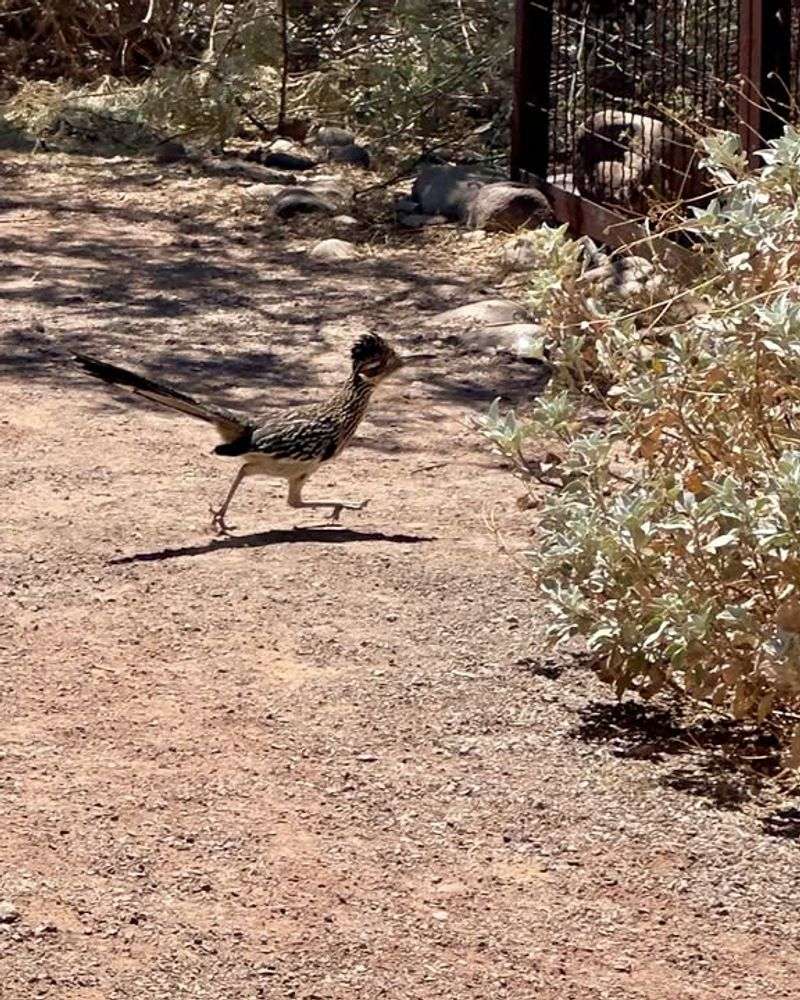
Bare soil, sparse short grass, and open patches between plants are some of the most practical features a Texas garden can offer a roadrunner.
These birds forage on the ground and need enough open space to spot movement, chase prey, and move quickly without getting tangled in dense vegetation.
A garden with a mix of open ground and nearby cover checks off several boxes at once.
Many Texas yards naturally provide this kind of habitat, especially in low-water landscapes, gravel gardens, cactus beds, and native plantings with spaced-out ground cover.
Even a simple garden path or dry border along a fence can function as a foraging corridor if the surrounding vegetation is not too thick.
If a roadrunner showed up in your garden for the first time, the open ground in your yard may have been a key reason. The bird was likely scanning for insects, lizards, or other prey items that are easier to spot and catch in open areas.
Practical habitat features like bare soil and short sparse grass tend to matter more to a roadrunner than any single plant or garden style, which is useful to know if you want to encourage future visits.
4. Low Shrubs Or Cactus May Provide Cover
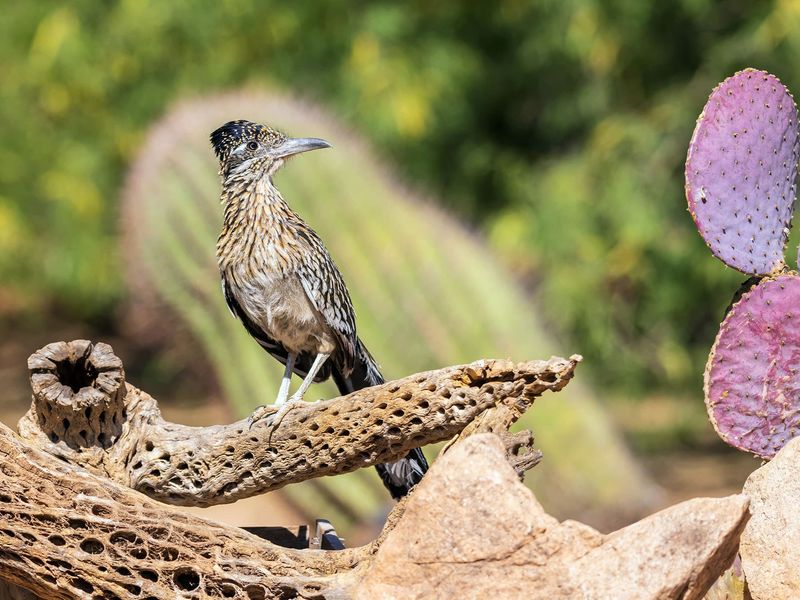
Tucked beside a prickly pear or crouched under a low thorny shrub, a roadrunner can look almost invisible until it decides to move.
Cover matters a great deal to these birds, and Texas gardens that include cactus, dense low shrubs, or brushy thickets tend to feel more welcoming to roadrunners than wide-open spaces with no shelter nearby.
In the wild, roadrunners use cactus clumps, mesquite thickets, cedar brush, and low scrubby vegetation for resting, nesting, and escaping threats.
A Texas backyard that includes native cactus like prickly pear or cholla, or shrubs like agarita, cenizo, or native yucca, may offer similar benefits.
The bird is not necessarily looking for a specific plant species but rather for the structural cover that dense, low vegetation provides.
Gardens with a layered look, meaning open ground at the base and taller cover rising behind it, tend to attract a wider range of Texas wildlife including roadrunners.
If your garden already has cactus beds or low native shrubs along a fence or border, that structural variety may have been part of what drew the roadrunner in for a first visit.
Cover and open ground working together create the kind of habitat these birds naturally seek out.
5. Lizards And Insects May Be Drawing It In
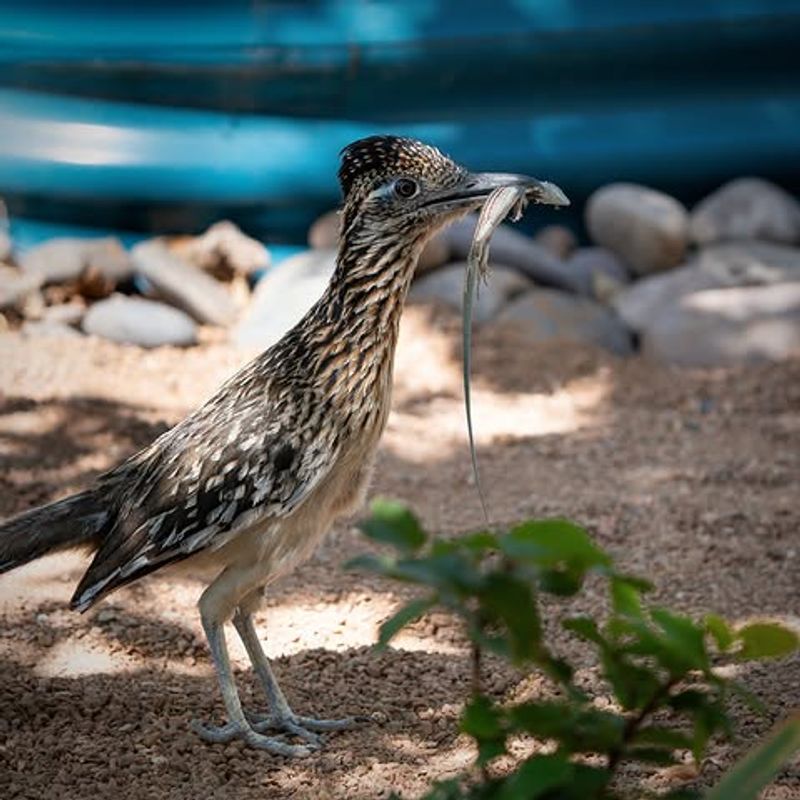
Lizards slipping through warm rocks and grasshoppers moving through dry garden beds are two things a roadrunner notices quickly.
Food is almost always the most practical reason a roadrunner shows up somewhere new, and Texas gardens that support lizards and large insects are naturally more interesting to these birds than yards with little prey activity.
Greater Roadrunners eat a wide range of prey, including lizards, large beetles, grasshoppers, crickets, caterpillars, spiders, and small frogs.
Native plantings, rock borders, dry garden beds, and cactus gardens tend to support healthy populations of these prey items, which in turn makes the yard more attractive to a hunting roadrunner.
Gardens that avoid heavy pesticide use often have more insect activity, which can translate into more wildlife visits overall.
A first roadrunner sighting may mean your garden has quietly become a productive hunting ground. The bird likely scouted the area, noticed prey movement, and moved in to investigate.
Warm sunny days tend to bring lizards and insects out into open areas, and a roadrunner following that activity into a Texas yard is simply doing what comes naturally.
Understanding the food connection can make the visit feel even more meaningful because it shows your garden is genuinely supporting local wildlife.
6. A Brushy Fence Line May Make Movement Easier
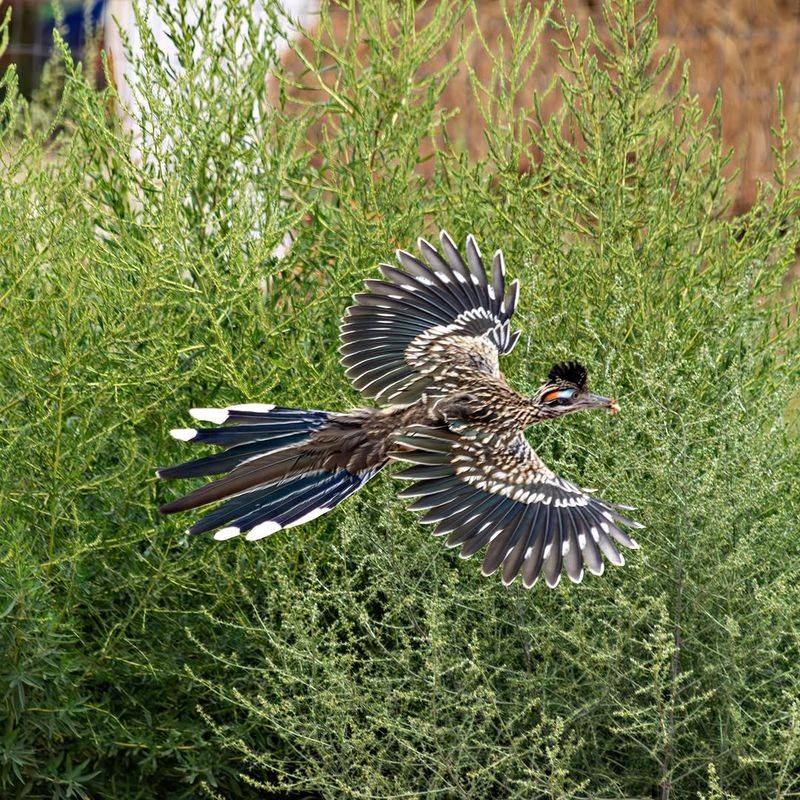
Fence lines covered in native vines, dense shrubs, or brushy growth often function as travel corridors for Texas wildlife, and roadrunners are no exception.
Rather than crossing wide open spaces without cover, these birds tend to move along edges where vegetation provides some shelter and a clear route from one area to the next.
A brushy fence line in a Texas yard can connect a roadrunner’s home territory to new foraging areas, water sources, or adjacent open ground.
If your fence has native plants growing along it, a thick hedge, or even overgrown grass at the base, the bird may have used that corridor to enter your garden for the first time.
The fence line essentially lowered the risk of the visit by providing a sheltered path.
Gardeners in Texas who want to encourage roadrunner visits can think about how their yard connects to the surrounding landscape.
A fence line that links open ground on one side to cactus beds or native plantings on the other creates the kind of habitat edge these birds prefer.
Even a short stretch of brushy growth along a suburban fence can be enough to guide a roadrunner through a neighborhood and into your garden for an unexpected first visit.
7. A First Visit May Reflect Nearby Territory
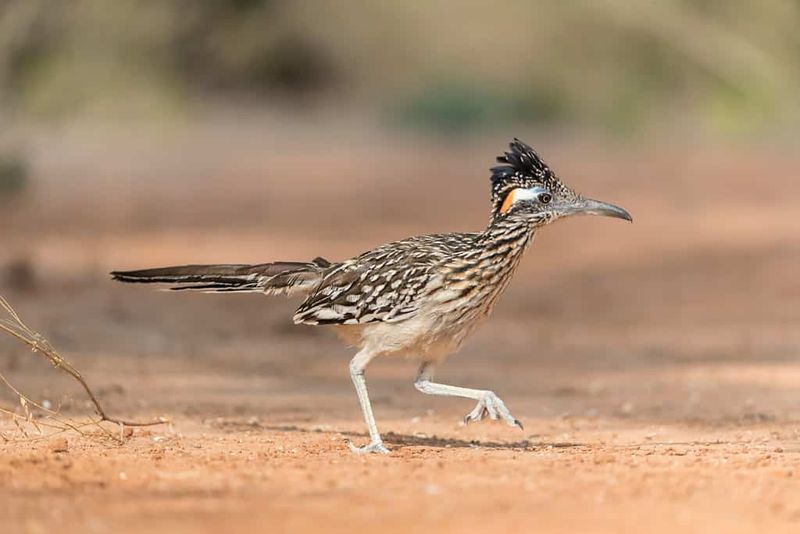
Roadrunners tend to live within a defined home range and explore it regularly in search of food, shelter, and suitable nesting spots.
A first visit to your Texas garden may simply mean the bird’s territory extends into or near your yard, and your garden happened to fall within its regular patrol route on that particular day.
In Texas, roadrunner territories can cover a fairly wide area depending on how much open habitat, prey, and cover is available nearby.
If there is a brushy field, an open lot, a dry creek bed, or a rural edge close to your garden, there may already be a resident roadrunner in the neighborhood that has been moving through the area without you noticing.
A first sighting does not always mean the bird is brand new to the area. It may have passed through before without being seen, or it may have recently extended its territory after a change in nearby habitat.
Texas suburban edges, rural outskirts, and semi-open neighborhoods can support roadrunner populations that most residents never realize are present.
The first time you actually spot one in your garden can feel like a surprise, but the bird may have been nearby for quite some time before making itself visible.
8. A Sunny Path Or Bare Soil May Invite Exploration
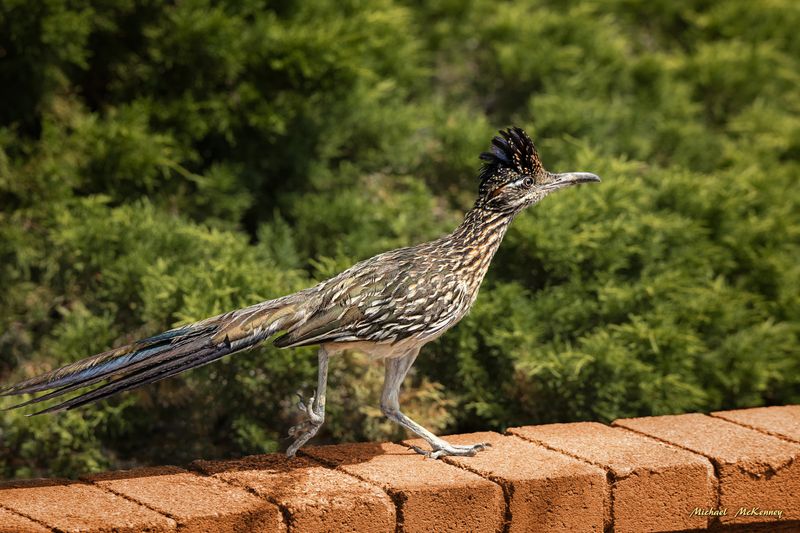
Warm bare soil and sun-soaked garden paths do something specific for roadrunners: they heat up quickly and attract the insects and lizards that roadrunners depend on.
A sunny path through a Texas garden is not just a visual feature; it can function as a microhabitat that draws in prey and gives the roadrunner an easy place to move, scan, and hunt.
Greater Roadrunners are known to seek out warm surfaces, especially in the morning when they spread their feathers to absorb sunlight after cool nights.
A sun-warmed path or a stretch of bare dry soil in a Texas garden can serve both as a warming spot and a hunting ground, which makes it doubly useful for a bird on the move.
If your garden has a gravel path, a dry stone border, a bare patch between native plantings, or a sun-facing slope with minimal ground cover, those features may have caught the roadrunner’s attention.
The bird likely followed the warmth and the prey activity rather than any specific plant or garden design choice.
Keeping a few open, sunny patches in a Texas garden can quietly support more wildlife activity than many gardeners expect, and a roadrunner exploring one of those patches for the first time is a rewarding sign of a healthy outdoor space.
9. A Roadrunner Visit May Be Common In Parts Of Texas
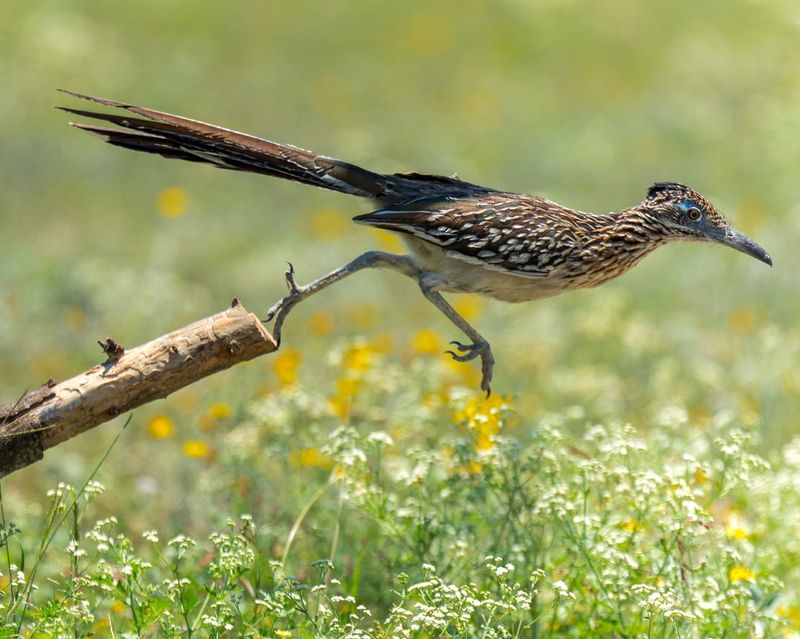
Across large parts of Texas, the Greater Roadrunner is a year-round resident that shows up in backyards, rural properties, suburban edges, and open lots with surprising regularity.
What feels like a rare or meaningful encounter to a first-time observer may actually be a fairly routine event in many Texas communities, especially in areas with dry open habitat, native vegetation, and low-density development.
Texas is home to some of the strongest roadrunner populations in the country, with the birds found throughout much of the state from the Panhandle down through South Texas and across the Hill Country and Trans-Pecos region.
Suburban neighborhoods that border open fields, dry creek beds, or native brush are especially likely to receive roadrunner visits on a semi-regular basis.
Knowing that roadrunner visits are relatively common in parts of Texas does not make the first sighting any less exciting.
For many people, the first time they see one in their own garden still feels like a genuine highlight, regardless of how often the bird may actually pass through the area.
The combination of the bird’s striking appearance, its bold movement style, and the quiet surprise of finding one in a familiar outdoor space makes each first encounter feel special in its own right.