These Pennsylvania Garden Plants Handle Drought Conditions Better Than Anything Else Right Now
Pennsylvania is not exactly known for drought. But lately, dry spells have been hitting harder and lasting longer than most gardeners are used to.
Wells run low, water restrictions kick in, and suddenly keeping your garden alive starts feeling like a full time job.
If you’ve ever watched your plants wilt during a dry stretch and felt completely helpless, you already know how discouraging that can be. The smartest solution is not watering more. It’s planting smarter.
There are garden plants that are built to handle drought conditions without flinching. No daily watering, no constant monitoring, no crossing your fingers every time the forecast shows another dry week ahead.
These plants have deep root systems, clever survival strategies, and a natural toughness that lets them thrive even when the rain simply refuses to show up. And here’s the best part.
Drought tolerant does not mean boring. These plants bring serious color, texture, and life to your garden even during the driest stretches of the Pennsylvania summer.
If your garden has been struggling through dry conditions lately, these are exactly the plants you need in the ground right now.
1. Purple Coneflower (Echinacea Purpurea)
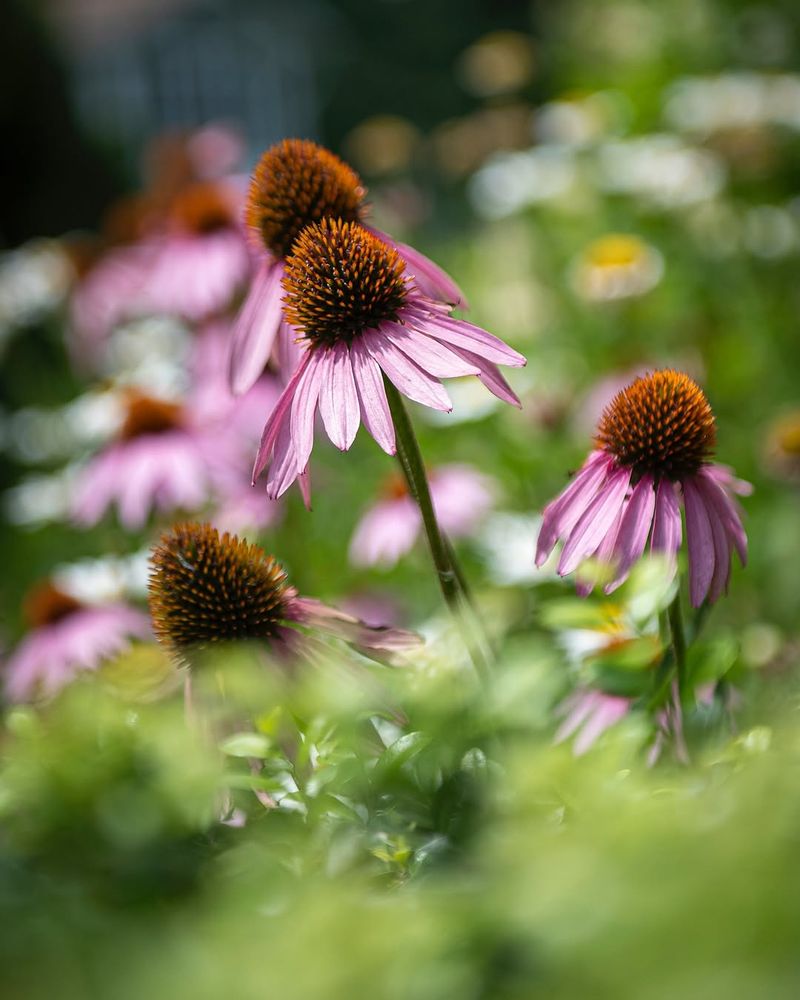
Few garden plants earn as much respect as the Purple Coneflower. Standing tall with bold purple petals and a spiky orange-brown center, this plant is practically a symbol of the American prairie.
It has been growing wild across the eastern United States for centuries, and Pennsylvania gardeners have been planting it in their yards for just as long.
Once established, Purple Coneflower needs very little water to stay healthy and vibrant. Its deep taproot digs far into the soil, pulling up moisture that other plants simply cannot reach.
This makes it one of the most drought-tolerant perennials you can grow in Pennsylvania. Even during the driest weeks of summer, it keeps blooming without missing a beat.
Beyond its toughness, this plant is a magnet for pollinators. Bees, butterflies, and goldfinches love it.
Goldfinches, in particular, are known to snack on the seed heads in late summer, so leaving the spent flowers standing gives local wildlife a natural food source.
Purple Coneflower thrives in full sun and well-drained soil. It does not need rich soil or heavy fertilizing.
In fact, too much fertilizer can cause it to grow floppy and fall over. Lean soil keeps it strong and upright all season long.
Plant it in groups of three or more for the best visual impact. It pairs beautifully with Black-Eyed Susans and ornamental grasses.
Expect blooms from midsummer through early fall. With minimal care and maximum reward, Purple Coneflower is one of the smartest choices any Pennsylvania gardener can make.
2. Black-Eyed Susan (Rudbeckia Hirta)
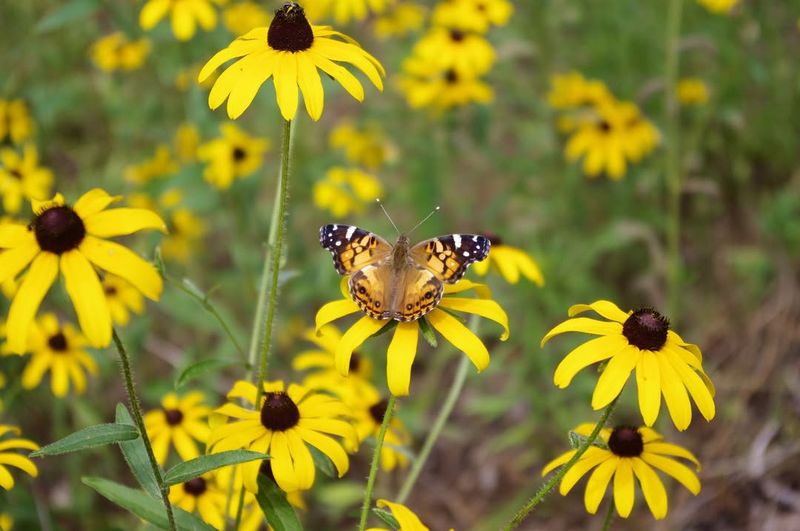
There is something instantly cheerful about a patch of Black-Eyed Susans. Their bright yellow petals and deep brown centers look like little suns scattered across the garden.
Native to North America, they have been brightening up meadows and roadsides across Pennsylvania for generations. Gardeners love them because they ask for almost nothing in return for all that color.
Your Pennsylvania Garden Changes Every Week. Your Plan Should Too.
Gardening in Pennsylvania changes quickly throughout the season. Every Friday you’ll receive a simple weekly plan showing exactly what to plant, prune, fertilize, harvest, and protect so you never miss the right timing.
Black-Eyed Susan is one of those rare plants that actually prefers poor, dry soil. Rich, moist soil can cause it to grow too tall and flop over.
Sandy or rocky ground suits it just fine. Once the roots take hold, usually after the first growing season, supplemental watering becomes almost unnecessary. It handles dry stretches with ease.
Did you know Black-Eyed Susan is biennial or short-lived perennial? It readily self-seeds, which means new plants pop up every year without any effort from you.
Over time, a small planting can spread into a wide, cheerful sweep of yellow that fills in bare spots naturally.
This plant blooms from early summer through fall, giving you months of color. It works well in borders, wildflower meadows, and cottage-style gardens.
Combine it with Purple Coneflower or ornamental grasses for a low-maintenance combination that looks intentional and polished.
Bees and butterflies visit Black-Eyed Susan regularly throughout the blooming season. Birds also appreciate the seed heads left standing after blooming ends.
Full sun is ideal, though it tolerates light shade. With virtually no fuss and a long bloom season, this plant earns its place in every Pennsylvania drought-tolerant garden.
3. Butterfly Weed (Asclepias Tuberosa)
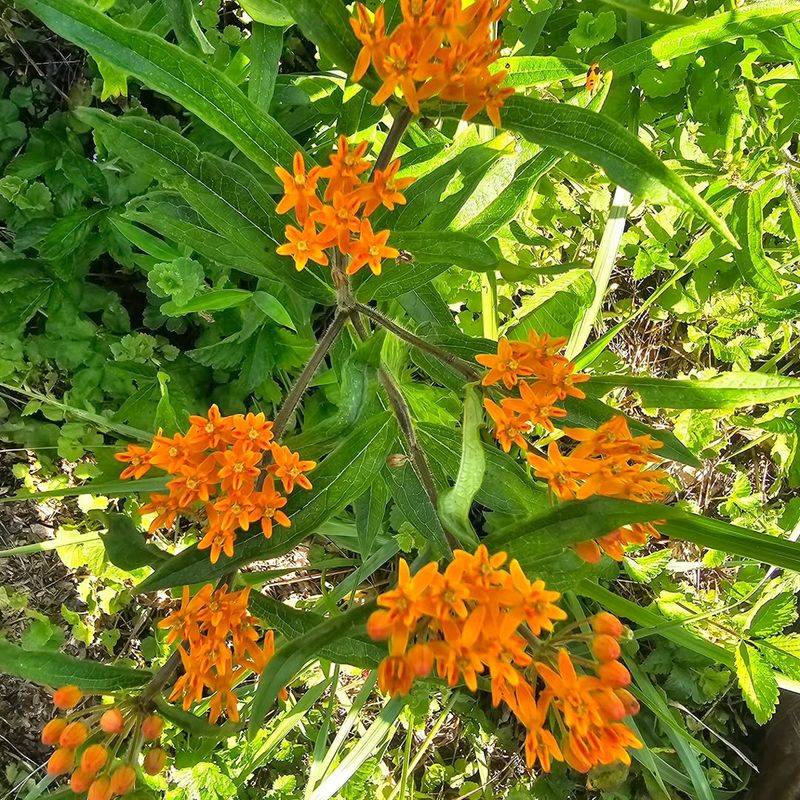
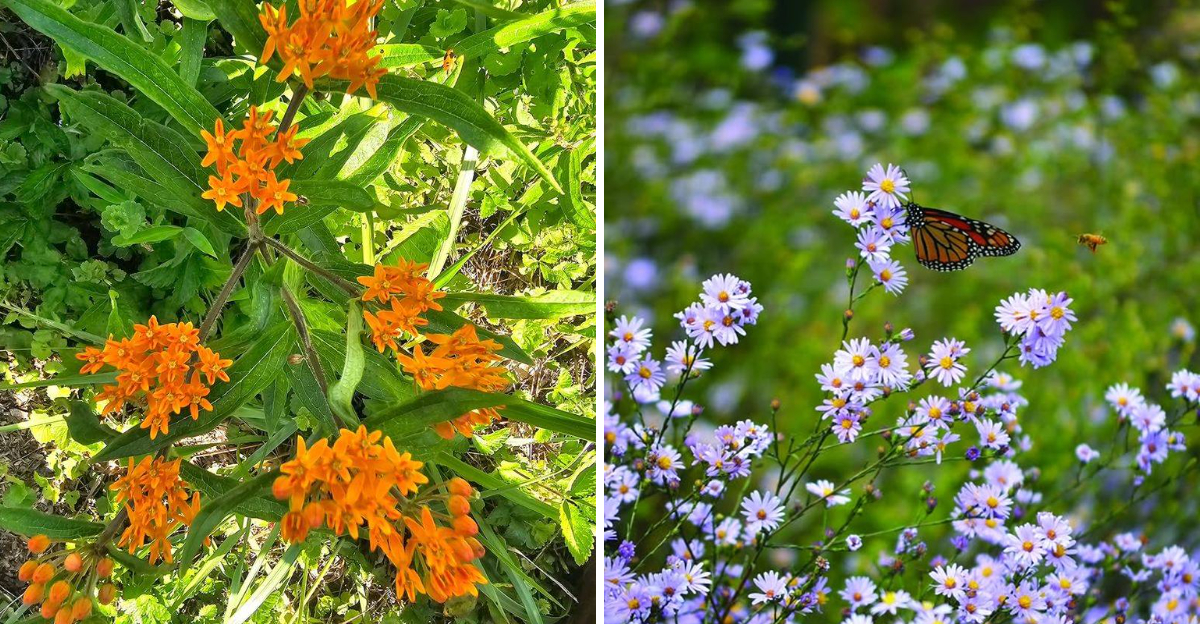
If you want to attract monarchs, plant Butterfly Weed. This native wildflower produces dense clusters of brilliant orange blooms that practically glow in the summer sun.
Monarch butterflies depend on milkweed plants like this one to complete their life cycle, making Butterfly Weed one of the most ecologically important plants you can grow in Pennsylvania right now.
What makes it especially valuable for dry gardens is its deep, fleshy taproot. That root can reach far below the surface, anchoring the plant firmly and drawing up water even during extended dry periods.
Once established, Butterfly Weed is remarkably heat- and drought-tolerant. It thrives in conditions that would stress most other flowering plants.
Unlike other milkweeds, Butterfly Weed does not spread aggressively. It stays in a tidy clump, making it easy to place in borders or mixed plantings.
It grows best in full sun and well-drained soil. Heavy clay or wet conditions are its main weakness, so good drainage is key.
One tip worth remembering: do not move it once it is planted. Its taproot does not like disturbance.
Choose your spot carefully and let it settle in. It may be slow to emerge in spring, so mark its location so you do not accidentally dig it up.
Blooms appear from late spring through midsummer, and bees swarm the flowers right alongside the butterflies. The seed pods that follow are also attractive, splitting open to release silky seeds in the fall.
For color, wildlife value, and drought toughness, Butterfly Weed is truly hard to beat in any Pennsylvania garden.
4. Smooth Aster (Symphyotrichum Laeve)
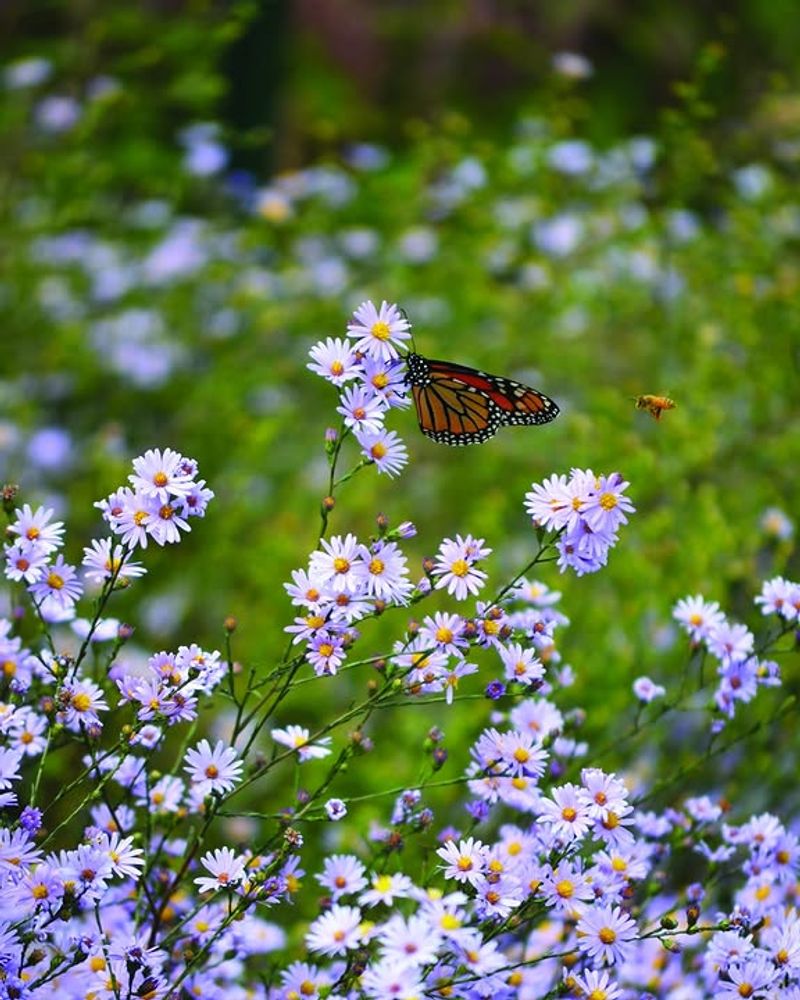
Most garden flowers wrap up their show by midsummer, but Smooth Aster is just getting started. This native perennial bursts into bloom in late summer and carries color well into fall, exactly when most gardens start looking tired.
The lavender-blue flowers with yellow centers bring a fresh wave of beauty at the end of the season, and pollinators absolutely love them.
Smooth Aster handles dry, hot conditions surprisingly well. Its smooth, waxy leaves help reduce water loss during heat waves, which is one of the reasons it performs so reliably through Pennsylvania summers.
It grows naturally in open woodlands, prairies, and roadsides, all places where the soil is not always cooperative. That toughness carries over beautifully into garden settings.
Growing two to four feet tall, Smooth Aster adds nice vertical interest to garden beds. It does not sprawl or flop the way some asters do.
The stems stay upright, and the plant holds its shape well throughout the season. Full sun to light shade works equally well, giving you flexibility in placement.
Pair it with ornamental grasses or late-blooming goldenrod for a stunning fall combination. The contrast between its cool lavender tones and the warm yellows of goldenrod is hard to match.
Monarch butterflies and native bees rely heavily on late-blooming flowers like this one to fuel their fall migration and food storage.
Smooth Aster spreads gradually by rhizomes, filling in spaces over time without becoming invasive. Minimal watering, no fertilizing, and very little pruning are all it needs.
For reliable fall color in dry Pennsylvania gardens, this plant consistently delivers season after season.
5. Little Bluestem (Schizachyrium Scoparium)
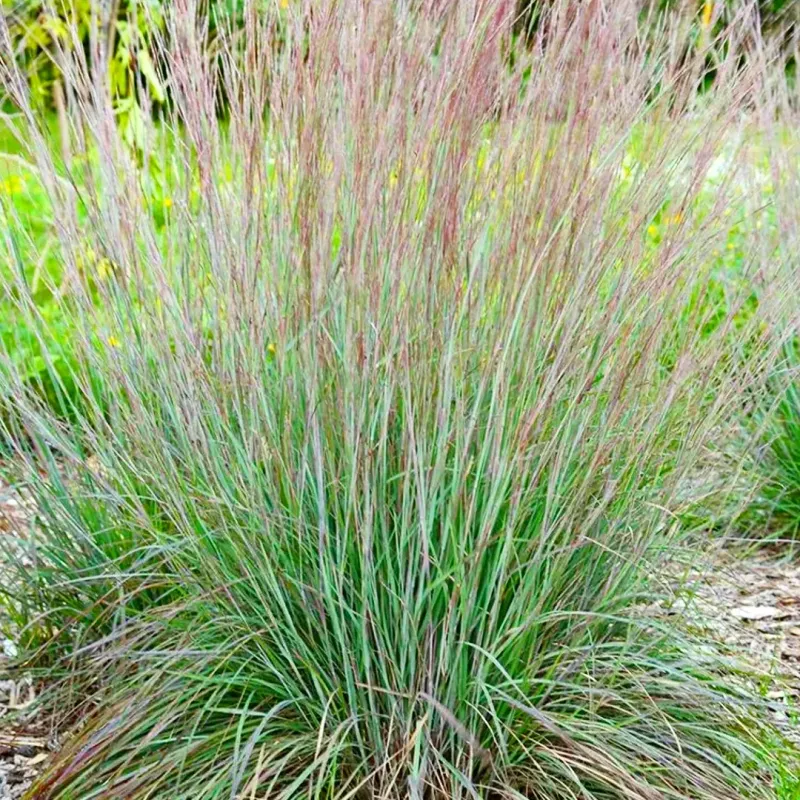
Walk past a clump of Little Bluestem in early fall and you will stop in your tracks. The blue-green summer foliage transforms into deep shades of red, copper, and bronze as temperatures drop, creating a fiery display that rivals any flowering plant.
This native ornamental grass is one of Pennsylvania’s most striking plants, and it earns that title without needing much help from you.
Little Bluestem is extraordinarily drought-tolerant. It evolved on the open prairies of North America, where rainfall is unpredictable and summers are brutal.
Those origins gave it deep roots and a lean, efficient growth habit that works perfectly in Pennsylvania gardens. Poor, sandy, or rocky soil actually suits it better than rich, amended garden beds.
Overwatering and over-fertilizing are the two biggest mistakes gardeners make with Little Bluestem. Too much of either causes it to flop and lose its upright form.
Plant it in full sun, give it average or poor soil, and let it do its thing. It asks for almost nothing after the first season.
Standing two to four feet tall, it adds wonderful texture and movement to garden beds. The feathery white seed heads that appear in fall catch morning light beautifully and provide food for birds through winter.
Many gardeners leave the clumps standing all season, cutting them back only in late winter before new growth emerges.
Little Bluestem works well as a border plant, a mass planting, or a backdrop for shorter flowering perennials. Its multi-season interest, low water needs, and wildlife value make it one of the most practical and beautiful choices for Pennsylvania’s dry summer conditions.
6. Prairie Dropseed (Sporobolus Heterolepis)
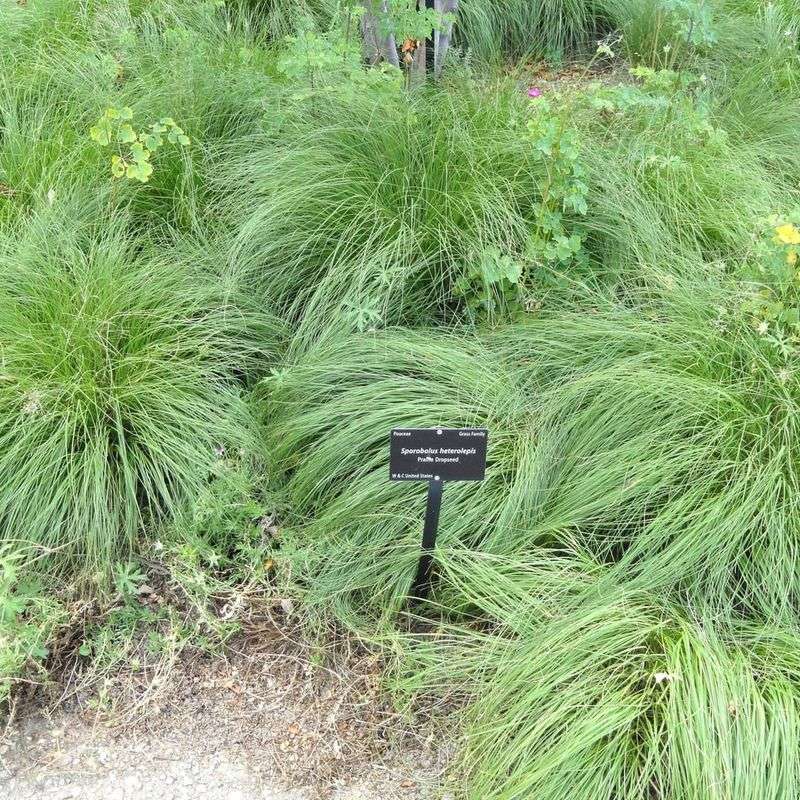
Elegance is not a word most people use to describe ornamental grasses, but Prairie Dropseed earns it. The foliage is incredibly fine-textured, almost hair-like, and it arches gracefully in a perfectly rounded mound.
In late summer, delicate seed heads rise above the leaves, releasing a faint fragrance that some people describe as buttery popcorn. It is one of the most underused native grasses in Pennsylvania gardens.
From a drought-tolerance standpoint, Prairie Dropseed is exceptional. It grows naturally in dry prairies and open woodlands across the Midwest and eastern United States, making it perfectly adapted to Pennsylvania’s climate.
Once established, it rarely needs supplemental water. It handles summer heat without wilting, fading, or losing its graceful form.
Growth is slow at first. Prairie Dropseed can take two to three years to fully establish and show its best form.
But patient gardeners are richly rewarded. Once it settles in, it requires almost no maintenance. No dividing, no deadheading, no special soil preparation needed.
It grows best in full sun to light shade and tolerates a wide range of soil types, including clay and sandy soils. Poor drainage is really its only dealbreaker. Avoid low-lying spots where water pools after rain.
In fall, the foliage turns a lovely golden orange, adding another layer of seasonal interest. Birds visit the seed heads regularly, making it a functional wildlife plant as well as a decorative one.
Use Prairie Dropseed as a low border edging, a ground cover alternative, or a soft companion to taller perennials. For low-maintenance, drought-tolerant beauty, it is simply one of the best grasses available for Pennsylvania landscapes today.
7. Yarrow (Achillea Millefolium)
Yarrow has a history as long as gardening itself. Ancient Greeks reportedly used it to treat wounds on the battlefield, and it has been growing in gardens across Europe and North America ever since.
Today, Pennsylvania gardeners value it for a very different reason: it is one of the toughest, most drought-resistant flowering perennials you can grow, and it blooms for months with almost zero effort.
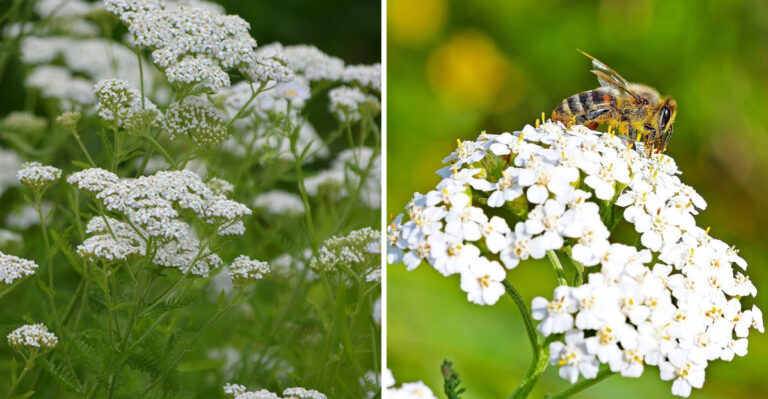
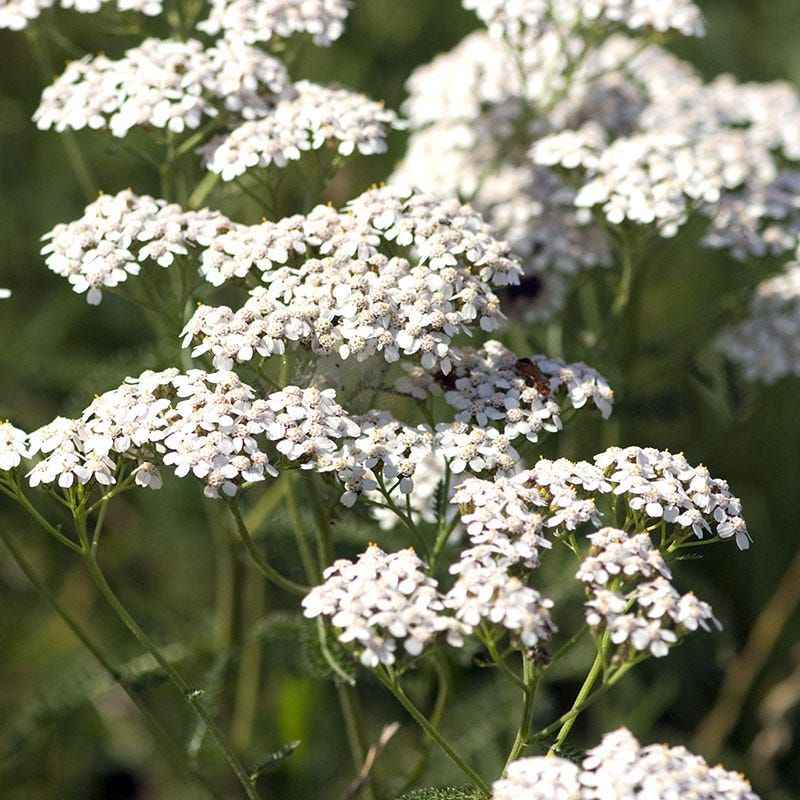
The flat-topped flower clusters come in white, yellow, pink, and red, depending on the variety. They sit above feathery, fern-like foliage that stays attractive even when the plant is not blooming.
The flowers attract a wide range of pollinators, including native bees, butterflies, and beneficial insects that help control garden pests naturally.
Poor, dry soil is where Yarrow truly shines. Rich, moist soil causes it to spread aggressively and flop over.
Lean conditions keep it tidy and upright. Full sun is ideal, and it handles rocky or gravelly ground without complaint.
It is genuinely one of the easiest plants to grow in challenging spots where other plants refuse to cooperate.
Yarrow spreads by both seed and underground rhizomes, so it can fill in bare areas over time. If it starts to spread more than you want, simply dig up extra clumps in spring and share them with neighbors or move them to new spots.
Cutting spent flower heads back encourages a second flush of blooms later in summer. Leave the final blooms standing in fall for birds to enjoy.
Hardy, beautiful, and practically carefree, Yarrow is a timeless plant that belongs in every drought-tolerant Pennsylvania garden without question.