8 Things Connecticut Gardeners Should Do When Heat Waves Won’t Let Up
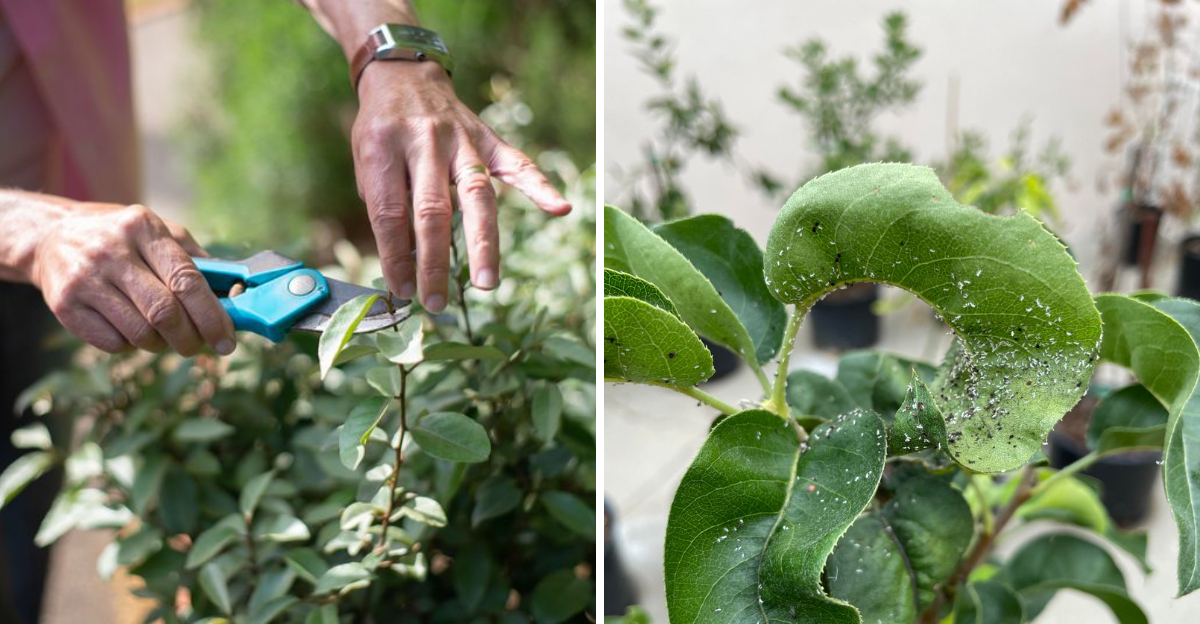
Summer in Connecticut has a way of turning a thriving garden into a test of survival. Temperatures climb, the soil cracks, and plants that looked strong on Monday start wilting by Wednesday.
A stretch of days above 95 degrees stresses roots, scorches foliage, and throws off everything your garden worked all spring to build. Most gardeners respond too late.
The heat does not wait, and neither should you. Act early, adjust fast, and know which plants need the most help.
These eight strategies will carry your Connecticut garden through even the most punishing heat waves of the season.
1. Water Early In The Morning, Not During Peak Heat
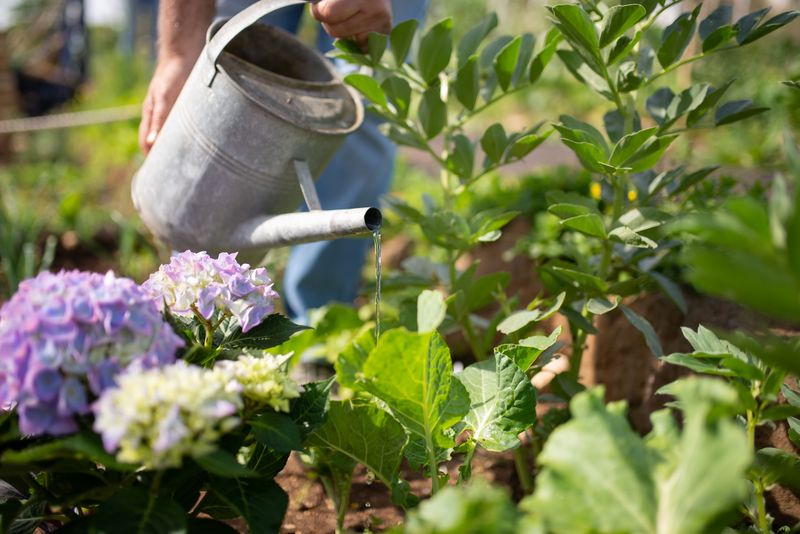
Your garden is thirsty before you even pour your first cup of coffee. Watering early in the morning gives plants time to soak up moisture before the sun turns brutal. Roots drink deeply, and leaves stay dry, which helps prevent fungal problems.
Midday watering is a trap many gardeners fall into. Water evaporates quickly off hot soil, meaning your plants absorb very little of what you pour. You waste water and accomplish little.
Evening watering sounds logical, but it leaves moisture sitting on leaves overnight. That damp environment invites mold and disease to settle in fast. Morning is your golden window.
Connecticut summers can flip fast. A mild June can give way to a brutal July almost overnight, and your garden feels it before the forecast even catches up.
Aim to water between 5 a.m. and 9 a.m. for the best results. A soaker hose or drip system delivers water directly to roots without waste. These tools are especially helpful during a prolonged Connecticut heat wave.
Not every plant drinks the same amount. Tomatoes, squash, and peppers are thirsty crops, while herbs like rosemary and thyme handle dry spells with far less fuss.
Consistency matters more than quantity here. A deep, steady soak every morning beats a quick sprinkle anytime. The habit takes a week to build and the rest of the season to appreciate.
2. Mulch Heavily Around The Base Of Every Plant
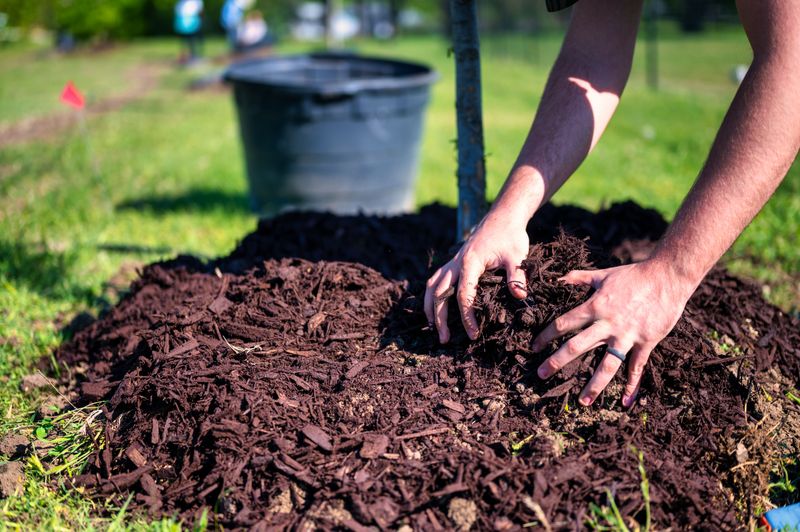
Mulch is basically sunscreen for your soil. A thick layer of organic material locks in moisture and keeps roots from baking in intense summer heat. Without it, bare soil can reach temperatures that damage roots quickly.
Spread at least three inches of mulch around every plant in your garden. Wood chips, straw, and shredded leaves all work beautifully. Each type breaks down over time and adds nutrients back into the soil.
Connecticut heat waves tend to sneak up between rain spells. Mulching before the dry stretch hits gives your soil a head start on staying cool.
Connecticut gardeners dealing with heat waves often overlook this simple step. Mulched beds stay noticeably cooler than bare ones, and the difference becomes most obvious during peak afternoon heat. That temperature difference can make or break shallow-rooted plants.
Keep mulch a few inches away from the main stem or trunk of each plant. Piling it directly against the stem traps moisture and encourages rot. A small gap protects the plant while still delivering all the cooling benefits.
Your Connecticut Garden Changes Every Week. Your Plan Should Too.
Gardening in Connecticut changes quickly throughout the season. Every Friday you’ll receive a simple weekly plan showing exactly what to plant, prune, fertilize, harvest, and protect so you never miss the right timing.
Organic mulch does double duty. It cools the soil now and breaks down into nutrients your garden will use later in the season.
Reapply mulch mid-season if it thins out from rain or decomposition. Fresh layers keep performing through the hottest stretches of summer. Few garden tasks deliver this much return for this little effort.
3. Move Container Plants Into The Shade
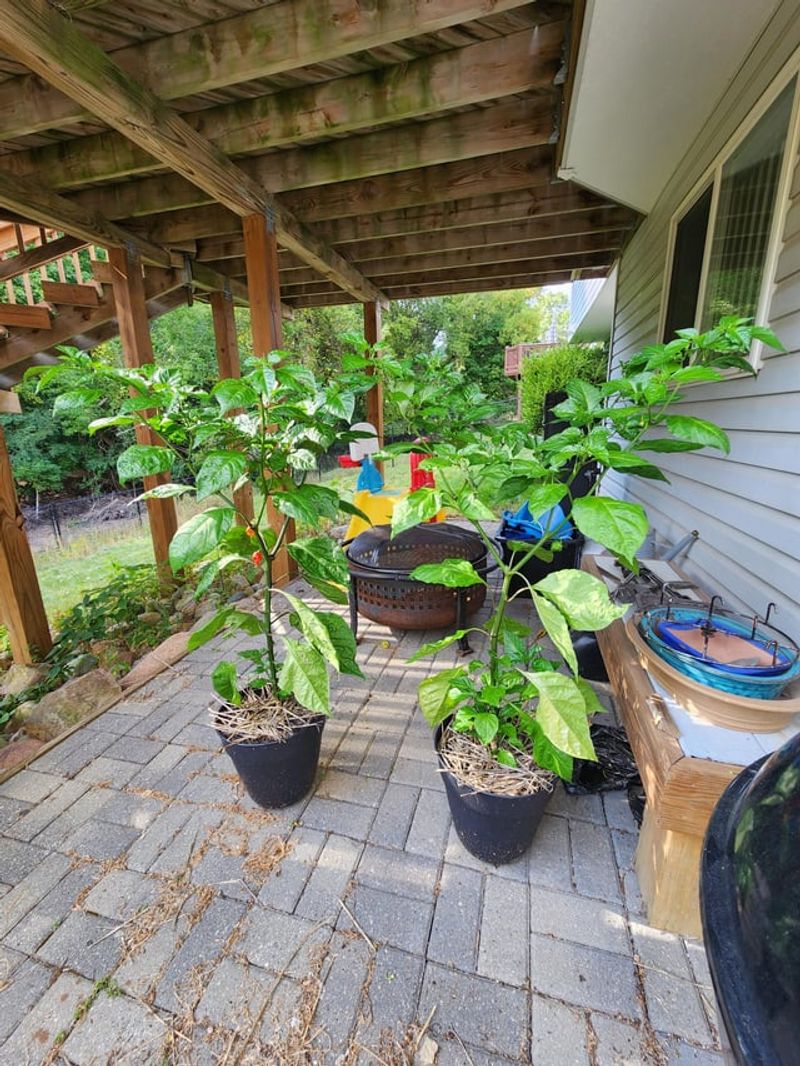
Container plants have nowhere to run when the heat cranks up. Their roots are trapped in pots that absorb heat from every angle, turning the soil inside into something close to an oven. Acting fast can save them.
Slide pots under a tree canopy, a covered porch, or even a patio umbrella. Even partial afternoon shade makes a massive difference for heat-stressed plants. Morning sun followed by afternoon shade is the sweet spot during a heat wave.
Not all pots handle heat the same way. Dark-colored containers absorb more heat than light ones, and metal pots can heat up significantly in direct sun.
Terra cotta pots are especially prone to overheating because they absorb and radiate warmth. Switching to lighter-colored containers or wrapping dark pots in burlap can help reflect heat away. Small changes like these add up quickly.
Check the soil in containers daily because they dry out much faster than in-ground beds. A pot sitting in full sun during a heat wave may need water twice a day. Stick your finger an inch into the soil to test moisture before each watering.
Grouping pots together does more than save space. Clustered containers create a small pocket of humidity that helps each plant cope with the heat a little better. A few minutes of shuffling pots now can save weeks of recovery later.
4. Skip the Fertilizer Until Temperatures Drop
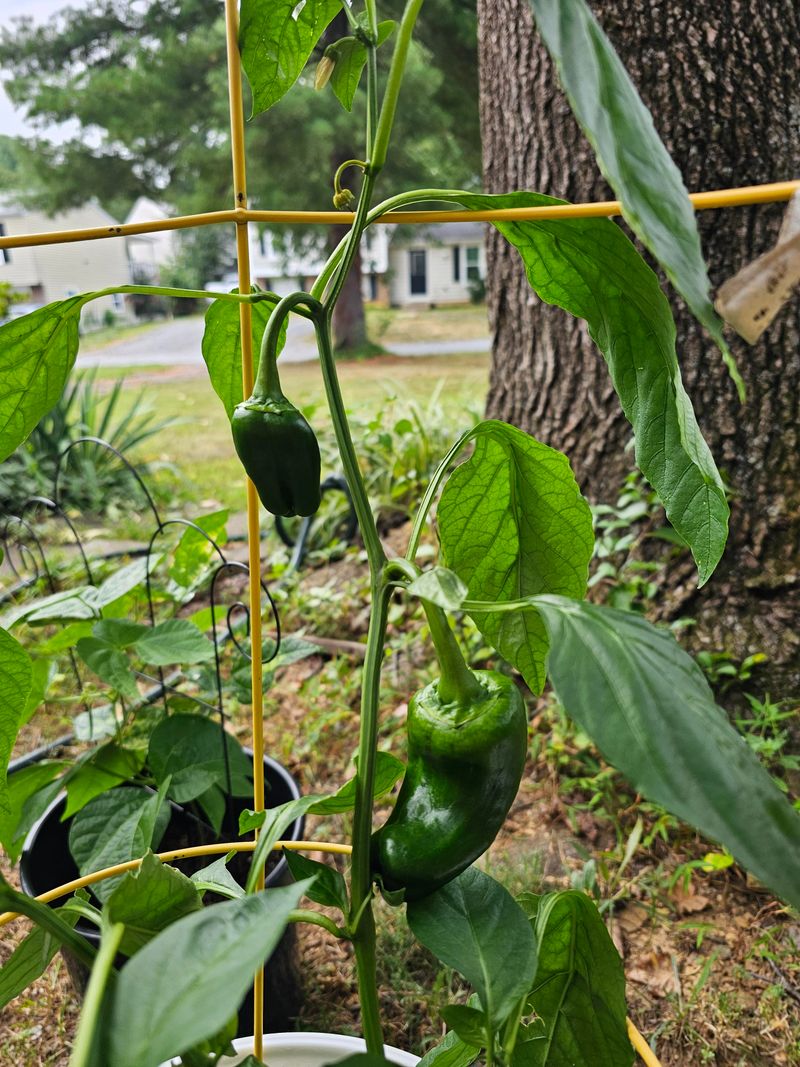
Fertilizer during a heat wave is like handing a stressed person more work to do. Plants under heat stress cannot absorb nutrients efficiently, and adding fertilizer can actually scorch roots. It sounds counterintuitive, but holding off is the smarter move.
Nitrogen-heavy fertilizers push plants to produce new growth fast. New growth is soft and tender, making it the first thing to suffer when temperatures spike. That fresh growth wilts, browns, and sets your plant back further.
The timing of fertilizing matters as much as the type. Even a mild, balanced fertilizer applied during peak heat can do more harm than good.
Your garden needs to survive right now, not grow. Focus on keeping existing growth healthy and hydrated rather than pushing new leaves and stems. Growth will resume naturally once cooler temps return.
If you fertilized recently and a heat wave rolled in, don’t panic. Water deeply to help dilute the fertilizer in the soil and reduce the chance of root burn. Consistent watering is your best damage-control tool in this situation.
Some gardeners reach for liquid fertilizers thinking they’re gentler. During a heat wave, that’s not necessarily true, liquid feeds absorb quickly and can stress roots nearly as fast as granular ones.
Wait until overnight temperatures stay consistently below 80 degrees before feeding again. A balanced, slow-release fertilizer applied in early fall will help plants recover and prepare for the next season.
Sometimes the best thing you can do for your garden is simply leave it alone.
5. Check Soil Moisture Daily Instead Of Sticking To A Schedule
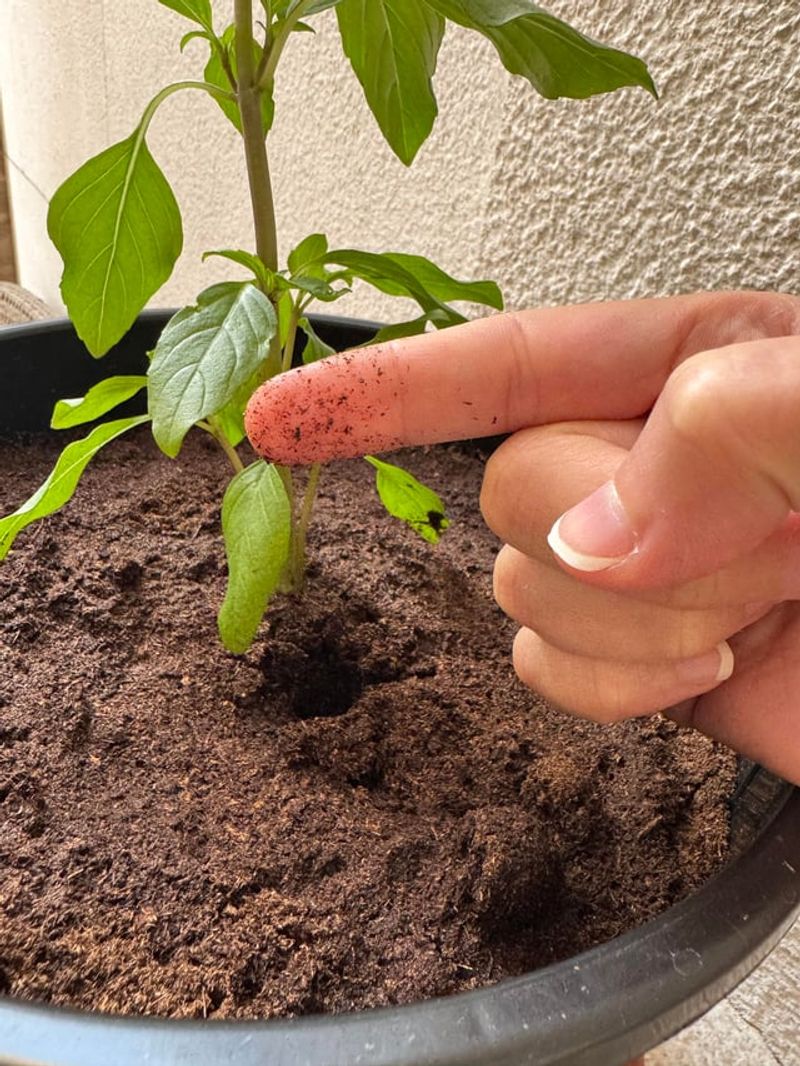
Schedules are great for meetings, but gardens don’t run on clocks. During a heat wave, soil moisture changes faster than any fixed routine can account for. Checking daily keeps you ahead of problems before they become disasters.
The finger test is simple and surprisingly reliable. Push your index finger about an inch into the soil near the plant’s base. If it feels dry at that depth, it’s time to water right away.
Different parts of your garden dry out at different rates. A raised bed in full sun will need attention far sooner than a shaded border along your fence.
Sandy soils common in parts of Connecticut drain quickly and may need water every single day during extreme heat. Clay-heavy soils hold moisture longer but can still dry out faster than expected in prolonged heat. Knowing your soil type helps you calibrate how often to check.
Wilting in the morning is a red flag that your plant is already struggling. Afternoon wilting can be normal as plants conserve moisture during peak heat. If wilting persists into the evening, the plant needs water immediately.
A quick walk through your garden each morning takes five minutes and tells you more than any schedule ever could. Your eyes are your best diagnostic tool during a heat wave.
Keep a simple garden journal to track what you observe each day. Noting moisture levels, plant behavior, and temperatures helps you spot patterns quickly.
6. Trim Back Any Wilted Or Damaged Growth
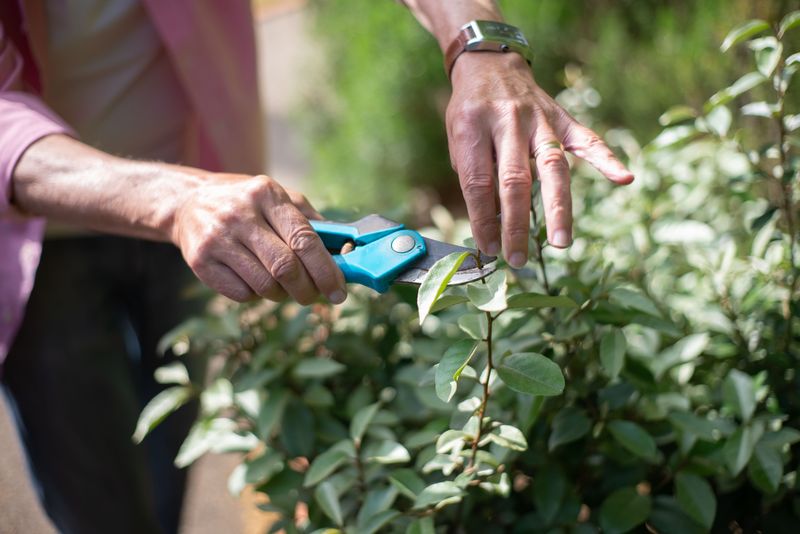
Image Credit: © Kampus Production / Pexels
Wilted and damaged leaves are not just ugly, they are a drain on the whole plant. Every struggling leaf pulls energy that could go toward keeping healthy parts alive. Trimming them off is an act of kindness, not defeat.
Use clean, sharp pruning shears to remove browned or mushy growth. Dull blades crush stems instead of cutting cleanly, which opens the plant up to infection. A quick wipe with a diluted bleach solution between cuts helps reduce the risk of spreading disease.
Not everything that looks bad is beyond saving. A leaf that is half green and half brown may still be contributing to the plant, leave it and reassess in a day or two.
Focus on leaves that are more than half brown or completely collapsed. Lightly wilted green leaves may recover on their own once temperatures ease. Be selective and avoid removing healthy growth just because it looks a little tired.
Removing spent flowers during a heat wave also helps. Flower production takes energy, and redirecting that energy toward root and stem survival improves overall plant health. Pinching off blooms feels harsh, but it gives the plant a better chance to endure.
Timing your trimming matters. Early morning is the best window, plants are hydrated, temperatures are low, and cut stems have the whole day to begin sealing.
After trimming, water deeply and apply a fresh layer of mulch around the base. The combination of reduced stress and improved moisture retention helps the plant focus on recovery.
Plants are more resilient than they look, give them a clean slate and they tend to surprise you.
7. Shade Vulnerable Plants With A Row Cover Or Cloth
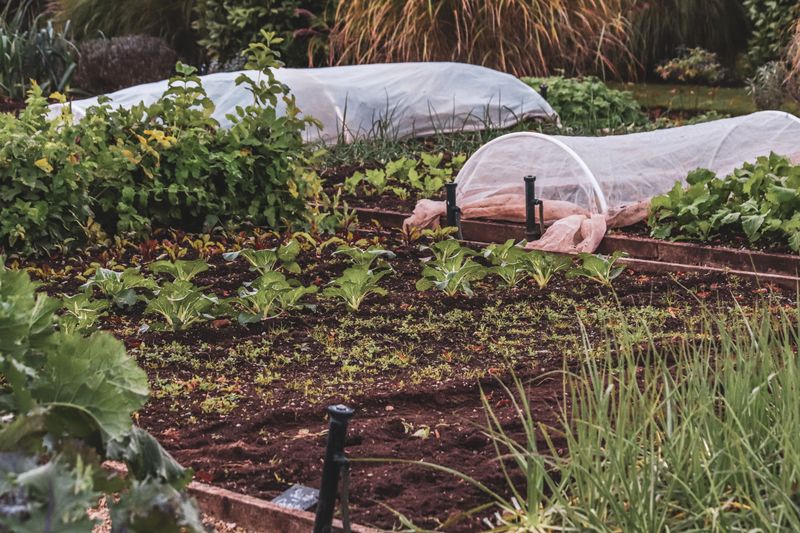
Some plants simply were not built for blazing Connecticut summers. Lettuce, spinach, and herbs bolt and burn when temperatures stay relentlessly high. Giving them a little shade can extend their season by weeks.
Row covers made from lightweight fabric are affordable and easy to use. Drape them loosely over plants and secure the edges with stakes or rocks. The fabric filters sunlight without blocking airflow or trapping too much heat.
Shade cloth is another solid option, especially for raised beds. It comes in different densities, with 30 to 50 percent shade suiting a range of vegetables depending on how sun-tolerant they are. Anything higher blocks too much light and slows photosynthesis significantly.
Old bedsheets and light curtains can work in a pinch for a day or two. They aren’t as breathable as purpose-made covers, so don’t rely on them long-term. Purpose-built row covers are a worthwhile investment for any serious gardener.
Set up shading in the late morning before peak heat arrives. Waiting until midday means the damage has already started. A single sheet of shade cloth stretched over a raised bed can be the reason your lettuce survives August.
8. Watch For Pests That Thrive In Hot Conditions
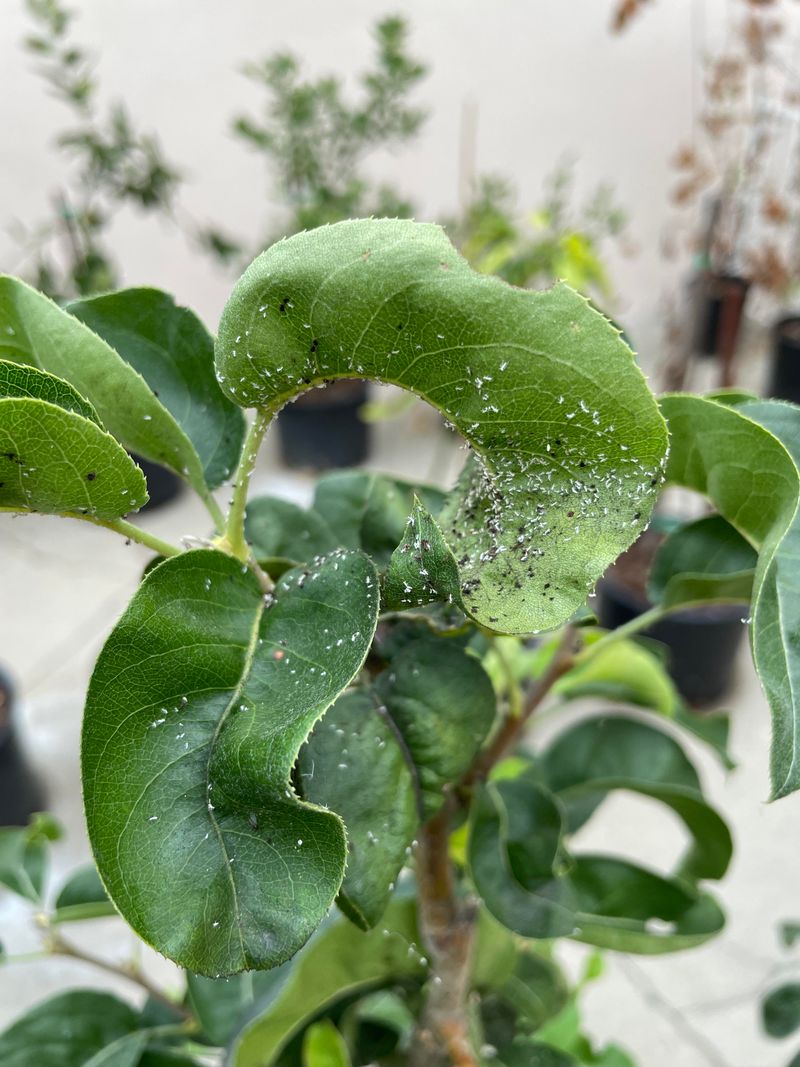
Heat waves roll out the welcome mat for some of the most stubborn garden pests around. Spider mites, aphids, and thrips multiply fast when conditions turn hot and dry. Catching them early is the difference between a minor nuisance and a full-scale infestation.
Spider mites are nearly invisible but leave behind telltale signs. Look for fine webbing on the undersides of leaves and a dusty, stippled appearance on leaf surfaces. A strong spray of water from a hose can knock them off quickly.
Aphids cluster on new growth and soft stems, sucking out plant sap rapidly. They reproduce rapidly during hot weather, with populations growing noticeably within just a few days. Neem oil or insecticidal soap applied in the early morning handles them effectively.
Squash bugs and cucumber beetles also surge during dry heat spells. Check the undersides of leaves for clusters of copper-colored eggs and remove them by hand. Staying ahead of egg masses prevents the next generation from exploding.
Inspect your garden every single day during a heat wave, not just when something looks wrong. Pests move fast, and a two-day gap in observation can mean real trouble.
Heat waves don’t just stress plants, they create the exact conditions pests have been waiting for all season.