The One Yard Change That Brought Painted Buntings Back To A Florida Garden
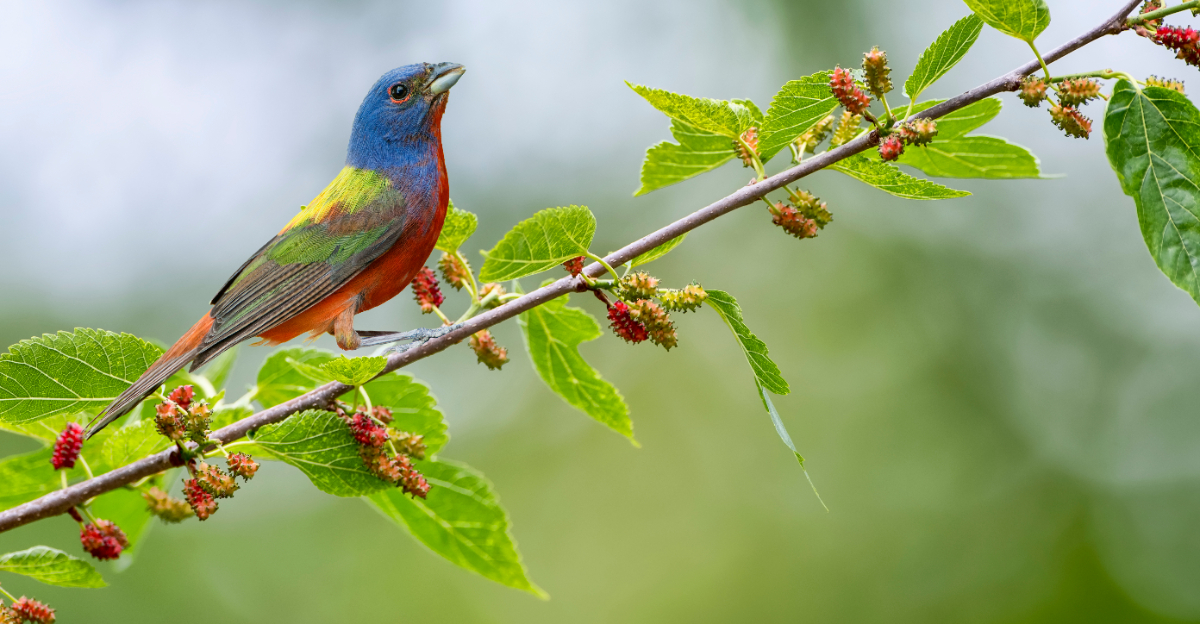
Painted buntings had been absent from one Florida garden for years. No obvious reason, no dramatic change in the neighborhood, just a slow disappearance that the gardener chalked up to luck running out.
Then one change to the yard brought them back within a season. Not a complete overhaul.
Not a new irrigation system or a professional landscape install. One specific addition that addressed something the yard had quietly stopped providing without anyone realizing it.
Painted buntings are specific about what they need. Food sources, cover, a sense of safety that certain yard setups deliver and others do not.
When something in that equation goes missing, they move on. When it comes back, they notice.
What that one change actually was, and why it worked, is a story worth knowing for any Florida gardener still waiting on painted buntings that stopped showing up.
1. A Brushy Native Edge Changed The Whole Garden
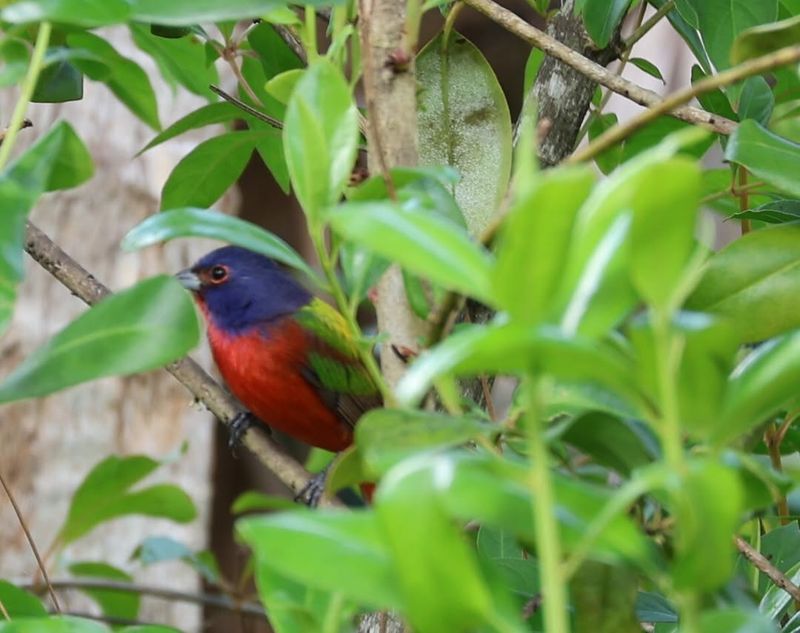
A fence line that used to be bare lawn is one of the easiest places to start building a brushy native edge. Along a back corner or side yard, a layered border of native shrubs, grasses, and low wildflowers can shift a yard from empty to genuinely useful for birds.
That shift matters more than most gardeners expect.
A brushy native edge is not a wild tangle left to grow unchecked. It is a planned planting with defined outer edges, mulched ground, and a mix of plant heights that create the layered structure birds use for cover and foraging.
Low grasses sit near the front, mid-height shrubs fill the middle, and taller native plants anchor the back near the fence.
Painted buntings tend to stay close to cover. A yard that offers seeds, insects, low shelter, and safe movement routes between plants gives them more reason to linger.
A bare lawn with one feeder offers very little of that. Keeping the edge neat with defined borders and regular light pruning helps the planting look intentional and cared for.
That matters for curb appeal and neighborhood relationships too.
2. Painted Buntings Need Cover Before They Need Color
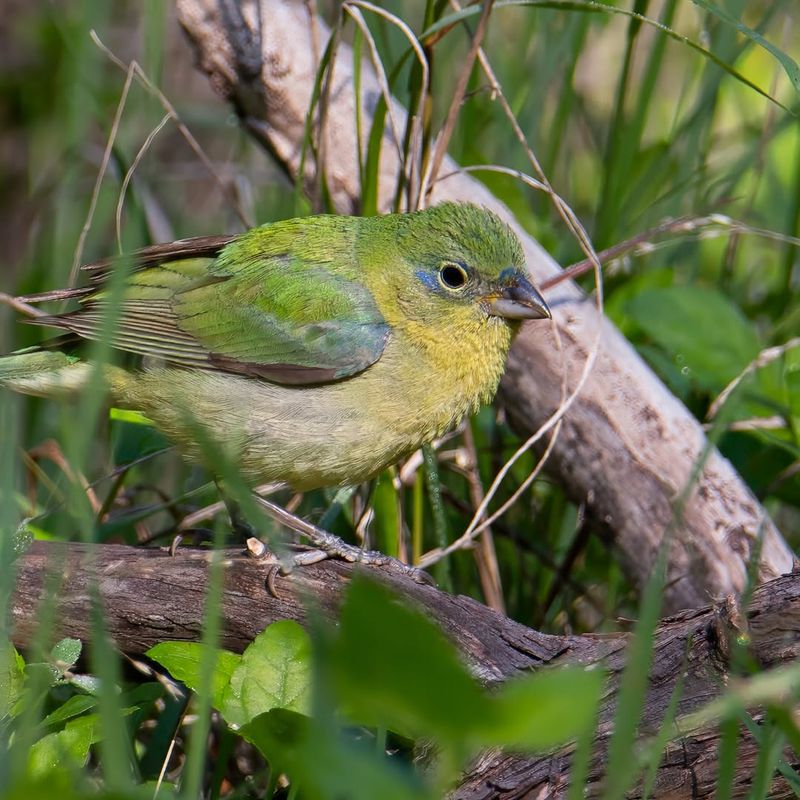
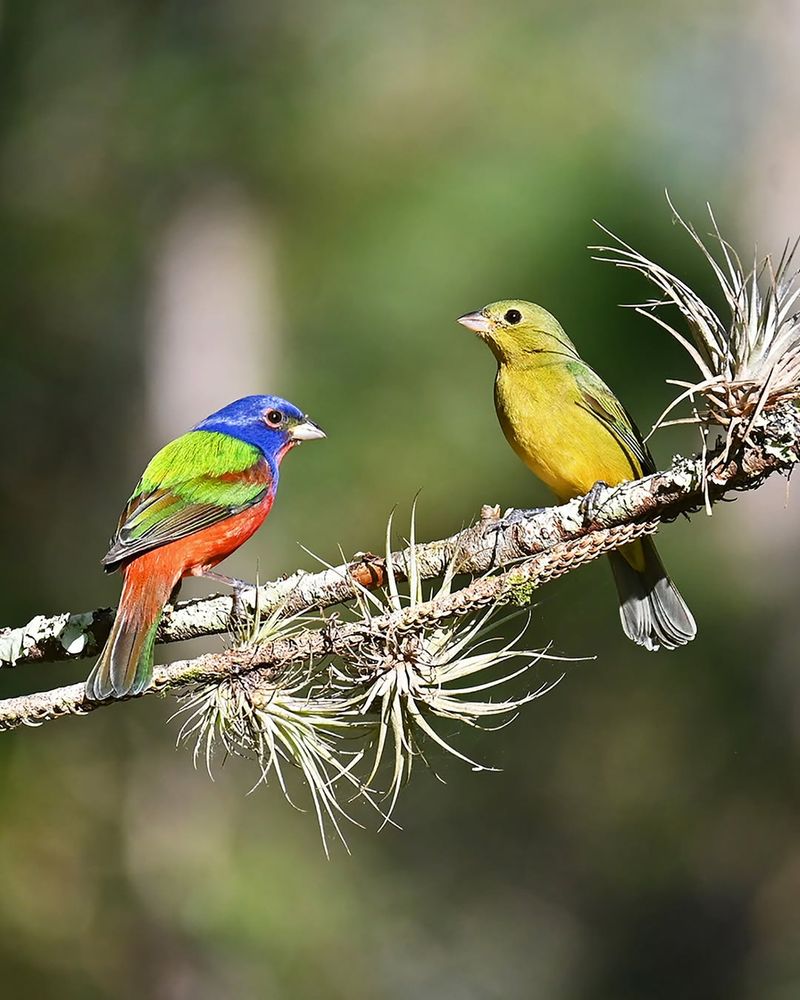
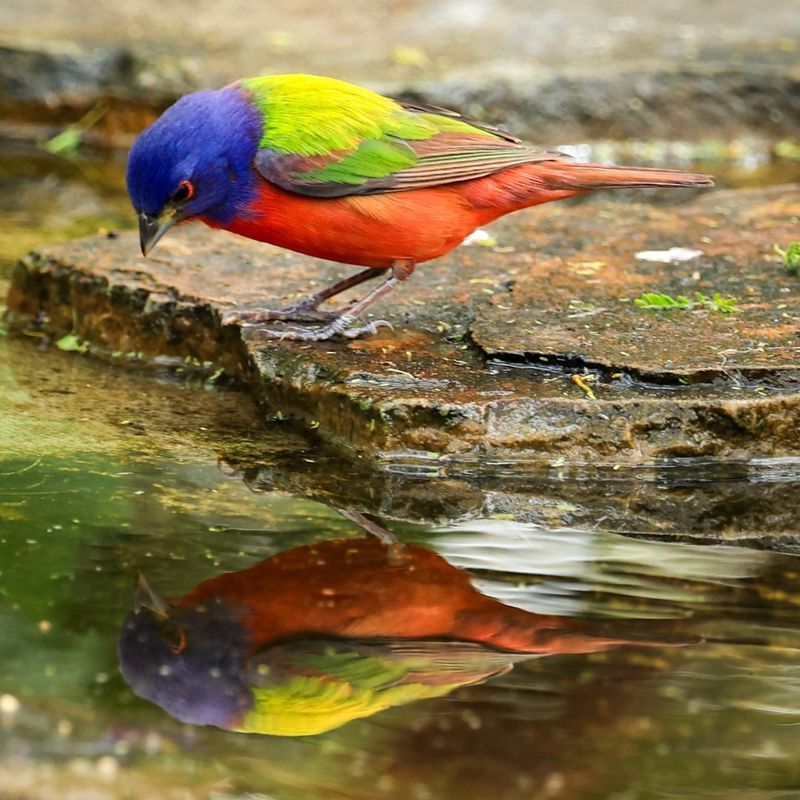
Bright plumage makes the male painted bunting one of the most recognized birds in the eastern United States, but that color does not mean the bird is bold.
In fact, painted buntings are known for staying close to brushy edges and low cover, darting out to forage and retreating quickly when they sense movement or threat.
A yard full of open space and colorful flowers may look beautiful to a gardener, but it can feel exposed and unsafe to a small seed-eating bird.
Low shrubs, native grasses, and layered plantings near fences or quiet corners give painted buntings the kind of structure they prefer.
Cornell Lab of Ornithology notes that they favor weedy edges, thickets, and brushy areas over open lawns.
Practical design choices make a real difference here. Planting a low native shrub near a feeder or seed-bearing grass gives the bird a place to pause before moving into the open.
A hedge along a fence or a cluster of native plants in a back corner serves the same purpose. Cover is not decoration for a painted bunting.
Your Florida Garden Changes Every Week. Your Plan Should Too.
Gardening in Florida changes quickly throughout the season. Every Friday you’ll receive a simple weekly plan showing exactly what to plant, prune, fertilize, harvest, and protect so you never miss the right timing.
It is a safety requirement that comes before anything else in the yard.
3. Native Grasses Added The Seeds They Were Looking For
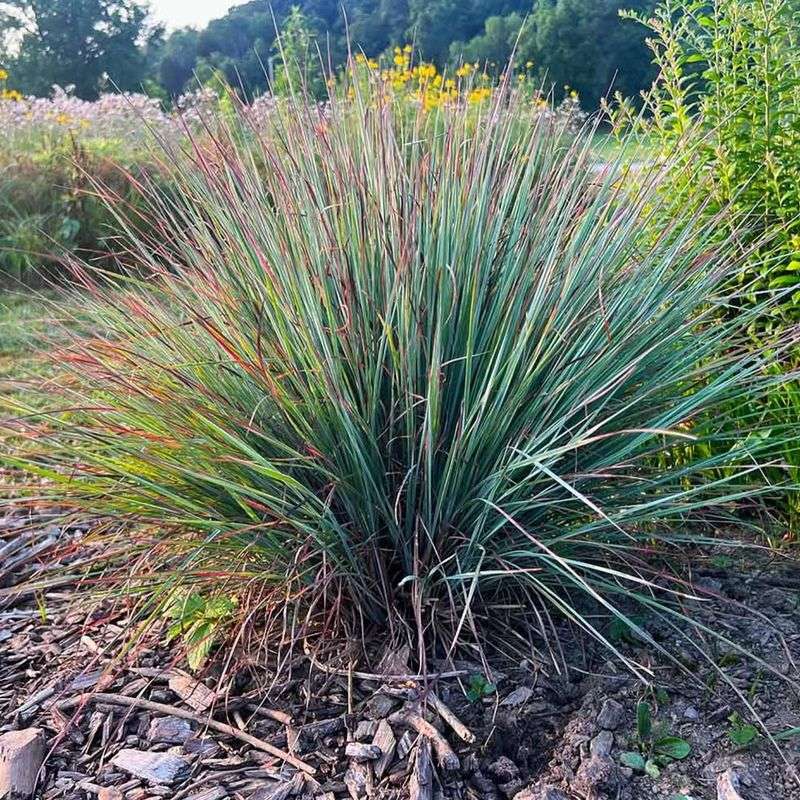
Seed heads swaying in a late-afternoon breeze are more than visual texture. For painted buntings, they can be a food source worth returning to.
Native grasses produce small seeds that fit naturally into the diet of seed-eating birds, and they do it without a bag of birdseed or a feeder that needs daily cleaning.
Muhly grass (Muhlenbergia capillaris) is a Florida native that produces soft pink seed plumes in fall and grows well in full sun with good drainage.
Switchgrass (Panicum virgatum) is another native option that holds seed heads into winter and offers vertical structure in a mixed border.
Both are well-suited to brushy native edges when placed with attention to site, sun, and scale.
Grasses work best as part of a layered planting, not as standalone specimens dropped into bare mulch. Spacing matters, and so does leaving the seed heads standing through the season instead of cutting them back too early.
Painted buntings, according to Audubon, feed heavily on grass seeds. Adding native grasses to a brushy edge gives the yard a seed source that is both regionally appropriate and genuinely useful to the birds you are hoping to attract.
4. Low Shrubs Made The Yard Feel Safer
Walk past a dense beautyberry shrub in late summer and you might catch a flash of purple berries just before something small darts back into the leaves. That kind of quick retreat is exactly what low native shrubs make possible.
For painted buntings, a shrub is not just a plant. It is a safe place to pause, hide, and watch before moving into more open ground.
American beautyberry (Callicarpa americana) is a native shrub that produces clusters of bright purple berries in late summer and fall, offering both fruit and cover.
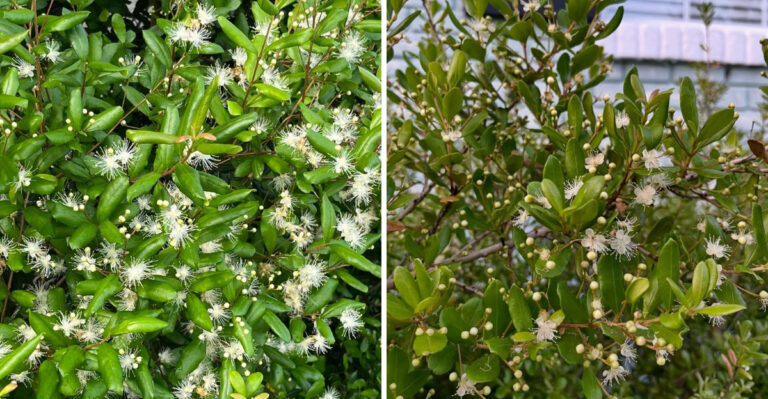
Wax myrtle (Morella cerifera) is an adaptable native that works as a screen or hedge and supports insects and small birds year-round.
Simpson’s stopper (Myrcianthes fragrans) and firebush (Hamelia patens) are other verified native options. They add cover, flowers, and fruit to a brushy edge in appropriate regions.
Placement matters as much as plant choice. Shrubs should not be crowded against doors, walkways, vents, or foundations where they create maintenance problems or block airflow.
Leave space for the plant to reach its mature size, and plan for light pruning to keep the edge defined. A well-spaced, well-maintained shrub border feels safe for birds and looks intentional to neighbors.
5. Wildflowers Brought Insects Before They Set Seed
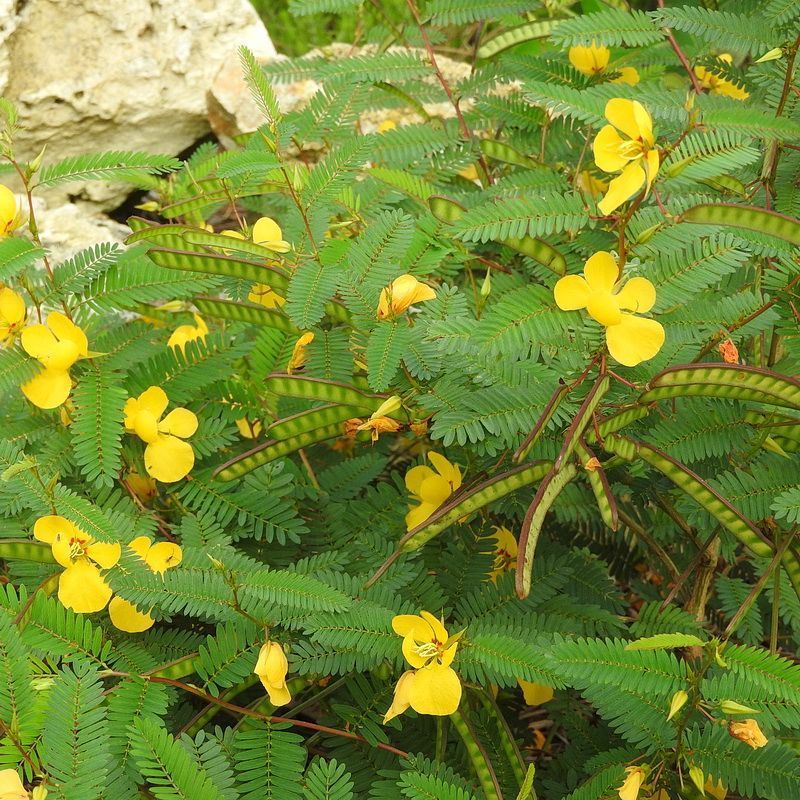
Before a wildflower sets seed, it feeds insects. That part of the cycle matters just as much as the seed head that comes later.
Painted buntings eat primarily seeds, but they also consume insects, especially during breeding season when protein needs are higher. A wildflower bed that buzzes with small pollinators in summer is doing double duty for a bird-friendly yard.
Partridge pea (Chamaecrista fasciculata) is a Florida native annual that feeds insects and later produces seed pods that birds can use. Coreopsis species, the state wildflower, bloom in spring and attract small native bees.
Blue mistflower (Conoclinium coelestinum) blooms in fall and supports late-season pollinators. Tropical sage (Salvia coccinea) and goldenrod (Solidago species) round out a season-long sequence of bloom, insects, and seed that keeps the food web active.
Not every insect in a wildflower bed is a pest. Small beetles, caterpillars, and native bees are all part of the food web that supports birds.
Pulling every bug or spraying at the first sign of chewing can remove the very food source that makes a wildflower bed worth visiting. A little tolerance for natural activity goes a long way in a wildlife-friendly garden.
6. A Quiet Corner Beat A Perfectly Clean Lawn
A corner of the yard that never gets mowed flat can be more useful to wildlife than a perfectly edged lawn. Leaf litter under a wax myrtle and standing seed heads through winter make that corner more valuable.
Quiet does not mean neglected. It means less disturbance, more natural material, and fewer reasons for a cautious bird to stay away.
Leaf litter supports ground-level insects, and insects support birds. A layer of leaves under native shrubs also breaks down into organic matter that improves sandy soil over time.
Painted buntings forage near the ground, and a quiet corner with some natural debris gives them more to work with than bare mulch or turf grass.
Keeping the area looking intentional is not difficult. A defined edge of steel edging, stone, or a simple mow line separates the naturalistic corner from the rest of the yard.
A stepping stone path gives the homeowner access for light maintenance without compacting the soil or disturbing the planting. Removing fallen fruit promptly helps keep the area cleaner.
Keeping the area from becoming overgrown also prevents loose, unmanaged brush that can attract rats or create pest concerns near the house.
7. Skipping Pesticides Kept The Food Web Working
Broad pesticide use does not just reduce pests. It reduces insects across the board, including the small beetles, caterpillars, and native bees that birds may rely on for food.
A yard that gets routinely sprayed for mosquitoes or general pests can become quieter than expected, and not in a good way for wildlife.
Mosquito fogging is one of the practices most likely to affect a bird-friendly yard. Broad-spectrum sprays used on a schedule, rather than targeted at a confirmed problem, can reduce the insect populations that support birds through the food web.
UF/IFAS Extension recommends identifying pests before treating, using the least-disruptive method appropriate for the situation, and following label directions carefully.
Restraint is not the same as ignoring serious pest problems. Some situations do require intervention, and a licensed pest control professional or county Extension agent can help identify the right approach.
The goal is to treat what needs treating without wiping out the broader insect community that makes a native edge productive. A garden that supports insects supports birds.
Keeping that chain intact is one of the quieter but more important choices a homeowner can make when building a bird-friendly yard.
8. The Buntings Returned When The Yard Stopped Looking Empty
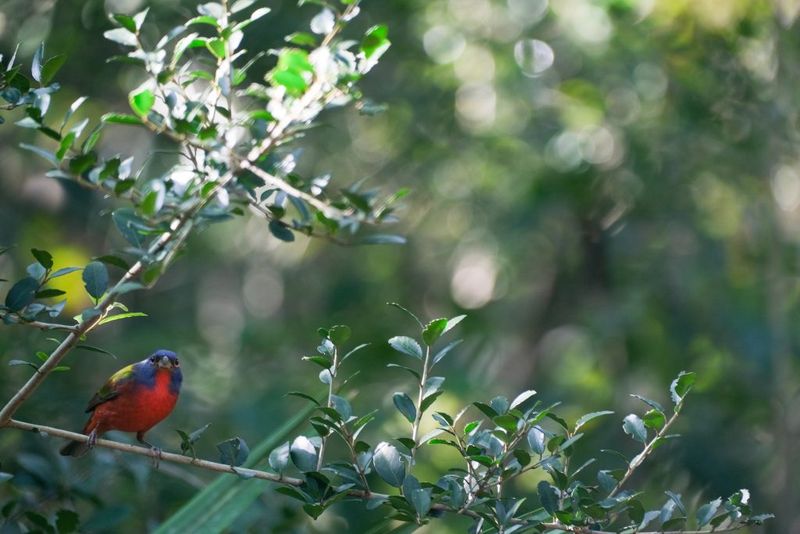
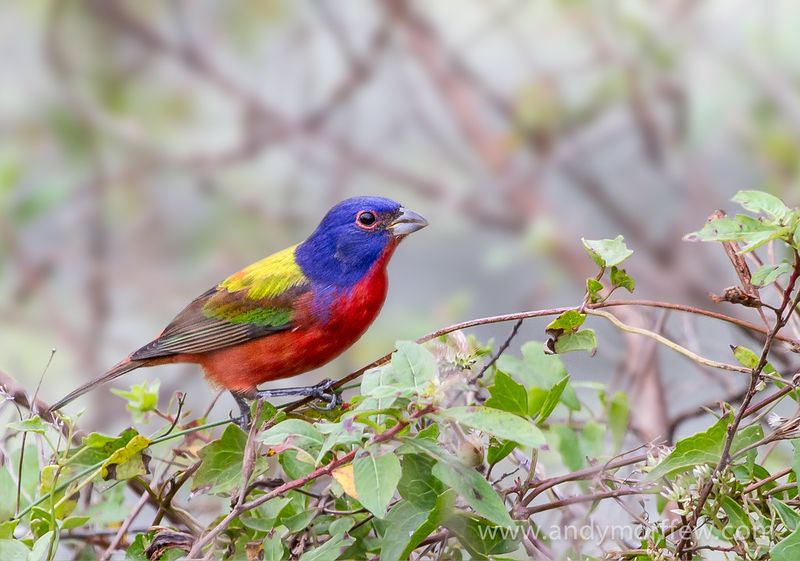
Color appeared in the brush one morning, and it was not a flower. A male painted bunting, small and impossibly vivid, moved along the edge of the native border and paused near a clump of muhly grass.
It was not a guarantee delivered by one plant or one feeder. It was a yard that had quietly become more useful.
Layers, seeds, insects, cover, and quiet movement routes had replaced empty turf and isolated ornamentals. The brushy native edge gave the bird a reason to stop.
But it is worth being honest about what that means. Nearby habitat, migration routes, season, weather, outdoor cats, pesticide use, and local population levels all affect whether painted buntings appear in any given yard.
Painted buntings may be winter visitors in southern regions, migrants passing through central regions, or local breeders in some northern areas. Their presence is never guaranteed by a yard change alone.
What a brushy native edge does is shift the odds. It gives the yard structure, food, and shelter that match what the bird is already looking for.
That is not a promise, but it is a real and meaningful improvement over a lawn that offers nothing at all.