Plant These Native Texas Vines Instead Of Wistera (They Cover Without Taking Over)
Wisteria looks like a dream when it’s in bloom. Those long cascading clusters of purple flowers are genuinely stunning, and it’s easy to see why so many Texas gardeners fall for it.
But anyone who has actually grown wisteria knows the other side of that story. This plant does not know when to stop.
Wisteria is a takeover artist. It climbs over everything, swallows structures whole, and spreads into areas you never intended it to reach.
Getting it under control once it’s established is a serious ongoing commitment. And in Texas, where the growing conditions are already aggressive, wisteria can become an absolute nightmare to manage.
Some varieties have even started showing up in natural areas, crowding out native plants and disrupting local ecosystems. The great news is that Texas has some incredible native vines that give you all the drama, coverage, and visual impact of wisteria without the chaos.
These plants know how to cover a fence or pergola beautifully while actually playing by the rules.
1. Coral Honeysuckle
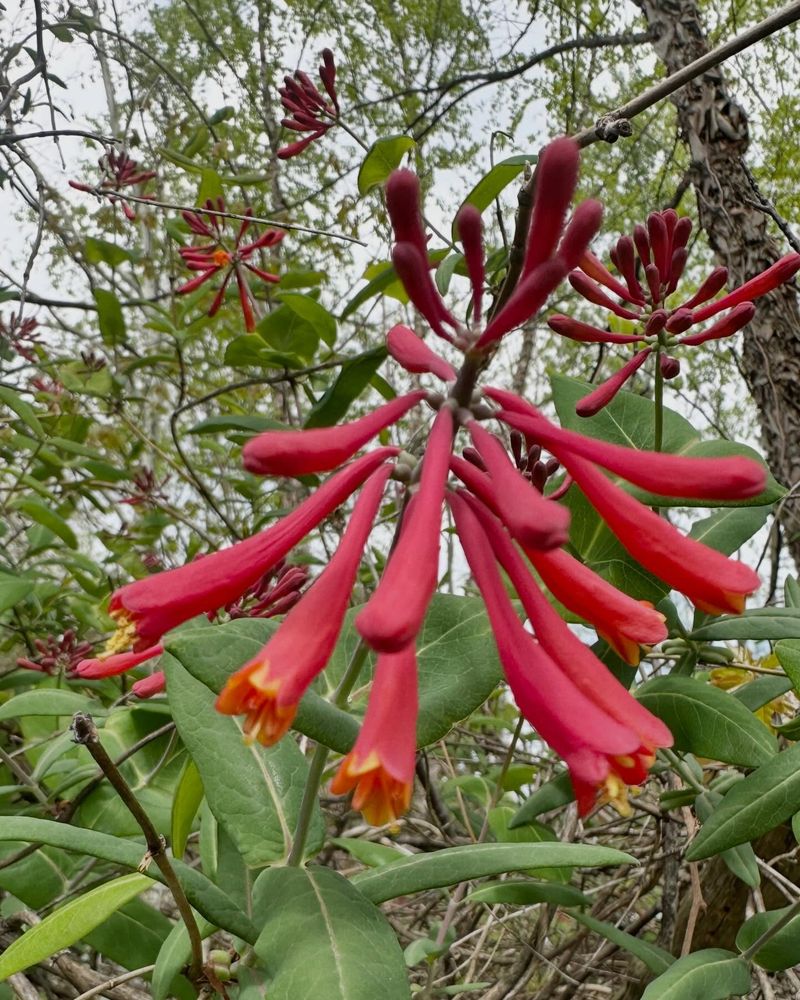
If you have ever watched a hummingbird hover near a bright red flower, you already know the magic that Coral Honeysuckle brings to a garden.
This native Texas vine produces stunning tubular blooms in shades of red and orange-red that hummingbirds simply cannot resist.
It blooms from spring all the way through summer, giving your garden months of color and wildlife activity.
Unlike its invasive cousin Japanese Honeysuckle, Coral Honeysuckle plays nicely in the garden. It climbs trellises, fences, and arbors without sending out runners that take over your yard. You stay in control, and your garden stays tidy.
This vine also attracts butterflies and other pollinators, making it a powerhouse for anyone who loves a lively, buzzing garden. It grows best in full sun to partial shade and handles Texas heat like a champ.
Once established, it is also drought-tolerant, which is a huge bonus for Texas gardeners who deal with dry summers.
Planting it is straightforward. Give it a sturdy support structure, water it regularly at first, and let it settle in.
After the first season, it needs very little extra care. It stays relatively compact, reaching about 15 feet at most, which is easy to manage with light pruning.
Coral Honeysuckle is also semi-evergreen in warmer parts of Texas, meaning you get year-round greenery in many regions. It is one of those plants that works hard for you without asking much in return.
For a reliable, beautiful, and wildlife-friendly vine, this one earns a top spot in any Texas garden.
2. Crossvine
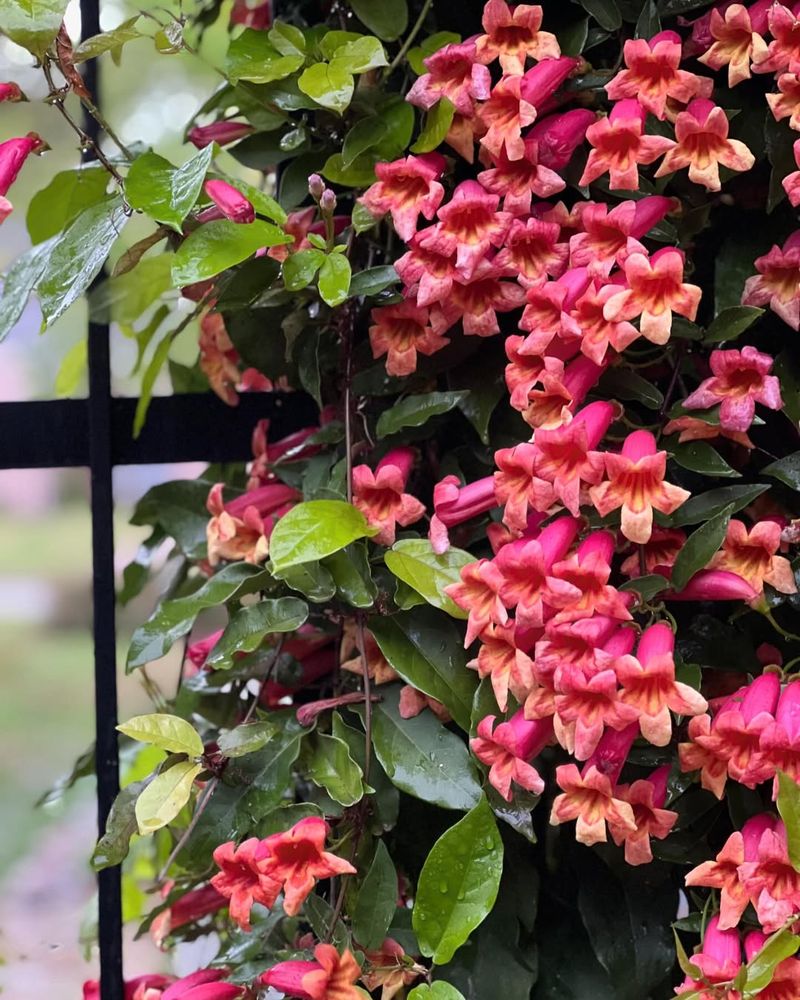
There is something almost theatrical about a Crossvine in full bloom. The flowers are bold, trumpet-shaped, and come in a gorgeous mix of orange-red on the outside and yellow on the inside.
When spring rolls around in Texas, this vine puts on a show that stops people in their tracks. It is the kind of plant that makes neighbors ask, what is that?
Crossvine earns its name from the cross-shaped pattern you see when you cut through its stem. It is a native Texas plant that clings to fences, trellises, and walls using tendrils and adhesive pads.
Your Texas Garden Changes Every Week. Your Plan Should Too.
Gardening in Texas changes quickly throughout the season. Every Friday you’ll receive a simple weekly plan showing exactly what to plant, prune, fertilize, harvest, and protect so you never miss the right timing.
This means it holds on tight without needing to wrap around and strangle other plants or structures.
One of the best things about Crossvine is that it is not a bully. It spreads in a controlled way, covering surfaces beautifully without aggressively taking over nearby garden beds. Gardeners who have battled invasive vines before will really appreciate this quality.
It is also semi-evergreen, holding onto its leaves through most of the Texas winter. The foliage turns a rich bronze-purple in cooler months, adding a second season of interest beyond the spring blooms. That is a lot of value from one plant.
Crossvine thrives in full sun to partial shade and tolerates both drought and occasional flooding once established. It is a tough, adaptable vine that suits many different spots in the yard.
Hummingbirds love the flowers, so expect frequent visits during bloom season. If you want a vine that is showy, strong, and well-mannered all at once, Crossvine is the answer.
3. Dutchman’s Pipe (Aristolochia macrophylla)
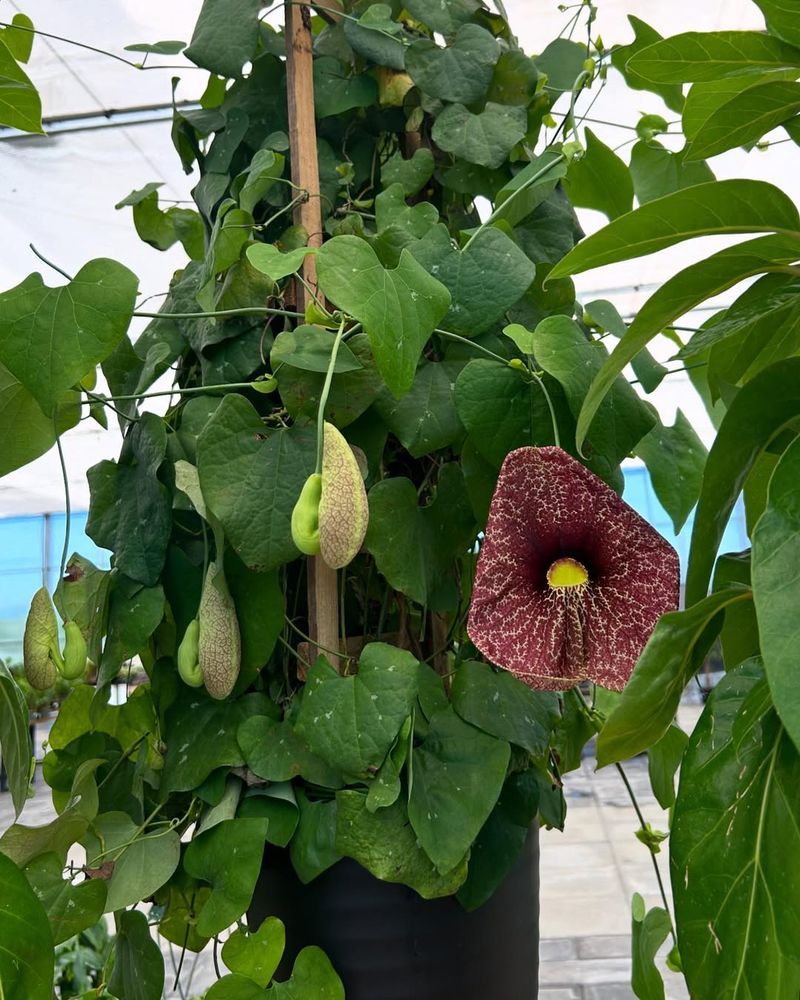
Not every vine needs flashy flowers to be worth planting. Dutchman’s Pipe makes its statement through big, bold, heart-shaped leaves that create a thick, lush curtain of green wherever it grows.
If you need quick coverage for an ugly fence, an old shed, or a bare pergola, this vine delivers fast and beautifully.
The flowers are genuinely fascinating. They are curved and pipe-shaped, almost like a tiny old-fashioned tobacco pipe, which is exactly how the plant got its quirky name.
They are not the main attraction, but they are a fun detail that plant lovers enjoy discovering up close.
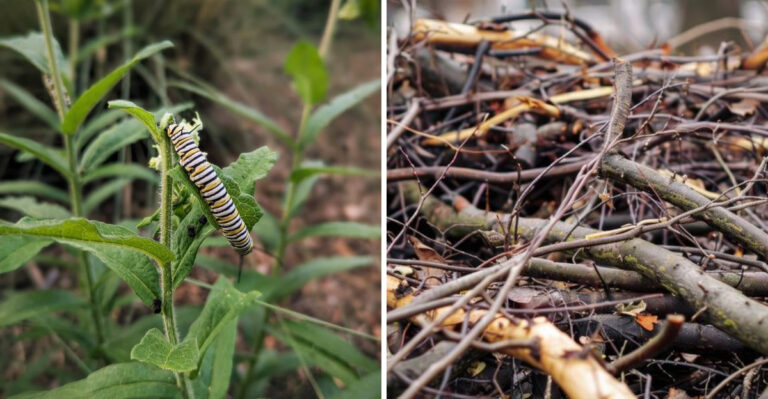
Here is where Dutchman’s Pipe really shines as a wildlife plant. It is the host plant for the Pipevine Swallowtail butterfly, one of the most striking butterflies in Texas.
Female butterflies lay their eggs on the leaves, and the caterpillars feed on them as they grow. Planting this vine is like setting up a butterfly nursery in your backyard.
It is also a non-invasive grower, which makes it a smart choice for Texas gardens. It climbs by twining around supports and does not produce runners that creep into unwanted areas. A little guidance when it is young helps it grow in the direction you want.
Dutchman’s Pipe does best in partial shade and moist, well-drained soil. It can reach impressive sizes, so give it a strong trellis or arbor to work with.
Regular light pruning keeps it looking neat. For gardeners who love butterflies and lush green coverage, this vine is a must-have addition to the landscape.
4. Passionflower Vine
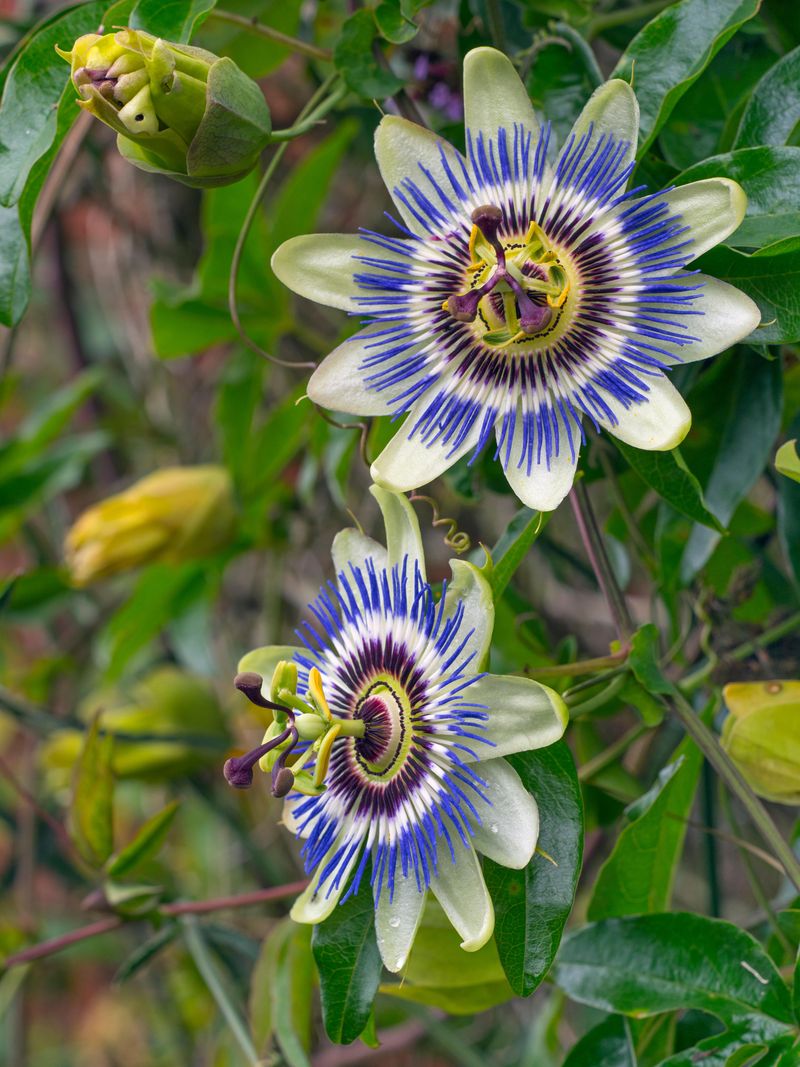
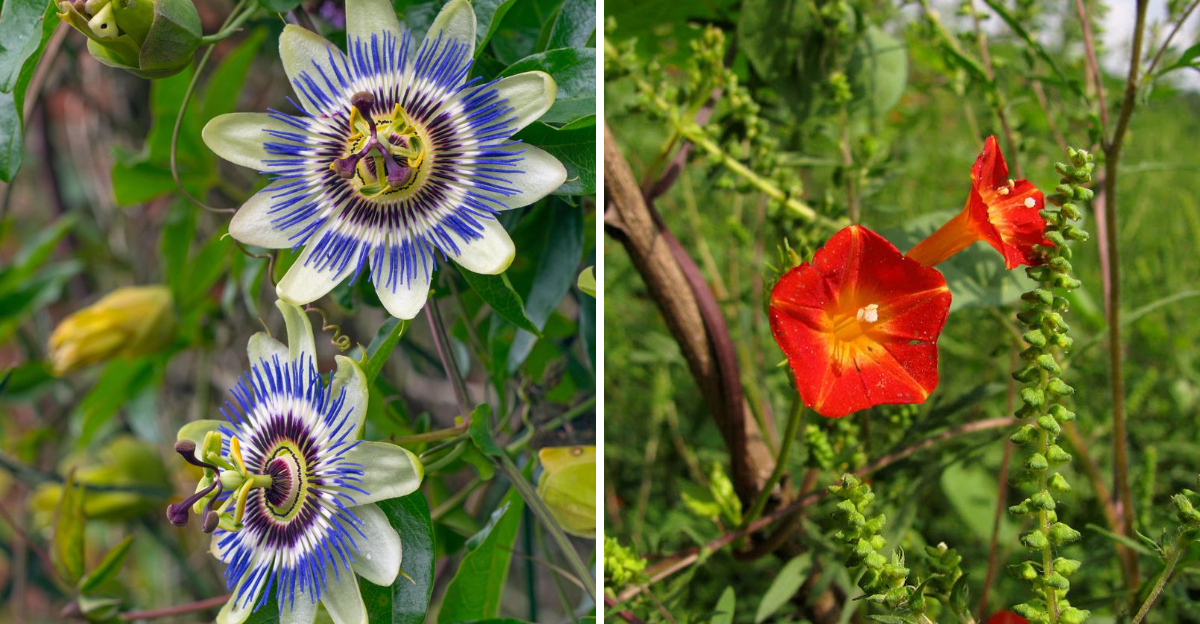
Few plants in the native Texas landscape look as exotic as the Passionflower Vine. The blooms are incredibly intricate, featuring a ring of purple and white fringed petals surrounding a complex center that looks like it belongs in a tropical rainforest, not a Texas backyard.
Yet here it is, completely at home in the Lone Star State. It blooms from summer through fall, filling those hot months when many other plants slow down.
That extended bloom season makes it a reliable source of color and pollinator activity when gardens need it most. Bees, butterflies, and even some moths visit the flowers regularly.
The Passionflower Vine also serves as a host plant for Gulf Fritillary and Zebra Longwing butterflies. These striking orange and black butterflies lay their eggs on the leaves, and their caterpillars munch away happily.
If you want to attract and support these beautiful butterflies through their full life cycle, this vine is one of the best plants you can grow.
After the flowers fade, the vine produces small, egg-shaped fruits called maypops. They are actually edible and have a sweet, tropical flavor. Wildlife loves them too, so expect birds and small animals to visit once the fruit ripens.
In terms of behavior, Passionflower Vine is manageable. It spreads through underground runners, so it can pop up in new spots nearby, but it is easy to pull back when needed.
It dies back in winter and returns reliably in spring. Give it full sun, decent soil, and a trellis, and it will reward you every season with something remarkable.
5. Virgin’s Bower
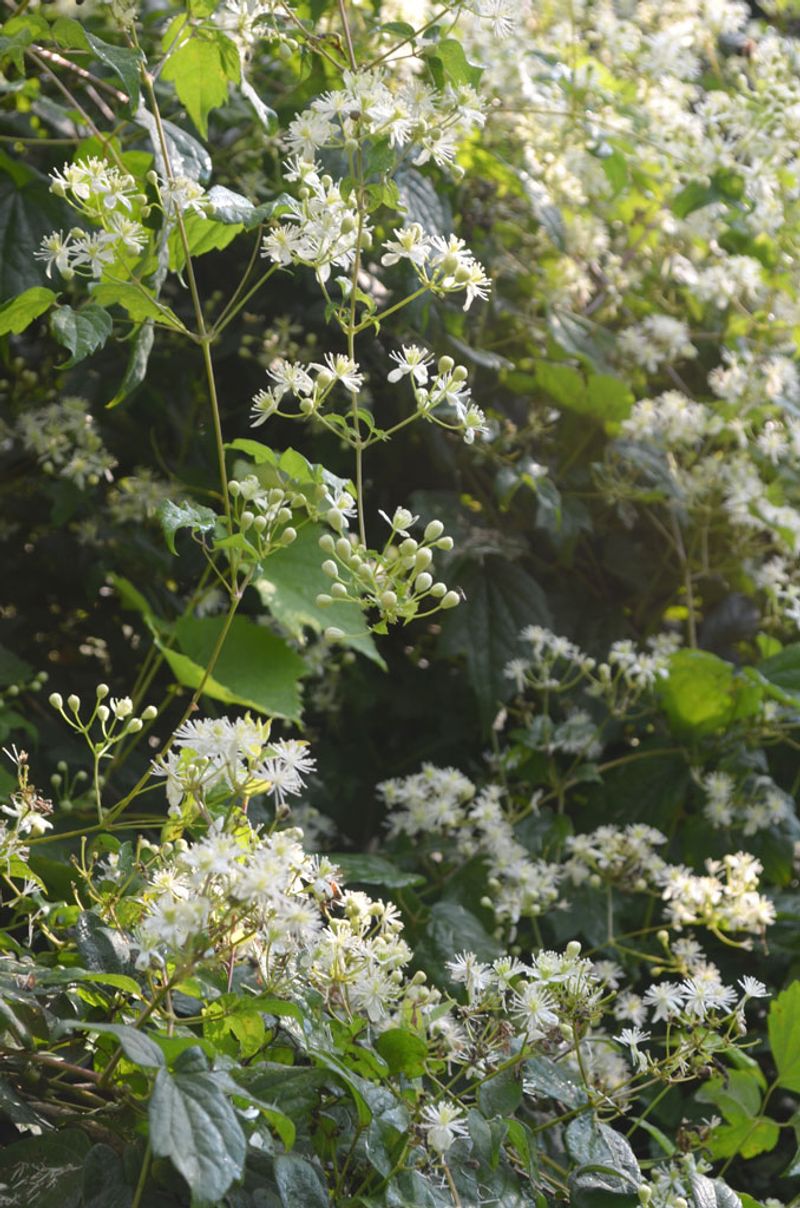
Imagine a vine that covers a fence or arbor in a cloud of small white flowers every summer, fills the air with a light sweet fragrance, and then transforms into silvery, feathery seed heads in fall.
That is exactly what Virgin’s Bower brings to the garden, and it does all of it without throwing a single aggressive tantrum.
This native Texas Clematis grows quickly once established, which is great news if you need to cover an eyesore in a hurry. It can climb several feet in a single season, weaving itself through fences, trellises, and shrubs with ease.
Despite being a fast grower, it does not strangle structures or overtake other plants the way invasive vines often do.
The flowers are small but they appear in large clusters, creating a foamy, romantic effect that looks stunning in any garden style. Pollinators adore them.
You will see bees and butterflies visiting constantly during the bloom period, which typically runs through the warmest months of summer.
After flowering, the seed heads develop a feathery, silvery texture that catches light beautifully in autumn.
Many gardeners leave them on the vine for the visual interest they add to the fall garden. Birds also appreciate the seeds as a food source heading into cooler months.
Virgin’s Bower prefers partial shade and moist soil, making it a great choice for spots that get afternoon shade in the intense Texas summer heat. It is also deer-resistant, which is a significant bonus in areas where deer browsing is a problem.
Light annual pruning keeps it tidy and encourages vigorous new growth the following season.
6. Coral Bell Vine
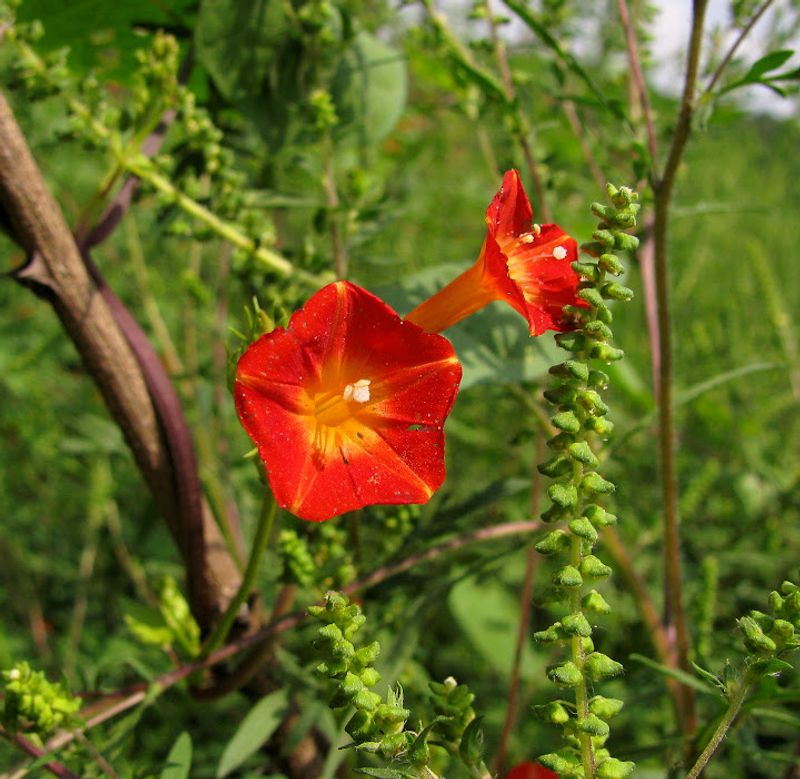
Small but mighty is the best way to describe the Coral Bell Vine. Its flowers are tiny, star-shaped, and blazing red, and they have a magnetic effect on hummingbirds.
If you have a patio trellis or a small fence section that needs some life, this compact vine is exactly the right fit without overwhelming the space.
Also called Red Morning Glory, this native annual vine is related to the familiar morning glory but stays much more compact and well-behaved.
It twines upward through supports without sprawling aggressively into garden beds or neighboring plants. For smaller garden spaces or container trellises, it is an ideal choice.
The bloom season stretches from summer through fall, which lines up perfectly with hummingbird migration patterns in Texas.
Planting this vine near a patio or window means you can watch hummingbirds feed up close, which is a genuinely delightful experience. Butterflies and bees also visit the flowers regularly.
Because it is an annual, Coral Bell Vine completes its life cycle in one growing season. It self-seeds readily, though, so you will often find new plants coming up in the same spot the following spring without any extra effort on your part.
That makes it feel almost perennial in behavior. It grows best in full sun and well-drained soil. It handles Texas heat without complaint and does not need much water once it gets going.
The foliage is a bright, attractive green that pairs beautifully with the vivid red blooms. For a cheerful, low-effort vine that earns its keep all season long, Coral Bell Vine delivers consistently and charmingly.
7. Carolina Jessamine
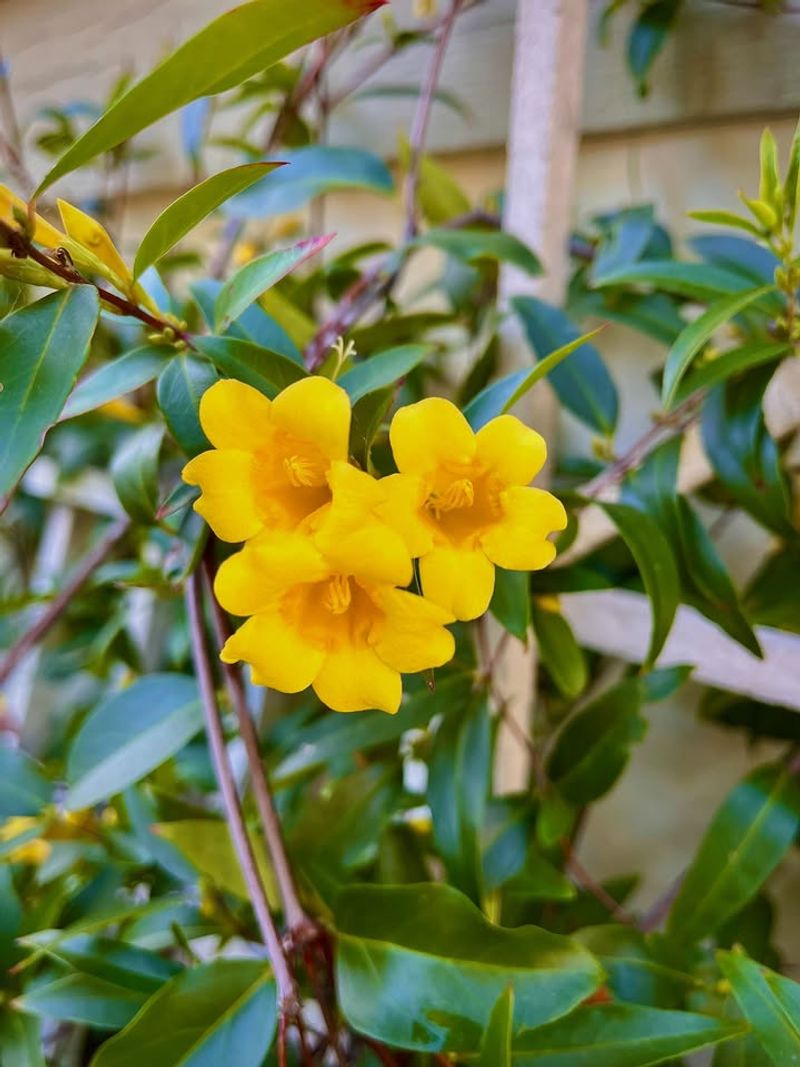
When most of the garden is still waking up from winter, Carolina Jessamine is already putting on its best performance.
Bright yellow, trumpet-shaped flowers cover the entire vine in late winter and early spring, sometimes as early as February in Texas. That early color is incredibly welcome after months of grey and brown winter landscapes.
The flowers are sweetly fragrant, and on a warm early spring afternoon, the scent drifting across the yard is genuinely lovely. It is the kind of fragrance that makes you stop what you are doing and just enjoy the moment.
Bees and other early-season pollinators are drawn to it as well, which helps support insect populations when other food sources are still scarce.
Carolina Jessamine is evergreen, meaning it holds onto its glossy, dark green leaves all year long. That means even when it is not blooming, it is still doing the job of covering fences, trellises, and walls with attractive foliage. It looks neat and polished in every season.
It climbs by twining and reaches a manageable size, typically between 10 and 20 feet. It does not produce aggressive underground runners or send out sprawling stems that invade neighboring plants.
A little pruning after the blooms fade keeps it looking sharp and encourages fuller growth the next season.
One important note for families: all parts of Carolina Jessamine are toxic if eaten, so keep that in mind if young children or pets spend time in the garden.
Planted thoughtfully, though, it is one of the most rewarding and beautiful native vines you can grow in Texas. It is a true garden classic for very good reason.