This Is The Five Dollar Store Gardening Hack Oregon Gardeners Are Trying Right Now
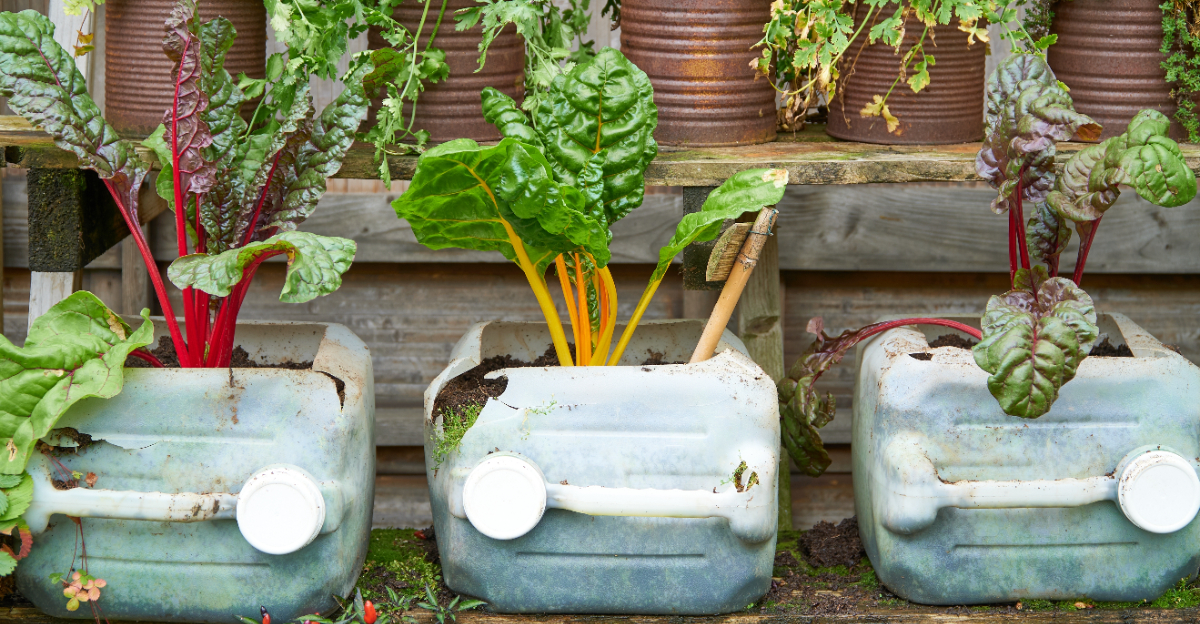
Something unexpected is showing up on patios and back decks across Oregon this season, and it did not come from a garden center.
Gardeners are rolling carts through dollar stores and coming home with plain plastic storage tubs that cost around five dollars, and those tubs are producing real harvests of lettuce, herbs, kale, and greens that people are genuinely proud of.
No fancy raised beds. No expensive planters. No waiting for a seasonal sale.
Just a tub, a drill, some potting mix, and a little practical knowledge about what actually makes container gardening work in Oregon’s particular climate.
The rainy springs, the unpredictable summers, the occasional heat event that arrives without warning: all of it becomes more manageable when the garden can be picked up and moved.
Gardeners from Portland to Bend have been posting results, sharing tips, and proving that a good harvest has almost nothing to do with how much money went into the container it grew in.
Here is everything needed to try this yourself, starting with the most important decisions first.
Start With A Plastic Storage Tub
Budget container gardening just got considerably more interesting.
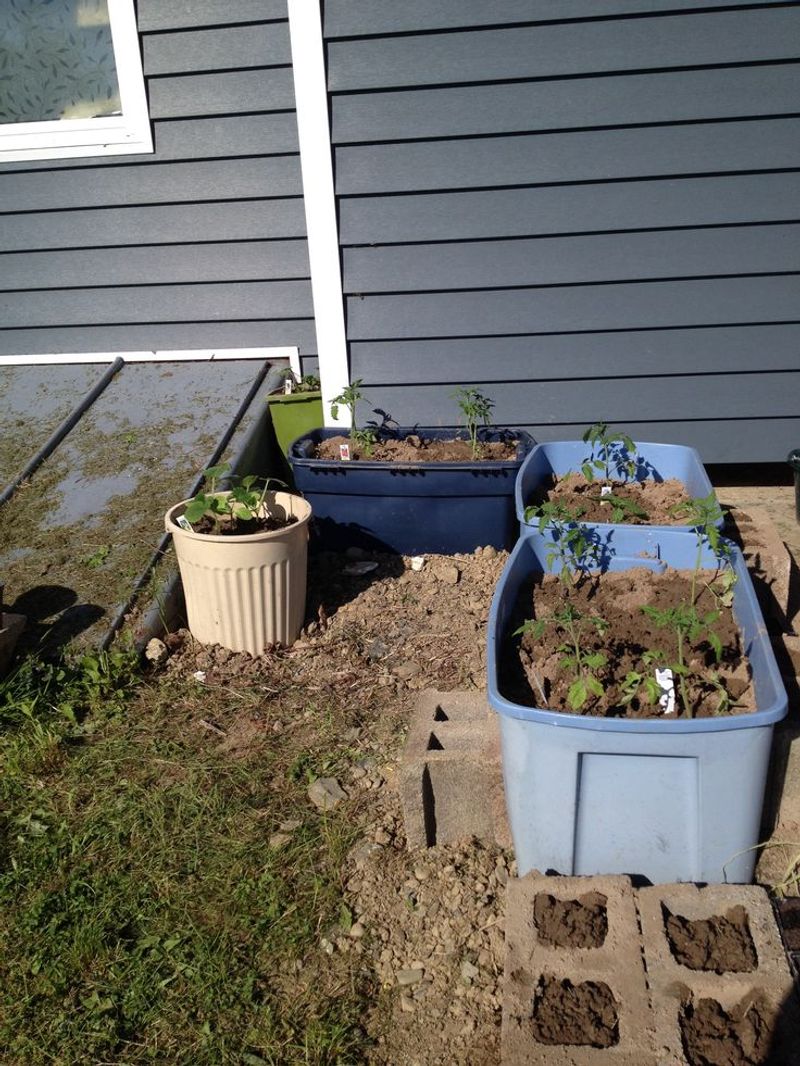
Plastic storage tubs from the dollar store, typically the kind stacked near cleaning supplies, are appearing on Oregon patios as surprisingly capable planters that perform well beyond what most people expect from a five-dollar purchase.
A tub holding roughly eighteen to thirty gallons gives roots plenty of room to spread, which matters more than most beginning gardeners anticipate.
Many recommendations for container gardening suggest one to two gallons of soil per plant as a minimum, and most dollar store storage tubs exceed that threshold with room to spare.
Larger containers also hold moisture longer between waterings, which becomes a genuine advantage during Oregon’s drier summer stretches when the weather shifts away from the rainy pattern of spring.
Wall thickness matters when selecting a tub. Thinner plastic warps or cracks after a season or two outdoors, particularly when soil weight and temperature fluctuation combine their forces on the material.
A tub with handles adds practical value since moving containers becomes part of managing them well through Oregon’s variable conditions.
Color influences root zone temperature in ways worth considering before grabbing the nearest option. Dark-colored tubs absorb heat and warm soil faster, which some cool-season crops appreciate during early spring planting.
Light-colored tubs stay cooler through the hottest summer weeks, which lettuce and spinach prefer when temperatures rise.
The entire setup costs less than a single bag of potting mix at most garden centers. That ratio of cost to productive growing space is genuinely difficult to match through any other approach.
Drill Drainage Before Adding Soil
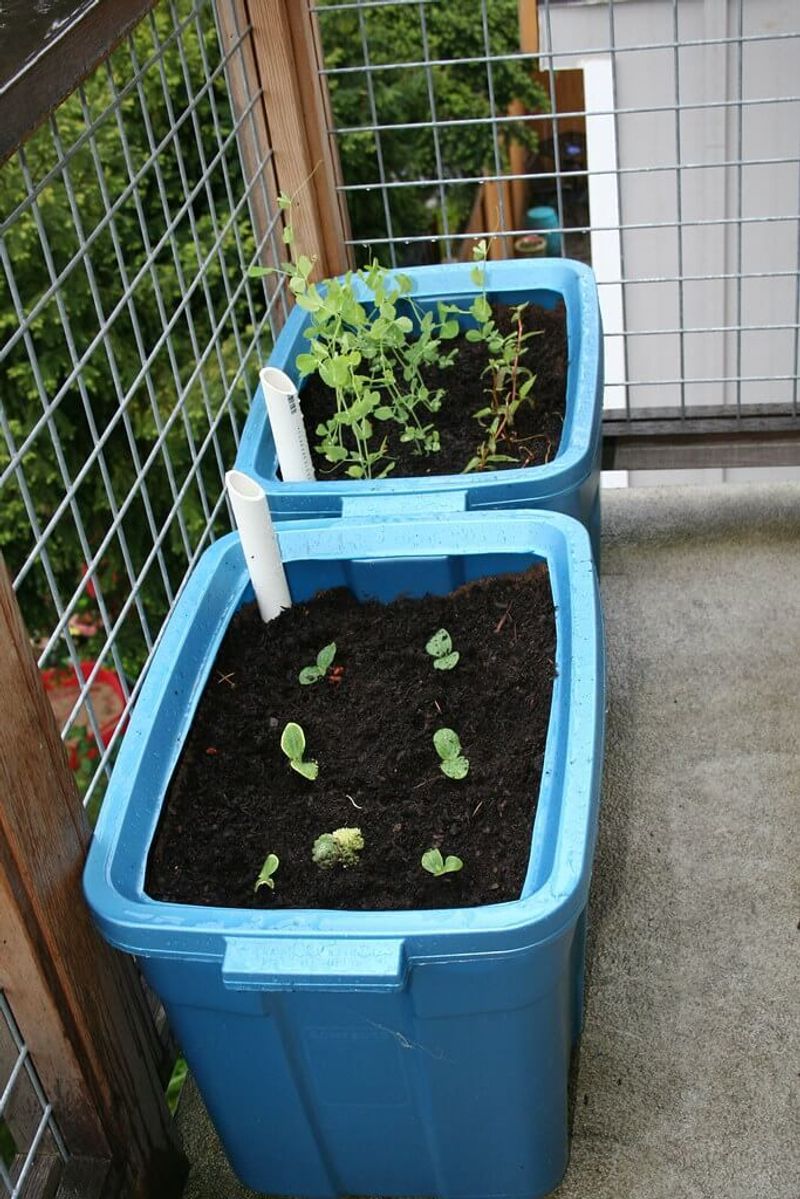
Before a single handful of soil goes in, grab the drill.
Drainage holes are not optional. They are the single most important step in converting a storage tub into a working planter, and skipping them produces predictable failure regardless of how well everything else gets handled.
Without drainage, water pools at the bottom of the container and keeps roots in permanently saturated conditions.
Your Oregon Garden Changes Every Week. Your Plan Should Too.
Gardening in Oregon changes quickly throughout the season. Every Friday you’ll receive a simple weekly plan showing exactly what to plant, prune, fertilize, harvest, and protect so you never miss the right timing.
Root systems in waterlogged soil suffocate because they cannot access oxygen, and the wet conditions invite problems that break down root tissue over time.
Use a half-inch drill bit and make at least six to eight holes across the bottom of the tub. Space them evenly so water can escape from every section, not just one corner.
Some gardeners also add a few holes near the bottom sides of the tub as extra insurance during Oregon’s heavier rain periods.
A cordless drill makes this easy, but a hand drill works fine too. If the plastic feels slippery, place the tub on a non-slip surface or have someone hold it steady.
Wear safety glasses because small plastic fragments can fly up during drilling.
Once the holes are done, hold the tub up to the light and check that each hole is fully open and not just scored on the surface. Tap any partial openings again to clear them completely.
Good drainage is what separates a thriving container garden from a soggy, disappointing one. Two minutes of drilling determines which one you end up with.
Use Potting Mix Instead Of Yard Soil
Yard soil looks perfectly reasonable. It grows things just fine in the ground. Inside a container, it becomes one of the worst choices you can make.
Regular garden soil compacts quickly under its own weight and repeated watering, squeezing out the air pockets that roots depend on to function.
What works beautifully in an open garden bed can harden into something close to concrete inside a plastic tub after just a few waterings.
Potting mix is specifically engineered to stay light and loose within the confined space of a container across an entire growing season.
Ingredients like perlite, vermiculite, and peat moss or coconut coir maintain drainage and aeration that regular soil simply cannot sustain in the same conditions.
A good potting mix also reduces the risk of introducing weed seeds or soil-dwelling pests into the container, which matters when the tub is sitting on a patio with limited management options.
Dollar stores may not stock potting mix directly, but nearby discount retailers and garden centers carry large bags at reasonable prices. One bag fills one or two tubs depending on their size.
Mixing a slow-release granular fertilizer into the soil at planting time provides steady nutrition for several weeks without any additional effort during the season.
Fill the tub to about two inches below the rim. That gap prevents soil from splashing out during watering and leaves room to topdress with compost later in the season.
Light soil going in means healthy roots throughout. It really is that straightforward.
Raise The Tub Off Wet Patios
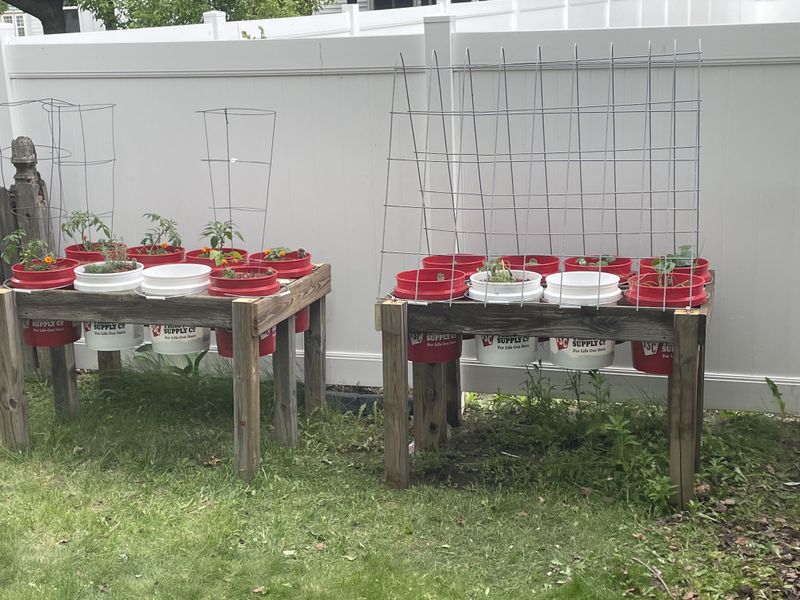
Placing a container directly on a flat patio surface creates a drainage problem that develops quietly and causes damage before most gardeners identify the cause.
When drainage holes rest against concrete or wood, water cannot escape freely after rain or irrigation. It pools underneath, blocks airflow, and keeps the base of the tub wet far longer than the rest of the growing medium needs.
Elevating the tub by just one to two inches solves this completely.
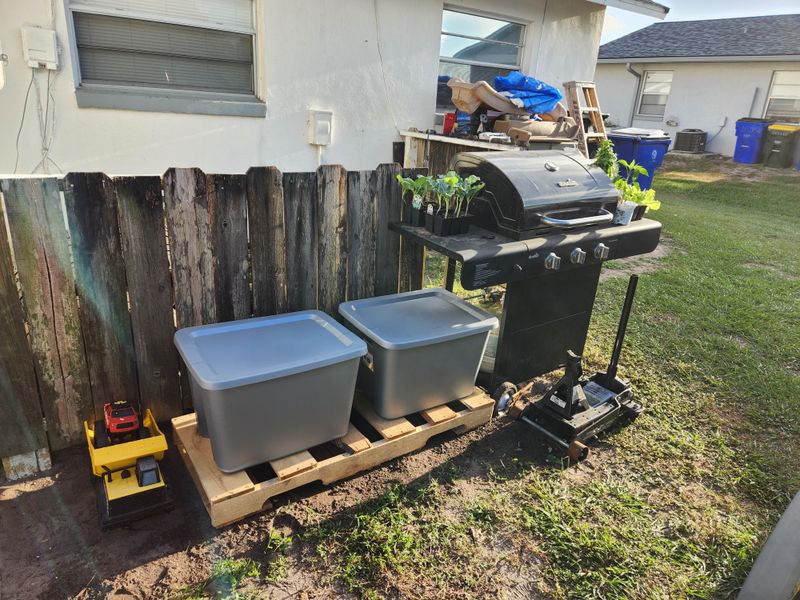
Two bricks on each side, a pair of wooden boards, or a set of inexpensive pot feet creates the gap that allows water to drip away freely after every watering or rainfall event.
Oregon’s rainy season delivers steady precipitation across extended periods, and patios stay wet considerably longer than they appear from above.
A raised container drains faster, recovers between waterings more effectively, and produces consistently healthier root systems than one sitting flat on a saturated surface.
The elevation also protects patio surfaces from mineral deposits and staining that develop as water seeps through soil and out the bottom of containers over a full season.
Stack two bricks on each side of the tub and the job is done in under a minute.
Your plants will thank you with stronger roots, more consistent growth, and considerably less drama throughout the season.
Grow Cool Crops In Small Spaces
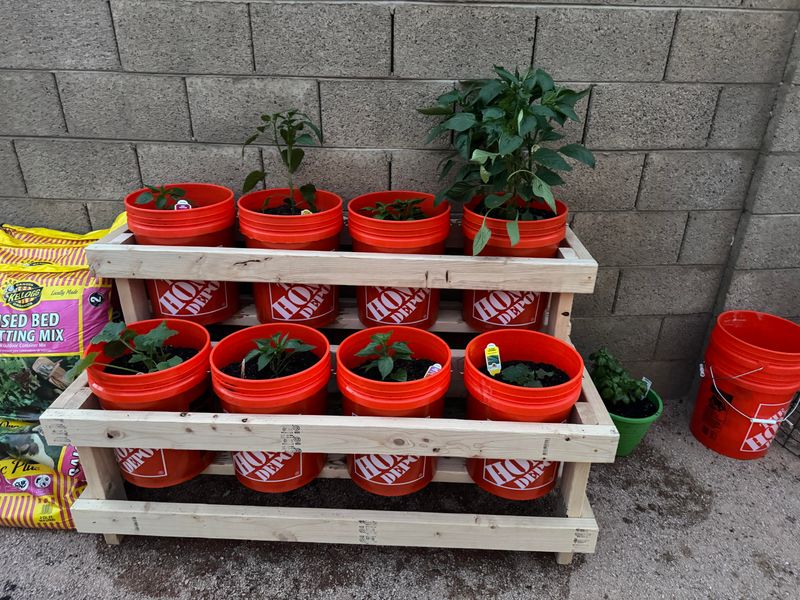
Not every vegetable belongs in a five-dollar tub, but a surprising number of Oregon favorites perform genuinely well in this format.
Lettuce, spinach, kale, arugula, cilantro, parsley, and green onions all thrive in container setups. These cool-season crops are exactly what Oregon’s mild springs and falls are built for.
Leafy greens and herbs have shallow root systems, which means they do not need a massive container to produce a solid harvest.
A single eighteen-gallon tub holds three to four lettuce plants or a full spread of mixed salad greens at spacings that allow healthy development.
Planting in staggered succession every two to three weeks extends continuous harvest across multiple months rather than producing one large flush that is difficult to use before it bolts.
Compact herbs like basil, chives, and parsley suit containers well. Mint deserves its own dedicated tub because it spreads aggressively through rhizomes and crowds out anything nearby within a single season.
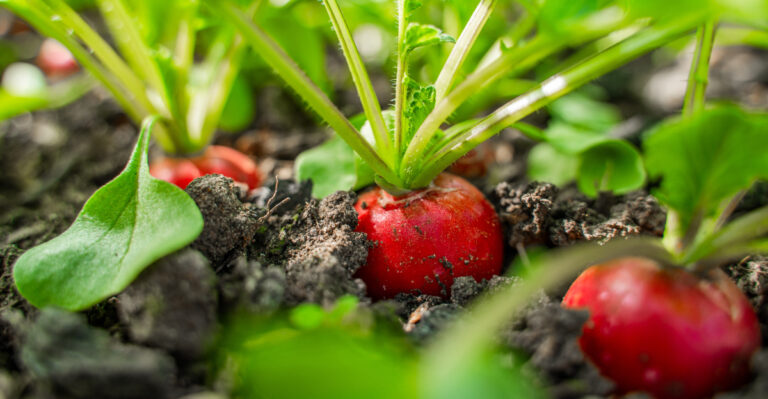
Radishes and small beet varieties mature quickly and stay within the depth range that most storage tubs provide without difficulty.
Four to six hours of daily light suits most leafy greens adequately. Oregon’s diffused spring light is particularly well-suited to lettuce because it extends the harvest window before heat triggers bolting.
Growing food in a five-dollar container feels like finding a shortcut nobody else knows about. Except now a lot of Oregon gardeners know about it, and the salad bowls are full.
Move Containers During Heat Spells
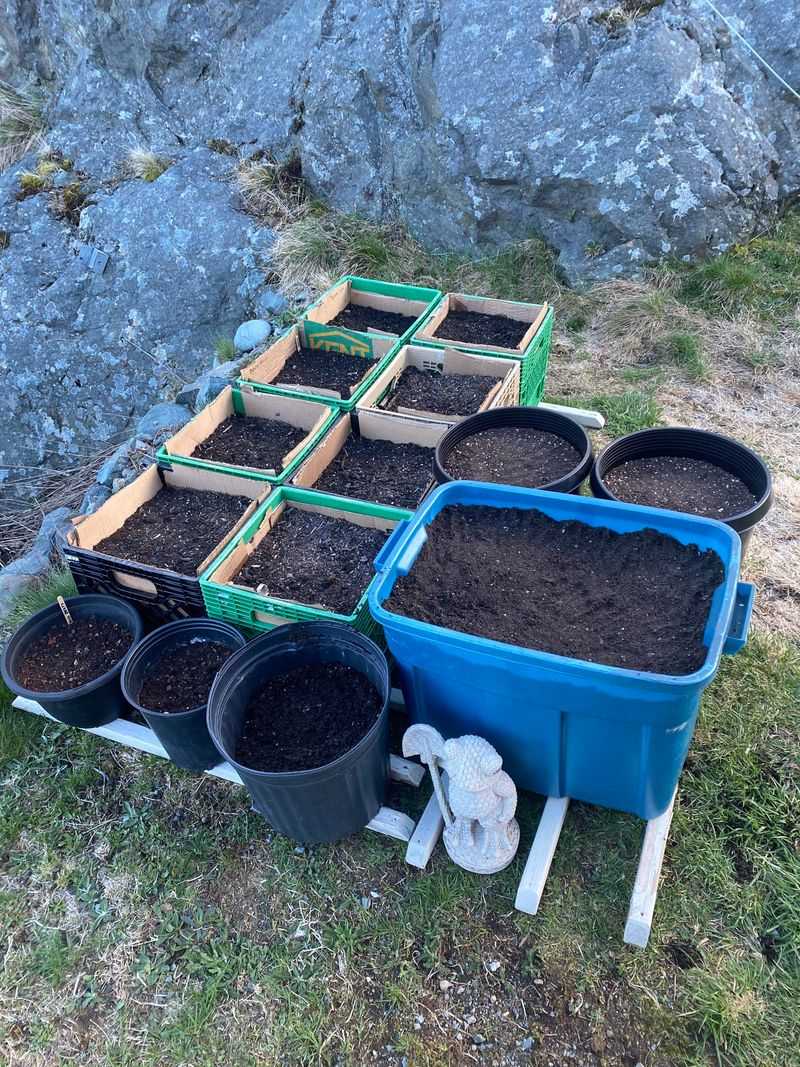
One of the best things about container gardening that rarely gets enough attention: the whole garden moves when the weather requires it.
Plants in ground beds have nowhere to go during a heat event. Container gardeners pick up the tub, relocate it to afternoon shade, and let the plants recover while the heat passes.
Oregon has seen increasingly intense summer heat events in recent years, and cool-season crops are especially vulnerable to those spikes.
Lettuce and spinach bolt quickly when temperatures climb, turning bitter and sending up seed stalks before a full harvest becomes possible.
Moving a tub into afternoon shade during a hot stretch extends the productive harvest period by a week or two, which represents meaningful additional return from the same planting.
Tubs with handles make relocation straightforward when soil moisture is moderate. Moving containers before irrigation on anticipated hot days keeps the weight manageable.
Recruit a helper for larger tubs to avoid back strain. The process takes under a minute and the payoff is a planting that keeps producing instead of bolting into bitterness.
Containers can also be positioned against a south-facing wall in early spring to capture additional warmth and extend the planting window before conditions fully warm up.
Then shift them east or north as summer heats up. Oregon’s weather swings are unpredictable, but a mobile container setup turns that unpredictability into a genuine advantage rather than a recurring problem.
Label Plants Before They Blend Together
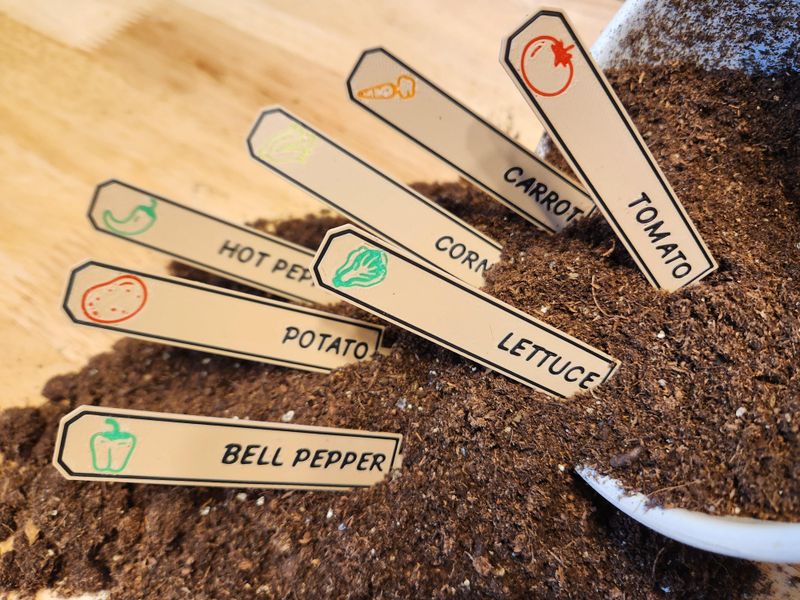
Three tubs of mixed greens, two of herbs, and one of root vegetables all look remarkably similar in their first few weeks.
Tiny seedlings share a visual similarity during early development that makes confident identification genuinely difficult, and the confusion compounds quickly when several containers were planted close together in time.
A simple label system prevents all of this.
Dollar stores provide excellent materials for the purpose. Wooden craft sticks pushed into the soil and marked with a permanent marker record both the plant name and planting date at essentially no additional cost.
Outdoor-rated paint pens hold up through Oregon’s rainy periods significantly better than standard permanent markers, which fade after extended wet exposure.
Plastic yogurt container lids cut into strips provide a waterproof alternative that costs nothing beyond the yogurt already being consumed.
Planting dates on labels serve a function beyond simple identification. When planting in succession every two to three weeks, marked dates indicate which containers approach harvest readiness first and which were planted most recently.
That information guides harvesting sequence, replanting timing, and decisions about where to add new seedlings as established plants finish their cycle.
A small notebook with the container layout sketched out sounds unnecessary until the third rotation of plantings makes tub contents genuinely difficult to track from memory alone.
A labeled container is an organized container, and an organized container garden consistently produces better than one managed primarily through guesswork and optimism.
Replace Cracked Plastic Before Leaks Start
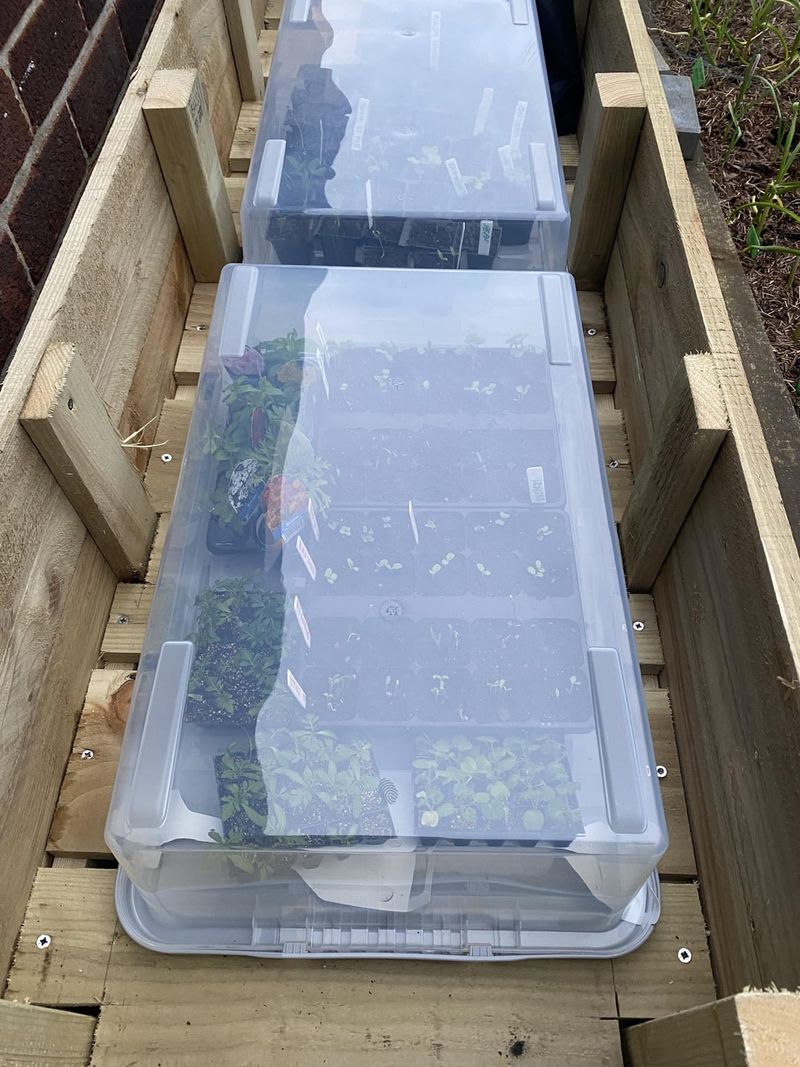
Plastic storage tubs perform reliably for a season or two of outdoor use, but Oregon’s combination of UV exposure, freezing temperatures, and sustained moisture degrades plastic over time in ways that are not always visible until a crack has already developed.
A tub that held together through an entire growing season may show brittleness or hairline fractures by the following spring that signal approaching structural failure.
Checking containers at the start and end of each growing season takes a few minutes and prevents the more disruptive situation of a container failing mid-season while full of wet soil and established plants.
Run hands along the sides, bottom, and corners to identify soft spots, warping, and visible fractures before they become functional failures.
The area around drainage holes and the corners of the tub experience the most physical stress and deserve particular attention during inspection.
A tub showing signs of structural compromise should be retired from active growing duty before it fails unexpectedly.
Replacement costs five dollars. Swapping a weakened container for a new one before it splits is less disruptive and less messy than managing a failure that occurs during the growing season.
Storing empty tubs in shaded locations or indoors through winter significantly extends their useful life by reducing UV exposure during the months when they are not in active use.
A modest amount of seasonal care keeps the entire setup functional across multiple years and maintains the favorable cost ratio that makes this approach worth coming back to every spring.