This Native Florida Tree Is Replacing Crape Myrtles Along Driveways
Crape myrtles have been the default Florida driveway tree for so long that most homeowners never question the choice. They bloom, they grow fast, and they line a driveway with the kind of repeating color that looks intentional from the road.
The problems show up later. Aggressive pruning habits, size that outgrows the space, and a plant that brings almost nothing to the local ecosystem despite taking up significant real estate.
A native Florida tree has been earning serious attention as a replacement, and the gardeners who have made the switch are not looking back. It fits a driveway scale honestly.
It blooms in a way that pollinators respond to seriously. It produces fruit that birds and wildlife actually use.
And it belongs in this landscape in a way that crape myrtle, popular as it is, simply does not. Florida driveways deserve a tree that does more than look good from the street.
1. Chickasaw Plum Brings Spring Flowers Without The Crape Myrtle Look
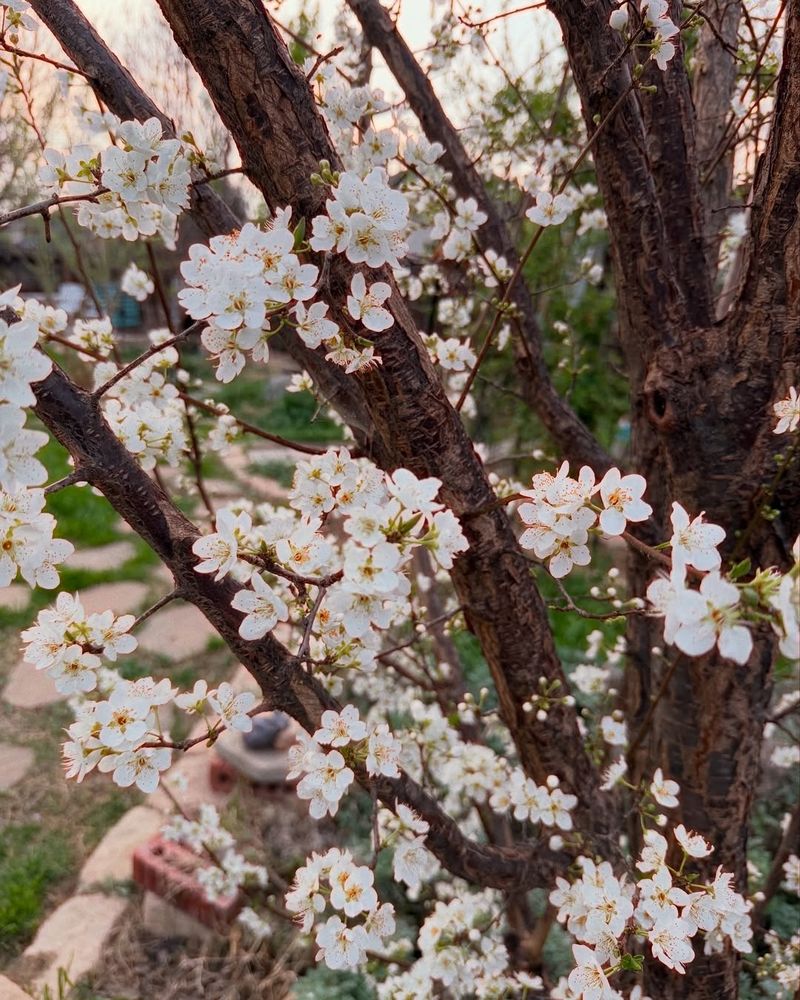
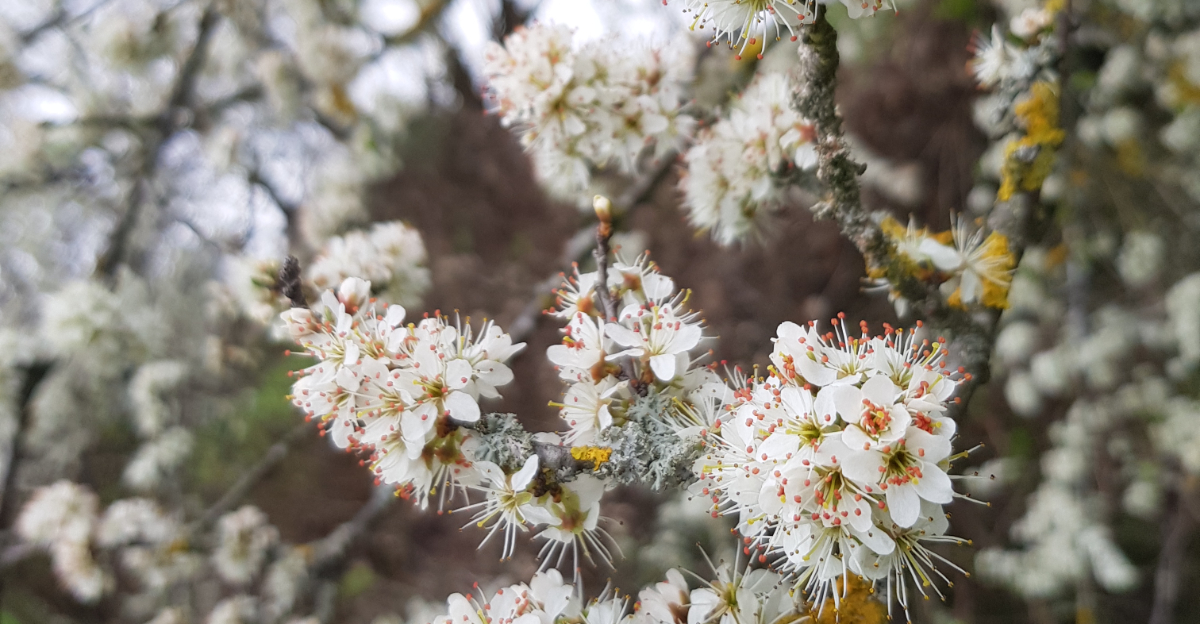
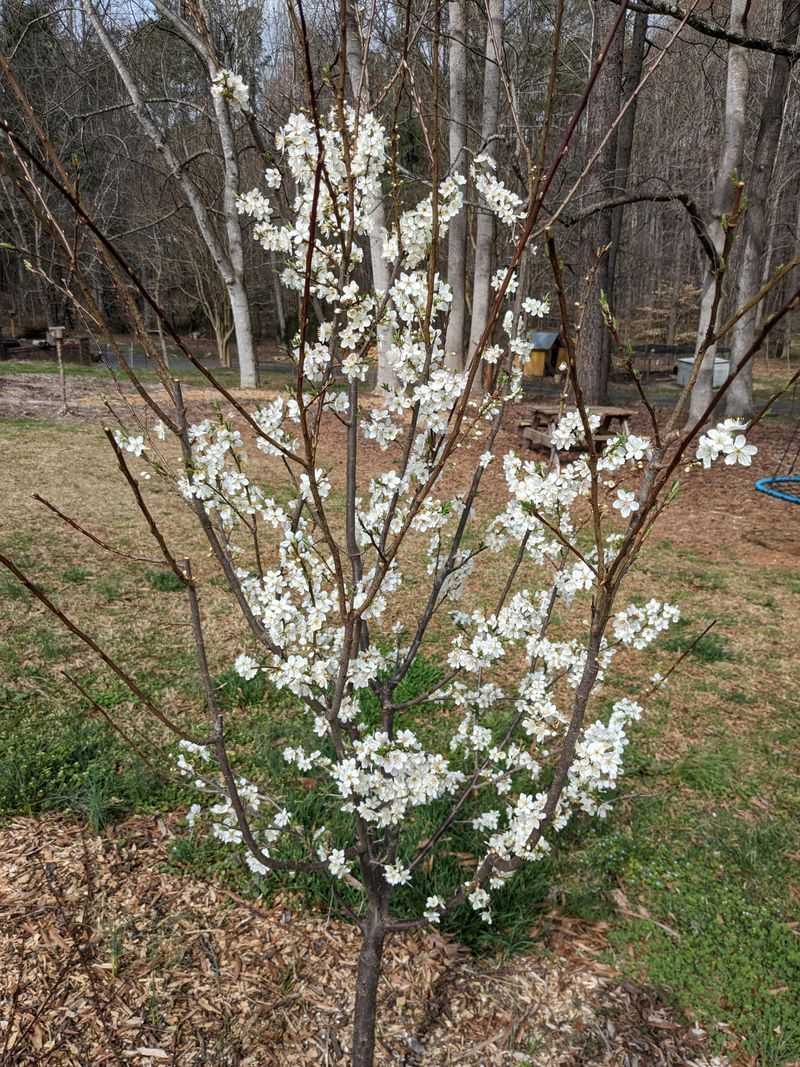
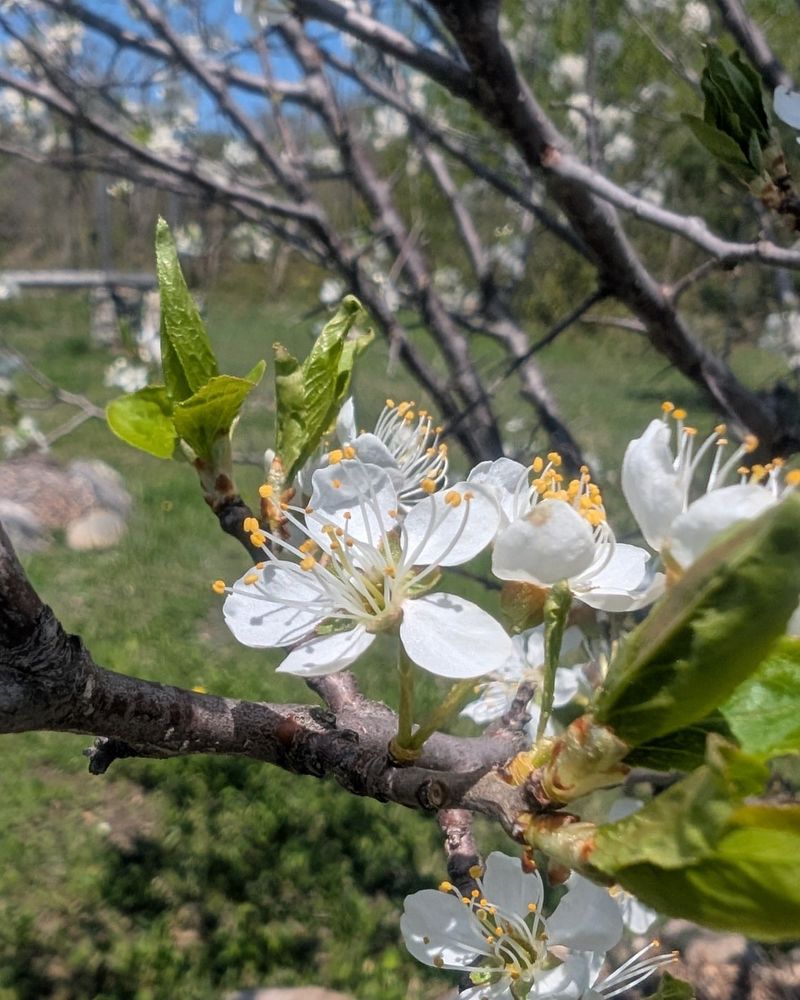
Picture a small tree covered in clusters of tiny white flowers before the leaves even fully open. That is what Chickasaw plum (Prunus angustifolia) delivers each spring, usually between February and March across much of this state.
The bloom is brief but striking, and it arrives at a time when most other driveway plantings are still looking bare and winter-worn.
Crape myrtle puts on its famous flower show in summer with showy pink, red, lavender, or white panicles. Chickasaw plum blooms in early spring and does not repeat.
The two plants operate on completely different seasonal schedules. Expecting Chickasaw plum to mimic a crape myrtle’s summer color is setting yourself up for disappointment.
What Chickasaw plum offers instead is a native kind of beauty. It grows as a large shrub or small tree, typically reaching 15 to 25 feet tall with a spreading, irregular crown.
According to UF/IFAS, it is native to much of the eastern and central United States, including this state. Its natural form is looser and more open than a nursery-shaped crape myrtle.
For gardeners who want something wilder and more ecologically connected, that difference is actually the whole point.
2. Driveway Edges Need Small Trees That Can Handle Heat
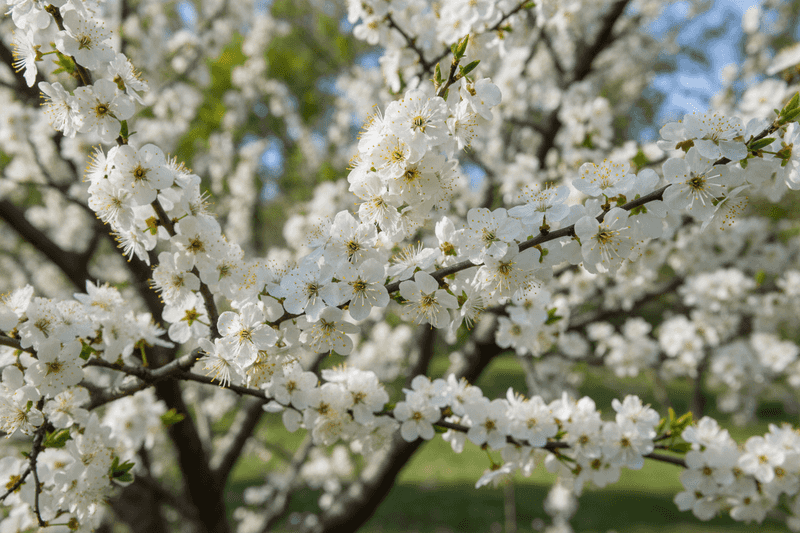
Pavement bakes in the summer sun, and driveway edges can become some of the harshest planting spots on any property. Reflected heat from concrete or asphalt raises soil temperatures, and irrigation near driveways is often uneven.
Roots may go dry between rain events, and soil near driveways can be compacted from construction or foot traffic.
Chickasaw plum handles full sun well and tolerates a range of soil conditions, including the sandy, well-drained soils common across much of this state. UF/IFAS notes that it adapts to dry sites and is considered moderately drought-tolerant once properly established.
That combination makes it a reasonable candidate for a wide, sunny driveway edge where conditions are tough.
The word “established” matters a lot here. During the first year or two after planting, Chickasaw plum still needs regular watering to develop a strong root system.
Your Florida Garden Changes Every Week. Your Plan Should Too.
Gardening in Florida changes quickly throughout the season. Every Friday you’ll receive a simple weekly plan showing exactly what to plant, prune, fertilize, harvest, and protect so you never miss the right timing.
Skipping establishment care on a hot driveway strip is asking for trouble. The planting strip also needs to be wide enough to give roots room to spread without cracking pavement or conflicting with underground utilities.
Narrow strips under two feet wide are generally not suitable for any small tree, including this one.
3. White Blooms Make This Native Tree Feel Intentional
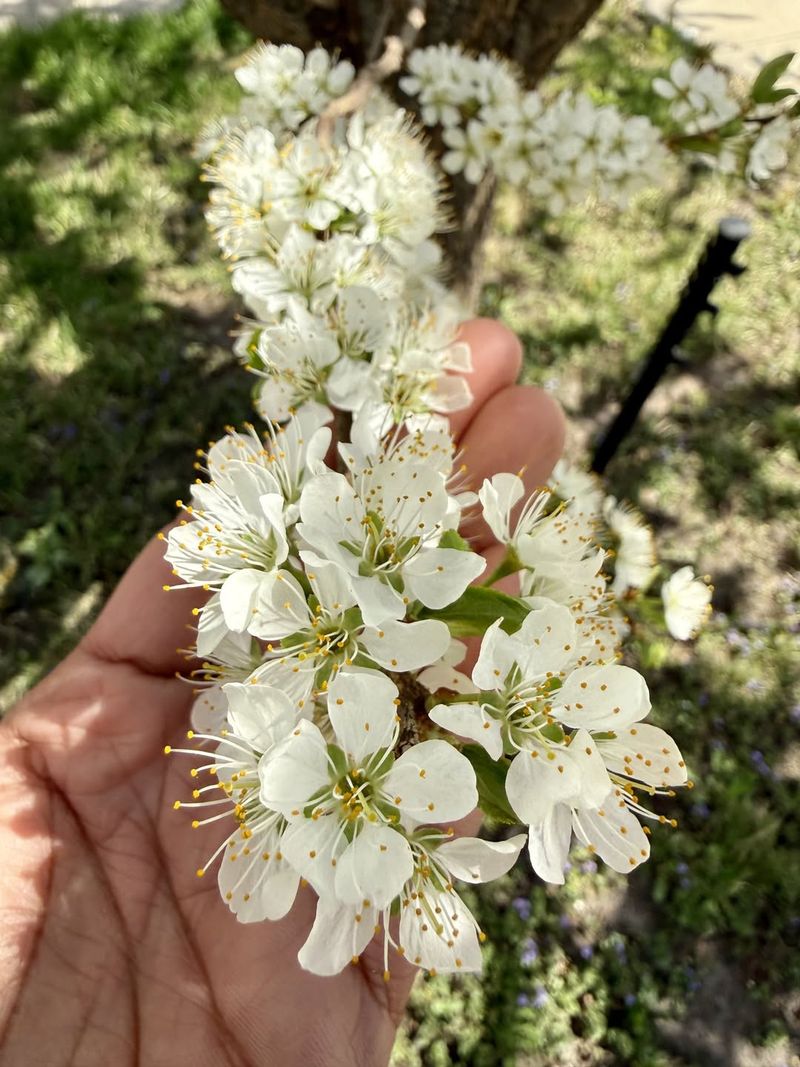
Spring along a driveway can feel designed and deliberate even with plants that have a wild nature. When Chickasaw plum blooms in late winter or early spring, its small white flower clusters create a visual moment that reads as intentional.
That effect is stronger when trees are spaced consistently and paired with a simple ground layer beneath them.
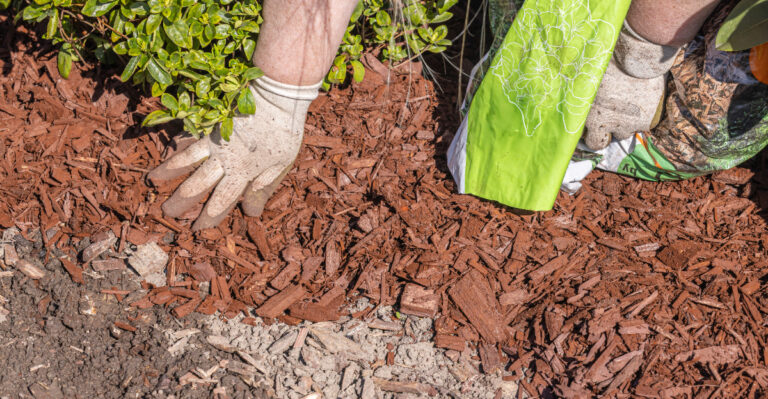
Clean edging makes a real difference. A bed of native ground cover, low ornamental grasses, or a neat mulch border at the base of each plant tells visitors that someone made a choice here.
Without that framing, a thicket-forming shrub-tree can look accidental rather than designed. Repeating the spacing every 10 to 15 feet along a wide driveway strip gives the planting rhythm.
It uses the same design idea as crape myrtle rows, but with a softer, more organic silhouette.
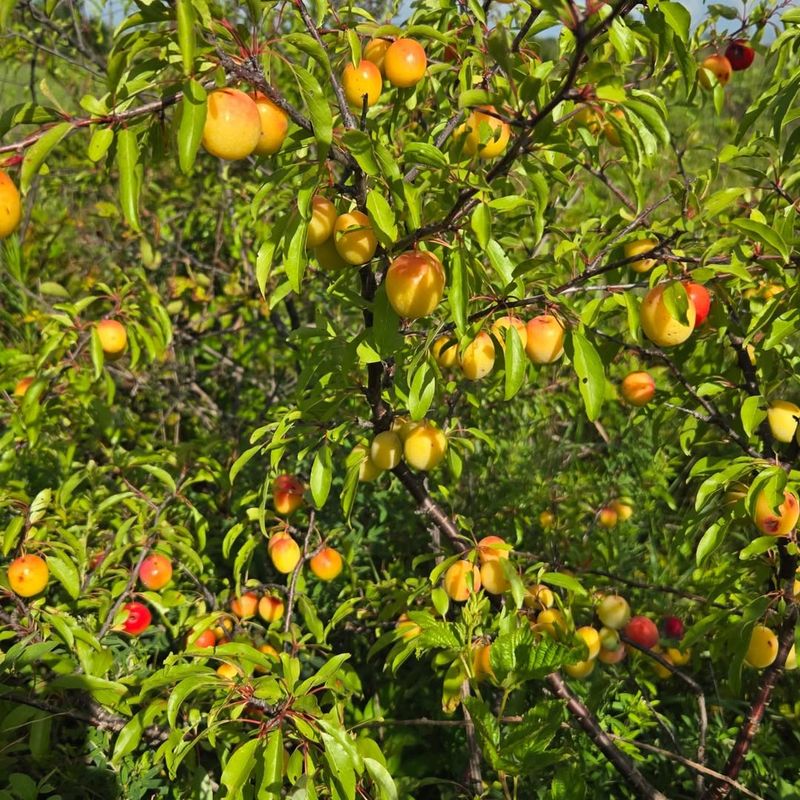
Off-season structure matters too. Once the spring flowers fade and the leaves fill in, Chickasaw plum offers a green canopy, interesting branching, and eventually small fruit in summer.
Its bark and branch pattern are not as ornamental as crape myrtle’s smooth, peeling trunk, so the overall winter look is simpler. Planning for that seasonal shift helps set realistic expectations before planting along a high-visibility driveway.
4. Wildlife Gets More From Plum Thickets Than Bare Mulch
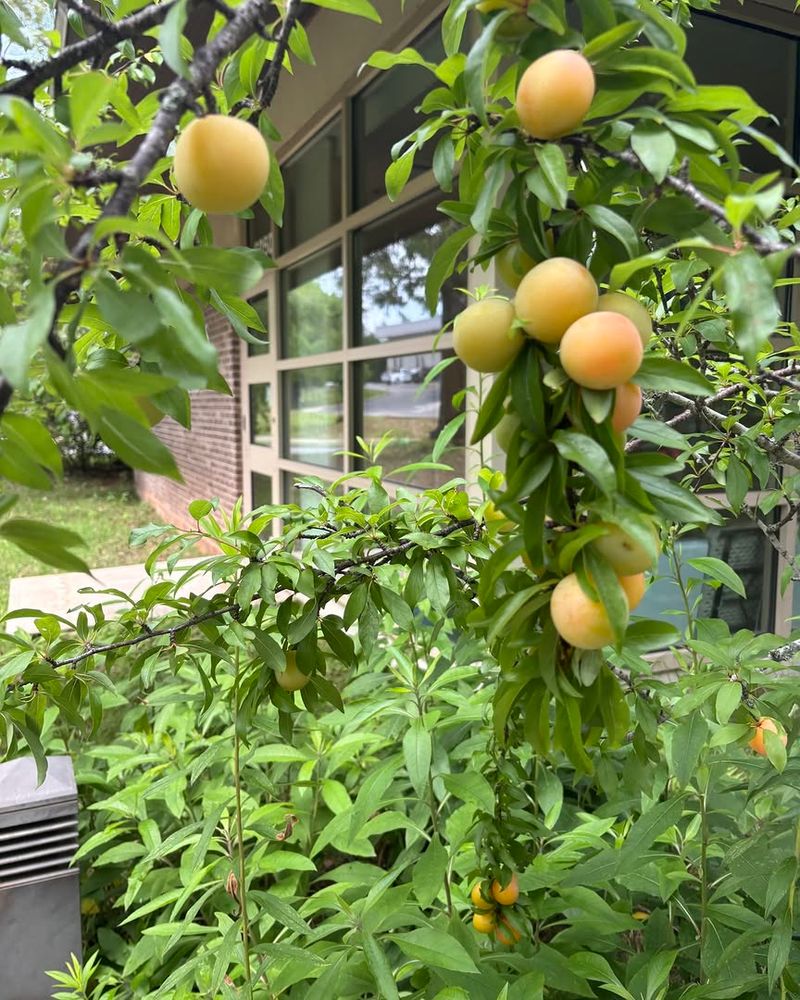
A mockingbird landing in a fruiting Chickasaw plum is not an accident. Native plums are known to support a wide range of wildlife, from pollinators visiting the early spring flowers to birds and small mammals eating the fruit in summer.
The Florida Wildflower Foundation notes that Chickasaw plum flowers attract native bees and other early pollinators at a time when few other plants are blooming.
The branching structure also provides nesting cover and perching spots that a row of mulch or a single ornamental tree simply cannot match.
When Chickasaw plum is allowed to form a loose colony or thicket in a wide bed, that habitat value increases significantly.
Dense branching offers shelter, and layered canopy gives birds multiple levels to use throughout the year.
That said, wildlife activity has practical consequences along a driveway. Fruit drop near parked cars or walkways can create a sticky, staining mess.
Birds visiting fruiting branches leave droppings. A thicket close to a narrow path or entry walk may feel cluttered rather than welcoming.
Weighing the ecological benefits against the practical realities of your driveway layout is necessary. Do that before choosing this plant for a high-traffic front-yard edge.
5. Suckers Are The Tradeoff Homeowners Need To Understand
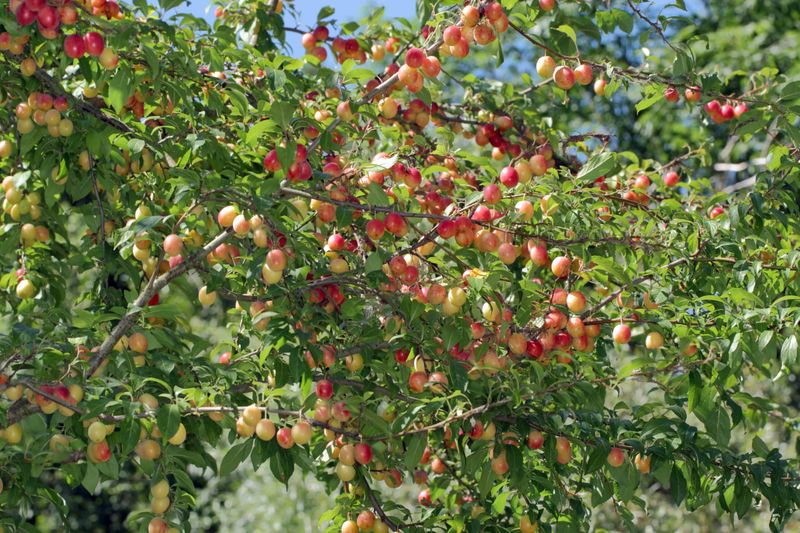
Suckering is the single most important thing to understand about Chickasaw plum before planting it along a driveway.
This plant spreads by sending up new shoots from its root system, and over time it can form a colony or thicket rather than staying as a single-trunk tree.
UF/IFAS describes this thicket-forming habit as a natural characteristic of the species.
In a naturalized side yard, a wide front meadow edge, or a large property buffer, that spreading habit can be a feature rather than a flaw. Thickets provide cover, fruit, and structure.
Along a tidy formal driveway, a homeowner may expect a single clipped specimen. Unexpected suckers popping up through mulch or edging can quickly become frustrating.
Managing suckers is not complicated, but it does require consistency. Removing them as soon as they appear, before they develop woody stems, keeps the planting from spreading beyond its intended boundary.
Mowing or edging around the outer perimeter of the planting bed regularly also helps contain spread. Planting Chickasaw plum in a wide bed with clear physical edging gives you better control from the start.
Choose a spot with room to spread, and removal becomes a manageable seasonal task rather than a constant battle.
6. The Best Spot Is A Sunny Edge With Room To Spread
Not every driveway edge is right for Chickasaw plum. The best matches are wide, sunny strips with enough soil volume for roots to spread without conflicting with pavement, utilities, or structures.
A planting bed at least four to six feet wide gives the root system room to develop and reduces the risk of surface roots buckling nearby pavement over time.
Fence-adjacent driveways, naturalized front edges on larger lots, and properties with a more informal landscape character are strong candidates. In those settings, Chickasaw plum fits naturally and can develop its thicket habit with minimal conflict.
It also suits sunny side-yard edges where a loose screen or wildlife corridor is more useful than a formal hedge.
Spots to avoid include narrow driveway islands under two feet wide, tight foundation beds near the house, and entry strips where branches will scrape vehicles.
Also avoid any location where fruit drop onto pavement would create a safety or maintenance problem.
Chickasaw plum grows best in full sun and well-drained soil. It is native to a wide range of this state, from northern regions down through central regions.
It is generally better suited to those areas than to the wetter, more tropical conditions of southern regions. Checking with your local UF/IFAS Extension office helps confirm suitability for your specific site.
7. Good Pruning Keeps The Driveway From Feeling Crowded
Left completely unpruned along a driveway, Chickasaw plum can eventually crowd sight lines, scrape vehicle mirrors, and push branches toward walkways. Selective pruning solves most of those problems without ruining the plant’s natural character.
The goal is to guide the tree, not reshape it into something it is not.
Removing low limbs that hang into the vehicle path keeps clearance safe and makes the driveway feel open. Cutting out crossing or rubbing branches improves airflow and reduces spots where bark damage can invite pests or disease.
Trimming back any growth that reaches toward the road or into sight-line zones keeps the planting safe for drivers pulling in and out. Removing unwanted suckers at the base is also part of routine pruning rather than a separate task.
Timing matters. Pruning Chickasaw plum after it finishes blooming in spring avoids cutting off next year’s flower buds, which form on previous growth.
Light structural pruning can also be done in late summer. Avoid heavy pruning in fall or winter when the plant is preparing for its early bloom.
Always verify current pruning guidance with your local UF/IFAS Extension office, since conditions and timing can vary by region. Respect the plant’s natural, open form rather than forcing it into a crape myrtle silhouette.
8. This Swap Works Best When You Want A Natural Look
Homeowners who want a symmetrical, narrow, constantly tidy ornamental tree along their driveway will likely find Chickasaw plum more work than expected. Its spreading, thicket-forming habit and seasonal bloom cycle give it a more natural look.
That makes it better for someone who values a native, wildlife-friendly style over a polished formal row.
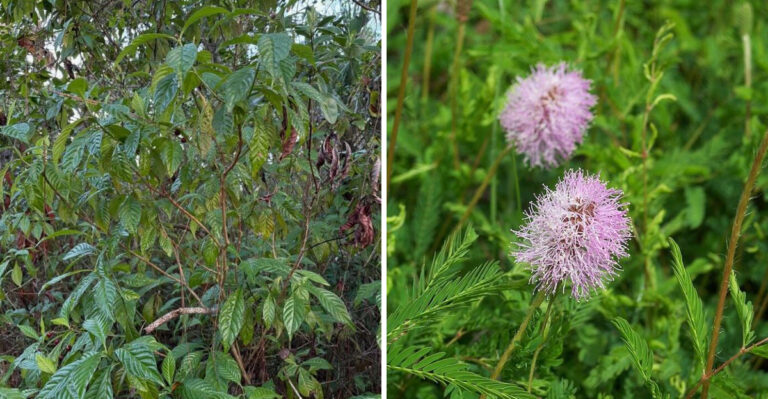
Pairing Chickasaw plum with native ground covers helps the planting look designed rather than neglected. Sunshine mimosa, Florida native ferns, or low ornamental grasses can all support that effect.
A clean mulch edge at the bed boundary also signals intention. Those simple design moves can take a naturalized planting from looking accidental to looking like a thoughtful choice.
That matters a great deal for curb appeal and HOA compliance.
Crape myrtles are not a bad plant. They offer reliable summer color, manageable size, and decades of proven performance across this state.
The swap to Chickasaw plum is simply a different choice for gardeners. It suits those who want more ecological connection, spring flower interest, and native character along their driveway edge.
Chickasaw plum can be a genuinely rewarding native alternative worth planting. That works best when your expectations match its spring bloom, suckers, fruit, and natural form.