These Georgia Flowering Plants Can Provide Nectar For Adult Fireflies
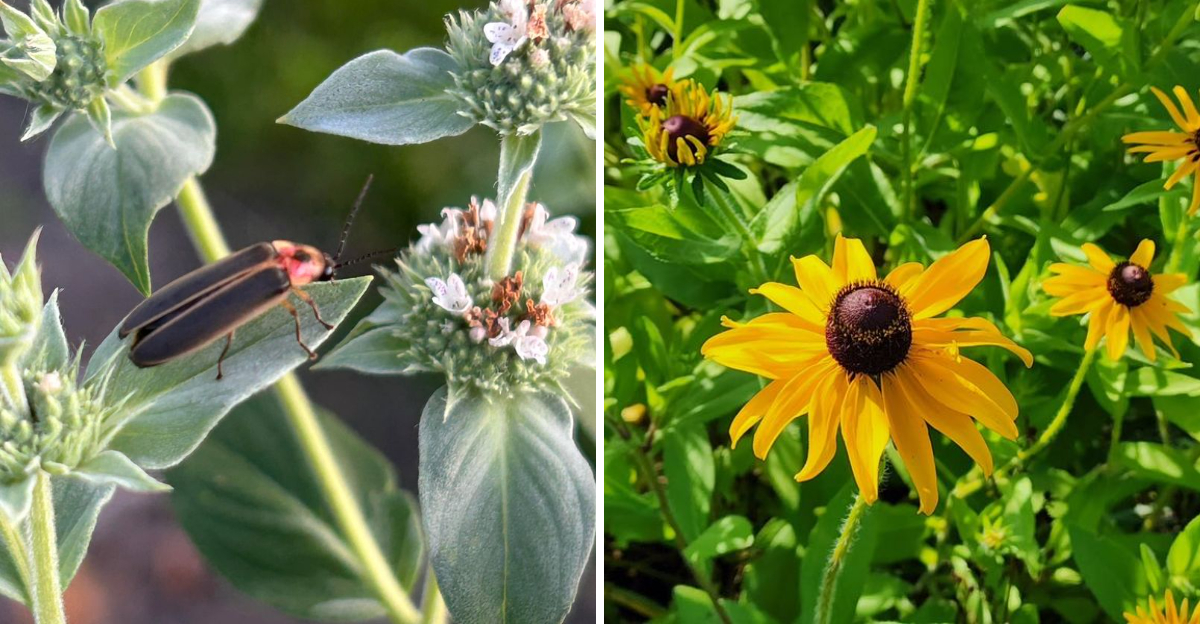
Fireflies have a way of making summer evenings feel a little more special. Seeing those tiny flashes of light drift through the yard is something many people look forward to every year.
Because of that, it is easy to assume they simply appear wherever the conditions seem right. In reality, the plants growing around your home can play a much bigger role than most gardeners realize.
Adult fireflies spend time feeding on nectar, and the flowers you choose can help make your landscape a more welcoming place during their active season.
Many flowering plants that perform well in Georgia also provide a valuable nectar source for adult fireflies.
They add beauty to the garden during the day while helping support these fascinating insects after the sun goes down.
If you would love to see more fireflies visiting your yard this summer, the right flowers are a great place to start.
1. Milkweed Blooms During Firefly Season
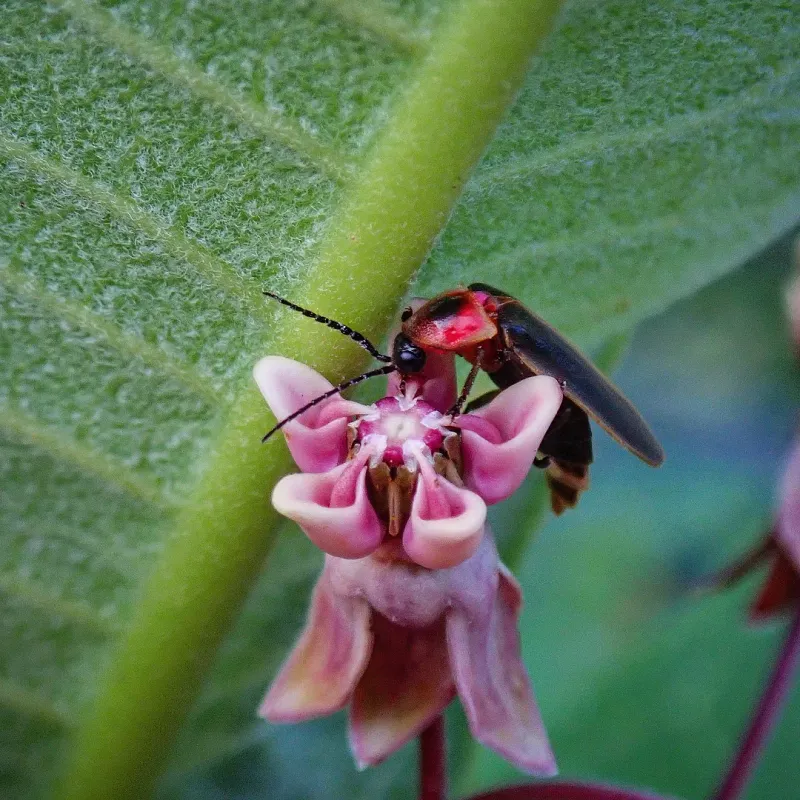
Milkweed has a reputation for supporting monarchs, but its nectar-rich blooms do a lot more than that. Adult fireflies are active right when milkweed peaks, making this a natural match for a pollinator-friendly yard.
Common milkweed and butterfly weed both bloom from late spring into midsummer. That window lines up almost perfectly with firefly season across the Southeast.
Planting a small patch gives adults a consistent place to feed without much effort on your part.
Butterfly weed, a native milkweed variety, stays compact and handles dry soil well. It works great in garden borders or open sunny spots.
Common milkweed spreads more aggressively but rewards you with larger flower clusters that attract more insects overall.
Both varieties prefer full sun and well-drained soil. Avoid rich, heavily amended beds since milkweed actually performs better in leaner conditions.
Once established, it needs very little watering.
Letting milkweed go to seed at the end of the season helps it naturalize and spread on its own. A patch that starts small can fill in nicely over two or three seasons.
Fireflies will return to reliable nectar sources year after year, so getting milkweed established early pays off long-term.
Its long bloom period also helps support many other beneficial pollinators throughout the growing season.
That makes milkweed one of the most dependable long-term additions for a wildlife-friendly garden.
2. Bee Balm Offers Nectar Rich Flowers
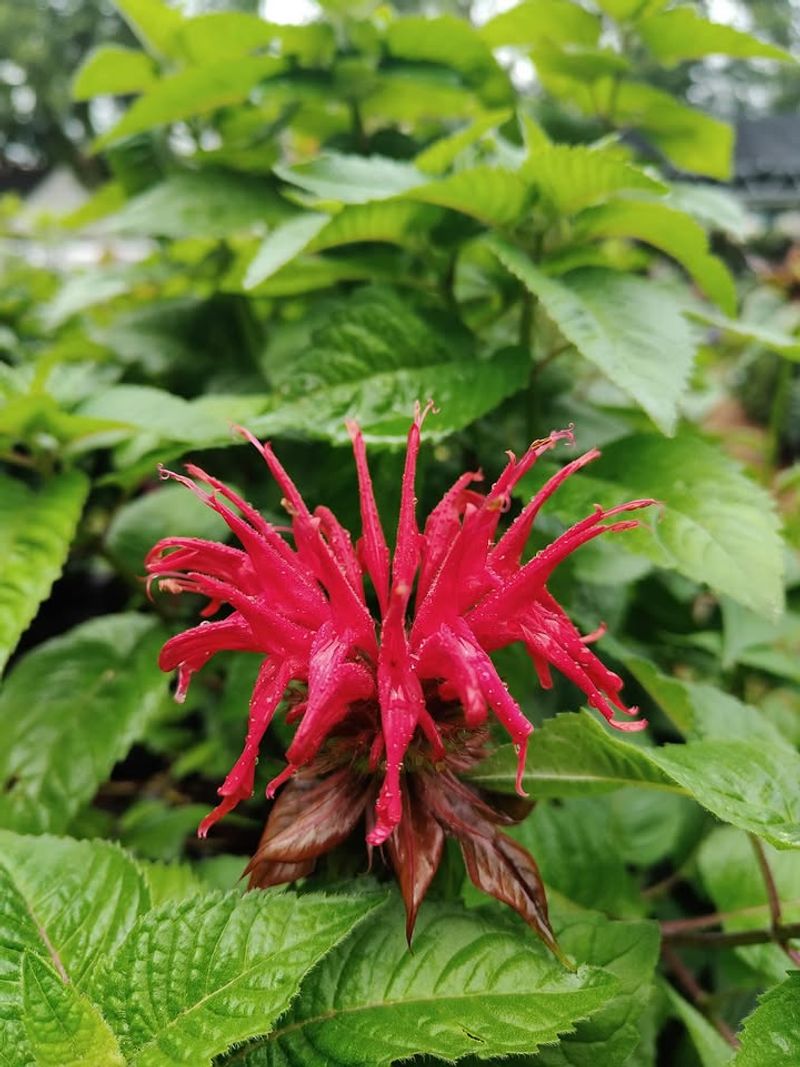
Few plants pack as much nectar into each bloom as bee balm does. Wild bergamot’s cousin, bee balm brings a burst of color and a serious nectar payoff right when fireflies are most active.
Scarlet bee balm blooms from June through August in most of the Southeast. That timing is almost ideal for adult fireflies looking for food.
Hummingbirds and bees love it too, so planting it creates a busy, lively garden corner.
Bee balm spreads by underground runners, so give it a bit of room. A contained bed or a spot with natural borders works best.
Dividing clumps every few years keeps it healthy and prevents overcrowding.
Powdery mildew can be a problem in humid conditions, which is common across much of the region in late summer. Planting in a spot with good airflow helps reduce that risk.
Your Georgia Garden Changes Every Week. Your Plan Should Too.
Gardening in Georgia changes quickly throughout the season. Every Friday you’ll receive a simple weekly plan showing exactly what to plant, prune, fertilize, harvest, and protect so you never miss the right timing.
Some newer cultivars have been bred for better mildew resistance, so check labels before buying.
Full sun is preferred, but bee balm tolerates partial shade better than many other nectar plants. Moist, well-drained soil keeps it thriving through the hottest months.
Cutting spent blooms encourages a second flush of flowers, extending the feeding window for fireflies well into late summer.
A healthy clump can provide reliable blooms for many years with only basic care.
3. Wild Bergamot Produces Summer Blooms
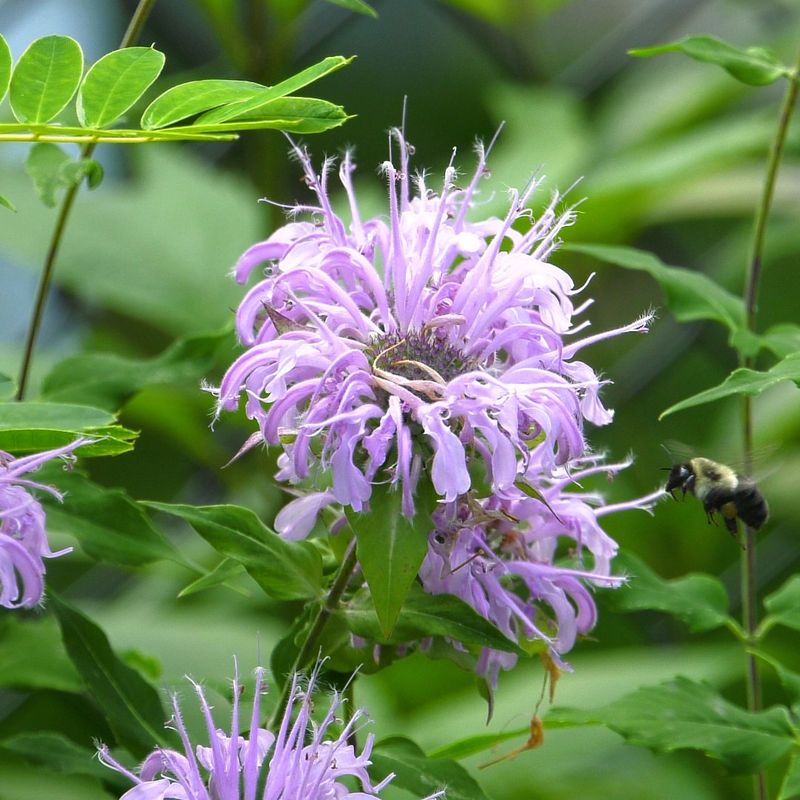
Wild bergamot is the quieter sibling of bee balm, but do not underestimate it. Its soft lavender blooms are loaded with nectar and appear right through the heart of firefly season.
Blooming from June into August, wild bergamot fills a critical window when adult fireflies are actively feeding. It attracts a wide range of pollinators, making it a strong multi-purpose plant for any native garden setup.
Drought tolerance is one of wild bergamot’s best qualities. Once established, it handles dry spells without much fuss, which matters a lot during hot southeastern summers.
Sandy or loamy soils suit it better than heavy clay.
Full sun brings out the best bloom production. Partial shade works but tends to reduce flower density, which means fewer nectar opportunities for visiting insects.
Spacing plants about eighteen inches apart improves air circulation and reduces moisture-related problems.
Deadheading spent flowers through the season keeps new blooms coming. Leaving seed heads at the end of summer benefits birds and allows natural reseeding.
Over time, a small planting can spread into a modest colony that provides reliable nectar season after season.
Wild bergamot also stays relatively compact compared to other mint-family plants. It rarely needs staking and holds its shape well through summer storms.
For a low-maintenance nectar source, it is hard to beat.
Its fragrant flowers help keep nectar available during one of the busiest periods for adult fireflies and other beneficial insects.
4. Purple Coneflower Produces Nectar Rich Blooms
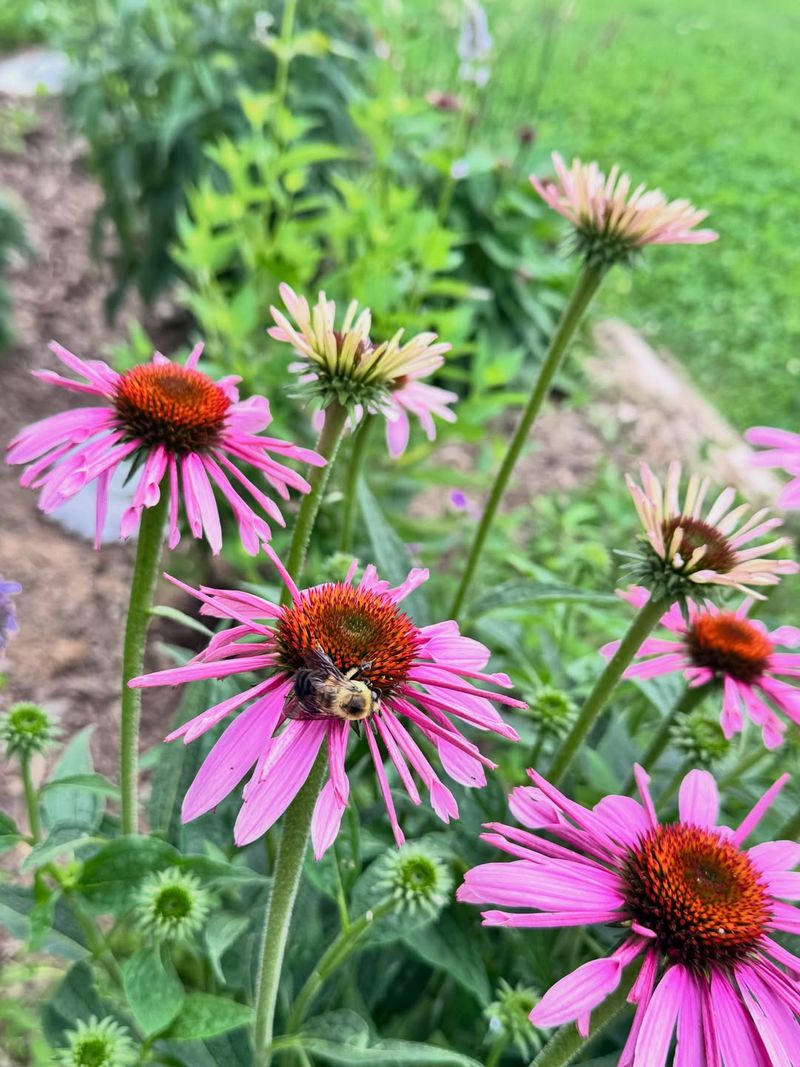
Purple coneflower is a workhorse of the native garden world. Bold, cheerful, and genuinely useful, its blooms show up exactly when adult fireflies need nectar most.
Echinacea purpurea starts blooming in late June and keeps going strong through August in most southeastern gardens. Each flower holds nectar for an extended period, giving insects multiple chances to feed before blooms fade.
Coneflowers are remarkably adaptable. They handle heat, humidity, and occasional drought without significant problems.
Clay soil, which is common in many parts of the Southeast, is less ideal but manageable with some organic matter mixed in at planting.
Full sun is where coneflowers truly shine. Six or more hours of direct light per day produces the most abundant blooms.
Crowded plants tend to underperform, so spacing them at least eighteen inches apart is worth the extra planning.
Deadheading extends the bloom period noticeably. Removing spent flowers encourages the plant to push out new buds rather than putting energy into seed production.
Leaving a few heads at the end of the season feeds goldfinches and other seed-eating birds through fall.
Coneflowers spread slowly by both seed and root division. Dividing established clumps every three to four years reinvigorates them and gives you more plants to spread around the yard.
A well-established patch provides consistent nectar season after season with minimal upkeep.
5. Joe Pye Weed Flowers When Fireflies Are Active
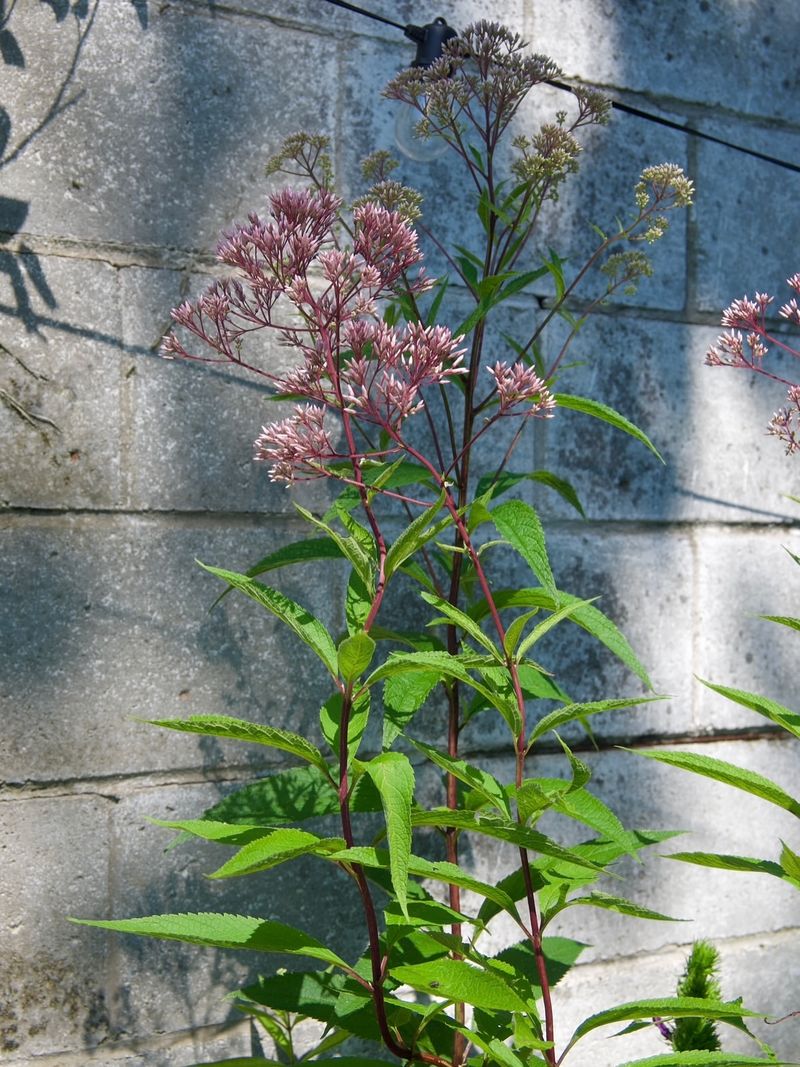
Joe Pye weed commands attention. Standing anywhere from four to seven feet tall, it blooms in late summer exactly when firefly activity peaks in the evenings.
Fluffy clusters of dusty pink flowers appear from July into September. Adult fireflies benefit from that late-season bloom window, especially as other plants start winding down.
Butterflies and native bees share the same blooms, making this a high-traffic nectar spot.
Joe Pye weed thrives in moist conditions. It naturally grows along stream banks and woodland edges, so low spots in the yard or areas near downspouts suit it well.
Consistent moisture through summer keeps it looking its best.
Height can be a planning consideration. Placing it toward the back of a border or in a naturalistic area prevents it from shading out smaller plants.
It also provides a useful visual backdrop that makes shorter flowering plants pop in front of it.
Cutting plants back by about one-third in late spring encourages a bushier, sturdier habit. Without that cut, tall stems can flop in heavy rain or wind.
Staking is another option, but a single late-spring pruning usually handles the problem more cleanly.
Joe Pye weed spreads gradually by seed and rhizomes. Removing spent flower heads reduces unwanted spreading if space is limited.
Left to naturalize, it builds into a substantial patch that becomes a reliable late-summer nectar station for fireflies and many other insects.
6. Black Eyed Susan Keeps Blooming Through Summer
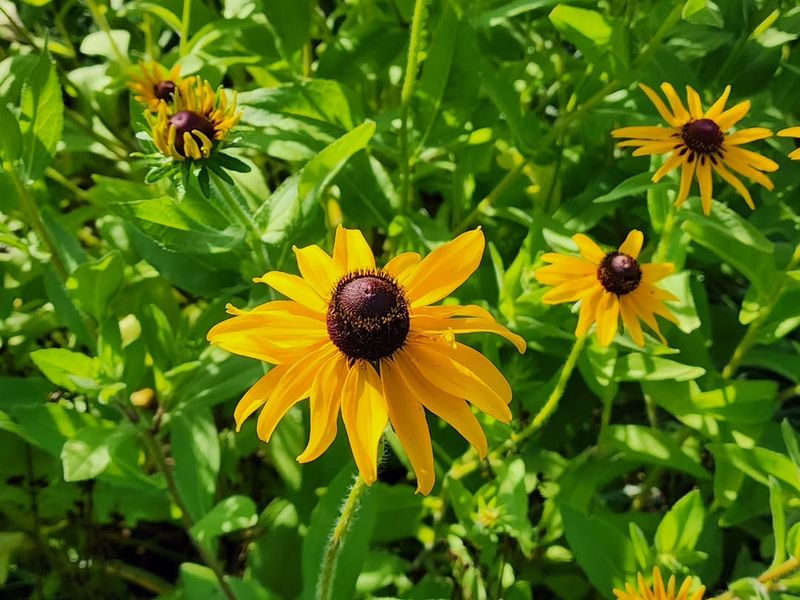
Black-eyed Susans are one of the most reliably cheerful plants you can grow. Bright yellow petals around a dark center bloom from early summer well into fall, covering a long stretch of firefly season.
Rudbeckia hirta starts flowering in June in most southeastern gardens. It keeps producing blooms through August and beyond with regular deadheading.
That extended window makes it one of the more practical nectar plants for supporting adult fireflies over a long period.
Adaptability is a real strength here. Black-eyed Susans handle poor soil, heat, and limited water better than many showier flowers.
They are not fussy about soil type and tolerate both sandy and clay-heavy ground reasonably well.
Full sun is strongly preferred. Plants grown in shadier spots tend to stretch, flop, and produce fewer flowers.
Six to eight hours of direct light produces the densest, most upright growth and the most consistent nectar production.
Self-seeding is common with black-eyed Susans, which can be a benefit or a nuisance depending on your goals. Letting a few plants go to seed each year fills in gaps naturally.
Pulling or transplanting extras keeps the patch from spreading beyond its intended area.
Short-lived perennials in most southeastern conditions, they often behave more like biennials. Planting new seedlings every year or two keeps the display consistent and ensures there are always blooms available for visiting fireflies.
7. Goldenrod Provides Late Season Nectar
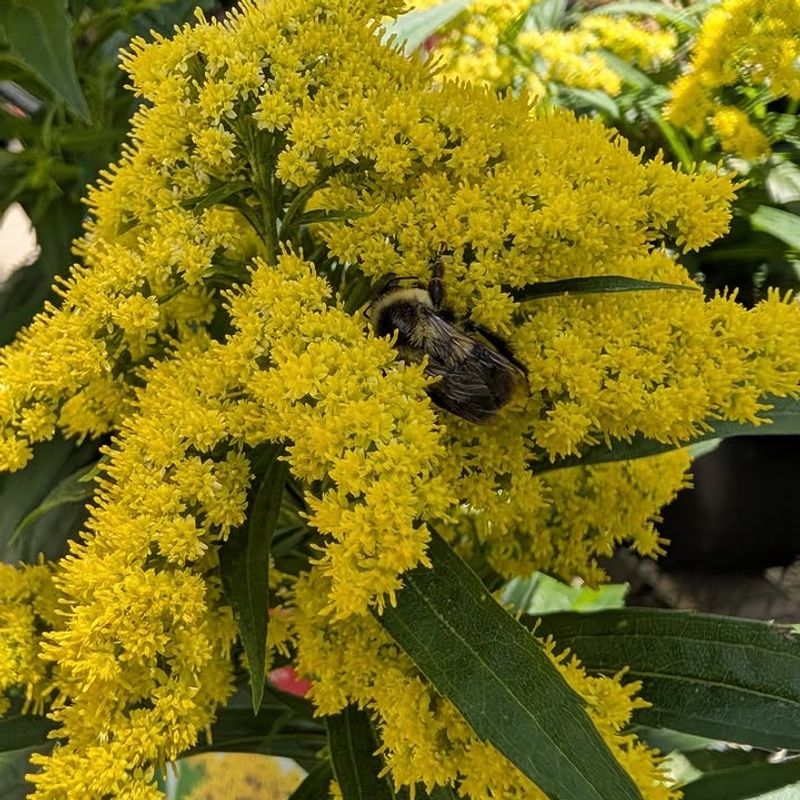
Goldenrod gets blamed for hay fever, but that reputation is unfair. Ragweed is the real culprit, and goldenrod is actually one of the most valuable late-season nectar plants in the Southeast.
Solidago species bloom from August into October, bridging the gap between summer and fall firefly activity. Some firefly species remain active well into late summer, and goldenrod provides nectar right through that extended window.
Several native goldenrod species grow naturally across Georgia and neighboring states. Solidago rugosa and Solidago nemoralis both handle a range of conditions from dry upland soils to moist lowland areas.
Choosing a species suited to your specific yard conditions improves results significantly.
Goldenrod spreads aggressively by rhizomes and self-seeding. Planting it in a contained area or a naturalistic section of the yard where spreading is welcome makes management easier.
Regular division every few years keeps clumps productive and manageable.
Full sun produces the tallest, most floriferous plants. Partial shade is tolerated but reduces bloom density.
Goldenrod is remarkably drought-tolerant once established, needing little supplemental water during dry spells.
Late-season color is a real bonus beyond nectar production. The golden plumes brighten the garden as other plants fade, and leaving seed heads through fall feeds birds into winter.
Few plants offer that combination of ecological value, low maintenance, and visual impact all at once.
8. Mountain Mint Produces Plenty Of Nectar
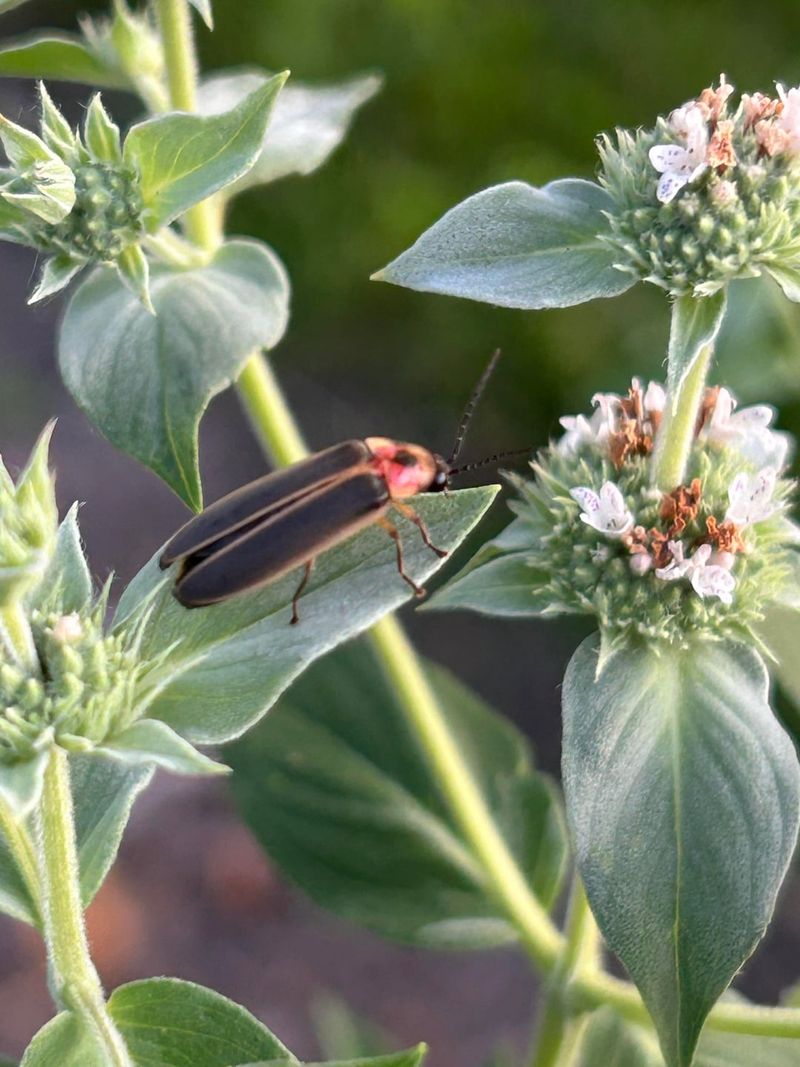
Ask any native plant gardener what brings the most insect activity per square foot, and mountain mint comes up fast. Few plants produce nectar as abundantly or attract as many different insects as this underrated native.
Pycnanthemum species bloom from July into September. That window covers the peak of firefly season and extends into the late summer period when nectar becomes harder for adults to find.
Mountain mint fills that gap reliably.
Short clusters of small white flowers may not look dramatic, but insects respond to them strongly. On a warm summer day, a patch of mountain mint buzzes with activity from morning until evening.
Adult fireflies add to that mix, feeding alongside bees, wasps, and butterflies.
Mountain mint spreads by rhizomes and can colonize a space quickly. Planting it where spreading is acceptable, or in a spot with natural barriers, prevents it from overtaking neighboring plants.
Pulling new shoots around the edges keeps growth contained without much effort.
Full sun produces the heaviest bloom load. Partial shade works but noticeably reduces flower production.
Well-drained soil is preferred, though mountain mint handles average garden conditions without complaint.
Fragrance is an added benefit. Brushing against the leaves releases a clean, minty scent that many gardeners enjoy.
Beyond the sensory appeal, that fragrance also appears to contribute to its strong pollinator attraction, making it a genuinely productive addition to any nectar-focused planting.