The One Place North Carolina Homeowners Forget To Check For Mosquitoes After Summer Rain

After a summer rain in North Carolina, most homeowners do a familiar sweep. They empty the birdbath, flip the saucers under pots, and check the gutters. Then they go inside feeling reasonably confident.
What they almost never check is one specific spot that holds standing water longer than anywhere else on a typical residential property and produces more mosquitoes per square foot than a neglected birdbath ever could.
It is easy to overlook because it does not look like a water feature. It looks like a completely ordinary part of the yard.
Finding and addressing it consistently after rain events makes a noticeable difference in mosquito pressure through the entire back half of summer.
1. The One Place Is The Roof Gutter Line
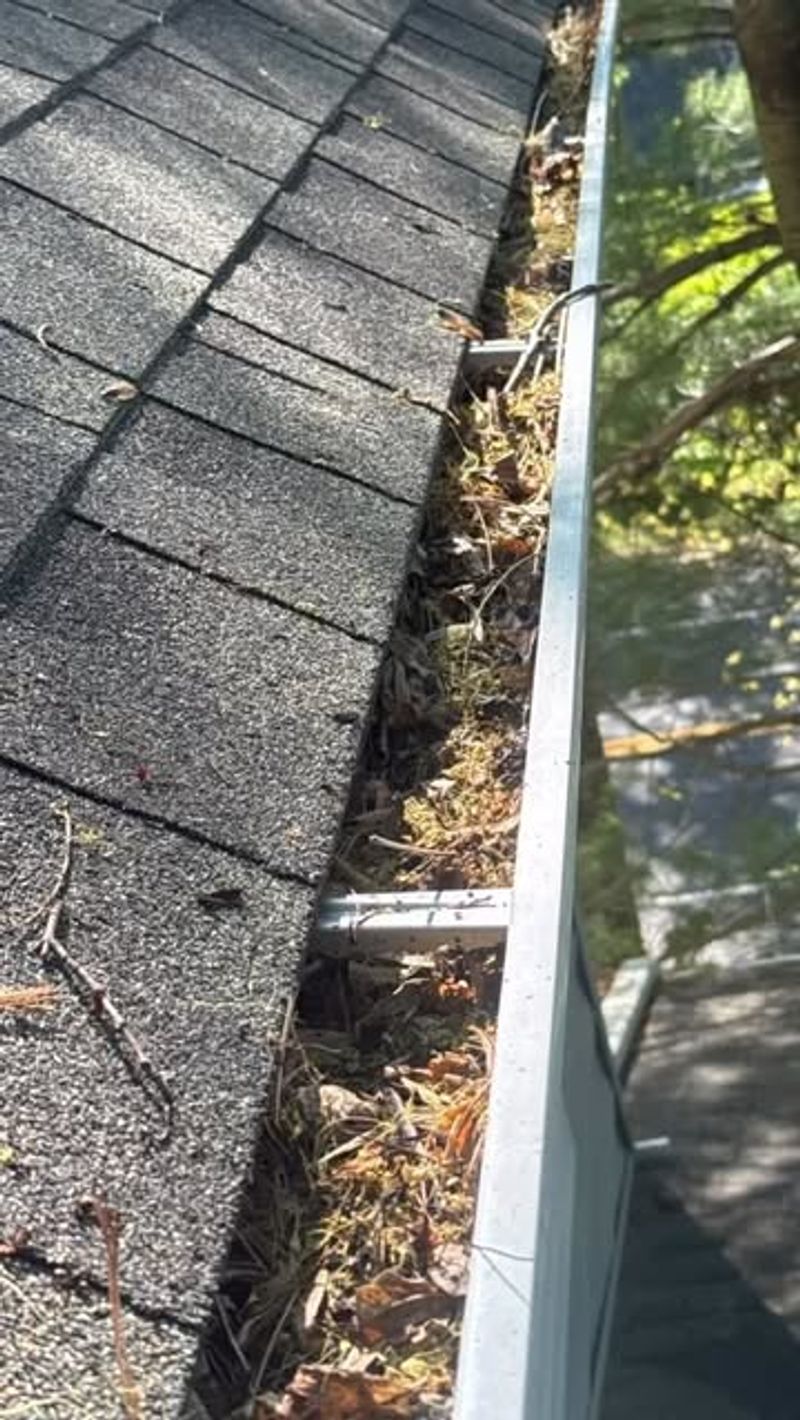
Most North Carolina homeowners do a full yard sweep after summer rain, checking every container at ground level. Flowerpots get emptied.
Birdbaths get scrubbed. Puddles on the driveway get swept away.
But the one place almost nobody checks is directly above the porch, hanging at roofline height where it is easy to forget.
The roof gutter line is the single most overlooked mosquito spot after summer rain. Leaves, pine needles, and small debris build up inside gutters over weeks and months.
When rain arrives, that debris slows the water down and traps it in long shallow pools that sit undisturbed and warm.
Downspout openings, elbows, and extensions are part of the same problem. Water that cannot move through the system stays put, sometimes for days.
Even a small amount of still water sitting in a shaded gutter can create conditions that attract mosquitoes looking for a place to lay eggs.
Checking the gutter line should be the first step, not the last, after every heavy summer storm. Walking the perimeter of your home and looking up at the roofline takes only a few minutes.
Training your eyes to look above ground level is the habit shift that makes the biggest difference for North Carolina homeowners dealing with summer mosquito pressure.
2. Why Gutters Become A Mosquito Hot Spot
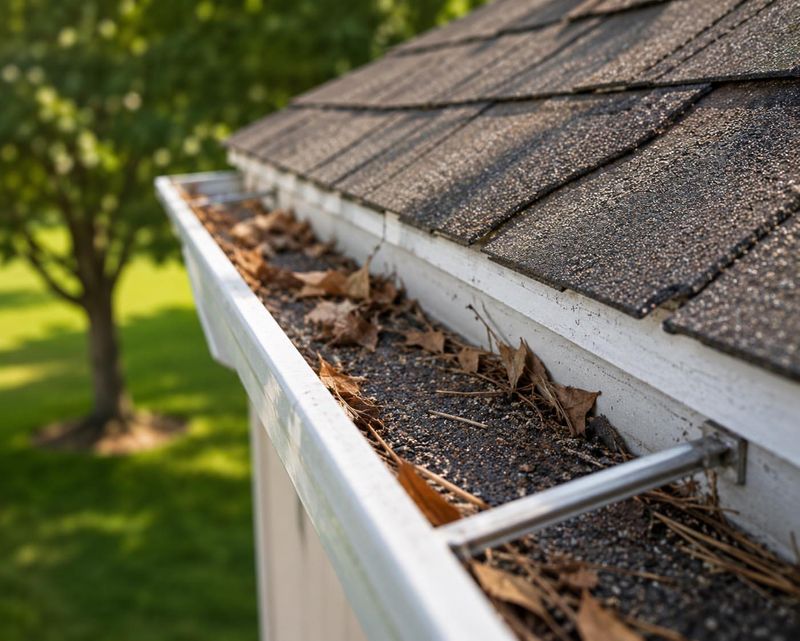
Gutters were built to move water away from your home quickly and efficiently. The moment something slows that flow, the whole system starts working against you.
Leaves, pine needles, shingle grit, and seed pods are the most common culprits, and in North Carolina, they accumulate fast because of the dense tree cover across much of the state.
When debris piles up inside a gutter channel, it acts like a sponge and a dam at the same time. Water backs up behind the blockage and spreads into a thin, warm layer that sits in the shade of the roofline.
That combination of warmth, stillness, and moisture is exactly what makes a gutter attractive to mosquitoes searching for a breeding spot.
The gutter itself is not the problem. A clean, properly draining gutter dries out quickly and gives mosquitoes nothing to work with.
The issue is trapped water that has nowhere to go. Even a shallow puddle inside a gutter channel can support mosquito activity if it sits long enough in warm weather.
Your North Carolina Garden Changes Every Week. Your Plan Should Too.
Gardening in North Carolina changes quickly throughout the season. Every Friday you’ll receive a simple weekly plan showing exactly what to plant, prune, fertilize, harvest, and protect so you never miss the right timing.
North Carolina summers are hot and humid, which speeds up the whole cycle.
Understanding that the gutter is a water-holding system when clogged, rather than a water-moving one, helps homeowners see why this one spot deserves regular attention after every significant summer rainstorm.
3. What Happens After A Summer Storm

North Carolina summer storms hit fast and drop a lot of water in a short amount of time. When a heavy storm rolls through, gutters that are even partially clogged can fill up completely within minutes.
The water has nowhere to go, so it sits and waits while the sun comes back out and warms everything up again.
That is when conditions get interesting. Warm temperatures, organic debris soaking in water, and full shade from the roofline create a perfect environment inside the gutter channel.
The water does not evaporate quickly because it is tucked under the overhang. It just stays there, getting warmer and more still as the days pass.
Here is something most homeowners do not expect. The yard can actually feel worse several days after a storm than it did the day after.
That is because mosquitoes that were attracted to the standing water above have had time to develop. By day three or four after heavy rain, activity near the porch can spike noticeably.
Checking the gutter line within the first two days after a significant summer storm gives homeowners the best chance to drain that water before the cycle gets going. The storm is not the problem on its own.
It is the water left sitting in a clogged gutter for days afterward that creates the real pressure in the yard.
4. Why Downspout Outlets Matter Too
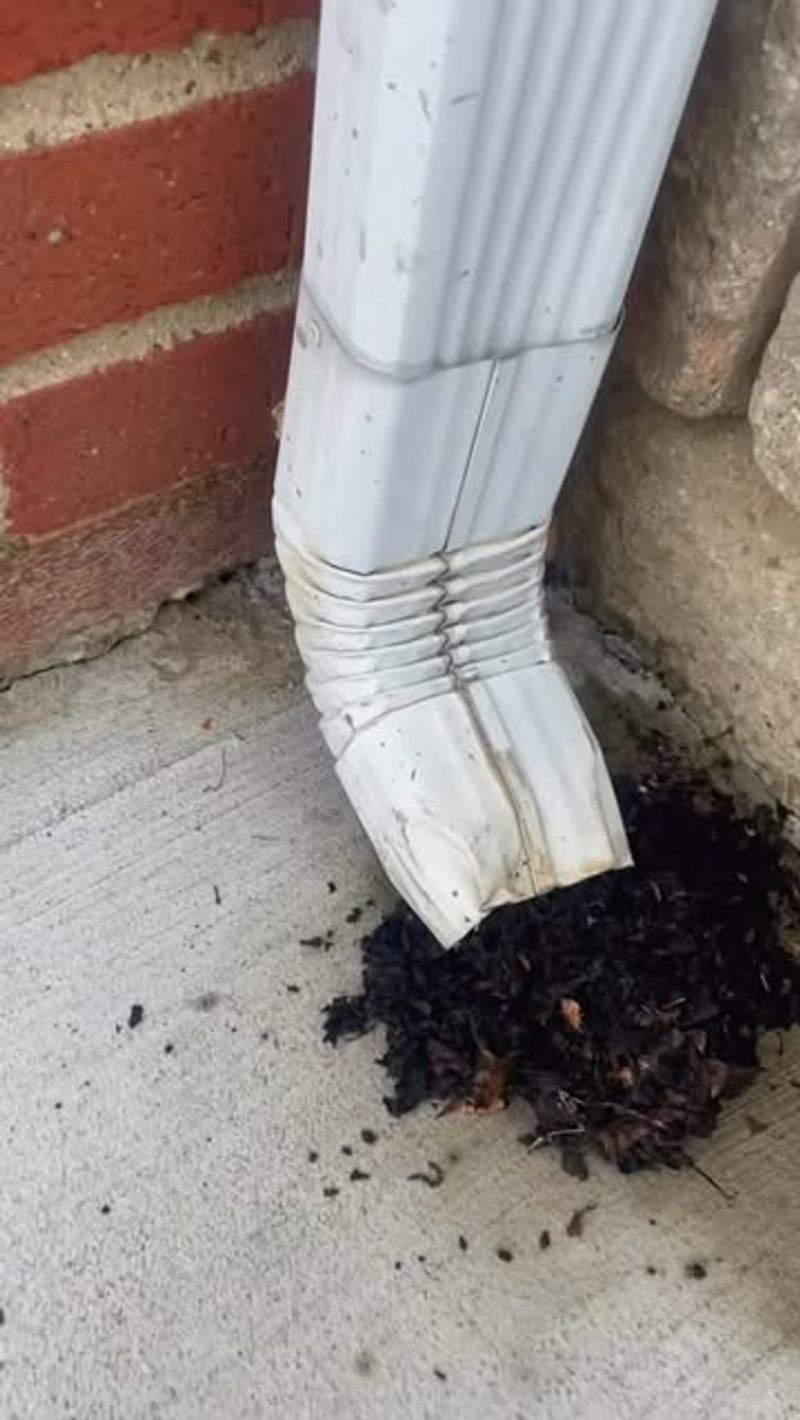
People tend to think of the gutter as just the channel running along the roofline, but the system actually extends all the way down to the ground.
Downspout elbows, corrugated extensions, splash blocks, and underground drainage pipes are all part of the path that water needs to travel.
Any one of those spots can become a holding zone for water and debris after summer rain.
Downspout elbows are particularly sneaky. They bend at an angle and collect leaf fragments, seed pods, and small sticks that wash down from the gutter above.
When enough material builds up at the elbow, water backs up into the downspout and eventually into the gutter channel itself. The blockage may not be visible from the outside at all.
Corrugated flexible extensions are another trouble spot. Those ridged plastic tubes that direct water away from the foundation are great for drainage when they work properly.
But their ridges trap debris and standing water between storms, especially if the extension runs along a slope or has a low spot where water naturally pools.
Following the full water path from the roof edge all the way to where it exits onto the ground is the most thorough approach. Homeowners who only check the gutter channel and skip the downspout system often miss the real blockage.
The water always tells you where it got stuck if you follow it all the way down.
5. How To Spot The Problem From The Ground
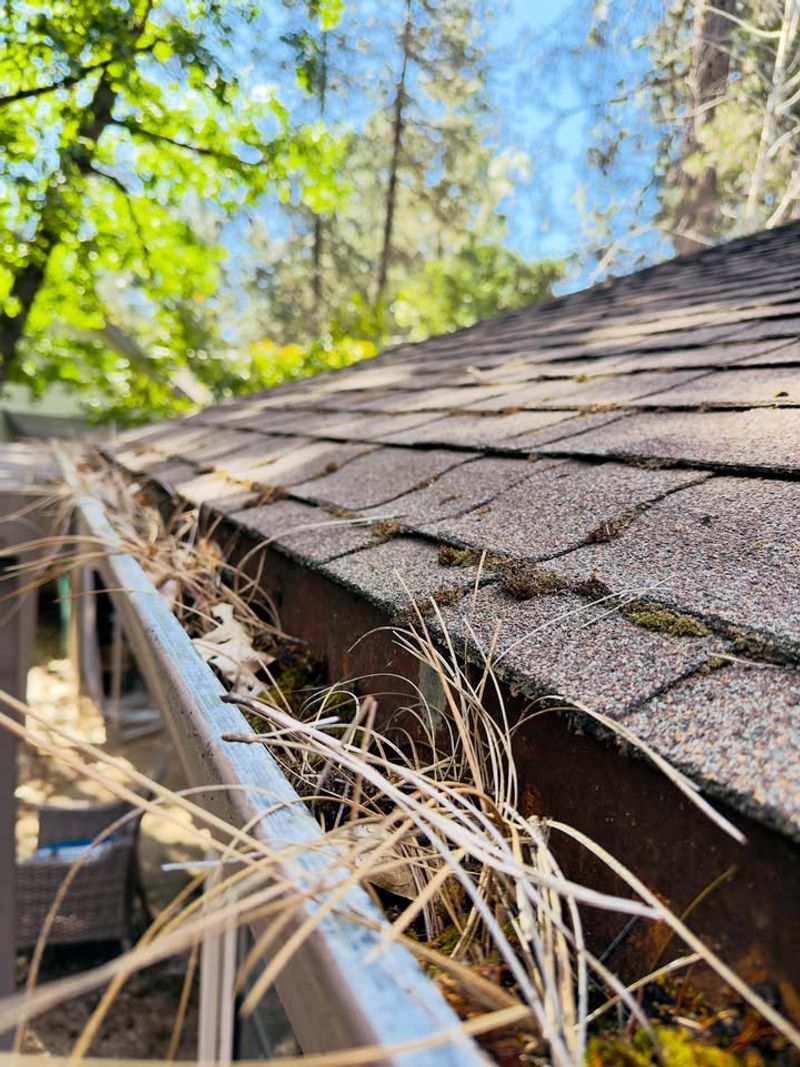
You do not need to climb a ladder to figure out if your gutters are holding water. There are several clues that show up at ground level, and once you know what to look for, a quick walk around the house after rain tells you a lot.
Start by watching where water spills during or after a storm.
A gutter that overflows in one specific spot during rain almost always has a blockage nearby. Water backs up and spills over the lowest or weakest point rather than draining through the downspout.
If you see water pouring over the edge in the same location every time it rains, that is a strong sign the channel is blocked upstream of that point.
Damp streaks running down the siding below a gutter are another reliable clue. Water that regularly overflows leaves mineral deposits and discoloration on the wall over time.
Plants growing directly below the gutter line that stay soggy long after rain has stopped are also worth noting, because they often sit in the overflow zone.
Mosquitoes hovering near the porch or roofline edge, particularly in the days following rain, can also point to a water source above.
Debris visible along the gutter edge when viewed from a safe distance on the ground confirms what the other signs suggest.
Always observe safely first and avoid climbing without proper equipment and a stable setup.
6. What To Do Within A Week Of Heavy Rain
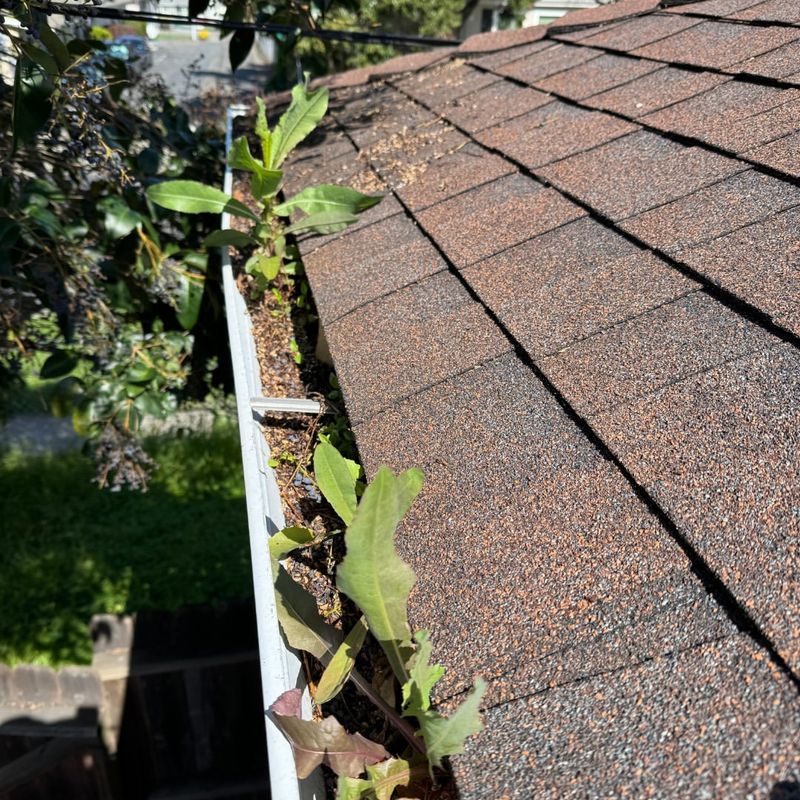
Timing matters when it comes to managing gutters after summer rain in North Carolina. The window between when a storm drops water and when mosquito activity builds is short.
Acting within the first week gives homeowners the best chance to break the cycle before it starts creating real pressure in the yard.
Start by clearing visible leaves and debris from the gutter channel if it is safe to do so. A gutter scoop or gloved hand works well for removing packed material from the channel.
Focus on the areas closest to downspout openings first, since that is where blockages most commonly form and cause water to back up.
Flushing the gutter with a garden hose after clearing debris helps confirm that water moves freely from one end to the downspout outlet. Watch for slow drainage or water pooling anywhere along the channel.
A gutter that drains quickly and completely after flushing is doing its job and will not hold standing water between storms.
Check downspout extensions and splash block areas too. Lift corrugated extensions to drain any water trapped in the ridges and make sure the outlet end is directing water away from the foundation.
Emptying any trapped water in these lower sections of the drainage system wraps up a complete post-storm check in a reasonable amount of time for most homeowners.
7. Keep Screens And Guards Clean Too
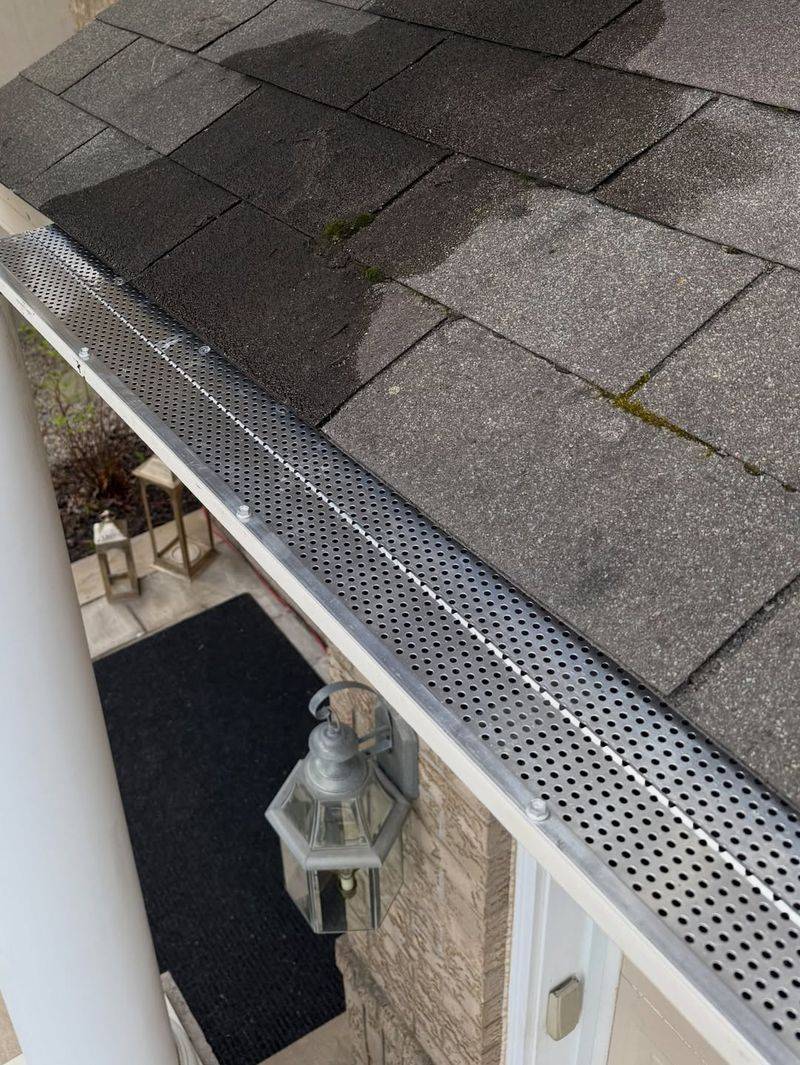
Gutter guards and screens give homeowners a sense of security, and for good reason. They block large leaves and debris from filling the channel and reduce how often the gutter needs to be cleaned.
But they are not completely maintenance-free, and a lot of homeowners learn this the hard way after a summer storm.
Small debris like pine pollen, seed pods, shingle grit, and fine leaf fragments can build up right on top of a gutter screen over time.
Instead of washing through or blowing away, that material sits on the surface of the guard and slowly breaks down into a layer of organic muck.
When rain hits, it slows the water from passing through the screen into the channel below.
Seams between guard sections and the area around downspout openings are especially vulnerable. Guards do not always seal perfectly at every connection point, and debris tends to collect in those gaps.
Water that cannot pass through the screen at a normal rate will back up and sit on top of the guard surface, which can still create conditions that attract mosquitoes.
Rinsing the top surface of gutter guards with a garden hose a few times each summer keeps them working the way they should. A covered gutter is still a gutter, and it still needs attention.
Screens and guards reduce the workload significantly but do not eliminate the need to check the system after heavy summer rain.
8. Do Not Let Standing Water Sit In Extensions
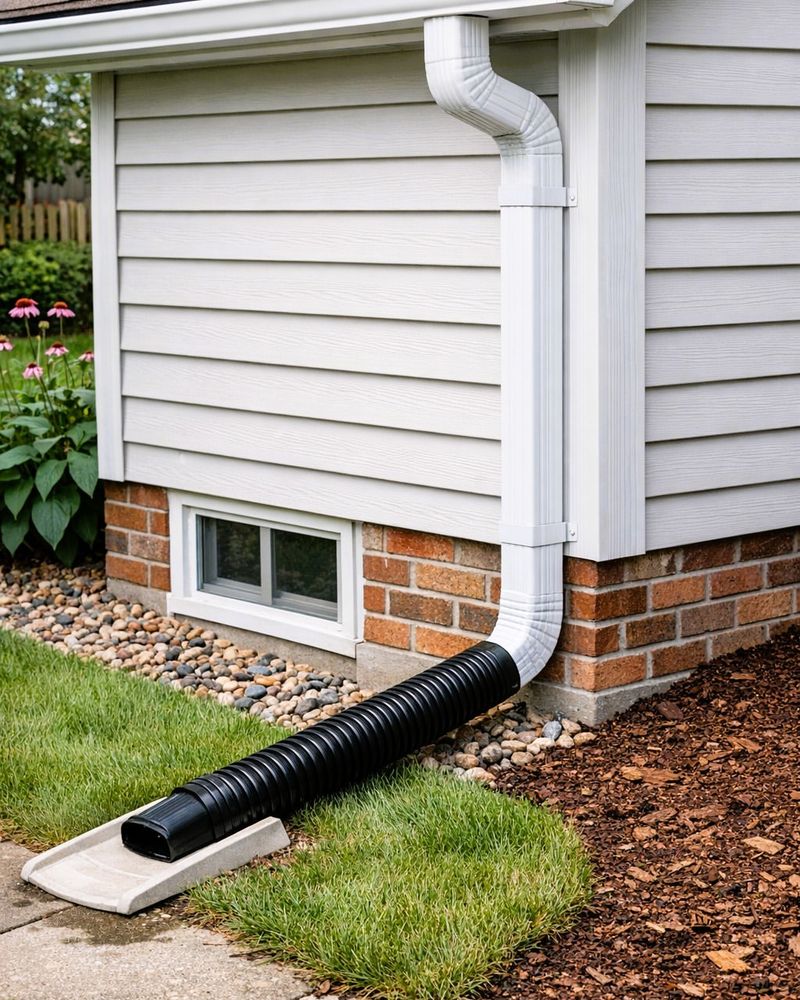
Flexible downspout extensions are one of the most underappreciated parts of a home drainage system.
They do a solid job of directing water away from the foundation, but their design creates a specific problem that most homeowners never think about. Those ridges that give the tube its flexibility are also tiny water traps.
After rain, water sits in every low ridge along the bottom of a corrugated extension. If the tube runs flat along the ground or has a section that sags slightly, water can stay trapped inside for days without evaporating.
That warm, still water inside a dark plastic tube is surprisingly attractive to mosquitoes looking for a sheltered spot.
Lifting the extension and tipping it to drain the water is a quick fix after every heavy rain. It takes about thirty seconds and removes a standing water source that most homeowners would never think to check.
Rolling up the extension and shaking it gently also dislodges debris that has washed down from the gutter above.
If an extension consistently sags or pools water because of the way it lays on the ground, shortening it or replacing it with a smoother rigid extension can solve the problem for good.
Rigid extensions do not have ridges and drain more completely after rain. Matching the right extension type to your yard layout is a small upgrade that makes a meaningful difference in your overall drainage setup.
9. Use A Safe Ladder Plan Or Hire Help
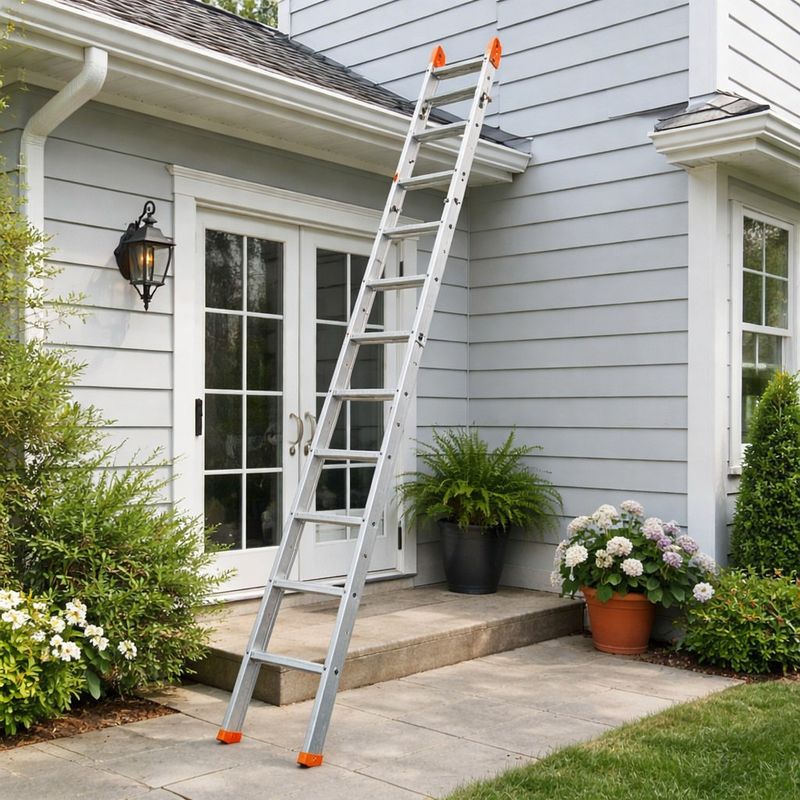
Gutter cleaning is one of those home maintenance tasks that looks simple but carries real risk if it is not approached carefully.
Falls from ladders are among the most common home improvement injuries, and wet conditions after summer rain make surfaces even more unpredictable. A good plan before going up makes all the difference.
Start with a stable, properly rated ladder that is long enough to reach the gutter without overextending. Set it on firm, level ground and make sure it is locked open before putting any weight on it.
Having another adult nearby to hold the base steady is one of the most effective safety steps a homeowner can take. Never work on a ladder alone.
Wear thick gloves when reaching into the gutter channel. Debris inside gutters can include sharp shingle edges, hardware, and decomposed organic material that carries bacteria.
Eye protection is a smart addition too, since water and debris can splash unpredictably when flushing the channel with a hose.
If your roofline is steep, high, or the gutter is difficult to reach safely from a standard ladder position, calling a professional gutter cleaning service is the right call.
Most services are reasonably priced and can clear and flush gutters quickly with the proper equipment.
Protecting yourself is always worth more than the cost of professional help, and a clean gutter system is the reward either way.
10. Make It Part Of A Full Yard Check
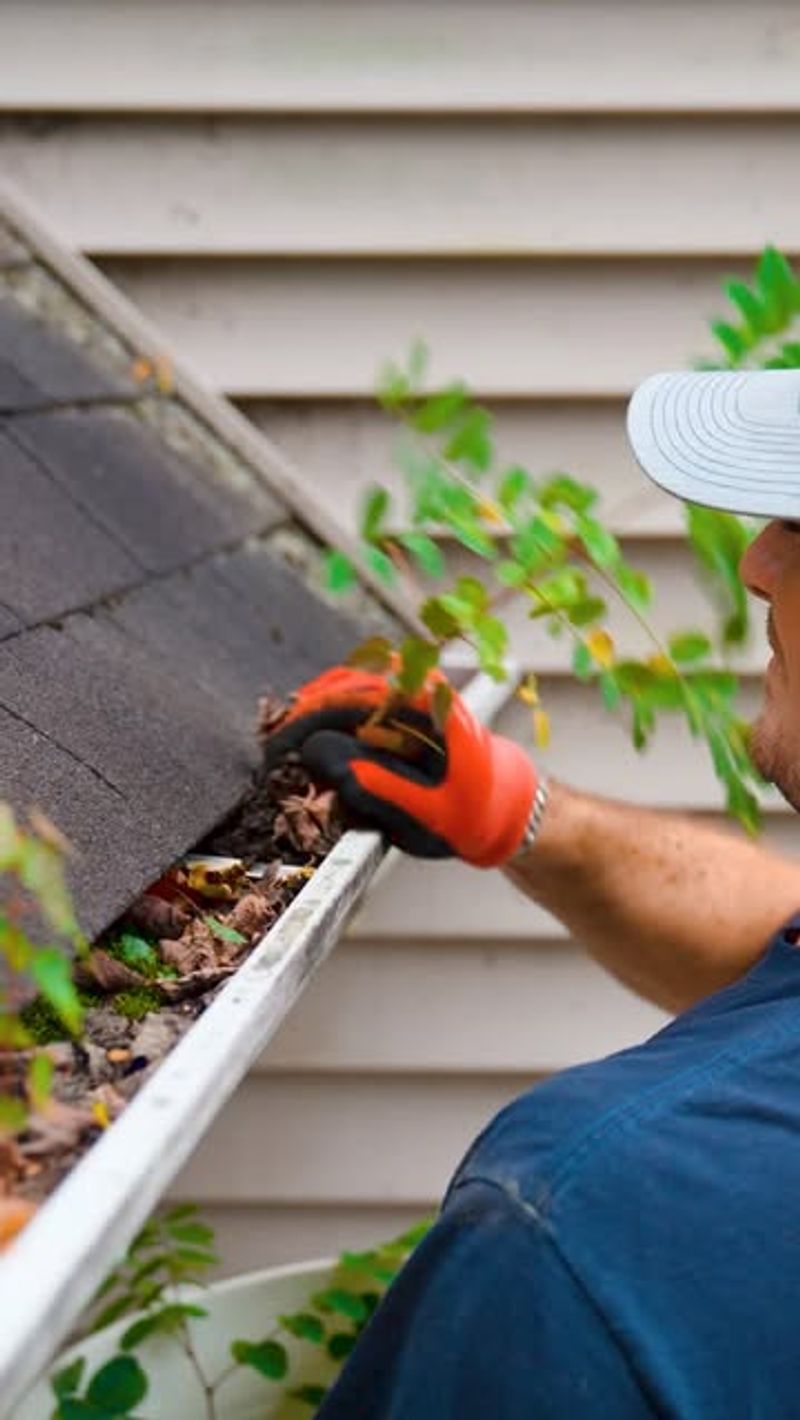
The gutter line is the forgotten spot, but it works best when it is part of a broader after-rain routine rather than a one-time fix.
North Carolina summers bring frequent storms, and the most effective approach is a short, consistent yard check after every significant rainfall. It does not need to take long to be effective.
Start by looking up at the roofline and checking for any signs of overflow or standing water in the gutter channel. Then follow the downspouts down to the ground and check extensions, splash blocks, and any areas where water tends to pool.
That top-to-bottom sweep covers the drainage system completely in just a few minutes. Once the gutter line is checked, walk the yard at ground level.
Flowerpot saucers, buckets, pool covers, pet water bowls, birdbaths, tarps, wheelbarrows, and clogged drainage spots are all common water holders that deserve attention after rain.
Tipping, emptying, or covering each one removes standing water before it has a chance to sit long enough to become a problem.
The best North Carolina mosquito routine after summer rain is refreshingly simple. Look up first, drain the gutter line, clear the downspouts, and then walk the yard.
Doing this once a week during the summer season keeps the whole property in good shape. Small habits done consistently make a far bigger impact than any single cleanup effort done every few months.