7 Plants That Help North Carolina Gardens Support Frogs And Amphibians
Frogs, toads, and salamanders are searching for the right mix of moisture, cover, and food right now. The plants you choose can make all the difference.
North Carolina is home to more than 60 species of amphibians, and many of them are struggling to find suitable habitat as neighborhoods expand and wetlands shrink.
The good news is that even a modest backyard can become a welcoming refuge with the right native plants in the right spots.
You do not need a pond the size of a swimming pool or years of landscaping experience.
What you need is a willingness to get a little muddy and a plant list that actually works for the wildlife around you.
Seven plants below are all suited to North Carolina conditions, and each one plays a specific role in creating the kind of moist, layered, insect-rich environment that amphibians need to thrive.
1. Plant Soft Rush Around Damp Edges
Rain gardens and low spots in the yard often get treated like problems to solve.
But for a green frog or American toad, those soggy edges are prime real estate. While you are out there sighing at the puddle, something is out there eyeing it like a vacation home.
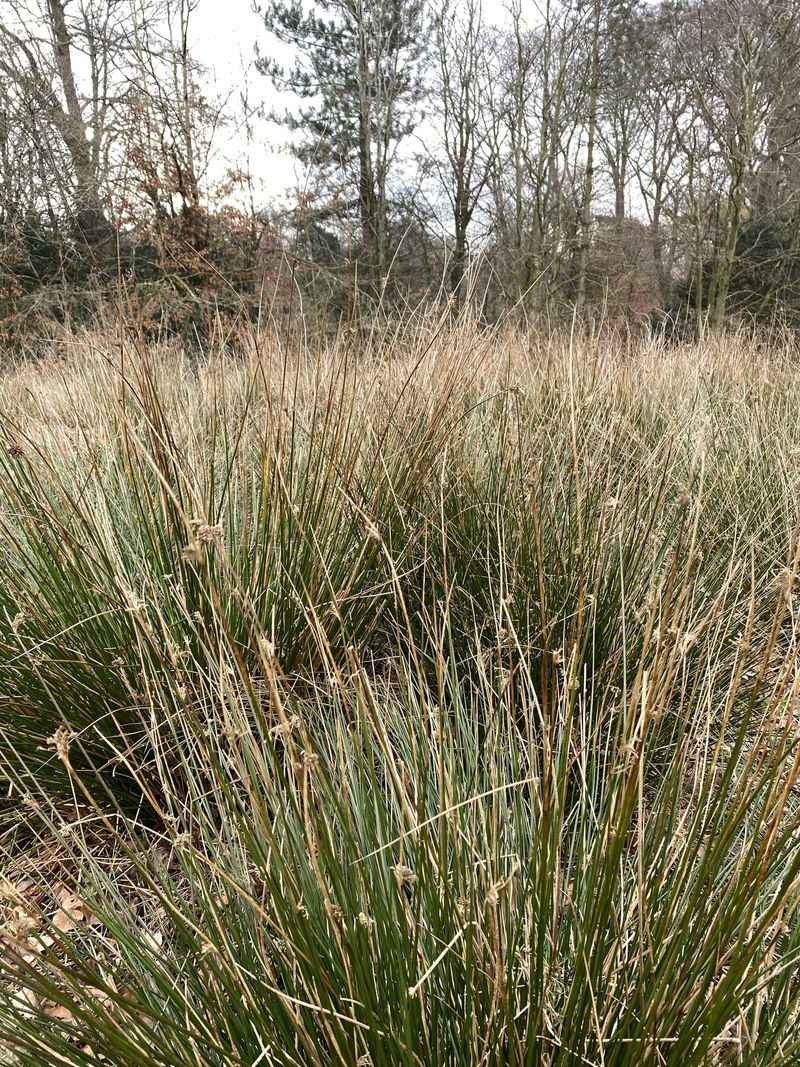
Soft rush, known scientifically as Juncus effusus, is one of the most practical plants you can place along those damp margins, and it earns its keep in more ways than one.
Soft rush grows in dense, upright clumps of cylindrical green stems that stay green through much of the year.
It thrives in consistently moist to wet soil and handles periodic flooding without complaint. Along pond edges, rain garden borders, and low spots that stay wet after storms, it creates a natural screen that small amphibians use for both shelter and hunting.
Insects gather around the stems, giving frogs and toads a reliable food source right where they like to hang out.
The dense base of the clump offers ground-level cover, which is exactly what juvenile toads and young salamanders need when they first leave the water.
Here is the part most gardeners miss: that same base also stabilizes muddy banks, reducing erosion while keeping the habitat intact season after season.
Soft rush is native to North Carolina and widely available from native plant nurseries across the state.
Plant it in full sun to part shade in moist or wet soil. Skip the fertilizer and let it naturalize.
Once established, it spreads slowly and quietly, just like the frogs that will start showing up around it.
2. Use Tussock Sedge For Low Cover
Not every plant needs to be showy to do important work.
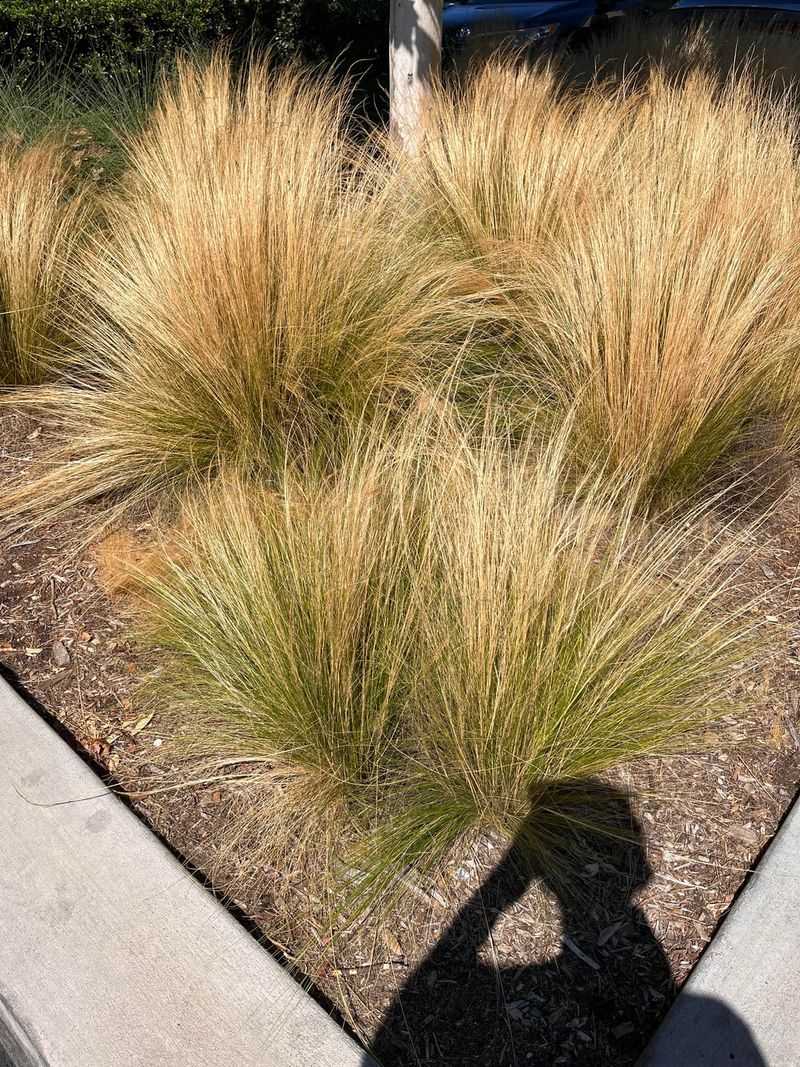
Tussock sedge, or Carex stricta, is one of those quietly essential plants that wildlife gardeners come to appreciate once they understand what it actually does at ground level. It is not the star of the show. It is the stage.
It forms dense, fountain-like clumps of narrow green blades that arch outward and create a sheltered zone right at the soil surface, which is exactly where amphibians spend most of their time.
Your North Carolina Garden Changes Every Week. Your Plan Should Too.
Gardening in North Carolina changes quickly throughout the season. Every Friday you’ll receive a simple weekly plan showing exactly what to plant, prune, fertilize, harvest, and protect so you never miss the right timing.
For frogs, toads, and especially salamanders, the base of a tussock sedge clump functions like a small apartment building.
The overlapping blades trap moisture and create a cool, dim microhabitat that stays comfortable even on warm afternoons. Spotted salamanders and small toads have been documented sheltering in sedge clumps across the Southeast.
Tussock sedge does best in moist to wet soil and can handle shallow standing water for short periods.
It grows well in partial shade to full sun and works beautifully along rain garden edges, stream banks, and low corners of the yard where water collects.
The clumps grow slowly but become more robust each year, building up the kind of dense, layered base that amphibians find irresistible.
Here is what makes this plant genuinely satisfying to grow: the more patient you are with it, the better it performs. It rewards gardeners who leave it alone.
Plant it in fall or early spring and pair it with soft rush or cardinal flower for a naturalistic wet garden combination.
Once established, tussock sedge needs very little attention, which means more time for you to enjoy watching what moves in around its roots.
3. Add Cinnamon Fern For Cool Shade
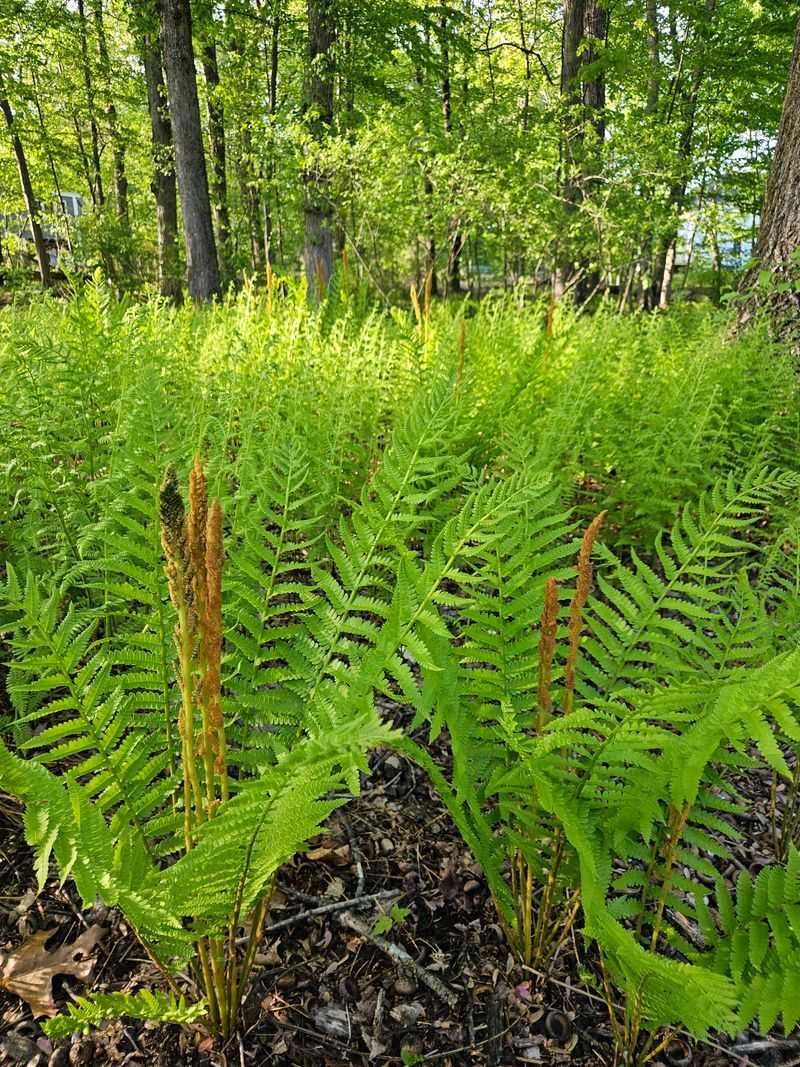
Walk into any moist North Carolina woodland and you will almost certainly spot cinnamon fern.
Its bold, arching fronds can reach four feet tall, and in spring, the distinctive cinnamon-colored fertile fronds rise from the center like something out of a prehistoric landscape. There is a reason it looks ancient. It basically is.
That ancient, lush look is not just beautiful. It is functional habitat doing serious work at ground level.
Osmundastrum cinnamomeum thrives in shaded, moist areas where the soil stays consistently damp.
It is a natural fit for the north side of a house, beneath a tree canopy, or along a shaded stream edge. The large fronds create a canopy of their own, shading the soil surface and keeping ground temperatures cooler and more humid.
That combination is exactly what woodland salamanders, spring peepers, and other moisture-loving amphibians seek out during dry spells.
The leaf litter that builds up beneath cinnamon fern is where the real magic happens.
Decomposing fern fronds create a spongy, moisture-retaining layer on the soil surface that invertebrates colonize quickly.
More invertebrates means more food for amphibians, which is the kind of ecological chain reaction that makes a garden feel genuinely alive.
Most gardeners add cinnamon fern for the looks. The amphibians show up for everything underneath it.
Cinnamon fern is native across much of the eastern United States and easy to find at North Carolina native plant sales.
Plant it in rich, acidic, consistently moist soil in shade to partial shade. Give it room to spread, because a mature clump of cinnamon fern is one of the most rewarding sights in any shade garden.
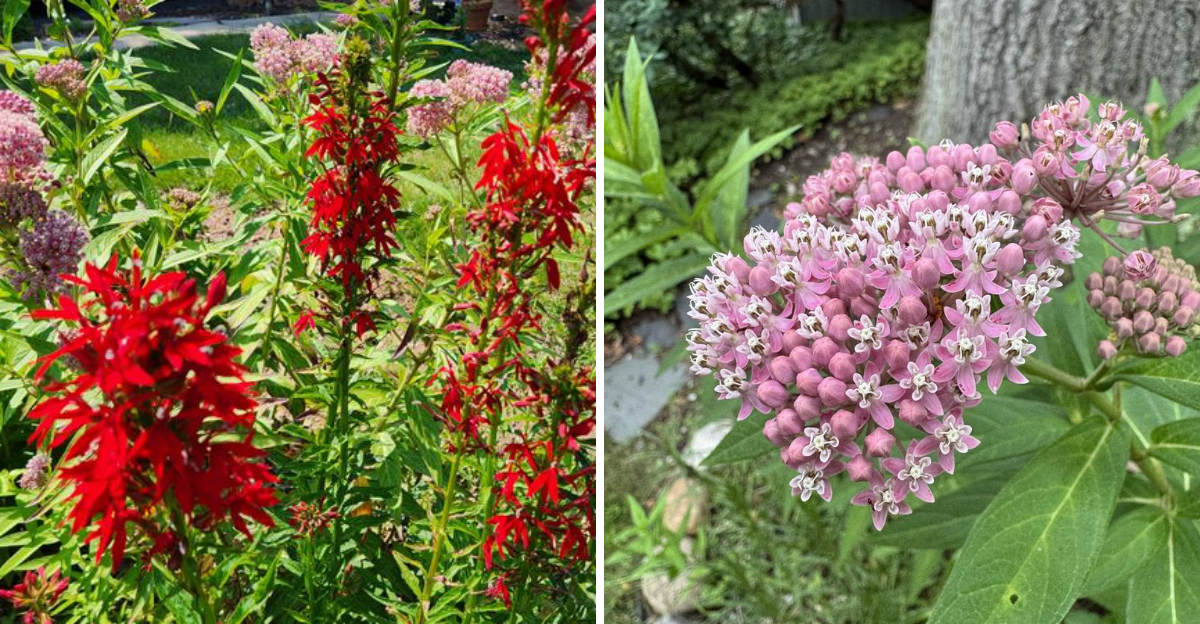
4. Grow Cardinal Flower Near Moist Soil
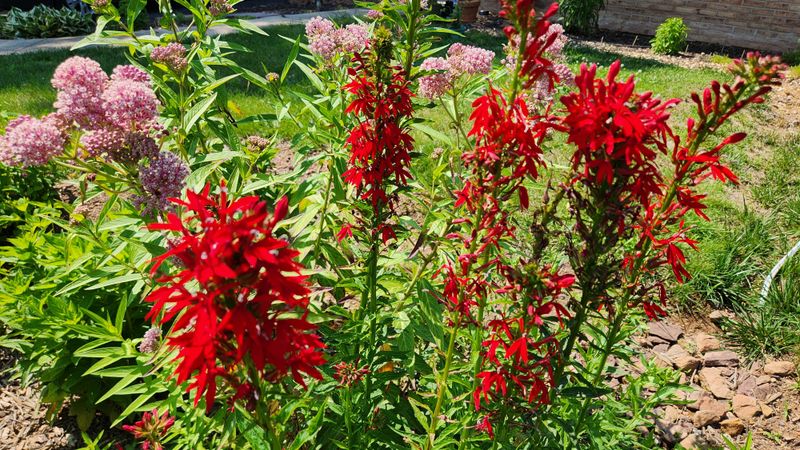
Few native plants stop people in their tracks the way cardinal flower does.
Those tall spikes of brilliant red blooms are almost impossibly vivid, and they show up right when summer heat is at its peak.
It is the plant equivalent of showing up to a party looking absolutely perfect while everyone else is melting.
Beyond the good looks, Lobelia cardinalis plays a practical role in creating the kind of rich, layered habitat that amphibians need near water.
Cardinal flower grows naturally along stream banks, pond edges, and wet meadow margins throughout North Carolina.
It prefers moist to wet soil and does well in full sun to part shade. Plant it near a rain garden, beside a small backyard pond, or at the base of a downspout where water regularly collects.
The roots help hold moist soil in place, which keeps habitat edges stable and usable for ground-dwelling amphibians season after season.
Here is where it gets interesting: the flowers attract hummingbirds and a wide range of long-tongued insects, adding insect activity right where frogs and toads are already hunting nearby.
A garden with active pollinators is a garden with a healthy insect community, and a healthy insect community is essentially a well-stocked pantry for amphibians.
Cardinal flower is a short-lived perennial, but it self-seeds reliably when happy.
Let the seed heads ripen and fall naturally, and new plants will fill in the following season. It pairs well with tussock sedge and soft rush for a naturalistic wet garden planting that looks intentional, works hard, and keeps the local frog population well-fed through summer.
5. Tuck Lizard’s Tail Beside Water
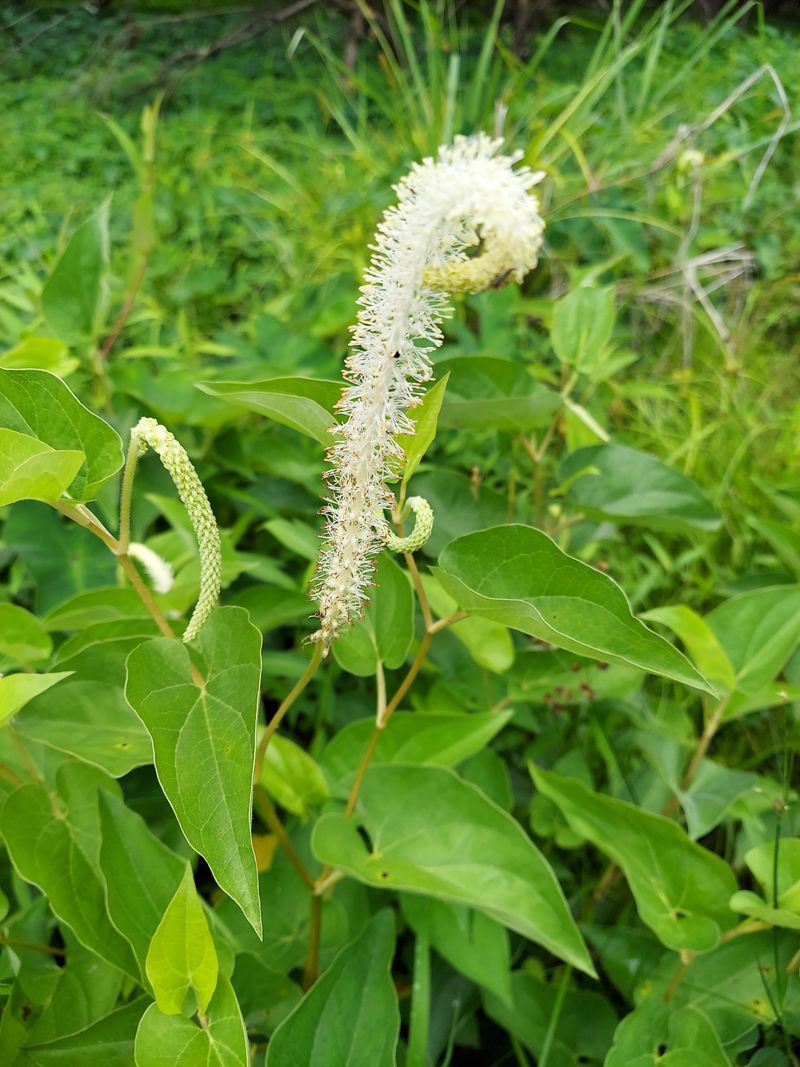
There is something almost storybook about lizard’s tail in bloom.
The long, arching white flower spikes curve gently at the tip, giving the plant its quirky common name, and the heart-shaped leaves create a lush, overlapping canopy right at the water’s edge.
It looks like it belongs in a fairy tale. The amphibians treat it like a hotel.
For frogs, toads, and transitioning juveniles, that combination of structure, shade, and moisture is close to perfect.
Saururus cernuus is native to wetlands, pond margins, and slow-moving stream edges across much of North Carolina.
It grows in shallow water or saturated soil and spreads steadily by rhizomes to form colonies that provide continuous cover along wet garden edges.
That spreading habit is exactly what makes it so valuable. It fills in the water’s edge naturally, creating the kind of dense, low canopy that young frogs and toads use when moving from water to land.
Lizard’s tail blooms in late spring through midsummer, and the flowers attract small native bees and other insects that become part of the local food web.
After blooming, the foliage stays attractive through fall, giving the water’s edge a naturalistic, finished look that also continues to function as cover.
Plant lizard’s tail in full sun to partial shade in moist to wet soil or directly in shallow water up to a few inches deep.
It works especially well planted alongside tussock sedge and soft rush to create a layered, naturalistic water’s edge planting.
Once established, it requires almost no maintenance, which is a hop, skip, and a jump ahead of most garden plants in terms of ease.
6. Plant Swamp Milkweed For More Insects
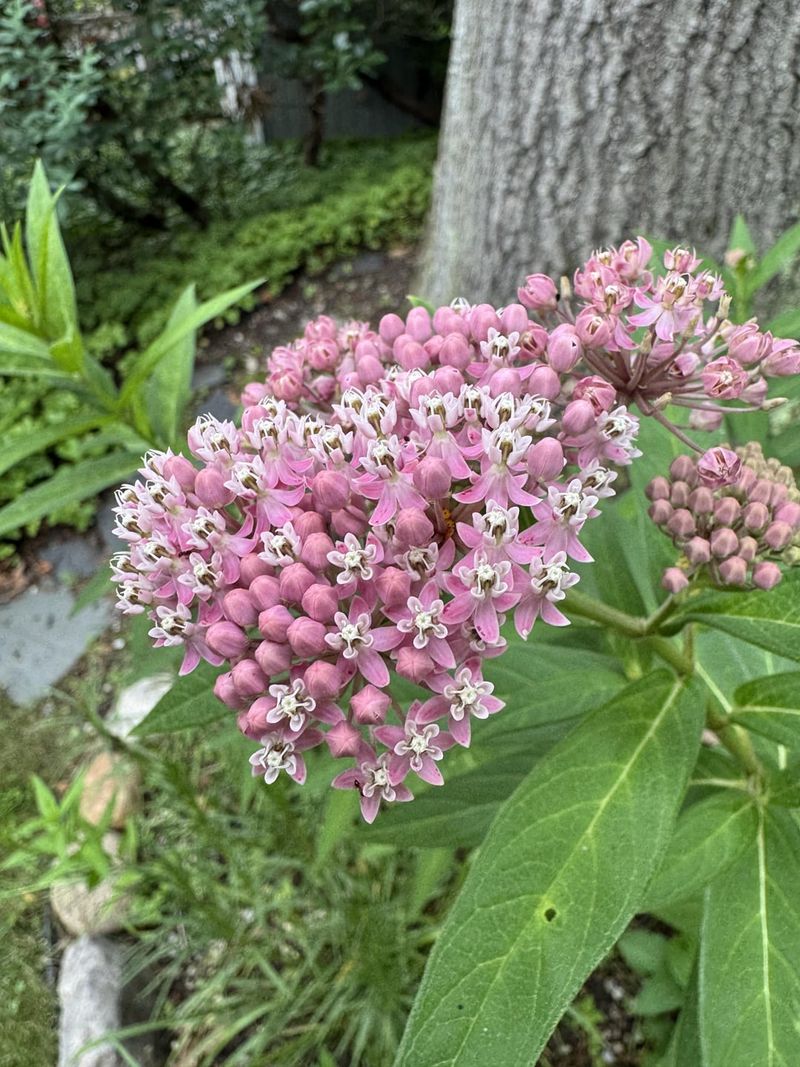
Many people know milkweed as monarch butterfly territory, and that reputation is well-earned.
But swamp milkweed, Asclepias incarnata, has a second life that most gardeners completely overlook. It thrives in wet soil, which puts it squarely in the same territory as the plants that support frogs and toads.
The connection between swamp milkweed and amphibians is indirect but genuinely important, and once you see it, you cannot unsee it.
Frogs and toads are insect predators. They need a steady, diverse supply of beetles, moths, flies, and other invertebrates to fuel their active lives.
Swamp milkweed is one of the best insect-attracting native plants available for a wet North Carolina garden.
The clusters of dusty pink blooms draw in bees, wasps, butterflies, and a wide range of smaller insects from midsummer through early fall.
That insect activity ripples through the garden, building the kind of food web that supports everything from tiny treefrogs to large American toads.
Here is the practical part: swamp milkweed grows three to four feet tall in full sun to light shade and prefers consistently moist to wet soil.
Plant it in groups of three or more for maximum visual impact and insect-attracting power. The more you plant, the more insects arrive, and the more the amphibians in your garden have to work with.
Skip the pesticides near swamp milkweed, and near any plant in an amphibian-friendly garden.
Pesticides reduce insect populations and can be harmful to amphibians through skin absorption. Let the insects come, let the frogs follow, and watch the whole system come together one season at a time.
7. Use Spicebush For Leafy Shelter
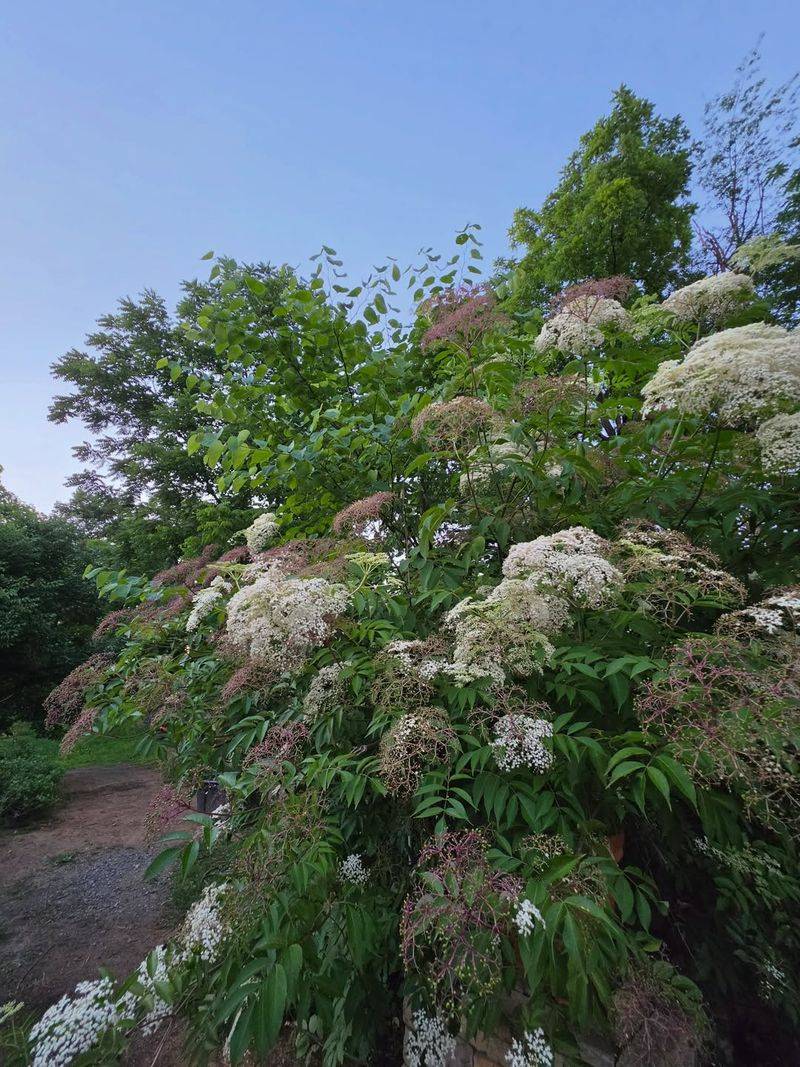
Shrubs often get overlooked in conversations about amphibian gardening, but spicebush makes a genuinely compelling case for their inclusion.
Lindera benzoin is a native understory shrub that grows naturally in moist, shaded woodlands throughout North Carolina.
It brings something to the garden that smaller plants simply cannot: structural shade, deep leaf litter, and a canopy layer that holds humidity close to the ground.
Most gardeners plant spicebush for the early spring flowers or the fall berries. The amphibians underneath it could not care less about either of those things.
Spicebush can grow six to twelve feet tall and wide, forming a dense, multi-stemmed shrub that creates a shaded refuge beneath its canopy.
The leaf litter that accumulates under a mature spicebush is rich, deep, and consistently moist, making it ideal shelter for woodland salamanders, American toads, and other amphibians that need cool, damp hiding spots during warm or dry periods.
Leaf litter is one of the most undervalued elements of amphibian habitat, and spicebush generates a generous supply of it each fall.
Beyond shelter, spicebush is a host plant for spicebush swallowtail butterfly caterpillars and supports a variety of native insects throughout the growing season.
More insects at ground level means more food for the amphibians sheltering nearby. The early spring flowers also provide nectar for native bees emerging after winter.
Plant spicebush in partial to full shade in moist, well-drained to consistently moist soil.
Allow leaf litter to accumulate naturally beneath it rather than raking it away.
That layer of leaves is not garden mess. It is amphibian housing, and it is completely free.