7 Best Florida Nurseries For Fruit Trees Gardeners Actually Want
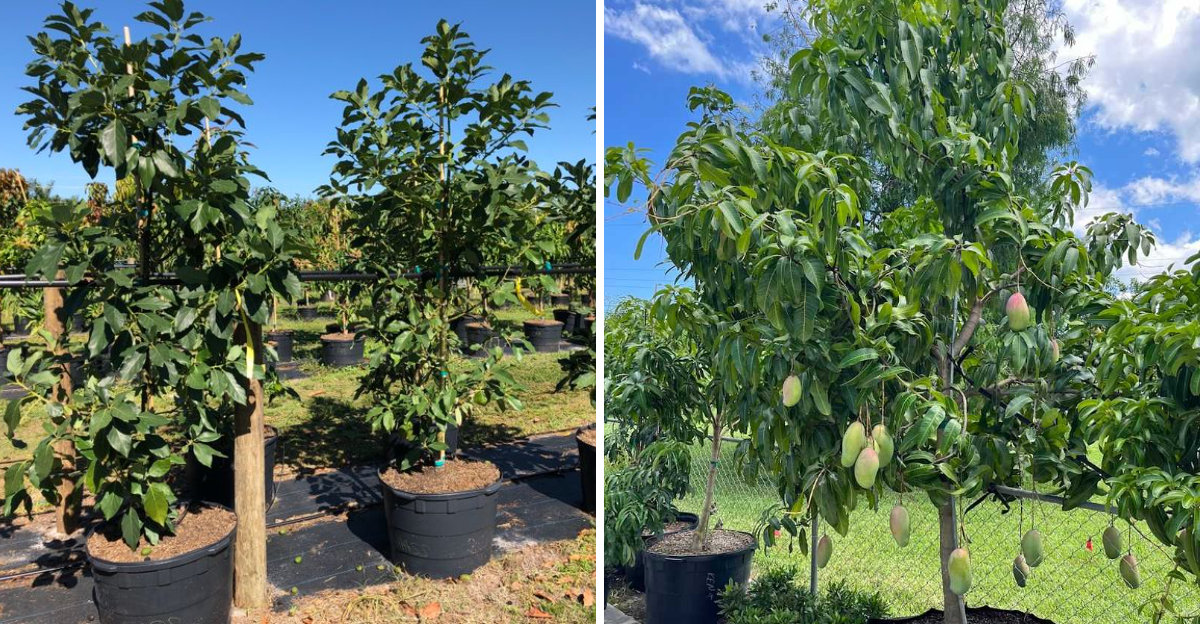
You drove past it a hundred times without stopping.
That nursery tucked behind the highway, the one with the handwritten sign and the trees spilling out of their containers onto the gravel. Or maybe it was the small farm stand with a cooler full of fruit you had never heard of before.
Florida is full of places like that, and the gardeners who find them never go back to buying trees from a big box store again.
Growing fruit trees in Florida sounds straightforward until you realize the wrong tree from the wrong source can cost you years of waiting and nothing to show for it.
The right nursery changes everything. The right tree from the right place, suited to Florida’s heat and humidity and sandy soils, produces harvests that make the whole yard smell like summer.
Seven nurseries across the state have earned their reputation the hard way, through the trees they grow and the advice they give.
Do you know where the serious Florida fruit growers actually shop?
1. Visit Excalibur Fruit Trees For Variety
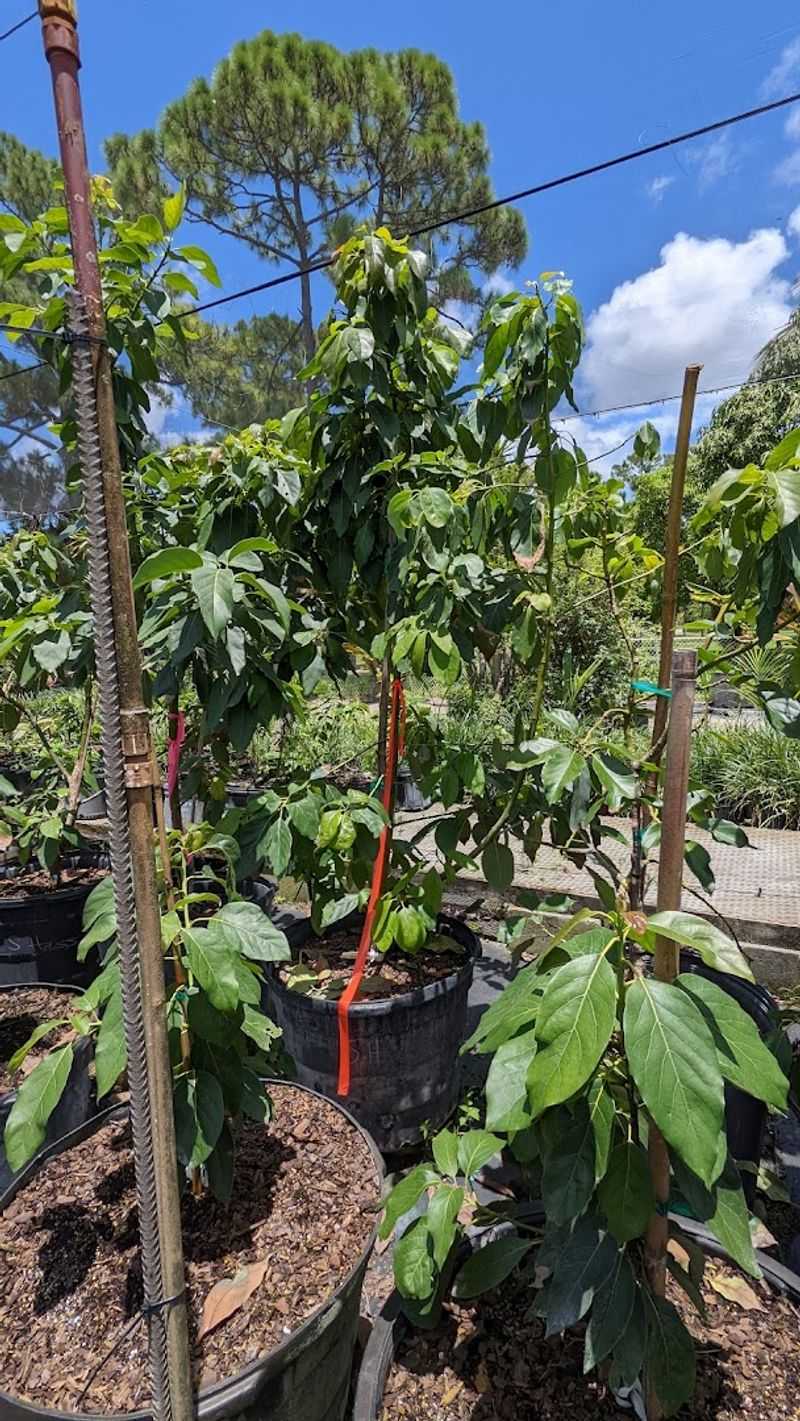
Some nurseries have a little of everything. Excalibur Fruit Trees, located at 5200 Fearnley Road in Lake Worth, has a lot of everything.
It has built a serious reputation among fruit tree enthusiasts across Central Florida for carrying an impressive and constantly rotating selection that many nurseries simply cannot match.
Walking through Excalibur feels like a fruit tree treasure hunt.
You might spot a rare white sapote next to a row of grafted avocados, then stumble across citrus varieties you have never heard of. The staff tends to be knowledgeable and genuinely passionate about what they grow and sell.
That makes a real difference when you are trying to figure out which mango cultivar works best for your specific yard in the Orlando area.
Excalibur is also well known for stocking grafted trees, which matters a lot in Florida.
Grafted trees produce fruit much faster than seed-grown trees and usually come with more predictable flavor and size. For a beginner, that reliability is priceless. For an experienced grower, it means less waiting and more eating.
The nursery draws visitors from all over Seminole and Orange County and beyond, making it a true destination stop.
Plan to spend some real time here because rushing through will mean missing something good.
Call ahead before visiting to confirm current stock, since popular varieties sell out fast and new arrivals come in regularly.
Bring a list, but stay flexible. Excalibur has a habit of making you forget what you came in for and leave with something better.
2. Try Lara Farms For Rare Tropical Fruit
If you have ever searched for a fruit tree that nobody at your local garden center has even heard of, Lara Farms might be exactly what you have been looking for.
Located at 18550 SW 202nd Street in Miami, right in the agricultural heart of Miami-Dade County, this specialty nursery focuses on rare and hard-to-find tropical fruit trees that you simply will not see at big box stores anywhere in South Florida.
Your Florida Garden Changes Every Week. Your Plan Should Too.
Gardening in Florida changes quickly throughout the season. Every Friday you’ll receive a simple weekly plan showing exactly what to plant, prune, fertilize, harvest, and protect so you never miss the right timing.
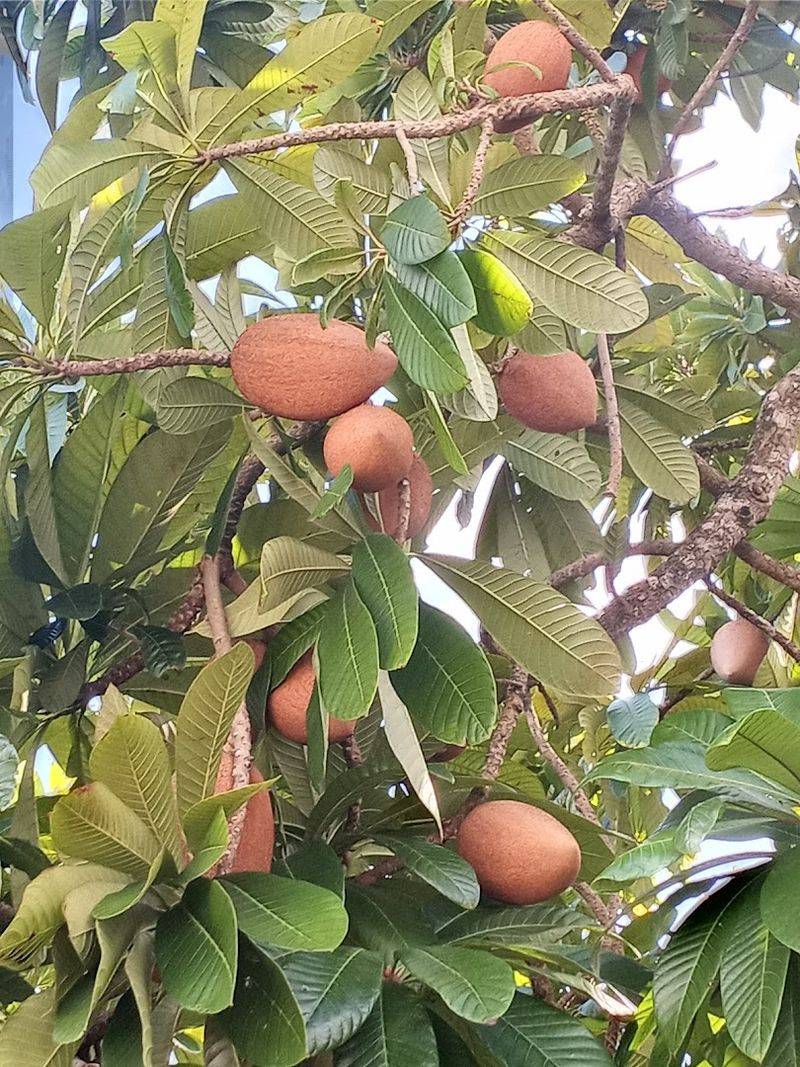
Lara Farms carries trees like canistel, mamey sapote, jackfruit, and other tropical species that thrive in South Florida’s warm climate.
Many of these trees are grafted, which means you get fruit sooner and from a plant with proven genetics. The selection changes based on what is available, so repeat visits often turn up new surprises.
Homestead is the heart of Florida’s tropical fruit growing region, and Lara Farms fits right into that ecosystem.
The nursery operates with a hands-on, small-farm feel that many gardeners find refreshing compared to larger commercial operations. Staff can speak to the growing needs of unusual species in ways that a general nursery simply cannot.
Here is what makes Lara Farms genuinely special: they are not just selling trees.
They are sharing knowledge about species that many Florida gardeners never even knew they could grow. That combination of rare inventory and real expertise is what keeps people making the drive down to SW 197th Avenue year after year.
Always call before you go, since hours and availability can vary by season. A five-minute phone call saves a wasted three-hour round trip.
3. Shop FruitScapes For Island Grown Trees
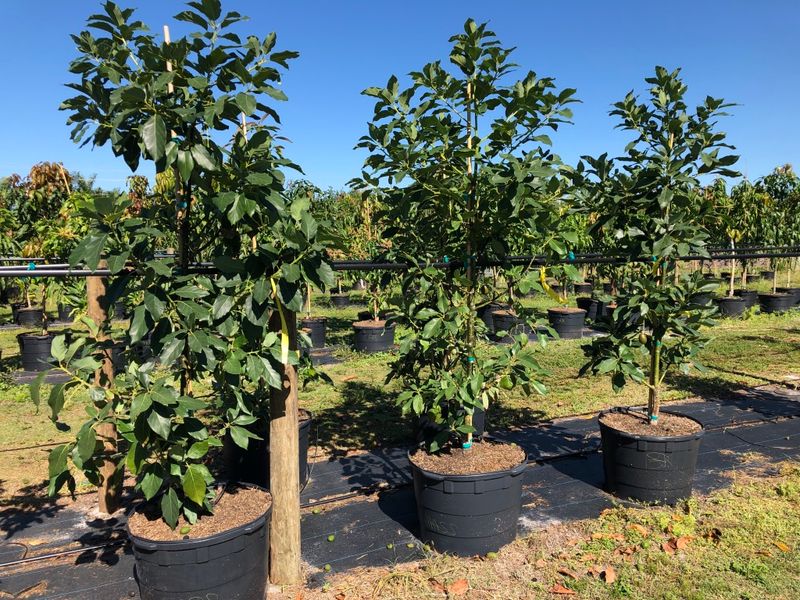
Some nurseries sell trees. FruitScapes, located at 12870 Stringfellow Road in Bokeelia, sells trees that are already adapted to the exact climate you are gardening in.
That distinction matters more than many people realize.
The nursery specializes in tropical and subtropical fruit trees suited to Southwest Florida’s wet summers and dry winters, and many of their trees are grown right there in Lee County.
Varieties like starfruit, guava, lychee, longan, and tropical plums show up regularly in their inventory.
Locally grown trees have a real advantage in this part of Florida. They tend to establish faster and handle weather stress better than trees shipped in from other states or growing regions.
That practical benefit is something FruitScapes customers in the Cape Coral and Fort Myers areas talk about consistently.
Here is the part worth paying attention to: buying a tree that was already growing in Southwest Florida’s conditions means you are not starting from zero when you get it home.
The roots have already started the adjustment process. The tree has already experienced local summer rainfall patterns and the occasional dry stretch that defines winter along the Gulf Coast.
FruitScapes also has a reputation for helpful customer service, which matters when you are picking out a tree you plan to grow for decades.
The nursery often hosts events and plant sales that bring the local fruit tree community together.
Check their social media or call ahead to catch a sale and make sure your target tree is in stock before making the drive to Stringfellow Road.
4. Check Pine Island Nursery For Tropicals
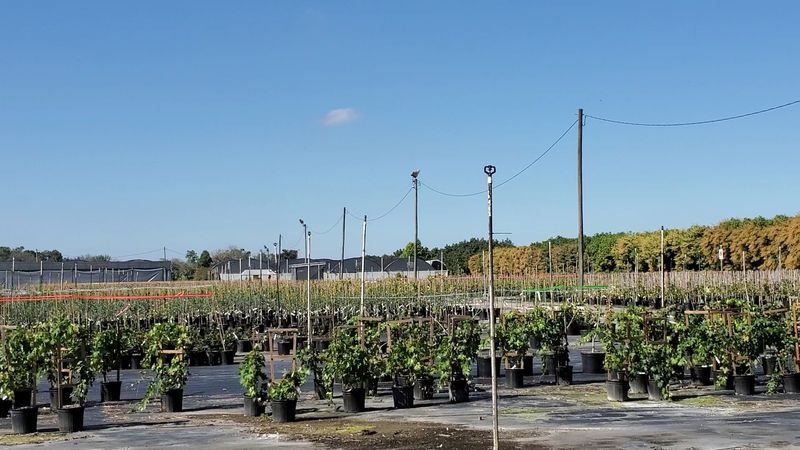
Pine Island Nursery has been a cornerstone of South Florida’s tropical fruit tree scene for decades.
Located at 16300 SW 184th Street in Miami, right in the heart of Dade County’s agricultural belt, this nursery offers one of the many comprehensive selections of tropical fruit trees in the state.
Serious growers across South Florida know this address, and the reputation is completely earned.
Avocados, mangoes, carambolas, papayas, and dozens of other tropical species fill the grounds.
The nursery works with both home gardeners and commercial growers, which means they carry trees in a range of sizes and price points. Whether you want a small starter tree or a more established specimen ready to fruit sooner, options are available.
South Florida’s climate is uniquely suited to tropical fruit production, and Pine Island Nursery takes full advantage of that regional advantage.
Trees grown near SW 184th Street in Miami are already conditioned to high humidity, warm winters, and the occasional tropical storm. That climate toughness translates into better performance once trees are planted in your yard.
The nursery also carries hard-to-find rootstock varieties and can offer guidance on which cultivars perform best specifically in South Florida conditions.
That regional knowledge is something you simply cannot get from a general-purpose garden center in Broward or Palm Beach County.
Prices are generally competitive, especially given the quality and variety on offer.
Pine Island Nursery is the kind of place where you go for one tree and leave with three. Call ahead to check availability on specific varieties and confirm current hours before heading out to Miami-Dade.
5. Visit D’s Fruit Trees For Grafted Picks
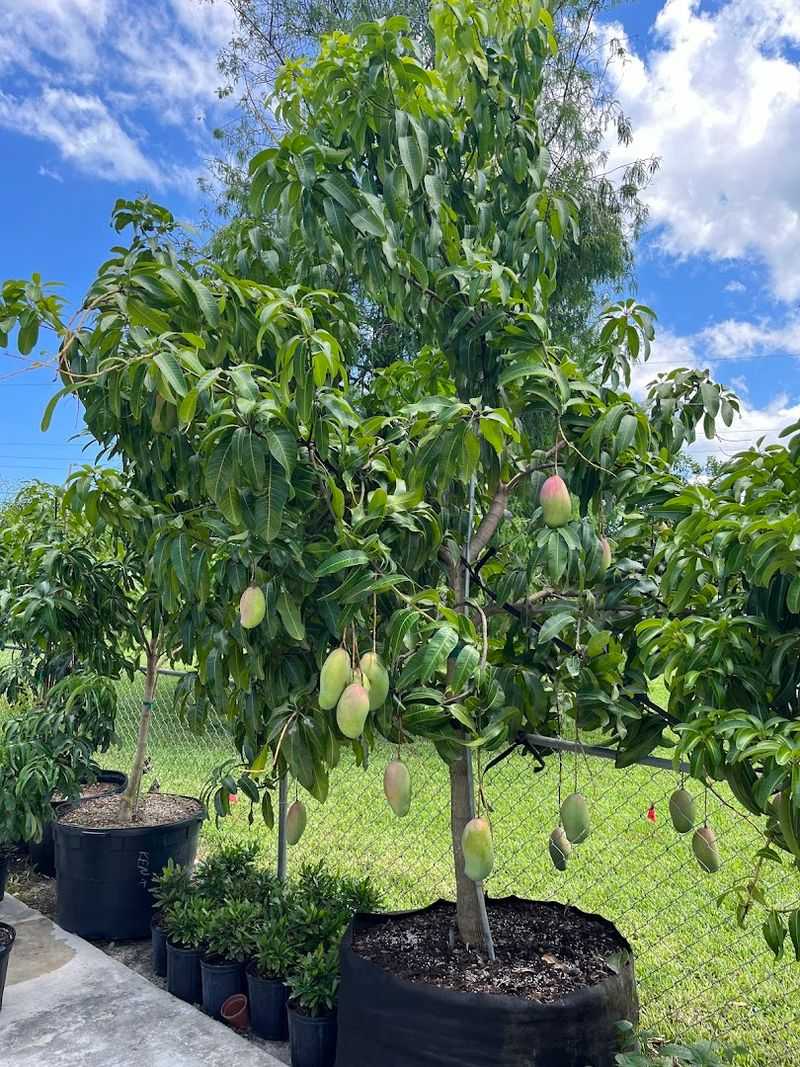
Grafted fruit trees are the smart choice for many backyard growers, and D’s Fruit Trees has made grafted varieties its specialty.
Located at 18955 SW 177th Avenue in Miami, this smaller nursery punches well above its size when it comes to the quality and range of grafted picks available to customers across the South Florida growing zones.
Grafting matters because it locks in the traits of a specific cultivar.
When you buy a grafted mango or avocado from SW 177th Avenue, you know what flavor, size, and ripening time to expect.
Seed-grown trees are a gamble. D’s Fruit Trees takes that guesswork away by focusing on trees with proven parentage and reliable production records.
The nursery carries a solid mix of mango, avocado, citrus, and other subtropical trees that work well in the specific conditions Miami-Dade and surrounding South Florida counties present.
Staff are approachable and happy to walk customers through the differences between cultivars, which is especially helpful for newer gardeners still learning what grows well in their particular part of the South Florida area.
Here is what loyal customers mention most often: the personal attention.
Smaller nurseries like this one develop loyal followings because the product quality and genuine care keep people coming back. You are not just a transaction here.
Stock levels can shift quickly, especially during peak planting seasons in fall and early spring.
Calling ahead to ask about specific varieties will save you a wasted trip and help you plan a visit when exactly what you want is ready to go home with you.
6. Try A Land Of Delight For Central Florida
Central Florida gardeners have a unique challenge that growers in Miami or Jacksonville do not face in the same way.
They sit in a climate zone that is too warm for some temperate fruits and occasionally too cold for the most tropical varieties.
A Land Of Delight, located at 2514 Leaning Pine Lane in Plant City, has built its entire inventory around solving that exact problem for local growers.
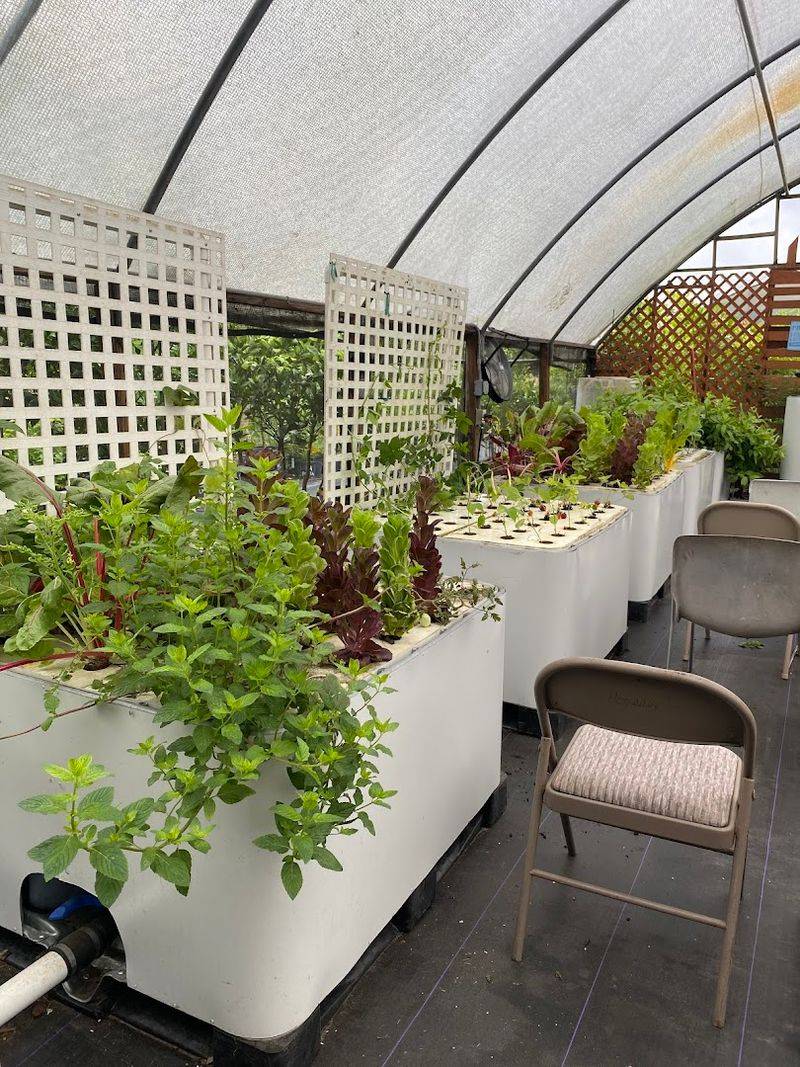
The nursery focuses on fruit trees and edible plants that genuinely thrive in Central Florida conditions.
Figs, mulberries, low-chill peaches, citrus, and select tropical varieties all show up in their stock. The selection is curated with the Central Florida gardener in mind, which means you are far less likely to bring home a tree that struggles through your first cold snap.
Edible landscaping is a growing trend across the Central Florida area, and A Land Of Delight leans into that idea fully.
Many customers come in looking for fruit trees that double as attractive yard plants. A well-placed fig tree or a fruiting mulberry can add beauty and food production to the same space.
Here is what makes this nursery genuinely useful for the Central Florida gardener: the staff understands the freeze risk.
They know which varieties survived the last cold event and which ones struggled. That local memory built on years of growing near Leaning Pine Lane is worth more than any general growing guide you could find online.
Community workshops and events pop up periodically, so checking their website before visiting can help you time your trip to catch extra value.
Availability on specific trees shifts fast during spring planting season, so a quick call goes a long way.
7. Watch Tropical Acres For Mango Finds
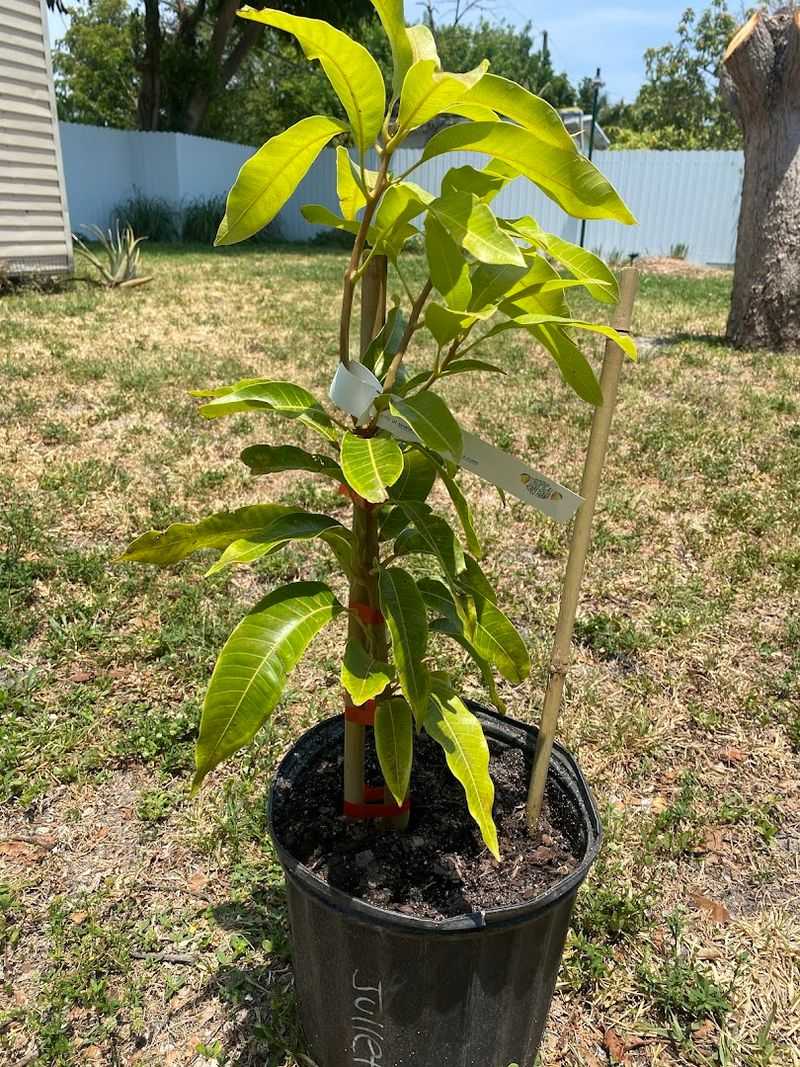
Mango lovers in Florida have a particular kind of obsession, and Tropical Acres Farms understands that completely.
Located at 1010 Camellia Road in West Palm Beach, this nursery has earned a devoted following among mango enthusiasts by stocking an impressive range of cultivars.
Varieties like Carrie, Lemon Zest, Pickering, and Nam Doc Mai appear in their inventory alongside dozens of others that serious collectors seek out.
Each cultivar has its own flavor profile, ripening window, and tree size. Having expert guidance on hand makes a real difference when you are standing in front of forty options on Camellia Road trying to figure out which one belongs in your backyard.
The staff at Tropical Acres can help you match a mango variety to your yard size, taste preferences, and local microclimate.
That last point matters more than many people expect. Even within South Florida, conditions vary enough between properties in West Palm Beach and the surrounding area to influence which varieties perform best.
Palm Beach County’s tropical fruit community makes it one of the best places in the state to source specialty fruit trees, and Tropical Acres fits naturally into that landscape.
The nursery grows many of its own trees on-site, giving them direct control over quality and rootstock selection. That level of care shows in the health of the trees they sell.
Here is the most important thing to know before visiting: mango availability shifts constantly.
Popular varieties sell out quickly, especially in spring when planting enthusiasm runs high across Palm Beach County.
Calling ahead is genuinely necessary. Ask specifically which cultivars are currently in stock and whether any new arrivals are expected soon. A quick phone call can turn a disappointing trip to Camellia Road into a very successful one.