The Meaning Behind Seeing Cardinals In Your Pennsylvania Yard
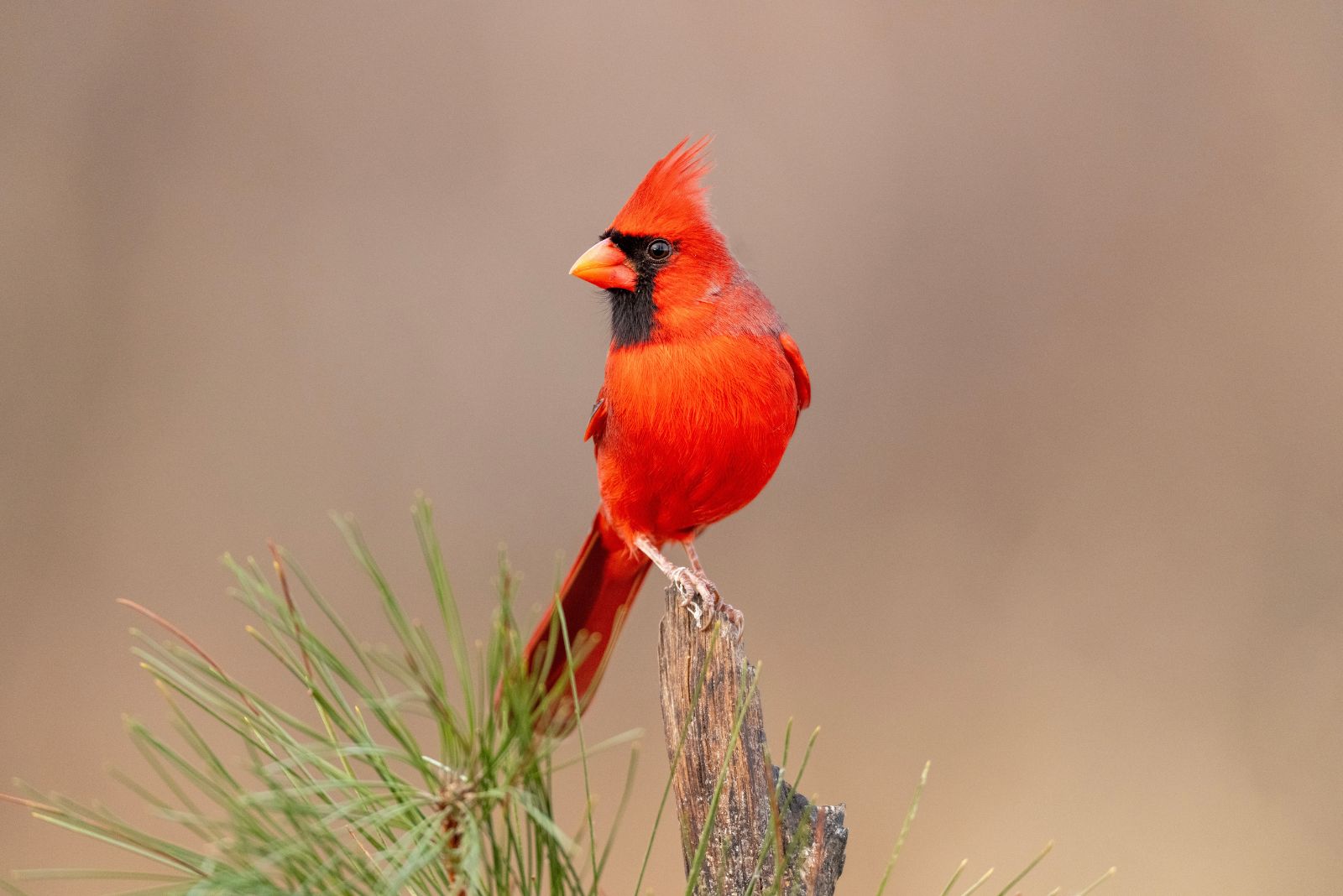
Few backyard visitors stop people in their tracks quite like a cardinal. That brilliant flash of red against a winter sky or a summer green backdrop is the kind of sight that makes you pause whatever you’re doing and just look.
But for many people, a cardinal sighting feels like more than just a pretty bird showing up for seeds. There’s something about cardinals that feels personal.
Across cultures, generations, and belief systems, cardinals have carried deep symbolic meaning for centuries. Many people associate them with messages from loved ones who have passed, with good luck, or with a reminder to slow down and pay attention to the moment.
Whether you hold spiritual beliefs or simply appreciate the folklore, the stories behind these birds are genuinely fascinating. If cardinals keep showing up in your Pennsylvania yard, you might find yourself wondering what people believe it means.
Here’s a look at the meaning and symbolism that has followed this beloved bird for generations.
1. Sign Of A Healthy Garden
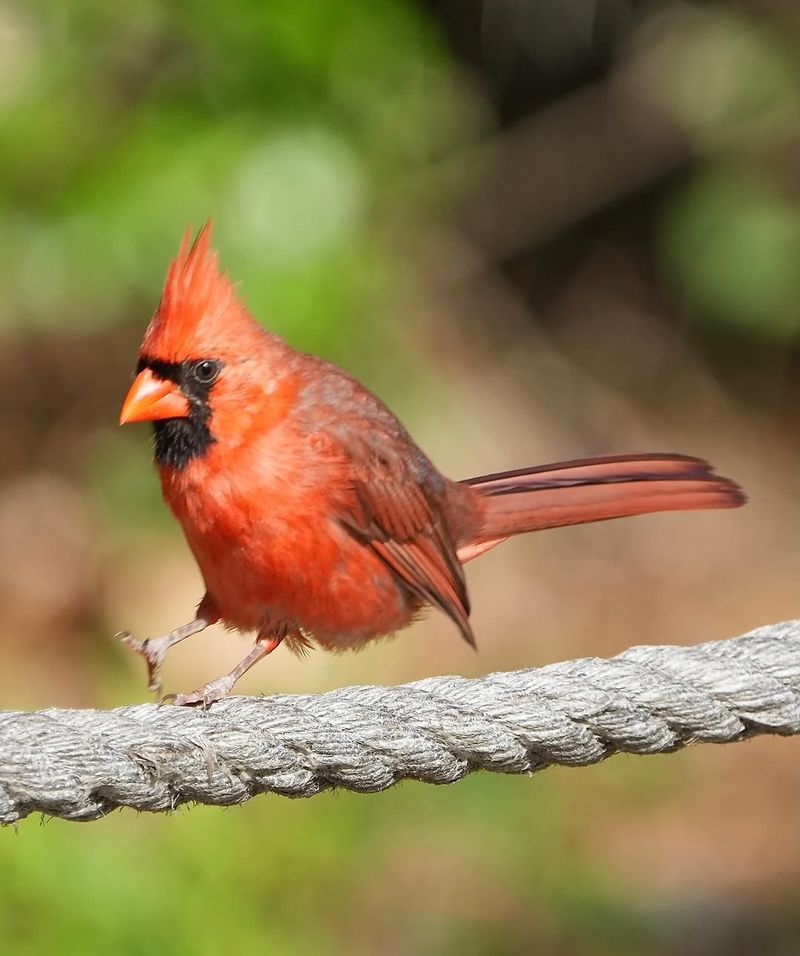
Walk outside on a crisp Pennsylvania morning and spot a cardinal hopping through your garden, and you can pat yourself on the back. Cardinals are picky about where they spend their time.
They gravitate toward yards filled with native plants, dense shrubs, and seed-producing flowers.
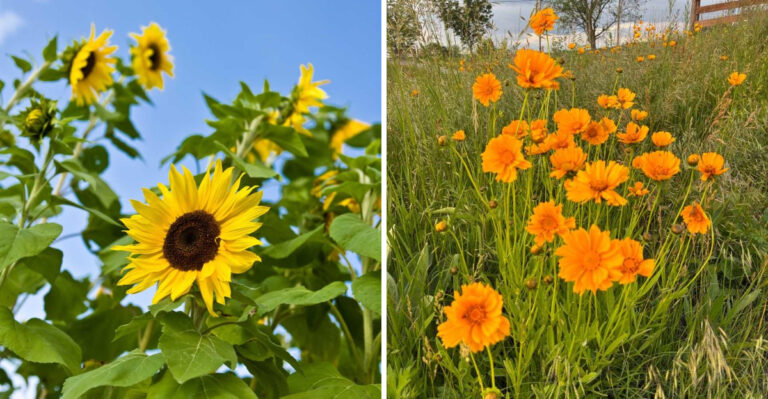
Native plants like dogwood, serviceberry, and sunflowers are like a buffet for cardinals. These plants produce the seeds and berries that cardinals love most. When your yard offers this kind of natural variety, cardinals will keep coming back.
Dense shrubs also matter a lot. Cardinals prefer thick bushes where they can hide from predators and feel safe while they eat.
Shrubs like spicebush or viburnum give them the cover they need to feel comfortable in your yard.
Having cardinals visit regularly is basically nature giving your garden a thumbs up. It means you have created a space that supports wildlife, not just pretty flowers.
A yard that attracts cardinals is usually also attracting butterflies, bees, and other beneficial creatures.
If you want to encourage more cardinal visits, try planting native Pennsylvania plants and reducing the use of pesticides. Pesticides can reduce the insect population that cardinals also rely on for protein, especially during nesting season.
Going natural in your garden makes a big difference. Think of cardinals as little garden inspectors. Their presence tells you that your outdoor space is thriving and well-balanced.
A yard full of life, color, and food sources is exactly what these birds are looking for. So if cardinals keep showing up, you are doing something right out there.
2. Seasonal Indicators
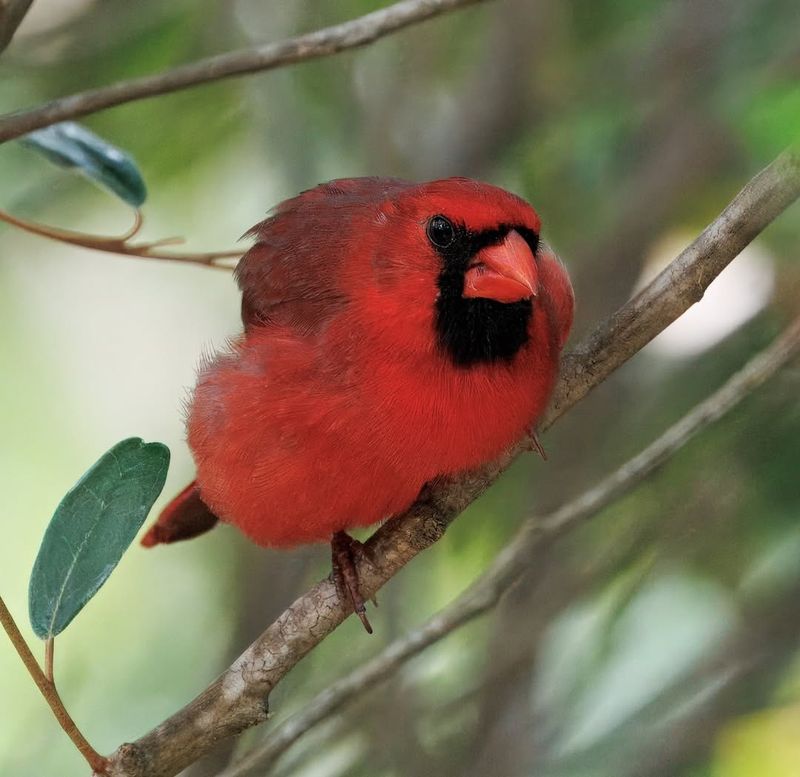
One of the coolest things about cardinals is that they stick around all year long in Pennsylvania. Unlike many other birds that fly south for the winter, cardinals are non-migratory. That means spotting one in January is just as possible as seeing one in July.
Still, their behavior shifts with the seasons in ways that can tell you a lot. In late winter and early spring, male cardinals start singing loudly and frequently.
Your Pennsylvania Garden Changes Every Week. Your Plan Should Too.
Gardening in Pennsylvania changes quickly throughout the season. Every Friday you’ll receive a simple weekly plan showing exactly what to plant, prune, fertilize, harvest, and protect so you never miss the right timing.
That cheerful whistling is actually a sign that breeding season is approaching. Hearing a cardinal belt out his song in February is one of nature’s earliest hints that warmer days are on the way.
During fall, cardinals tend to forage more aggressively. They are stocking up on seeds and berries to prepare for colder months ahead.
Seeing them busily hopping around your yard in October or November is a sign that the season is shifting and food sources are becoming more important.
Summer sightings often mean cardinals are raising their young nearby. Parent birds make frequent trips to feeders and gardens to gather food for their chicks.
If you notice cardinals visiting more often than usual in June or July, there is a good chance a nest is somewhere close by.
Paying attention to when and how often cardinals appear can help you tune into the natural rhythms of the seasons. They are like a living calendar for your backyard. Each visit carries a small clue about what is happening in the natural world around you.
Cardinals make even the coldest Pennsylvania winters feel a little warmer and more alive with their brilliant color and steady presence.
3. Territorial Behavior
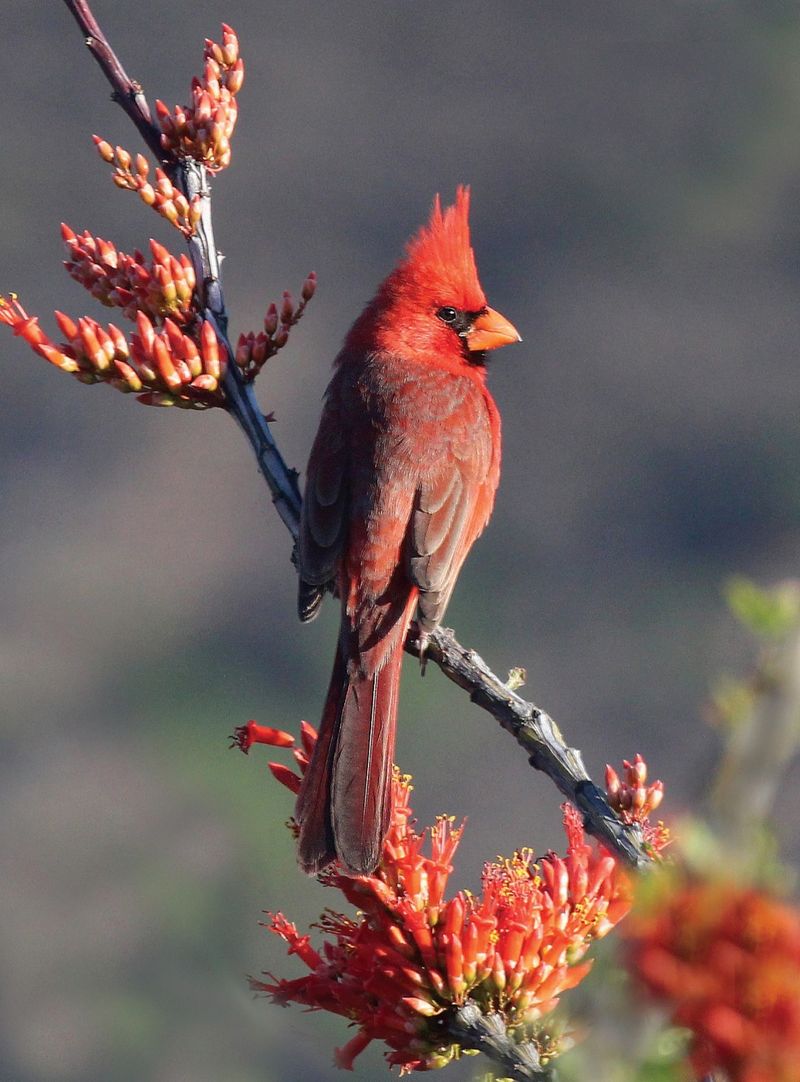
Ever notice the same cardinal showing up in your yard day after day, almost like he owns the place? That is not your imagination.
Male cardinals are highly territorial birds. Once a male claims a space as his own, he will defend it with impressive dedication.
During breeding season, male cardinals will sing loudly from high perches to announce their territory. They want other males to hear them and back off.
That bold, repeating whistle you hear early in the morning is often a territorial declaration, not just a friendly song.
Sometimes, a male cardinal will even attack his own reflection in a window or car mirror. He thinks he is seeing a rival male and tries to chase it away.
This behavior can seem funny or strange, but it shows just how seriously cardinals take their home turf.
A cardinal returning to your yard repeatedly is actually a great sign. It means your yard offers everything a cardinal needs to feel settled and secure.
Stable food sources, safe shelter, and a good nesting environment are all reasons a cardinal would claim your yard as his territory.
Female cardinals are less flashy but equally committed to their home range. They tend to stay close to the nest and are often seen foraging quietly while the male keeps watch from above. Together, they make a strong team.
Seeing the same cardinal regularly means your yard has earned its approval. You have created a reliable habitat that a wild bird trusts enough to call home.
That kind of consistency from a territorial bird is one of the best signs your outdoor space is truly bird-friendly and stable.
4. Attraction To Food Sources
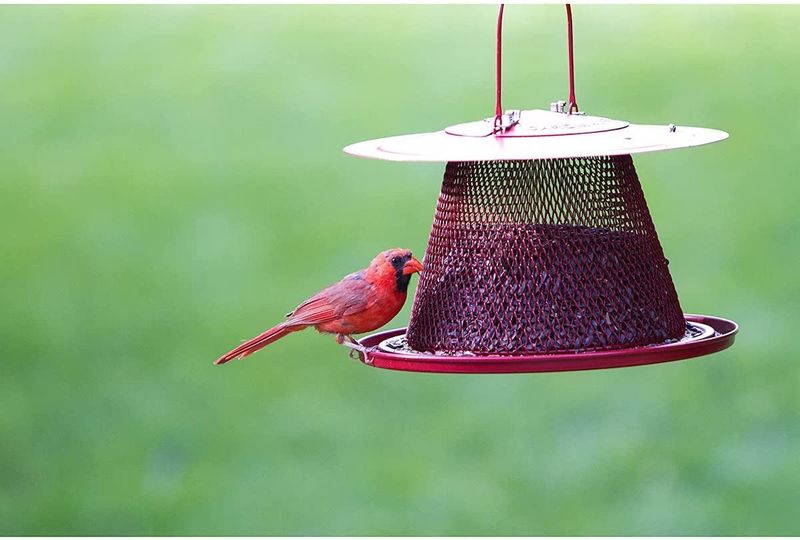
Cardinals do not show up randomly. When they visit your yard, they are almost always on a mission to find food.
These birds have a strong preference for certain foods, and your yard might be offering exactly what they are craving.
Sunflower seeds are their absolute favorite. Black-oil sunflower seeds have a thin shell that cardinals can crack open easily with their thick, powerful beaks.
If you have a bird feeder loaded with sunflower seeds, do not be surprised when cardinals become your most loyal visitors.
Beyond feeders, cardinals also love natural food sources. Berries from holly, dogwood, and winterberry shrubs are big draws.
Native grasses and wildflowers that go to seed in late summer and fall are also excellent food sources that will bring cardinals in close.
Insects are another important part of their diet, especially during nesting season. Cardinals feed insects to their young chicks because the protein helps them grow quickly.
A yard with healthy soil and minimal pesticide use will have plenty of insects to support a hungry cardinal family.
Fresh, clean water is also a major attraction. Cardinals, like all birds, need water for drinking and bathing.
A simple birdbath kept clean and filled year-round can make your yard even more appealing to these colorful visitors.
If cardinals are stopping by your yard often, it is a sign that your space is genuinely nourishing for wildlife. You are providing something real and valuable.
Whether it is a well-stocked feeder or a yard full of native plants, your efforts are clearly working. Keep it up, and the cardinals will keep returning.
5. Symbol Of Love And Relationships
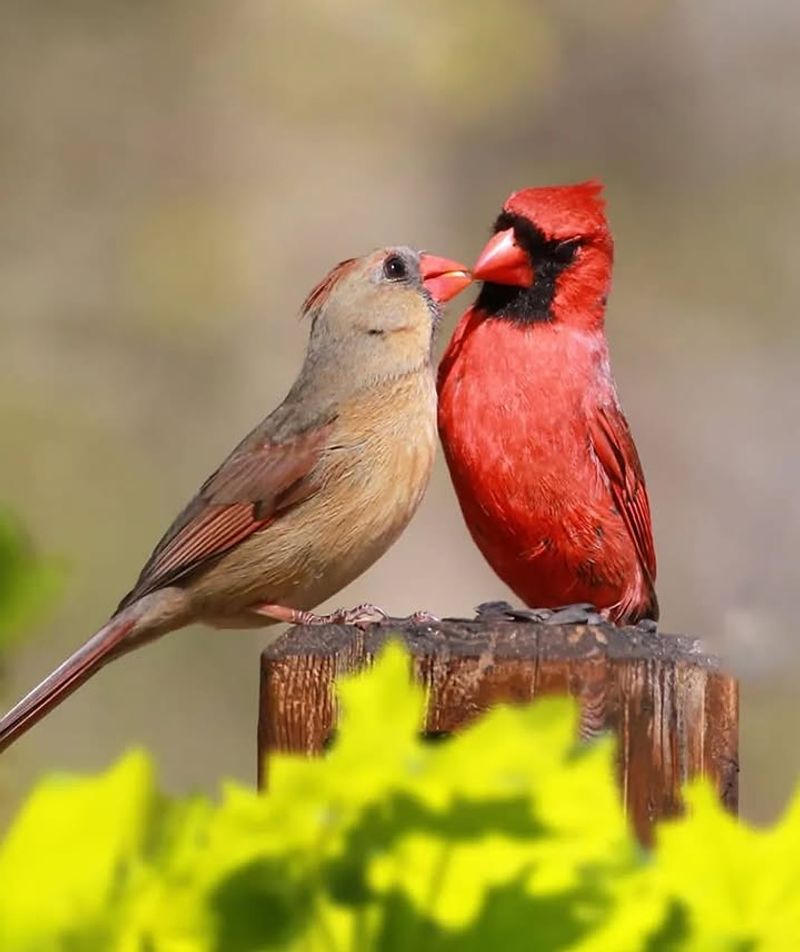
There is a reason so many people feel a warm flutter in their chest when a cardinal lands nearby. For generations, cardinals have carried deep symbolic meaning in American folklore and spiritual traditions.
Many people believe that seeing a cardinal is a message from a loved one who has passed on.
The saying goes, “When a cardinal appears, an angel is near.” Whether or not you hold spiritual beliefs, there is something undeniably moving about this idea. It brings comfort to people who are grieving and reminds them that love does not simply disappear.
Cardinals are also powerful symbols of loyalty and strong partnerships. In the wild, cardinal pairs bond closely during breeding season.
The male often feeds the female during courtship, gently passing seeds beak to beak. It is one of the most tender behaviors you can witness in a backyard bird.
Seeing a pair of cardinals together in your yard is often interpreted as a sign of a strong, loving relationship. Some people view it as a positive omen for their own romantic life or family bonds. It is a small, beautiful moment that carries a lot of emotional weight.
Even in art and holiday decorations, cardinals pop up as symbols of warmth, family, and enduring love. Their striking red color is associated with passion, vitality, and emotional strength.
It is no wonder they have become such a beloved symbol across so many cultures. Next time a cardinal visits your yard, take a slow moment to just watch it. Let yourself feel whatever comes up.
Sometimes nature has a quiet way of reminding you of the things and people that matter most in your life.
6. Indicator Of Wildlife Diversity
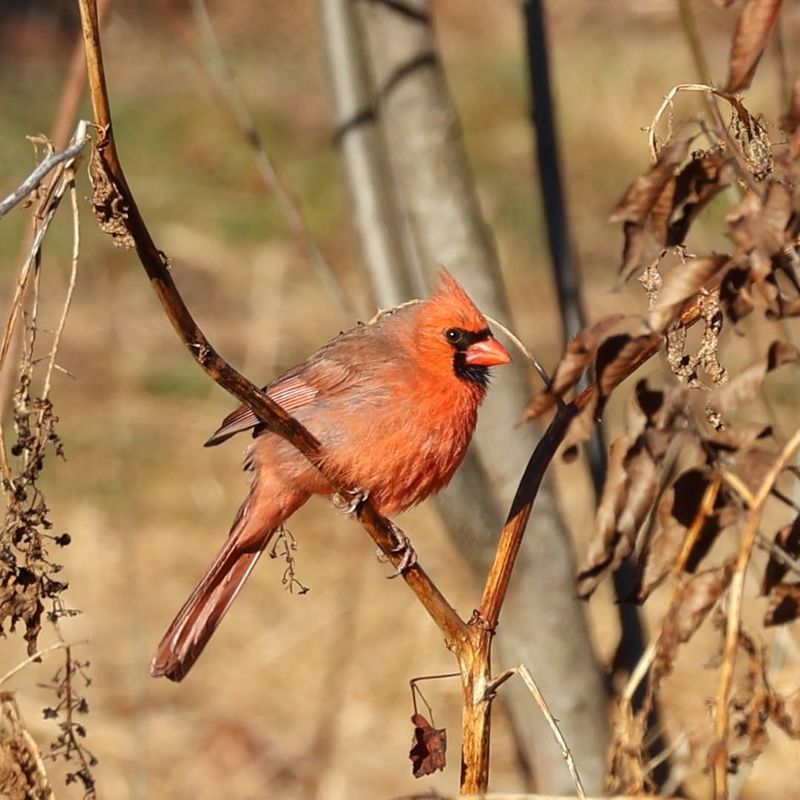
Spot a cardinal in your yard and you are really seeing just the tip of the iceberg. Cardinals rarely show up alone in terms of what their presence represents. Where cardinals thrive, a whole web of other wildlife tends to thrive too.
Cardinals share their habitat with a wide variety of other birds. Chickadees, nuthatches, sparrows, and finches are commonly found in the same yards that attract cardinals.
Each species fills a slightly different role in the local ecosystem, and together they create a lively, balanced environment.
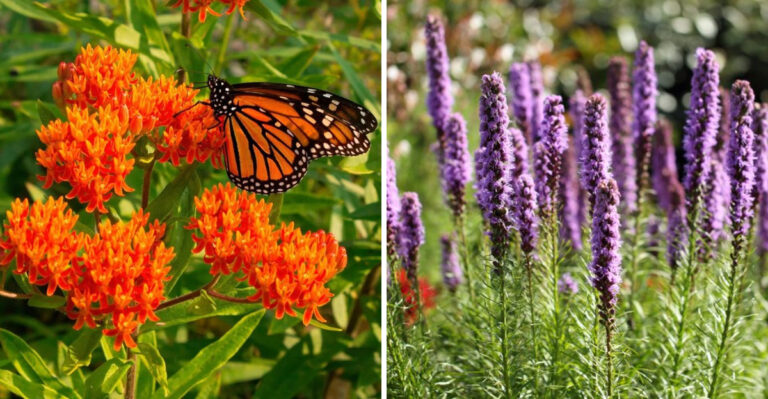
Pollinators also benefit from the same conditions that draw cardinals in. Native plants that produce seeds for cardinals also produce flowers that attract bees and butterflies.
A yard that supports cardinals is almost certainly supporting a healthy pollinator population too. That is great news for your garden and for local food production.
Small mammals like chipmunks and squirrels often share the same food sources as cardinals. While they can sometimes compete at feeders, they are all part of the same thriving ecosystem.
Seeing multiple types of wildlife in your yard at once is one of the best signs of genuine biodiversity.
Biodiversity matters because it makes ecosystems more stable and resilient. When many different species coexist, they support each other in ways that keep the whole system healthy.
A yard with cardinals is contributing to that bigger picture, even if it is just a small patch of land.
You do not need acres of wilderness to make a difference. Even a modest Pennsylvania backyard can become a mini wildlife sanctuary.
Cardinals are a visible, cheerful sign that your little corner of the world is doing its part for nature.