The Meaning Behind Owl Hoots Near Your New Jersey Home
You’re settled in for the evening when a low, resonant hoot cuts through the darkness, coming from somewhere uncomfortably close. Owls have a way of making even familiar backyard feel suddenly wild.
New Jersey is home to several owl species, and if one has taken up residence near your house, it’s there for a reason. These birds rarely wander without purpose.
Every hoot carries a specific message, whether it’s a territorial warning, a mating call, or a signal that prey is nearby. The species matters too, a Barred Owl and a Great Horned Owl sound nothing alike, and each has its own habits, territory size, and tolerance for humans.
A sound that once seemed eerie becomes something you actually look forward to hearing. Here’s what those nighttime calls near your New Jersey home are really telling you.
The Reasons Owls Hoot Near Residential Areas
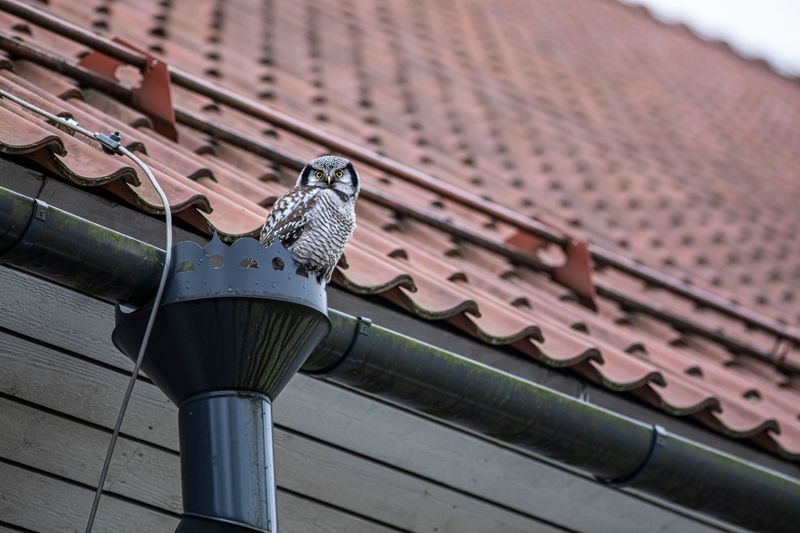
Picture this: it is midnight, your windows are cracked open, and a loud hoot breaks the silence. Owls hoot near homes for very specific, practical reasons that have nothing to do with mystery or bad luck.
The most common reason is territory. Owls are fiercely protective of their hunting grounds, and your yard may sit right inside one.
Hooting is their way of broadcasting ownership without a single wing flap. Think of it like a neighborhood watch announcement, except louder and way cooler.
Another big reason is food. Suburban yards in New Jersey are packed with mice, voles, and rabbits, which are basically an owl’s dream buffet.
When prey is abundant, owls stay close and call often. Your well-watered lawn and garden are accidentally rolling out the red carpet for them.
Mating is also a major driver. Male owls hoot to attract females, and the calls can get intense during breeding season.
Females sometimes call back, creating a back-and-forth duet that sounds almost musical once you know what to listen for. Owls near residential areas are rarely lost or confused, most are there because conditions suit them.
Human neighborhoods actually offer excellent habitat, with tall trees, open grassy spaces, and plenty of small prey. Understanding the meaning behind owl hoots near your New Jersey home starts right here, with knowing why these birds show up at all.
Common Owl Species You Might Hear In New Jersey
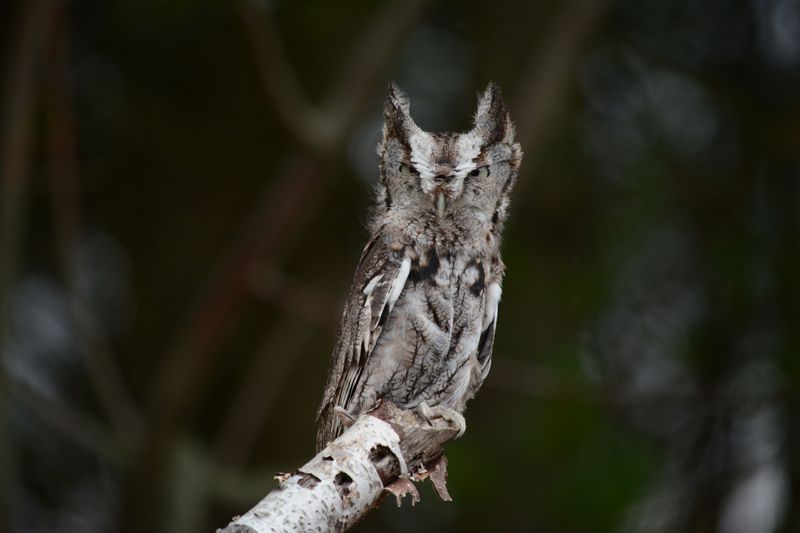
Not every hoot sounds the same, and that is because New Jersey hosts several owl species with very different voices. Knowing which bird is calling can completely change how you interpret the sound.
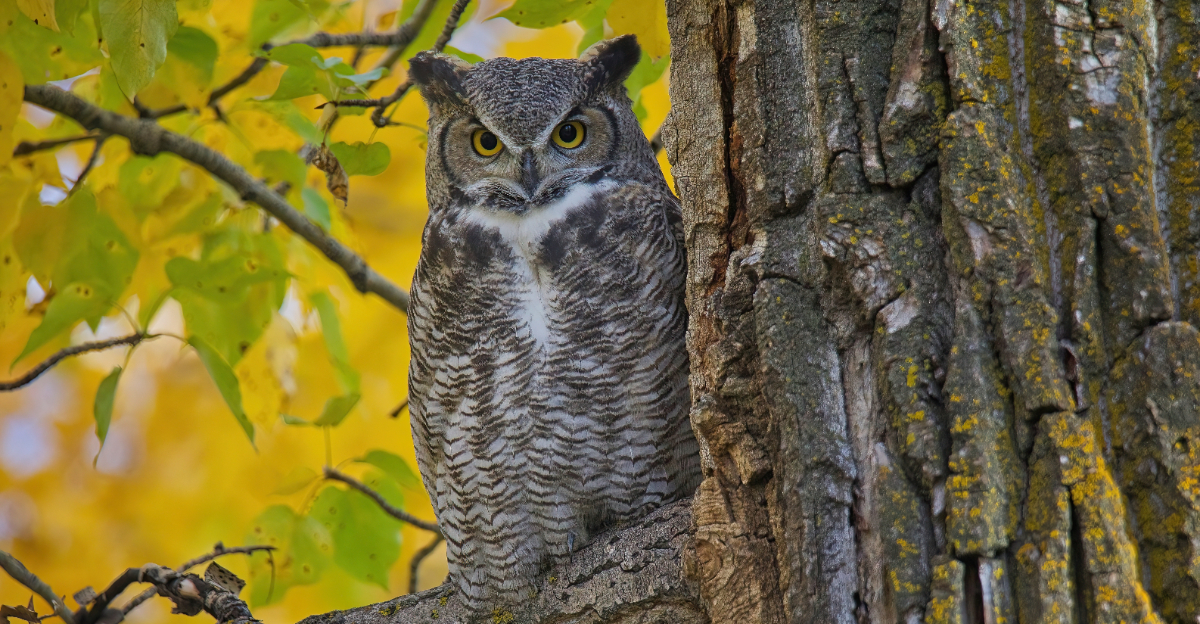
The Great Horned Owl is the most commonly heard species in the state. Its deep, rhythmic call sounds like someone saying “hoo-hoo-hoooo” in a low, booming voice.
These birds are large, powerful, and surprisingly comfortable living near people. Spotting one in a backyard oak tree is not unusual at all.
The Eastern Screech-Owl is smaller but arguably louder for its size. Its call is a wavering whinny or a long, mournful trill that can sound almost ghostly.
Your New Jersey Garden Changes Every Week. Your Plan Should Too.
Gardening in New Jersey changes quickly throughout the season. Every Friday you’ll receive a simple weekly plan showing exactly what to plant, prune, fertilize, harvest, and protect so you never miss the right timing.
Many homeowners mistake the screech-owl for something far stranger than a bird. Once you hear it identified, you will never unhear it.
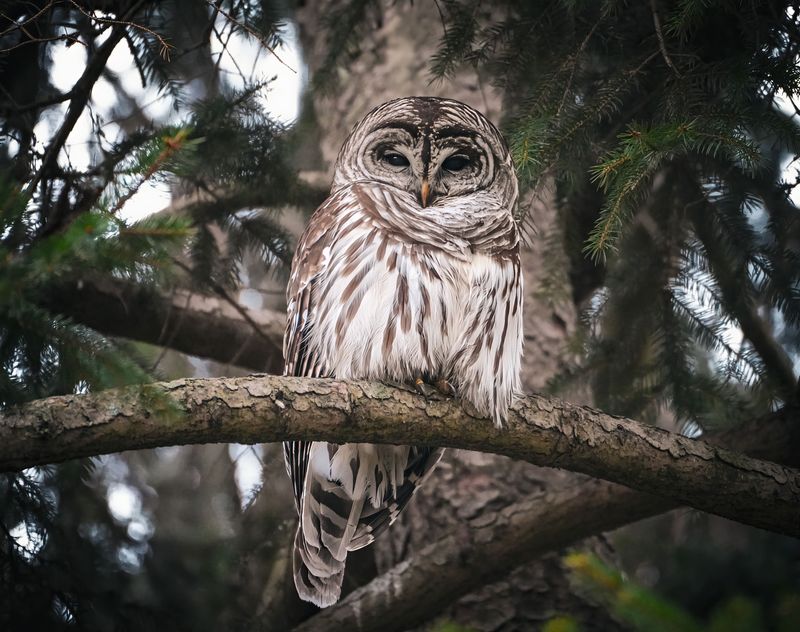
Barred Owls are another frequent visitor, especially near wooded neighborhoods. Their famous call sounds like “who cooks for you, who cooks for you-all,” which is oddly charming once you know it.
Long-eared Owls are more elusive, while Short-eared Owls can occasionally be spotted hunting low over open fields during daylight hours.
Barn Owls also exist in New Jersey, though their hissing screech is more unsettling than soothing. Each of these species adds a unique layer to the nighttime soundtrack of your yard.
The Different Hoot Patterns And Their Meanings
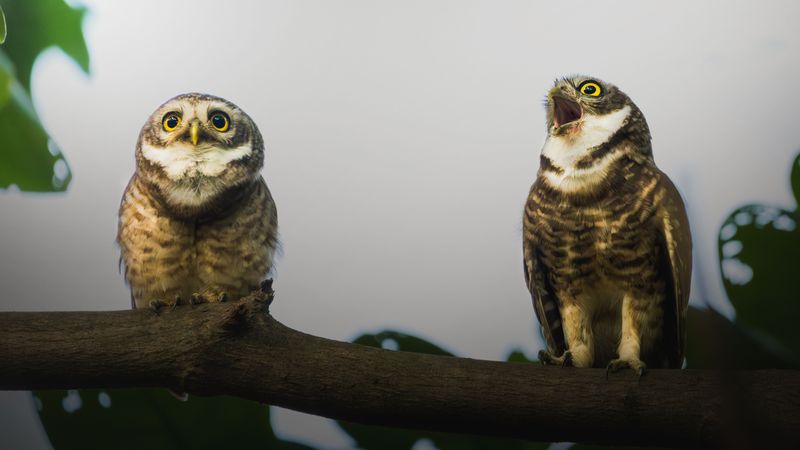
Owls are not just hooting randomly into the dark. Every pattern, rhythm, and tone carries a specific message, almost like a language you can learn to read.
A single, slow hoot repeated at steady intervals usually signals territory. The owl is essentially posting a “no trespassing” sign for other birds.
When you hear two owls trading calls back and forth, that is often a mated pair communicating. They check in with each other throughout the night, especially during nesting season.
Rapid, staccato hoots signal alarm or agitation. If something has spooked the bird, like a prowling cat or a competing owl, the calls speed up noticeably.
A long, drawn-out hoot with a descending pitch can indicate a mating call from a male. He is putting his best vocal performance forward, hoping a female is within earshot.
Female owls respond with shorter, higher-pitched calls. The exchange can go on for several minutes, creating that haunting nighttime duet people often hear in late winter.
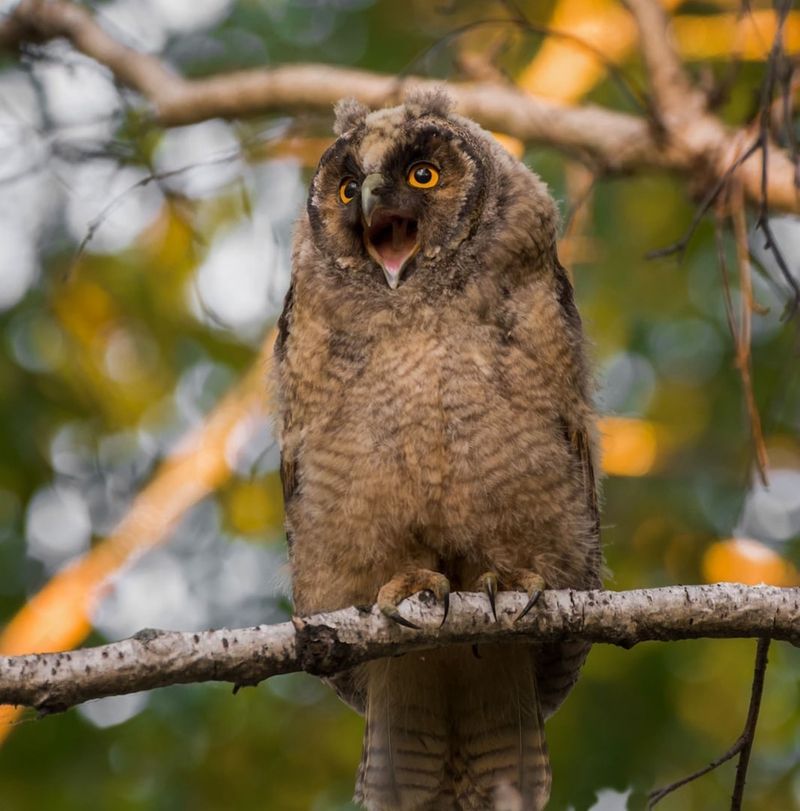
Young owls, called owlets, produce raspy, begging calls when they are hungry. These sounds are less musical and more urgent, almost like a squeaky hinge.
Screech-owls use a trembling whinny to maintain contact with their mate. Once you start paying attention to these patterns, the meaning behind owl hoots near your New Jersey home becomes surprisingly clear and endlessly fascinating.
Times Of Year You’re Most Likely To Hear Owls
Owls are year-round residents in New Jersey, but there are certain seasons when their calls become impossible to ignore. Knowing the calendar helps you predict when the nighttime chorus will peak.
Late winter is the most active period, especially January through March. Great Horned Owls begin their courtship during these frigid months, and their booming calls cut right through the cold night air.
It seems counterintuitive to breed in winter, but owlets need time to grow before prey becomes scarce. Early nesting gives them the best shot at survival.
Spring brings a second wave of activity as other species like Barred Owls and Screech-Owls begin their own mating rituals. The evenings can get surprisingly loud around April.
Summer is quieter overall, but you may still hear young owlets calling for food. Parents are busy hunting to keep up with growing chicks, and the family stays vocal.
Fall migration occasionally brings visiting species through New Jersey. Short-eared Owls and Long-eared Owls pass through marshes and fields, adding new voices to the mix.
The weeks around the autumn equinox are a great time to listen near open fields. You might catch a species you have never heard before right outside your own neighborhood.
Winter nights, when leaves are gone and sound travels farther, often feel like the loudest owl season. Step outside after dark and you may be surprised what is calling from just beyond your fence.
Steps To Take If An Owl Is Hooting Near Your Home
Hearing an owl outside your window is exciting, but it can also raise practical questions about what to do next. The good news is that owls are almost always harmless to humans and pets when left alone.
First, resist the urge to shine a bright light directly at the bird. Sudden light startles owls and may cause them to abandon a nesting spot they have carefully chosen.
If the hooting is keeping you awake, try a white noise machine indoors. Owls are most active between dusk and dawn, so some sound buffering goes a long way on school nights.
Keep small pets inside after dark during peak owl season. Great Horned Owls are strong hunters and can target animals the size of a small rabbit.
Do not attempt to handle or relocate an owl yourself. These birds are protected under the Migratory Bird Treaty Act, and interfering with them can carry legal consequences.
If an owl appears injured or grounded, contact the New Jersey Division of Fish and Wildlife or a licensed wildlife rehabilitator. They have the proper training and permits to help.
Avoid using rodenticides in your yard if owls are present. Poisoned prey passes toxins up the food chain, and owls are especially vulnerable to secondary poisoning.
Appreciating these birds from a respectful distance is truly the best approach. A little patience and awareness go a long way toward peaceful coexistence with your feathered neighbors.
Making Your Yard More Welcoming To Owls
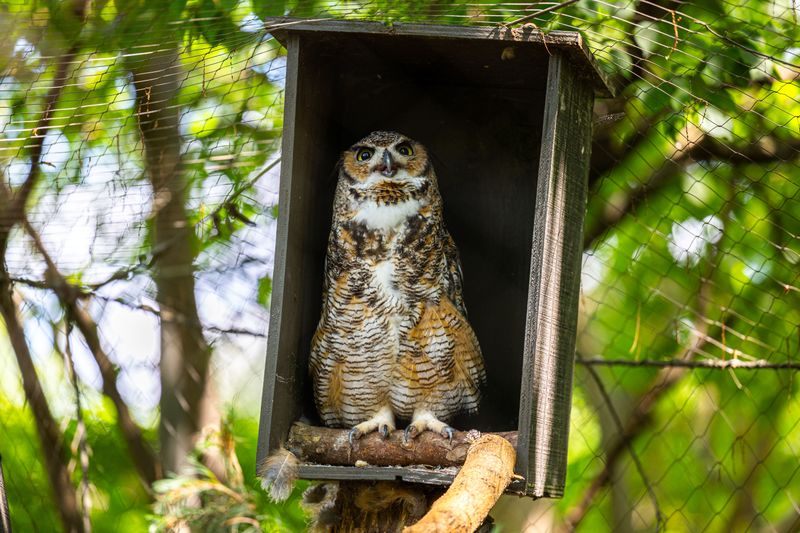
If you love hearing owls and want to keep them around, a few simple yard changes can make a big difference. Owls are practical creatures, and they stick where the conditions are right.
Start by installing an owl nesting box. Eastern Screech-Owls especially love these boxes and will move in quickly if the location and size are correct.
Mount the box 10 to 30 feet high on a tree or post, away from heavy foot traffic. Face the entrance hole away from the prevailing wind for extra comfort.
Keep a section of your yard natural and unmowed. Tall grass and leaf litter attract the mice and voles that owls hunt every single night.
Avoid using chemical pesticides on your lawn. A chemical-free yard supports a healthy prey population, which keeps owls coming back season after season.
Tall, mature trees are essential for owls to perch, roost, and nest. If your yard has large oaks or pines, you are already halfway there.
Add a shallow water feature like a birdbath or small pond. Owls get much of their moisture from prey, but access to clean water still supports the entire backyard ecosystem they depend on.
Leave damaged trees standing when it is safe to do so. Hollow snags are prime real estate for cavity-nesting owls and cost you absolutely nothing to maintain.
Creating owl-friendly habitat is one of the most rewarding things a homeowner can do, and the nighttime soundtrack you get in return is absolutely priceless.