This Is The Easy Native Fruit Tree Pennsylvania Gardeners Aren’t Growing Yet
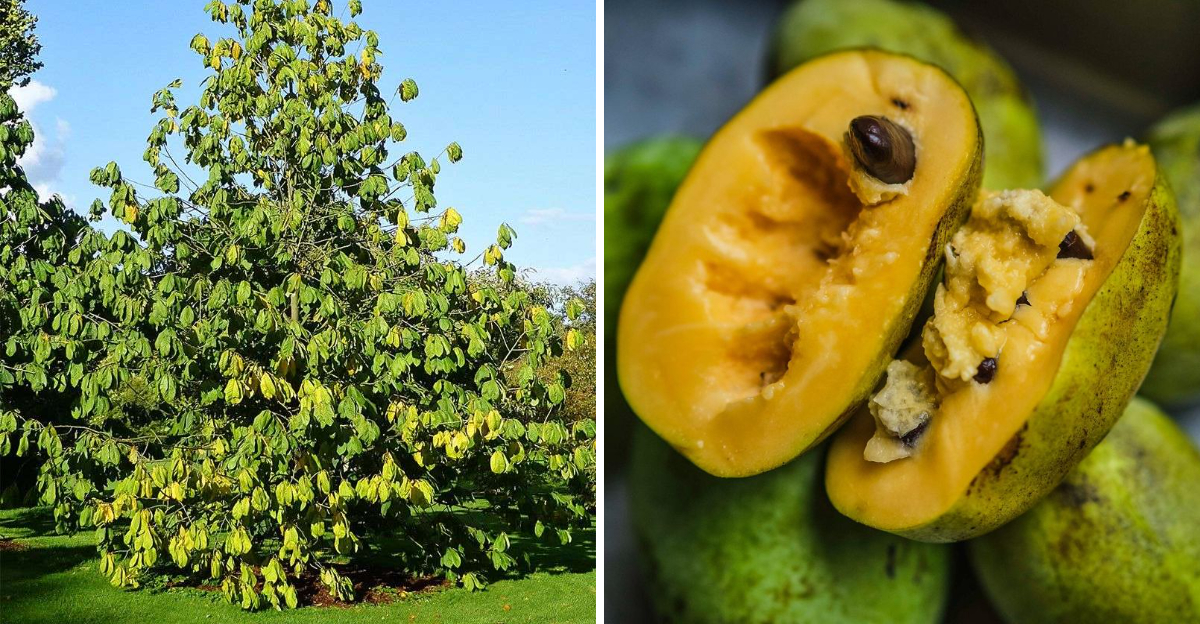
There is a native fruit tree growing along Pennsylvania woodland edges and stream banks that most gardeners have walked right past their entire lives without giving it a second thought.
The pawpaw is one of those plants that genuinely surprises people once they actually pay attention to it, and the fruit is where the real shock happens.
Tropical flavor notes in a tree that evolved right here in Pennsylvania. Yes, really.
While everyone else is fighting apple scab and peach borers, pawpaw is quietly doing its thing with considerably less drama, which is a refreshing change of pace for anyone who has spent a frustrating season nursing a fussy orchard tree back to health.
If your edible landscape could use something native, productive, and genuinely unlike anything else growing in your yard, pawpaw deserves a serious look.
1. Pawpaw Is Native To Pennsylvania
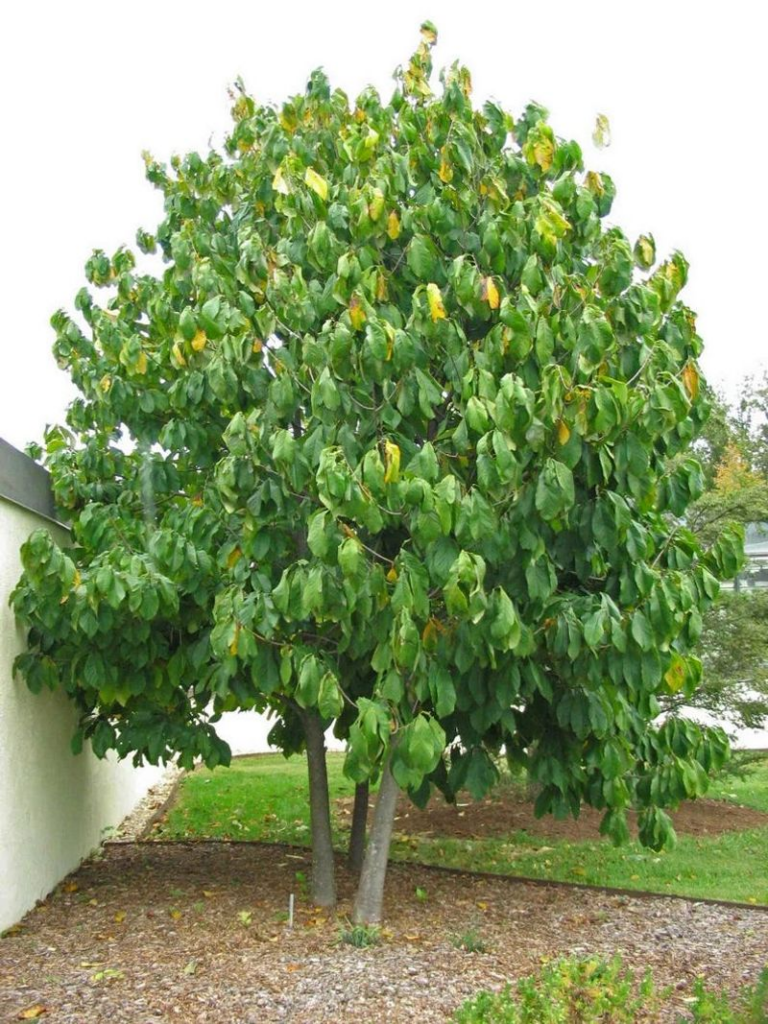
Shaded woodland edges and stream banks across Pennsylvania are home to one of the most overlooked native fruit trees in the entire eastern United States.
Pawpaw, known botanically as Asimina triloba, grows naturally throughout much of Pennsylvania and has done so long before European settlers arrived.
Finding it in the wild often comes as a surprise to gardeners who assumed tropical-flavored fruit could never be native to the Northeast.
Because pawpaw is indigenous to Pennsylvania, it evolved alongside the local climate, native insects, and regional soil conditions. That native status gives it a certain resilience that many introduced orchard fruits simply do not have.
It already knows how to handle winters, humid summers, and the occasional late spring cold snap without needing heavy intervention from the gardener.
Growing a native tree also connects your yard to the broader local ecosystem. Pawpaw flowers provide early-season resources for certain native flies and beetles that act as pollinators.
The leaves support the larvae of the zebra swallowtail butterfly, making pawpaw a meaningful addition to any wildlife garden or edible landscape.
Planting a tree with such deep regional roots feels like restoring something that belongs here rather than introducing something entirely foreign to the landscape.
2. The Fruit Has A Tropical Flavor
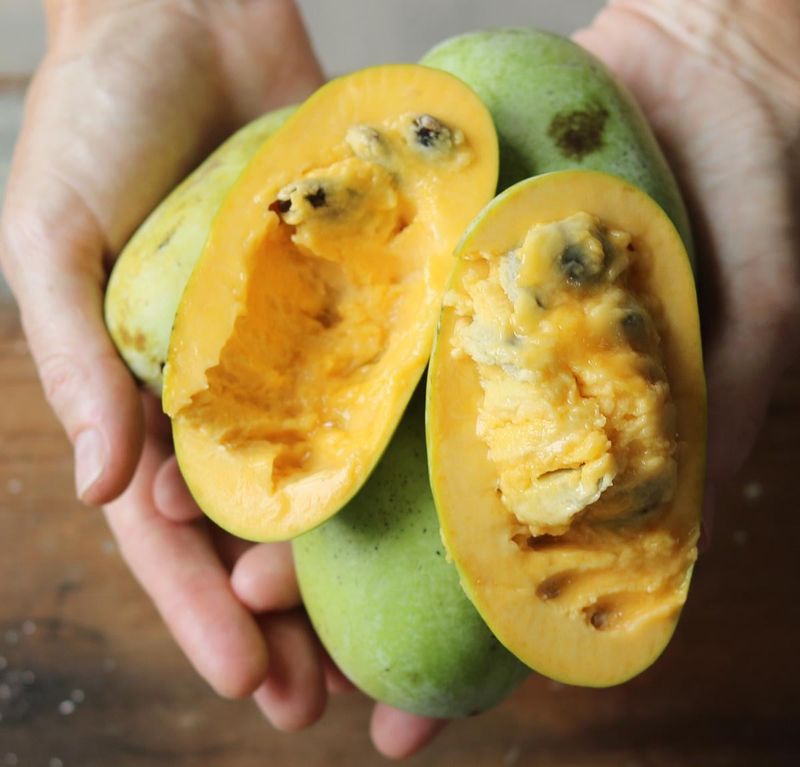
Biting into a ripe pawpaw for the first time tends to stop people mid-sentence. The flavor is rich, custardy, and unmistakably tropical, often compared to a blend of banana, mango, and vanilla with a texture somewhere between ripe avocado and soft pudding.
Finding that flavor on a tree growing in a Pennsylvania backyard feels genuinely unexpected.
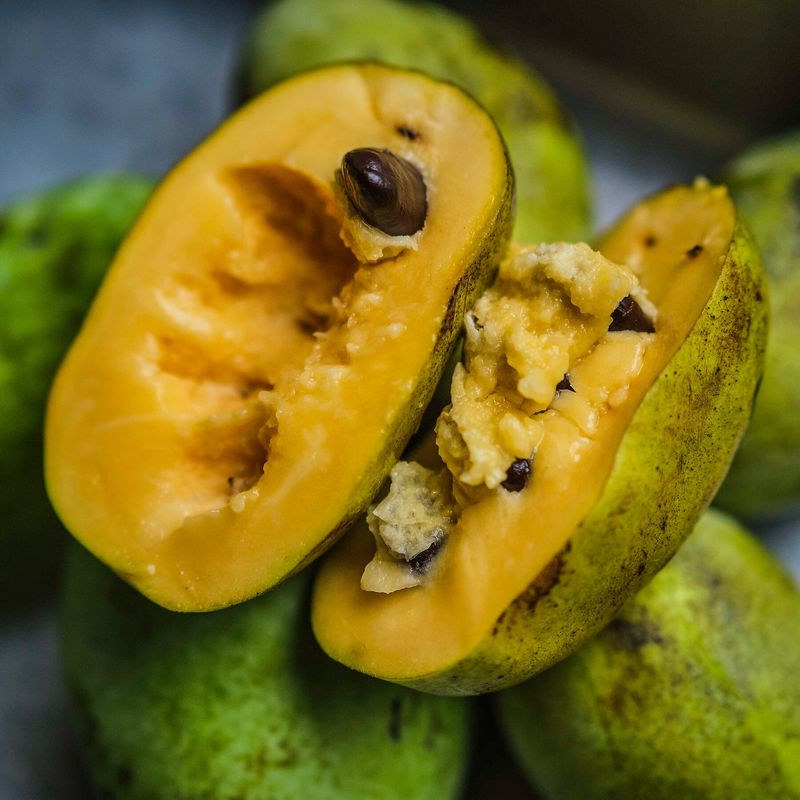
The fruit forms in clusters and can range from a few ounces to nearly a pound per individual fruit depending on the variety and growing conditions. The skin starts green and softens to a yellowish-green or slightly spotted appearance when fully ripe.
Inside, the flesh is typically pale yellow to deep golden, surrounding several large dark seeds arranged in two rows.
Pawpaw fruit does not taste like anything else commonly grown in Pennsylvania home orchards, which makes it a genuine conversation starter at harvest time. Neighbors who have never heard of it often become curious the moment they try a spoonful.
Your Pennsylvania Garden Changes Every Week. Your Plan Should Too.
Gardening in Pennsylvania changes quickly throughout the season. Every Friday you’ll receive a simple weekly plan showing exactly what to plant, prune, fertilize, harvest, and protect so you never miss the right timing.
The flavor holds up well in smoothies, quick breads, ice cream, and simple fresh preparations.
Because the fruit is fragile and does not ship well commercially, growing your own in Pennsylvania is genuinely one of the only reliable ways to enjoy it at peak ripeness.
That alone makes pawpaw worth planting for any gardener who values fresh, unusual, homegrown flavor.
3. Young Trees Like A Little Protection
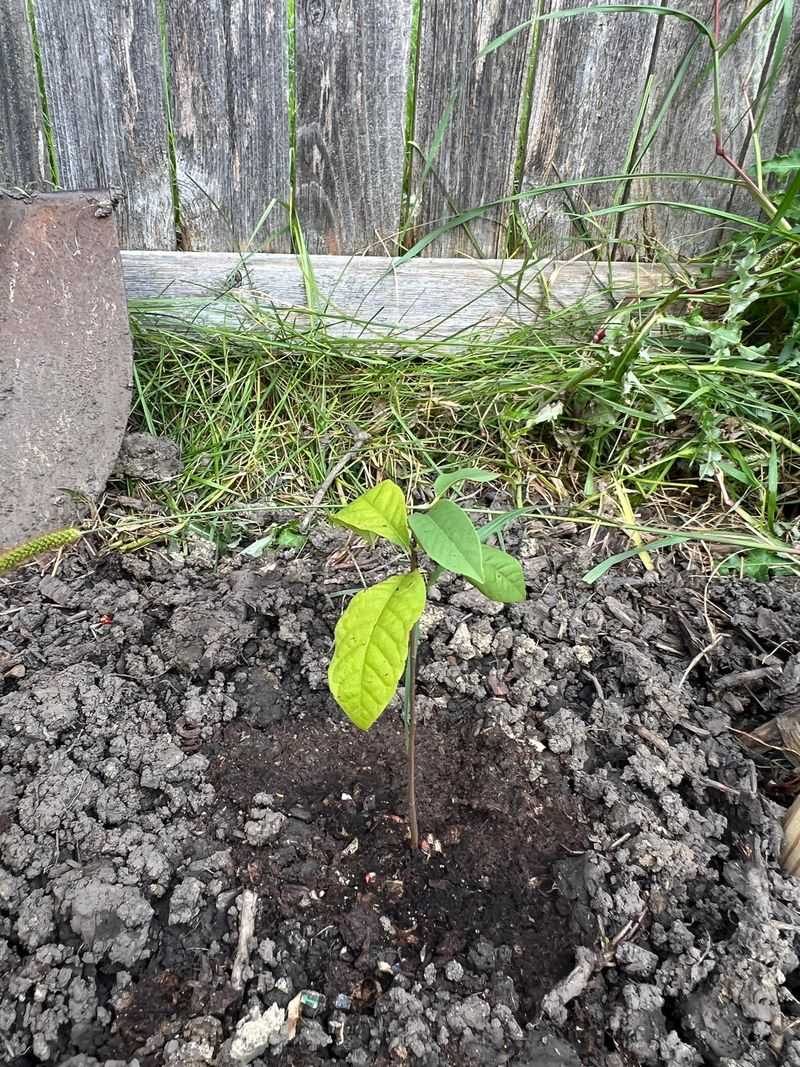
Getting a pawpaw sapling settled into a new yard takes a bit of patience in the first season or two. Young trees naturally grow as understory plants in the wild, spending their earliest years beneath the canopy of taller trees where light is filtered and indirect.
When you plant a bare-root or container-grown sapling in a sunny open yard, that sudden full sun exposure can stress the young plant before its root system is established.
Providing light shade for the first growing season or two can help a young pawpaw transition more comfortably into its new home.
A simple shade cloth, a nearby taller plant, or even a temporary lattice structure on the south side can reduce stress without completely blocking light.
Once the tree develops a stronger root system and begins putting on noticeable height, it becomes far more tolerant of open conditions and can gradually handle more direct sun.
This early care requirement surprises some Pennsylvania gardeners who expect a native tree to be completely hands-off from day one.
Thinking of it more like helping a woodland plant adjust to a new setting makes the process feel less like babysitting and more like thoughtful planting.
Investing a little attention during establishment pays off considerably once the tree matures and begins producing fruit in subsequent years across your Pennsylvania landscape.
4. Sun Helps Mature Trees Fruit Better
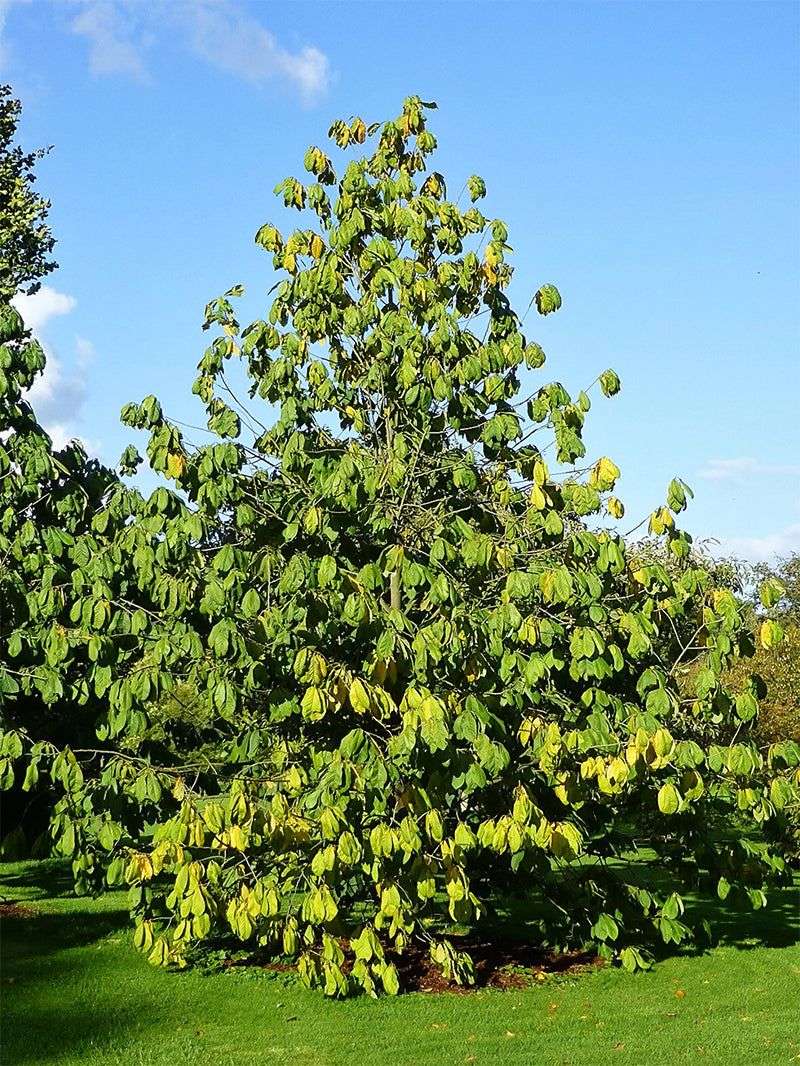
Once a pawpaw tree moves past its young, establishing years, sunlight becomes one of the most important factors for consistent fruit production.
Mature pawpaw trees growing in dense shade may stay healthy and put on decent foliage, but fruit set tends to be noticeably lighter than on trees receiving a good portion of direct daily sun.
Choosing a planting site with this in mind from the start saves a lot of guesswork later.
In Pennsylvania, a location that receives at least six hours of direct sunlight during the growing season gives a mature pawpaw a solid foundation for fruiting.
South-facing slopes, open yard clearings, and spots along the sunny edge of a tree line all tend to work well.
Even a few extra hours of afternoon sun compared to a shadier alternative spot can make a meaningful difference in how much fruit a mature tree sets in a given season.
Some gardeners plant pawpaw along the edge of an existing tree canopy where the tree gets morning shade during its early years but gradually receives more light as it grows taller and pushes above lower-canopy competition.
That kind of transitional site can work nicely in many Pennsylvania yards.
Thinking about long-term sun access when selecting a planting spot, rather than just current conditions, gives a maturing pawpaw the best opportunity to reward you with a genuine harvest each late summer.
5. More Than One Tree Improves Harvests
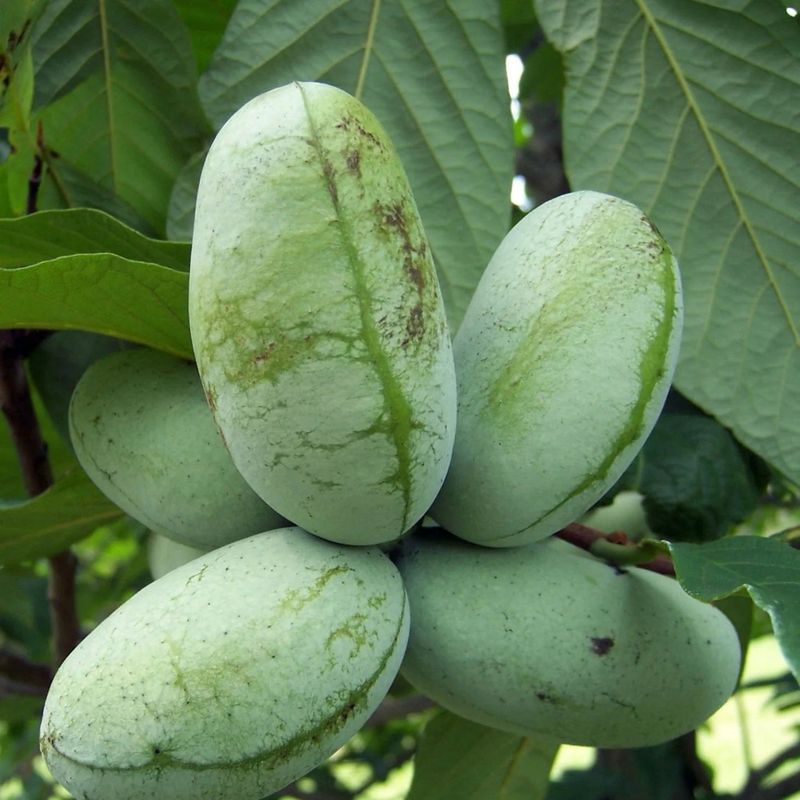
Planting a single pawpaw tree and then wondering why it rarely produces fruit is one of the most common disappointments Pennsylvania gardeners encounter with this species.
Pawpaw flowers are not reliably self-fertile, meaning a single tree may bloom but set little or no fruit without pollen from a genetically different tree nearby.
This cross-pollination requirement is one of the most important things to understand before you plant.
The good news is that meeting this need does not require a large yard. Two trees planted within reasonable proximity, generally within 50 to 60 feet of each other, give native pollinators a practical chance to transfer pollen between blooms.
The key detail is that the two trees should be genetically different, meaning they should come from different named cultivars or different seedling sources rather than being divisions or suckers from the same parent plant.
Gardeners with smaller yards sometimes wonder whether a neighbor’s tree counts toward pollination. It can, depending on distance and pollinator activity, but relying on that alone introduces uncertainty.
Having your own two trees on site gives you more control and more confidence at bloom time. Some gardeners even plant three trees to further improve the odds of good fruit set in years when weather is unpredictable during the short bloom window.
A small grove of two or three pawpaws also creates a lovely naturalized corner in any Pennsylvania edible landscape.
6. Moist Well-Drained Soil Works Best
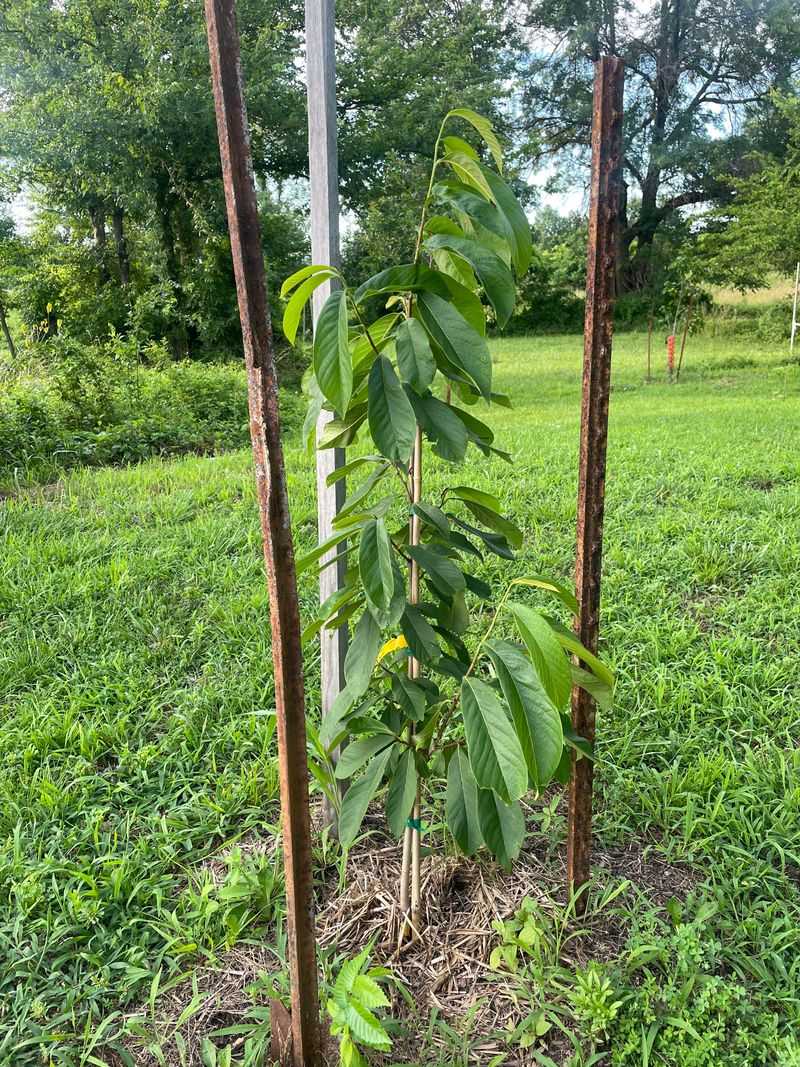
Bottomland forests and stream banks are the natural home of wild pawpaw in Pennsylvania, and that habitat tells you a great deal about the soil conditions this tree genuinely prefers.
Pawpaw thrives in deep, fertile, moist soil that drains well enough to prevent standing water around the roots.
That combination, moisture without waterlogging, is the sweet spot that supports healthy growth and eventual fruit production.
Poorly drained clay soils that hold standing water for extended periods after heavy rain tend to cause problems for pawpaw roots over time.
On the other end of the spectrum, very dry sandy soils that shed water quickly can stress the tree during hot summers, especially in the first few years after planting.
Most average Pennsylvania garden soils fall somewhere in the middle and can support pawpaw reasonably well with a few thoughtful adjustments.
Adding a few inches of organic mulch around the base of the tree, keeping it a few inches back from the trunk itself, helps retain soil moisture and moderate soil temperature through summer heat.
Incorporating compost into the planting hole and surrounding area when you first plant also improves soil structure over time.
Slightly acidic to neutral soil pH, roughly in the range of 5.5 to 7.0, tends to suit pawpaw well, which aligns comfortably with the natural pH range found across many Pennsylvania woodland and garden soils.
7. Pawpaw Needs Less Fuss Than Many Orchard Fruits
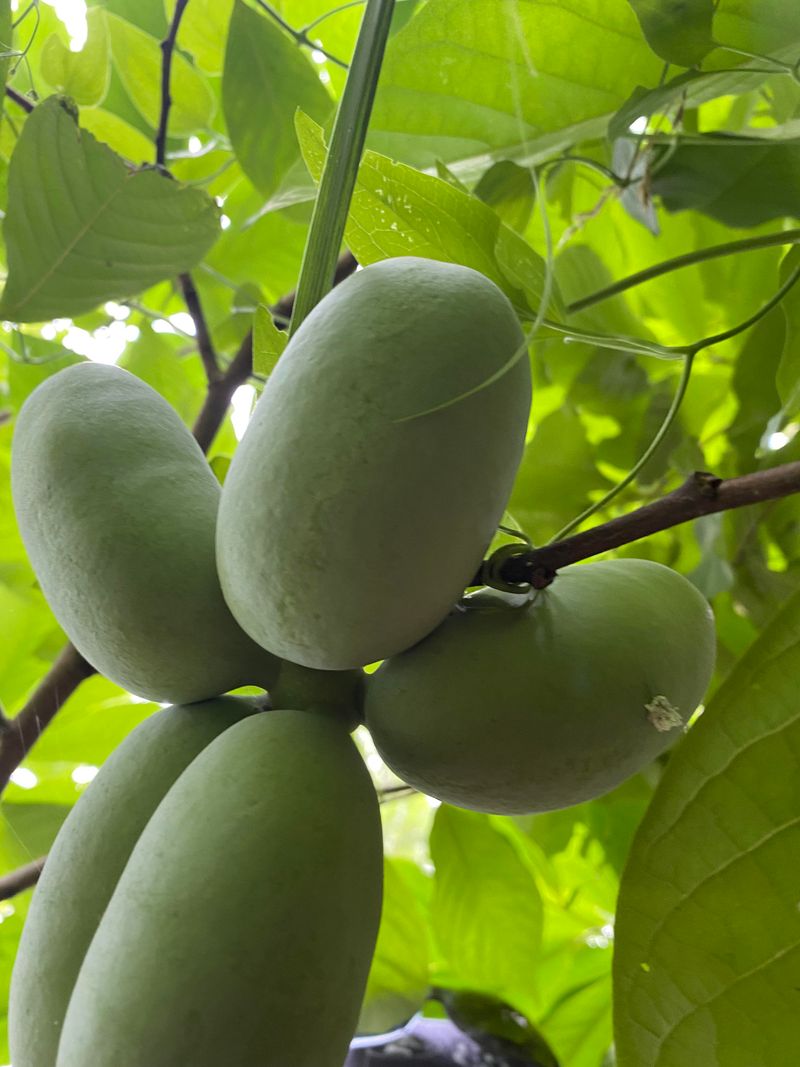
Compared to apples, peaches, or cherries, pawpaw stands out in the backyard orchard for a somewhat refreshing reason: it tends to face far fewer serious pest and disease pressures in Pennsylvania.
The tree contains natural compounds in its leaves, bark, and unripe fruit that appear to discourage many common insect pests and browsing animals.
Deer, which can be a significant challenge for fruit growers across Pennsylvania, generally tend to avoid pawpaw foliage.
Fungal diseases and insect pests that require regular spray programs on conventional orchard fruits are much less of a recurring issue with pawpaw in most Pennsylvania home garden situations.
That does not mean problems are impossible, but many gardeners report going seasons without needing any spray intervention at all once their trees are established and healthy.
For someone who wants homegrown fruit without committing to a complex spray calendar, that relative low maintenance is genuinely appealing.
Framing pawpaw as low-fuss rather than completely effortless keeps expectations realistic. Good site selection, thoughtful planting, adequate moisture, and proper cross-pollination setup still matter and influence results meaningfully.
But when those basics are in place, a mature pawpaw in a Pennsylvania yard often asks for considerably less ongoing intervention than a comparable apple or peach tree.
For gardeners who want to spend more time enjoying their yard and less time managing it, that tradeoff is worth serious consideration.
8. Ripe Fruit Has A Short Picking Window
Late summer in Pennsylvania brings one of the most fleeting pleasures in the home orchard: the pawpaw harvest.
Fruit typically ripens from late August through early October depending on the specific variety, local microclimate, and the weather patterns of a given season.
Unlike apples that can hang on the tree for weeks, ripe pawpaw fruit is delicate and moves quickly from perfectly ripe to overripe.
Knowing when to pick takes a little practice. A ripe pawpaw softens noticeably to gentle pressure, much like a ripe peach or avocado, and may develop a faint sweet fragrance.
Fruit that falls naturally from the tree is often at or past peak ripeness and should be used within a day or two. Gently checking fruit by hand every few days during harvest season helps catch the window before it closes.
Once picked, pawpaw fruit keeps for only a few days at room temperature. Refrigeration can extend that window slightly, but even chilled fruit is best enjoyed within about a week.
Freezing the pulp after removing the seeds is a practical way to preserve a larger harvest for smoothies, baked goods, and frozen desserts through the winter months.
For gardeners who enjoy the seasonal rhythm of homegrown food, the short but sweet pawpaw harvest becomes one of the most anticipated moments in the late-summer garden calendar.