What No One Tells You About Gardening In Florida Until You Move Here
Moving to Florida feels like winning the garden lottery. Sunshine every day, warm temperatures year-round, and lush greenery everywhere you look.
You picture yourself harvesting tomatoes in February, growing citrus in the backyard, and never worrying about a frost again.
Then June arrives.
The heat becomes something physical, the afternoon storms arrive like clockwork, and the tomatoes you planted with such optimism start dropping their blossoms without setting a single fruit.
Nobody warned you about this part.
Florida gardening is genuinely rewarding, but it follows rules that no northern gardening book ever mentions.
The planting calendar runs backwards from what you are used to. The soil behaves like it has somewhere else to be. The pests never take a winter break.
What works perfectly in Ohio, Michigan, or New York can completely flop here, and most newcomers discover that the hard way after a few expensive and bewildering seasons.
The good news is that once you understand how Florida actually works, it becomes one of the most exciting places on earth to grow things.
1. Summer Changes The Planting Rules
Up north, summer is prime gardening season.
You plant in May, harvest in August, and feel like a genius. Move to Florida and try that same approach, and your garden will humble you fast.
Summer here is brutal in ways that many newcomers simply do not expect.
Florida summers run from roughly June through September, and they bring a combination of scorching heat, relentless humidity, and daily afternoon thunderstorms.
Air temperatures regularly push past 90 degrees Fahrenheit, and soil surface temperatures can hit 130 degrees or more.
Most warm-season vegetables like tomatoes, peppers, and squash will stop setting fruit when nighttime temperatures stay above 75 degrees Fahrenheit, which is almost every night from June through August.
The best vegetable planting windows for most of Florida are actually spring, which runs from February through April, and fall, which runs from August through October.
Summer is a time to rest your vegetable beds, plant heat-tolerant cover crops like cowpeas, or focus on tropical plants that actually thrive in the heat.
Ornamental plants like caladiums, pentas, portulaca, and gaillardia love Florida summers.
Herbs like basil can handle the heat but need consistent moisture.
The key mindset shift is treating summer like a northern winter. Plan around it, not through it.
Florida summers are not the enemy once you stop fighting them.
2. Rain Still Leaves Roots Thirsty
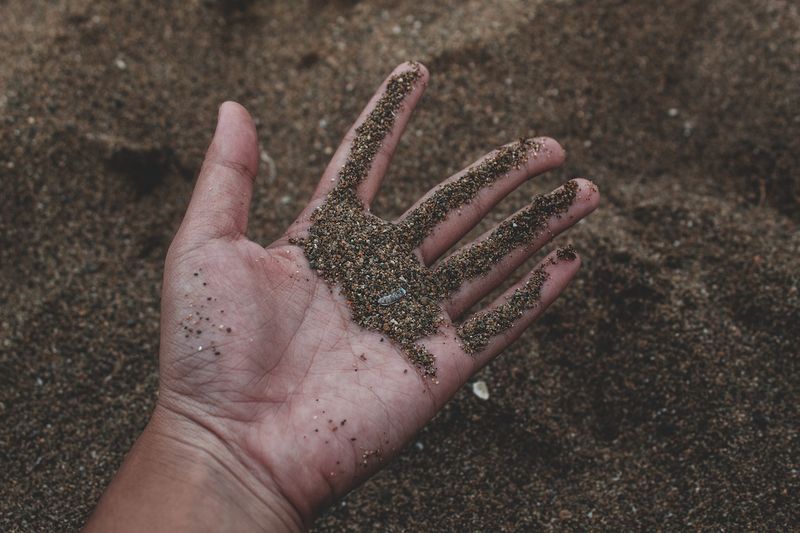
One of the most confusing moments in a new Florida gardener’s life goes something like this.
It poured rain for 45 minutes, the street looks like a river, and yet when you check your garden bed the next morning, the soil feels bone dry two inches below the surface.
Welcome to the strange hydrology of Florida gardening.
Florida’s sandy soils drain incredibly fast.
That afternoon downpour can soak right through the root zone within hours, leaving plants just as thirsty as before the storm.
Rainfall alone is not a reliable substitute for irrigation in Florida landscapes. You need to actually check soil moisture at the root level, not just look at the surface.
Your Florida Garden Changes Every Week. Your Plan Should Too.
Gardening in Florida changes quickly throughout the season. Every Friday you’ll receive a simple weekly plan showing exactly what to plant, prune, fertilize, harvest, and protect so you never miss the right timing.
The best method is simple.
Stick your finger or a wooden dowel about two to three inches into the soil near your plant’s root zone. If it comes out dry or barely damp, your plants still need water regardless of how much it rained.
A soil moisture meter is an affordable and helpful tool for new Florida gardeners who want a more accurate read.
Overwatering is also a real risk here.
Roots sitting in waterlogged sandy soil can develop fungal problems quickly. The goal is consistent moisture at the root zone, not surface saturation.
Learning to read your soil rather than the sky is one of the most valuable habits you can build in your first Florida gardening season.
3. Sandy Soil Needs Constant Attention
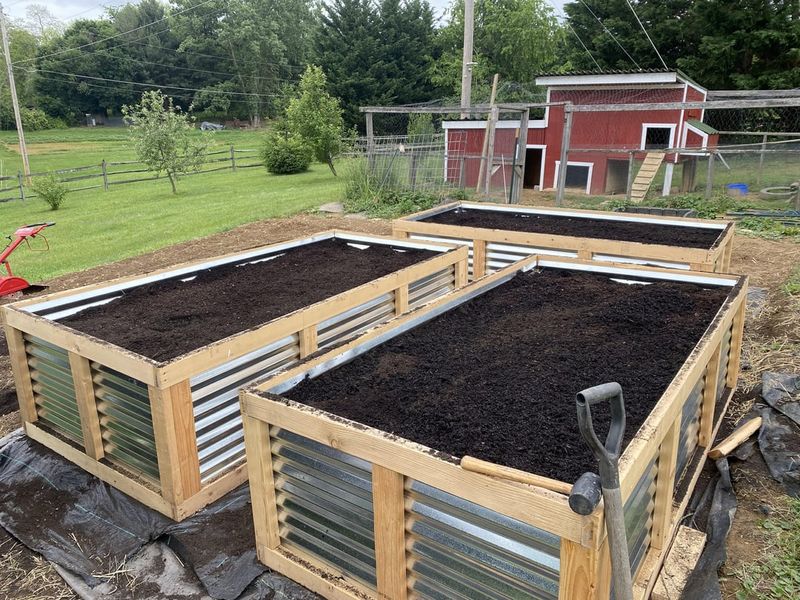
Many people moving from northern states are used to rich, dark topsoil that holds nutrients and moisture like a sponge.
Florida’s native soil is almost the opposite.
Much of the state sits on deep beds of sand that drain fast, hold almost no nutrients, and require consistent improvement to grow anything beyond native plants and weeds.
The technical term for what happens in sandy soil is leaching.
When water moves quickly through sand, it carries nutrients along with it, pulling them down past the root zone before plants can absorb them.
This means that even if you fertilize regularly, much of that fertilizer washes away before it does any good. Slow-release fertilizers help significantly here, as they deliver nutrients gradually rather than all at once.
Building organic matter into your soil is the long game.
Compost, aged manure, worm castings, and leaf mulch all help sandy soil retain more moisture and nutrients over time. Work two to three inches of compost into your beds each season and you will notice a real difference within a year or two.
Soil testing is also worth doing at least once when you start out.
The University of Florida offers affordable soil testing through its extension labs. The results tell you your soil’s pH, nutrient levels, and what amendments you actually need.
Florida soils can be acidic or alkaline depending on your location, and planting in the wrong pH range is a surprisingly common reason that otherwise healthy-looking plants just never thrive.
4. Mulch Becomes A Summer Tool
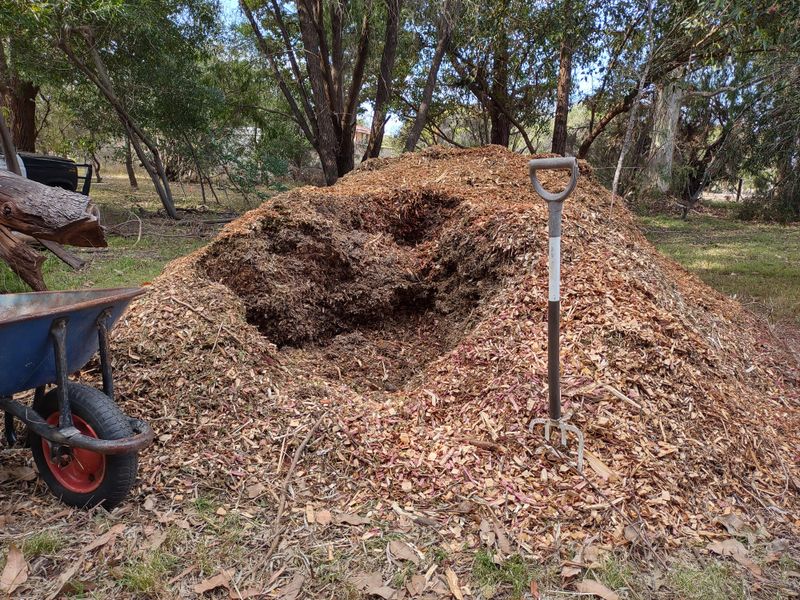
Back in cooler climates, mulch is mostly a cosmetic choice.
It makes garden beds look tidy and maybe cuts down on weeding a little. In Florida, mulch is practically a survival strategy, especially during those long, punishing summer months when the heat and humidity test every plant you own.
A two to three inch layer of organic mulch does several critical jobs at once. It reduces soil surface temperature significantly, which protects shallow roots from heat stress.
It slows evaporation so your soil stays moist longer between waterings. It also suppresses weeds that would otherwise compete aggressively with your plants for water and nutrients.
Keep mulch two to three inches deep but pull it back slightly from the base of plant stems to prevent fungal rot, which is a real issue in Florida’s humid conditions.
Pine bark, eucalyptus mulch, and pine needle mulch are all popular and effective choices in Florida.
Avoid dyed mulches, as some can contain chemicals that are not ideal near edible plants.
Mulch also breaks down faster in Florida than in cooler states because the heat and moisture accelerate decomposition.
Plan to replenish your mulch two or even three times per year. That decomposing mulch is actually a bonus because it slowly adds organic matter to your sandy soil as it breaks down.
Mulch is your garden’s sunscreen, its moisture lock, and its weed barrier all rolled into one simple, affordable material.
It really does that much work.
5. Pests Arrive Faster Than Expected
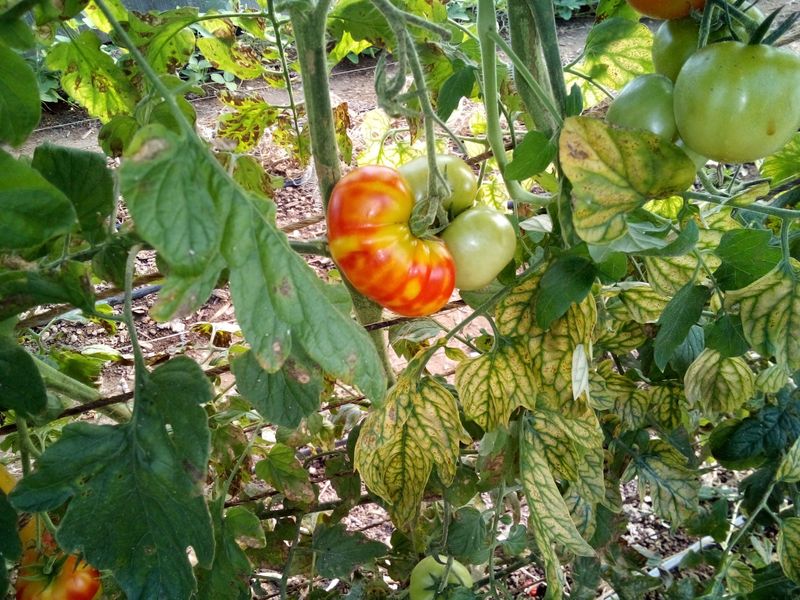
Plant something new in a Florida garden and it can feel like you sent out invitations.
Within days, sometimes hours, something is already chewing on the leaves. Florida’s warm, humid climate means pests are active year-round, and there is almost no true dormant season to give your plants a break from insect pressure.
The biggest mistake new Florida gardeners make is waiting until damage is severe before taking action.
By that point, a small pest problem has already become a big one.
Scouting your garden at least twice a week is strongly recommended. Check the tops and undersides of leaves, look at new tender growth, and inspect stems near the soil line.
Tender new growth is almost always the first target.
Common Florida garden pests include aphids, whiteflies, caterpillars, spider mites, thrips, and the notorious tomato hornworm.
Many of these can be managed with targeted organic treatments like neem oil, insecticidal soap, or Bacillus thuringiensis, commonly called Bt, which is highly effective against caterpillars without harming beneficial insects.
Beneficial insects do exist in Florida and are worth protecting.
Lacewings, ladybugs, parasitic wasps, and ground beetles all help keep pest populations in check naturally.
Avoid broad-spectrum pesticide sprays that wipe out your allies along with the pests.
A healthy Florida garden is one where you scout often, respond quickly, and build a balanced ecosystem rather than trying to sterilize every inch of soil.
Patience and observation are genuinely your best tools here.
6. Containers Heat Up Quickly
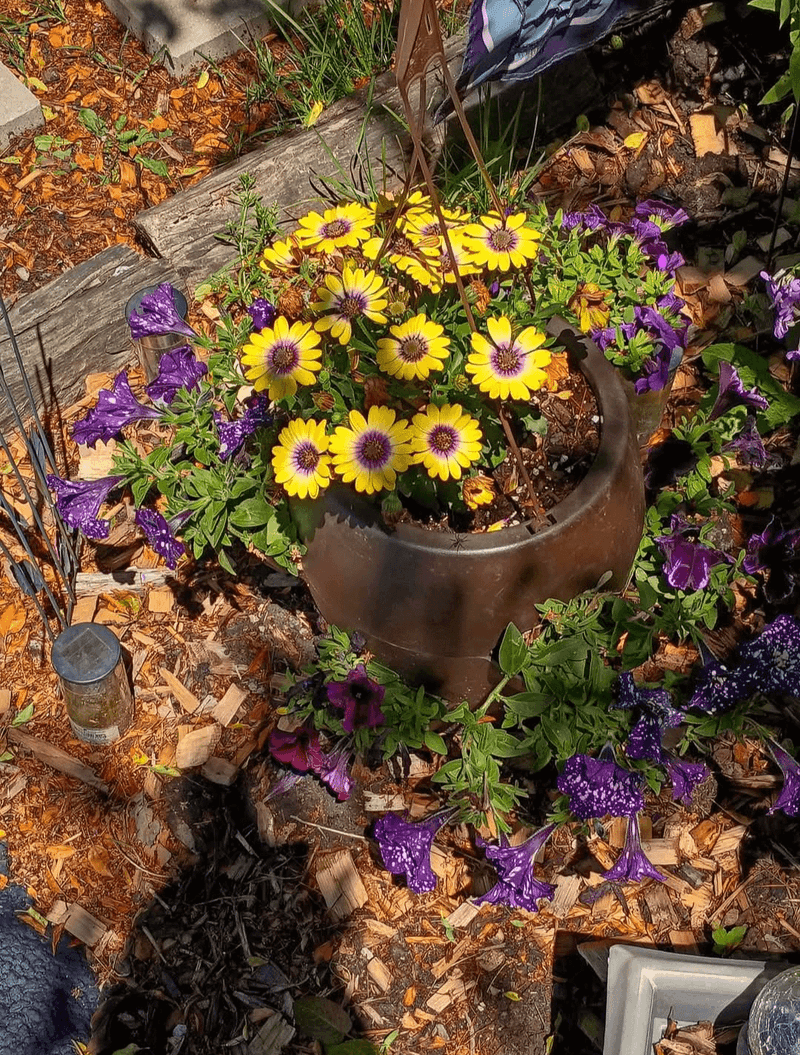
Container gardening seems like the perfect solution for Florida’s challenging native soil.
And it can be, but only if you understand one critical fact that most people learn the hard way their first summer.
Containers in Florida can turn into tiny ovens, especially dark-colored plastic pots sitting on concrete or pavers in direct sun.
Soil temperature inside a dark container in full Florida summer sun can easily exceed 100 degrees Fahrenheit.
Most vegetable and herb roots struggle to function properly above 85 degrees Fahrenheit.
At extreme temperatures, roots stop absorbing water and nutrients efficiently, which causes wilting, leaf scorch, and stressed plants even when the soil feels moist.
Choosing light-colored containers to reflect heat makes a real difference.
Using larger pot sizes helps too, since bigger volumes of soil stay cooler longer. Elevating containers off hot pavement allows air circulation underneath.
Grouping containers together also helps because the plants shade each other’s pots and create a slightly cooler microclimate.
Watering frequency in Florida containers during summer can be surprisingly high.
Some small pots in full sun may need watering once or even twice daily in peak summer. Self-watering containers with built-in reservoirs are a smart investment that reduces this burden considerably.
Pot placement matters more than most people realize.
Moving containers to a spot that gets morning sun but afternoon shade can be the difference between a thriving herb garden and a struggling one.
Florida container gardening rewards flexibility and a willingness to move things around until you find what works.
7. Shade Can Matter More Than Space
Most gardening advice tells you to find the sunniest spot in your yard.
In most parts of the country, that is solid advice. In Florida, especially from April through October, full sun all day long is not a gift.
For many vegetables and herbs, it is more of a punishment.
The critical distinction in Florida is between morning sun and afternoon sun.
Morning sun is gentle, warm, and productive. Afternoon sun from about 1 p.m. to 5 p.m. is intense, scorching, and often combined with high humidity and heat radiating off pavement.
Many vegetables that technically prefer full sun will actually perform better in Florida with morning sun and some afternoon protection.
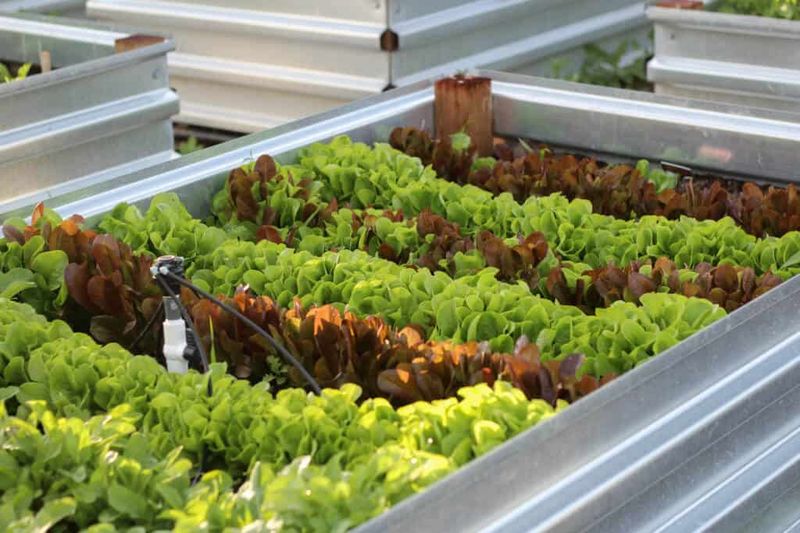
Tomatoes, peppers, lettuce, spinach, and most herbs benefit from afternoon shade during Florida’s warmer months.
Shade cloth rated at 30 to 40 percent is a popular and affordable solution for raised beds and container gardens that cannot be easily relocated.
Observing how sun moves across your yard at different times of day before deciding where to plant is one of the most valuable things a new Florida gardener can do.
Trees, fences, and tall shrubs can all provide valuable afternoon shade.
Learning to work with your yard’s natural shade patterns rather than against them is a real advantage.
A spot that seems less than ideal in the morning might actually be your best vegetable garden location once you see where the afternoon shadow falls.
Shade in Florida is not a limitation. In the right season and the right situation, it is one of your most valuable gardening resources.
8. The Best Season May Surprise You
Ask most people outside of Florida what the best gardening season is and they will say summer without hesitation.
That answer makes perfect sense everywhere else. Here, it is almost exactly backwards.
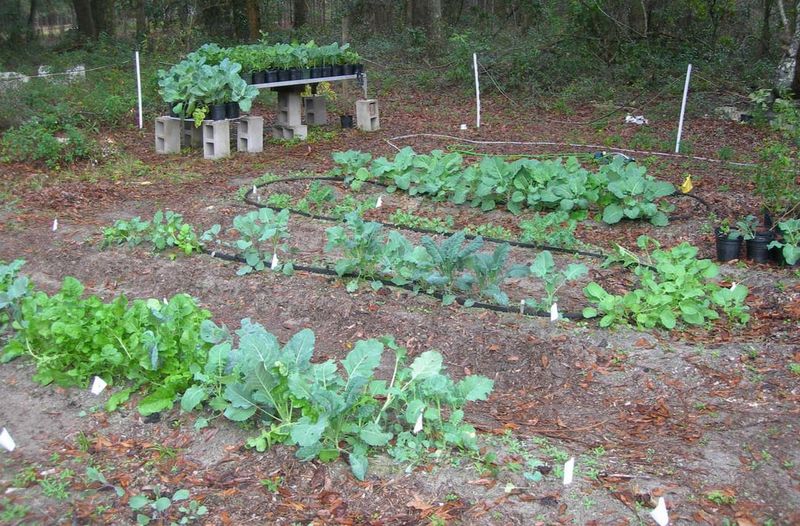
Florida’s most productive and enjoyable gardening season is fall through spring, and many experienced Florida gardeners consider winter their absolute favorite time to be in the garden.
Fall planting typically begins in August and September in South Florida and September through October in Central and North Florida.
Temperatures start to drop just enough to make growing conditions comfortable for a wide range of vegetables. Tomatoes, peppers, beans, cucumbers, squash, and herbs all thrive in Florida’s fall season.
The pest pressure also tends to ease up as temperatures cool down.
Winter in Florida is genuinely remarkable for gardeners.
Daytime temperatures in the 60s and 70s Fahrenheit are ideal for cool-season crops like kale, broccoli, cabbage, carrots, beets, spinach, and lettuce.
These are crops that struggle or bolt quickly in northern summers but grow beautifully in Florida’s mild winter conditions.
Frost is possible in North and Central Florida, so keeping row covers on hand is smart, but most winters are manageable.
Spring extends the growing season nicely before summer heat takes over.
February through April is another strong window for warm-season vegetables.
The University of Florida publishes a detailed Florida vegetable gardening guide with planting calendars broken down by region.
That guide is one of the most useful free resources available to new Florida gardeners and is genuinely worth bookmarking on your first day here.