This Native Florida Ficus Alternative Is Replacing Hedges That Keep Getting Banned
Florida hedge plants have been disappearing from the approved list faster than most homeowners can keep up. Species that lined driveways and property borders for decades are now restricted or banned as their invasive spread became impossible to ignore.
The scramble for alternatives has sent a lot of gardeners toward options that look good at the nursery and create the same problems down the road. One native Florida shrub has been quietly earning attention as a replacement that actually holds up.
It grows dense, responds well to shaping, and handles Florida’s climate without drama. It stays where it is planted without threatening the ecosystem next door.
The hedges that keep getting banned were popular for a reason. This native delivers on those same practical qualities.
No invasive spread, no fine print, no letter from the county telling you it has to come out.
1. Florida Privet Gives Ficus Hedge Structure Without The Ficus Baggage
A homeowner who has spent years wrestling with an overgrown ficus hedge knows the frustration well. Roots push under pavers, branches thicken faster than expected, and pruning becomes a seasonal battle.
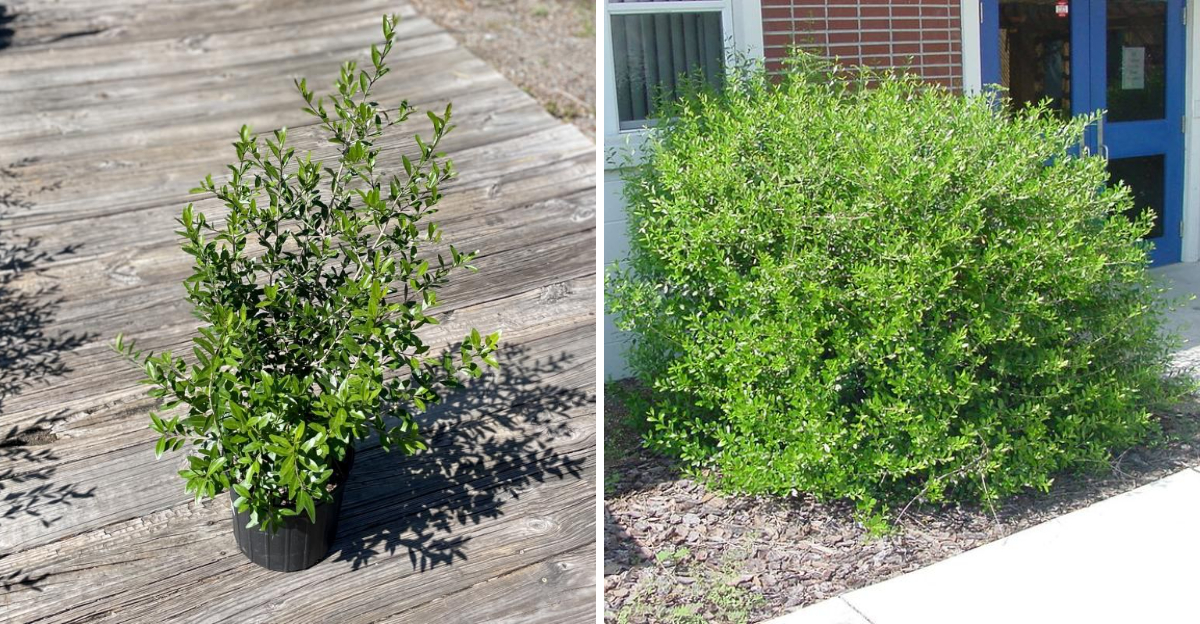
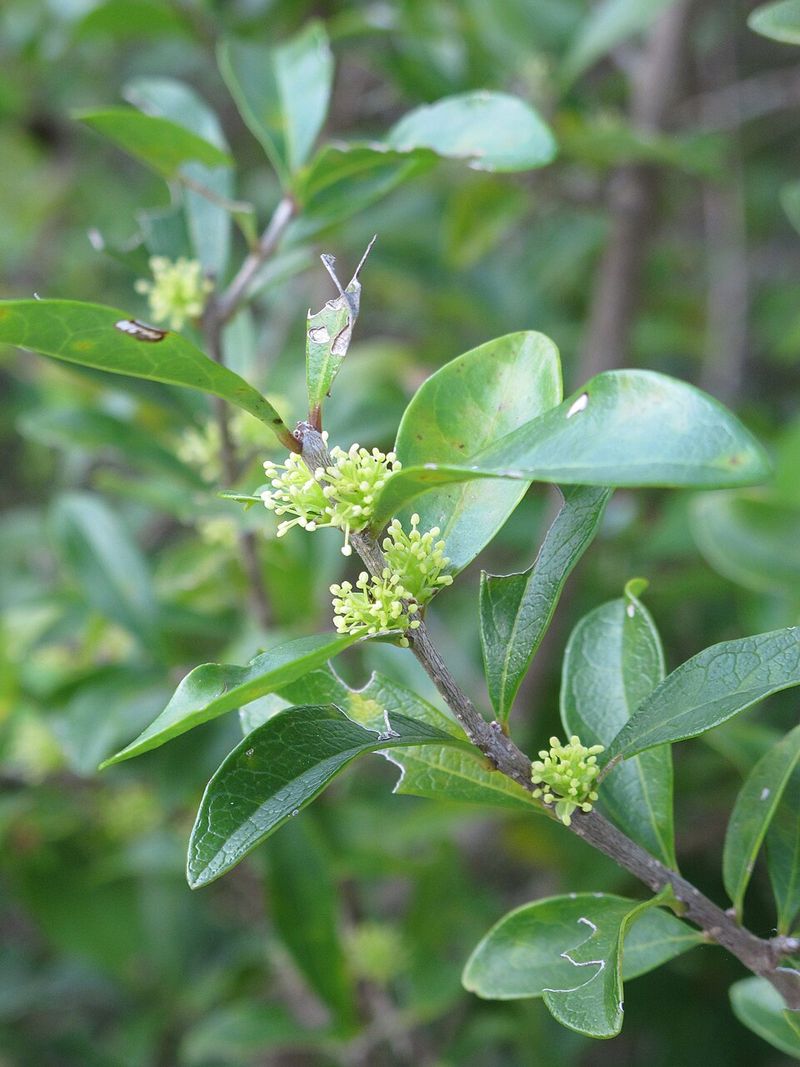
Florida privet, Forestiera segregata, offers a different path.
This native shrub or small tree grows with a fine-textured, small-leaved canopy that responds well to shaping. According to UF/IFAS, it is native to coastal and southern regions of the state and can reach roughly six to fifteen feet depending on conditions and pruning.
That range gives homeowners flexibility when planning a privacy screen along a fence or property line.
It will not behave exactly like a clipped ficus wall. The growth habit is naturally softer and more open without consistent shaping.
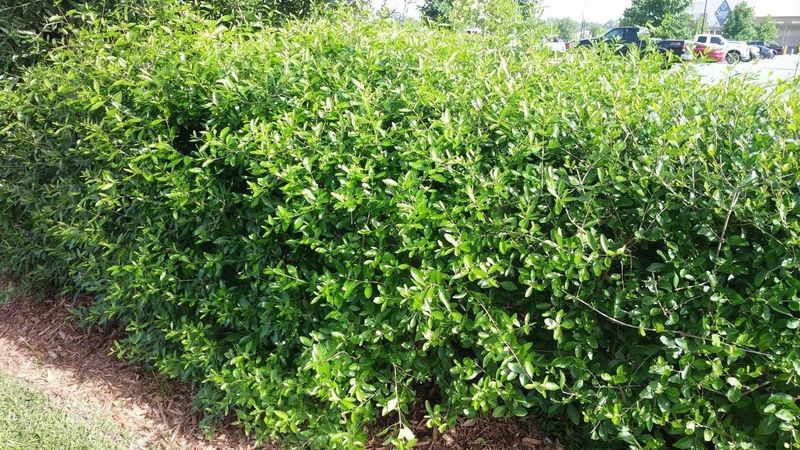
Spacing plants three to five feet apart and pruning regularly helps create a tighter, more traditional hedge look. Sandy soil, full sun to part shade, and good drainage suit it well.
What makes it appealing is not just what it does, but what it avoids. No aggressive surface roots cracking hardscape.
No non-native status raising flags in native-plant-focused communities. For homeowners ready to move on from ficus baggage, this native option deserves a serious look.
2. A Native Screen Can Still Look Clean Along Property Lines
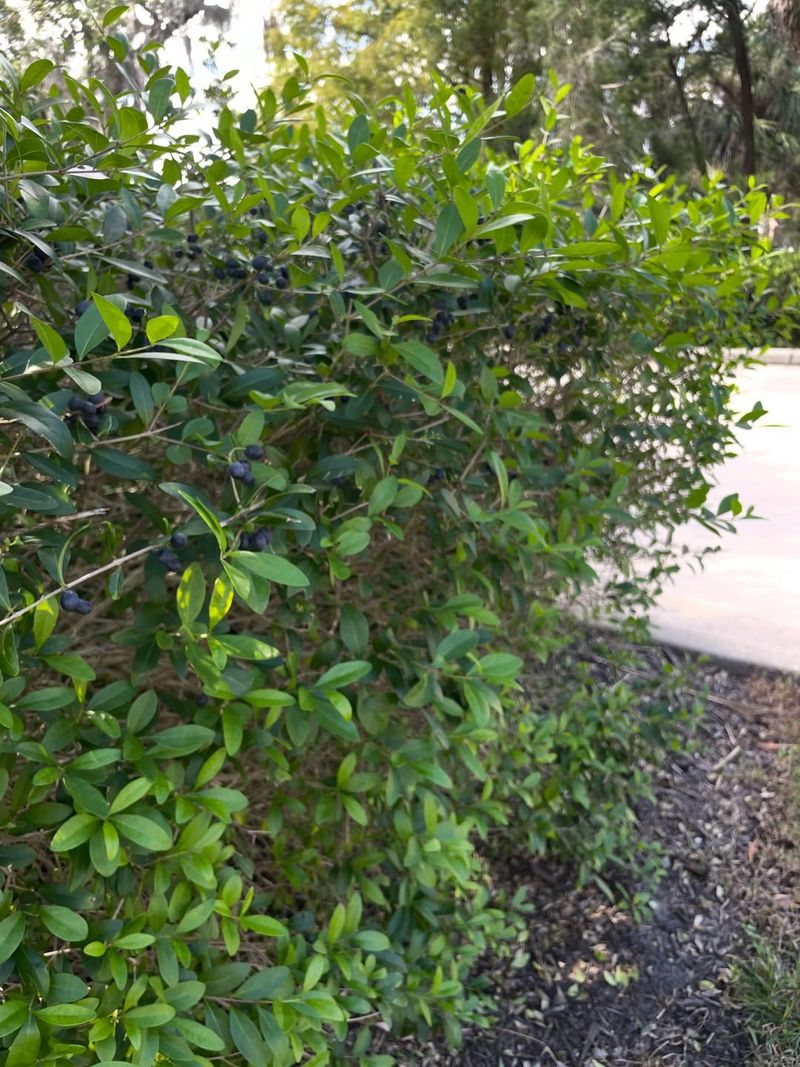
One of the biggest hesitations homeowners have about switching to a native hedge is the fear it will look messy. Naturalistic plantings can look intentional in some yards, but along a property line shared with a neighbor or visible from the street, a polished appearance matters.
Florida privet can deliver that cleaner look when planted with purpose. Repetition is key.
Using consistent spacing and keeping a straight planting line help the hedge read as deliberate. Clean mulch edging along the base keeps it from looking like a random row of shrubs.
Side yards, pool screens, driveway borders, and back fences are all practical spots where this native screen can replace a struggling ficus row.
The small leaves and moderate density give it a traditional hedge character without the coarseness of some larger native plants.
Your Florida Garden Changes Every Week. Your Plan Should Too.
Gardening in Florida changes quickly throughout the season. Every Friday you’ll receive a simple weekly plan showing exactly what to plant, prune, fertilize, harvest, and protect so you never miss the right timing.
Consistent pruning is still required. A native hedge does not maintain itself, and skipping trims will let the natural open form return quickly.
Some HOAs or community landscape rules may also require prior approval before replacing an existing hedge, so checking those documents first saves trouble later. A clean native screen is absolutely achievable here with the right planning and follow-through.
3. Small Leaves Help This Hedge Feel Tight And Traditional
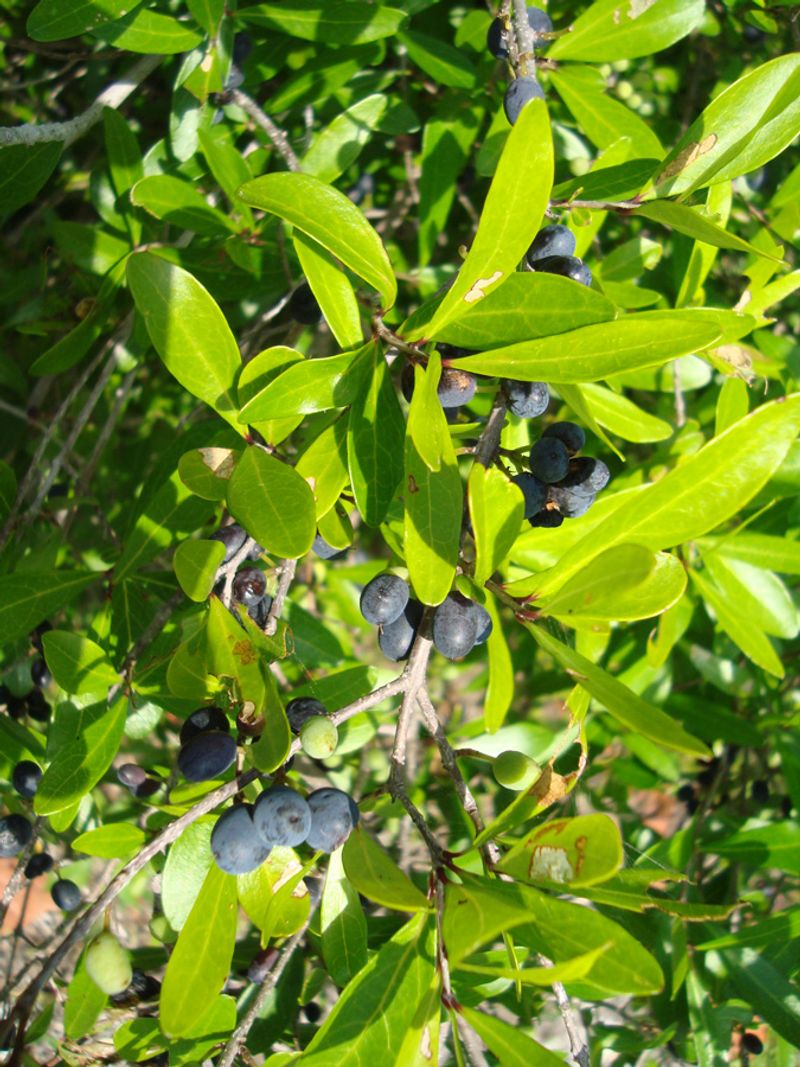
Leaf size matters more than most homeowners realize when choosing a hedge plant. Coarse, large-leaved shrubs can look bold and dramatic, but they rarely read as a traditional, tightly clipped privacy screen.
Florida privet works differently.
Its small, elliptical leaves create a fine texture that feels closer to a classic hedge than many native alternatives. When branches are dense and spacing is consistent, the overall wall of foliage can look surprisingly neat and intentional.
Branch density also plays a role. Younger plants pruned early tend to branch more freely, filling in gaps faster and creating a tighter screen over time.
Spacing plants closer together, around three feet on center, helps speed up that visual density. Light pruning several times a year keeps new growth compact and prevents the natural open form from taking over.
Without regular shaping, the hedge will lean toward its wilder character, which suits some yards but may not satisfy curb-appeal or HOA expectations.
It is worth being honest: Florida privet will likely never look exactly like a razor-sharp ficus wall. The texture is softer and the form more organic.
Homeowners who accept that natural quality and work with it rather than against it tend to get the most satisfying results from this native screen.
4. Birds Get More Value From It Than A Clipped Ficus Wall
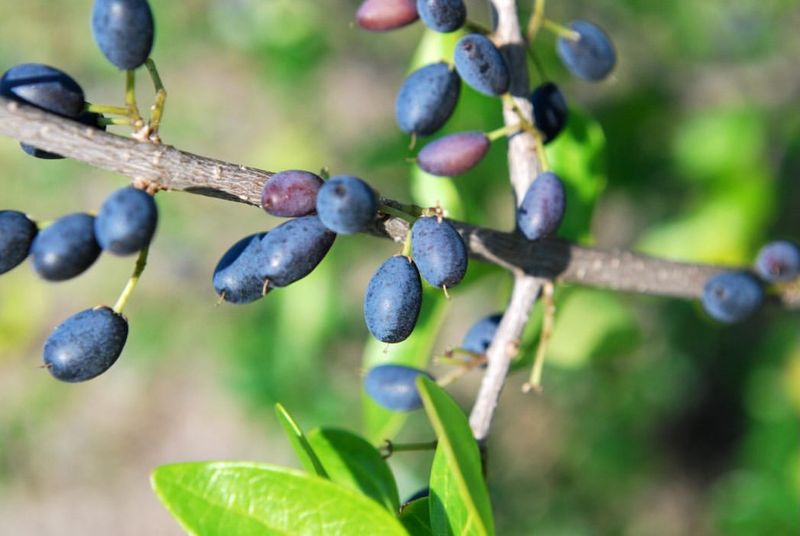
Picture a mockingbird darting through a hedge row on a warm morning. A tightly clipped ficus wall might offer a perch, but Florida privet can offer something more.
According to UF/IFAS and the Native Plant Society, Forestiera segregata produces small dark fruits that attract birds. That makes it genuinely useful for wildlife-friendly yards.
The flowers, which appear in late winter to early spring, provide early-season resources before many other plants have bloomed. That timing matters in native habitat corridors where food sources can be limited in late winter.
Cover value is also real. A dense native hedge gives small birds places to nest, shelter, and move through the landscape with less exposure.
A clipped ficus hedge can provide visual privacy and some shelter, but it does not offer the same native ecological function. Non-native plants rarely support the food webs that native insects, birds, and wildlife depend on in the same way native plants do.
One important tradeoff: heavy shearing removes flowers and fruit. A hedge pruned hard multiple times per year may produce less fruit than one allowed to grow more naturally.
Pesticide use nearby also reduces the insect activity that supports birds. Balancing a tidy hedge with some wildlife function takes thoughtful timing.
5. Coastal Yards Can Use It Where Ficus Feels Too Aggressive
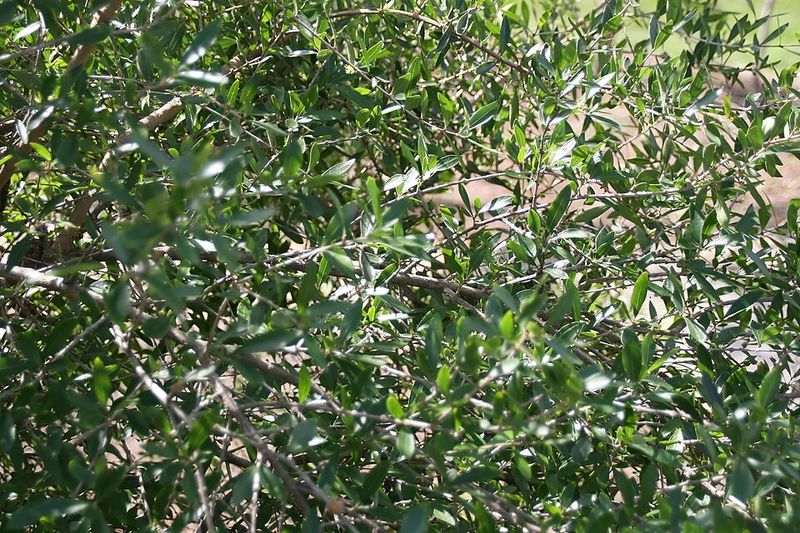
Salt air, sandy soil, and relentless heat create a tough environment that not every hedge plant handles gracefully. Ficus species used as hedges in warm-region landscapes can grow large and vigorous.
That feels useful until roots compete with hardscape or the canopy outgrows a narrow coastal lot.
Florida privet has a reputation for tolerating coastal conditions reasonably well. UF/IFAS notes that Forestiera segregata can handle salt spray and sandy, well-drained soils.
That makes it practical for coastal and southern-region yards where many other options fail. Its moderate mature size also fits better in tighter coastal lots than some larger hedge species.
That said, regional suitability still matters. Homeowners in colder inland or northern regions of the state should confirm that Florida privet is well-suited to their specific site before planting.
It is best adapted to warm coastal and southern areas, and performance may vary in colder microclimates or heavier soils.
Wind exposure is another factor worth considering. Coastal yards often deal with strong seasonal winds.
A well-rooted native shrub established in sandy soil can hold up better than a large, top-heavy ficus hedge during storm season. Proper site prep and good drainage at planting make a real difference in long-term success.
6. Good Spacing Keeps The Hedge From Swallowing The Walkway
A narrow walkway swallowed by overgrowth is one of the most common complaints homeowners have after planting a hedge too close to a path, door, or driveway.
Even a well-chosen native shrub becomes a problem when it is placed without thinking about its mature spread.
Florida privet can reach six to fifteen feet in height and a similar spread at maturity, depending on site conditions and pruning frequency. That is a meaningful footprint.
Planting it within two feet of a sidewalk, AC unit, utility box, or foundation creates maintenance headaches that get worse every season.
Plan for the mature hedge, not the small nursery pot. A good rule of thumb is to allow at least three to four feet of clearance from any hard surface, utility, or structure.
For a formal hedge row along a property line, space plants three to five feet apart. That gives roots room to establish without crowding access paths or neighboring plants.
Sight lines at driveway exits and corners also deserve attention. A hedge that blocks the view of pedestrian traffic creates a safety concern that no amount of native appeal can fix.
Mapping out mature width and height on paper before purchasing plants is a simple step that prevents most spacing mistakes. Good planning at the start saves significant work later.
7. Light Pruning Makes Florida Privet Look Intentional
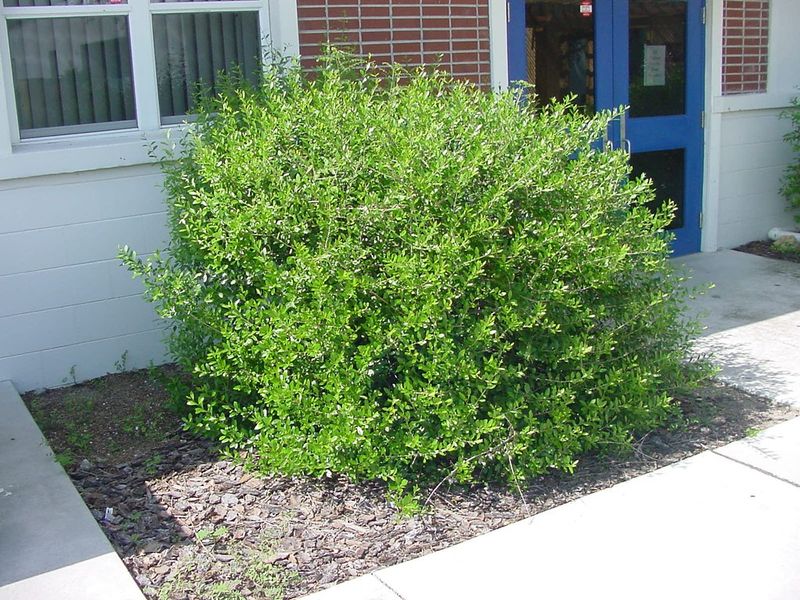
There is a real difference between a shrub that looks forgotten and one that looks tended. Florida privet leans toward a naturally open, arching form when left alone.
Regular light pruning is what separates a polished native screen from a row of shrubs that looks like it wandered in from a vacant lot.
Harsh mechanical shearing can work against the plant’s strengths. Heavy cuts remove the flowering and fruiting wood that gives this hedge its wildlife value, and repeated hard shearing can stress the plant over time.
A better approach is light, frequent shaping with hand pruners or hedge shears. Remove awkward outward-reaching branches and keep the base slightly wider than the top.
Timing matters if wildlife value is a priority. Pruning after the late-winter flowering period and before summer growth flushes gives the plant a chance to set fruit before being shaped again.
Two or three light pruning sessions per year are usually enough to maintain a tidy profile without sacrificing the plant’s natural strengths.
Keeping the base clean with fresh mulch and removing withered wood from the interior also helps the hedge look cared for rather than neglected. The goal is a tidy native screen with real structure, not a forced imitation of a clipped ficus wall.
Working with the plant’s natural form produces a more honest, lasting result.
8. This Swap Works Best Where A Native Hedge Still Needs Polish
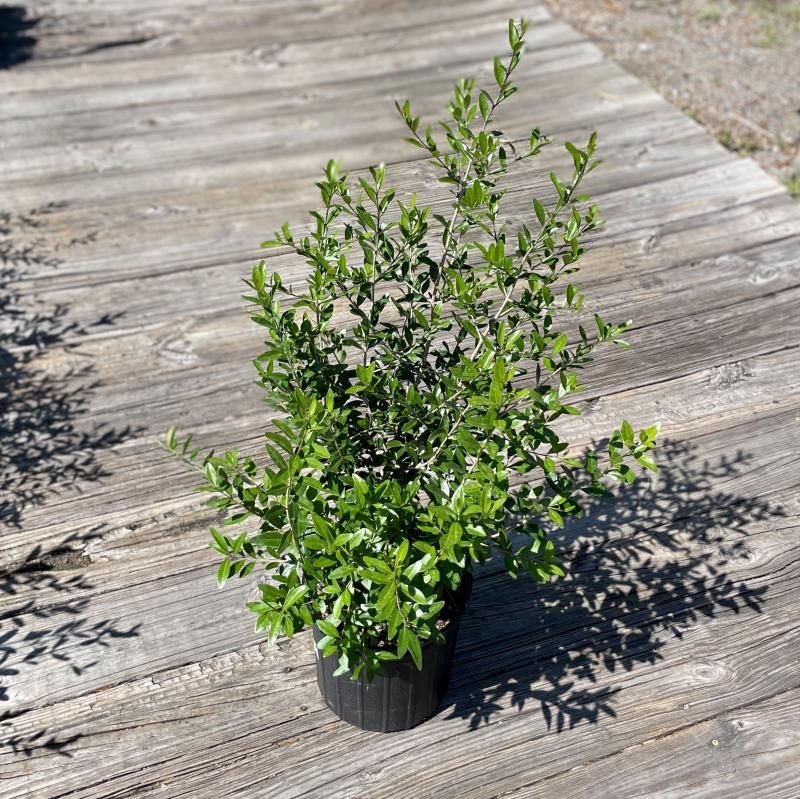
Replacing a ficus hedge is not a decision to make on impulse. A shovel, a new plant, and good intentions are not enough on their own.
The best swap happens when the site, the plant, and the homeowner’s expectations are all aligned before the first plant goes in the ground.
Florida privet suits homeowners who want privacy, a cleaner native screen, and some wildlife value without giving up a structured, property-line look. It works well in warm coastal and southern-region yards with sandy, well-drained soil and full to partial sun.
Narrow side yards, pool borders, and back fence lines are often ideal spots.
It is not the right answer for every situation. Very narrow planting strips, heavily shaded spots, or HOA plans with a specific approved plant list may call for a different solution.
So may sites where a tall dense wall is needed quickly. Nursery availability for Florida privet can vary by region.
Checking with a local native plant nursery before committing to a planting plan is a practical first step.
Local ordinances, HOA documents, and community landscape standards should all be reviewed before removing an existing hedge. A replacement that looks great but violates a community rule creates new problems.
When the site is right, the expectations are honest, and the planning is solid, Florida privet can be a genuinely satisfying native upgrade.