4 Florida Plants That Earn Their Place And 4 That Are Not Worth The Trouble
Shopping for plants at a Florida garden center can feel exciting and a little overwhelming at the same time.
The shelves are packed with colorful options, and every single one of them looks perfectly healthy and promising sitting there in its nursery pot.
But not every plant that looks great in a container will thrive in your yard, behave itself in the neighborhood, or do right by the ecosystem it is about to enter.
Some plants will reward you for years with beauty, wildlife benefits, and low maintenance. Others will spread into natural areas, crowd out native species, and create problems that are genuinely hard to undo.
Florida has a unique climate, rich native ecosystems, and very specific guidance from experts who have spent decades studying what works here and what causes lasting harm.
The choices you make at the nursery today shape your yard and your local environment for years to come.
Before you load up your cart, knowing which plants are worth your hard-earned money and which ones deserve a pass can save you time, frustration, and a whole lot of regret.
Here are four plants that are genuinely worth buying, and four that deserve a serious second thought before they come home with you.
Firebush Brings Wildlife Color
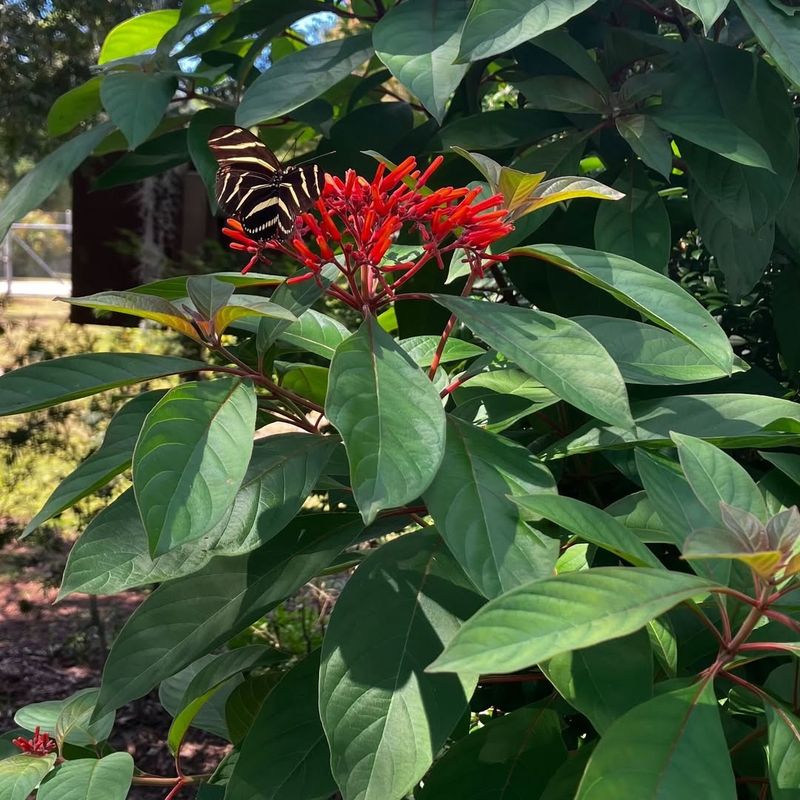
Some plants just show up and steal the whole show. Firebush, known scientifically as Hamelia patens, is exactly that kind of plant.
Native to Florida and much of the southeastern United States, it produces clusters of brilliant red-orange tubular flowers almost year-round in South Florida and through the warm months in Central and North Florida.
Hummingbirds, butterflies, and native bees absolutely flock to firebush.
The flowers are perfectly shaped for long-billed hummingbirds, and the small dark berries that follow attract songbirds too. If building a yard full of wildlife activity sounds appealing, firebush is one of the easiest ways to get there fast.
Both UF IFAS Extension and the Florida-Friendly Landscaping program recognize firebush as an excellent native choice for Florida gardens.
It handles heat, humidity, and even brief dry spells without much complaint. Plant it in full sun to partial shade, give it room to grow since it can reach six to fifteen feet depending on location, and watch it take off.
One thing worth knowing: make sure you are buying the true native species and not a dwarf cultivar bred for smaller size.
Some compact versions produce fewer flowers and less wildlife value. Ask your nursery specifically for Hamelia patens native form.
Spending money on this plant is genuinely one of the smartest moves a Florida gardener can make for color, wildlife, and long-term landscape payoff.
Coontie Earns Its Keep With Tough Structure
Not every great plant needs a flashy flower to earn its place in the yard.
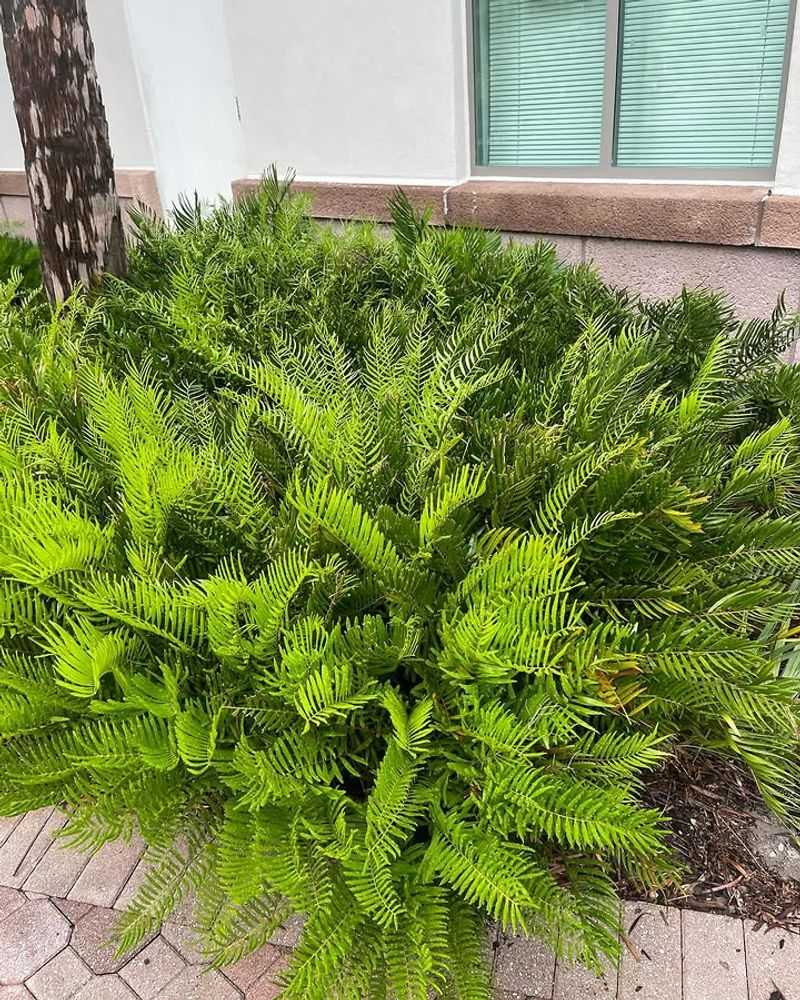
Coontie, or Zamia integrifolia, is Florida’s only native cycad, and it has been growing here long before Florida was even a state.
It looks like a small, tidy palm with dark green, glossy fronds, and it brings a sense of structure and permanence to any landscape design.
Your Florida Garden Changes Every Week. Your Plan Should Too.
Gardening in Florida changes quickly throughout the season. Every Friday you’ll receive a simple weekly plan showing exactly what to plant, prune, fertilize, harvest, and protect so you never miss the right timing.
What makes coontie truly worth the investment is its toughness.
Once established, it handles drought, salt spray, sandy soil, and even light shade without skipping a beat. Maintenance needs are almost laughably low. No special fertilizing, no constant watering, no fussing.
Beyond looks, coontie is the sole larval host plant for the Atala butterfly, a striking native butterfly that was once nearly wiped out in Florida.
Planting coontie directly supports Atala butterfly populations, which is a meaningful conservation contribution right from your own backyard.
UF IFAS Extension recommends coontie for Florida-Friendly landscapes because it checks every important box: native, low-maintenance, drought-tolerant, and ecologically valuable.
It works beautifully as a foundation planting, a border plant, or a mass planting under trees.
Prices at nurseries can run a bit higher than common shrubs, but coontie earns every penny.
A plant this tough and this beneficial rarely needs replacing, making it one of the best long-term landscape investments available to Florida homeowners.
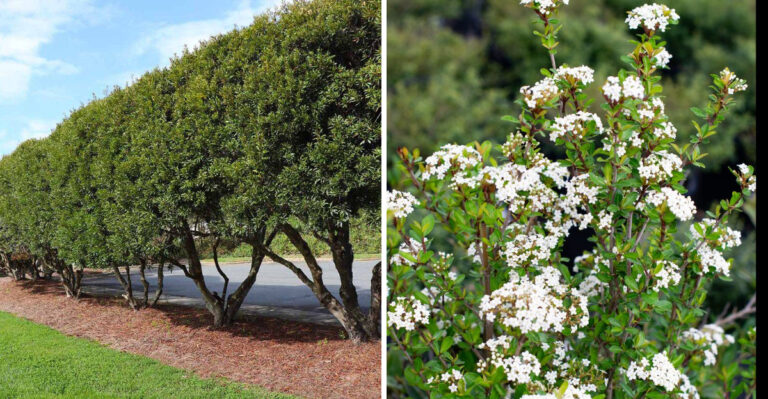
Simpson’s Stopper Makes Privacy Feel Native
Privacy screening in Florida is a real challenge.
You need plants that stay evergreen, grow dense enough to block the view, handle heat and occasional drought, and look attractive all year long.
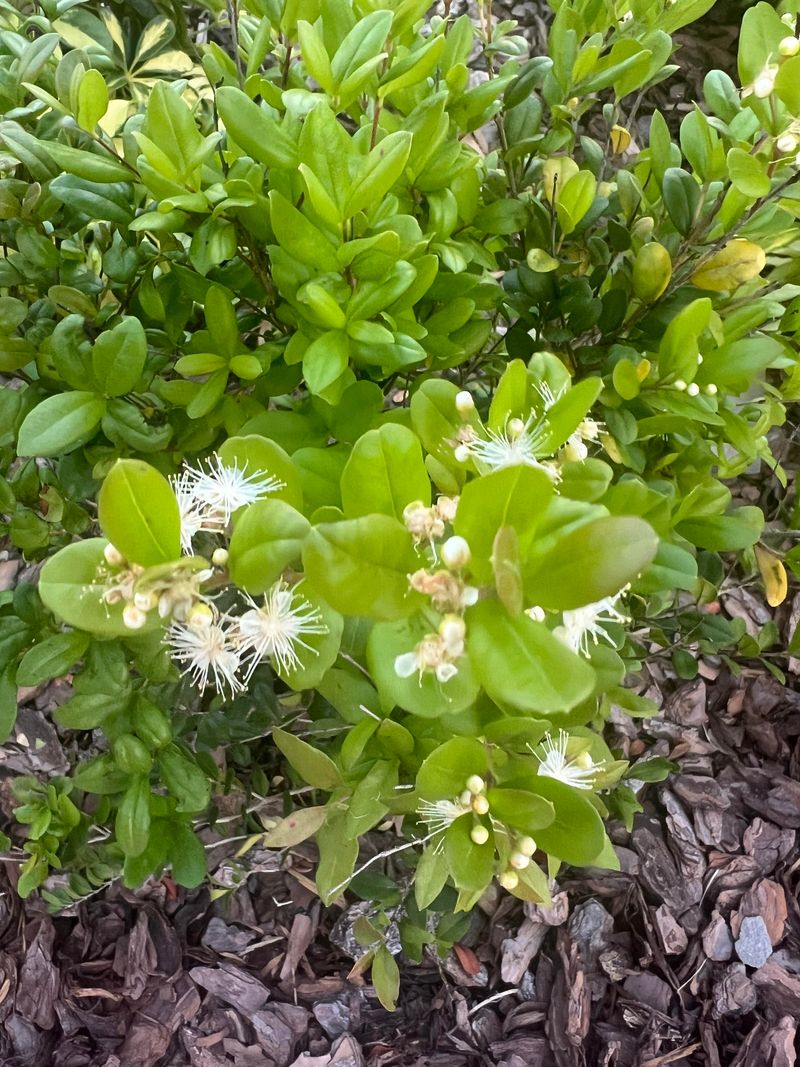
Simpson’s Stopper, or Myrcianthes fragrans, does all of that and then some.
This native Florida shrub produces masses of small, fragrant white flowers that smell faintly like cinnamon.
After flowering, it sets clusters of bright red to orange berries that birds find irresistible. So while you are getting your privacy hedge, local wildlife is getting a buffet. That is a genuinely satisfying trade-off.
Growth habit is naturally dense and upright, which makes it ideal for screening without needing constant shaping.
It can be trimmed into a formal hedge or left to grow in a more relaxed, natural form. Either way, it maintains a tidy, attractive look with minimal effort.
UF IFAS Extension lists Simpson’s Stopper as a recommended Florida-Friendly plant, and it appears on multiple native plant society lists across the state.
It is slower-growing than some exotic screening plants, so buying larger specimens upfront is worth the extra cost if you want faster results.
Patience pays off here because once established, this plant delivers reliable, beautiful screening for decades.
For anyone serious about a native, wildlife-friendly, low-maintenance privacy solution, Simpson’s Stopper is a purchase you will not regret.
Muhly Grass Delivers Fall Texture
There is a moment every fall in Florida when muhly grass does something almost magical.
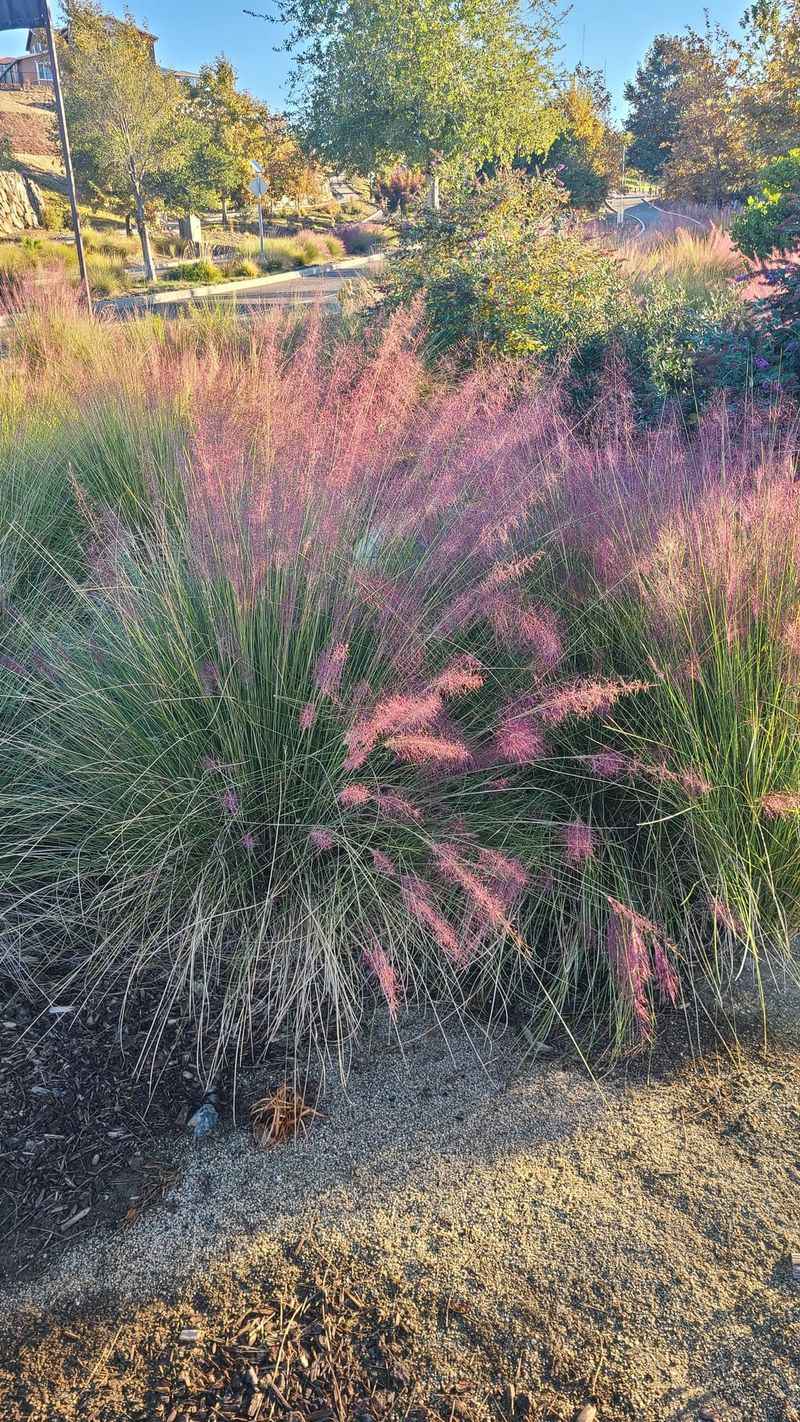
The whole plant erupts into a cloud of soft, airy pink-purple plumes that catch the light and sway in the breeze in a way that makes people slow down and stare.
If you have ever driven past a yard full of it in October, you know exactly what that looks like.
Muhly grass, or Muhlenbergia capillaris, is a Florida native bunch grass that brings outstanding ornamental texture to landscapes where flat shrubs and groundcovers can start to feel monotonous.
It grows in neat clumps reaching two to three feet tall with plumes shooting up another foot or more during bloom season. The effect is dramatic without being high-maintenance.
Outside of fall bloom season, muhly grass stays green and tidy, requiring very little water once established.
It thrives in full sun, handles sandy Florida soils well, and is extremely drought-tolerant. Deer tend to leave it alone, which is a bonus for yards near natural areas.
The Florida-Friendly Landscaping program highlights muhly grass as an excellent choice for adding visual interest, reducing water use, and supporting native wildlife.
Plant it in masses for the biggest impact, or use it as a border accent.
Either way, the investment pays off beautifully every single fall. For texture, movement, and a true Florida-native feel, muhly grass belongs in almost every yard in the state.
Mexican Petunia Needs A Hard Second Look
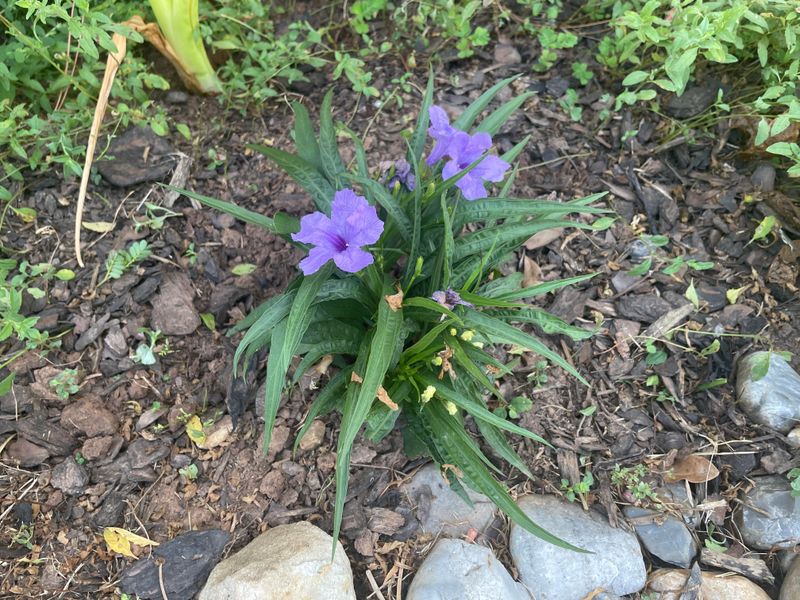
Purple flowers, easy growth, and almost zero maintenance sound like everything a Florida gardener could want.
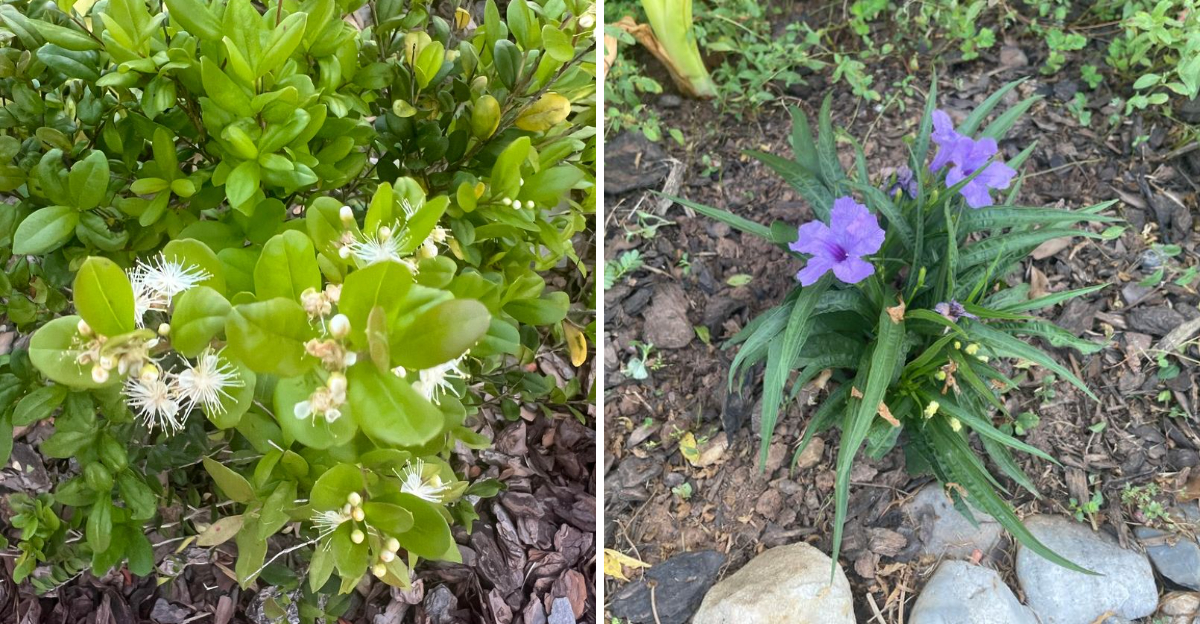
Mexican petunia, or Ruellia simplex, delivers all of that and one very serious problem: it spreads aggressively into wetlands, roadsides, and natural areas, crowding out native plants that wildlife depends on.
The Florida Exotic Pest Plant Council lists standard Mexican petunia as a Category I invasive plant.
That is the highest concern level, meaning it is already documented as disrupting native plant communities across the state.
Seeds pop out of the seed capsules explosively and travel by water, which makes wetland spread especially problematic and very hard to control once it starts.
Here is where it gets a little complicated.
UF IFAS Extension has evaluated a sterile cultivar called Purple Showers and determined it poses significantly lower invasive risk because it produces very little viable seed.
If you genuinely love the look of Mexican petunia, Purple Showers is the only version worth considering, and only in contained landscape areas away from natural waterways.
Even with an approved cultivar, placement matters enormously.
Avoid planting near drainage areas, retention ponds, or any edge connecting to natural areas. The standard species should be avoided entirely in Florida landscapes, full stop.
There are plenty of beautiful native alternatives that give you color without the ecological baggage.
Spending money on a plant that causes documented harm to Florida’s natural areas is a purchase that rarely feels worth it once you understand the full picture.
Coral Ardisia Spreads Beyond The Shade Bed
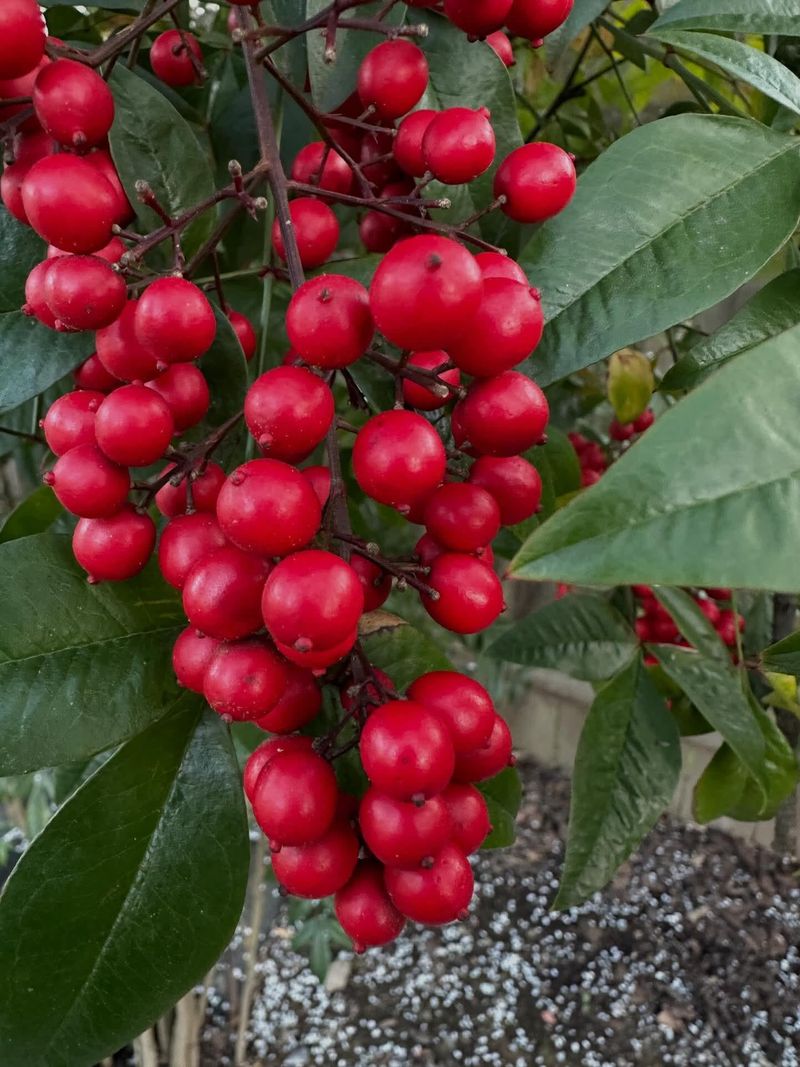
Bright red berries clustered beneath dark, waxy green leaves look undeniably pretty in a shaded garden corner.
Coral ardisia, or Ardisia crenata, has been sold in Florida nurseries for decades based entirely on that ornamental appeal.
The problem is that birds eat those berries enthusiastically and drop seeds into natural areas, where the plant spreads into forest understories and outcompetes native vegetation.
The Florida Exotic Pest Plant Council classifies coral ardisia as a Category I invasive plant.
Walk through almost any shaded natural area in Central or North Florida and you will likely spot it growing where it absolutely should not be. Once established in a natural area, removal is extremely labor-intensive and rarely complete on the first attempt.
Homeowners sometimes argue that their single plant in a contained bed could not possibly cause harm.
The reality is that birds do not follow property lines.
A single fruiting coral ardisia can send seeds dozens of yards beyond your yard into neighboring woodlands, parks, or conservation lands. The spread risk is real regardless of how carefully you manage your own bed.
Florida-Friendly Landscaping guidance and UF IFAS Extension both advise against planting coral ardisia in Florida.
Better alternatives for shaded spots include native beautyberry, Callicarpa americana, which produces stunning purple berries and supports wildlife without invasive risk.
Spending money on coral ardisia is essentially paying for a future problem. Choosing a native alternative instead is a much smarter, more responsible use of your plant budget in any Florida yard.
Heavenly Bamboo Depends On The Cultivar
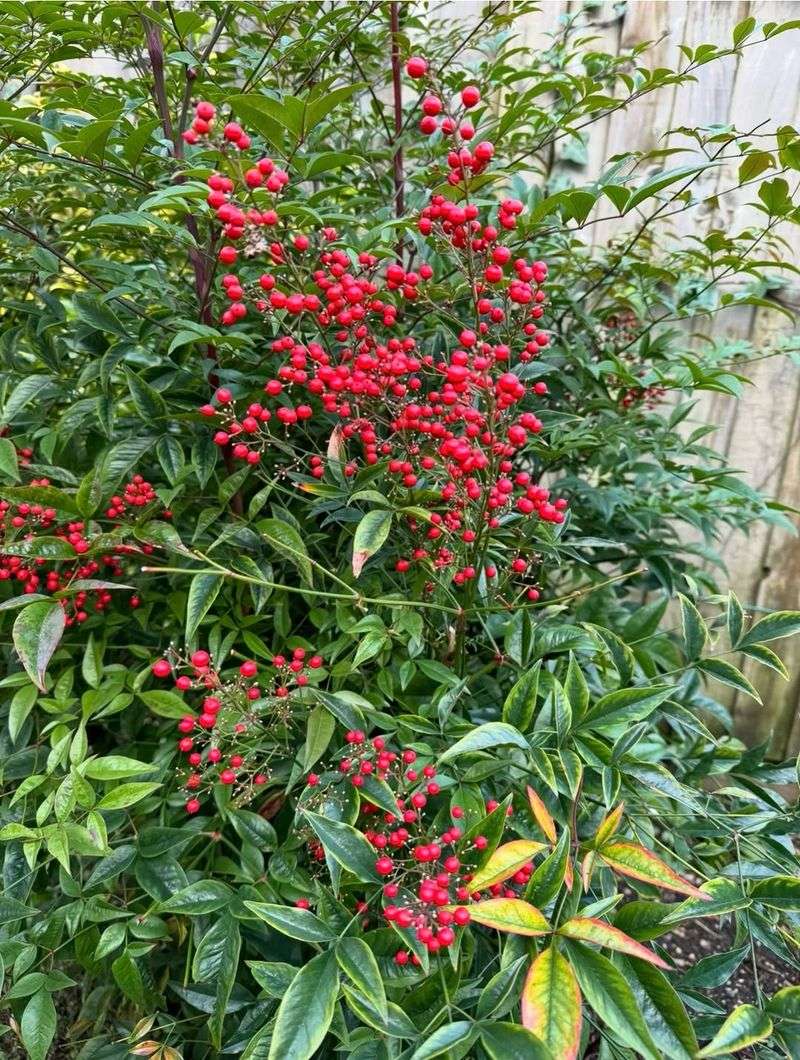
The name sounds serene and the plant looks elegant with its feathery foliage and bright red berry clusters.
Heavenly bamboo, or Nandina domestica, has been a staple of Southern landscaping for generations.
In Florida, though, it carries concerns serious enough that you should stop and think carefully before buying any form of it.
Standard Nandina domestica produces large clusters of red berries that contain cyanogenic compounds.
Research has documented cases of cedar waxwings and other native birds becoming severely ill after consuming large quantities of the berries.
Beyond that wildlife concern, standard forms can spread into natural areas in parts of Florida, earning a spot on invasive plant watch lists in several southeastern states.
Here is the nuance: not all nandina cultivars behave the same way.
Some modern cultivars have been bred to produce significantly fewer or no berries, which reduces both the wildlife toxicity risk and the spread risk considerably.
UF IFAS Extension guidance suggests that if you want to keep existing nandina, removing berry clusters before birds can access them is one harm-reduction strategy.
Before buying any nandina at a Florida nursery, ask specifically which cultivar it is and whether it is a low-berry or no-berry type.
Do not assume the unlabeled plant on the shelf is a safer variety.
Better yet, consider native alternatives like Walter’s viburnum or beautyberry for similar visual structure with zero invasive or wildlife concerns.
Your plant budget goes further when the plant you choose works with Florida’s ecosystem rather than against it.
Invasive Lantana Types Cause Real Trouble
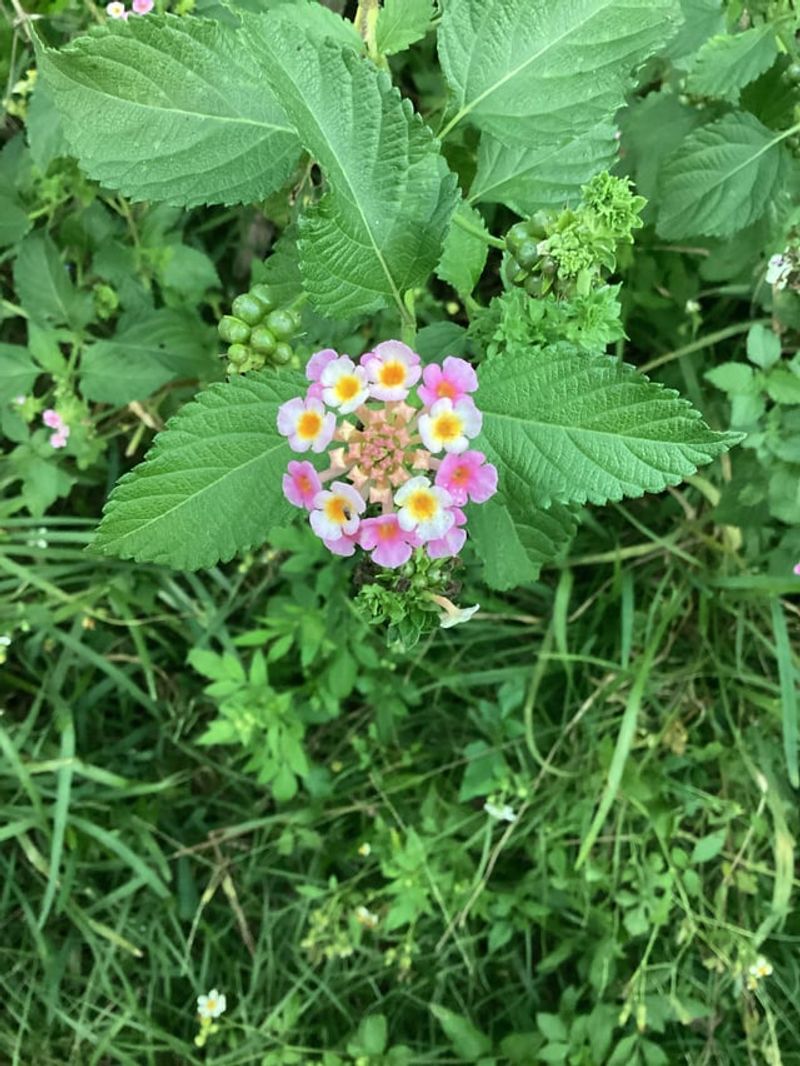
Lantana is one of those plants that shows up everywhere in Florida: gas station planters, highway medians, big box garden centers, neighborhood yards.
It blooms in cheerful clusters of yellow, orange, pink, and red, and it handles heat like a champion.
So why is it on the skip list?
Because the common species, Lantana camara, is a documented invasive plant in Florida and is listed by the Florida Exotic Pest Plant Council as a Category I invasive.
Standard lantana spreads aggressively through bird-dispersed seeds into scrub, flatwoods, hammocks, and disturbed natural areas.
Once established, it forms dense thickets that shade out native groundcover plants and reduce habitat quality for native wildlife. The spread is well-documented across Florida, particularly in South and Central regions where frost rarely controls it naturally.
The good news is that you do not have to give up lantana entirely.
Native lantana, specifically Lantana involucrata, is a Florida-friendly alternative that supports pollinators and hummingbirds without the invasive baggage.
Some sterile or low-seed hybrid cultivars of lantana have also been evaluated and may pose lower spread risk, but always verify with current UF IFAS Extension guidance before purchasing.
When shopping, do not assume any lantana at a nursery is safe for Florida simply because it is being sold there.
Ask the staff directly whether the cultivar is sterile or native.
Choosing the right lantana type means you still get that beloved burst of color and pollinator activity without contributing to a plant problem that Florida land managers are actively working to reverse.