Why Arizona Homeowners Should Stop Removing Roadrunners From Their Property
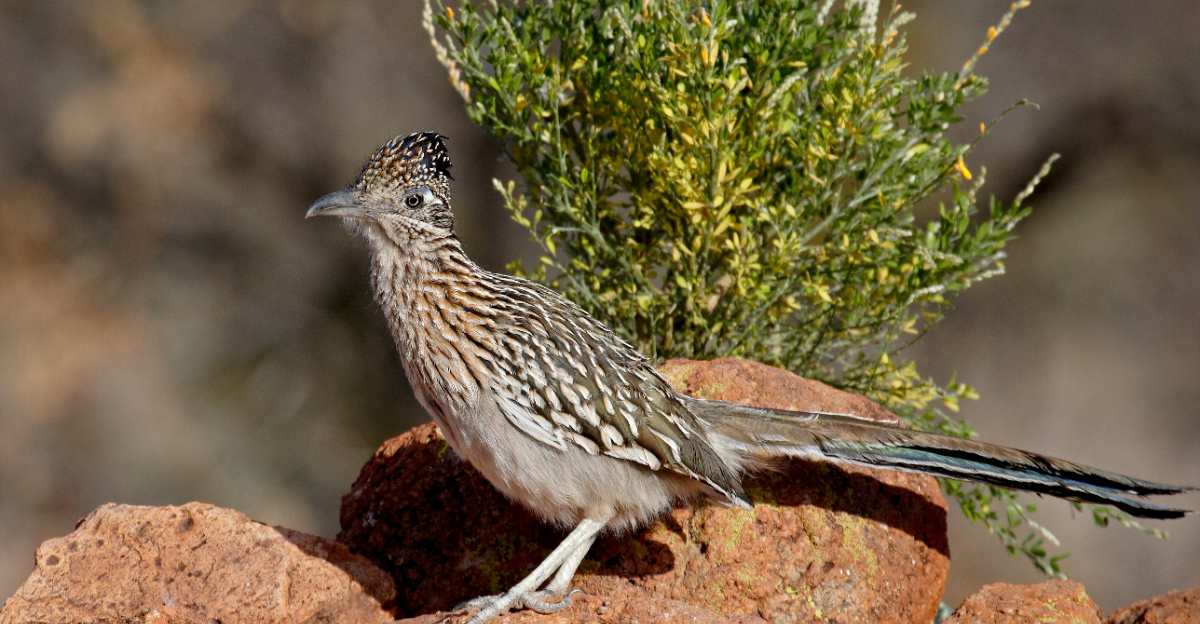
It is easy to assume every unexpected visitor in your yard is causing trouble. Many homeowners see a large bird wandering across the property and immediately think it would be better somewhere else.
That first reaction is understandable, especially when you are trying to protect your landscape and keep everything looking its best.
The interesting part is that appearances do not always tell the whole story.
Some wildlife brings surprising benefits that often go unnoticed because people focus on what they can see instead of what is happening behind the scenes.
A familiar bird that seems out of place may actually be doing far more than you realize.
That is often the case with roadrunners. Across Arizona, they have earned a reputation that does not always match reality.
Looking at them a little differently could completely change the way you feel the next time one wanders through your property.
1. Roadrunners Help Keep Scorpion Numbers Lower
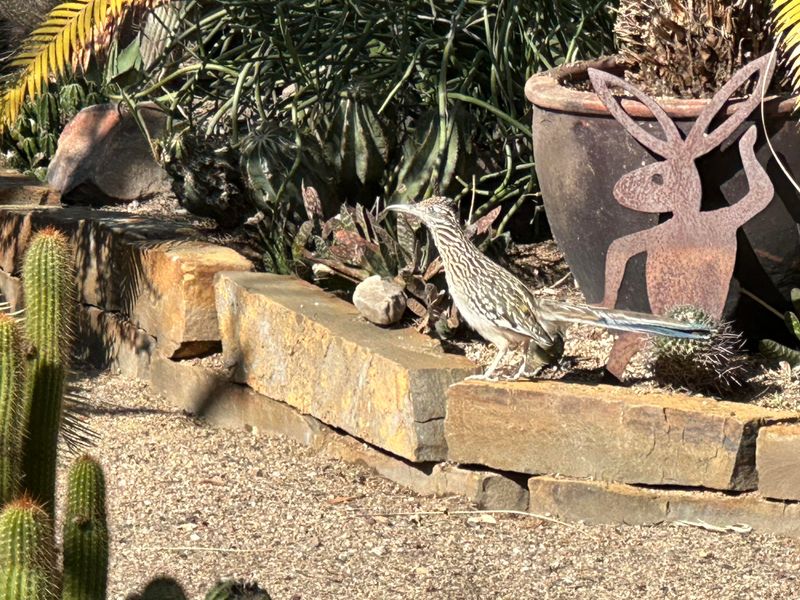
Scorpions showing up inside your home is one of the worst surprises desert living can throw at you. Roadrunners actively hunt scorpions, and they are surprisingly good at it.
A single bird can take down multiple scorpions in one outing without hesitation.
Roadrunners use their sharp beaks to strike fast and precise. They target scorpions, centipedes, spiders, and other venomous creatures that most homeowners dread finding near their doorstep.
Having one patrolling your yard is like having a natural pest control service on call.
Scorpion populations tend to build up in yards with lots of hiding spots and no natural predators nearby. Roadrunners disrupt that cycle.
They cover ground quickly and check under rocks, along walls, and near dense plants where scorpions like to hide.
You do not need traps, sprays, or exterminators to reduce scorpion sightings when a roadrunner is regularly visiting. Over time, consistent hunting pressure from these birds can noticeably reduce how often you spot scorpions around your home.
Keeping one around costs you nothing and pays off in real peace of mind.
2. They Rarely Cause Problems Around Homes
Unlike raccoons, coyotes, or javelinas, roadrunners are not going to raid your trash or tear up your garden. These birds mind their own business almost entirely.
A roadrunner passing through your yard is focused on one thing: hunting.
Roadrunners do not travel in flocks. You will rarely see more than one or two together.
They are not noisy birds that disturb neighbors, and they are not aggressive toward people or pets unless directly cornered or provoked.
Some homeowners worry about small pets like chicks or baby quail. A roadrunner might occasionally take a very small prey item, but they are not a serious threat to adult birds or typical backyard pets.
The benefits of having them around far outweigh any minor concern.
Roadrunners tend to stay low to the ground and move through yards quickly. They do not damage plants, dig up soil, or nest in places that cause structural issues.
Compared to many other wildlife visitors, they are genuinely low-maintenance neighbors.
Your Arizona Garden Changes Every Week. Your Plan Should Too.
Gardening in Arizona changes quickly throughout the season. Every Friday you’ll receive a simple weekly plan showing exactly what to plant, prune, fertilize, harvest, and protect so you never miss the right timing.
If you have been avoiding roadrunners out of fear they will cause trouble, that concern is mostly unfounded. Watch one move through your yard for five minutes and you will see just how focused and self-sufficient these birds really are.
3. Open Ground Makes Hunting Easier
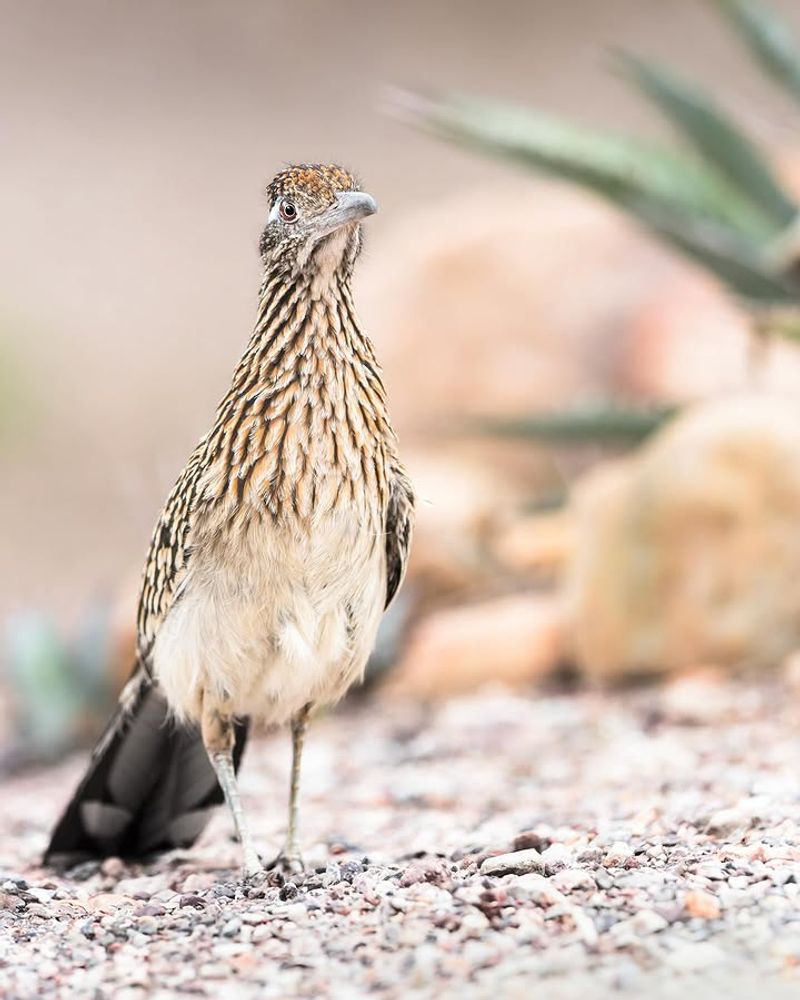
Roadrunners are built to run. Their long legs and streamlined bodies let them reach speeds up to 20 miles per hour across open ground.
A yard with some clear, open space is genuinely useful to them.
When homeowners cover every inch of their yard with thick ground cover or dense rocks, roadrunners have fewer places to hunt effectively. Open patches of bare soil or gravel give these birds room to chase prey without obstruction.
It is a simple trade-off worth understanding.
Gravel yards, dry washes, and open desert-style landscaping actually attract roadrunners more than manicured grass lawns do.
If your yard already has a natural desert look with some open ground, you are already providing good habitat without even trying.
Roadrunners also use open areas to warm up in the morning. They spread their wings and face the sun to absorb heat after cool desert nights.
Watching this behavior up close is honestly one of the more fascinating things you can see from your back window.
Leaving a section of your yard relatively open is not just good for roadrunners. Open ground also discourages certain pests from nesting close to your home.
A little intentional open space goes a long way for both the bird and your overall yard health.
4. Thick Shrubs Give Them A Safe Place To Hide
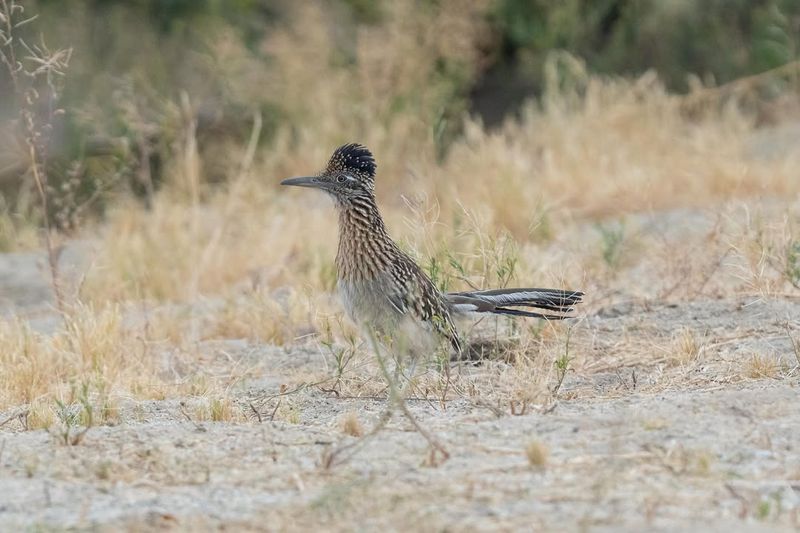
Roadrunners need cover just as much as they need open space. Thick native shrubs give them a safe retreat from predators like hawks and coyotes.
Without that kind of cover nearby, they are less likely to stick around your yard for long.
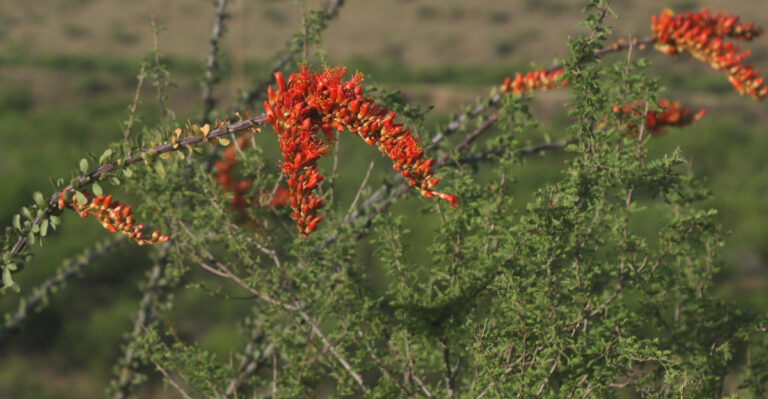
Plants like desert hackberry, wolfberry, and jojoba work well as natural shelter. These shrubs grow dense enough to give roadrunners a place to rest, roost, and hide.
They also attract the insects and small lizards that roadrunners eat, which makes your yard even more appealing to them.
Roadrunners sometimes nest in shrubs or low trees. If you spot a pair spending time near the same spot repeatedly, there is a chance they are scouting for a nesting location.
Giving them that space costs nothing and is a genuinely rewarding experience for any nature-curious homeowner.
Removing shrubs to create a cleaner yard look often drives roadrunners away. A balance between open hunting ground and dense cover is what keeps them coming back.
You do not need a wild or overgrown yard to achieve this, just a few well-placed native plants.
Shrubs also reduce soil erosion and provide shade during the hottest months. Keeping them around benefits your yard in multiple ways beyond just supporting local wildlife.
5. A Small Water Source Can Make A Big Difference
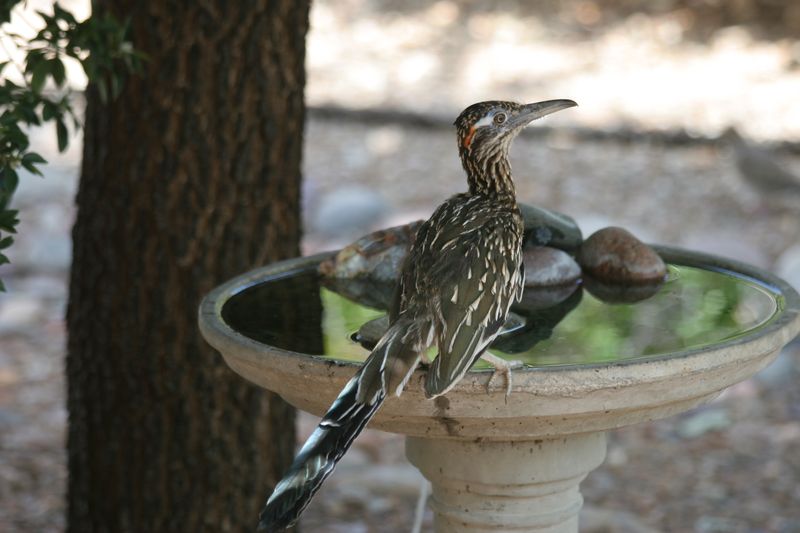
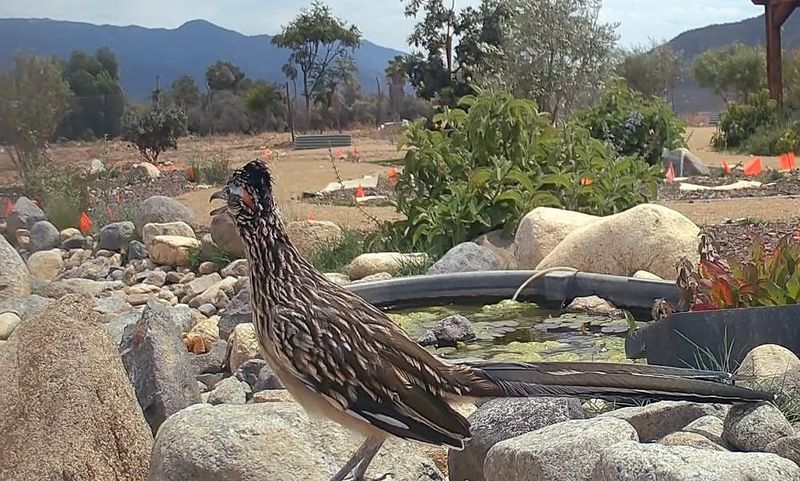
Water is scarce in the desert, and roadrunners know it. A shallow birdbath or a small water dish placed in a shaded spot can be enough to attract one to your yard regularly.
It does not need to be fancy or expensive.
Roadrunners do not need deep water. A dish with just an inch or two of clean water is ideal.
Refresh it every day or two to keep it clean, especially during summer when standing water gets contaminated quickly in the heat.
Adding a water source does more than attract roadrunners. It brings in other helpful wildlife like native bees, butterflies, and small lizards.
Your yard quietly becomes a reliable stop in a landscape where water is hard to find.
Place the water dish near a shrub or low structure so roadrunners feel safe while drinking. Open, exposed water sources make birds nervous.
A little shelter nearby increases the chance they will actually use it regularly.
Homeowners who add water sources often notice more roadrunner activity within just a few weeks. It is one of the simplest changes you can make to your yard.
In a region where temperatures regularly top 100 degrees, access to clean water is genuinely life-sustaining for desert wildlife.
6. Rodent Poison Can Put Them At Risk
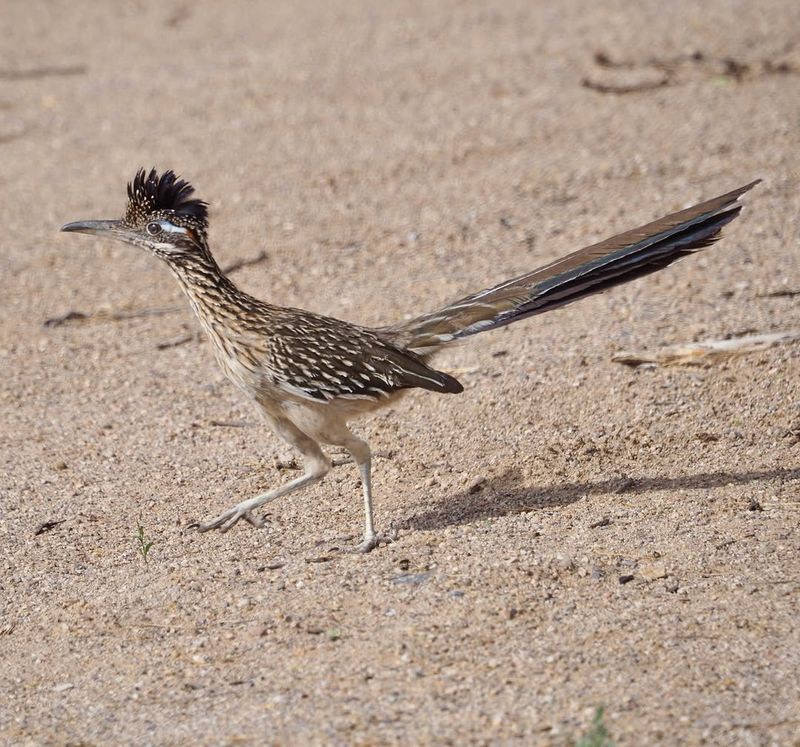
Rodent poison is one of the biggest hidden threats to roadrunners in residential areas. When a mouse or rat eats poison bait and then gets caught by a roadrunner, that toxin moves right up the food chain.
Secondary poisoning is a real and well-documented problem for birds of prey and ground hunters alike.
Roadrunners eat rodents regularly. A yard that uses rodent bait stations can quietly harm the very birds that would naturally keep rodent populations in check.
It is a cycle that works against you without you even realizing it.
Snap traps are a much safer option for managing rodent problems. They stop rodents without leaving toxic residue in the food chain.
Placed along walls and under cover where kids and pets cannot reach them, snap traps are effective and wildlife-safe.
Keeping roadrunners healthy in your yard means thinking about what you put out for other pests. A yard free of rodent poison is a yard where roadrunners can hunt safely and stick around long-term.
Natural rodent control from roadrunners is not a guaranteed fix, but it does reduce pressure over time.
Pairing that natural behavior with non-toxic trapping methods gives you a smarter, safer approach to pest management without putting helpful wildlife at risk.
7. Roadrunners Prefer Yards With Native Plants
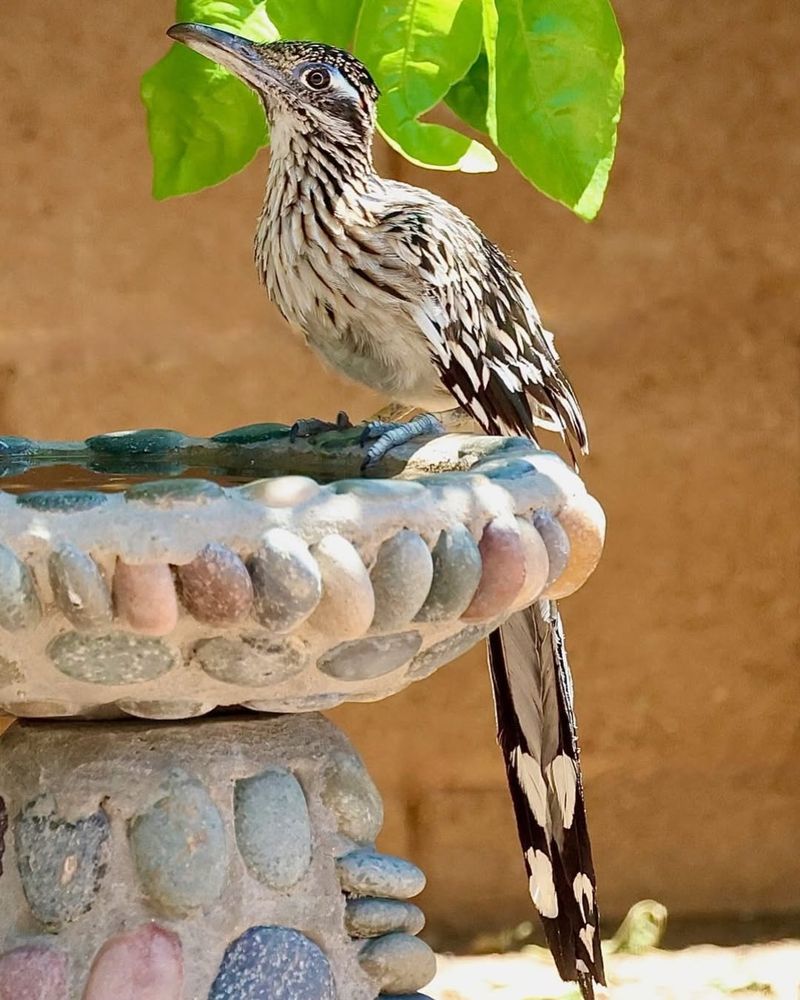
Native plants are the foundation of a roadrunner-friendly yard. Plants like palo verde, brittlebush, desert marigold, and prickly pear attract the insects and lizards that roadrunners depend on for food.
Non-native plants simply do not support that same web of life.
Yards full of imported grass or ornamental plants from wetter climates tend to attract fewer native prey species. Without prey, roadrunners have no reason to visit.
Swapping even a portion of your yard to native plants can shift that dynamic noticeably.
Native plants also require far less water once established. In a desert climate, that matters a lot.
You reduce your water bill and support local wildlife at the same time, which is a straightforward win on both fronts.
Roadrunners are more likely to nest and hunt in yards that reflect their natural habitat. A yard that mimics the surrounding desert landscape feels safe and familiar to them.
Exotic or heavily manicured yards feel foreign and offer little in the way of food or shelter.
Starting with just a few native plant additions can make a real difference. Local nurseries across the Southwest carry a solid selection of regionally appropriate plants.
Ask for low-water species that attract insects, and you are already building the kind of yard that makes roadrunners want to stay.