These Are The July Container Combos That Actually Last Through Ohio Heat
Ohio container gardens peak in June and fall apart in July with a reliability that starts to feel personal after a few seasons. The combination that looked sharp in spring turns leggy, faded, and uneven the moment real heat arrives.
No amount of watering seems to hold it together. The problem is not the container or the care.
It is the plants. Most popular container combinations were not built for Ohio July.
They show it clearly once the temperature stops being reasonable. Container combos that actually last through Ohio heat share a specific logic.
Heat tolerance, compatible water needs, and a growth habit that holds its shape under pressure rather than sprawling or collapsing by mid-month.
Getting that combination right from the start saves the replanting, the frustration, and the cost of starting over in a month that already asks enough of gardeners.
1. Pair Lantana And Angelonia For A Heat-Tough Porch Pot
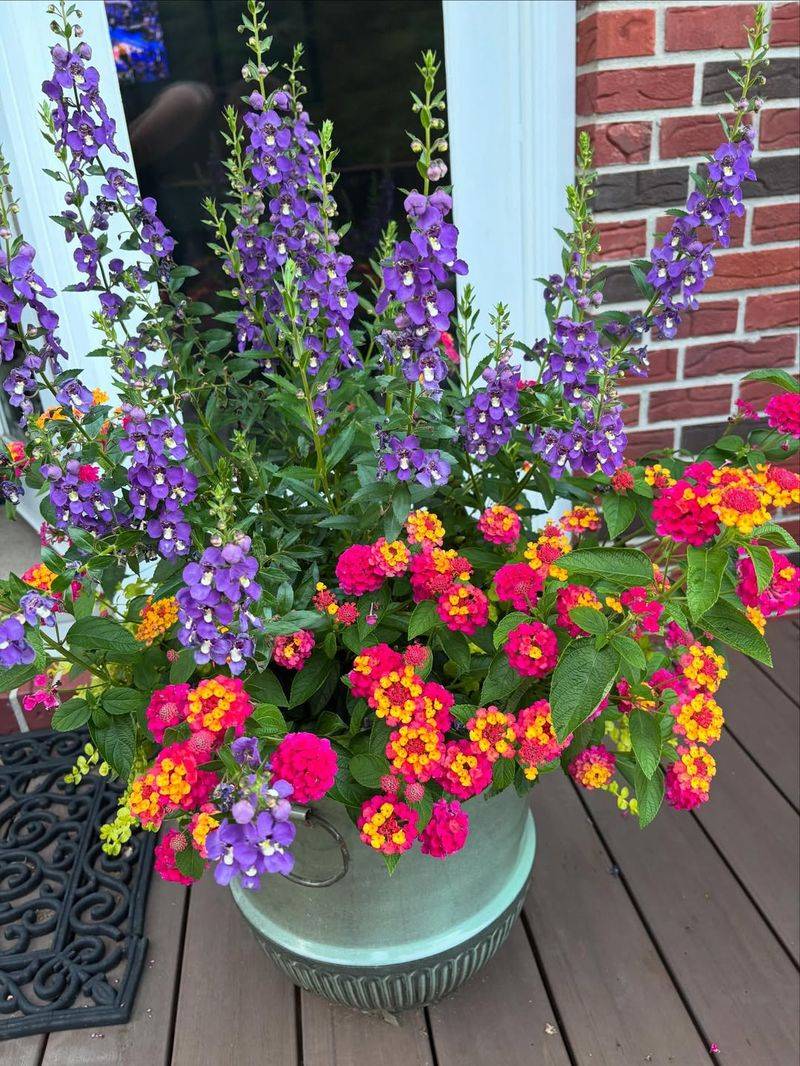
A porch pot that bakes through July needs plants that can handle full sun without turning limp by dinner. Lantana and angelonia are two of the best choices for that exact spot.
Both plants ask for direct sun, at least six hours daily, and both hold up when temperatures push into the upper eighties and nineties.
Lantana produces clusters of small flowers that shift color as they age, often mixing yellow, orange, pink, or red on the same stem. It spreads and mounds in a container, giving the pot a full, rounded base.
Angelonia grows upright with slender spikes of small flowers in purple, pink, or white. That upright habit balances the spreading lantana nicely.
Neither plant is maintenance-free. Lantana is not native to this region and can seed aggressively in warmer climates, so trim spent blooms or choose a sterile variety.
Check the pot for moisture every day during heat waves. Potting mix in a sun-exposed container can dry completely within twenty-four hours on a windy day.
Use a container with drainage holes and a quality potting mix, not garden soil. A pot that is at least twelve inches wide gives both plants enough root room.
Trim lantana lightly if it gets leggy. Angelonia rarely needs heavy cutting, but removing spent spikes keeps it tidy and blooming.
2. Use Calibrachoa And Verbena For A Bloom-Heavy Sunny Basket
Hanging baskets have a tough job in July. They swing in the wind, dry out faster than any ground-level pot, and get sun from multiple angles.
Calibrachoa and trailing verbena are two plants that can handle that kind of exposure when given the right care from the start.
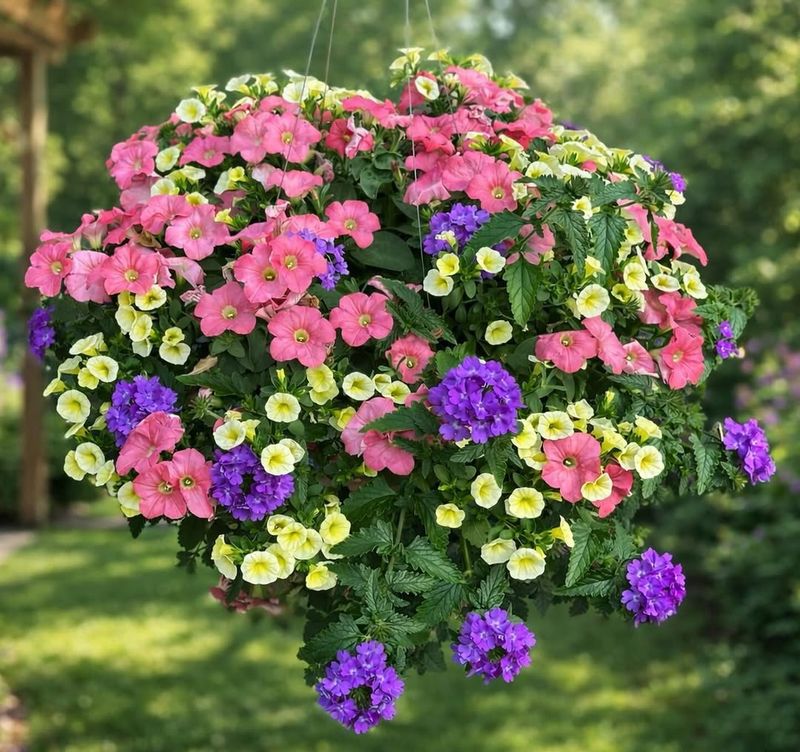
Calibrachoa produces small, petunia-shaped flowers in nearly every color. It trails naturally and blooms almost without a break through summer.
Verbena spreads and cascades too, with flat clusters of tiny flowers in red, pink, purple, or white. Together they create a basket that spills color in every direction.
Both plants need full sun and a fast-draining potting mix. Soggy roots are a real problem in baskets, especially if the liner holds moisture for too long.
Your Ohio Garden Changes Every Week. Your Plan Should Too.
Gardening in Ohio changes quickly throughout the season. Every Friday you’ll receive a simple weekly plan showing exactly what to plant, prune, fertilize, harvest, and protect so you never miss the right timing.
Make sure your basket has drainage and never let water pool at the bottom. At the same time, do not let the mix go completely dry.
Calibrachoa in particular can struggle to rehydrate once it wilts hard.
Feed both plants every one to two weeks with a balanced liquid fertilizer. Nutrients wash out quickly in baskets because water passes through so often.
Trimming is minimal with calibrachoa since it is self-cleaning. Pinch verbena stems lightly if they get straggly.
A mid-July trim keeps the basket full and productive into August.
3. Combine Coleus And Begonias For Bright Color In Part Shade
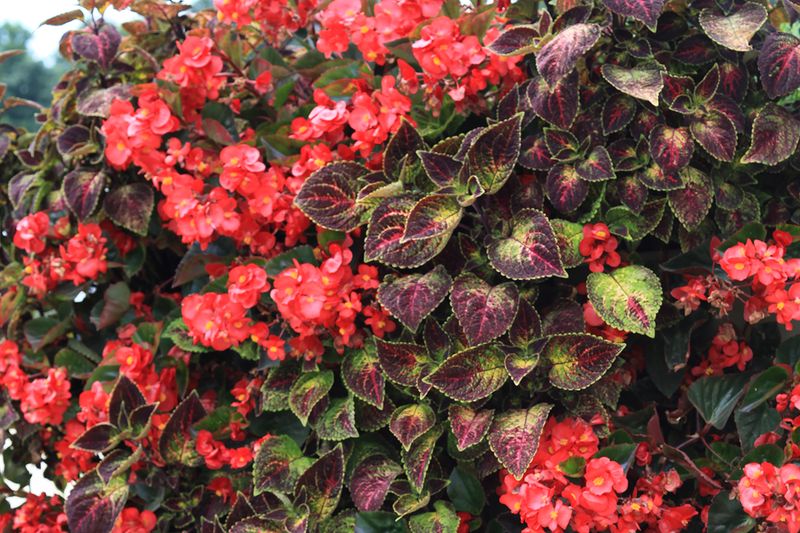
Shaded steps and north-facing porches can feel like a gardening challenge in July. Full-sun plants sulk there, but the right shade combo can look bold and fresh all summer.
Coleus and begonias are two of the most reliable choices for spots that get morning sun or bright, indirect light through the afternoon.
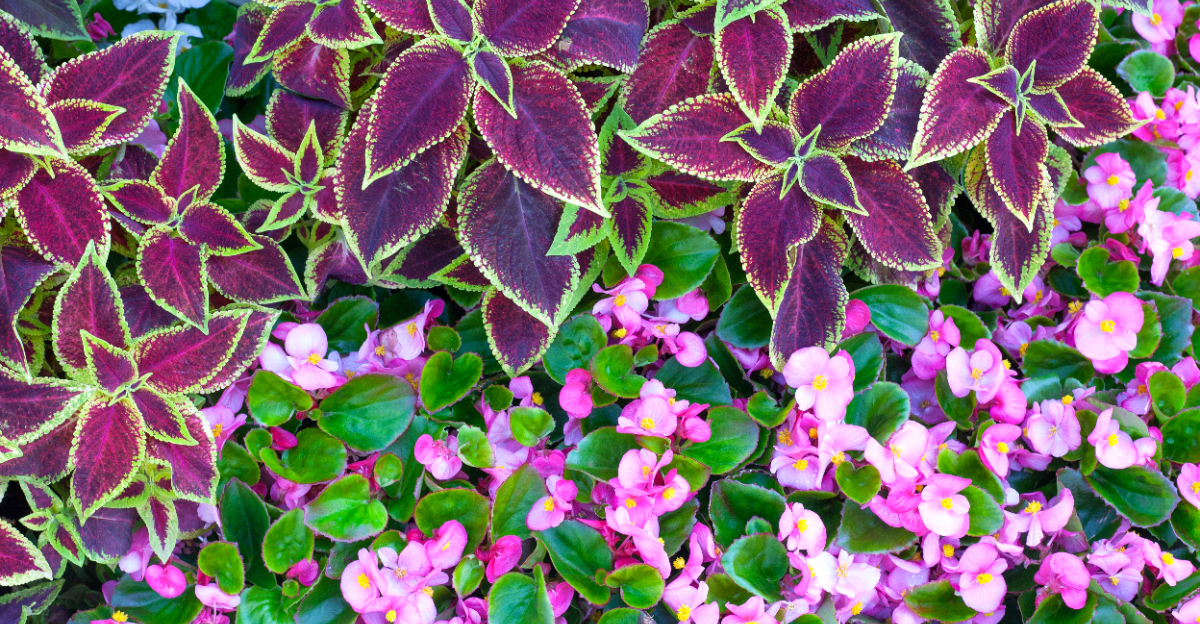
Coleus is grown almost entirely for its foliage. Leaves come in deep burgundy, chartreuse, pink, orange, and multicolored patterns that hold their intensity even in lower light.
Wax begonias add compact mounds of glossy leaves and steady small blooms in red, pink, or white. The two plants layer texture and color without competing.
Both prefer bright shade or morning sun rather than harsh all-day afternoon exposure. Direct western sun in summer can bleach coleus leaves and stress begonias.
If your space gets more than four hours of intense afternoon sun, this combo is not the right fit. Morning sun with afternoon shade is the sweet spot.
Keep the potting mix consistently moist but never waterlogged. Begonias are sensitive to soggy soil and can develop root problems if drainage is poor.
Use a container with drainage holes and a quality potting mix. Pinch coleus flower spikes as they appear to keep foliage looking its best.
A container that is at least ten inches wide gives both plants enough space to fill out without crowding.
4. Plant Zinnias And Gomphrena For A Cut-Flower Container
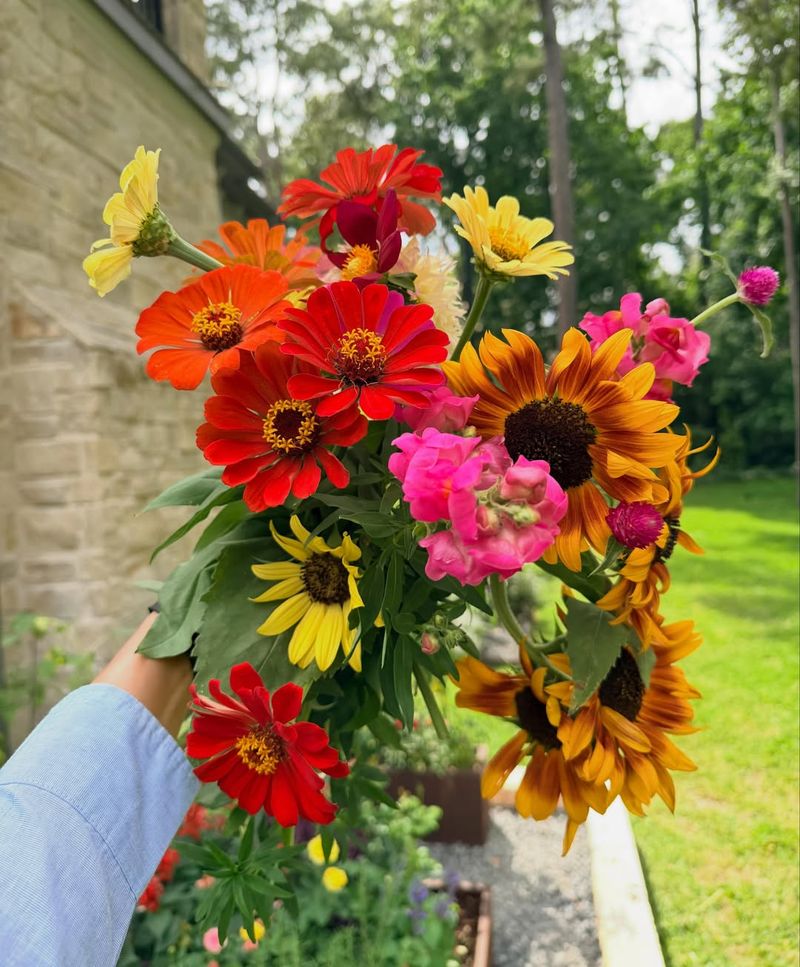
Some containers are built purely to look good from a distance. This one earns its space by also giving you something to cut and bring inside.
Zinnias and gomphrena make a strong team in a large sunny pot, and both hold up well in the heat that settles over Ohio local gardens through July and August.
Zinnias produce bold, wide blooms in nearly every warm color. They grow upright and can reach twelve to thirty-six inches depending on the variety.
Smaller zinnia varieties like Zahara or Profusion work well in containers without getting top-heavy. Gomphrena adds round, clover-like heads in pink, purple, red, or white.
Its stems are sturdy and the blooms dry well, making it useful in both fresh and dried arrangements.
Airflow matters for zinnias. Crowded conditions and poor circulation can lead to powdery mildew on the leaves, especially during humid stretches.
Space plants well and use a container that is at least fourteen inches wide. Full sun is non-negotiable for both plants.
Afternoon shade will reduce bloom production noticeably.
Check moisture every day during heat waves. Potting mix in a large container still dries faster than in-ground soil.
Water at the base of the plant rather than overhead to keep zinnia foliage dry. Cutting blooms regularly encourages both plants to keep producing.
Trim any spent heads you do not want to cut for arrangements.
5. Mix Pentas And Scaevola For Pollinator-Friendly Patio Color
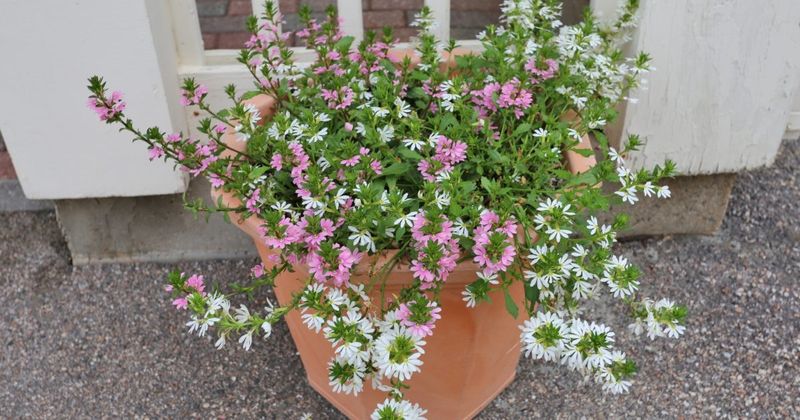
Not every patio container needs to be just for show. Pentas and scaevola bring flower color and some pollinator activity to a sunny spot.
Both handle warm summer temperatures with less fuss than many other flowering annuals. The combination works well in a medium to large pot with good drainage and a full-sun location.
Pentas produces tight, star-shaped flower clusters in red, pink, white, or lavender. It grows upright and bushy, making it a solid anchor plant for the center or back of a container.
Butterflies and some bee species do visit pentas blooms, though pollinator activity varies by location and what else is nearby. Scaevola trails and spills from the pot edges with small fan-shaped flowers in blue, purple, or white.
That trailing habit softens the look and fills in the lower edges of the container.
Both plants need full sun and well-drained potting mix. Water consistently but allow the mix to approach dryness between waterings rather than keeping it constantly wet.
Containers on a hot patio can dry out within a day, so check moisture levels every morning during peak heat weeks.
Feed every ten to fourteen days with a balanced liquid fertilizer to keep both plants blooming. Pentas rarely needs trimming.
Scaevola is mostly self-cleaning too, but a light trim in mid-July can refresh trailing stems that start to look stretched or bare near the base.
6. Use Ornamental Peppers And Marigolds For Hot-Sun Texture
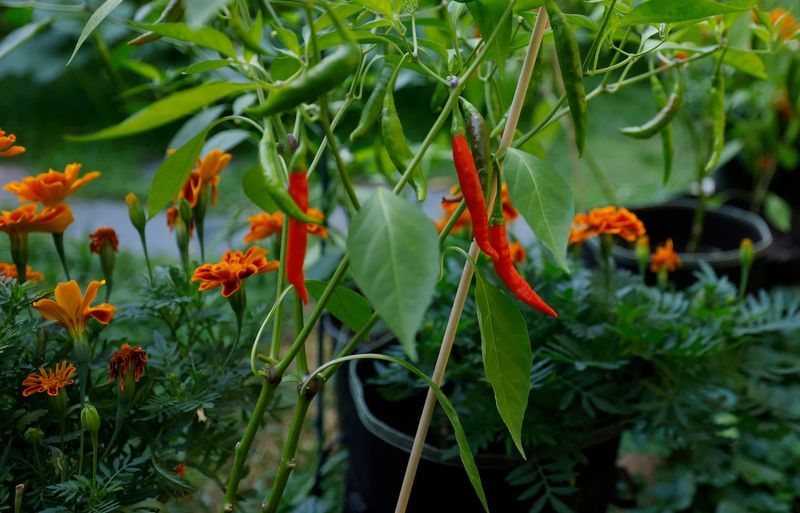
Texture and color do not always have to come from flowers alone. Ornamental peppers bring small, upright fruits in shades of purple, red, orange, yellow, and cream, often on the same plant at the same time.
Paired with the warm blooms of marigolds, this combination gives a sunny container serious visual weight through the hottest part of summer.
Ornamental peppers are grown for display, not eating. Unless the specific plant is labeled for culinary use, treat the fruits as decorative only.
They prefer full sun and warm conditions, which makes July an ideal month for them. The fruits develop richer color as temperatures climb.
Marigolds are reliable companions in a hot-sun container. French and signet types stay compact and bloom heavily without much fuss.
They also have a scent that some Ohio gardeners find helpful for reducing certain pest pressure, though results vary.
Both plants need good drainage and a quality potting mix. Water regularly and check the container daily in full sun.
The mix can dry out quickly, especially in a dark-colored pot that absorbs extra heat. A light-colored or glazed container can help moderate soil temperature.
Trim marigolds regularly to keep blooms coming. Remove spent or shriveled pepper fruits if they detract from the display.
Neither plant needs heavy fertilizing. A balanced slow-release fertilizer worked into the potting mix at planting can support steady growth and color through the season.
7. Pair Salvia And Vinca For A Long-Blooming Window Box
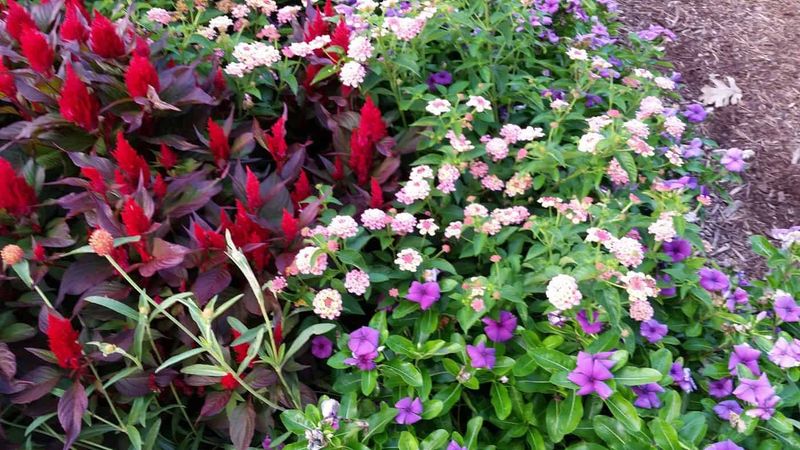
Window boxes get some of the most intense exposure of any container. They sit against a wall that reflects heat, they hold a limited amount of potting mix, and they depend entirely on you for water.
Salvia and annual vinca are two plants that can handle that pressure when matched together in a full-sun window box with solid drainage.
Annual salvia, sometimes called scarlet sage or mealycup sage, sends up upright flower spikes in red, purple, blue, or white. It blooms through summer and holds its form without flopping.
Annual vinca, also called Madagascar periwinkle or Catharanthus roseus, is a separate plant from the invasive groundcover vinca. Do not confuse them.
Annual vinca is a compact, heat-loving annual with glossy leaves and cheerful blooms in pink, red, white, or coral.
Both plants prefer full sun and good drainage. Annual vinca especially dislikes cold, wet soil.
It thrives once summer temperatures are consistently warm, which makes it a strong choice for July plantings. Water the box consistently but never let it stay soggy.
Check moisture daily since window boxes dry faster than larger pots.
Salvia benefits from light trimming or trimming spent spikes to encourage branching and more blooms. Annual vinca is mostly self-cleaning.
Feed every one to two weeks with a balanced liquid fertilizer to keep both plants at their best through late summer and into early fall.
8. Combine Persian Shield And Torenia For A Cooler Shade Container
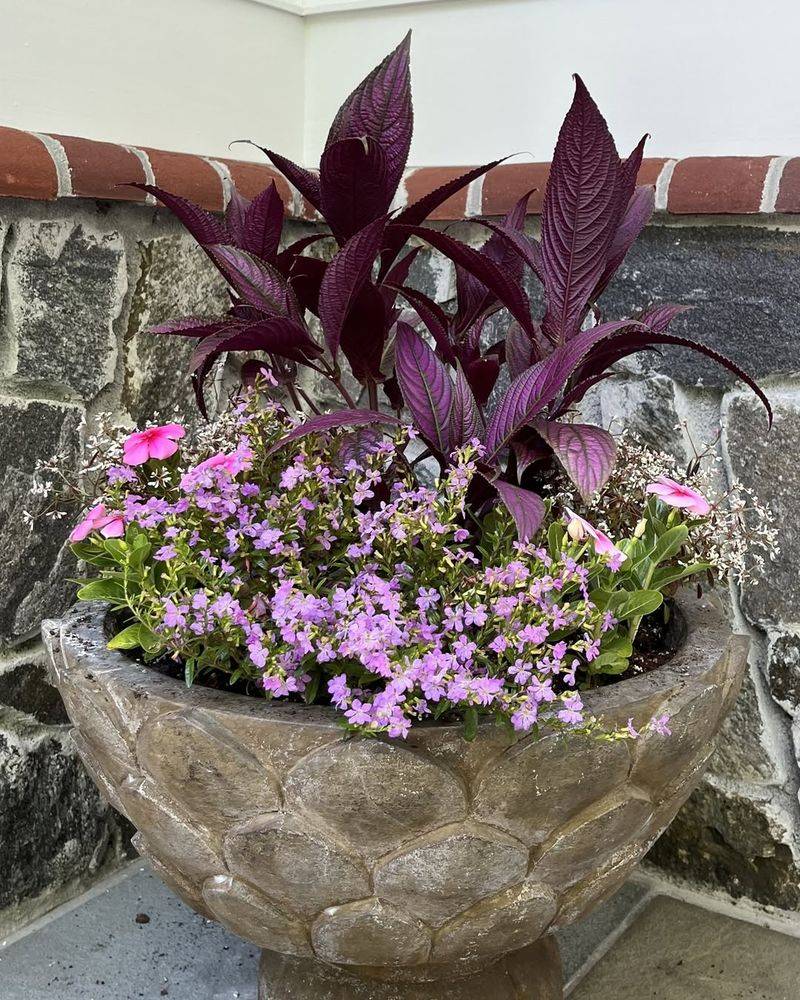
Shaded porches deserve containers that feel lush and layered, not just green and forgettable. Persian shield and torenia bring exactly that kind of richness to a part-shade or filtered-light spot where the afternoon sun never fully lands.
This combination works best where bright indirect light is available for most of the day.
Persian shield is grown entirely for its foliage. The leaves shimmer with an iridescent purple and silver finish that catches light beautifully.
It grows upright and can reach twelve to eighteen inches in a container. The foliage color intensifies in bright shade rather than fading.
Torenia, sometimes called wishbone flower, fills in around the base with small snapdragon-like blooms in purple, pink, white, or bicolor combinations. It blooms reliably in lower light conditions where many flowering annuals would stop producing.
Keep the potting mix consistently moist for both plants. Persian shield does not want to dry out completely, and torenia performs best with steady moisture.
That said, drainage is still essential. A waterlogged container will cause root problems for both plants.
Use a well-draining potting mix and a container with drainage holes.
Avoid placing this combo where it receives harsh afternoon sun for more than an hour or two. The heat and light will stress Persian shield leaves and reduce torenia blooming.
A north-facing or east-facing porch works well. Trim torenia lightly in mid-July if stems get stretched to keep the container looking full and tidy.