The Summer Bird Bath Mistake Wisconsin Homeowners Make That Drives Birds Away
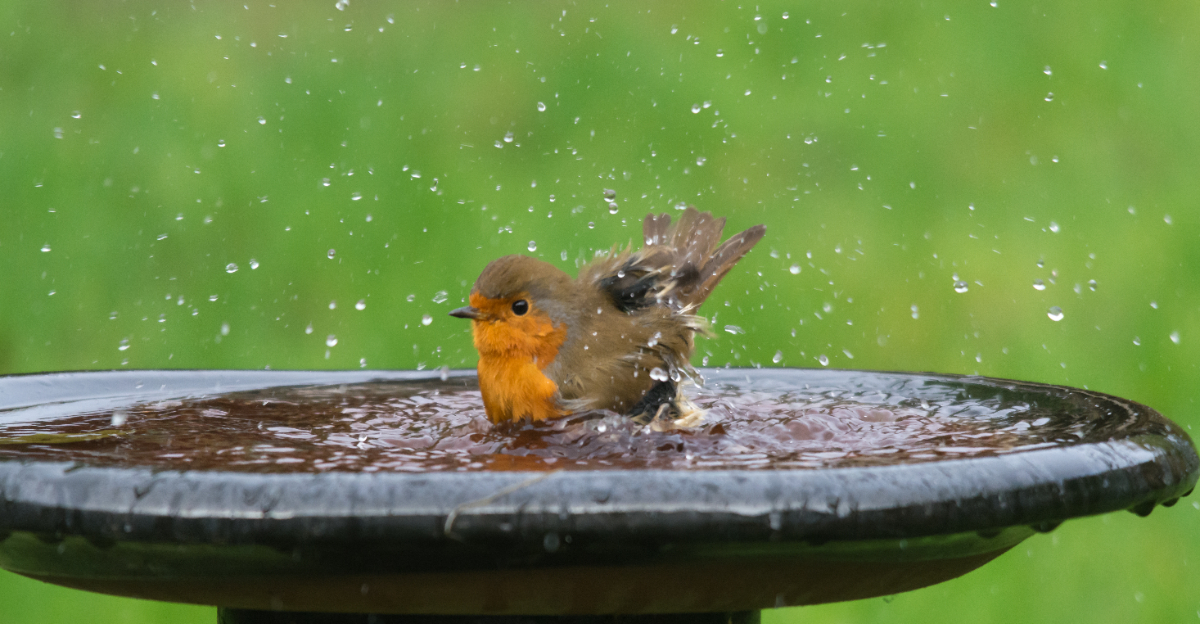
Your bird bath has been sitting there all summer, full of water, completely ignored. Your neighbor did not buy anything special, same birds, same neighborhood, completely different results.
Something in your yard is quietly signaling to every passing bird that this is not a safe stop. They clock it instantly and move on.
Wisconsin summers do not help either, intense midday sun and stretching heat can transform a perfectly good bird bath into something birds want nothing to do with. Once they write off your setup, they find another source and stick to it.
That habit can last the entire season. The fix does not require a new bird bath or a landscaping overhaul, you just need to know what is sending them the wrong signal.
Direct Sun Is A Poor Choice For A Bird Bath In Wisconsin Summer
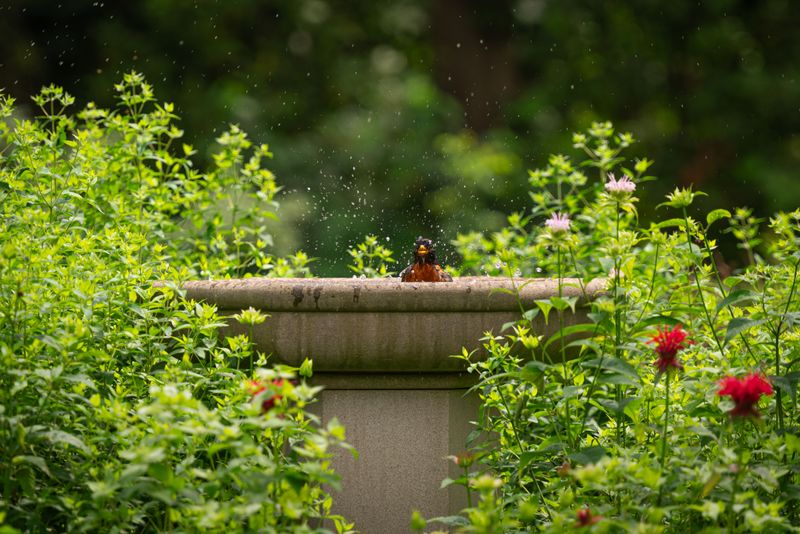
Picture this: your bird bath is baking in full sun all afternoon, and the water inside feels like a warm cup of tea.
Birds sense that heat fast. They will fly right past your bath without stopping, even on the hottest days. Full sun placement is the most common bird bath mistake Wisconsin homeowners make each summer season.
The problem is not just comfort. Overheated water can be uncomfortable and uninviting for small birds, pushing them to search for a cooler source.
Wisconsin summers can push temperatures past 90 degrees Fahrenheit. A dark-bottomed bird bath sitting in direct sun can heat water well beyond that within a few hours.
Birds rely on cool, fresh water to regulate their body temperature during heat waves. Hot water does the opposite of what they need, so they search elsewhere.
Most homeowners place their bird bath in an open, sunny spot because it looks nice from the kitchen window. That visual appeal comes at a cost that birds pay with their absence.
Shaded placement does not mean hidden placement. You want birds to feel safe and comfortable, not trapped or exposed to predators nearby.
Moving your bird bath out of full sun is the single fastest fix you can make this summer. Your feathered visitors will notice the change within days.
How Overheated Water Sends Birds Looking Elsewhere
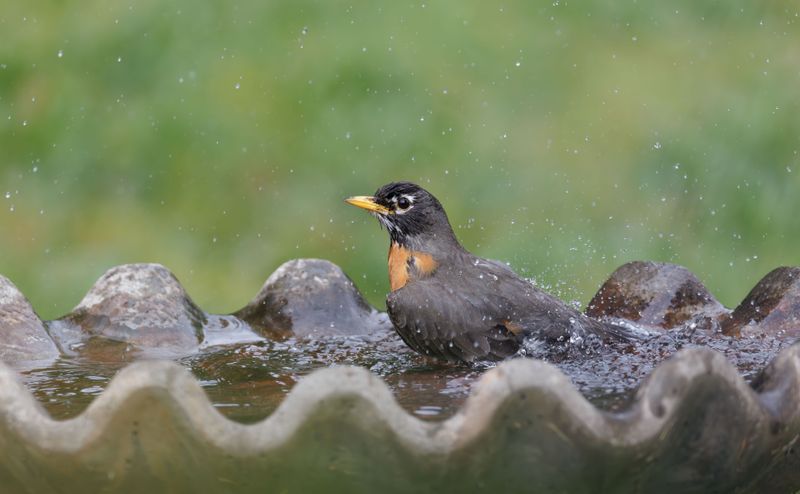
Hot water is not just unpleasant for birds. It signals danger to them on a deeply instinctive level.
When water temperatures climb, birds associate that warmth with stagnation and risk. Their instincts push them toward cooler, cleaner sources instead.
Birds are drawn to cool, fresh water, especially during summer heat waves when natural sources dry up or warm quickly. Water that has been sitting in direct sun all afternoon is far less appealing to them than a shaded, regularly refreshed bath.
Wisconsin summers heat up fast, especially in July and August. A bird bath placed in full afternoon sun can reach unsafe temperatures by noon on a typical summer day.
Robins, chickadees, and goldfinches are among the most common Wisconsin backyard visitors. All three species are especially sensitive to water temperature when choosing where to bathe.
Your Wisconsin Garden Changes Every Week. Your Plan Should Too.
Gardening in Wisconsin changes quickly throughout the season. Every Friday you’ll receive a simple weekly plan showing exactly what to plant, prune, fertilize, harvest, and protect so you never miss the right timing.
Overheated water also loses oxygen faster, making it feel stale and unappealing. Birds have a sharp sense for water quality, and they reject anything that smells or feels off.
Adding a small solar-powered fountain to your bird bath helps circulate water and slow heating. Moving water stays cooler longer and attracts birds through sound as well as sight.
Swapping out hot water for fresh, cool water once a day during peak heat is a simple habit that pays off big. Birds will return reliably once they trust your bath as a cool refuge.
The Right Amount Of Shade Your Bird Bath Actually Needs
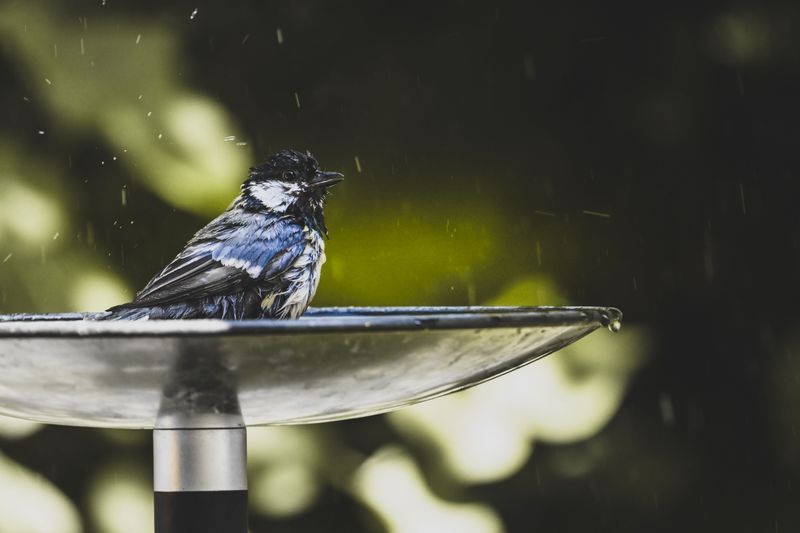
Shade sounds simple, but too much of it creates a whole new set of problems for your bird bath setup.
Deep shade keeps water cool, but it also makes birds feel exposed to hidden predators lurking in dense foliage nearby.
The sweet spot is dappled or partial shade, ideally from a deciduous tree that filters sunlight without blocking it completely. Morning sun with afternoon shade works beautifully in most Wisconsin backyards.
About two to four hours of direct morning sun followed by shade is the ideal setup for summer bird baths. Morning light warms the water gently without cooking it by midday.
Placing your bird bath on the east or north side of a tree or shrub accomplishes this naturally. The structure blocks harsh afternoon rays while keeping the area open and visible.
Birds need clear sightlines in every direction when they bathe. They are vulnerable during bathing, so open surroundings with nearby perching branches give them confidence to visit regularly.
A shrub about ten feet away gives birds a safe landing spot before they approach the bath. That buffer zone is part of what makes a location feel trustworthy to them.
Getting the shade balance right transforms a neglected bird bath into a busy watering hole. Once birds find that comfortable spot, they will return every single morning without fail.
Water Evaporates Fast In Wisconsin’s Summer Heat
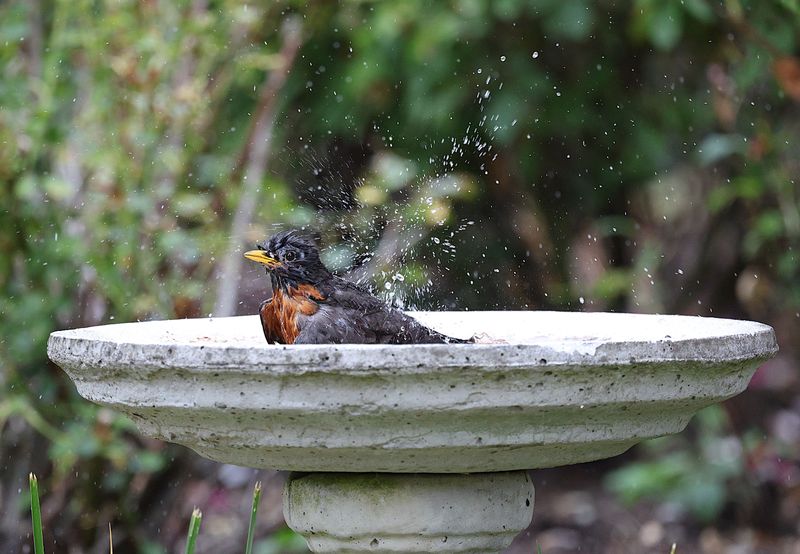
Check your bird bath on a hot July afternoon and you might be shocked by how much water has disappeared. Evaporation in Wisconsin summers is no joke.
On a hot July day, a standard bird bath sitting in full sun can lose a surprising amount of water before evening. That leaves birds with a dangerously shallow pool by the time they need it most.
Shallow water is not just inconvenient. It heats up faster and becomes a breeding ground for mosquitoes and bacteria within hours of dropping below one inch deep.
Birds need water that is at least one and a half to two inches deep for effective bathing. When levels drop below that, most species simply walk away.
Refilling your bird bath every morning is the easiest habit to build into your daily routine. A quick top-off with cool water from the hose takes less than thirty seconds.
Choosing a deeper basin helps combat evaporation naturally. Basins that hold three or more gallons of water maintain usable levels much longer on hot days than shallow decorative dishes.
Placing a large flat rock in the center of your bird bath also slows evaporation slightly by reducing surface area. It doubles as a perching spot for smaller birds who prefer shallow edges.
Staying on top of water levels is one of the easiest ways to keep birds loyal to your yard all summer long. A full bath is an open invitation they cannot resist.
Sunlight Speeds Up Algae Growth In Bird Baths
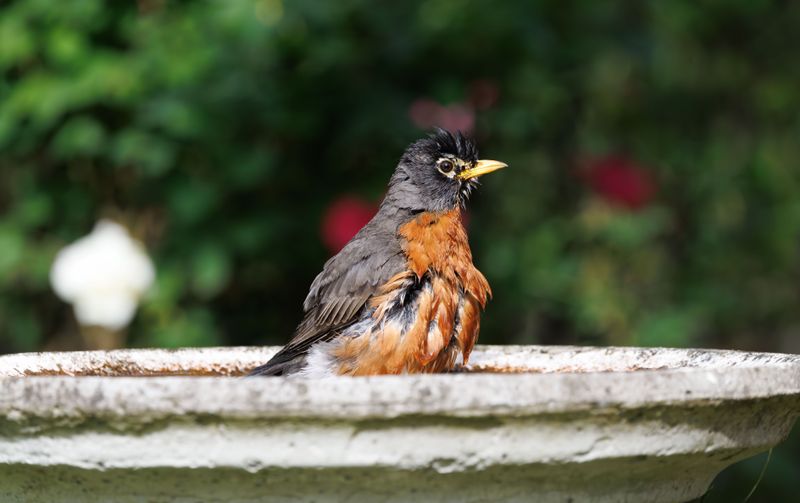
Green slime in your bird bath is not just ugly. It is a signal that your placement is working against you.
Algae thrives in warm, sunlit water, and a bird bath sitting in full sun becomes a perfect algae incubator within two to three days. Birds will not touch it once the slime sets in.
Algae growth is one of the clearest signs that your bird bath is getting too much direct sunlight during Wisconsin summer afternoons. Shade dramatically slows the process down.
Moving your bath to a shadier location can extend the time between cleanings from two days to nearly a week. That is a meaningful difference for busy homeowners.
Scrubbing algae requires a stiff brush and a diluted white vinegar solution. Do not use bleach or soap near a bird bath, as residue from those products harms birds quickly.
Adding a small amount of apple cider vinegar to the water each week naturally discourages algae without harming wildlife. About one teaspoon per gallon is the right ratio to use.
Dark-colored basins absorb more heat and grow algae faster than light-colored ones. Switching to a light gray or white basin reflects heat and keeps water cleaner between scrubbing sessions.
Keeping algae under control is not just about cleanliness. It is about making your bird bath a place birds actually want to visit every single day.
The Best Spots In A Wisconsin Yard To Place A Bird Bath

Location is everything when it comes to attracting birds, and most homeowners underestimate just how picky birds can be about their surroundings.
The best spot in a Wisconsin yard combines partial shade, nearby perching branches, open sightlines, and distance from windows and outdoor cats. That combination is rarer than it sounds.
Place your bird bath at least ten feet from dense shrubs where cats or other predators could hide. Birds need time to spot danger before it reaches them.
Keeping the bath within about fifteen feet of a tree gives birds a quick escape route. They will feel confident enough to linger and bathe rather than rushing off after one sip.
Avoid placing bird baths directly under heavy feeders. Seed hulls and droppings fall into the water and contaminate it faster than you would expect on a busy feeding day.
A spot on the northeast side of your yard often works well in Wisconsin. Morning sun warms the water early, and afternoon shade from trees or your home keeps it cool by peak heat hours.
Ground-level baths attract different species than elevated ones, so consider having both if space allows. Mourning doves and robins prefer ground baths, while warblers and finches favor elevated basins.
Finding the right spot turns your yard into a reliable summer destination for local birds. Once they claim it as their own, they will bring their friends along too.