Why Wisconsin Tomato Leaves Curl And What To Do About It
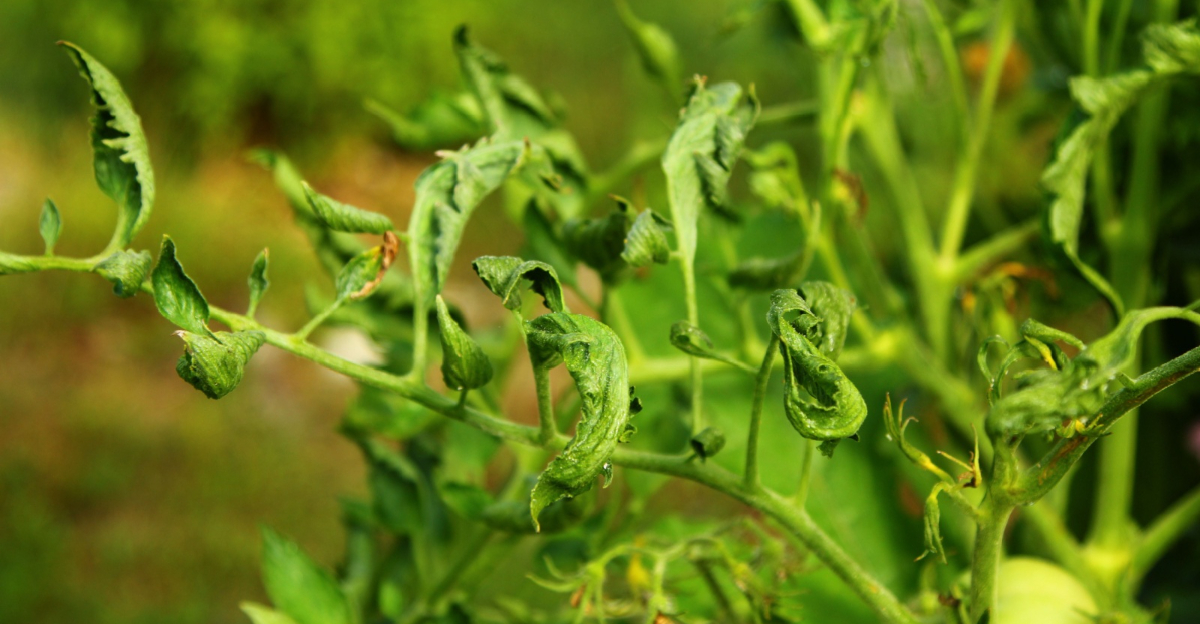
You were not looking for a problem. But there it is, right in the middle of your tomato bed.
Leaves curled tight like little green fists. Before you spiral into worst-case scenarios, here is the truth: tomato leaf curl is incredibly common.
Most of the time it is an easy fix.
Wisconsin summers are not exactly gentle. Heat spikes arrive without warning.
Cool damp nights linger too long. Soil cannot always keep up with what your plants need.
Tomatoes are sensitive to all of it.
Once you know what you are looking at, you can act fast and actually save your plants.
This breaks down every cause, every fix, and every habit that keeps Wisconsin tomatoes healthy from June straight through harvest.
Curling Tomato Leaves Are Trying To Tell You Something
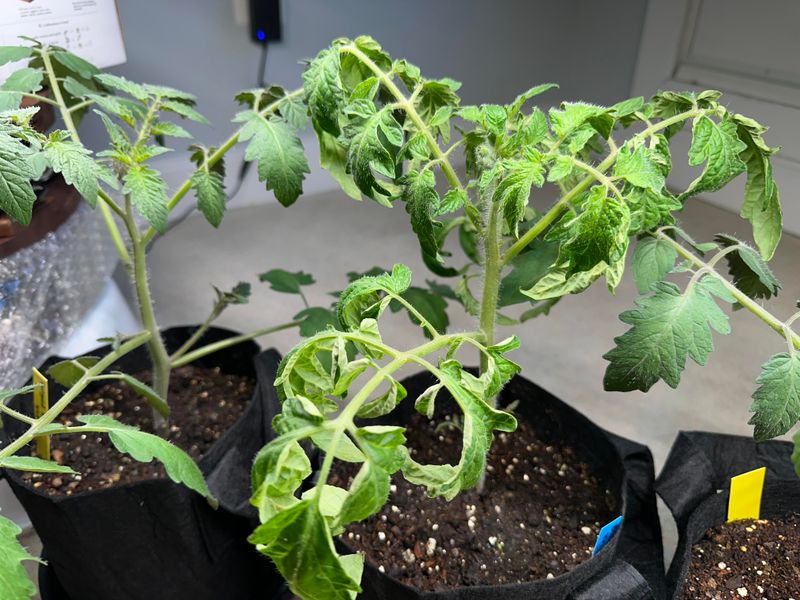
Curling tomato leaves are basically your plant sending an SOS. Several things can trigger this response, and knowing the difference matters a lot.
The most common cause is simple heat stress, especially during those brutal Wisconsin midsummer afternoons.
When temperatures climb above 85 to 90 degrees, tomato plants roll their leaves inward to reduce moisture loss. It is a survival move, not a sign of failure.
Think of it like the plant pulling a blanket around itself.
Inconsistent watering is another big trigger. When soil swings between bone dry and soaking wet, roots struggle to keep up with the plant’s water needs.
That confusion travels straight up to the leaves. Herbicide drift is a sneaky cause that many gardeners overlook.
If a neighbor sprays their lawn on a windy day, those chemicals can float into your garden. The leaves curl in a distinctive, twisting way that looks different from heat stress.
Broad mite or aphid infestations can also cause curling, especially on new growth at the top of the plant. Check the undersides of leaves with a magnifying glass if you suspect pests.
You might be surprised what is hiding down there.
Finally, certain tomato viruses cause persistent curling that no amount of watering will fix. Knowing the root cause is everything when it comes to saving your crop this season.
How To Tell If Your Tomato Plant Is In Trouble
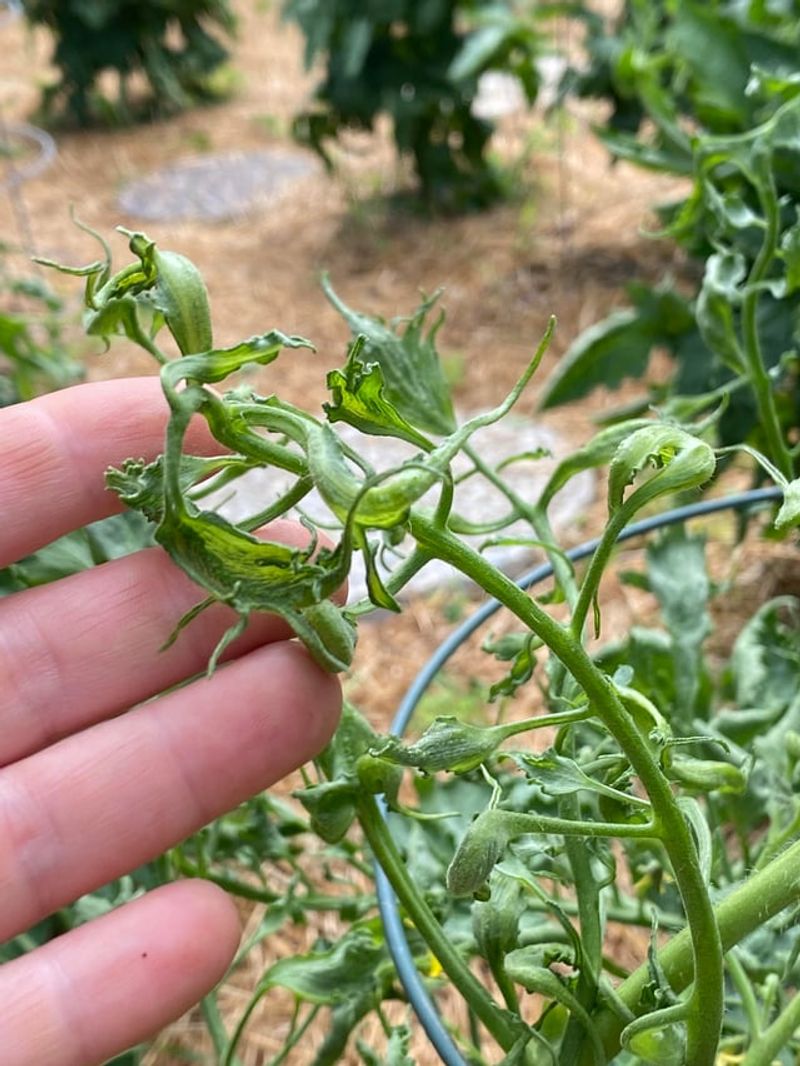
Not every curled leaf means disaster is coming. Some curling is totally normal, especially on the lower leaves of a mature plant on a hot afternoon.
The trick is learning to read the difference between stress and serious trouble. Healthy stress curling usually shows up on the lower or middle leaves.
The plant looks otherwise green, strong, and upright. By evening, those leaves often relax back to normal on their own.
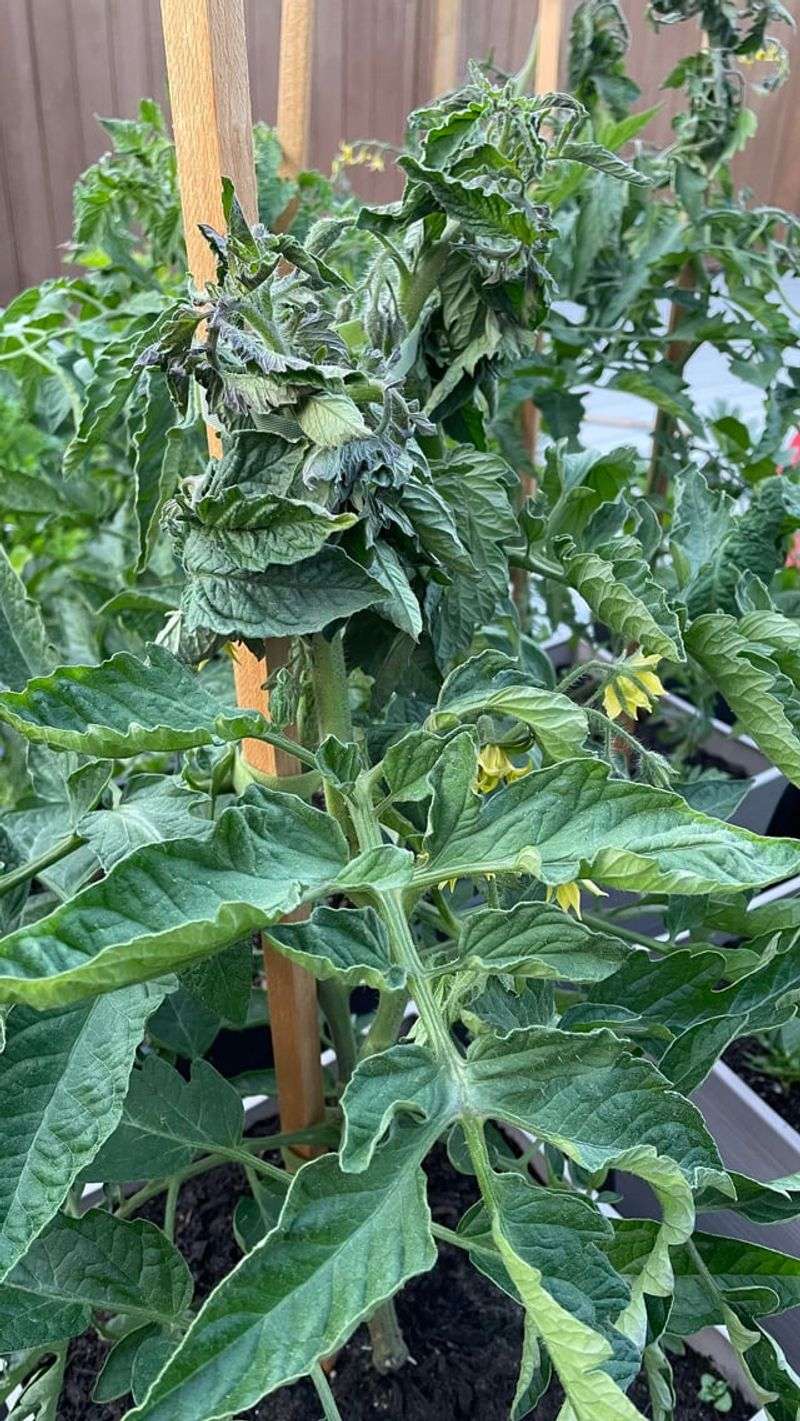
Trouble curling looks different. Leaves that stay tightly rolled for days, turn yellow at the edges, or feel brittle to the touch are waving a red flag.
Pay attention to where the curling starts, whether at the top, middle, or bottom of the plant. Top curling combined with stunted new growth often points to pests or a viral issue.
Bottom curling with yellowing usually signals a watering or nutrient problem. Patterns tell a story if you know how to read them.
Your Wisconsin Garden Changes Every Week. Your Plan Should Too.
Gardening in Wisconsin changes quickly throughout the season. Every Friday you’ll receive a simple weekly plan showing exactly what to plant, prune, fertilize, harvest, and protect so you never miss the right timing.
Check the color of the stems and the texture of the soil around the base. Stems that look brown or streaky inside when cut can hint at fusarium wilt.
Soggy soil with wilting leaves suggests root rot is creeping in. Trust your gut too.
If something looks wrong across multiple plants at once, act fast.
A single struggling plant might just be having a rough day, but a whole row of curled leaves demands your attention right now.
The Fix Depends On The Cause And Here Is What To Do
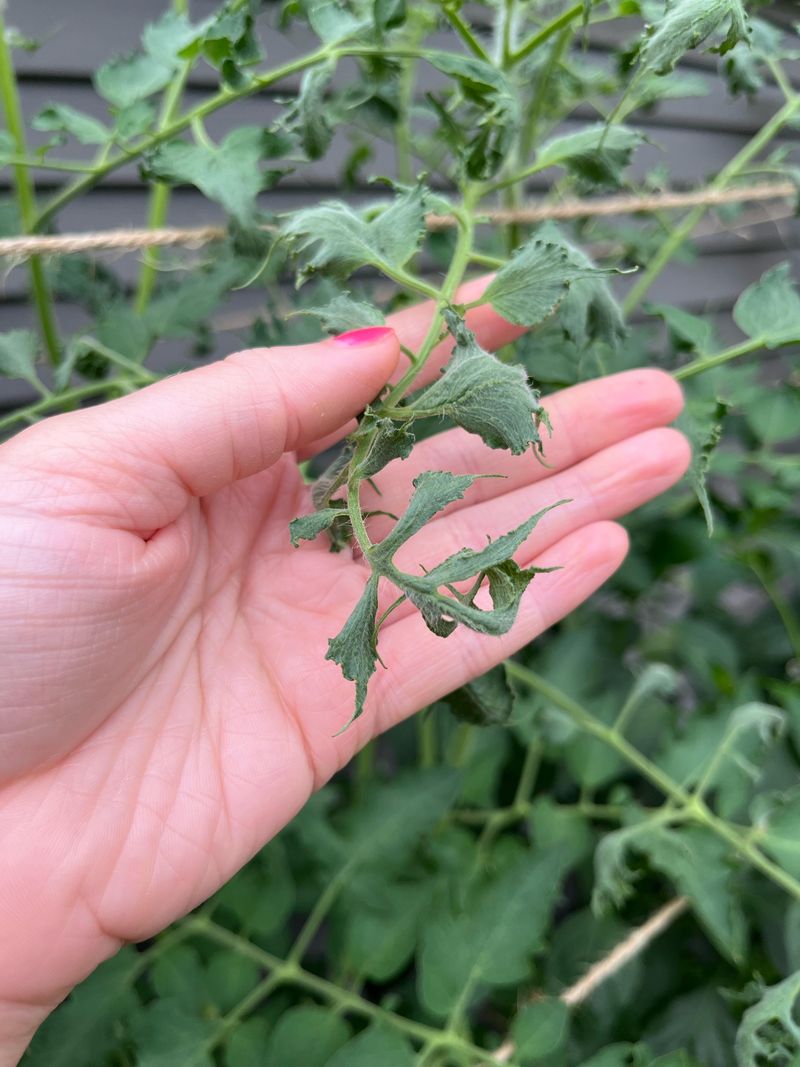
Fixing curling tomato leaves starts with identifying the cause, then acting with purpose. Do not just throw water at the problem and hope for the best.
A targeted approach saves time and keeps your plants from getting worse.
If heat stress is the culprit, shade cloth is your best friend. A 30 to 40 percent shade cloth draped over your tomato cages during peak afternoon hours can drop leaf temperature by several degrees.
Your plants will thank you almost immediately. Watering deeply and consistently is the next move.
Instead of light daily sprinkles, water deeply two to three times per week. This encourages roots to grow downward and access moisture more efficiently during dry spells.
Mulching around the base of each plant helps lock in soil moisture and keeps roots cooler. Straw, wood chips, or shredded leaves all work well.
Aim for a two to three inch layer around each plant without piling it against the stem.
If pests are causing the curl, an insecticidal soap spray applied in the early morning works well on soft-bodied insects like aphids and mites. Repeat every five to seven days until the problem clears up.
Avoid spraying in full sun to prevent leaf burn.
For herbicide drift damage, unfortunately, time is the main remedy. Remove heavily affected leaves and give the plant space to push out healthy new growth over the coming weeks.
How To Prevent Curling Leaves Before They Appear
Prevention beats treatment every single time. A few smart habits before the season heats up can save you weeks of troubleshooting later.
Start with the right soil. Tomatoes thrive in well-draining, organically rich soil with a pH between 6.2 and 6.8.
Test your soil before planting and amend it with compost if needed. Healthy roots give you a resilient plant from day one.
Choose tomato varieties that handle heat and humidity well. Celebrity, Mountain Merit, and Jetstar are proven performers in Midwestern gardens.
When in doubt, ask your local garden center which varieties do best in your county. They will know exactly what works in your growing zone.
Consistent watering matters more than most people think. A drip irrigation system or soaker hose delivers moisture directly to the root zone.
This reduces surface evaporation and keeps the soil evenly moist. Your plants get what they need without the risk of overwatering.
Rotate your crops every season. Planting tomatoes in the same spot builds up soil-borne diseases and pests over time.
Move them to a fresh bed each year. Give the old spot a full season to recover before bringing tomatoes back.
Fertilize wisely and do not overdo nitrogen. Too much pushes leafy growth at the expense of fruit and root strength.
Switch to a lower-nitrogen formula once your plants start flowering. Strong roots resist stress far better than lush, overfed foliage.
When To Worry And When To Leave It Alone
Sometimes the best gardening advice is to put down the hose and walk away. Not every curled leaf is a crisis, and overreacting can cause more harm than good.
Mild leaf rolling on hot afternoons is almost always normal. If the leaves uncurl by evening or the next morning, your plant is simply managing its water load.
No action needed in that case. Just keep up your regular watering schedule and let the plant do its thing.
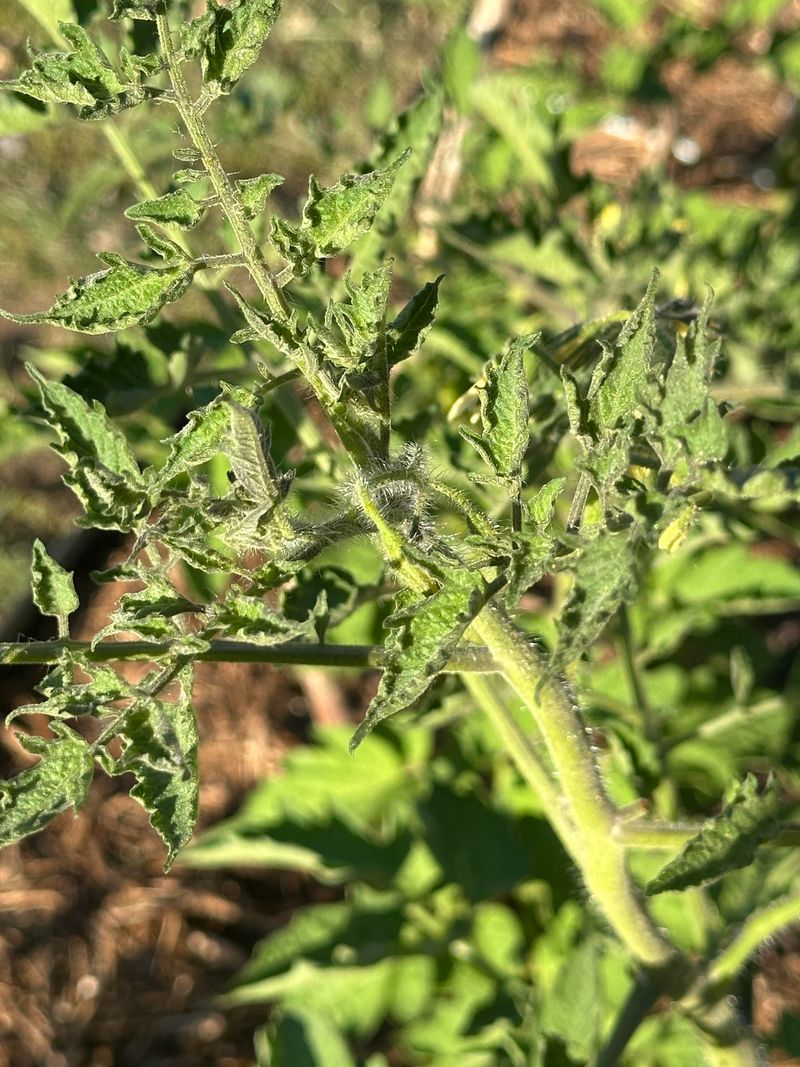
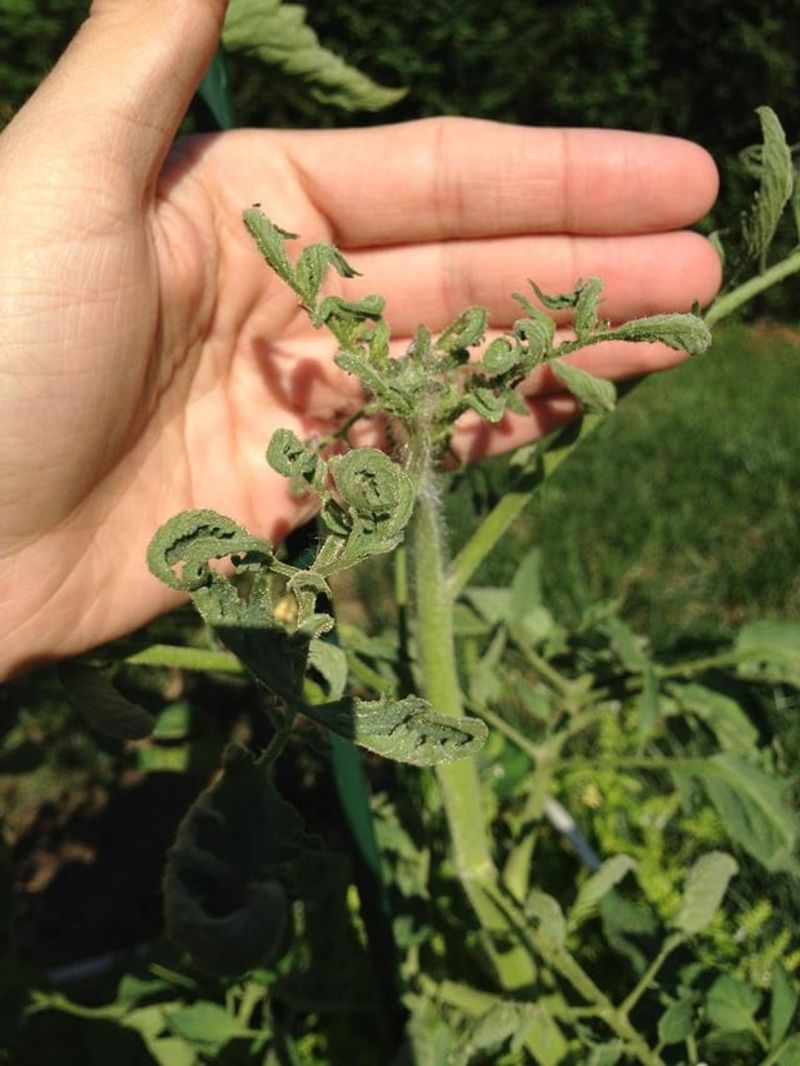
Worry when the curling is severe, persistent, or spreading rapidly up the plant. If new growth at the top is twisted or stunted, that is worth investigating.
Yellow edges combined with curling almost always point to a nutrient or root issue. Pull back any mulch near the stem and check for signs of rot or pest activity at the soil line.
A single plant acting strange while its neighbors look fine is usually an isolated problem. Focus on that one plant without treating the whole garden.
Unnecessary pesticide or fertilizer applications can upset the balance of your entire growing space. When in doubt, treat less and observe more.
Give yourself permission to watch and wait for 48 hours before taking action. Plants are more resilient than we give them credit for, and many bounce back on their own.
The Best Time To Act When You Notice Curling Leaves
Timing matters more than most gardeners realize. Acting at the right moment can mean the difference between a minor setback and a lost crop.
Morning is the best time to inspect your plants. Leaves are fully hydrated, pests are active, and any overnight changes are easy to spot.
Make it a five-minute habit every day during peak growing season. You will catch problems early enough to actually do something about them.
If you spot curling that was not there the day before, act within 24 hours. Pests multiply fast in warm weather and an aphid colony can get out of hand quickly.
Avoid treating plants in the heat of midday. Sprays and fertilizers applied in direct sun can scorch leaves and stress your plants further.
Early morning or late evening applications are gentler and more effective. Same product, better results, just by changing the time.
After a heat wave, do not rush to prune or fertilize. Give your plants two to three days to recover before adding any new stress.
Sometimes the kindest thing you can do is shade them and water deeply. Let the plant breathe before you ask anything more of it.
Keep a simple garden journal and note when curling appears. Track the weather, what you did, and how the plant responded.
Over a season or two, patterns emerge. You become a faster and smarter problem-solver in your own garden.
What Wisconsin Gardeners Do Differently To Keep Tomatoes Healthy
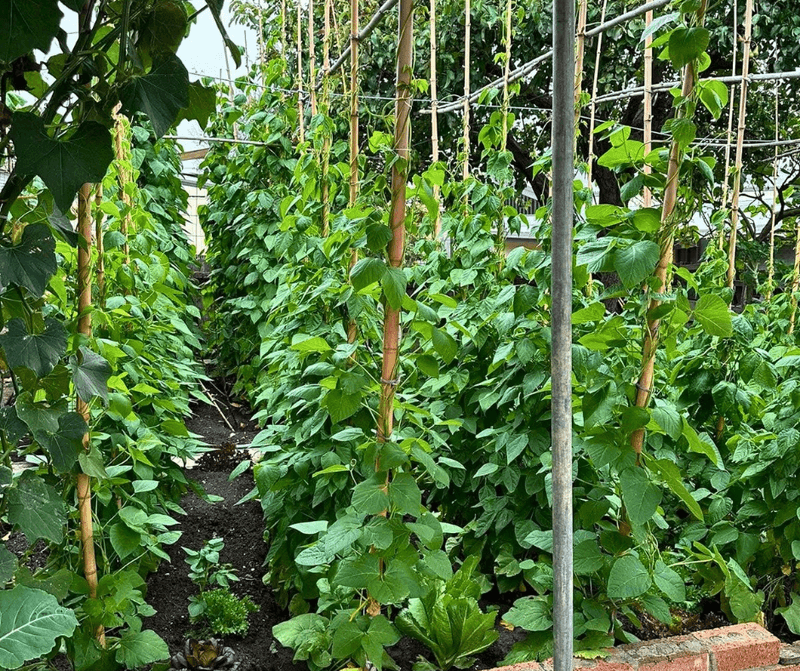
Experienced local gardeners have figured out tricks that no gardening book will teach you. Growing tomatoes in Wisconsin means adapting to a short season, wild temperature swings, and soils that vary from county to county.
Many seasoned growers start seeds indoors six to eight weeks before the last frost date. This gives plants a strong head start so they are ready when warm weather finally arrives.
A healthy transplant handles stress far better than a weak seedling. That head start pays off all season long.
Hardening off transplants is non-negotiable for serious growers. Setting young plants outside for a few hours each day over two weeks toughens them up before full outdoor exposure.
Skipping this step leaves plants vulnerable to wind, sun, and temperature shock. It takes patience but it is worth every day.
Local gardeners also swear by deep planting. Burying the stem up to the lowest set of leaves encourages extra root growth along the buried stem.
More roots mean better water and nutrient uptake all season long. It is one of the simplest things you can do for a stronger plant.
Many also use Wall-O-Water protectors in early spring to extend the season by several weeks. These plastic sleeves trap heat around the plant and protect against late frosts that can wipe out early plantings overnight.
Above all, the best tomato growers stay curious and keep learning. Every season teaches something new and that is what separates a good harvest from a great one.