What Hawks Are Actually Hunting When They Circle Low Over Nebraska Yards
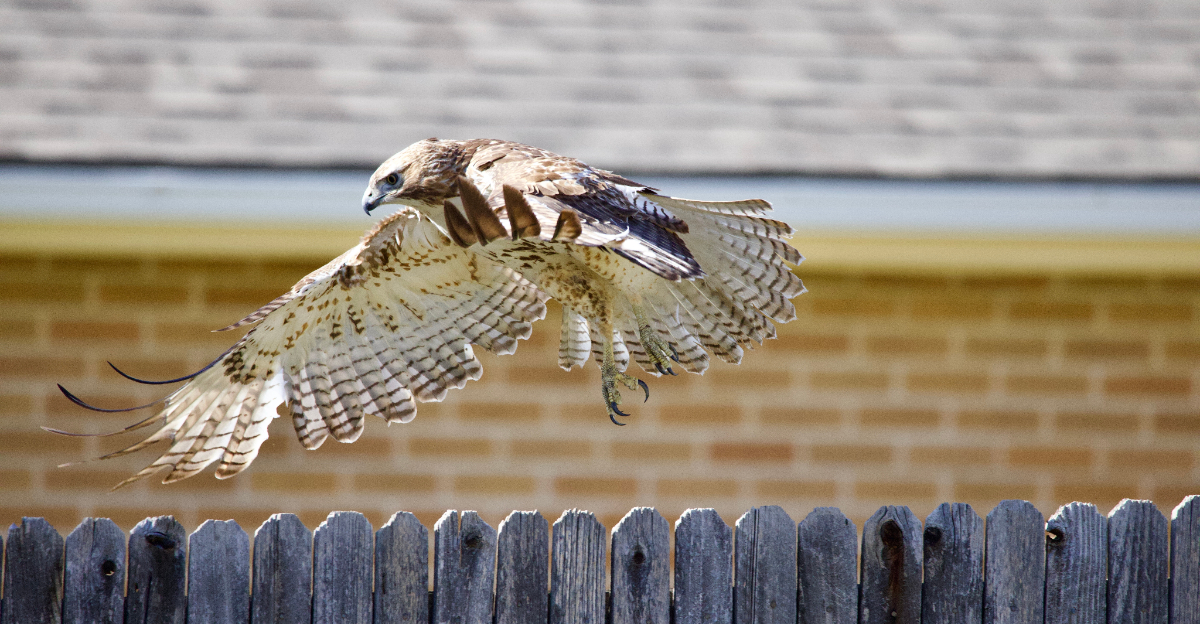
You hear it before you see it. A sharp whistle cuts through the morning air, and something large drops out of the sky like a stone with wings.
It pulls up at the last second, skims your fence line, and disappears behind the treeline across the street. That was a hawk, and it knew exactly what it was doing.
Nebraska yards are not random stops on a hunting route. Hawks read residential landscapes the way a seasoned tracker reads a trail, the overgrown fence corner, the brush pile, the bird feeder drawing a crowd.
Every element tells them something. Low, banking flight over a property is not curiosity. It is a calculated approach from a predator that has already spotted movement below and is deciding the best angle of attack.
Something in your yard put that hawk on the map. Here is what it found.
Low-Flying Hawks Are Hunting, Not Just Passing Through
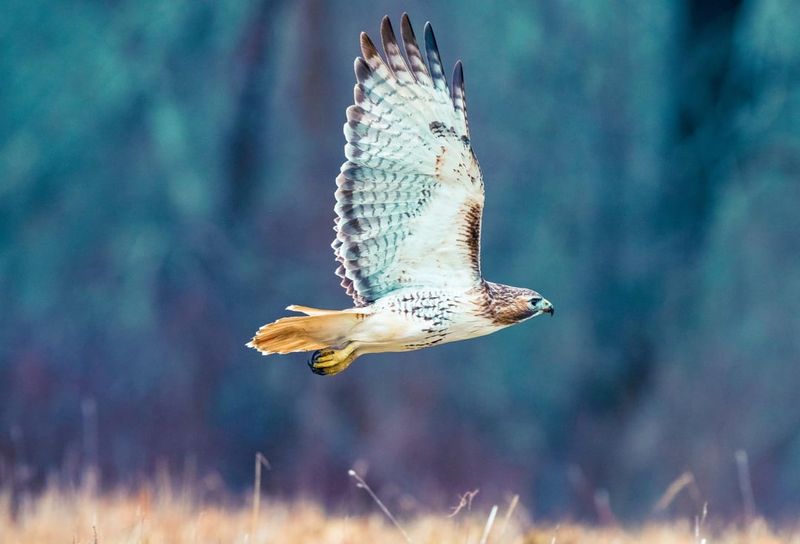
Freeze. That hawk just locked eyes with your lawn.
When a hawk drops altitude and starts circling your yard, it has switched into full hunting mode. Low flight is not lazy or accidental. It is calculated, deliberate, and precise.
Hawks hunt from height to spot prey, then drop low to close the gap fast. A bird cruising at rooftop level is close enough to strike before prey has time to react.
Most people assume hawks only hunt in open fields or wooded areas far from homes. That assumption is wrong. Suburban Nebraska yards offer hawks something wild fields sometimes cannot: concentrated, predictable prey in a small space.
Bird feeders attract sparrows and finches in clusters. Compost piles draw mice. Overgrown edges shelter voles. A hawk flying low over your property has already mapped these food sources from above.
Low-altitude flight also gives hawks a visual edge, keeping them below the skyline where prey is less likely to spot their silhouette in time. Staying close to the ground gives them a stealth advantage most people never consider.
The hawk is not circling aimlessly. It is running a grid search, locking in on movement, heat, or sound from below. Understanding this behavior changes how you see that bird. It is not a random visitor.
It is an apex hunter working a proven territory. Your yard is on its regular route, and today, something down there caught its attention.
The Prey Nebraska Hawks Are Targeting In Residential Areas
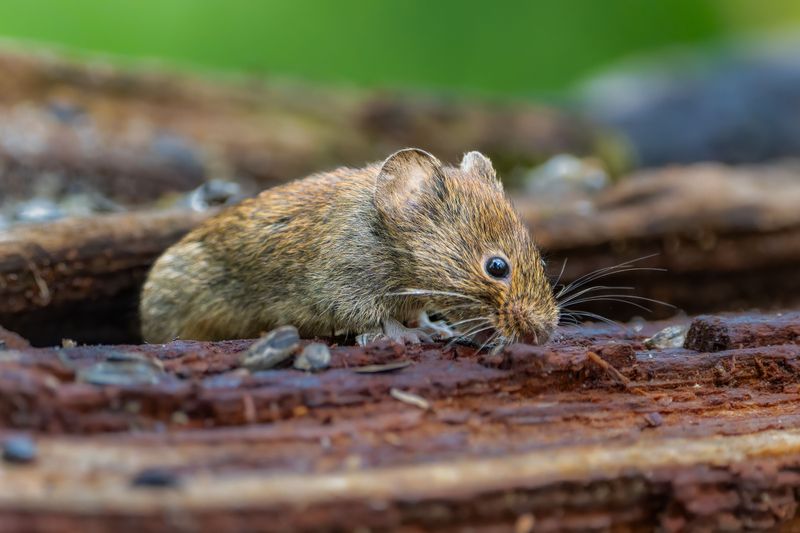
Your yard is basically a fast-food drive-through for hawks.
The menu changes by season, but certain items stay popular year-round. Voles and meadow mice top the list for larger hawks like Red-tails. These small rodents tunnel under lawns and leave runways through thick grass.
Smaller hawk species, like Cooper’s Hawks and Sharp-shinned Hawks, go almost exclusively after birds. Songbirds clustered around feeders are an easy target.
A hawk can hit a feeder flock at full speed and leave with a house sparrow before the other birds have processed what happened. Rabbits are also a regular target in Nebraska residential areas.
Your Nebraska Garden Changes Every Week. Your Plan Should Too.
Gardening in Nebraska changes quickly throughout the season. Every Friday you’ll receive a simple weekly plan showing exactly what to plant, prune, fertilize, harvest, and protect so you never miss the right timing.
Young cottontails, especially in spring, are light enough for a Red-tailed Hawk to carry off. If you have seen hawks circling low over your garden beds, a rabbit family nearby is a likely reason.
Squirrels get targeted too, though they fight back hard and are not always worth the effort. Hawks will still attempt a strike if a squirrel wanders too far from cover. Backyard squirrels that freeze in the open are taking a serious risk.
Even large insects like grasshoppers attract certain hawk species during late summer. Swainson’s Hawks, which pass through Nebraska during migration, will drop low to snatch insects right off the ground.
What hawks are actually hunting when they circle low over Nebraska yards is often something much smaller than people expect.
Why Your Yard Attracts Hawks More Than Open Fields
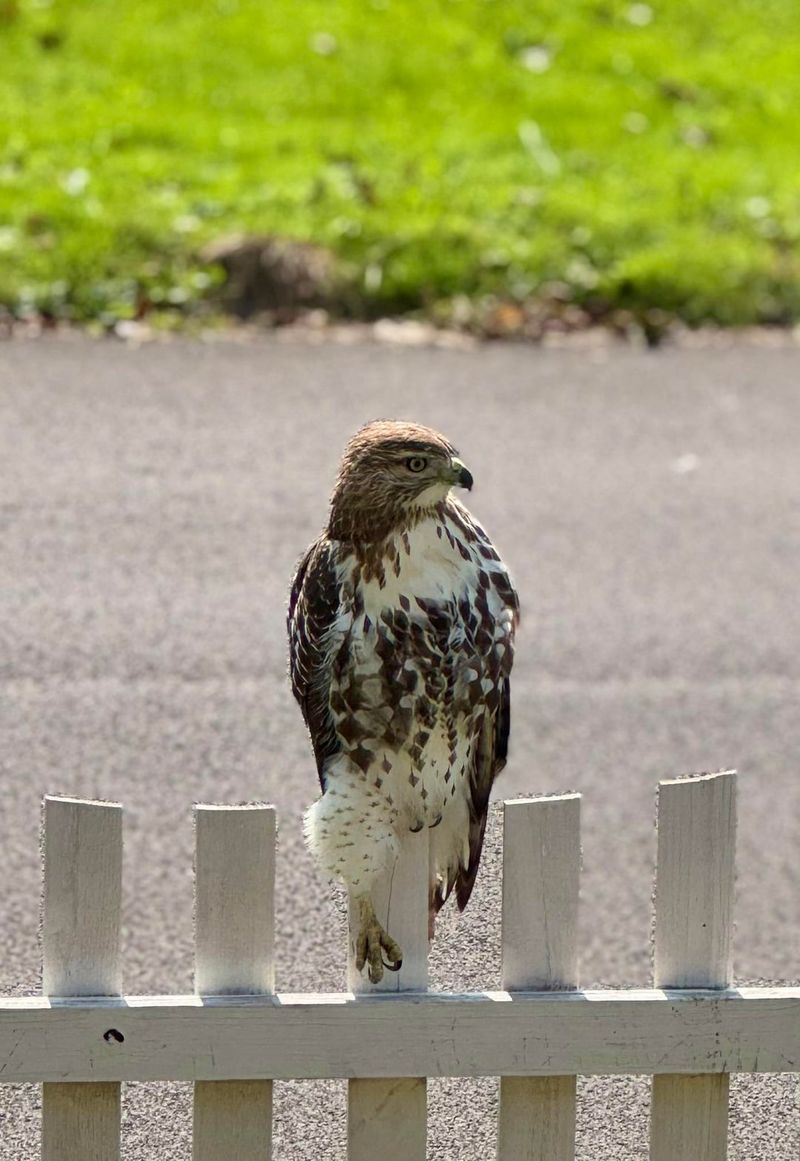
Open fields look like prime hawk territory, but your yard might be better stocked.
Residential yards concentrate food sources in ways that wild fields rarely do. Bird feeders pull in dozens of small birds daily. Gardens and compost areas attract rodents consistently.
Landscaping provides cover that prey animals rely on, which keeps them close and returning often. Hawks are smart hunters. They learn which locations deliver reliable meals.
Once a hawk finds your yard productive, it will return on a regular schedule. Hawks are known to establish regular hunting routes and will revisit productive yards on a consistent schedule.
Lawns also offer hawks clear sightlines that dense wild vegetation does not. A hawk flying low over mowed grass can spot a vole moving through its runway from 50 feet away.
Tall ornamental grasses along fences create perfect staging areas where prey feels hidden but is actually exposed from above. Water sources are another major draw. Birdbaths attract songbirds, which then attract hawk species that hunt birds.
A yard with a birdbath, feeder, and brushy edges is essentially a three-course setup for a hungry Cooper’s Hawk. Suburban tree lines also give hawks perching spots close to prey zones.
A hawk can sit in a backyard oak, watch the feeder for ten minutes, and strike without much effort. Your yard is not random hawk territory. It is prime real estate on a hawk’s hunting map.
How Hawks Use Low Altitude As A Hunting Strategy
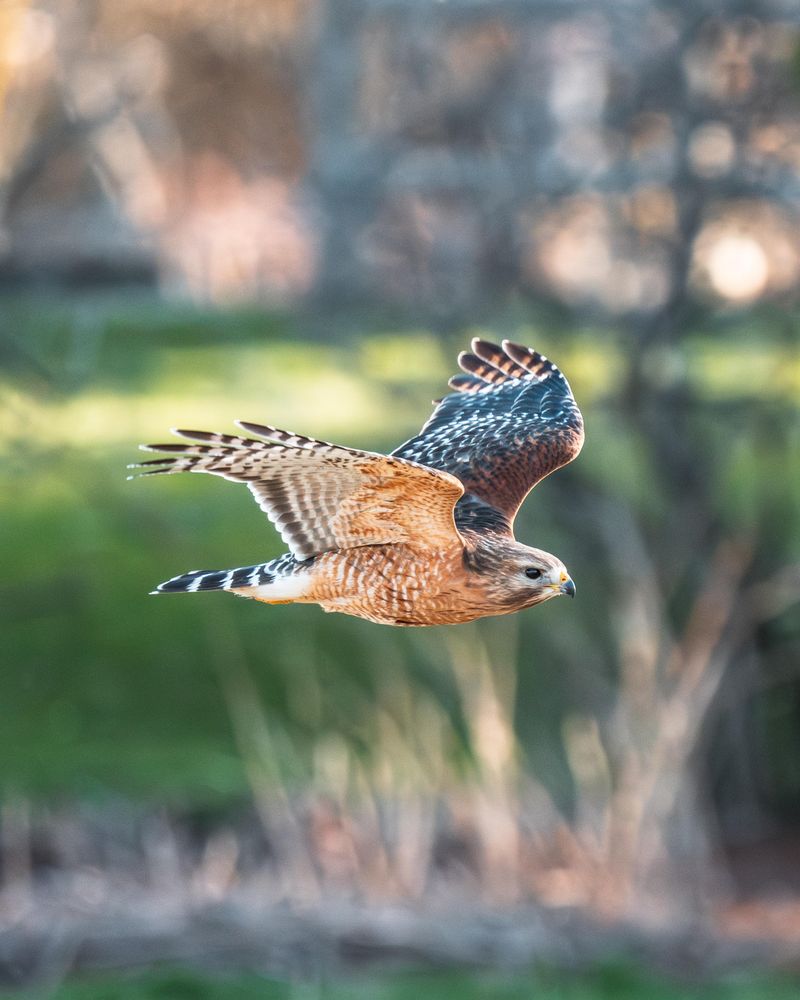
Speed plus surprise equals a successful strike every time.
Hawks flying low over yards are not gliding casually. They are using terrain to hide their approach. Flying below fence lines, rooftops, and hedgerows lets a hawk appear suddenly without giving prey time to react.
This tactic is called contour hunting, and it is devastatingly effective. Sharp-shinned Hawks are masters of this approach. They will fly parallel to a fence line at high speed, then pop over the top directly into a feeder flock.
The birds at the feeder never see it coming until the hawk is already among them. Staying low may also reduce a hawk’s exposure to larger aerial predators, keeping it out of open airspace where it is easier to spot.
Wind plays a role as well. Near ground level, wind speed drops significantly compared to higher altitudes. A hawk hunting low has better control of its flight path and can make sharper turns.
That tight banking you see over your yard is the hawk adjusting its approach angle in real time. The circular pattern people notice is actually a systematic search pattern.
Each loop gives the hawk a fresh viewing angle on the ground below. When the circles tighten and the bird drops lower, a strike is coming soon. Watching this unfold in your own backyard is one of nature’s most gripping performances.
Nebraska Species Most Likely Circling Over Your Property
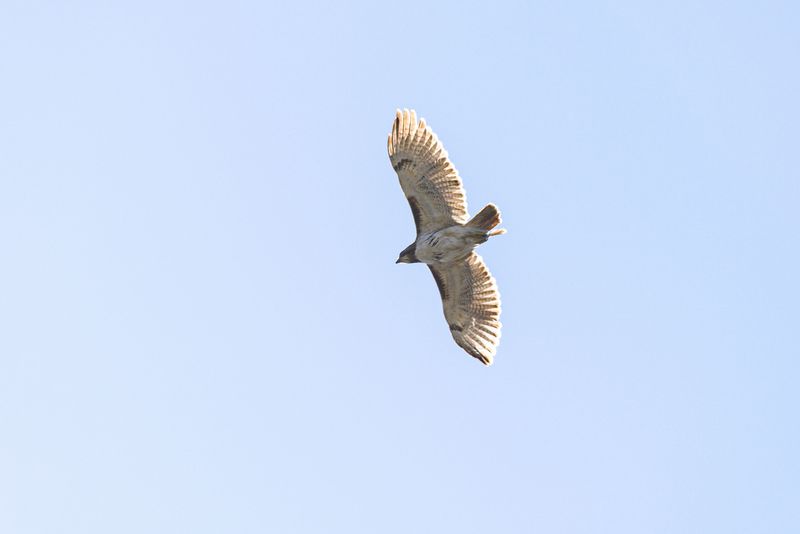
Not every hawk circling your yard is the same bird.
Nebraska hosts several hawk species that regularly enter residential areas. Knowing which one you are watching tells you exactly what it is after. Each species has a preferred prey type and a distinct hunting style.
The Red-tailed Hawk is the most common large hawk in the state. It is the one with the rusty-red tail visible in flight. Red-tails primarily hunt rodents and will circle low over lawns searching for voles, mice, and young rabbits hiding in grass.
Cooper’s Hawks are medium-sized and built for speed. They specialize in hunting other birds and are the species most likely to raid a backyard feeder.
If small birds at your feeder suddenly scatter in a panic, a Cooper’s Hawk likely just made a pass nearby. Sharp-shinned Hawks are the smallest of the group and nearly identical to Cooper’s Hawks at a glance.
They also target songbirds but are lighter and faster. Sharpies are especially active during fall migration when they move through Nebraska in significant numbers.
Swainson’s Hawks are a seasonal visitor, passing through during spring and fall migration. They are similar in size to Red-tailed Hawks but carry a noticeably slimmer build.
Swainson’s will drop low over open lawns to snatch large insects and small rodents before continuing their journey south. What hawks are actually hunting when they circle low over Nebraska yards depends entirely on the species involved.
Identifying the bird first makes everything else click into place.
When Low-Flying Hawks Signal A Bigger Backyard Ecosystem
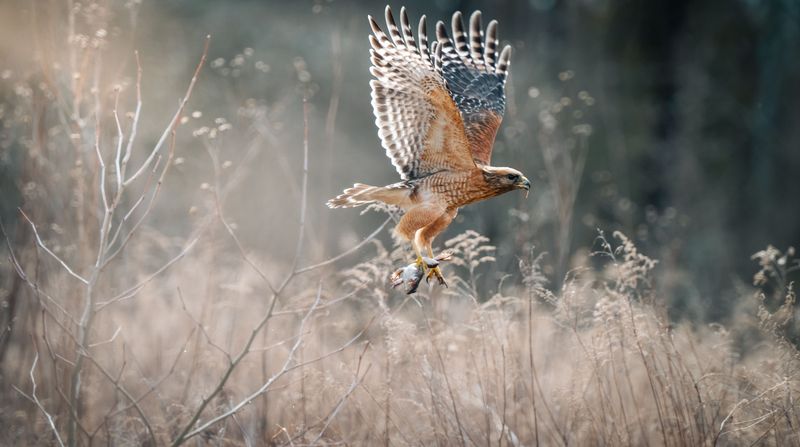
A hawk circling your yard is a sign that something is working. Hawks are apex predators in the backyard food chain. Their presence signals that your yard supports enough prey to attract a top hunter.
That means your outdoor space has insects, rodents, and songbirds thriving in the same area. That is a healthy, functioning ecosystem right outside your back door.
Ecologists call this a trophic cascade effect. When top predators like hawks are present, prey populations stay balanced. Without hawks, rodent populations spike.
Overgrown vole tunnels can damage lawn roots and garden beds fast. A hunting hawk keeps that population in check naturally.
Songbird populations also stay sharper when hawks are around. Birds that survive predator pressure tend to be more alert and behaviorally complex. The feeders in hawk-visited yards often attract a wider variety of bird species over time.
Noticing a hawk working your yard regularly is a sign to pay attention to what else is living there. Look for vole runways in your grass. Check for rabbit activity near garden borders.
Observe which birds are visiting your feeders most often. You might be surprised by the richness of life already present.
Adding native plantings, a water source, and brush piles encourages even more biodiversity. The more layers your yard has, the more interesting it becomes for hawks and the prey they follow.
Your backyard is not just a lawn. It is a living system, and the hawk circling overhead just confirmed it.