How To Attract Beneficial Predatory Insects To North Carolina Gardens
Something is hunting in your garden right now, and you probably have no idea it is there.
Tiny, silent, and surprisingly fierce, beneficial predatory insects patrol your plants every single day, searching for aphids, caterpillars, and other soft-bodied pests that can wreck a summer harvest.
Many gardeners spend money on sprays and treatments without realizing they are simultaneously destroying the natural pest control system that was already working for free.
North Carolina gardens are especially well-positioned to support these natural helpers.
The warm climate, the long growing season, and the diversity of native plants create conditions where predatory insect populations can genuinely thrive if given the right invitation.
The catch is that the invitation has to be intentional.
A garden full of non-native ornamentals, broad pesticide applications, and bare tidy soil is sending the wrong signals. The right garden sends different ones, and beneficial insects respond quickly once those signals are in place.
Learning how to roll out the welcome mat for predatory insects could change the way you garden forever, and it starts with understanding what they actually need.
1. Grow Small Flowers Predators Can Use
Not every flower in the garden is there to look pretty.
Many small-bloomed plants serve as fueling stations for predatory insects that need nectar and pollen between hunting sessions. Lady beetles, parasitic wasps, and lacewings all rely on these tiny flowers to stay strong and reproduce.
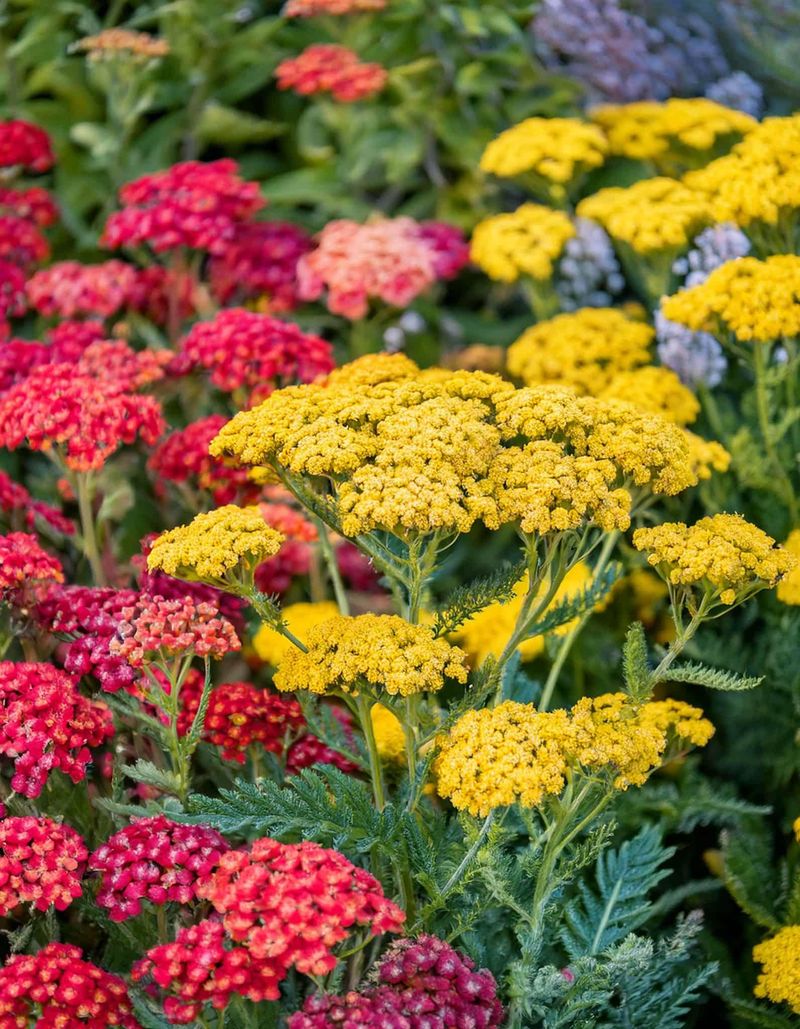
Plants like dill, fennel, cilantro, sweet alyssum, and yarrow are absolute gold for predators.
Their small, open flower structures make it easy for insects with short mouthparts to reach the nectar. Bigger, showier blooms often block access entirely, leaving your helpful bugs hungry and moving on to someone else’s yard.
Mixing these flowering plants directly into vegetable beds rather than keeping them separate in a far corner of the yard makes a real difference.
Proximity matters. A parasitic wasp hunting aphids on your tomatoes needs a quick energy boost close by, not a long flight away.
You do not need a huge space to make this work.
Even a single row of dill tucked between pepper plants or a border of alyssum along a raised bed can bring in noticeable numbers of beneficials.
Start small, watch what visits, and expand from there.
The bugs will absolutely show up once the buffet is open.
2. Keep Blooms Going Across The Season
Predatory insects do not take breaks just because your spring flowers have faded.
They need food sources from the first warm days of March all the way through the cool nights of October. A garden that blooms for only six weeks and then goes quiet is like a restaurant that closes at noon.
Planning for continuous bloom is easier than it sounds.
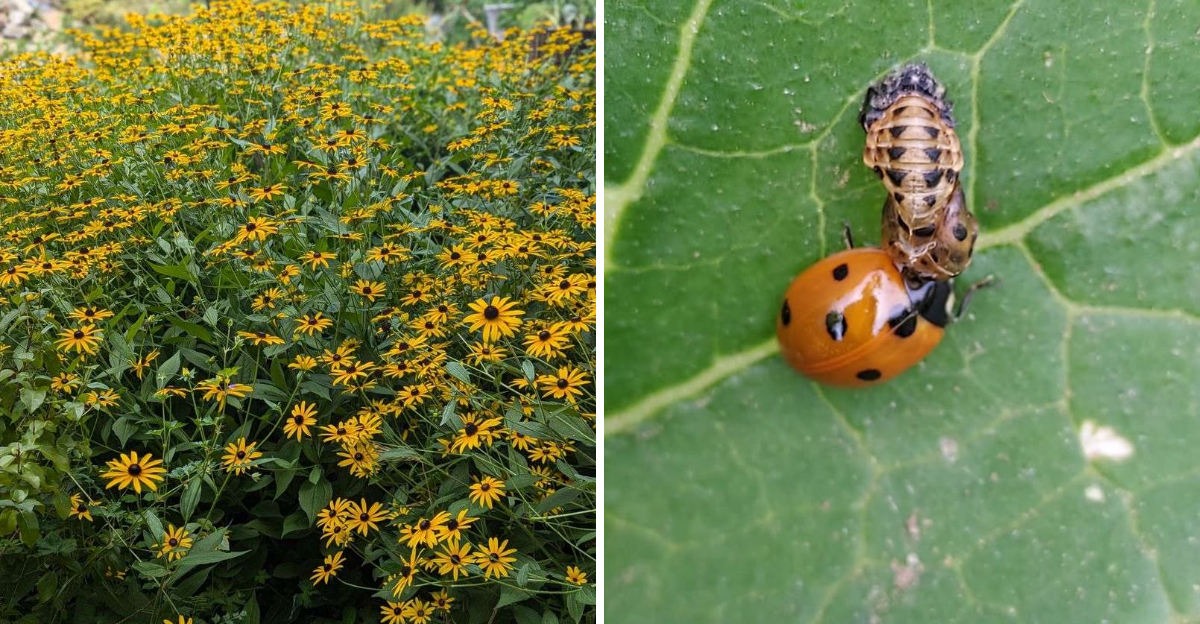
Start with early-season plants like native violets and wild strawberries. Move into summer with coneflowers, black-eyed Susans, and zinnias. Then carry the season into fall with asters, goldenrod, and late-blooming salvias.
North Carolina’s long growing window gives you plenty of room to overlap these plantings.
Your North Carolina Garden Changes Every Week. Your Plan Should Too.
Gardening in North Carolina changes quickly throughout the season. Every Friday you’ll receive a simple weekly plan showing exactly what to plant, prune, fertilize, harvest, and protect so you never miss the right timing.
Goldenrod deserves a special mention here.
It blooms late in the season when most other plants have given up, and it draws in an enormous variety of predatory and parasitic insects.
Many gardeners pull it out thinking it causes allergies, but goldenrod pollen is actually too heavy to be airborne. Ragweed gets that blame unfairly shifted onto goldenrod every single year.
Keeping a simple bloom calendar helps you spot the gaps before they happen.
Walk your garden in early spring and note which weeks look empty. Fill those weeks with one or two new plants each year.
Over time, your garden becomes a year-round insect habitat that practically manages itself. Consistent blooms equal consistent predator populations.
3. Leave A Few Pests As Food
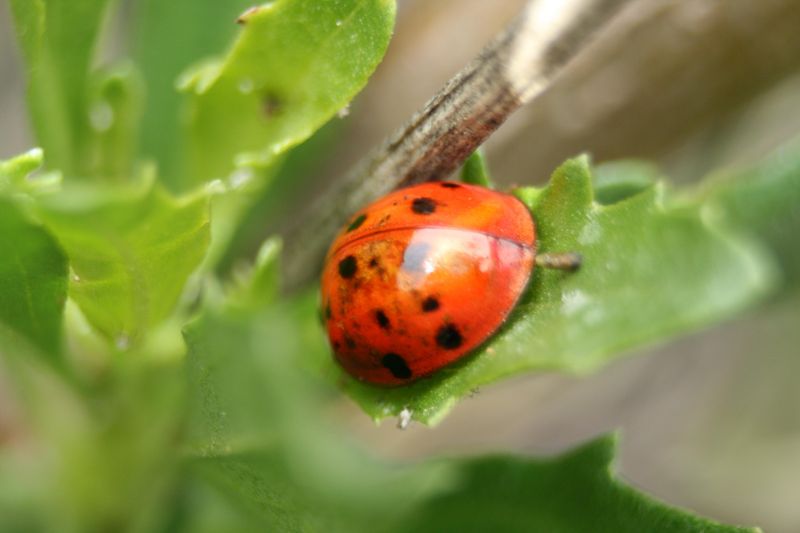
Here is something that surprises most new gardeners: a spotless garden with zero pests is actually a problem.
Predatory insects need prey to survive, lay eggs, and raise their young. If there is nothing to eat, they simply leave and find somewhere more interesting to live.
A lady beetle arriving in your garden and finding no aphids whatsoever has no reason to stick around.
She will fly off to a neighbor’s yard where there is actual food available. The same goes for ground beetles, lacewings, and parasitic wasps. They are always searching for a meal.
The goal is not to let pests run wild.
A small, managed population of aphids on one plant can support an entire colony of lady beetles that will later fan out and protect the rest of your garden.
Tolerating low levels of pest activity rather than reacting immediately to every single bug you spot is a core principle of sustainable pest management.
Resist the urge to spray at the first sign of trouble.
Give predators three to five days to respond before taking action. In most North Carolina gardens during warm months, the response time is surprisingly fast once a healthy predator population is established.
Patience here is genuinely one of the most powerful tools you have.
A little pest activity now prevents a much bigger outbreak later.
4. Skip Broad Sprays During Bloom
Broad-spectrum insecticides are equal-opportunity eliminators.
They do not read labels or check credentials before acting. Spray one on a blooming plant and you will wipe out the very insects you have been working so hard to attract, right alongside the pests you were targeting.
Pyrethroids, malathion, and many other common garden sprays are highly toxic to lady beetles, lacewings, parasitic wasps, and ground beetles.
Even products labeled as organic, like spinosad, can be harmful to beneficial insects when applied during bloom.
The timing and placement of any spray matters just as much as the product itself.
Avoiding broad applications when plants are flowering is consistently recommended for exactly this reason.
If you absolutely must treat a pest problem, choose targeted options like insecticidal soap or neem oil applied directly to the affected area. Spray in the early morning or evening when most beneficial insects are less active.
Reading the label completely before spraying is not optional.
Labels carry legal weight and provide specific guidance about timing, rates, and which insects may be at risk.
A good rule of thumb for North Carolina gardeners: if something is blooming nearby, hold off and reassess.
Most pest outbreaks that seem urgent in the moment can wait a few days while you observe whether natural predators are already responding.
Protecting your beneficial insect population now saves you from bigger headaches down the road.
5. Add Native Plants Around Vegetables
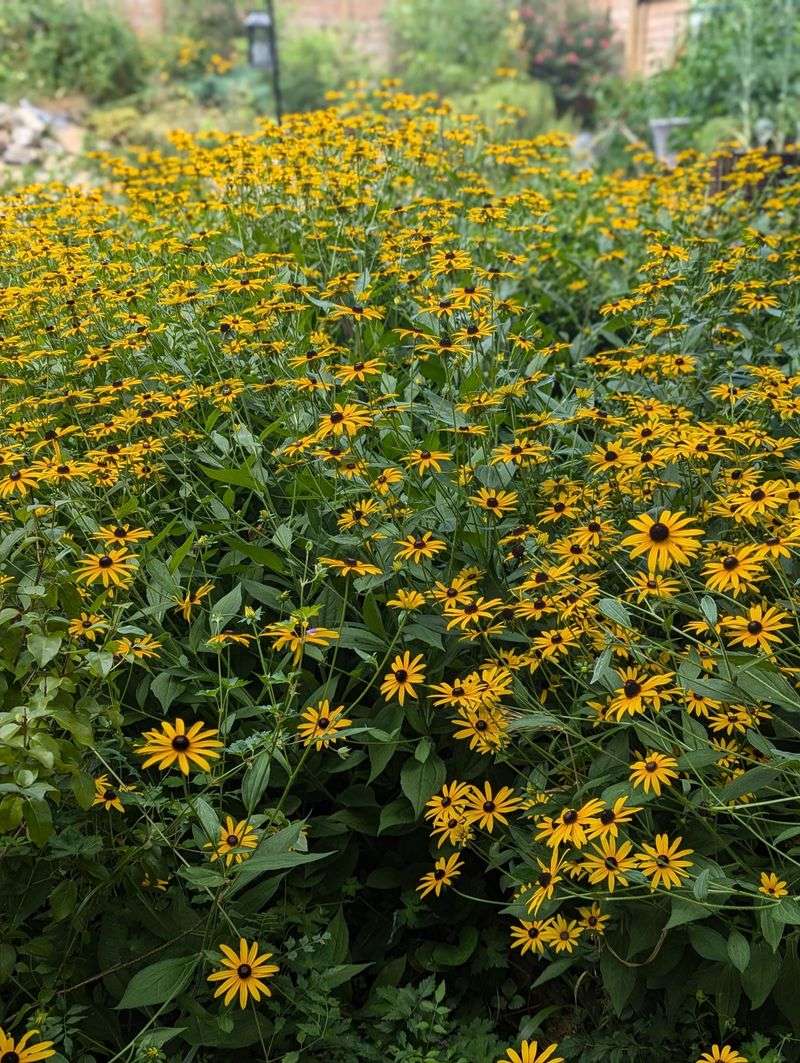
Native plants are the original home team.
They evolved alongside North Carolina’s native insects over thousands of years, which means local predators recognize them, use them, and thrive near them in ways that non-native ornamentals simply cannot match.
Planting natives near your vegetable beds is one of the smartest moves a garden can make.
Black-eyed Susans, native coneflowers, ironweed, and wild bergamot are all excellent choices for borders around food gardens.
They attract a remarkable range of parasitic wasps, predatory flies, and ground beetles. Many of these insects will then move into the vegetable bed itself to hunt for caterpillars, aphids, and whiteflies that threaten your crops.
Diversity is the real goal here.
A vegetable garden surrounded by five or six different native species will support far more types of beneficial insects than one surrounded by a single ornamental grass or a row of marigolds alone.
Each plant species tends to attract a slightly different set of insects, so variety builds a richer, more resilient predator community.
You do not have to rip out everything and start over.
Begin by replacing one or two non-native border plants with native alternatives each season. The NC Native Plant Society maintains a helpful list of regionally appropriate species organized by county and growing conditions.
Using locally sourced native plants whenever possible gives you the best results because they are already adapted to your specific soil and rainfall patterns.
Your vegetable garden will thank you for the backup.
6. Give Ground Beetles Some Cover
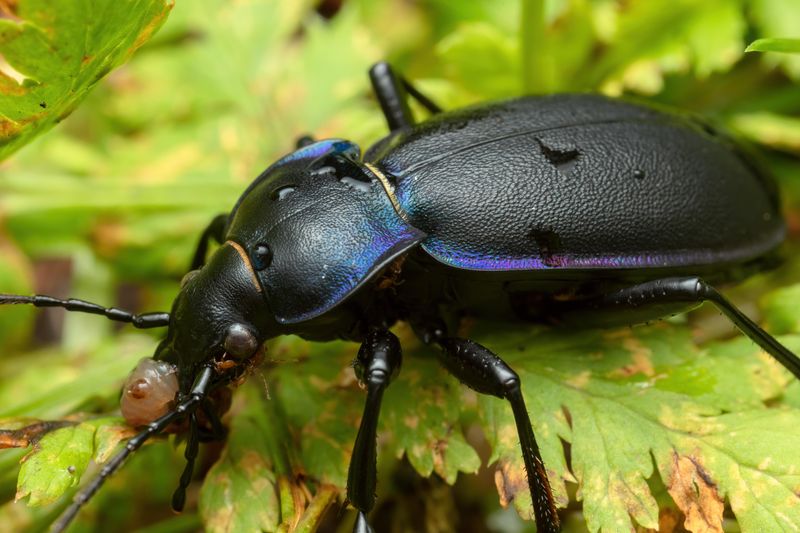
Ground beetles rarely get the credit they deserve.
These fast-moving, mostly nocturnal hunters patrol the soil surface every night, chasing down caterpillars, slug eggs, and weed seeds with impressive speed and determination.
A single ground beetle can consume dozens of small pests in one evening. They are essentially a free night-shift pest patrol.
The catch is that ground beetles need shelter to feel safe during the day.
They hide under mulch, flat rocks, logs, and leaf litter while the sun is up. A garden with bare, tidy soil and no ground cover offers them nowhere to rest, so they move on to messier, more hospitable habitats.
Adding a two to three inch layer of wood chip mulch around your vegetable beds creates instant beetle habitat.
Flat stones placed at the edges of beds work even better because they stay cooler and damper underneath.
Leaving a small brush pile or a cluster of larger rocks in a corner of the garden gives beetles a permanent refuge they will return to season after season.
Resist the urge to rake up every leaf that falls in autumn.
A thin layer of leaf litter left along garden borders over winter provides overwintering habitat for ground beetles and many other beneficial insects.
You can always tidy up in early spring before new growth begins.
Ground beetles are one of the most underrated natural pest control agents in vegetable gardens, and all they ask for is a little cover.
7. Learn The Young Insect Stages
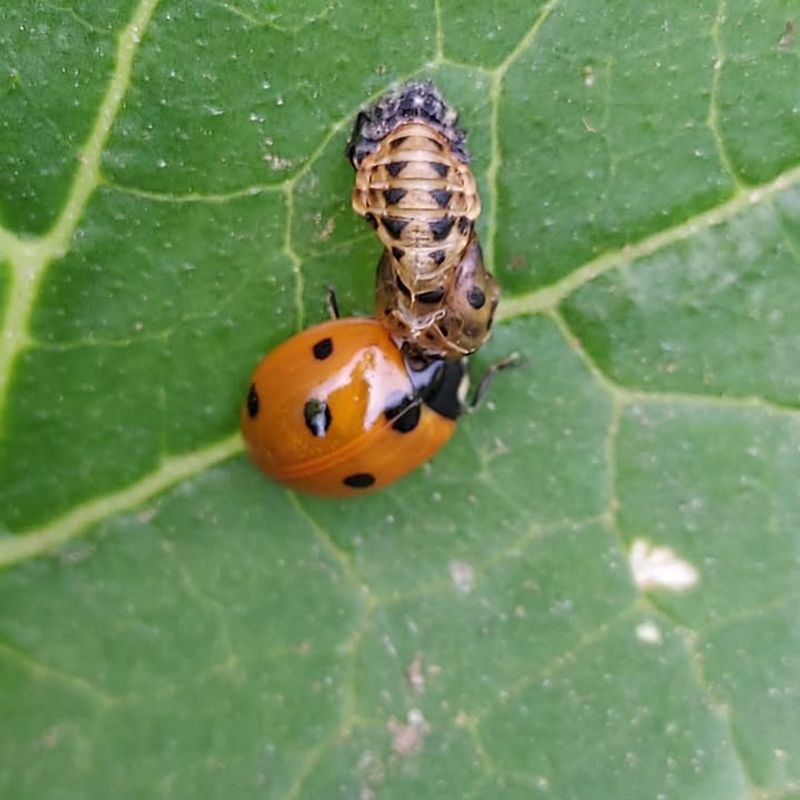
Most gardeners can spot a red-and-black lady beetle without any trouble.
But here is a fact that changes everything: the larval stage of a lady beetle eats far more aphids than the adult ever will.
If you cannot recognize the larva, you might accidentally remove your most productive pest controller thinking it is a threat.
Lady beetle larvae look nothing like the adults.
They are dark gray or black with orange or yellow spots, elongated, and slightly spiky in texture. Many people mistake them for some kind of dangerous bug and flick them off plants immediately.
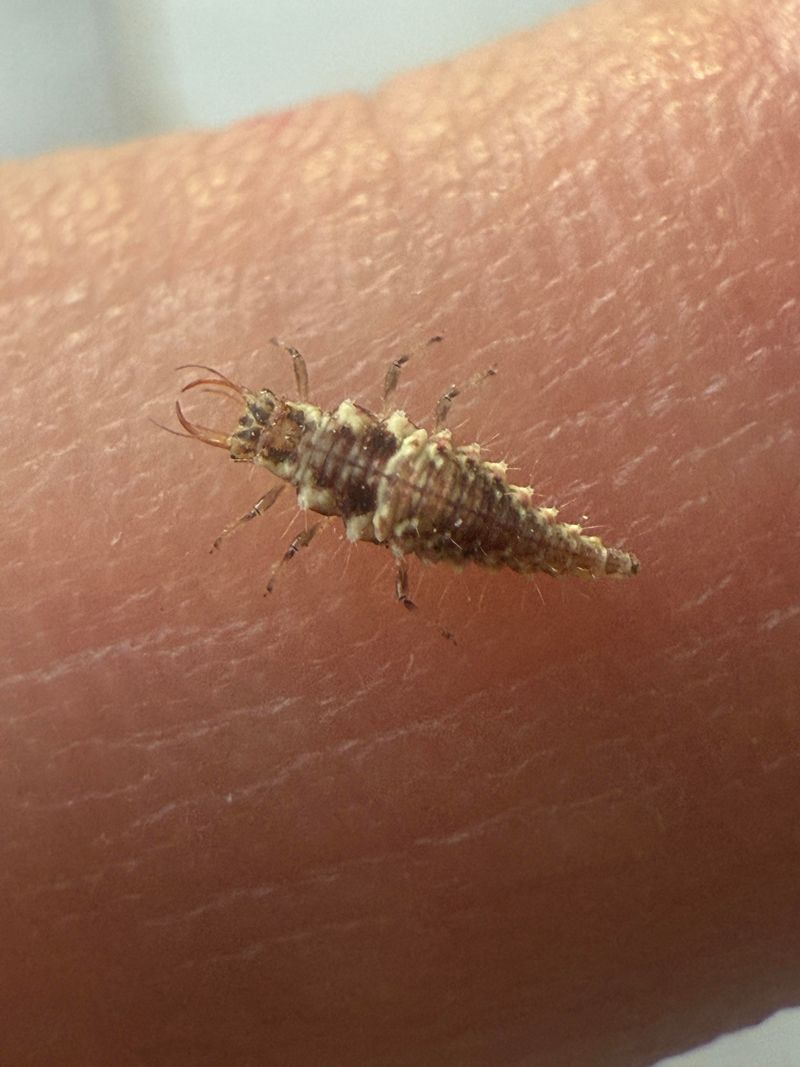
Lacewing larvae are equally unfamiliar, resembling tiny brown alligators with curved mandibles. They are sometimes called aphid lions, which is a genuinely well-earned nickname.
Syrphid fly larvae are another common case of mistaken identity.
These small, pale green or brown grubs live right among aphid colonies and consume them at an impressive rate. Because they lack legs and move slowly, they often get overlooked entirely or confused with pest caterpillars.
Spending fifteen minutes with a field guide or a reliable online resource can completely transform how you see your garden.
Take photos of unfamiliar larvae and run them through an identification app before taking any action.
Building this habit of checking before reacting protects your beneficial insect population and saves you from accidentally undoing the ecosystem you have been building all season long.
8. Use Water Without Creating Mosquito Trouble
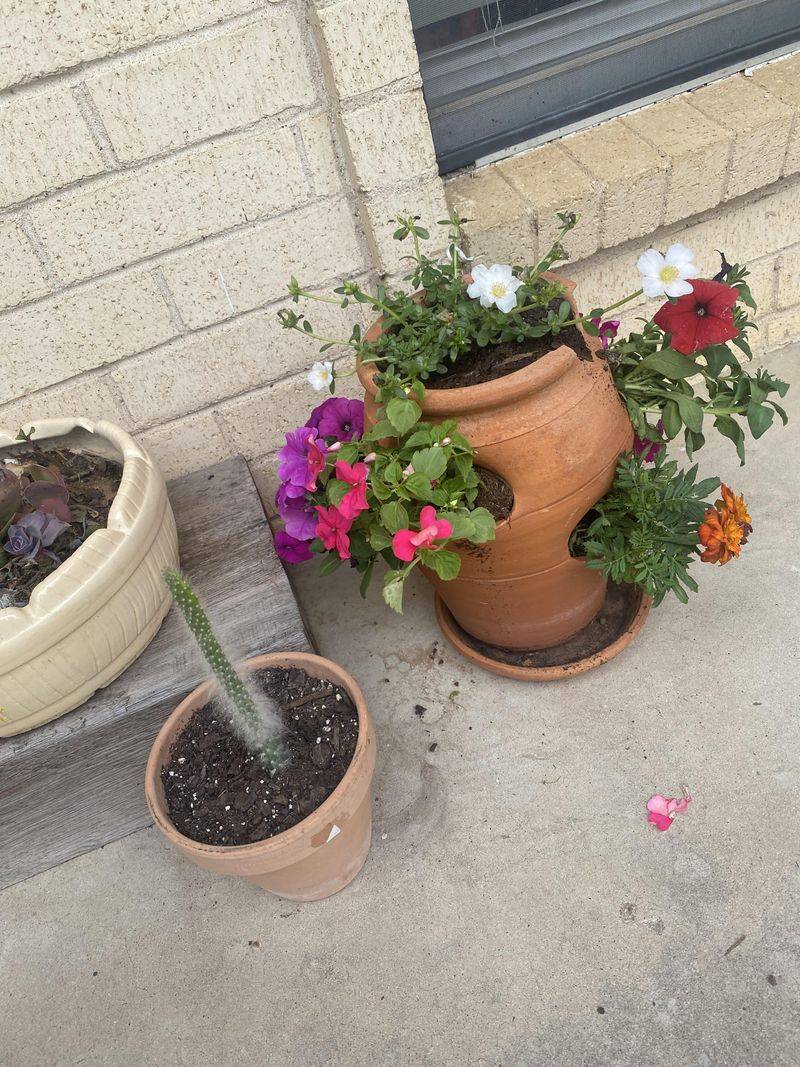
Predatory insects get thirsty too.
During hot North Carolina summers, a reliable water source can make your garden significantly more attractive to lady beetles, lacewings, parasitic wasps, and other helpful hunters.
The challenge is providing water in a way that does not accidentally create a breeding spot for mosquitoes.
Shallow water is the answer. A terracotta saucer, a wide flat dish, or even a jar lid filled with clean water and a few small pebbles gives insects a safe place to drink without the risk of drowning.
The pebbles act as landing platforms, which is exactly what small insects need to access water safely.
Mosquitoes need standing water that sits undisturbed for at least four to seven days to complete their development.
Refreshing your insect water source every two to three days completely eliminates that risk. It takes about thirty seconds and keeps the water clean and appealing to the insects you actually want in your garden.
Placement matters as much as design.
Set water sources near your flowering plants and vegetable beds rather than in a remote corner of the yard.
Beneficial insects tend to stay close to their hunting and feeding areas, so a nearby water source encourages them to linger longer.
During dry summer stretches in North Carolina, this simple addition can noticeably increase the number of beneficial insects that choose your garden as their regular territory.
A little water goes a long way.