What It Means When Stink Bugs Start Appearing Indoors In New Jersey
Late September in New Jersey, and something shifts. The days cool, the leaves turn, and then, without any invitation, your home fills up with squatters.
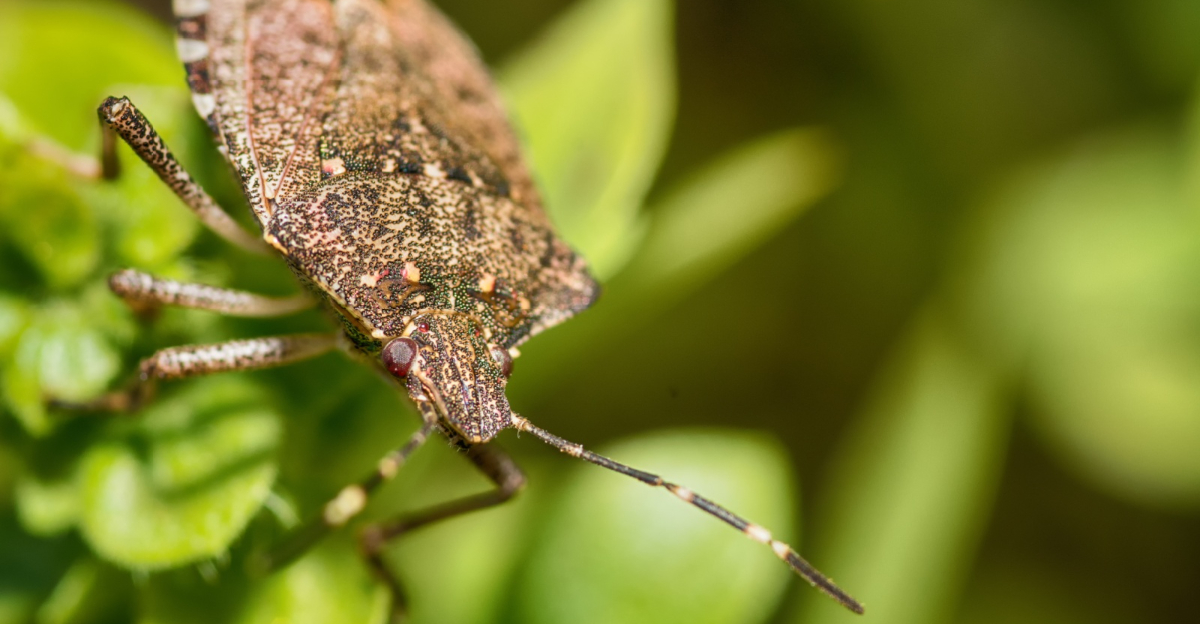
Brown, armored, utterly unbothered. A stink bug crosses your ceiling like it has a meeting to get to. Then another appears on the windowsill. Then three more behind the curtains.
This is not random. Stink bugs do not wander inside by accident; they follow invisible signals, biological urgencies older than your house, older than the neighborhood itself.
What looks like a pest problem is actually a communication problem. These insects are telling you something specific about your walls, your gaps, your yard, and your timing.
New Jersey homes become stink bug magnets every single year for reasons most homeowners never connect. Figure out what the bugs already know, and you can get ahead of them before they settle in.
Nearby Vegetation And Gardens Are Actively Being Fed On
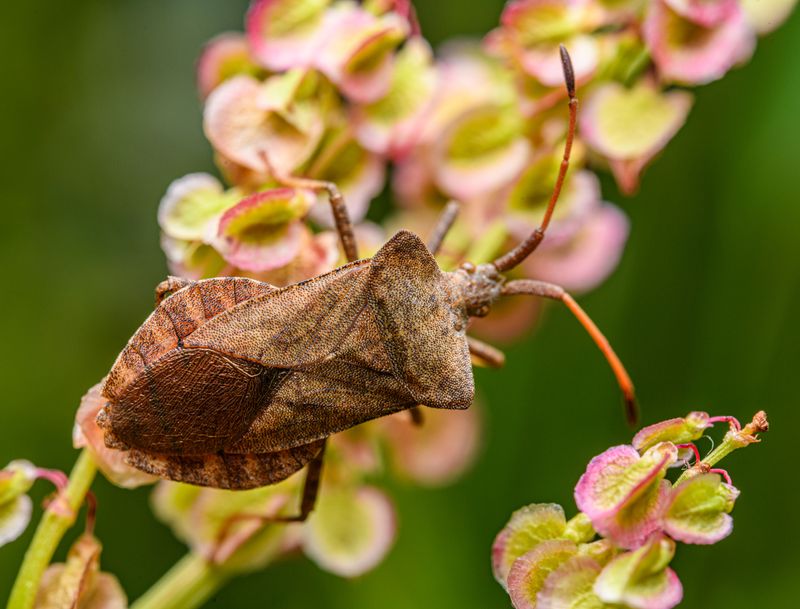
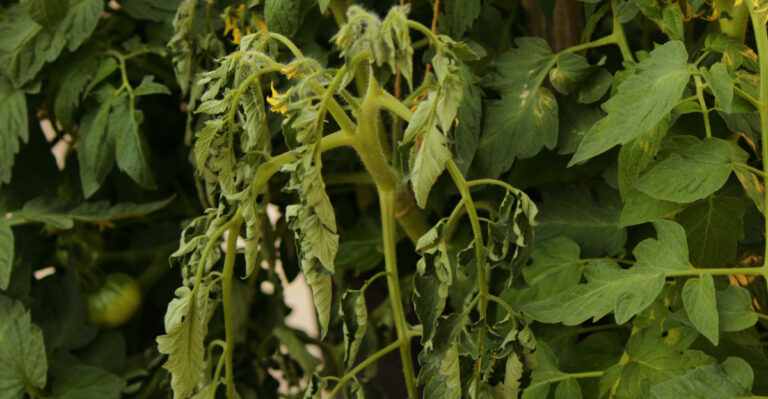
Your garden may be actively drawing stink bugs toward your home. Brown marmorated stink bugs are voracious feeders that target tomatoes, peppers, apples, and beans.
When their outdoor food supply is rich and plentiful, populations build up fast. A thriving garden right next to your house is a strong attractant for nearby stink bug populations.
They feed by piercing plant tissue and sucking out the juices inside. You will notice dimpled, discolored spots on your fruits and vegetables as a telltale clue.
Once the outdoor feeding frenzy slows down, they start looking for new shelter. That search often leads them straight through your walls and windows.
Trimming back dense vegetation near your foundation is one of the smartest moves you can make. Even a few feet of cleared space creates a natural buffer between the bugs and your door.
Checking your garden regularly for feeding damage helps you catch an infestation early. Spotted damage means the population nearby is already growing strong.
Companion planting with herbs like basil and mint may help discourage stink bugs from settling in. Your garden can work for you, not against you, with the right plant choices.
Gaps Or Damaged Screens Exist Somewhere In Your Exterior

One tiny gap is all it takes, and these bugs are surprisingly skilled at finding every single one. Stink bugs can squeeze through openings as small as a few millimeters wide.
Damaged window screens, cracked door frames, and gaps around utility pipes are all common entry points. Most homeowners do not even realize how many small openings their home actually has.
A thorough inspection of your exterior is the best place to start. Walk slowly around your home and look carefully at every seam, corner, and edge you can find.
Pay close attention to areas where different building materials meet each other. Those transition zones between siding, brick, and trim often develop small cracks over time.
Foam sealant and weatherstripping are inexpensive fixes that make a huge difference. Sealing even a handful of entry points can dramatically reduce how many bugs get inside.
Your New Jersey Garden Changes Every Week. Your Plan Should Too.
Gardening in New Jersey changes quickly throughout the season. Every Friday you’ll receive a simple weekly plan showing exactly what to plant, prune, fertilize, harvest, and protect so you never miss the right timing.
Check your attic vents and crawl space screens too, since those are frequently overlooked. Bugs frequently exploit spots that humans rarely inspect or think about.
Replacing damaged screens before late summer gives you a real head start. Getting ahead of the problem is always easier than chasing bugs around your living room in October.
Humid Summer Conditions Are Speeding Up Their Breeding Cycle
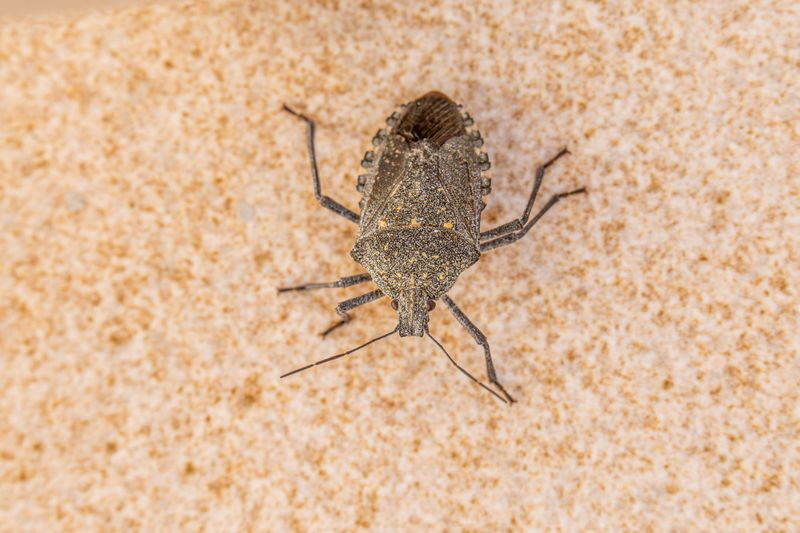
Hot, sticky summers in the Garden State create the perfect nursery for stink bug populations. Warm temperatures combined with high humidity accelerate their development from egg to adult.
A female stink bug can lay hundreds of eggs during her lifetime, often in clusters on leaf undersides. When summer conditions are ideal, those eggs hatch faster and survival rates climb sharply.
A second generation is possible within a single season when summers run particularly warm. That means what starts as a small population in June can become a significantly larger one by August.
Humid conditions also keep plant life lush and abundant, which means more food is available. More food equals faster growth, longer lifespans, and higher reproduction rates across the board.
Keeping your yard well-drained and reducing standing water near your foundation helps cut down on humidity pockets. Bugs thrive in moist microclimates, so eliminating those spots matters more than most people think.
Fans and dehumidifiers inside your home can make your interior less appealing to wandering insects. A dry home is genuinely less attractive to stink bugs looking for a sheltered interior space.
Monitoring local weather patterns helps you anticipate when population spikes are likely. A particularly wet and warm summer should put you on high alert well before fall arrives.
Exterior Lights Are Attracting Them Toward Your Home

Flip on your porch light after dark and watch what shows up. A wide range of insects will gather near that light source. Stink bugs are strongly attracted to artificial light sources, especially bright white bulbs.
This behavior is called phototaxis, and it explains why so many bugs end up near your doors and windows at night. Once they are close to your home, finding a way inside becomes much easier for them.
Switching to yellow or amber LED bulbs for your outdoor fixtures makes a noticeable difference. Those wavelengths are far less visible to most insects, reducing how many bugs your lights pull in.
Motion-activated lights are another smart option because they stay off most of the time. Less time glowing means fewer bugs gathering near your entry points each evening.
Moving lights away from doors and windows is a simple but effective strategy. Placing fixtures farther from your home draws bugs away from the spots where they could sneak inside.
Closing blinds and curtains at night prevents indoor light from leaking outside. Even a bright TV or lamp can attract insects if the glow escapes through thin curtains.
Making your home less of a beacon at night is one of the easiest wins available to you. Small lighting changes cost almost nothing but can cut your stink bug encounters significantly.
Early Overwintering Pressure Is Already Building Before Fall
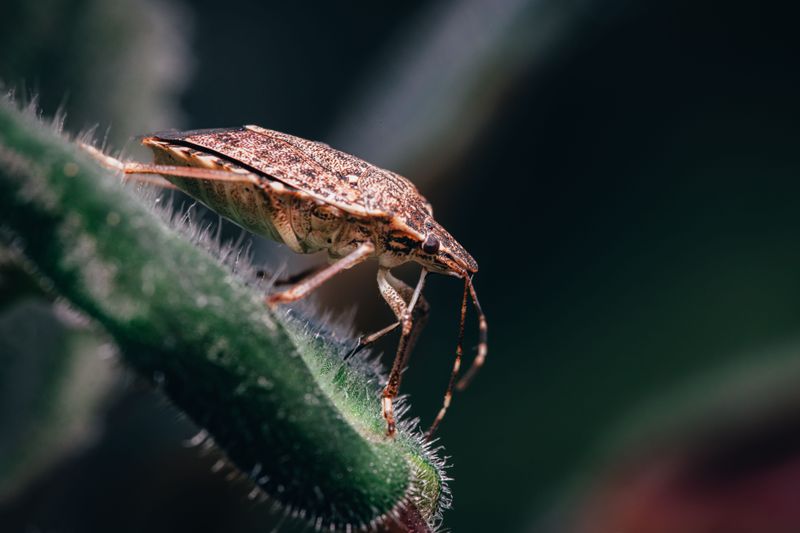
Most people think stink bugs are a fall problem, but the pressure starts building much earlier than that. By late summer, these insects are already sensing shorter days and cooling nights.
That biological clock triggers a survival instinct called diapause, which is essentially their version of preparing for a long winter. They begin actively searching for warm, protected spaces to ride out the cold months ahead.
Your home’s sun-warmed walls are incredibly appealing to bugs looking for a cozy overwintering spot.
South and west-facing walls get the most sun exposure and tend to attract the largest gatherings.
Seeing bugs on your exterior in August or September is not just a coincidence. It means the seasonal push toward shelter has already begun, and your house is on their radar.
Acting early gives you a significant advantage over waiting until October when they are already inside. Sealing your home in late summer is far more effective than scrambling to catch them in the fall.
Inspecting your attic, wall voids, and crawl spaces before September is a genuinely smart move. Those hidden areas are prime overwintering real estate that bugs find irresistible.
Every bug you prevent from entering in August meaningfully reduces how many you will find inside come November. Early action is always the most powerful action when stink bugs appear indoors in New Jersey.
Local Predators Are Too Scarce To Keep Their Numbers In Check
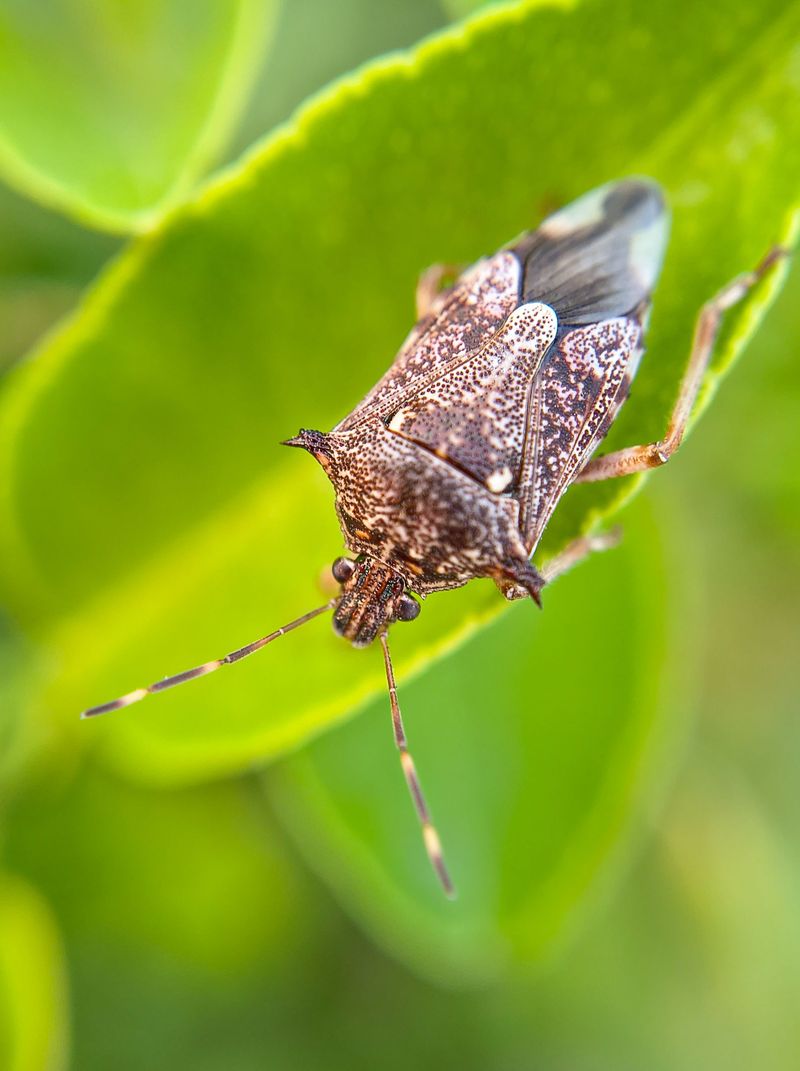
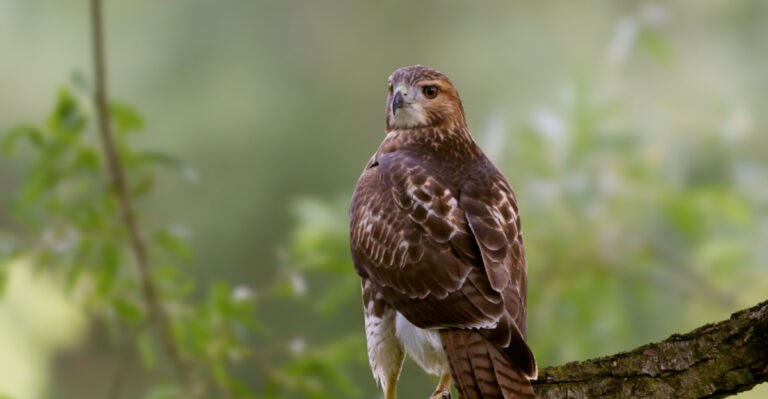
Brown marmorated stink bugs are not originally from North America, and that matters more than most people realize. When they arrived from Asia in the late 1990s, they brought no natural predators with them.
Native birds, spiders, and insects rarely target these bugs as a consistent food source. That absence of natural pressure allows populations to grow almost completely unchecked in the wild.
A parasitic wasp called Trissolcus japonicus has shown real promise as a biological control agent. Researchers have been studying its potential to reduce stink bug populations in agricultural and residential areas.
For now, though, your backyard ecosystem does not have enough natural hunters to make a dent. That is a big reason why populations in the mid-Atlantic region have grown so dramatically over the years.
Encouraging biodiversity in your yard can slowly help tip the balance. Planting native flowers and shrubs supports populations of predatory insects that may eventually learn to target stink bugs.
Installing bird feeders and birdhouses can attract species that occasionally snack on these insects. More biodiversity in your yard means more natural checks on any single pest species over time.
The predator gap is a real challenge, but small habitat improvements add up. Building a yard that supports natural hunters is a long game worth playing for any homeowner dealing with stink bug pressure.
Your Home Has Warm Wall Voids That Bugs Love To Explore
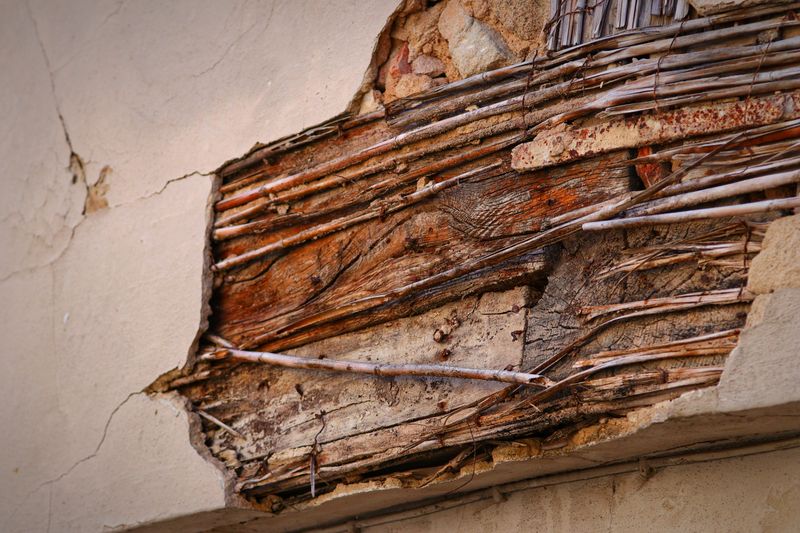
Wall voids are internal travel routes that insects exploit readily. The spaces between your interior drywall and exterior siding create a warm, dark environment that bugs find extremely appealing.
Once inside a wall void, stink bugs can travel throughout your home without ever being seen. That is why they seem to appear out of nowhere in rooms far from any obvious entry point.
Homes with older construction or minimal insulation tend to have more accessible wall voids. The gaps and cavities are simply larger and easier for insects to navigate and settle into.
Hearing a faint buzzing or scratching inside your walls is a strong clue that bugs have already moved in. That sound is often the first sign of a hidden infestation taking hold inside your home.
Foam insulation injected into wall voids can block these internal pathways effectively. It is a more involved fix than caulking, but it pays off in major reductions of indoor bug activity.
Electrical outlets and switch plates on exterior walls are sneaky access points worth checking. Bugs can travel from wall voids right into your living space through those small openings.
Foam gaskets behind outlet covers are a cheap and easy fix most homeowners overlook entirely. Blocking those tiny interior passages is one of the most underrated strategies for keeping stink bugs out of your living space.