The Mowing Habit That Wrecks Maryland Lawns During Drought

Maryland summers don’t ease up. The heat builds, the rain stops, and your lawn starts showing it fast. But here’s what most homeowners miss, the mower in your garage might be doing more damage than the drought itself.
Cutting your grass too short during dry stretches strips away shade, moisture retention, and root protection all at once. By the time the brown patches show up, the damage is already done.
Most people blame the weather. The real problem started the moment they lowered the mowing deck. Maryland lawns are resilient, but they have limits, and scalping them during a drought pushes right past those limits.
Cutting Grass Too Short Is Wrecking Maryland Lawns During Drought
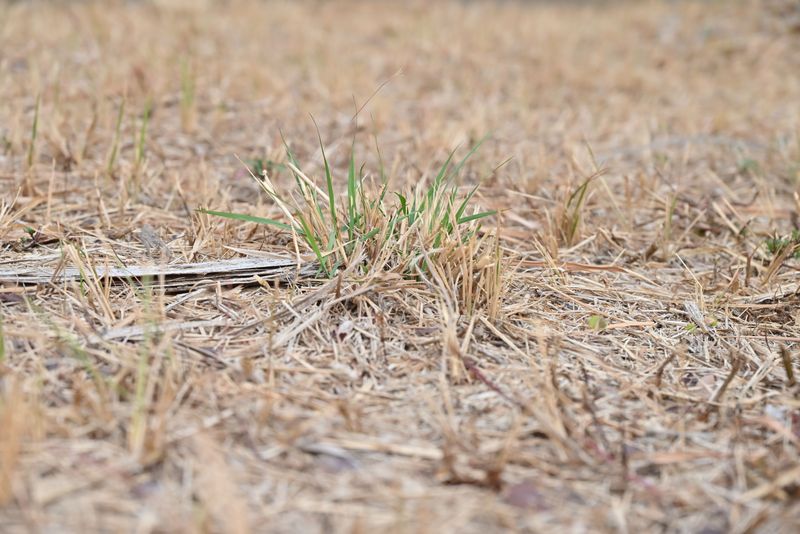
Scalped grass is a silent disaster. When you cut too short during a drought, your lawn loses its best defense against heat and moisture loss.
Grass blades act like tiny umbrellas for the soil beneath them. Short blades leave the ground exposed to brutal summer sun, speeding up evaporation fast.
Maryland summers are no joke, with heat indexes that can top 100 degrees on the worst summer days. Exposed soil bakes quickly, and the shallow root zone dries out before rain even has a chance to help.
Mowing too short also stresses the grass plant itself. The plant burns energy trying to regrow leaves instead of sending roots deeper for water.
Deeper roots are what help grass survive drought conditions. Without them, even a brief dry spell can cause serious, lasting damage to your turf.
Most homeowners don’t realize how quickly the damage compounds. One short cut during a heat wave sets off a chain reaction, weakened blades, exposed soil, stressed roots, and each mow after that digs the hole a little deeper.
There is also a timing problem. Many people mow on a fixed schedule no matter what the weather is doing. During a drought, that routine works against you. Your lawn needs flexibility, not a calendar.
Homeowners often mow short thinking it saves time between cuts. But that shortcut creates weeks of recovery work instead of saving effort.
How Low Mowing Makes Drought Stress Worse For Your Grass
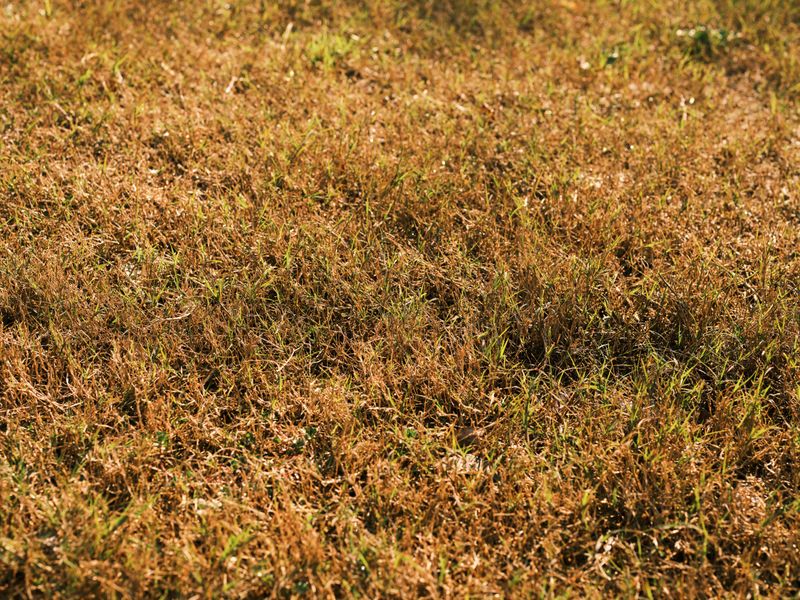
Grass is tougher than it looks, but it has limits. Push it past those limits during a dry spell and the results are ugly fast.
When blades are cut short, photosynthesis slows down significantly. Less leaf surface means less food production for an already struggling plant.
A stressed plant cannot fight back against drought the way a healthy one can. It becomes vulnerable to disease, pests, and permanent root damage all at once.
Low mowing also raises the soil temperature by removing the natural shade grass provides. Soil temps can spike dramatically when there is nothing covering the ground surface.
Hot soil suppresses beneficial microbes that help grass absorb nutrients. Without those microbes, your lawn becomes less efficient at using whatever water it does receive.
The damage doesn’t stop at the surface. Once soil temps climb and microbial activity drops, your lawn loses its ability to process nutrients efficiently, even after rain finally arrives.
Your Maryland Garden Changes Every Week. Your Plan Should Too.
Gardening in Maryland changes quickly throughout the season. Every Friday you’ll receive a simple weekly plan showing exactly what to plant, prune, fertilize, harvest, and protect so you never miss the right timing.
Maryland’s clay-rich soils, common in many parts of the state, make this worse. Clay compacts under heat and dries into a crust that resists water absorption, leaving roots with nowhere to go even when conditions improve.
Think of your grass like a solar panel that also needs shade. Cut it too short and you break the system trying to run it.
Drought stress compounds quickly once it starts, making recovery harder with each passing day. Protecting what blade length you have is one of the smartest moves you can make during a dry stretch in your Maryland yard.
The Right Mowing Height For Maryland’s Most Common Grass Types
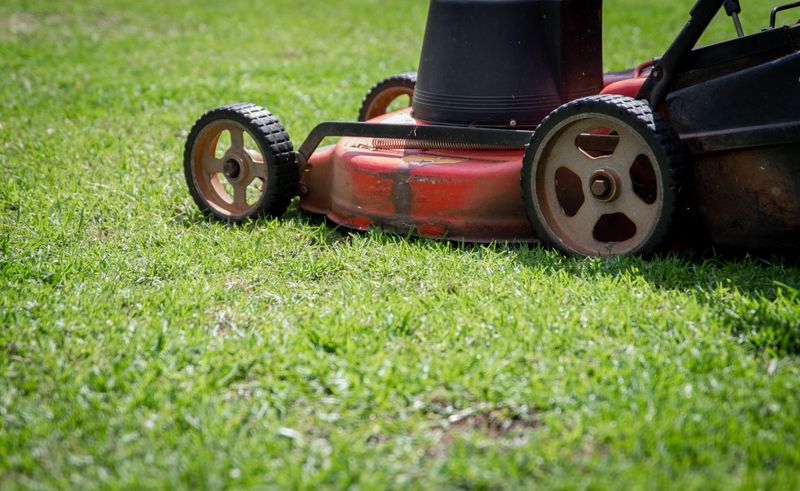
Not all grass is the same, and neither is the ideal cutting height. Getting this detail right makes a huge difference during dry conditions.
Tall fescue is the most common cool-season grass in Maryland. During drought, keep it at 3.5 to 4 inches for best results and root protection.
Kentucky bluegrass, another popular choice in the region, does best at around 3 inches when heat stress is present. Letting it grow a bit longer gives it the edge it needs to survive.
Zoysia grass is a warm-season option that handles heat better than most. Still, keeping it at 1.5 to 2 inches during dry spells prevents unnecessary moisture loss from the turf.
Bermuda grass thrives in heat but still benefits from a slightly higher cut in drought. Aim for 1.5 inches instead of the typical 1 inch to give roots a fighting chance.
One rule applies across the board regardless of grass variety. In most situations, avoid removing more than one-third of the blade length in a single mowing session.
If you are not sure what grass type you have, a quick call to your local Maryland cooperative extension office can help. Knowing your grass variety is the foundation of every smart mowing decision you make from here on out.
Adjusting your mower deck before each cut takes only seconds. Those seconds spent dialing in the right height protect months of lawn investment during the toughest part of a Maryland summer.
When To Mow During A Drought And When To Skip It

Timing your mow during a drought is just as important as height. Mowing at the wrong moment adds stress your grass simply cannot handle.
Avoid mowing in the afternoon heat when temperatures peak. Cutting stressed grass in 90-degree weather is like running a marathon right after a sunburn.
Early morning is the best window if you must mow. The grass is cooler, and dew has had time to dry so you are not spreading disease with wet blades.
Check the soil before you decide to mow at all. If the ground feels rock hard and the grass looks blue-gray, your lawn is already in survival mode.
Dormant cool-season grass should not be mowed. Cutting dormant turf removes stored energy the plant needs to bounce back when conditions improve.
A good rule of thumb: if you are not sure whether to mow, wait. During a drought, doing nothing is often the better call. Your lawn will tell you when it is ready, and that signal is usually a return of upright, green growth.
If your lawn has not grown much since the last cut, skip the mowing entirely. Unnecessary passes over stressed turf compact the soil and add mechanical damage on top of heat damage.
Watch the forecast before starting up the mower. If rain is coming within a day or two, wait and let that moisture do its work before you put the lawn through the added stress of a fresh cut.
Signs Your Maryland Lawn Is Already Showing Drought And Mow Damage
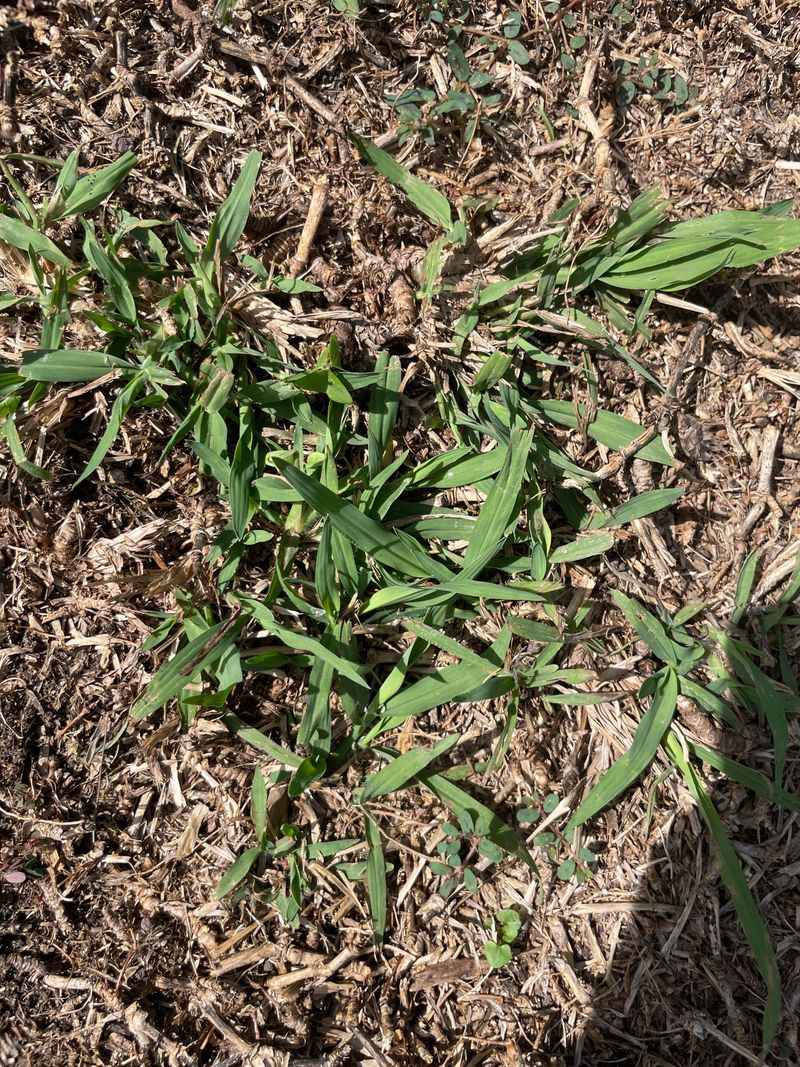
Your lawn tells you when it is hurting, if you know what to look for. Catching damage early gives you the best shot at a fast recovery.
Footprints that stay visible for more than a few minutes are a red flag. Healthy grass springs back quickly, but stressed turf stays flat because it lacks moisture and resilience.
A blue-gray or purple tint to the grass blades signals serious dehydration. That color change means the plant is pulling water from the blade itself to survive.
Brown patches appearing in irregular shapes often point to combined drought and mow damage. These patterns differ from disease damage, which often appears in circular or ring-shaped patterns.
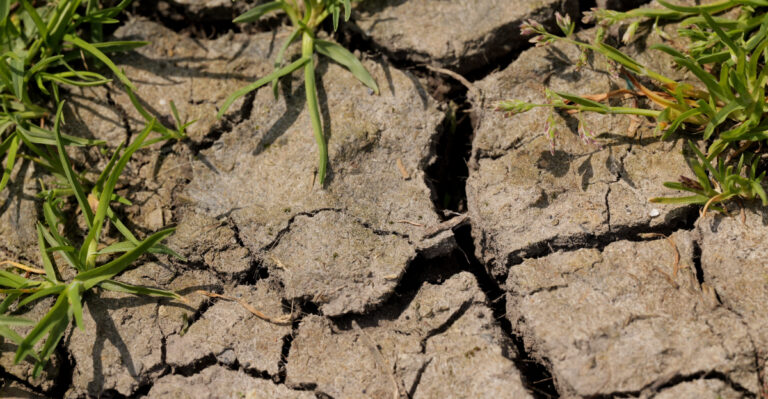
Soil pulling away from itself and cracking is another warning sign. When you see gaps in the ground, the root zone has lost critical moisture and the clock is ticking.
Check the thatch layer too. Drought combined with scalping can cause thatch to dry out and harden, creating a barrier that blocks water from reaching roots.
The mowing habit that wrecks Maryland lawns during drought often goes unnoticed until these symptoms appear. Recognizing them early means the difference between a quick fix and a full lawn replacement come fall.
How To Help Your Maryland Lawn Recover After A Dry Spell
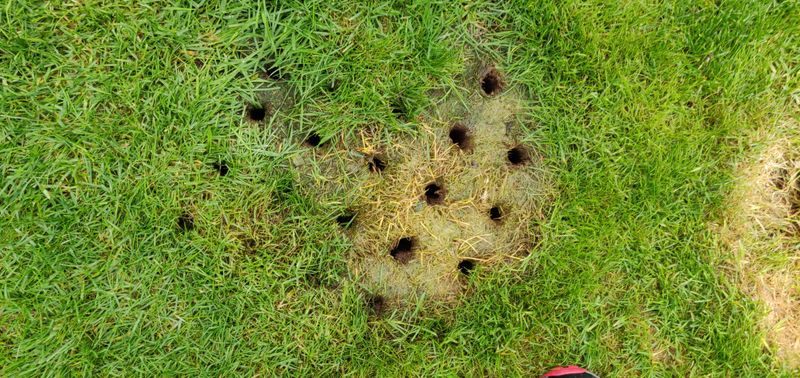
Recovery is possible, but it takes patience and a smart plan. Rushing the process can add more damage on top of what drought already caused.
Start by raising your mower deck before the first post-drought cut. Taller blades help the plant recover photosynthesis faster and protect the still-fragile root system below.
Water deeply and infrequently rather than giving the lawn a light sprinkle daily. Deep watering encourages roots to grow downward, building the drought resistance your turf needs for next summer.
Apply a light topdressing of compost after the first good rain. Compost restores soil biology and improves moisture retention without overwhelming a lawn that is still in recovery mode.
Hold off on high-nitrogen fertilizer immediately after a dry spell ends. Pushing growth too fast with nitrogen before the lawn stabilizes can cause more harm than good to weakened turf.
Aeration in early fall is one of the best recovery tools available. It breaks up compacted soil, allows water to penetrate deeply, and gives grass a fresh start before cooler temperatures arrive.
Breaking the mowing habit that wrecks Maryland lawns during drought starts with recovery season choices. Every smart decision you make now builds a stronger, more resilient lawn that handles the next dry stretch with ease.