The Underrated Texas Porch Plant That Makes Rats And Roaches Less Welcome
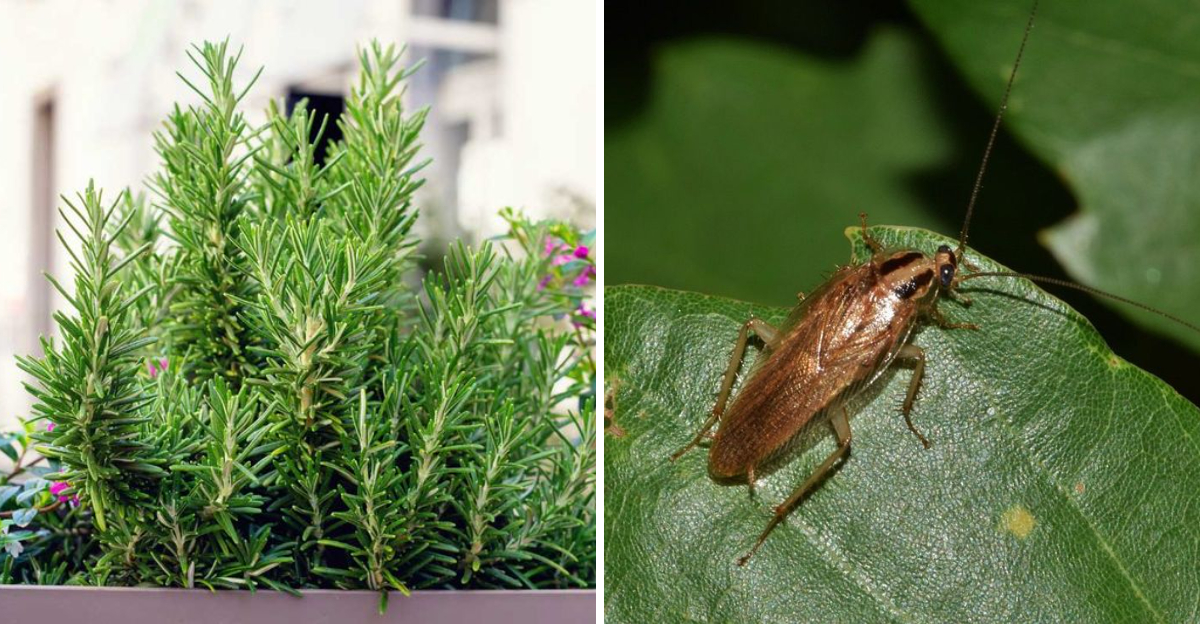
Rats and roaches showing up around your Texas porch is one of those problems that feels deeply personal. Your outdoor space is supposed to be a place to unwind, not somewhere you’re sharing with uninvited pests.
Most people respond with traps, sprays, or calling an exterminator. Those things work, but they’re also ongoing, expensive, and not exactly pleasant to deal with.
Here’s something most people don’t consider. The right porch plant can make a real difference.
There’s one particular plant that rats and roaches genuinely want nothing to do with. It produces natural compounds that mess with their senses and makes your porch a far less attractive place for them to hang around.
And it does all of this while looking great and thriving in the Texas heat without demanding constant attention.
Low maintenance, pest deterring, and easy to find at most garden centers. Here’s the plant your Texas porch has been missing.
Meet Rosemary

Long before it became a staple in kitchens across the country, rosemary was growing wild along the rocky, sun-baked coastlines of the Mediterranean.
Salvia rosmarinus is a tough, fragrant evergreen herb with needle-like leaves and a sharp, woodsy aroma that most people recognize right away.
It has been used for centuries in cooking, medicine, and even as a natural way to protect homes from unwanted visitors.
Rosemary thrives in full sun and dry heat, which makes it a near-perfect fit for Texas porches and outdoor spaces. While many plants struggle through long, hot Texas summers, rosemary soaks it all up.
It grows happily in containers, raised beds, and garden borders, giving homeowners plenty of flexible options for placement.
What makes rosemary especially interesting is that it does not just look and smell great. Its strong essential oils serve a practical purpose that goes way beyond the kitchen.
Pests like rats and roaches find the scent overwhelming and tend to steer clear of areas where rosemary is growing. For Texas homeowners dealing with pest pressure, this plant is a quiet but powerful ally sitting right on the porch.
Rosemary can grow anywhere from two to six feet tall depending on the variety and how much it is pruned. Compact varieties like Huntington Carpet or Tuscan Blue work especially well in pots.
Whether you are an experienced gardener or a total beginner, rosemary is forgiving, adaptable, and genuinely rewarding to grow. Starting with just one or two plants can make a noticeable difference in how welcoming your porch feels to pests.
Natural Pest Deterrent
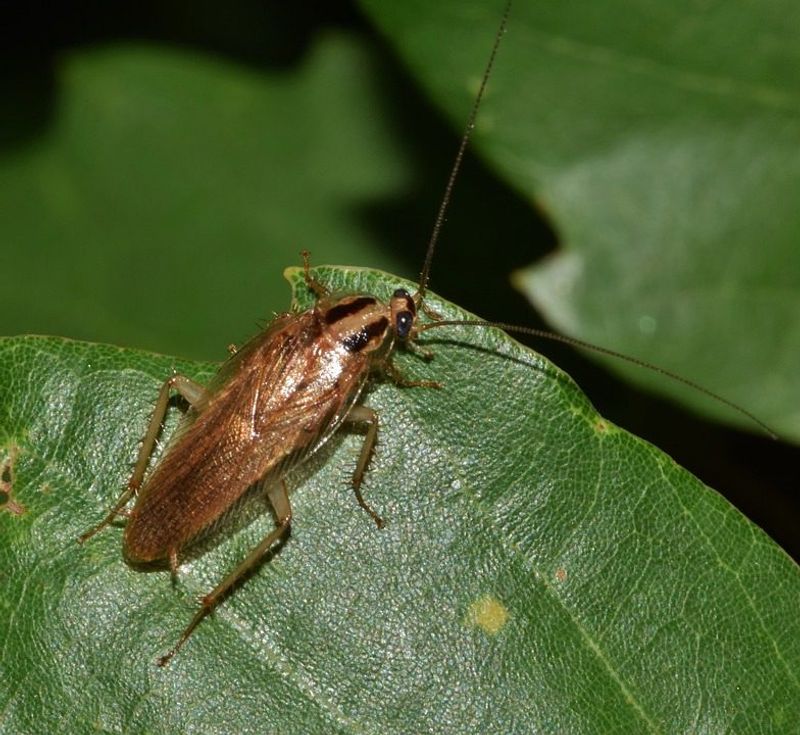
Rats and roaches are two of the most stubborn pests in Texas, and they are not easy to get rid of once they settle in. Most pest control solutions involve chemicals, traps, or professional services that cost money and require regular upkeep.
Rosemary offers a completely different approach, one that works quietly in the background without any toxic ingredients.
The secret is in rosemary’s essential oils, particularly compounds like camphor, cineole, and borneol. These naturally occurring chemicals give the plant its signature sharp scent.
Your Texas Garden Changes Every Week. Your Plan Should Too.
Gardening in Texas changes quickly throughout the season. Every Friday you’ll receive a simple weekly plan showing exactly what to plant, prune, fertilize, harvest, and protect so you never miss the right timing.
To humans, that smell is pleasant and familiar. To rats and roaches, it is deeply off-putting.
Their sensitive noses pick up on these compounds much more intensely than we do, and they actively avoid spaces where the scent is strong.
Studies and real-world gardening experience both support the idea that strong-smelling herbs can act as natural pest repellents. Rosemary is consistently mentioned alongside lavender, mint, and eucalyptus as one of the better plant-based options.
Unlike sprays that wash away after rain, a living rosemary plant keeps producing those aromatic oils around the clock, every single day.
Placing rosemary near porch entry points, like doorways, steps, or corners where pests tend to enter, can create a kind of invisible scent barrier. Brushing the leaves lightly as you walk past actually releases even more of those oils into the air.
For best results, keep a few plants positioned at key spots rather than just one in a single corner. Consistency in placement is what makes this natural deterrent truly effective over time.
Low-Maintenance Growth

One of the best things about rosemary is just how little attention it needs once it gets settled in. For busy homeowners or anyone who does not consider themselves much of a gardener, that is a huge deal.
You do not need to water it every day, fertilize it constantly, or worry too much if you forget about it for a week or two. Rosemary genuinely handles neglect better than most plants.
Being native to the dry, rocky hillsides of the Mediterranean, rosemary evolved to survive with very little water and lots of sun. Texas summers, with their intense heat and occasional dry spells, actually suit rosemary quite well.
Once established, it can go long stretches without watering, making it one of the most drought-tolerant herbs you can grow in a container or garden bed.
Because rosemary is evergreen, its foliage stays on the plant all year long. That means your pest-deterring benefits do not disappear in fall or winter.
The aromatic oils are present in the leaves throughout every season, giving you consistent, year-round protection without any replanting effort. That kind of reliability is hard to beat with any other herb or ornamental plant.
The main care tasks are simple: water when the soil feels dry, make sure the pot has good drainage so roots do not sit in water, and give it as much direct sunlight as possible. A south or west-facing porch spot works beautifully in most Texas locations.
With just those basics covered, your rosemary will grow steadily and keep doing its job as a natural, low-effort pest deterrent season after season.
Culinary And Aromatic Benefits

Beyond pest control, rosemary brings something extra special to your porch: it smells absolutely wonderful.
Walking past a healthy rosemary plant on a warm Texas evening and catching that piney, herbal fragrance is one of those small pleasures that makes outdoor living so enjoyable. It is like having a natural air freshener that never runs out and never needs batteries.
The culinary uses for fresh rosemary are nearly endless. You can snip a few sprigs and toss them into roasted chicken, grilled vegetables, homemade bread, or a simple pasta dish.
Rosemary pairs beautifully with garlic, lemon, and olive oil, making it one of the most versatile herbs in any cook’s toolkit. Having it right on your porch means fresh herbs are always just a few steps away from your kitchen.
Rosemary also makes a wonderfully soothing tea. Steeping a few fresh sprigs in hot water for about five to ten minutes creates a warm, earthy drink that many people enjoy for its calming properties.
Some folks also use rosemary sprigs tucked into closets, drawers, or entryways as a natural fragrance booster inside the home.
Dried rosemary bundles tied with twine make thoughtful, homemade gifts that friends and neighbors genuinely appreciate. Infusing rosemary into simple syrup, vinegar, or olive oil creates artisan-style pantry staples that feel special and taste even better.
Basically, every part of the plant that is not actively deterring pests on your porch can be put to delicious, aromatic use indoors. It is one of those rare plants that truly earns its space in multiple ways at once.
Attracts Beneficial Insects
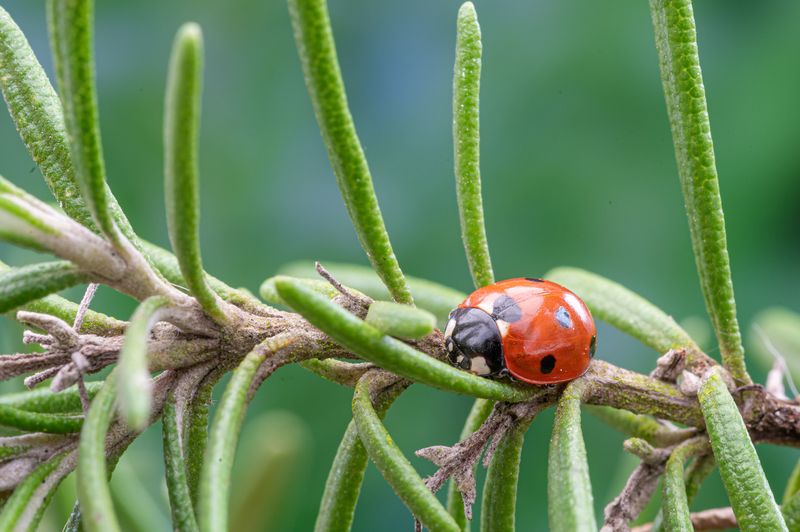
Here is something that surprises a lot of people: while rosemary works hard to push away rats and roaches, it actually rolls out the welcome mat for bees and other pollinators.
When rosemary blooms, usually in late winter through spring in Texas, it produces clusters of tiny blue or purple flowers that bees absolutely love. Watching bees work those little flowers on a sunny morning is genuinely satisfying.
Pollinators like honeybees, native bees, and even certain butterflies are attracted to rosemary blooms. These insects play a critical role in the health of gardens and local ecosystems.
By growing rosemary on your porch, you are helping support populations of beneficial insects that are under pressure in many parts of the country. That is a meaningful environmental benefit that goes well beyond your property line.
The balance rosemary creates is pretty remarkable. It pushes away pests you do not want while pulling in creatures that help your garden and neighborhood thrive.
Other pest-deterring plants like marigolds or lavender work in a similar way, but rosemary stands out because it blooms reliably even in tough Texas conditions and provides that benefit almost effortlessly.
If you want to maximize pollinator activity, avoid trimming your rosemary heavily while it is in full bloom. Let the flowers run their course before you prune.
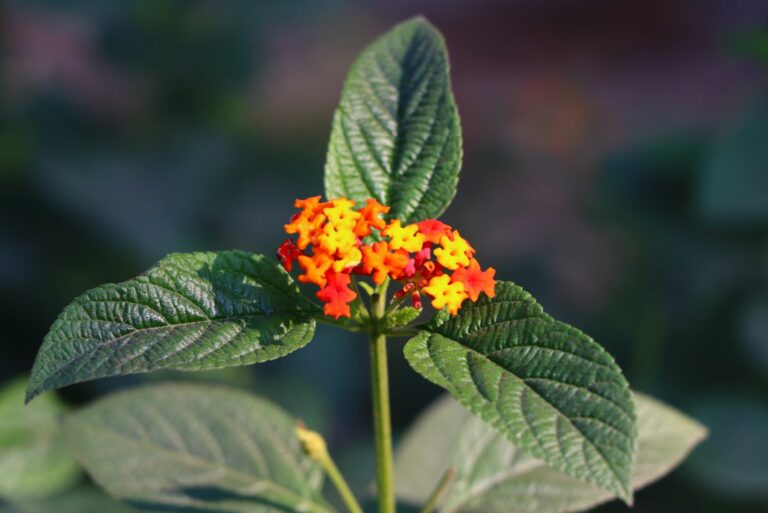
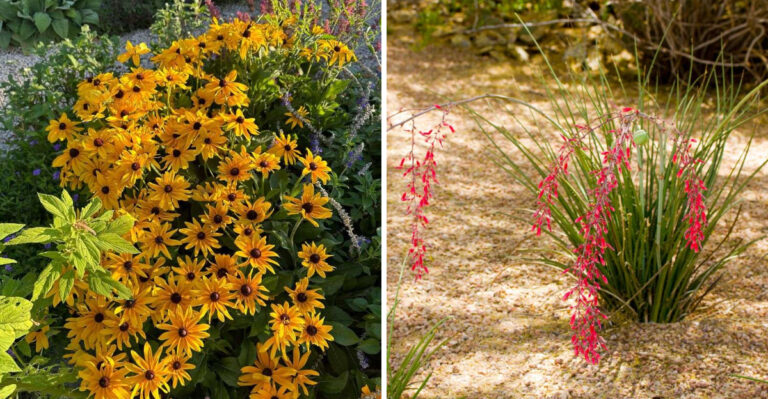
You can also pair rosemary with other pollinator-friendly plants like salvia, lantana, or black-eyed Susans to create a small but thriving porch ecosystem.
A porch that hums with bee activity feels alive in the best possible way, and rosemary helps make that happen naturally.
Planting And Care Tips
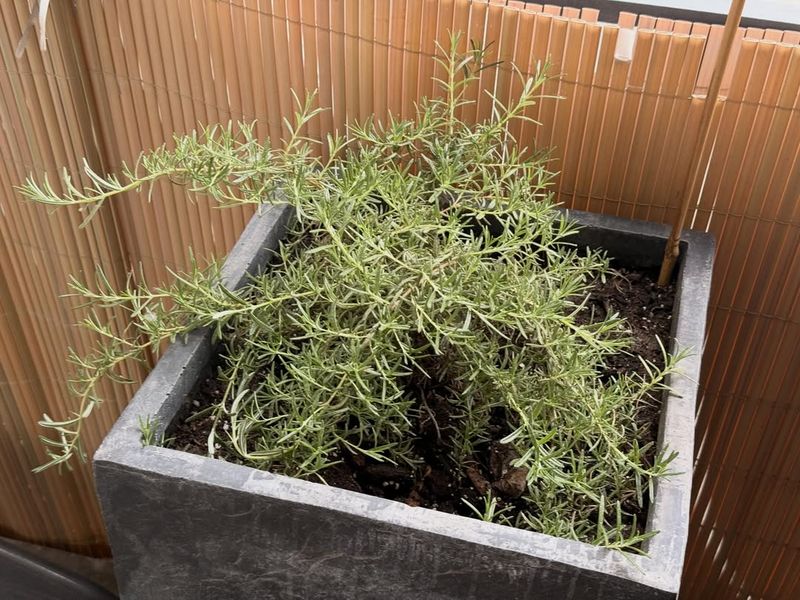
Getting rosemary started on your porch is easier than you might think. Choose a pot that is at least twelve inches wide and has drainage holes at the bottom.
Rosemary roots do not like sitting in soggy soil, so good drainage is non-negotiable. Fill the container with a well-draining potting mix, or mix regular potting soil with a little coarse sand or perlite to improve drainage even more.
Placement matters a lot with rosemary. Set your pots near porch entry points like front doors, side doors, or steps where pests are most likely to try sneaking in.
A spot that gets at least six to eight hours of direct sunlight daily is ideal. South-facing or west-facing porch walls tend to work great in most Texas locations and give the plant the warmth it craves.
Pruning rosemary regularly keeps it bushy, healthy, and fragrant. When you trim the tips of the stems, the plant responds by producing more growth and releasing more of its aromatic oils into the surrounding air.
Do not be afraid to cut it back by about one-third every few months. Just avoid cutting into the thick woody stems at the base, as those do not regrow as easily.
Pairing rosemary with other heat-tolerant, pest-deterring plants takes your porch protection to another level.
Lavender, marigolds, and lemongrass all share similar pest-repelling qualities and look fantastic growing alongside rosemary in a grouped container display.
Together, these plants create a layered scent barrier that pests find genuinely uncomfortable. A well-planned porch garden can be both beautiful and surprisingly effective at keeping unwanted visitors away.