Jumping Worms Are Invading Indiana Gardens And Here Is How To Spot Them
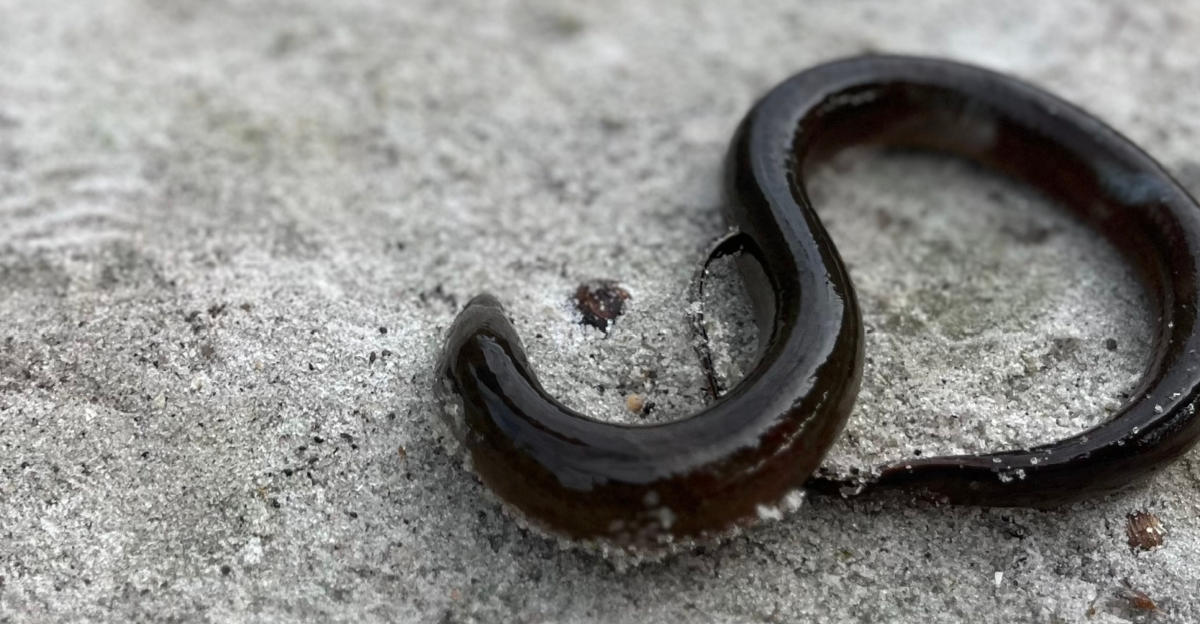
Pick up a jumping worm and it will immediately make you regret it. The thing convulses like a livewire, snapping side to side with an energy that feels completely wrong for something that lives underground.
These are not your grandfather’s earthworms. Jumping worms are a fast-moving invasive species quietly dismantling garden soil across Indiana, and most people have never heard of them.
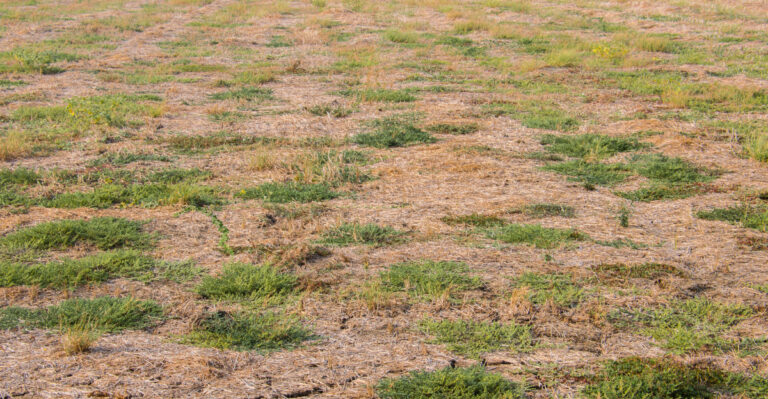
They eat through the organic layer of topsoil at a startling pace, leaving behind a granular, nutrient-poor mess that leaves little for everything growing above it.
Flowers, vegetables, native plants, forest floors: nothing is safe. They reproduce without a mate, thrive in dense populations, and travel easily through contaminated soil and plant material.
Indiana gardeners are dealing with crop failures and barren patches they cannot explain. The explanation is six inches underground, and it is multiplying.
The Invasive Jumping Worm Now Spreading Through Indiana Gardens
Jumping worms are here, and they are causing serious damage fast. These aggressive invaders, scientifically known as Amynthas species, have been spotted across multiple Indiana counties.
Unlike the familiar nightcrawler you might use for fishing, jumping worms behave more like a startled snake than a slow garden resident. They thrash, coil, and launch themselves off the ground when touched.
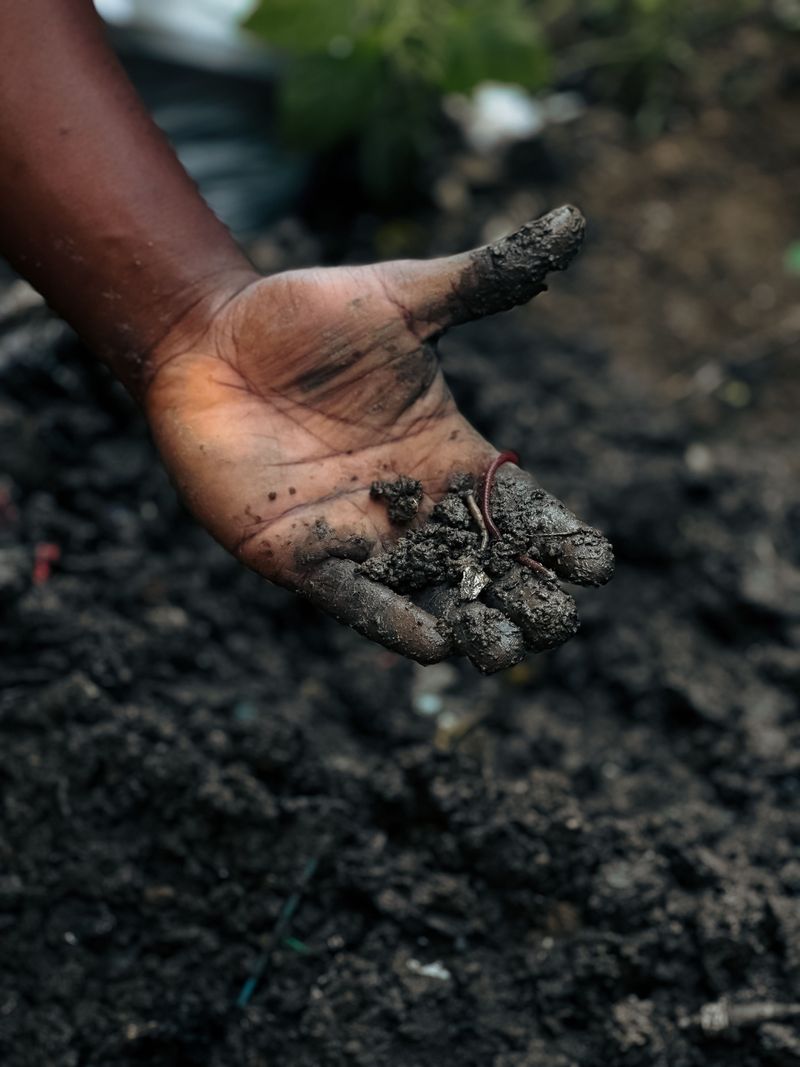
Gardeners first started noticing them in compost piles and mulched beds. The worms can be hard to spot at first because they blend into the soil easily.
What makes jumping worms especially alarming is their speed of reproduction. A single worm can produce cocoons without a mate, meaning populations can grow rapidly within a single season.
Jumping worms were first confirmed in Wisconsin around 2013 and have been moving steadily westward and southward ever since. Indiana is now firmly in their path, and the spread is accelerating.
Local gardeners and native plant enthusiasts are raising awareness across online communities and garden clubs. Knowing what to look for is the first and most powerful step you can take right now.
Where Jumping Worms Come From And How They Arrived In Indiana
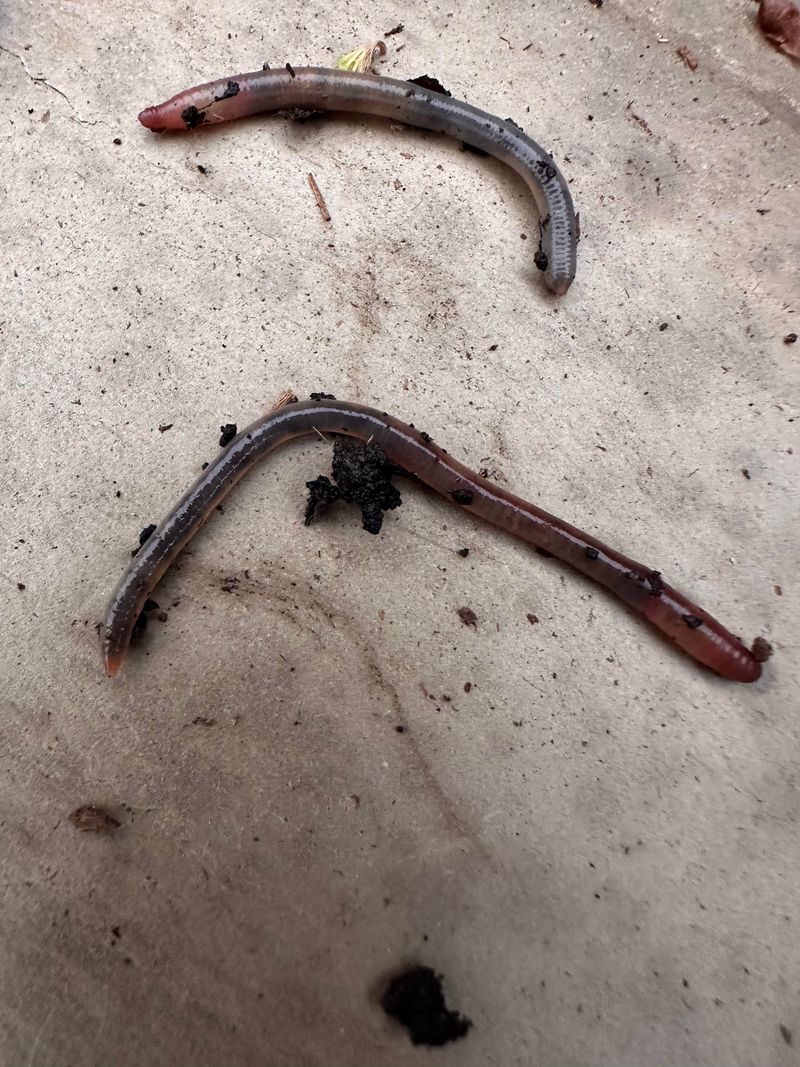
Blame the global plant trade for this one. Jumping worms are native to East Asia, specifically Japan and Korea, and hitched rides to North America through imported plants and soil.
They first appeared on the East Coast decades ago and have been spreading inland through nursery stock, mulch, and even fishing bait. Any bag of compost or potted plant sourced from an affected region is a potential carrier.
Gardeners unknowingly spread them when they share plants or move soil between properties. Even well-meaning plant swaps at community events have contributed to the spread.
The worms also travel through contaminated mulch purchased from garden centers. Some suppliers source mulch from areas where jumping worms are already established, passing the problem right along to customers.
Fishing is another major pathway. Anglers sometimes dump unused bait worms on the ground, releasing non-native species directly into natural areas.
Indiana sits at a crossroads of major shipping and trade routes, making it especially vulnerable to new arrivals. Understanding how these creatures travel helps gardeners make smarter choices about what they bring onto their property.
Your Indiana Garden Changes Every Week. Your Plan Should Too.
Gardening in Indiana changes quickly throughout the season. Every Friday you’ll receive a simple weekly plan showing exactly what to plant, prune, fertilize, harvest, and protect so you never miss the right timing.
Unusual Movements And Physical Traits That Give Jumping Worms Away
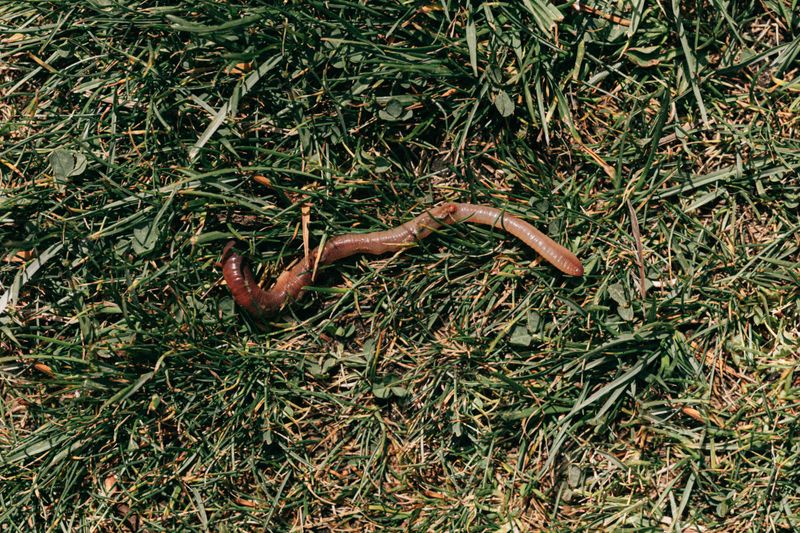
You will know a jumping worm the moment you see one move. Pick one up and it will thrash violently, whipping its body like a tiny, frantic snake trying to escape.
That wild, side-to-side movement is the most reliable clue that you are dealing with something unusual. Regular earthworms wiggle slowly; jumping worms move erratically and with unusual speed.
Physically, they look a bit different from common nightcrawlers too. Their skin appears smoother and shinier, almost iridescent, and their bodies tend to be darker overall.
The most distinctive physical feature is the clitellum, which is the band around the worm’s body. On jumping worms, this band is smooth, white or pale gray, and wraps completely around the body flush with the skin.
On a common earthworm, the clitellum is raised, pinkish, and only partially wraps around. That small difference is one of the easiest ways to tell these two species apart side by side.
Jumping worms also tend to be found closer to the soil surface than other species. Spotting one thrashing near the top of your mulch layer on a warm morning is a strong sign you have a problem worth investigating further.
Soil That Looks Like Coffee Grounds Is A Telltale Sign Of Infestation
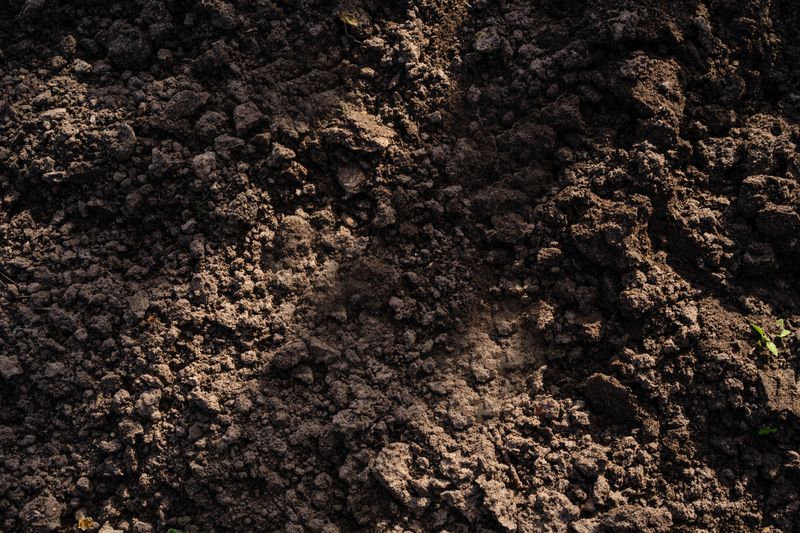
Forget the worm for a second and look at the ground instead. One of the most reliable signs of a jumping worm problem is soil that looks exactly like spent coffee grounds.
That grainy, loose, dry texture is actually worm castings, which are the waste left behind after jumping worms process organic matter. It looks almost like someone sprinkled coffee grounds across your garden bed.
Healthy soil has a rich, dark, crumbly texture that holds moisture and supports plant roots. Jumping worm castings are different: they fall apart, dry out fast, and leave plants struggling to anchor themselves.
This disturbed soil also loses its ability to hold nutrients effectively. Plants growing in heavily infested areas often look stressed, even when you are watering and fertilizing on schedule.
The coffee-ground texture tends to appear first at the soil surface and spreads downward as populations grow. Checking the top two inches of your mulched beds regularly can help you catch an infestation early.
Once you see that telltale texture across a large area of your garden, the worm population is likely already well established. Acting quickly at the first sign gives you the best chance of limiting the long-term impact on your plants.
Why Jumping Worms Pose A Greater Threat Than Other Invasive Species
Most invasive species cause problems gradually, giving ecosystems time to partially adapt. Jumping worms cause damage at a faster rate than many other invasive species currently threatening Midwest gardens and forests.
They consume the entire leaf litter layer on a forest floor in a single season. That leaf litter is the foundation of a complex ecosystem that supports insects, fungi, salamanders, and native plants.
When the litter disappears, the creatures that depend on it vanish too. Native wildflowers like trillium and jack-in-the-pulpit cannot regenerate without that protective organic layer on the ground.
Jumping worms also reproduce without a mate through a process called parthenogenesis. One worm alone can produce dozens of cocoons, each containing a new worm ready to hatch the following spring.
Their cocoons are tiny and nearly invisible, resembling small soil particles. This makes them nearly impossible to spot and extremely easy to transport accidentally on boots, tools, or plant containers.
Other invasive worms, like European nightcrawlers, actually improve some soil conditions for gardeners.
Jumping worms do the opposite, degrading soil structure and reducing the land’s ability to support the plants you love most.
Simple Steps Indiana Gardeners Can Take To Prevent The Spread
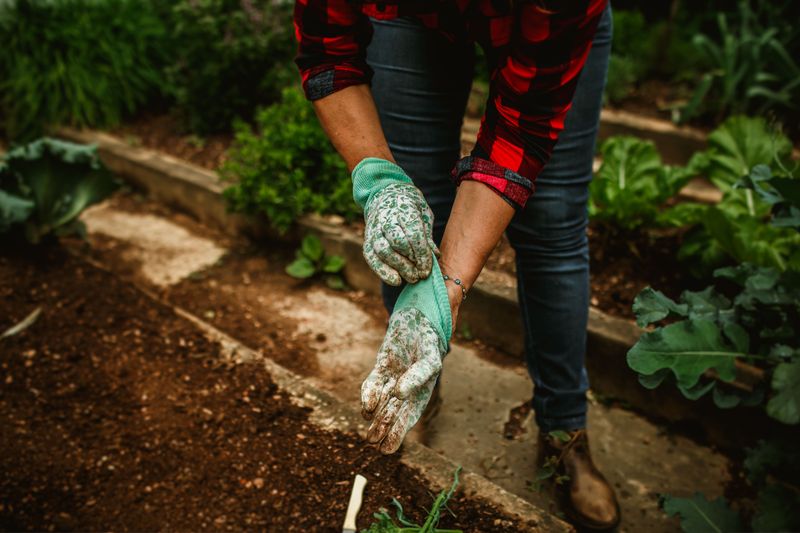
Good news: you have real power here. There are practical, everyday habits that can dramatically slow the spread of jumping worms across your property and your neighbors’ yards.
Start by cleaning your tools before moving between garden beds or visiting other properties. Soil stuck to a shovel or boot can carry cocoons that are invisible to the naked eye.
Buy plants from reputable nurseries that follow best management practices for invasive species. Ask staff directly whether they inspect incoming stock for signs of jumping worms.
Avoid moving soil, compost, or mulch from an infested area to a clean one. Even a small scoop of contaminated material can introduce cocoons into a previously safe garden space.
If you receive plants from a friend or a community swap, remove all the soil from the roots before planting. Rinsing roots thoroughly under water is a simple habit that could save your entire garden.
When hiking or visiting natural areas, clean your boots before and after. Brush off any clinging soil and rinse footwear to avoid carrying cocoons from one location to another.
Spreading awareness among your gardening circle matters enormously. The more people who know what to look for, the slower these invaders can move through Indiana communities.
Reporting And Managing Jumping Worms Before Populations Become Established
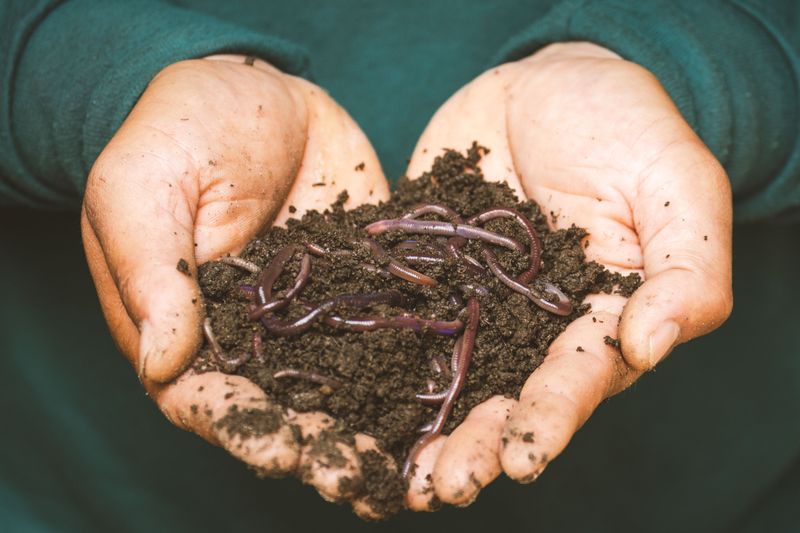
Spotting jumping worms in your garden is not the end of the world, but it is a call to action. Reporting your sighting to the right people helps scientists track the spread and protect areas that are still worm-free.
Indiana residents can report sightings through the EDDMapS website or the Great Lakes Early Detection Network. Both platforms allow you to upload photos and location data that researchers actively monitor.
For managing existing populations, solarization is one of the most effective non-chemical methods available. Cover infested soil with clear plastic sheeting during hot summer months to raise ground temperatures high enough to destroy cocoons.
Mustard pour tests are a popular way to flush worms to the surface for counting and removal. Mix a gallon of water with two tablespoons of ground yellow mustard and pour it slowly over a square foot of soil.
Hand removal works on a small scale and should be done consistently throughout the growing season. Place collected worms in a sealed bag and dispose of them in the trash, never in a compost pile.
No single method eliminates jumping worms entirely, but consistent management keeps populations lower. Every step you take protects your garden and helps slow the advance of this invasive threat across Indiana landscapes.