The Mowing Mistake Most Minnesota Homeowners Repeat Every Single November
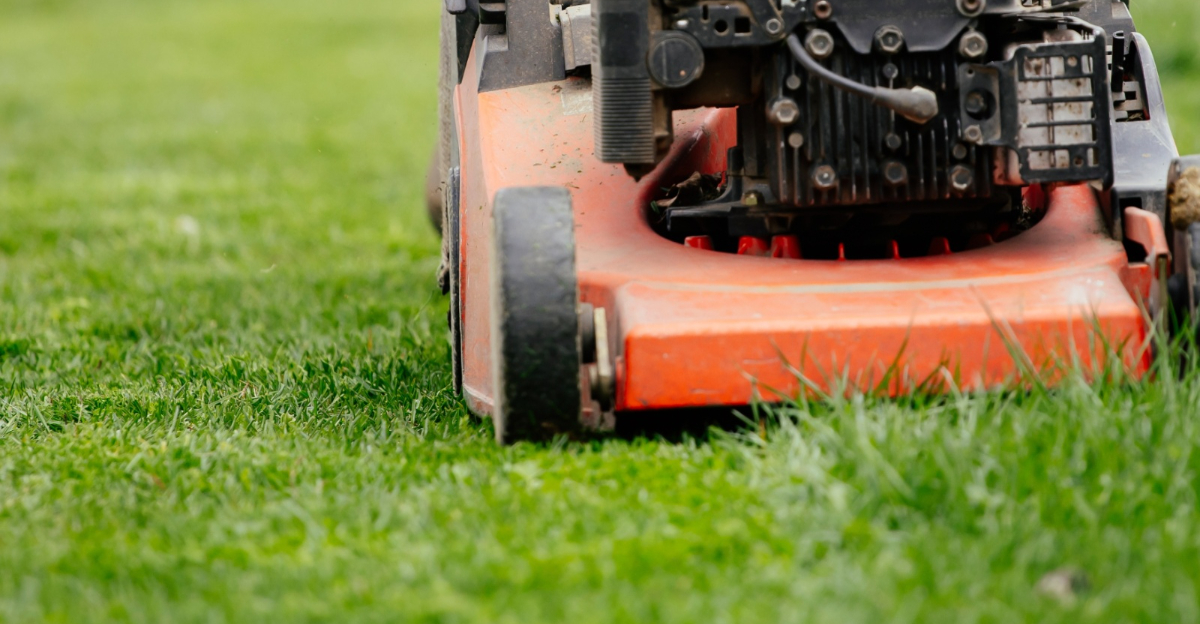
Pull up any Minnesota lawn care forum in April and you will find the same thread, posted by a different person every single year. The photos are always the same.
A yard that looked fine going into the first snow, now patchy, matted, and the color of old straw. The culprit is almost never the winter itself. It is almost never voles.
It is a decision made on a late-fall Saturday when the owner just wanted to put the mower away for the year.
Cutting cool-season grass wrong on that last mow, either far too short or not at all, leaves the plant exposed to everything winter throws at it.
Scalped grass loses protection for its crown, while overgrown grass mats down under snow and invites disease. Kentucky bluegrass and tall fescue, the grasses anchoring most Minnesota yards, were built for cold.
They were not built for a bad final cut. The damage sits quietly under the snow for months before the surface gives anything away. By then, recovery takes far longer than most homeowners expect.
Cutting Your Grass Wrong Before Winter Weakens Minnesota Lawns
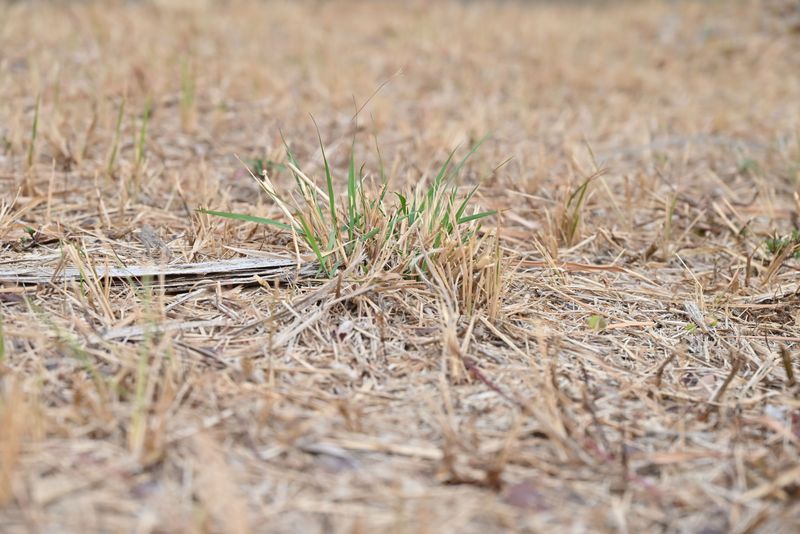
Scalped lawns are an instant giveaway. Walk through any neighborhood in early spring and you will spot them quickly, pale, brittle, and thin underfoot.
The mowing mistake most Minnesota homeowners repeat every single November is dropping that blade too low on the final pass. It feels tidy, but the exposure it causes is immediate.
When you cut cool-season grass down to an inch or less going into winter, you strip away the leaf tissue that insulates the crown, the growing point at the soil surface. Cold, dry winter wind then hits that crown directly.
Minnesota falls are deceptive. A mild week in early November can be followed by a hard freeze almost overnight. A lawn cut too short has no cushion left to fight back.
The opposite mistake is just as common. Grass left long and unmowed gets flattened by the first heavy snow and stays matted for months. That damp, compressed layer is ideal for snow mold.
Many homeowners blame the winter. They skip the last mow or rake too little, which can make things worse by trapping moisture against the crown.
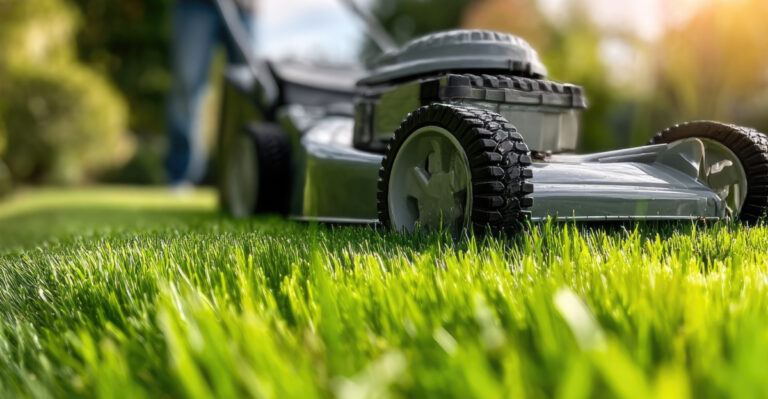
The fix starts before you pull the mower out of the garage for the last time. Lower your cutting deck gradually through the fall, and stop at the right height.
Why Cool-Season Grasses Struggle With a Bad Final Mow
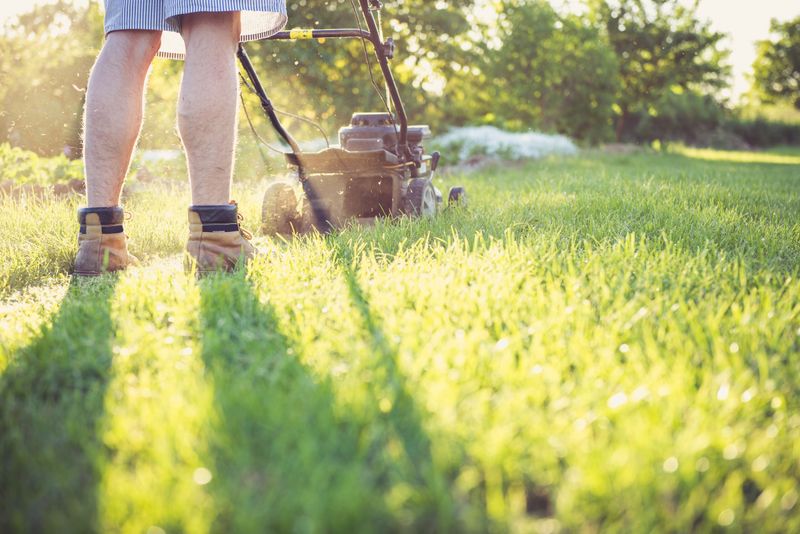
Not all grass is built the same. Cool-season varieties behave differently than warm-season turf, and that difference matters when the ground starts to freeze.
Kentucky bluegrass, tall fescue, fine fescue, and perennial ryegrass dominate Minnesota lawns. These species grow actively in spring and fall, then slow down as temperatures drop.
When soil temperatures fall toward 50 degrees, cool-season grasses naturally slow their growth. They pull energy inward to protect roots and crowns and store reserves for winter.
Mowing them far too short during this period removes leaf tissue they still use to make and store energy. The plant cannot prepare for dormancy and rebuild at the same time.
Mowing advice for other regions does not translate to Minnesota yards, and following it causes serious harm.
Cool-season grass roots are also relatively shallow by nature. A stressed fall lawn has fewer reserves to push roots deeper before the ground locks up.
A grass blade is not just cosmetic. Each blade acts as a solar panel, an insulator for the crown, and a barrier against wind and moisture loss all at once.
Lose too much of it, and you lose all three functions at the worst possible time. That triple loss explains why some lawns come out of winter thin and damaged.
A Bad Final Cut Sets Off a Harmful Process Under the Snow
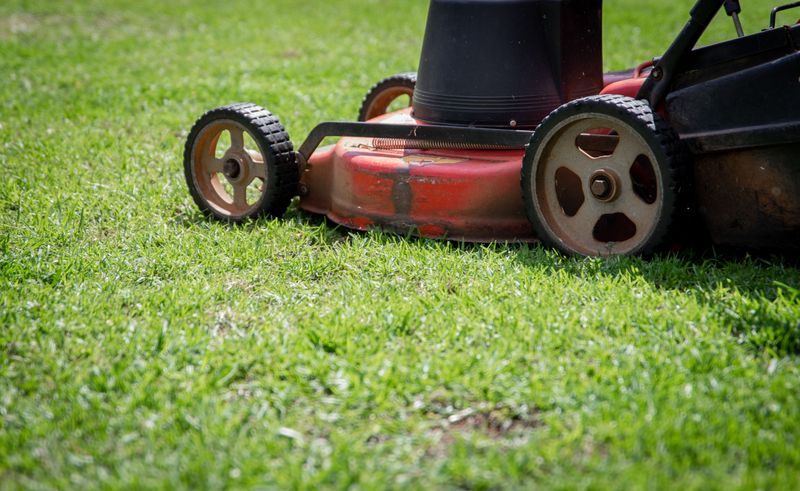
What happens above ground is just the opening act. The real damage from a poor final mow unfolds at the crown and in the soil, where you cannot see it.
Grass roots and grass blades share a direct relationship. When blades are cut too short, the plant has less leaf surface to gather the last of the fall sunlight and store energy.
Lower reserves mean a weaker start to dormancy. Roots have less fuel for their final push of fall growth, and the plant has less to draw on when spring arrives.
Exposed crowns are also vulnerable to winter desiccation. Dry, windy days with no snow cover pull moisture from grass that cannot replace it from frozen soil.
The opposite problem plays out under snow. Long, matted grass holds moisture against the surface, and snow mold fungi thrive in that cold, wet layer, leaving gray or pink circular patches when the snow melts.
Fallen leaves can do the same thing. A thick layer left on the lawn blocks light, traps moisture, and smothers the grass underneath.
Weeds, however, love damaged turf. Thin, bare patches in spring give crabgrass and other weeds an open invitation as soon as the soil warms.
A poor final mow essentially rolls out a welcome mat for every weed in the neighborhood come May.
Ideal Final Mowing Height That Gets Your Lawn Through Winter
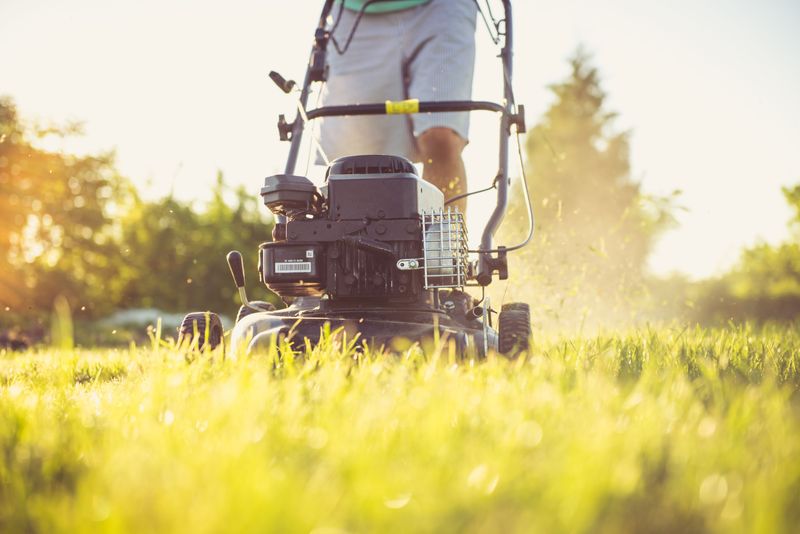
For the last mow of the season, aim for about two and a half inches for both Kentucky bluegrass and tall fescue. Avoid going below two inches.
That height is short enough to prevent matting and snow mold, and tall enough to protect the crown from winter wind.
The one-third rule still applies. Never remove more than one-third of the blade in a single cutting session, no matter how long the grass grew.
If your lawn is at four inches, cut it to about three first. Come back a week or so later and bring it down to two and a half inches.
Gradual reduction protects the plant from shock. Shock leaves the crown exposed and weakens the lawn before the snow even arrives.
Start lowering the deck in early October, and finish with your last mow after growth has stopped, usually mid-to-late November, before the ground freezes hard and stays covered in snow.
Sharp mower blades matter just as much as height. Dull blades tear grass rather than cut it cleanly, leaving ragged edges that invite disease going into winter.
Sharpen your blade at least once each season, and do it before the final mow. A clean cut heals faster and keeps the lawn healthier heading into dormancy.
Bad Habits That Stack On Top And Make Things Worse
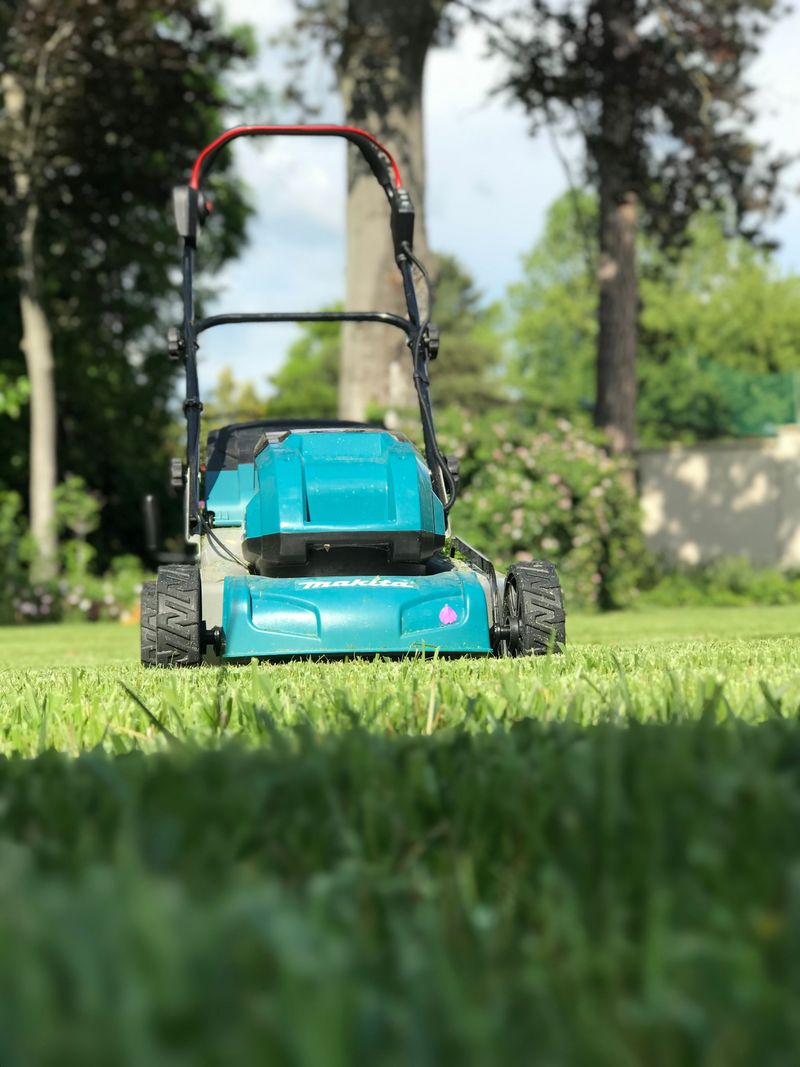
A poor final mow rarely travels alone. It tends to show up alongside a whole crew of other late-fall habits that quietly pile on the stress.
Leaving leaves on the lawn is one of the most common partners in crime. A thick, wet layer smothers grass and feeds snow mold.
Mulch light leaf cover into the lawn with your mower, and rake or collect the heavier layers before the first snow.
Watering late in the day is another habit that backfires. Wet grass sitting in cold air creates ideal conditions for fungal growth, especially on already-stressed turf.
If the fall has been dry, water deeply once or twice in the early part of the day before the ground freezes. Well-hydrated roots and crowns handle winter much better.
Applying fertilizer at the wrong time compounds the problem. Fertilizing too early in fall pushes soft top growth that winter will damage.
Wait until top growth has slowed, typically late October to early November, and then apply a late-season winterizer fertilizer. At that point the plant stores the nutrients in its roots rather than pushing new blades.
Each of these habits alone causes some damage. Combined with a poor final mow, they create the kind of lawn problems that take a full spring to begin repairing.
Recovering A Winter-Stressed Minnesota Lawn In Spring
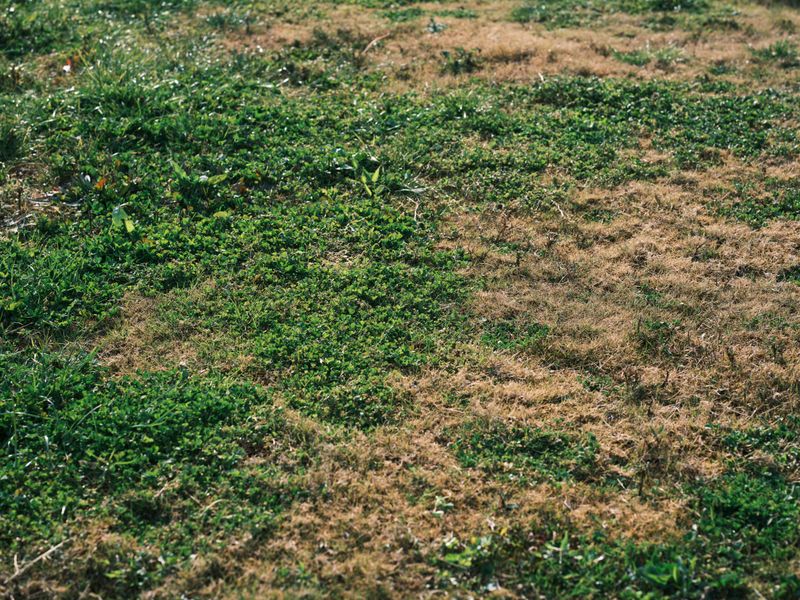
Brown does not always mean gone. Many lawns that look rough after a long winter are actually dormant or only partly damaged, not destroyed.
Cool-season grasses have a built-in survival trick. When conditions turn extreme, they go dormant and stop visible growth to protect the crown of the plant at the soil surface.
The crown is the growing point. As long as the crown survives, the lawn can recover once conditions improve in spring.
Start recovery by waiting. Stay off soggy ground, and gently rake matted areas and snow mold patches to improve airflow and let new growth push through.
Set the mower deck at three inches or higher for your first cuts of the season. Cutting recovering grass short again would set back any progress the plant is making.
Begin watering consistently once the weather warms and spring rains are not enough. Warmer soil signals to cool-season grass that it is safe to break dormancy and push new growth.
Overseed thin or bare areas in late April or May, once soil temperatures are warm enough for germination. Alternatively, plan a dormant seeding in late fall after the ground freezes, so seed is ready to sprout in early spring.
Use a starter fertilizer when overseeding, not a high-nitrogen blend. Starter formulas are phosphorus-forward, which supports root development in new seedlings rather than pushing fast blade growth.
Recovery takes patience, but most lawns bounce back fully by early summer. A little faith in the process goes a long way when the grass finally starts greening up again.
Prevention Beats Repair, Adjust Before The Snow Arrives
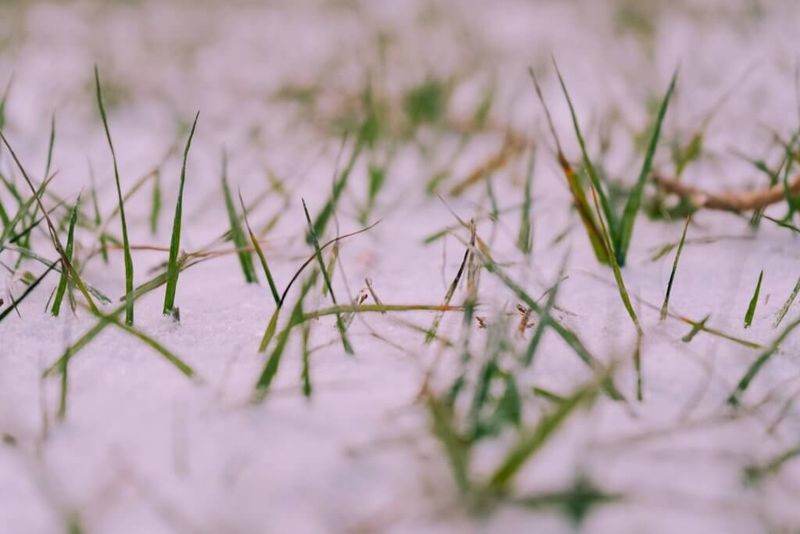
Fixing a damaged lawn is expensive and slow. Preventing the damage in the first place costs nothing but a small habit adjustment before winter sets in.
The mowing mistake most Minnesota homeowners repeat every single November is entirely avoidable. One deck adjustment before the final mow changes the entire trajectory of your lawn come spring.
Mark your mower deck setting with a piece of tape so it never accidentally slides back down. Small physical reminders prevent the kind of autopilot mistakes that wreck grass every year.
Plan your final mow around the forecast, not the calendar. If a hard freeze or the first snow is arriving in a few days, mow before it hits and then leave the lawn alone until spring.
Keep a bag of grass seed in the garage over the winter. Catching thin spots early in spring and patching them means you go into the growing season with a dense, resilient turf.
Dense grass naturally crowds out weeds, which means less herbicide, less stress, and less money spent chasing problems that a proper final mow would have prevented entirely.
Talk to your neighbors about it too. Yards that border each other share weed and disease pressure, and a block full of properly prepared lawns is harder for problems to spread across.
Smart prevention is the most powerful lawn tool you own, and it starts the moment you set that cutting deck to the right height before the snow arrives.