The Ohio Weather Patterns That Drive Tick And Japanese Beetle Activity Into Yards

Tick activity and Japanese beetle outbreaks in Ohio do not move on the same calendar every year. Some seasons feel manageable.
Others feel like both pests showed up at once and never let up. The difference usually traces back to specific weather patterns that most homeowners notice without ever connecting to what shows up in their yard weeks later.
Moisture, temperature swings, and the timing of spring warmth all play a direct role in pest pressure. They shape how aggressive both tick and Japanese beetle populations become in a given Ohio season.
A wet spring sets up different conditions than a dry one. A late frost changes the math entirely.
Understanding those patterns does not stop either pest from showing up. It does change how early a homeowner can expect pressure and how seriously to take prevention before the activity actually peaks.
This year’s weather has already set some of that in motion
1. Mild Winters Let More Ticks Stay Active
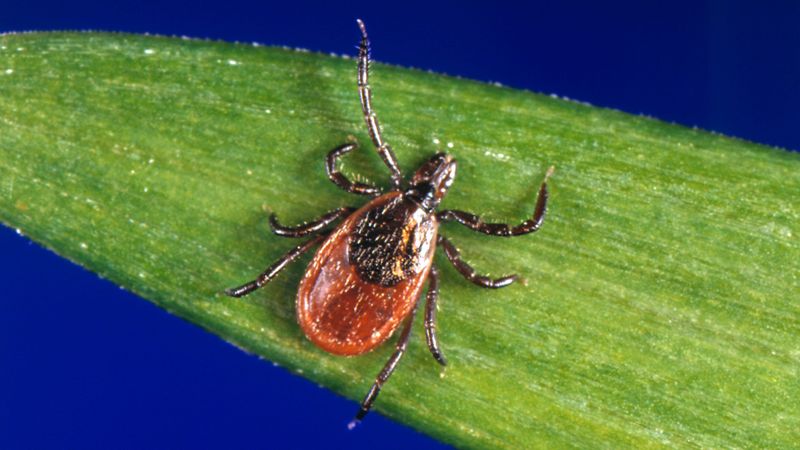
A mild January thaw can feel like a welcome break from cold weather, but it also signals something worth watching in your yard. Blacklegged ticks, sometimes called deer ticks, can remain active during warmer winter stretches.
According to Ohio State University Extension, blacklegged ticks can be a concern even outside the traditional warm season when temperatures stay above freezing.
Milder winters do not create tick populations from nothing. They do allow more ticks to survive the season without the full suppression that hard freezes can provide.
This means a yard that borders woods, tall grass, or brushy cover may see earlier tick activity once spring arrives.
The public-health concern here is real. Blacklegged ticks can carry Lyme disease and other pathogens.
Residents should follow current guidance from local public health agencies and the Ohio Department of Health.
Wear protective clothing during outdoor activities, use EPA-registered repellents, and check yourself, your children, and your pets after time outdoors, even in winter.
Mild winters are also a good reminder to keep yard edges trimmed and leaf litter cleared before spring growth starts. Reducing tick-friendly cover along fence lines, woodpile edges, and shaded borders gives ticks fewer places to shelter when warm days arrive.
Staying proactive during the off-season can reduce pressure once temperatures climb.
2. Wet Springs Keep Yard Edges Humid
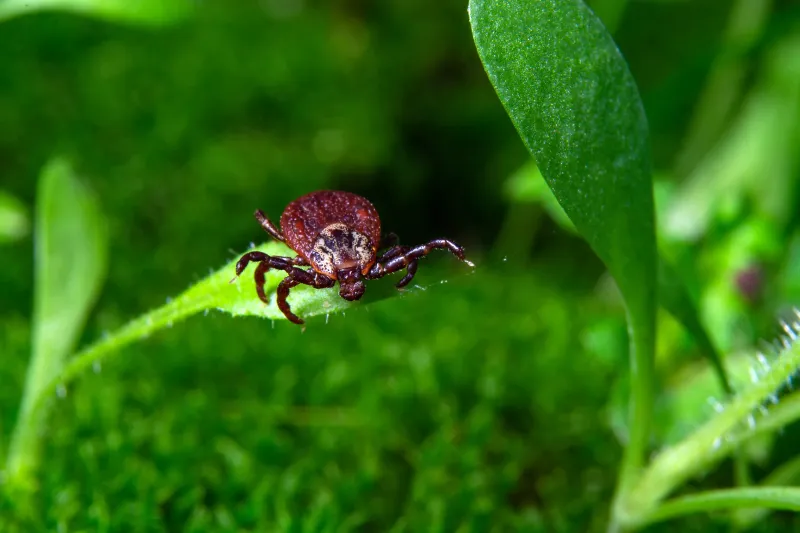
A soggy fence line after a wet spring can become a very different place than the same edge during a dry, breezy week. Ticks are highly sensitive to moisture loss.
They require humid environments to avoid drying out, and wet-spring conditions can keep grass, leaf litter, and shaded borders favorable for much longer than usual.
OSU Extension notes that ticks tend to concentrate in areas with dense ground cover, leaf litter, and tall vegetation where humidity stays higher.
A spring with above-average rainfall can extend those favorable conditions deeper into yards and closer to high-use areas like patios, play sets, and garden paths.
Yard-edge management becomes especially important after a wet spring. Mowing regularly, clearing accumulated leaf litter, and trimming brushy borders reduces the humid cover ticks rely on.
Your Ohio Garden Changes Every Week. Your Plan Should Too.
Gardening in Ohio changes quickly throughout the season. Every Friday you’ll receive a simple weekly plan showing exactly what to plant, prune, fertilize, harvest, and protect so you never miss the right timing.
A dry wood-chip or gravel barrier between lawn edges and wooded or weedy areas can also help reduce tick movement into more open spaces.
Wet springs also accelerate grass and weed growth, which can make these tasks feel harder to keep up with. Staying consistent with mowing and border cleanup through May and June pays off.
Fewer tick-friendly hiding spots near the places your family and pets spend time means a more manageable outdoor season overall. Check yourself and pets after any time near unmaintained edges.
3. Warm June Soil Helps Japanese Beetles Emerge
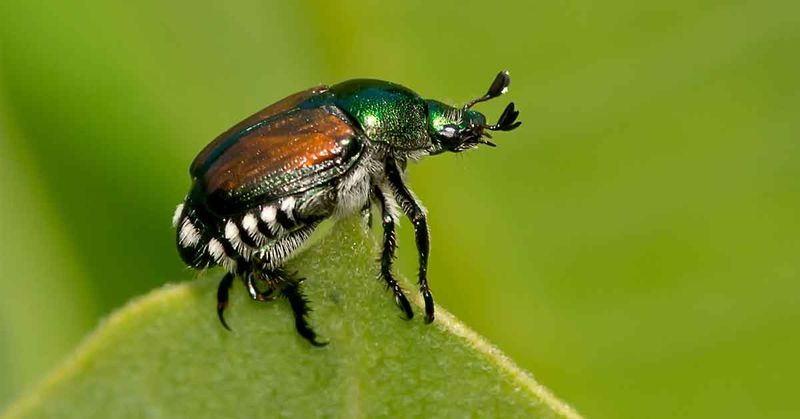
Warm June soil is one of the clearest signals that Japanese beetle adults are getting ready to emerge. These beetles spend most of their lives as grubs underground.
Adult emergence typically begins in late June and extends into July across this state. Exact timing can shift depending on local soil temperatures and how the previous season unfolded.
OSU Extension and university entomology sources confirm that soil temperature is a key driver of Japanese beetle adult emergence. Grubs that developed through fall and spring begin moving upward as soil warms.
A June with consistent warmth and adequate soil moisture can support a well-timed, concentrated emergence wave.
Homeowners with roses, grapes, lindens, or other preferred host plants often notice the first adults appearing on foliage in late June. Early detection matters.
Checking plants regularly in late June lets you catch activity before feeding pressure builds.
Hand-removal in the early morning, when beetles are slower, is a practical and pollinator-safe first step. Drop them into soapy water.
Avoid using Japanese beetle traps near your most valued plants, as research from university sources suggests traps can attract more beetles than they capture.
Focus on monitoring your yard, identifying affected plants, and following integrated pest management guidance from OSU Extension before reaching for any spray product.
4. July Heat Pushes Beetles Onto Stressed Plants
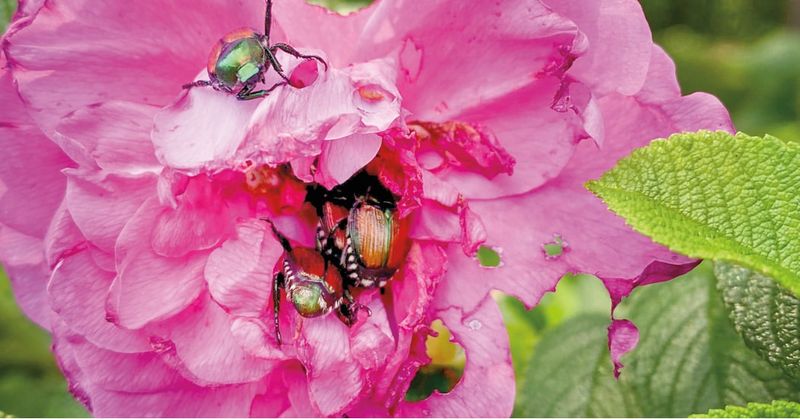
A rose leaf in July can tell you a lot about what is happening in your yard. Japanese beetle adults reach their peak feeding activity during July, and summer heat can make that damage look worse than it might in cooler conditions.
Heat-stressed plants are often less able to recover quickly from feeding pressure.
Adult beetles are known to aggregate on preferred plants, releasing aggregation pheromones that draw more individuals to the same spot. Roses, grapes, lindens, crabapples, and many ornamental plants are among the most frequently targeted.
A plant already stressed by dry heat becomes a more visible target and recovers more slowly after feeding.
July is also a time when many pollinators are actively foraging. Any pest control response should account for that.
OSU Extension and integrated pest management sources advise against spraying open blooms where pollinators are present. If a spray product is needed, apply it in the early morning or evening when pollinators are less active.
Always read and follow label directions.
Keeping plants well-watered during dry July stretches can reduce stress and help them recover from feeding more effectively. Removing beetles by hand remains a practical option for smaller plantings.
Consistent monitoring through July gives you a clearer picture of pressure levels before deciding whether additional management steps are needed. Patience and observation go a long way this month.
5. Heavy Rain Creates Lush Grass And Brushy Cover

Fast grass growth after a stretch of heavy rain can sneak up on even attentive homeowners. A lawn that looked manageable one week can develop thick, shaded edges the next.
That kind of growth creates exactly the type of cover ticks prefer: humid, sheltered, and close to the places people and pets spend time.
Ticks do not move far on their own. They rely on brushy, grassy, or leafy edges to stay moist and to encounter passing hosts.
A yard with overgrown borders, tall grass near fences, or weedy patches along garden beds provides more of those contact points. OSU Extension consistently recommends regular mowing and edge trimming as a practical way to reduce tick-friendly habitat.
Heavy rain also makes it harder to keep up with yard work. Wet soil delays mowing, and rapid growth can feel relentless.
Setting a consistent schedule helps keep fast growth manageable. Prioritizing edges closest to high-use areas, such as play sets, patios, and garden paths, helps manage the most important zones first.
Overgrown areas also make tick checks more difficult after outdoor time. When cover is dense and hard to see into, it is easier to miss the brushy contact points where ticks are most likely to be encountered.
Keeping borders visible and manageable is not just about appearances. It is a practical step toward a safer yard for the whole season.
Stay consistent with cleanup through the wet months.
6. Dry Spells Pull Wildlife Toward Irrigated Yards

A shaded watering spot in a dry summer can become a surprisingly busy location. When surrounding areas dry out, wildlife including deer, raccoons, and other animals tend to move toward irrigated, lush, or shaded yards.
This movement matters for tick awareness because ticks often travel on these animals.
Deer are well-documented hosts for adult blacklegged ticks. During dry stretches, deer may shift toward residential yards.
That can increase the likelihood of ticks being deposited along yard edges, garden borders, and brushy fence lines. American dog ticks, which are also present across this state, rely on a range of wildlife hosts as well.
Dry conditions also stress plants, which can make Japanese beetle feeding damage appear more severe. A plant already struggling with drought is less equipped to push out new growth after feeding.
Keeping valued plants adequately watered during dry spells supports their ability to handle the pressure of late-summer beetle activity.
For tick management during dry spells, focus on the areas where wildlife is most likely to move through. Check yard edges, garden borders, and any shaded corridors between wooded areas and your Ohio lawn.
Fencing can reduce deer access to high-value garden areas. Removing bird feeders and other attractants during dry periods may also reduce wildlife traffic near high-use outdoor spaces.
Always check yourself and pets after outdoor time, regardless of the season or recent weather.
7. Humid Nights Keep Tick Habitat From Drying Out
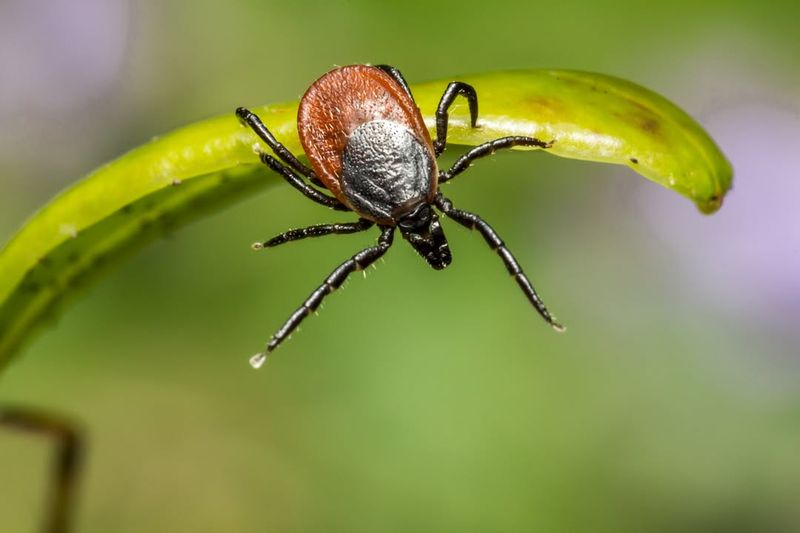
Humid summer nights do quiet but steady work in a yard. While daytime sun can dry out exposed grass and soil, a humid night can keep shaded areas, leaf litter, and dense ground cover moist well into the next morning.
For ticks, that overnight moisture retention can extend the window of favorable habitat conditions.
Ticks are vulnerable to desiccation, meaning they lose moisture quickly in dry, open, sunny conditions. Shaded borders, mulched beds, and areas with accumulated organic material hold humidity longer.
A stretch of humid nights following warm days can keep those zones consistently favorable, especially along yard edges that do not get full sun exposure.
Keeping high-use areas open, dry, and well-maintained reduces the effect of humid nights on tick habitat near your family’s activity zones. Trimming overhanging vegetation and removing leaf accumulation from borders help reduce moisture retention.
Avoiding thick mulch layers directly adjacent to patios and play areas also reduces conditions that favor tick survival.
Humid nights are also a reminder to do thorough tick checks after evening outdoor time. Ticks can be active during comfortable summer evenings when people and pets spend more time outside.
Check clothing, skin, and pet fur carefully. Pay attention to hidden areas like behind knees, around the waistband, and behind ears.
Following current public health guidance on tick removal and monitoring for symptoms after a bite is always the right step.
8. Storm Debris Creates Shelter Near High-Use Areas
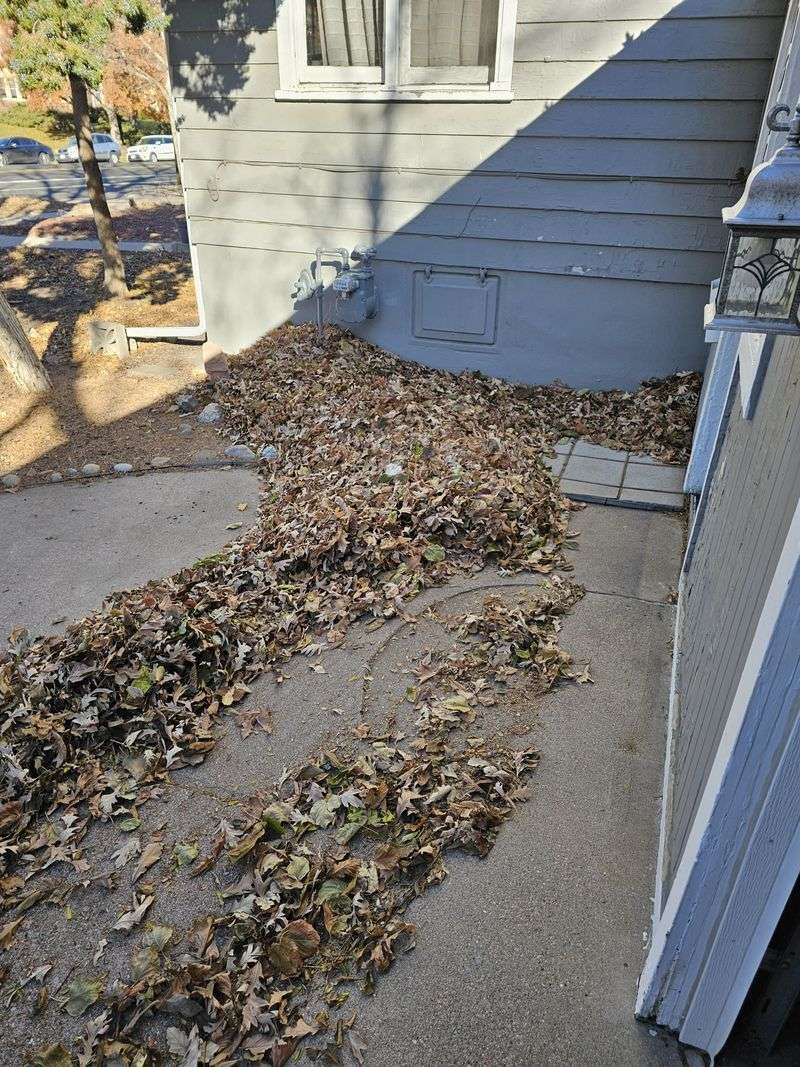
A storm pile near the patio can look like a minor cleanup task, but it is worth handling promptly. Fallen branches, wet leaf accumulations, and damp brush create sheltered, humid zones that can sit close to the places your family actually uses.
That combination of moisture, cover, and proximity to foot traffic is worth taking seriously.
Ticks favor the kind of layered, shaded cover that storm debris provides. Branches and leaves that stay damp for days after a storm create conditions similar to the brushy edges and leaf litter that tick populations rely on naturally.
Moving that debris away from patios, play sets, and walkways reduces direct contact risk in the areas you use most.
Woodpiles deserve extra attention after storms. Stacked wood that stays damp or sits directly on the ground can become a sheltered zone near yard entrances.
Elevating woodpiles off the ground and keeping them away from the house and play areas is a practical step recommended in yard-management guidance from extension sources.
After any significant storm, a walkthrough of your yard with cleanup in mind is a good habit. Clear debris from borders, restack disturbed woodpiles, and check for new brushy accumulations along fences or garden edges.
Dry barriers of gravel or wood chips between wooded areas and lawn can also help reduce the spread of tick-friendly cover toward your high-use outdoor spaces. Staying ahead of storm cleanup keeps your yard safer and easier to monitor all season long.