This Michigan Weed Comes Back Every Season No Matter What And It Turns Out That’s A Good Thing
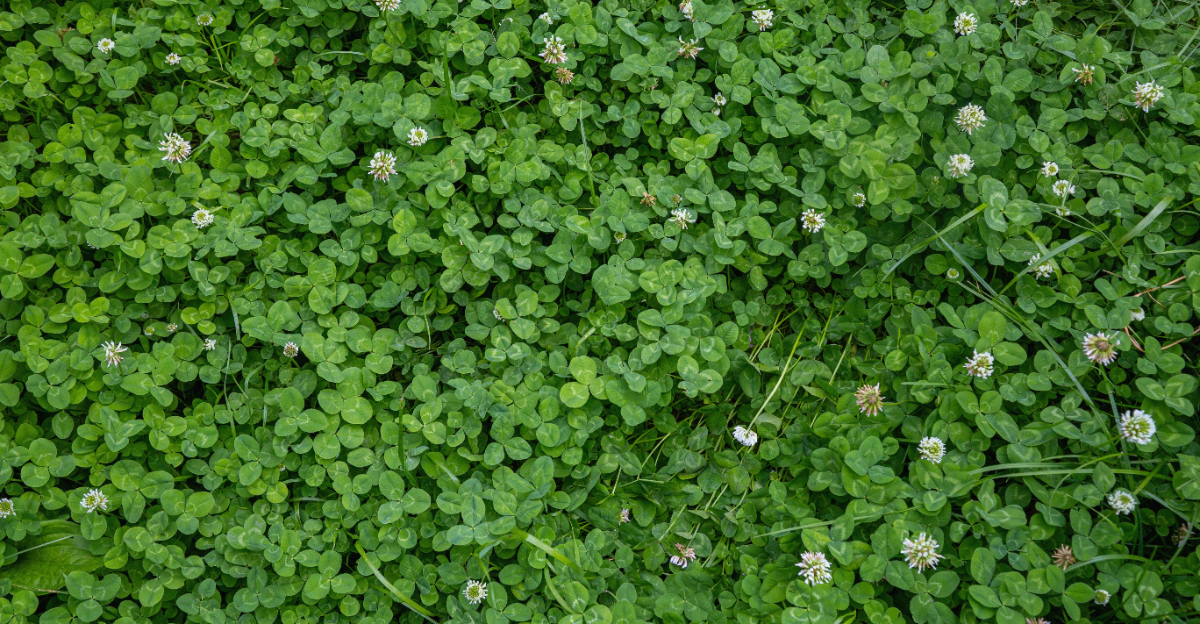
Every Michigan gardener knows this plant. It has been pulled, smothered, sprayed, and cursed at across countless beds and lawn edges without ever getting the message that it is not wanted.
The persistence that makes it so frustrating turns out to be rooted in something genuinely useful, and the same qualities that make it impossible to eliminate are the ones that make it valuable once a gardener stops fighting it long enough to look at what it is actually doing.
It feeds specific beneficial insects during windows when almost nothing else is available. It improves soil in ways that more welcome plants directly benefit from.
The most surprising gardening reframe in Michigan might be learning to tolerate the one plant most growers have spent years trying to destroy.
1. The Weed That Works For Your Lawn
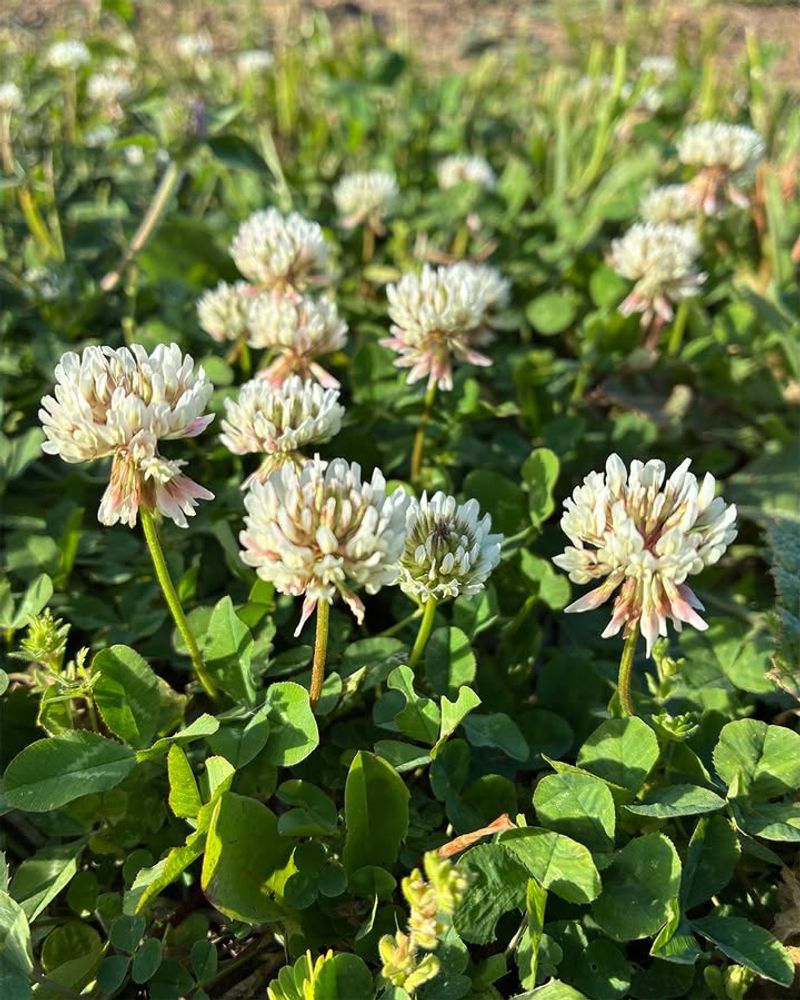
Somewhere between a lawn staple and a backyard surprise, white clover has earned a reputation it doesn’t entirely deserve.
Most people see it as a nuisance weed pushing through their perfectly manicured grass, but this low-growing plant is actually doing quiet, impressive work beneath the surface.
Trifolium repens has been growing in Michigan lawns for centuries, thriving in both sun and partial shade with very little help from anyone.
White clover spreads by creeping stems called stolons, which root at each node and gradually fill in bare patches of lawn. This spreading habit is part of why it returns so reliably every season.
It’s a perennial, which means once it establishes itself, it comes back year after year without replanting.
Michigan’s varied climate, from cold winters to humid summers, doesn’t slow clover down much at all. It handles frost, heat, and everything in between with quiet resilience.
For homeowners who want a lawn that stays green and healthy without constant attention, white clover deserves a second look.
Managing it wisely rather than fighting it constantly can save time, money, and a whole lot of frustration over the long run.
2. Natural Nitrogen Fertilization Right From Your Soil
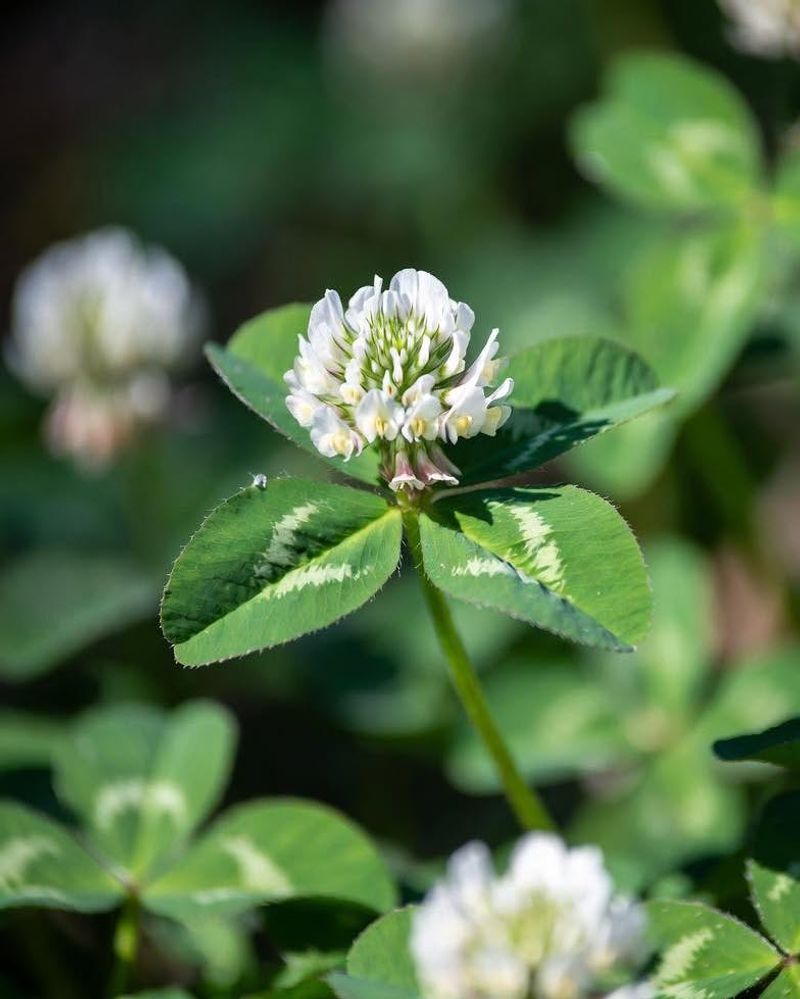
Here’s something most people never learned in school: white clover has a secret partnership with bacteria that literally enriches your soil for free. Tiny microorganisms called Rhizobium bacteria live inside nodules on clover’s roots.
These bacteria pull nitrogen gas right out of the air and convert it into a form that plants can actually absorb and use. It’s one of nature’s most efficient recycling systems, and it happens silently underground every single day.
Nitrogen is the nutrient that makes grass green and lush, and most homeowners spend real money buying synthetic fertilizers to replace what their soil naturally runs low on. White clover handles this job without any help from a bag or a spreader.
Michigan soils, especially in areas with heavy clay content, often struggle with nutrient availability. White clover works alongside grass to gradually improve those conditions without disrupting the existing lawn.
Over time, neighboring grass plants grow stronger, greener, and more resistant to stress simply because clover is nearby. Letting clover work as a natural fertilizer partner is one of the smartest low-effort moves a Michigan gardener can make.
Your Michigan Garden Changes Every Week. Your Plan Should Too.
Gardening in Michigan changes quickly throughout the season. Every Friday you’ll receive a simple weekly plan showing exactly what to plant, prune, fertilize, harvest, and protect so you never miss the right timing.
3. Bees And Butterflies Love Every Single Bloom
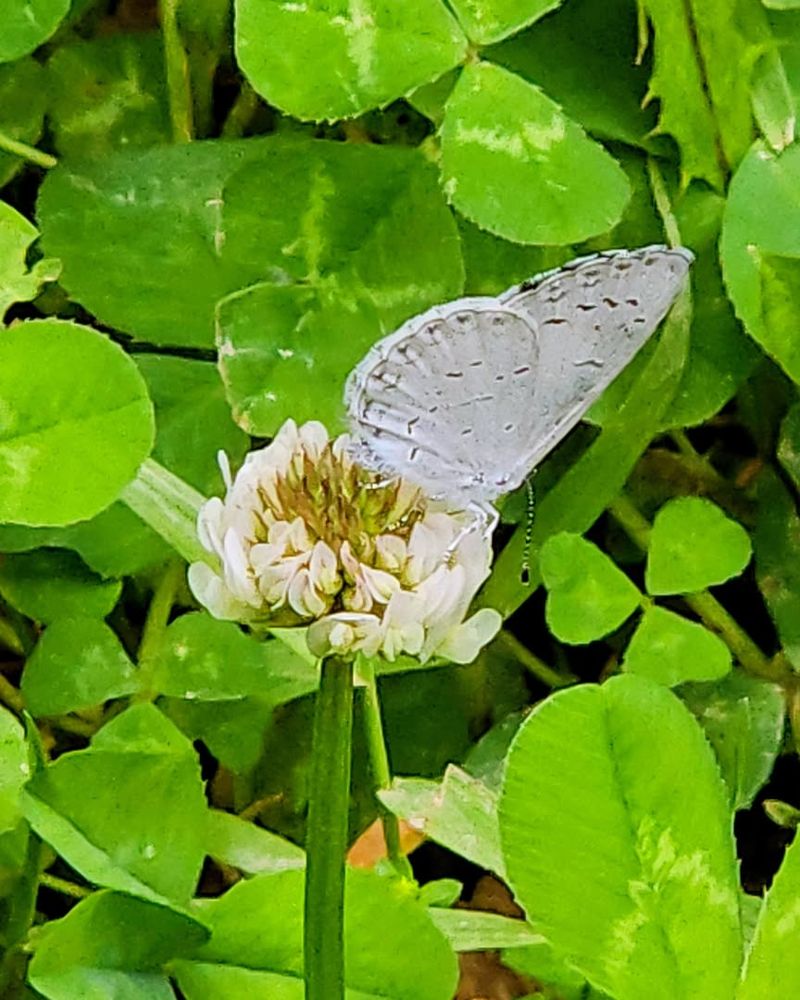
Few plants in a Michigan yard punch above their weight for pollinators the way white clover does. Those small, globe-shaped white flowers are absolutely packed with nectar, and bees know it.
Honeybees, bumblebees, and dozens of native bee species visit clover blooms repeatedly throughout the day, making it one of the most reliably pollinator-friendly plants you can have in your lawn without even trying.
This matters beyond just watching pretty insects buzz around. Pollinators visiting your clover will naturally move on to your vegetable garden, fruit trees, and perennial flower beds.
More pollinator activity means better fruit set on tomatoes, squash, peppers, and anything else that relies on insect visits to produce food. Clover essentially acts as a pollinator magnet that benefits your entire yard ecosystem.
Michigan has seen significant declines in native bee populations over the past two decades, largely due to habitat loss and reduced flowering plant diversity.
Letting white clover bloom in patches of your lawn contributes directly to reversing that trend in your own neighborhood.
Even a small patch in bloom provides meaningful forage during the summer months when other nectar sources can run low.
Supporting pollinators through clover is one of the easiest and most impactful things a Michigan homeowner can do for local biodiversity.
4. Low Maintenance Lawns Where Clover Truly Thrives
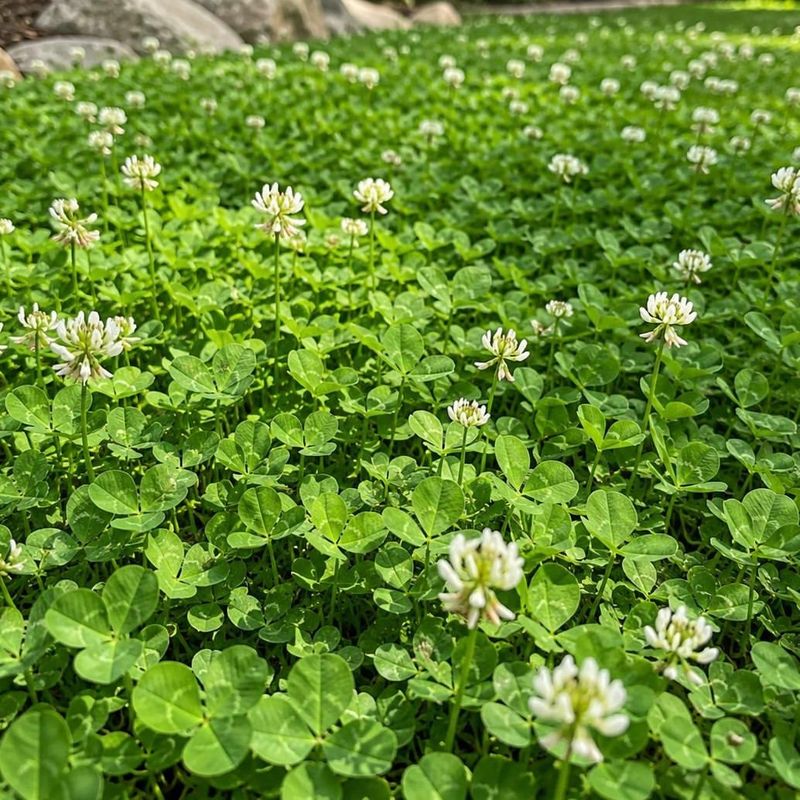
Not everyone has time to water, fertilize, and obsessively maintain a picture-perfect lawn every weekend. White clover was practically made for that reality.
It grows happily in mowed turf, tolerates regular cutting, and bounces back quickly after each pass of the mower.
Rather than struggling to survive in a lawn, clover actually prefers it, staying low and spreading outward to fill gaps that grass sometimes can’t cover on its own.
Bare patches in a lawn are an open invitation for aggressive weeds to move in. Clover fills those spots faster than most grass seed germinates, creating a living mat of green that keeps unwanted plants from getting a foothold.
It stays green even during periods when grass goes dormant or thins out, maintaining that lush, full appearance Michigan homeowners want without extra effort.
One of clover’s most practical qualities is its low water demand once it’s established. It doesn’t need the same irrigation schedule that keeping grass green requires during dry stretches.
For homeowners who want to cut down on watering time and costs, mixing clover into a lawn is a genuinely smart move.
It handles the hard work of staying green and full while you spend your weekends doing something more enjoyable than dragging hoses around the yard.
5. Drought Stress Doesn’t Stand A Chance Against Clover
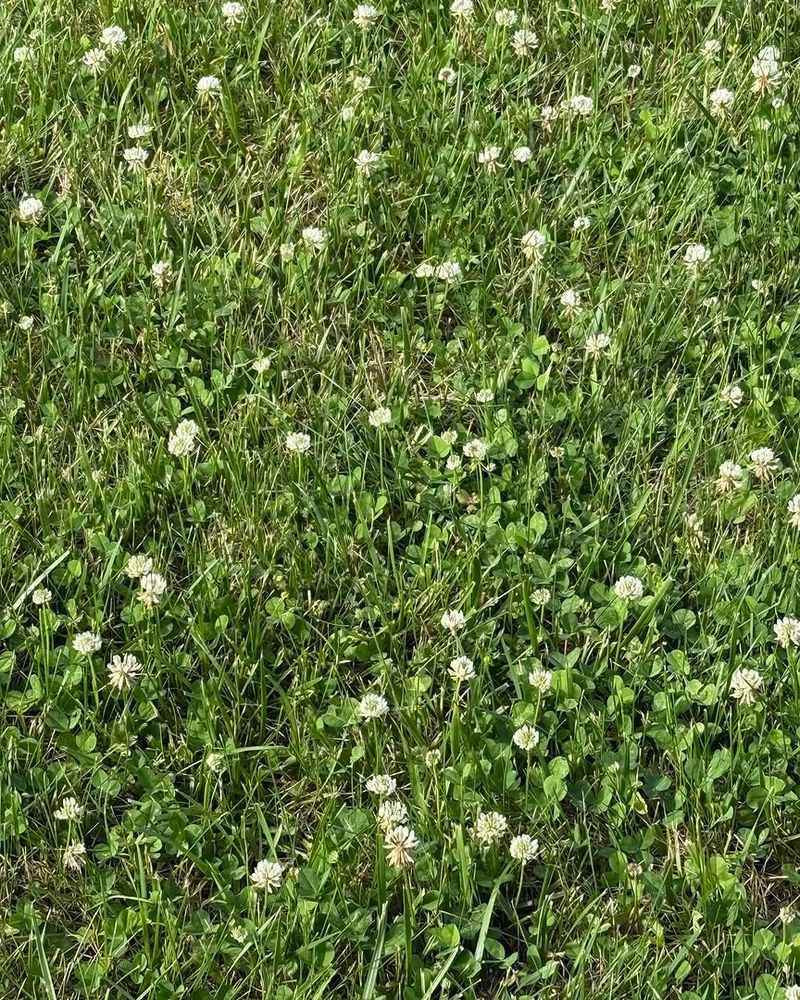
Michigan summers can be surprisingly brutal on lawns. July and August often bring stretches of heat with little to no rainfall, and cool-season grasses like Kentucky bluegrass and fine fescue respond by going brown and dormant.
White clover takes a completely different approach. Its deep, fibrous root system reaches moisture that surface-level grass roots simply can’t access, keeping it green and actively growing even when the rest of the lawn looks tired and parched.
The creeping growth habit of white clover also helps it manage moisture more efficiently than upright grass plants. Stolons spread horizontally across the soil surface, shading the ground beneath them and reducing evaporation.
This means the soil stays cooler and retains moisture longer, which benefits not just the clover but also the grass and other plants nearby.
For Michigan homeowners in areas with sandy, fast-draining soils, this drought resilience is especially valuable. Sandy soils in parts of western and northern Michigan can lose moisture quickly, leaving lawns struggling by midsummer.
White clover stays green and productive through those dry spells without demanding extra water.
Mixing clover into a lawn or garden border gives you living insurance against summer dry spells, keeping your yard looking healthy even when the rain doesn’t cooperate for weeks at a time.
6. Compacted Soil Gets A Natural Boost From Clover Roots
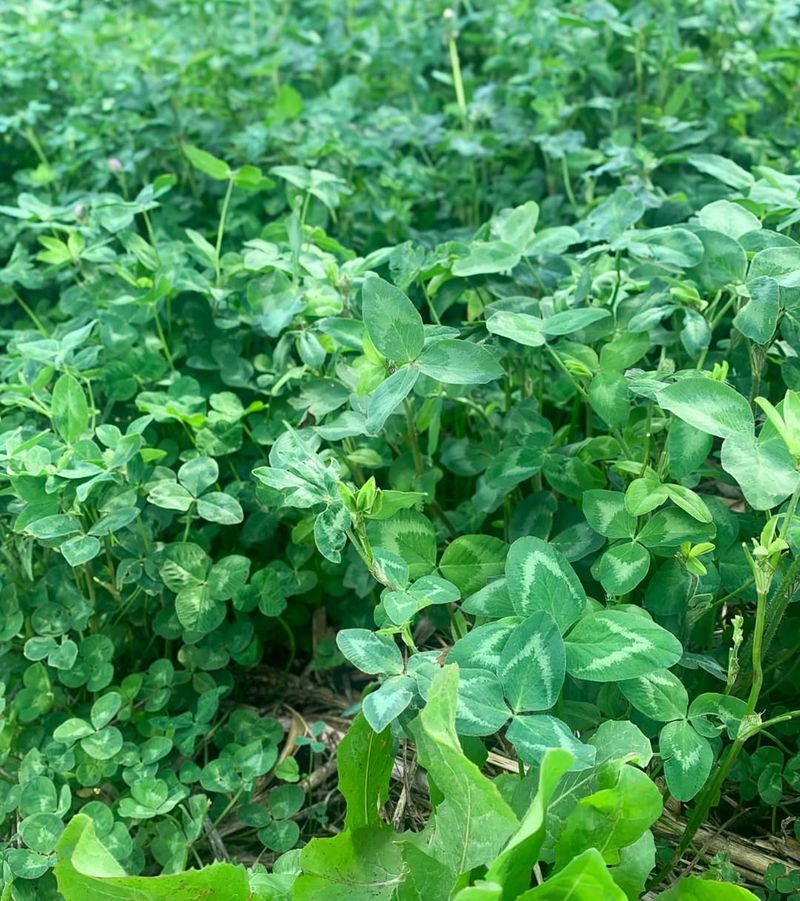
Compacted soil is one of the most common and frustrating lawn problems in Michigan, especially in yards with heavy clay content or high foot traffic.
When soil gets compacted, water runs off instead of soaking in, grass roots struggle to penetrate deeply, and the overall health of the lawn declines year by year.
White clover quietly works against this problem in a way most homeowners never expect from a plant they used to consider a weed.
Clover roots push down through compacted layers, creating small channels that allow air and water to move more freely through the soil.
This natural aeration process improves drainage and helps grass roots reach deeper into the ground where moisture and nutrients are more stable.
Over a full growing season, the difference in soil structure can be noticeable, especially in areas that previously puddled after rain.
Clover also adds organic matter to the soil as older roots and leaves break down. Organic matter improves soil texture over time, making it easier for all plants to grow and reducing the need for mechanical aeration every year.
For Michigan homeowners who dread renting aerators or paying lawn services, letting white clover work as a natural soil conditioner is a practical, low-cost alternative.
It won’t fix severe compaction overnight, but consistent clover coverage steadily moves the needle in the right direction.
7. Ground Cover That Actually Keeps Weeds Out
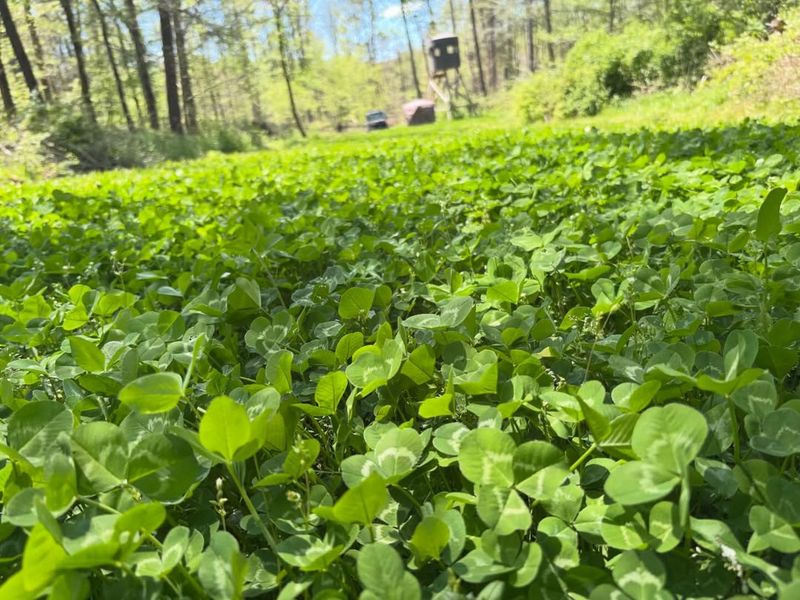
Weeds need two things to take hold in a lawn: bare soil and sunlight. White clover denies them both.
When clover grows densely across a lawn or garden border, it forms a thick mat of foliage that blocks sunlight from reaching the soil surface. Weed seeds that land in a clover patch simply can’t germinate and grow the way they would in thin or bare turf.
It’s a natural weed management strategy that requires zero chemical input.
This is especially useful along garden edges, fence lines, and other areas where grass tends to thin out and weeds like dandelion, crabgrass, and thistle love to move in.
Planting or encouraging clover in those trouble spots creates a living barrier that’s far more effective and far less work than repeated hand-weeding or herbicide applications.
Clover also out-competes many common broadleaf weeds for soil nutrients and space, particularly in areas where it has had time to establish a strong root network. Once clover fills a space, it holds it confidently through the season.
For Michigan homeowners who spend too many weekend hours pulling weeds from the same spots over and over, clover ground cover offers real, lasting relief.
It works around the clock without any reminders, quietly keeping problem plants from taking over the spaces you want to stay clean and green.
8. The Subtle Beauty Of White Clover In Full Bloom
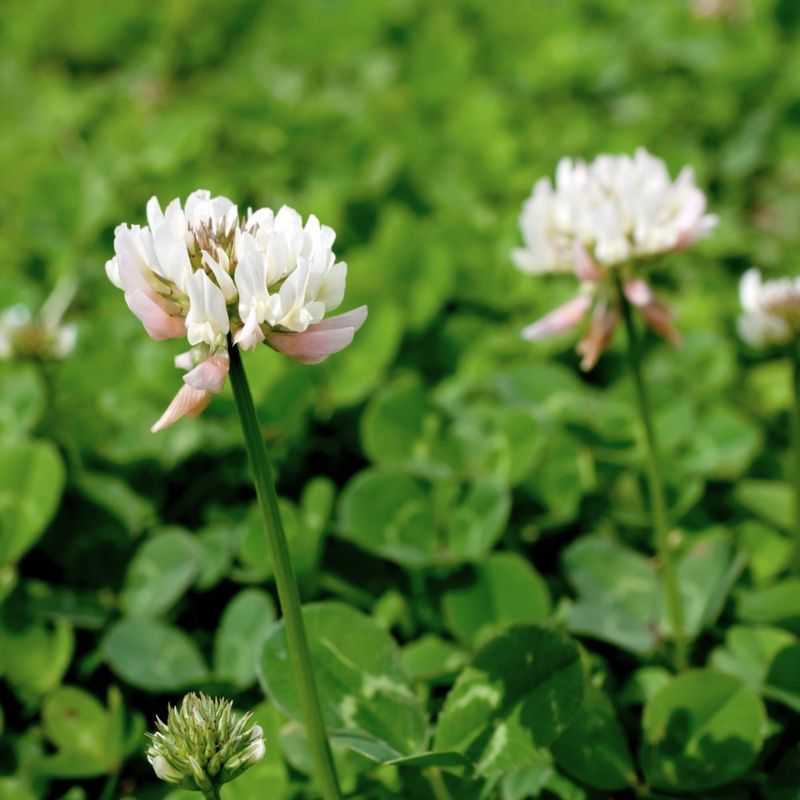
There’s something quietly charming about a lawn dotted with small white clover blooms on a warm June morning.
It’s not the bold drama of a flower garden, but it has its own understated appeal that many Michigan homeowners have started to appreciate.
The rounded white flower heads appear from late spring through early fall, providing a gentle seasonal rhythm of color that changes the feel of a plain green lawn without overwhelming it.
Clover blooms work especially well in naturalistic or cottage-style garden designs, where a little wildness is part of the aesthetic.
Mixed into a lawn, the flowers stay low enough that they don’t disrupt the overall look of the turf but add just enough visual texture to make the space feel alive and interesting.
They also dry beautifully, which some gardeners use to their advantage in informal bouquets or pressed flower projects.
For homeowners who want to integrate clover without losing a uniform lawn appearance, the key is mowing height.
Keeping grass and clover mowed at around three to four inches allows the clover to stay green and active while reducing the number of flowers that appear at any given time.
This gives you the soil and pollinator benefits of clover with a cleaner, more traditional lawn look that still feels intentional and well cared for throughout the growing season.
9. Managing White Clover When You Want More Control
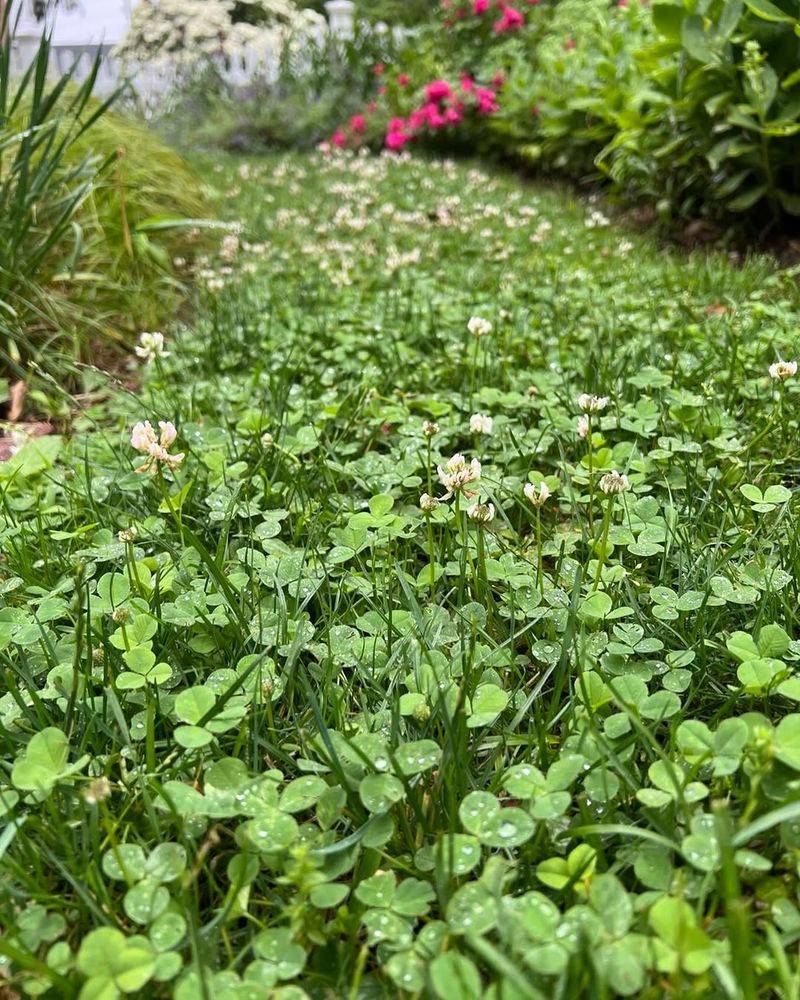
Even with all its benefits, white clover isn’t always welcome everywhere in a yard, and that’s perfectly reasonable.
Some homeowners prefer a uniform grass lawn for specific areas, or they have garden beds where clover’s spreading habit creates more competition than they want.
The good news is that managing clover is straightforward when you use the right approach and stay consistent through the growing season.
Mowing height is the first and easiest tool. White clover struggles when grass is kept at three and a half inches or higher because taller grass shades the soil and limits clover’s access to sunlight.
Raising your mower deck is a simple adjustment that gradually reduces clover density over time without any chemicals or extra labor involved. It also benefits your grass, since taller turf is naturally more drought and weed resistant.
For areas where you want more complete removal, selective broadleaf herbicides containing clopyralid or triclopyr target clover without harming surrounding grass. Always follow label instructions carefully and apply during mild temperatures for best results.
Hand-pulling works well for small patches, especially after rain when the soil is soft and roots release more easily. Companion planting with dense, vigorous grass varieties like tall fescue can also crowd clover out naturally over time.
A balanced approach, using some combination of these methods, gives Michigan homeowners full control without turning clover management into a season-long battle.