The Ohio Native Tree That Provides The Best Shade During July Heat Waves
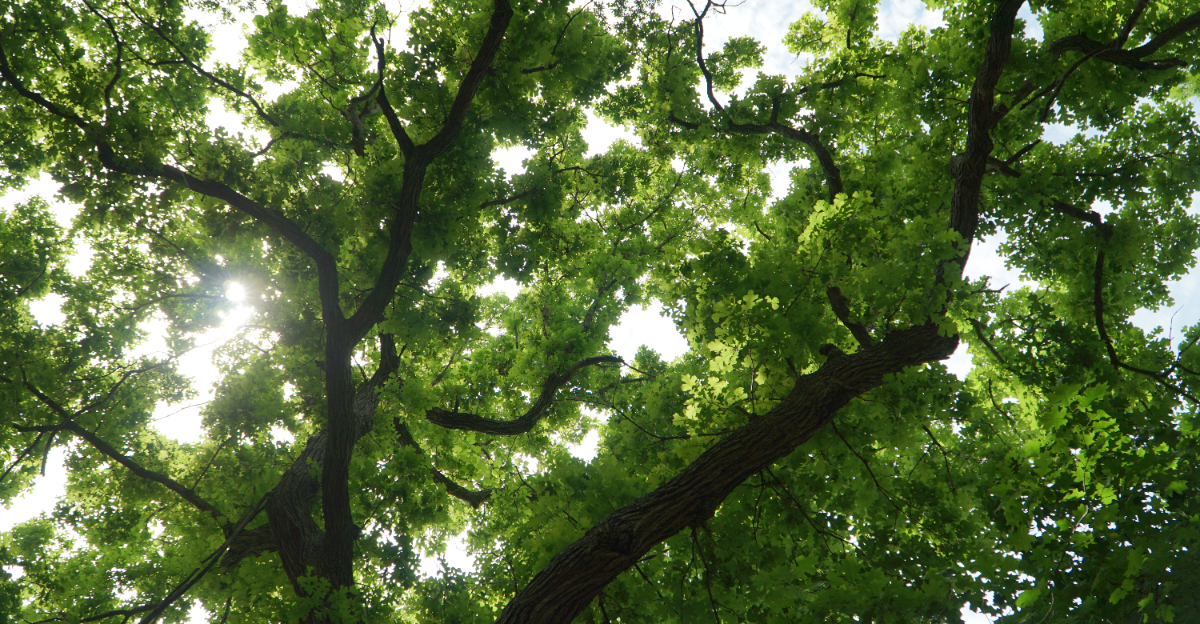
July heat in Ohio makes shade feel less like a landscaping feature and more like a necessity. Not every tree delivers the same kind of relief, though.
Some offer thin, scattered coverage that barely takes the edge off. Others create a genuine drop in temperature underneath the canopy that you can feel the moment you step into it.
One Ohio native belongs firmly in the second category. Dense canopy, broad spread, and a structure built to block serious heat rather than just filter it.
This tree has been doing this job in Ohio landscapes for generations, long before anyone was thinking about shade as a deliberate design choice.
It grows slowly compared to some flashier options, but what it delivers once established outperforms almost anything that grows faster.
For a property serious about beating July heat, this native is worth the patience it asks for upfront.
1. Choose Bur Oak For Serious Long-Term Shade
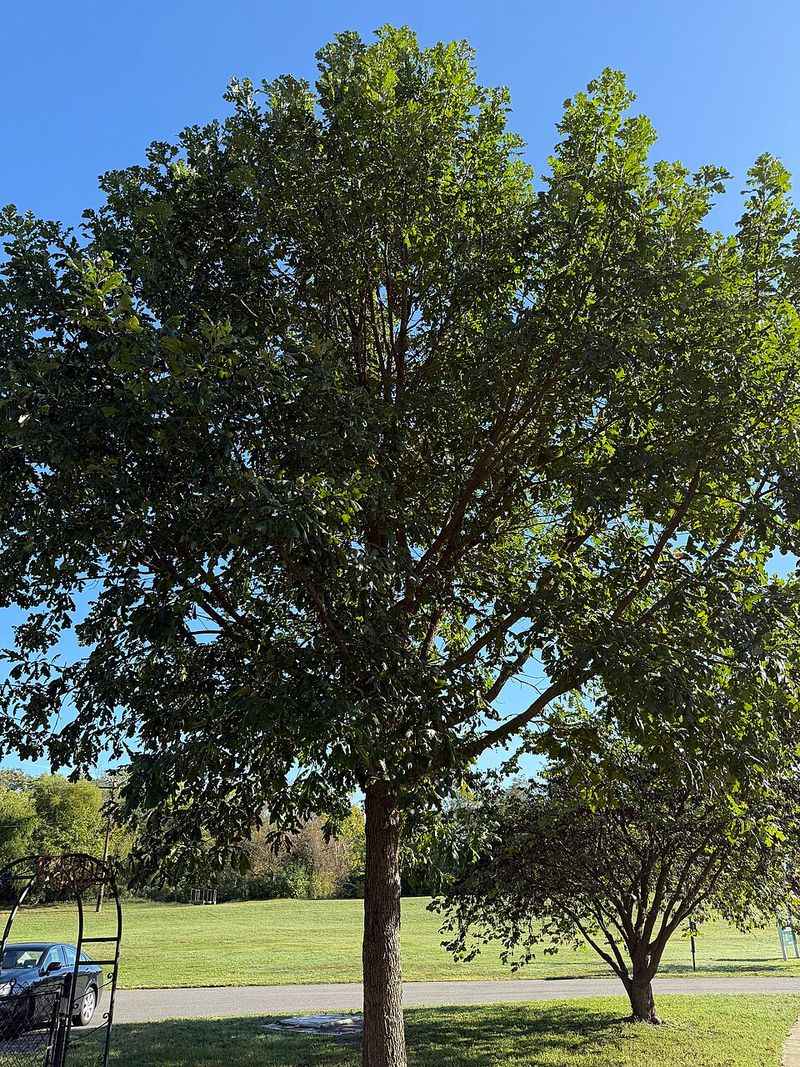
A hot July lawn with no tree cover can feel ten to fifteen degrees warmer than the ground beneath a full, established canopy. That difference is not a small thing when afternoon temperatures climb into the nineties.
Bur oak earns its reputation as a serious long-term shade tree because of its size, structure, and staying power.
Mature bur oaks typically reach 60 to 80 feet tall with a canopy spread that can reach 60 to 80 feet wide. That is a broad, heavy crown that blocks a significant amount of afternoon sun.
The tree grows slowly to moderately, so the shade builds over many years rather than arriving overnight.
This is not a tree you plant for next summer. It is a tree you plant for the summers your children or grandchildren will enjoy.
Bur oak is native to this state and naturally suited to local soils, rainfall patterns, and temperature swings. It does not need a lot of fussing once established.
Buy from a reputable Ohio nursery that grows healthy, site-suited stock. Avoid digging trees from the wild, which often fails and harms natural areas.
2. Give This Native Oak Room To Spread
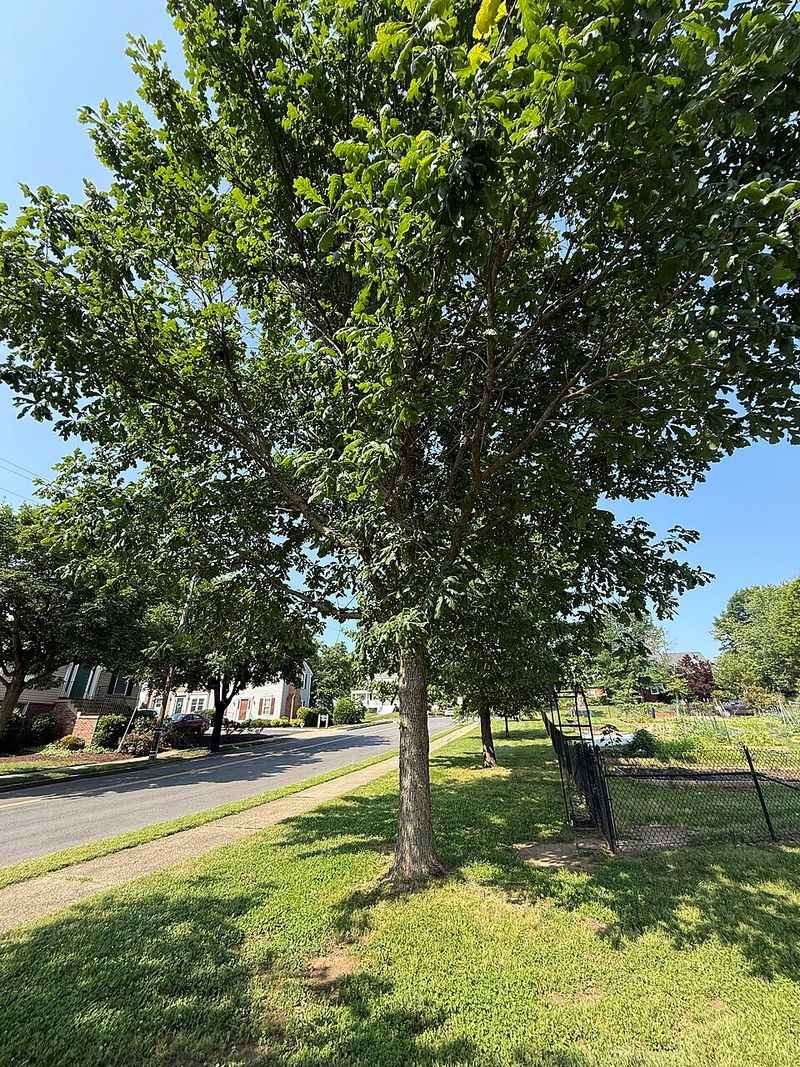
Planting site is one of the most important decisions you will make for a bur oak. This tree needs serious space, and choosing the wrong spot causes problems that are difficult to fix later.
Plan before you dig.
A mature bur oak can spread 60 to 80 feet wide at its canopy. Its root system extends well beyond that spread underground.
Planting too close to a house, garage, driveway, sidewalk, or septic system puts both the tree and your property at risk over time. Overhead utility lines are another concern.
A full-grown bur oak should never be planted beneath power lines.
For most home landscapes, a minimum of 20 to 30 feet from any structure is a reasonable starting point, though more space is always better. Open backyards, large front lawns, rural properties, and park-like settings give this tree the room it needs to develop properly.
Your Ohio Garden Changes Every Week. Your Plan Should Too.
Gardening in Ohio changes quickly throughout the season. Every Friday you’ll receive a simple weekly plan showing exactly what to plant, prune, fertilize, harvest, and protect so you never miss the right timing.
Corner lots, open fields, and spacious suburban lawns can work well when placement is thoughtful. A young sapling looks small and manageable now, but the goal is always the mature tree.
Plan for that size from the very first day you dig the planting hole.
3. Plant It In Full Sun For The Strongest Canopy
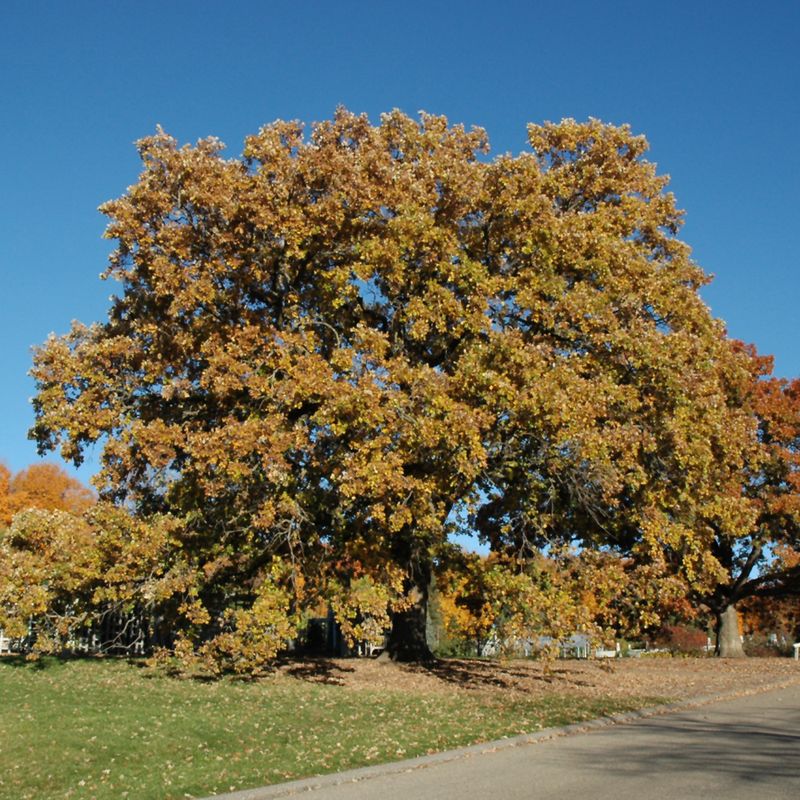
Strong summer sun can feel like the enemy in July, but for bur oak, full sun is actually the right growing condition. This tree builds its widest, densest canopy when it receives at least six hours of direct sunlight each day.
Less light means a narrower, weaker structure over time.
Full-sun planting gives bur oak the energy it needs to push deep roots, develop strong branch structure, and fill out that broad, heavy crown it is known for. Trees grown in partial shade tend to stretch toward light rather than spread outward.
That stretching produces a less effective shade canopy in the long run.
When selecting a planting spot, look for areas that get consistent, unobstructed sun throughout the day. South-facing and west-facing exposures often provide the strongest light.
Avoid spots that are heavily shaded by existing trees, buildings, or fences for most of the day. A full-sun site also tends to have better air circulation, which helps keep foliage healthy during humid Ohio summers.
Bur oak is not a deep-shade performer. Give it the light it needs, and it will reward that choice with decades of strong, wide, reliable canopy growth.
4. Count On Deep Shade Once The Tree Matures
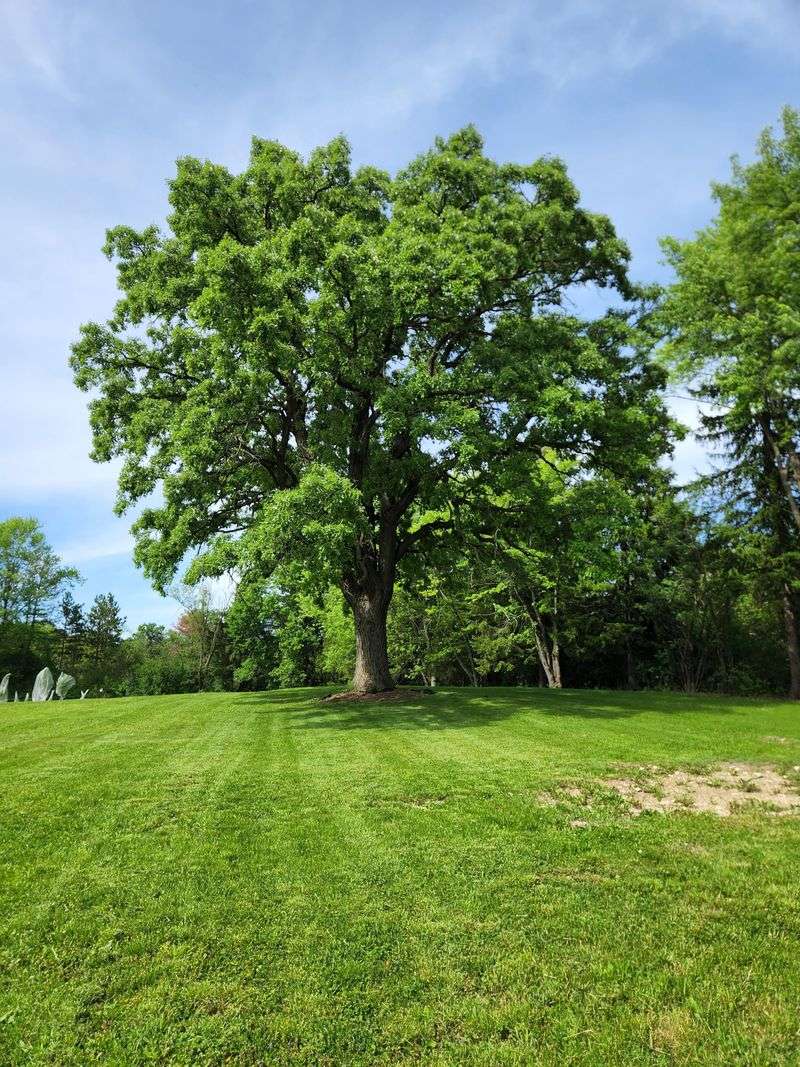
A west-facing Ohio yard can feel almost unusable in July until a real canopy begins to change the temperature below it. Bur oak delivers that kind of shade, but only after it has had years to develop size and structure.
Patience is part of the investment with this tree.
Once a bur oak reaches maturity, its dense, layered canopy can block a large portion of direct sunlight from reaching the ground below.
Patios, lawn chairs, garden beds, and sitting areas placed within the canopy footprint benefit from noticeably cooler conditions during afternoon heat.
West-facing exposures are especially good candidates for a well-placed bur oak because that side of a home receives the most intense late-afternoon sun.
The large leaves of bur oak, which can reach five to ten inches long, contribute to its shade density. A mature tree does not let much direct light filter through.
That deep, reliable shade is what makes bur oak a standout native choice for long-term summer comfort in larger home landscapes. The cooling effect builds gradually over decades.
A ten-year-old tree will provide some shade. A thirty-year-old tree will provide a genuinely impressive canopy that transforms the feel of a yard in July heat.
5. Let Its Drought Tolerance Help During July Heat
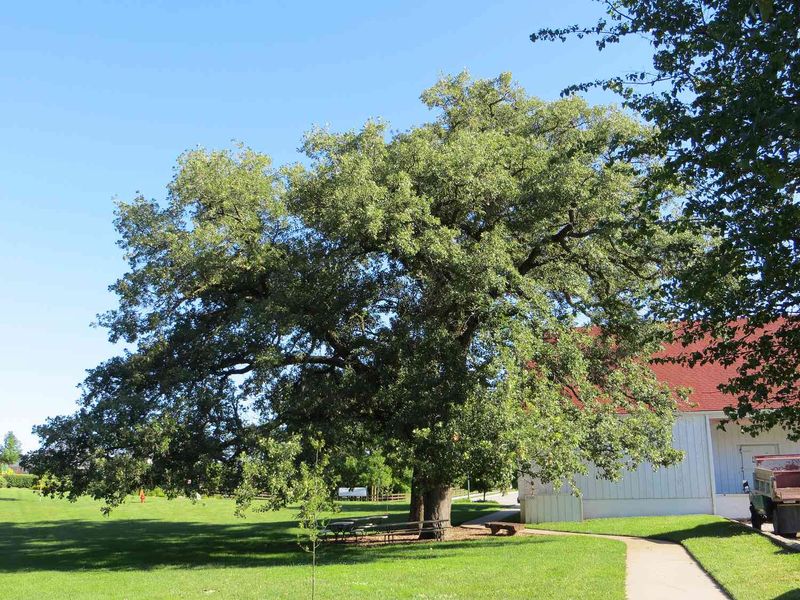
July in this state can bring stretches of dry, hot weather that stress many ornamental trees and shrubs. Bur oak handles those conditions better than most, which is one reason it stands out as a native shade tree worth planting in larger landscapes.
Its toughness comes from deep roots and a long history of adapting to variable regional conditions.
Once established, bur oak can access moisture from deep in the soil profile. That deep root system helps it stay relatively stable during dry spells when shallow-rooted trees begin to show stress.
Its thick, corky bark also helps it resist heat and moisture loss better than thin-barked species. These traits developed over centuries of growing across the oak savannas and upland areas of the Midwest.
Drought tolerance does not mean the tree needs no water at all. A newly planted bur oak is not yet established and will need consistent moisture during dry periods for the first several years.
The drought resistance that makes this tree so valuable kicks in after roots have had time to settle and spread. An established bur oak is a genuinely tough tree.
It is not fragile, fussy, or quick to suffer during a hot, dry July stretch once it has found its footing.
6. Water Young Trees Until Roots Settle In
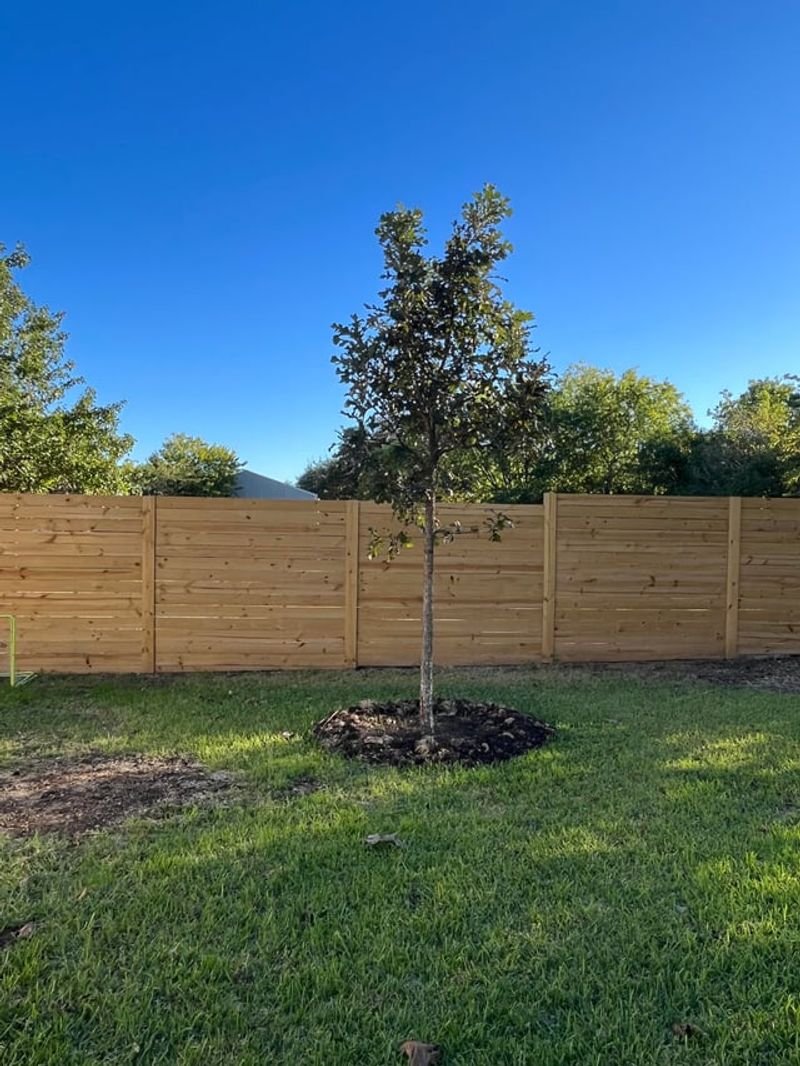
A young bur oak sapling planted in spring or fall does not arrive with a deep, established root system. It comes with a root ball that represents only a fraction of the root spread it will eventually develop.
That gap between current roots and future roots is the period when careful watering matters most.
During the first two to three years after planting, bur oak needs consistent moisture, especially during dry July stretches. Deep, slow watering encourages roots to grow downward rather than staying near the surface.
Shallow surface watering produces shallow roots, which makes the tree more vulnerable to heat and dry conditions later on.
Check soil moisture before watering rather than watering on a fixed schedule. Push a finger or a thin rod a few inches into the soil near the root zone.
If it feels dry several inches down, it is time to water. If it still feels moist, hold off.
Overwatering is a real concern and can harm young roots just as much as underwatering. A slow trickle from a hose laid near the base for 30 to 45 minutes works well for deep watering.
Consistency through the first few summers gives this tree the best chance to establish strong roots and begin building toward that long-term canopy.
7. Keep Mulch Wide But Away From The Trunk
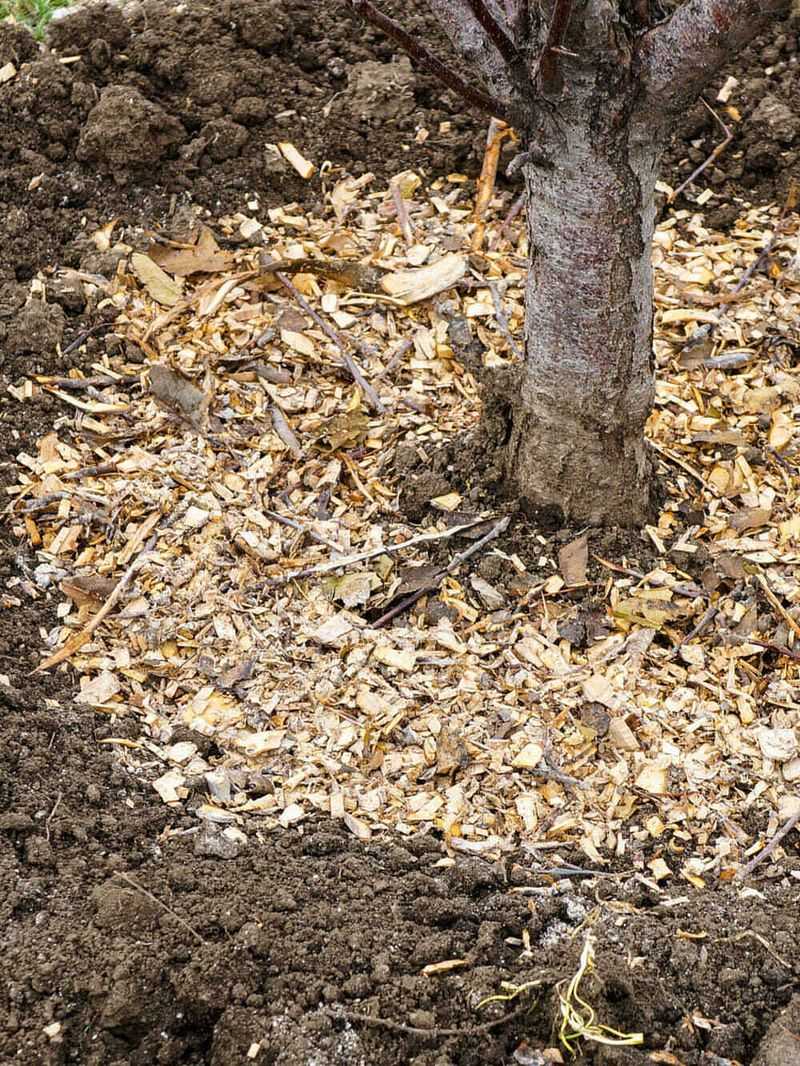
A wide mulch ring around a young bur oak does more than look tidy. It protects soil moisture, keeps mower blades away from the bark, moderates soil temperature, and reduces competition from grass roots.
Done correctly, mulching is one of the most practical things you can do for a newly planted tree.
Spread mulch two to four inches deep in a ring that extends at least three to four feet from the trunk in all directions. Wider is better as the tree grows.
Use wood chips or shredded bark rather than stone or rubber, which can trap heat near the roots. Replenish mulch as it breaks down, but do not pile it on thickly year after year without checking the depth first.
The most common mulching mistake is the mulch volcano, where mulch is piled high against the trunk like a cone. That habit traps moisture against the bark, encourages rot, and can harm the tree over time.
Always keep mulch pulled back a few inches from the trunk so the trunk flare is clearly visible at ground level. The trunk flare is the spot where the trunk widens as it meets the soil.
Keeping it exposed is a simple step that protects the tree’s long-term health and helps it thrive through many summers ahead.
8. Plant One Tree For Shade That Outlasts A Heat Wave
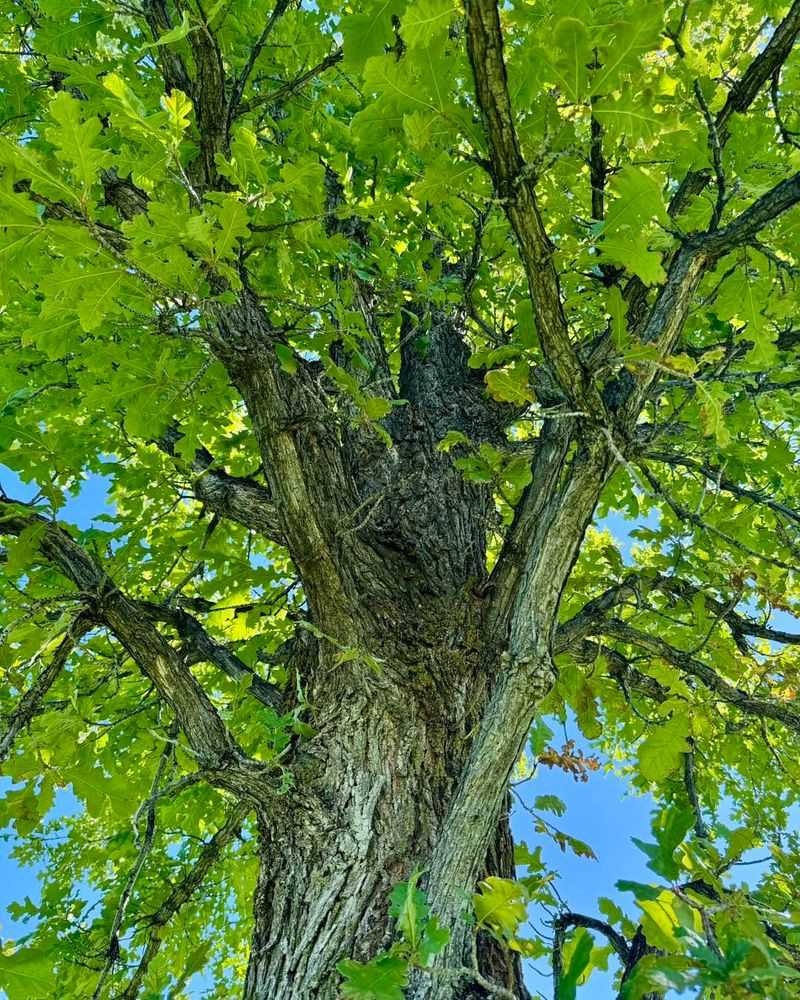
One hot week in July is not the reason to plant a bur oak. One hundred summers of shade, wildlife habitat, soil protection, and living structure is the reason.
This tree is a commitment to a landscape that improves with age rather than one that peaks and fades within a few seasons.
Bur oak supports an impressive range of wildlife. Its acorns are a high-value food source for deer, wild turkeys, squirrels, and many other animals.
Its bark and branch structure provide nesting and resting habitat for birds. Research from entomologist Doug Tallamy has highlighted native oaks as among the most ecologically valuable trees a homeowner can plant.
They support hundreds of caterpillar species that feed the broader food web.
Planting a bur oak means choosing a tree that will still be standing and shading a yard long after most ornamentals have come and gone. It is a tree that asks for a good planting site, careful early watering, proper mulch, and enough room to grow.
In return, it offers decades of deep summer shade, wildlife value, and native resilience. Buy a healthy nursery-grown tree from a reputable source.
Choose the right spot. Then give it time.
That is the whole plan, and it works.