This Underrated Texas Native Survives Current Water Restrictions Without Any Decline
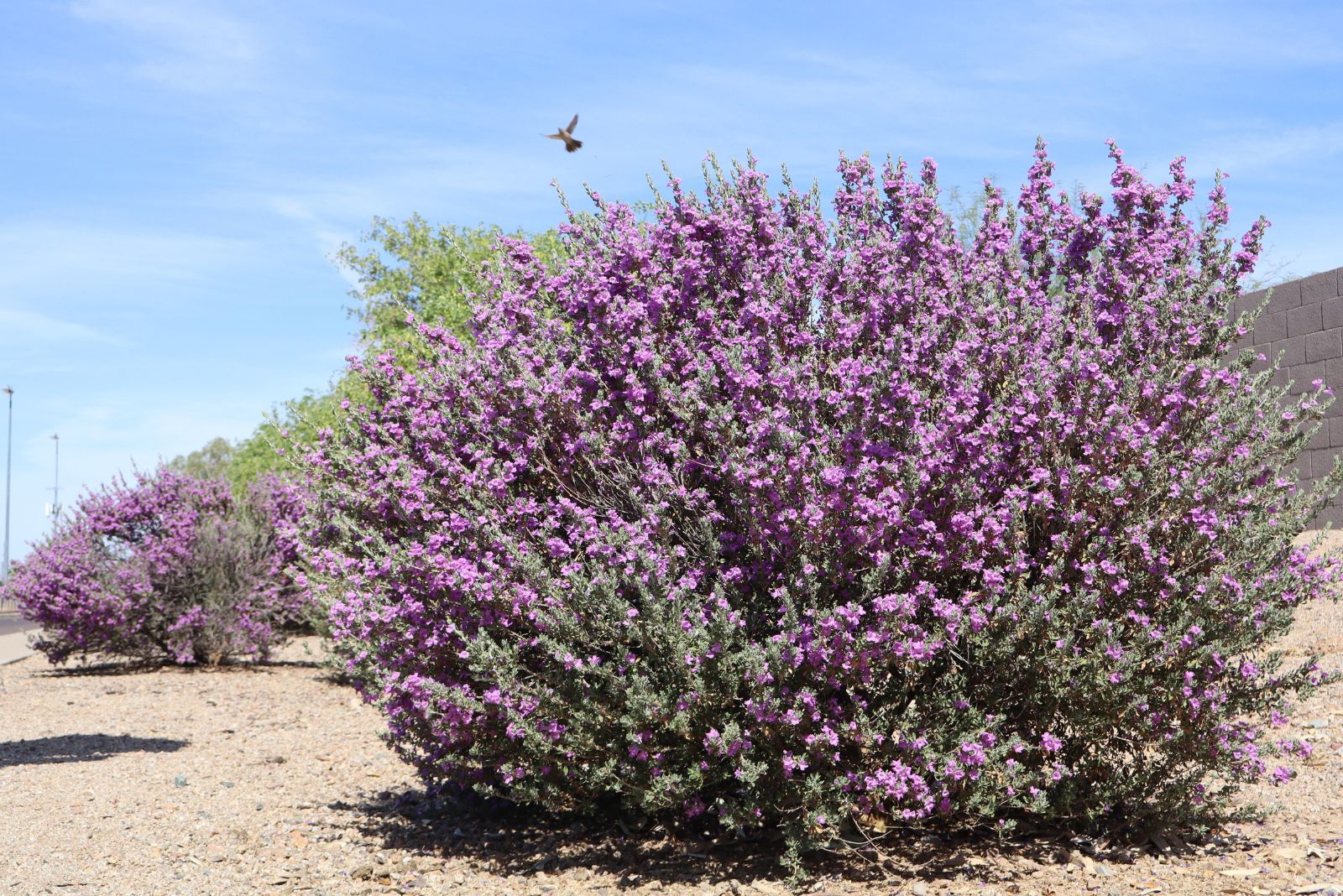
Water restrictions are becoming a regular part of life in Texas, and they’re putting a lot of gardens to the test.
Plants that looked great under regular watering are now showing real stress, and a lot of homeowners are scrambling to figure out what can actually survive on significantly less water without falling apart.
There’s a native Texas plant that isn’t just surviving these restrictions. It’s barely noticing them.
This underrated native has deep root systems and natural adaptations built specifically for Texas conditions, including the kind of extended dry spells that come with strict watering limits.
While other plants in the yard are wilting and browning, this one keeps growing, blooming, and looking like nothing has changed at all.
Most gardeners have overlooked it for flashier options that simply can’t handle current conditions. That’s a mistake worth correcting. Here’s the plant that proves water restrictions don’t have to mean a struggling garden.
Meet Texas Sage
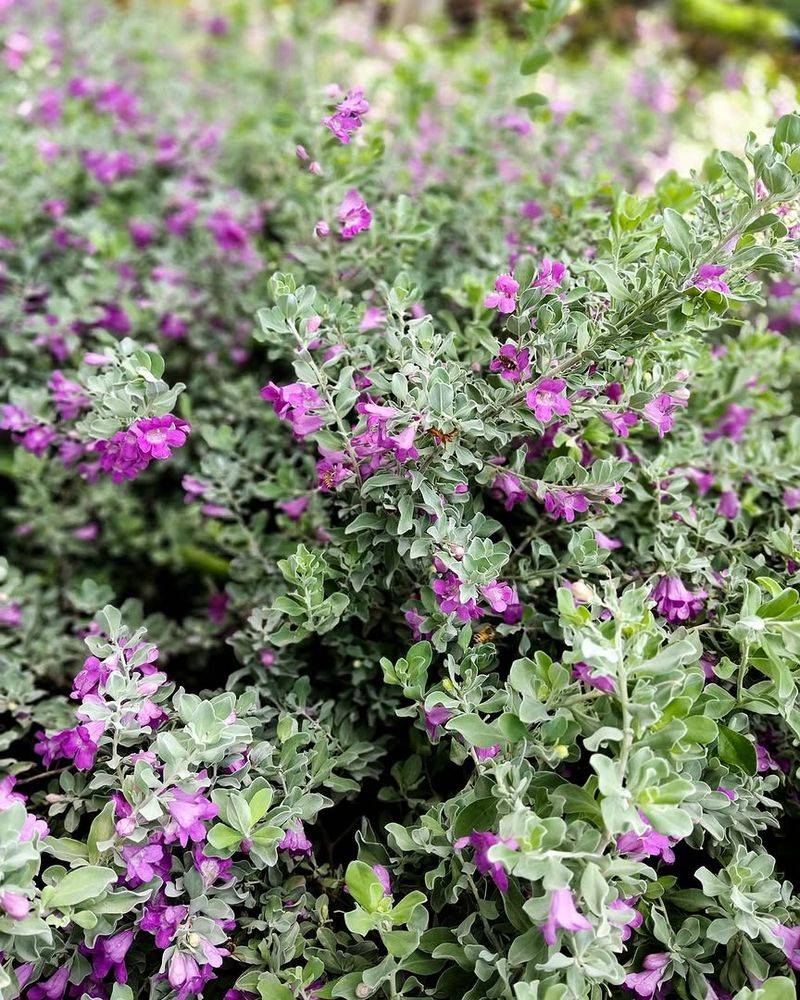
Walk through almost any drought-prone Texas neighborhood and you will spot a shrub that seems completely unbothered by the heat. That plant is Texas Sage, known scientifically as Leucophyllum frutescens.
Native to the Chihuahuan Desert and the rocky limestone hills of Texas and northern Mexico, this hardy shrub has been quietly thriving in tough conditions for thousands of years.
People often call it by fun nicknames like Barometer Bush, Cenizo, or Purple Sage. The nickname Barometer Bush comes from a cool trick this plant pulls off: it tends to bloom right before or just after rainfall, almost like it can sense the change in humidity in the air.
Gardeners have used this natural signal for generations to predict incoming rain. Visually, Texas Sage is a real showstopper. Its small, fuzzy, silvery-gray leaves catch sunlight in a way that makes the whole shrub shimmer.
When the purple blooms open up, the contrast between the silver foliage and the bright violet flowers is genuinely stunning. The plant typically grows between four and eight feet tall, making it versatile for many landscape uses.
Beyond its good looks, Texas Sage is incredibly functional. It works as a privacy screen, a windbreak, or a colorful border plant.
It is also evergreen, meaning it holds onto its attractive foliage all year long. For Texas homeowners who want a yard that looks great without constant watering or fussing, Texas Sage is honestly one of the best-kept secrets in native landscaping.
Once you plant it, you will wonder why you waited so long.
Exceptional Drought Tolerance
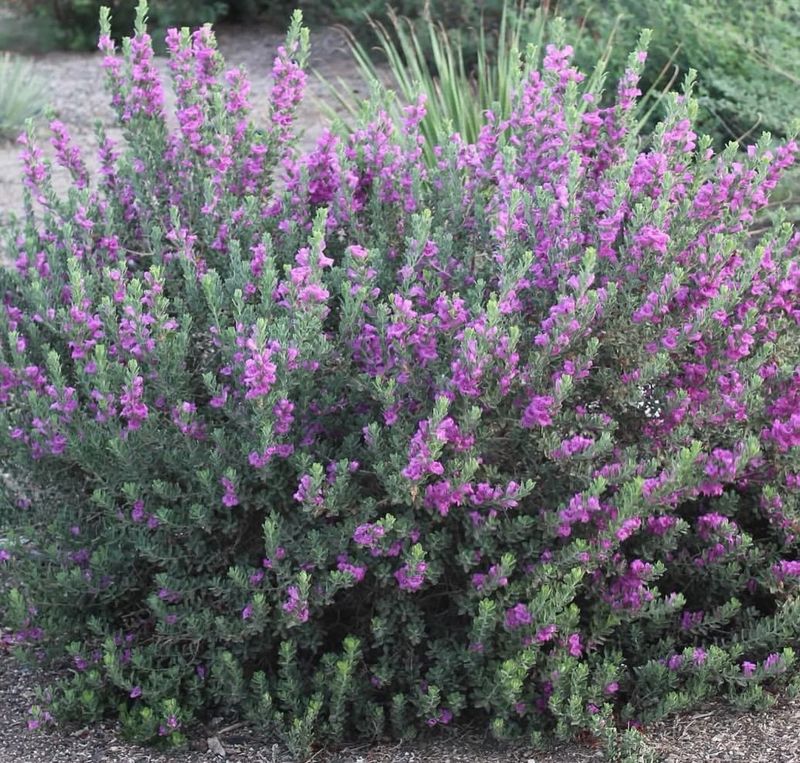
Surviving a Texas summer without reliable rainfall is no small feat, but Texas Sage handles it like a champ. While other garden plants wilt, drop leaves, or go completely brown during extended dry spells, Texas Sage stays green, leafy, and even blooms.
Its deep root system allows it to pull moisture from far below the soil surface, giving it a real survival advantage when the top layer of ground dries out completely.
Municipal water restrictions have become a fact of life across many Texas cities. Homeowners are often limited to watering once or twice a week, which spells trouble for thirsty ornamental plants.
Your Texas Garden Changes Every Week. Your Plan Should Too.
Gardening in Texas changes quickly throughout the season. Every Friday you’ll receive a simple weekly plan showing exactly what to plant, prune, fertilize, harvest, and protect so you never miss the right timing.
Texas Sage was practically designed for exactly these conditions. Once established, usually after the first growing season, it can survive on rainfall alone in most parts of Texas without any noticeable decline in health or appearance.
What makes this shrub so impressively drought-resistant comes down to its biology. The tiny, silvery hairs covering each leaf reflect sunlight and reduce water loss through evaporation.
The plant essentially has its own built-in sun protection system. This adaptation means it loses far less moisture than smooth-leafed plants during hot, dry days.
Gardeners dealing with water bills that spike every summer will appreciate how much money Texas Sage can save. Replacing even a few high-water plants with Texas Sage can meaningfully reduce outdoor water use.
Studies from Texas A&M AgriLife Extension have highlighted drought-tolerant natives like Texas Sage as top picks for sustainable Texas landscaping. Planting it is one of the smartest water-saving moves a Texas homeowner can make right now.
Heat-Resistant Performance
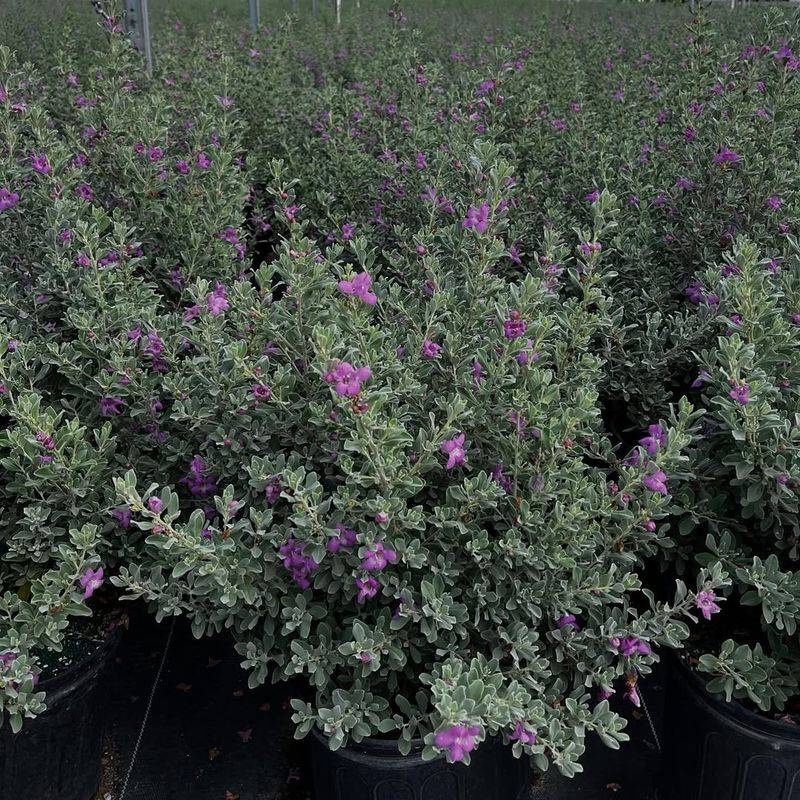
Most plants start struggling when Texas summer temperatures push past 100 degrees Fahrenheit. Texas Sage, on the other hand, almost seems to enjoy it.
Full sun is where this shrub truly performs at its best. Plant it in a shady spot and it becomes leggy and produces fewer blooms.
Give it a location with six or more hours of direct sunlight daily, and it rewards you with dense, healthy growth and repeated flushes of color.
One of the most impressive things about Texas Sage is how it bounces back after rainfall or irrigation during the hottest months. After a good rain, the plant can burst into bloom within just a few days.
Gardeners sometimes describe this as a mini fireworks display in the yard. The purple flowers appear so quickly and abundantly that neighbors often stop to ask what plant is putting on that show.
High summer temperatures that damage other plants actually trigger Texas Sage to activate its natural heat-stress responses. The silvery leaf coating becomes even more reflective, helping the plant regulate its internal temperature.
The root system continues growing deeper into cooler soil layers, keeping the plant anchored and hydrated even when surface soil becomes bone dry.
For homeowners in cities like San Antonio, Austin, or El Paso, where summer heat is relentless, Texas Sage offers a reliable, beautiful option that does not require constant monitoring or emergency watering sessions.
You can go on vacation for two weeks in August and come home to a shrub that looks just as good as when you left. That kind of dependable performance is genuinely rare in a Texas summer landscape.
Low-Maintenance Landscaping
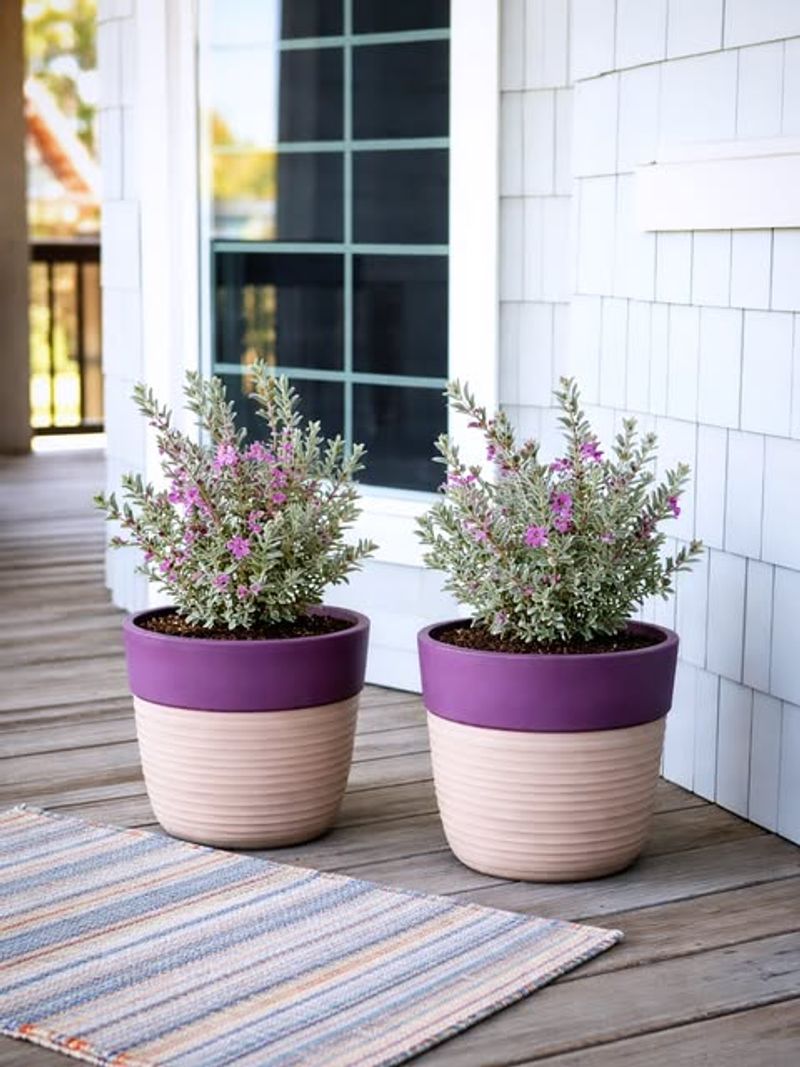
Honestly, few plants make a gardener’s life easier than Texas Sage. Once it gets established in your yard, it basically takes care of itself.
There is no complicated fertilizing schedule, no weekly pest checks, and no constant battle against fungal diseases. Texas Sage has natural resistance to most common garden pests and diseases, which means fewer trips to the garden center for sprays and treatments.
Pruning is minimal with this shrub. Some gardeners prefer to give it a light shaping once a year, usually in late winter or very early spring, to keep it looking tidy.
However, if you leave it alone entirely, it still looks attractive in a natural, rounded form. Over-pruning is actually one of the few mistakes people make with Texas Sage, since cutting it back too hard can reduce blooming.
Less is genuinely more when it comes to maintaining this plant. The evergreen foliage is a huge bonus for low-maintenance landscapes.
While deciduous plants leave bare, unattractive branches during winter months, Texas Sage keeps its silvery leaves year-round.
Your yard looks polished and intentional even during the coldest Texas winters, without any extra effort on your part.
Fertilizer is rarely needed, and in fact, too much fertilizer can cause the plant to grow too fast and become floppy. Average to poor soil is perfectly fine for Texas Sage, which is great news for homeowners dealing with rocky, caliche-heavy Texas soil.
Mulching around the base helps retain what little moisture the plant does receive. For anyone who wants a beautiful yard without spending every weekend doing yard work, Texas Sage is the answer you have been looking for.
Pollinator-Friendly Flowers
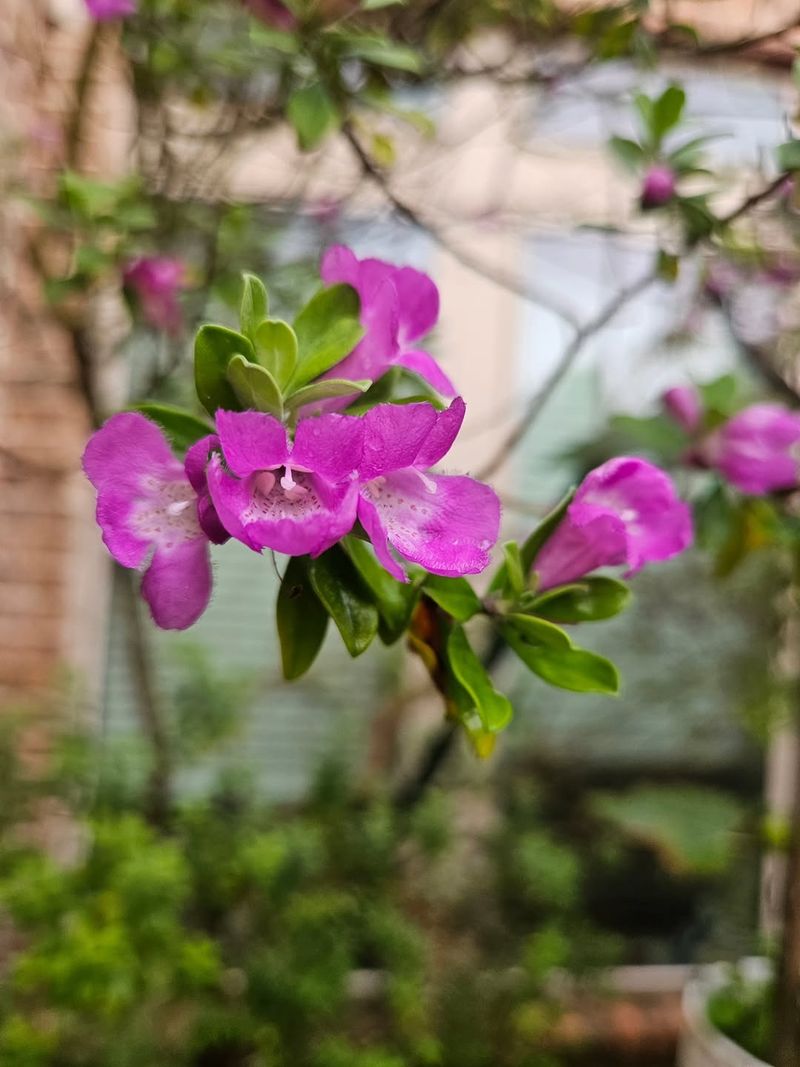
Picture this: it is a warm Texas evening, the sun is starting to lower in the sky, and your Texas Sage is absolutely buzzing with activity.
Bees dart from flower to flower, a monarch butterfly floats lazily between the purple blooms, and a hummingbird hovers near the tips of the branches.
This is not a nature documentary. This is just a regular afternoon in a yard with Texas Sage in it.
The tubular purple flowers of Texas Sage are perfectly shaped for pollinators. Bees, especially native bee species, are drawn to the nectar-rich blooms.
Butterflies find the color and shape irresistible. Hummingbirds, always on the lookout for tubular flowers they can hover near, visit Texas Sage repeatedly throughout the blooming season.
Planting this shrub is like setting out a welcome mat for the most beneficial garden visitors imaginable.
Supporting pollinators is more important now than ever. Bee populations across the United States have faced serious pressure from habitat loss and pesticide use.
Native plants like Texas Sage offer pollinators a food source that evolved alongside them, making the blooms especially nutritious and accessible. Choosing native plants is one of the most impactful things a homeowner can do for local wildlife.
The best part is that all of this pollinator activity happens with zero extra effort from you. No need to plant separate pollinator gardens or install elaborate bee houses.
Just one or two Texas Sage shrubs can transform your yard into a lively, biodiverse space that benefits the entire local ecosystem. Your neighbors might not know why your yard feels so alive, but you will know the secret.
Planting And Companion Tips
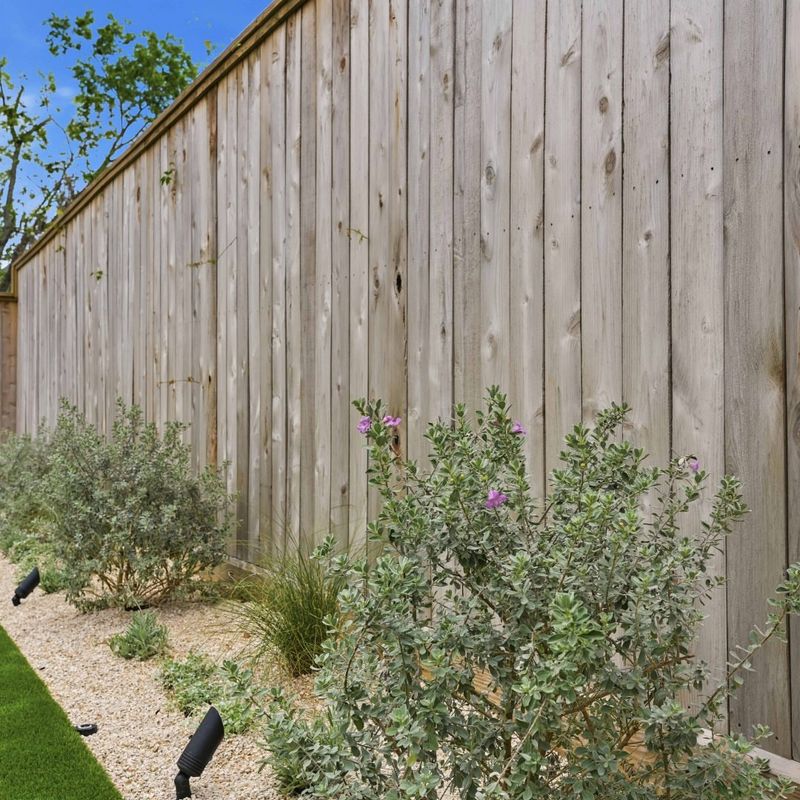
Getting Texas Sage off to a great start is simple, but a few smart choices early on make a big difference. Choose a planting spot with full sun and well-draining soil.
Texas Sage absolutely cannot tolerate soggy roots, so avoid low spots in the yard where water tends to pool after rain. Raised beds or sloped areas with rocky or sandy soil are ideal.
If your soil is heavy clay, mix in some gravel or coarse sand before planting to improve drainage.
Spacing matters more than most people realize. Texas Sage can spread four to six feet wide at maturity, so give each plant enough room to breathe.
Crowding plants together restricts airflow, which can lead to moisture buildup around the leaves and stems. Proper spacing keeps the plant healthy and allows that beautiful rounded shape to develop naturally without constant pruning to manage size.
Pairing Texas Sage with the right companion plants creates a stunning, water-efficient landscape. Autumn Sage (Salvia greggii) is a wonderful partner, offering red or pink blooms that complement the purple of Texas Sage beautifully.
Rockrose (Cistus species) brings white or pink flowers and similar drought tolerance. Black-foot Daisy and Lantana are also excellent choices that share the same low-water needs and thrive under similar conditions.
For foundation plantings, borders along fences, or xeriscaped front yards, Texas Sage fits in naturally and adds serious curb appeal.
Mulching with gravel or decomposed granite instead of organic mulch suits this plant especially well, since it mimics the rocky, dry conditions of its natural habitat. A little planning at planting time means years of effortless beauty right outside your door.