This Underrated Texas Native Vine Helps Keep Scorpions Away From Fence Line Borders
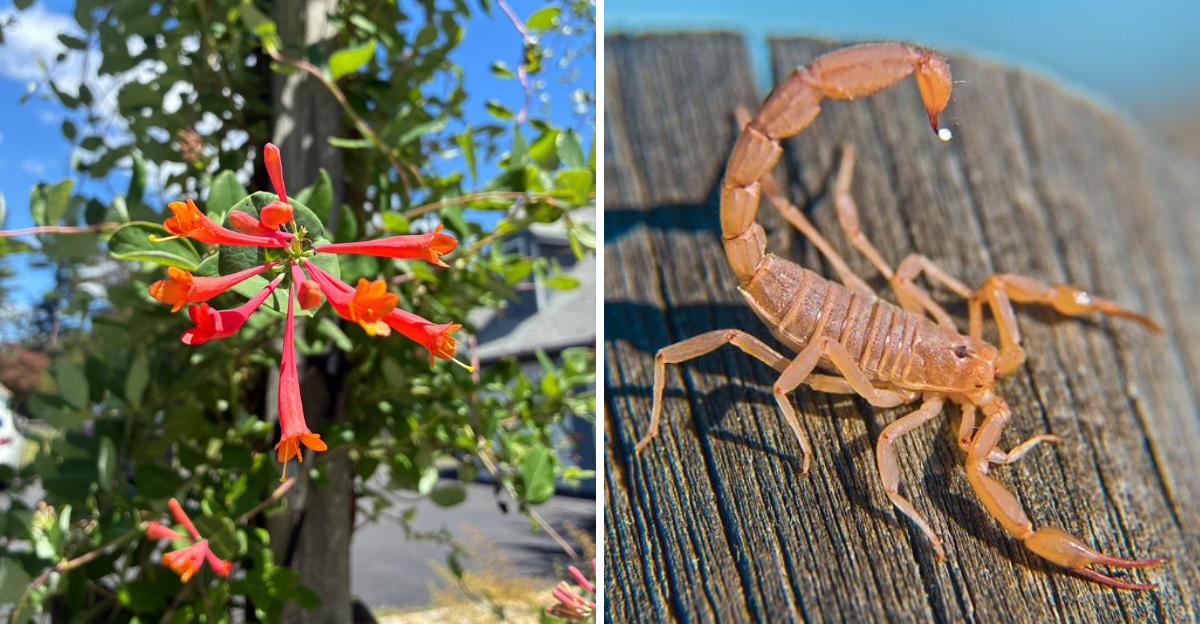
Scorpions hiding along fence lines is a fact of life for a lot of Texas homeowners, especially once the weather heats up.
Those shaded, cluttered edges where the yard meets the fence are exactly the kind of spot scorpions love to tuck into, and finding one while doing yard work is enough to make anyone jumpy for weeks.
Most people deal with this through pesticides or constant cleanup. But there’s a native Texas vine that takes a quieter, more natural approach.
This underrated vine has a reputation for making fence line borders considerably less appealing to scorpions.
It grows beautifully along fencing, fills in gaps with lush coverage, and brings the added benefits of attracting pollinators while thriving in the Texas heat without much fuss.
Most gardeners have never even considered planting it with scorpions in mind. Here’s the vine that could make your fence line a lot less scary to walk past.
Meet Coral Honeysuckle
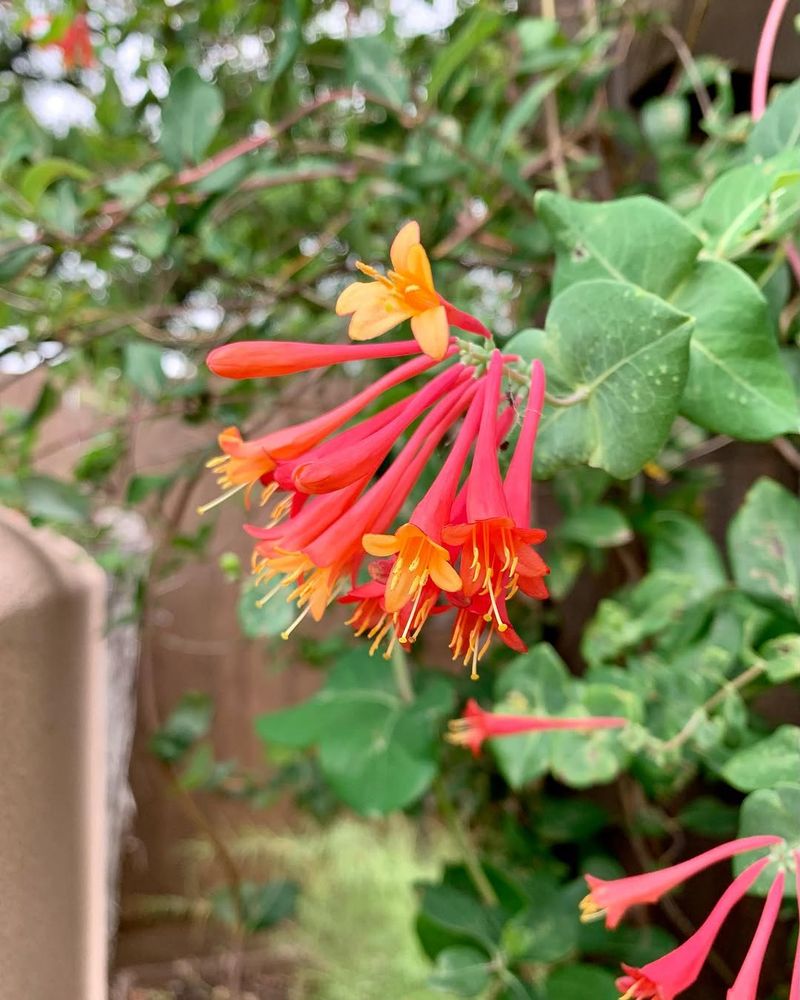
Not every plant gets the spotlight it deserves, and Coral Honeysuckle is a perfect example of a Texas native that has been flying under the radar for too long. Known by its scientific name Lonicera sempervirens, this vine is a true Texas original.
It grows natively across the eastern and central parts of the state, making it well-suited for the local climate without much fuss.
What makes Coral Honeysuckle stand out right away is its flowers. The blooms are long, tubular, and come in bright shades of red and orange.
They are eye-catching and elegant, adding serious curb appeal to any fence line or garden border. The vine itself is a vigorous climber, wrapping around trellises, fence posts, and wire supports with ease.
One thing that surprises many gardeners is how low-maintenance this plant really is. Once it gets established in your yard, it basically takes care of itself.
It does not need rich soil or constant watering to thrive. In fact, it prefers well-drained, slightly lean soil, which is exactly what most Texas yards naturally have.
Coral Honeysuckle is also semi-evergreen in warmer parts of Texas. That means it holds onto its leaves for most of the year, giving you year-round coverage along your fence.
Unlike the invasive Japanese Honeysuckle, this native species is well-behaved and will not take over your yard. It grows at a steady, manageable pace that gardeners genuinely appreciate.
If you have been searching for a vine that looks great, supports local wildlife, and helps discourage unwanted pests near your fence, Coral Honeysuckle is ready to impress.
Dense Growth Deterrent
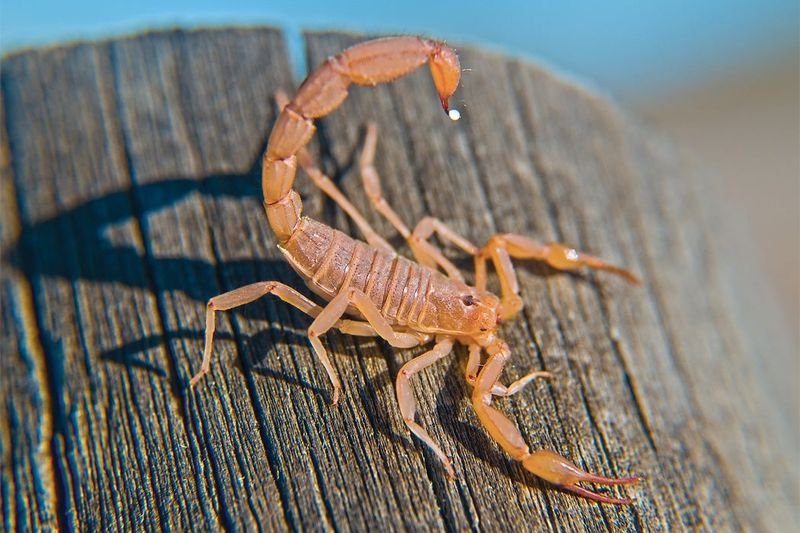
Scorpions are sneaky creatures. They love to hide in dark, sheltered spots like cracks in fences, gaps in wood, and cluttered garden edges.
One of the best ways to make those areas less appealing to them is by filling that space with something they would rather avoid. That is where the dense, layered growth of Coral Honeysuckle comes in handy.
As the vine matures along your fence, it builds up thick layers of stems and foliage. This creates a living wall of greenery that is constantly active with movement, air circulation, and wildlife like bees and hummingbirds.
Your Texas Garden Changes Every Week. Your Plan Should Too.
Gardening in Texas changes quickly throughout the season. Every Friday you’ll receive a simple weekly plan showing exactly what to plant, prune, fertilize, harvest, and protect so you never miss the right timing.
Scorpions strongly prefer still, undisturbed areas to nest and hunt. A fence covered in a buzzing, rustling vine is simply not the kind of spot they want to settle into.
Beyond scorpion deterrence, this dense growth also acts as a visual screen. It blocks sightlines into your yard and softens the hard look of a plain wooden or chain-link fence.
Many Texas homeowners use it specifically to create a more private, lush garden feel without building a full privacy fence.
Coral Honeysuckle also works well as a living border around raised garden beds. Planting it along the edges creates a natural protective ring that makes it harder for ground-level pests to wander in unnoticed.
The foliage stays green and full through much of the year, so the deterrent effect does not fade with the seasons.
For anyone dealing with scorpions near their fence line, growing a thick, healthy vine like Coral Honeysuckle is a smart, attractive, and eco-friendly strategy worth trying.
Heat- And Drought-Tolerance
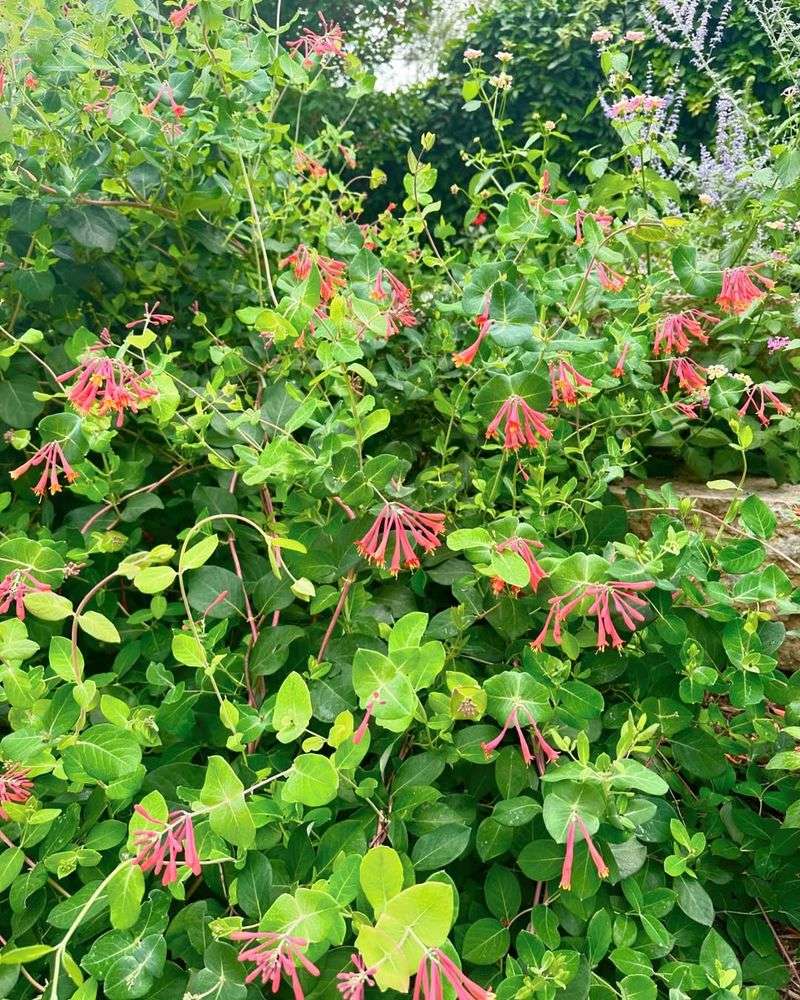
Texas summers are no joke. Temperatures regularly climb past 100 degrees Fahrenheit, and weeks can go by without a single drop of rain.
Most garden plants struggle under these conditions, wilting and dropping leaves before the season even peaks. Coral Honeysuckle, on the other hand, barely blinks in the heat.
This vine evolved right here in the Texas climate, which means it is built to handle the kind of weather that sends other plants into survival mode. Its root system is strong and deep, allowing it to pull moisture from the soil even when the surface is bone dry.
Once it is established, which usually takes one full growing season, it can handle long dry spells with minimal help from you.
Watering needs are surprisingly low. During the first few months after planting, you will want to water it regularly to help it get settled in.
After that, a deep watering once a week during the hottest stretches of summer is usually plenty. In cooler months, rainfall alone is often enough to keep it healthy and growing.
Full sun is where Coral Honeysuckle truly thrives. Planting it along a south- or west-facing fence gives it maximum sun exposure, which encourages stronger blooming and denser foliage.
Partial shade is tolerable, but you may notice fewer flowers in shadier spots. The fact that this vine performs so well under tough Texas conditions makes it a reliable choice for fence lines and garden borders all across the state.
You get beauty and function without the hassle of constant watering or babying.
Long Blooming Season
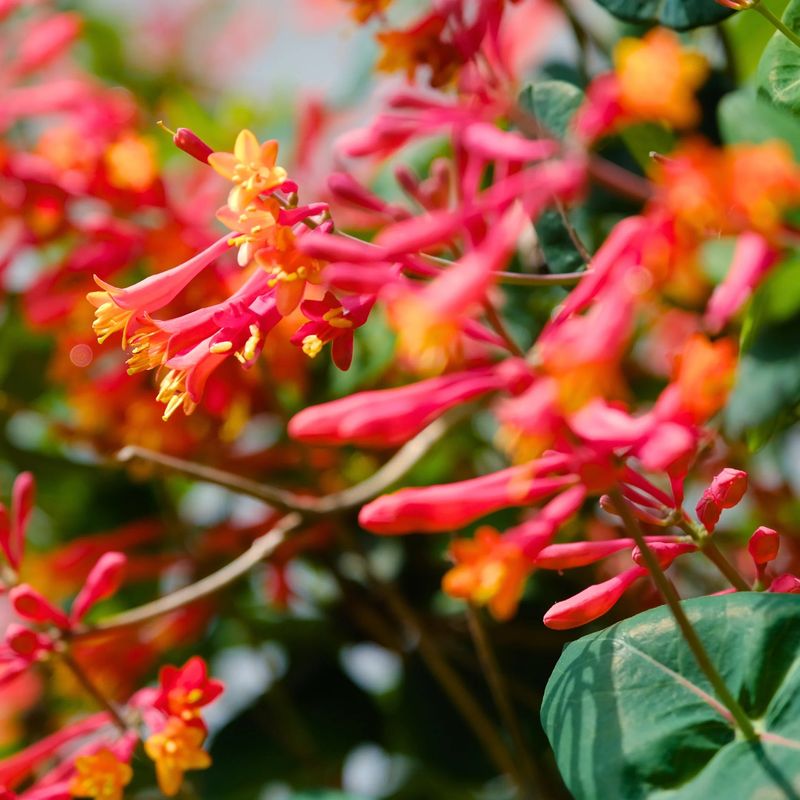
Walk past a fence covered in Coral Honeysuckle during spring and you will stop in your tracks. The blooms are vibrant, cheerful, and hard to ignore.
What makes this vine even more impressive is that it does not stop flowering after a few weeks like many other garden plants. Coral Honeysuckle blooms continuously from early spring all the way through summer, and sometimes into early fall.
That extended flowering period means your fence line stays colorful and attractive for months at a time.
Instead of a bare or dull border, you get a living ribbon of red and orange that draws eyes and compliments from neighbors and visitors alike. It is one of the most visually rewarding plants you can choose for a fence line in Texas.
Beyond looks, those long-lasting flowers serve a real purpose. They produce abundant nectar that feeds hummingbirds, bees, and butterflies throughout the warm season.
This steady food source keeps pollinators coming back again and again, turning your fence line into a lively wildlife corridor.
The constant activity of pollinators visiting the flowers also adds to the vine’s pest-deterrent effect. Scorpions and other ground-level pests tend to steer clear of areas with high insect and bird activity.
So the longer the vine blooms, the longer your fence line stays naturally protected. And because the blooming season overlaps with the peak activity period for scorpions in Texas, the timing works out perfectly.
You get gorgeous flowers right when you need that extra layer of natural protection the most. It is a beautiful solution that works harder than it looks.
Wildlife Benefits
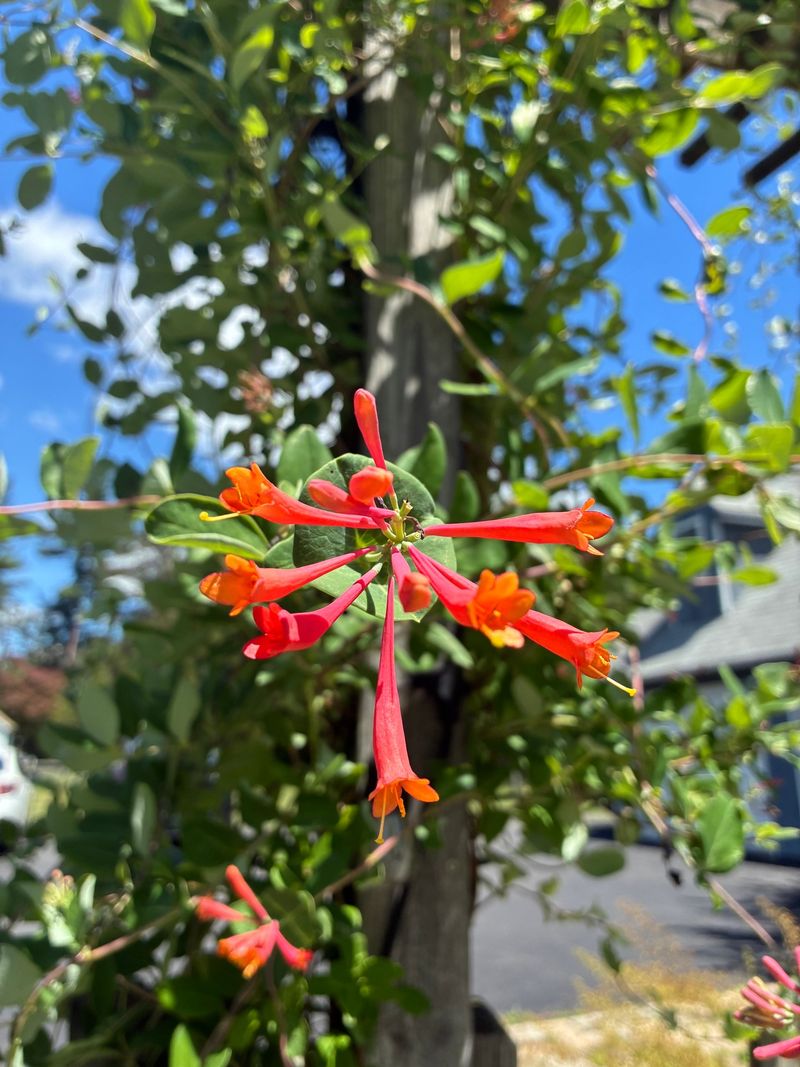
There is something magical about watching a hummingbird hover beside your fence, dipping its beak into a cluster of red Coral Honeysuckle flowers. It is one of those backyard moments that reminds you why gardening with native plants is so rewarding.
Coral Honeysuckle is genuinely one of the best hummingbird plants you can grow in Texas, and the birds seem to know it.
Ruby-throated Hummingbirds are especially drawn to the long, tubular flowers, which are perfectly shaped for their slender beaks. Bees and butterflies also visit regularly, making the vine a multi-species pollinator magnet.
Over time, a healthy Coral Honeysuckle vine can turn a plain fence line into a thriving mini-ecosystem that supports dozens of species throughout the season.
This boost in biodiversity is more than just a feel-good bonus. A garden that supports a healthy population of birds, bees, and beneficial insects naturally keeps pest populations in check.
Birds like wrens and mockingbirds that are attracted to active, planted areas will also snack on scorpions and other unwanted insects they encounter on the ground nearby.
Planting Coral Honeysuckle is essentially an investment in the overall health of your garden environment. The more balanced your local ecosystem becomes, the less you have to rely on chemical sprays or traps to manage pests.
Native plants like this vine are the foundation of that balance. They support the insects that support the birds that keep your garden naturally regulated.
It is a chain reaction of benefits that starts with one simple, beautiful vine planted along your fence line.
Planting And Care Tips
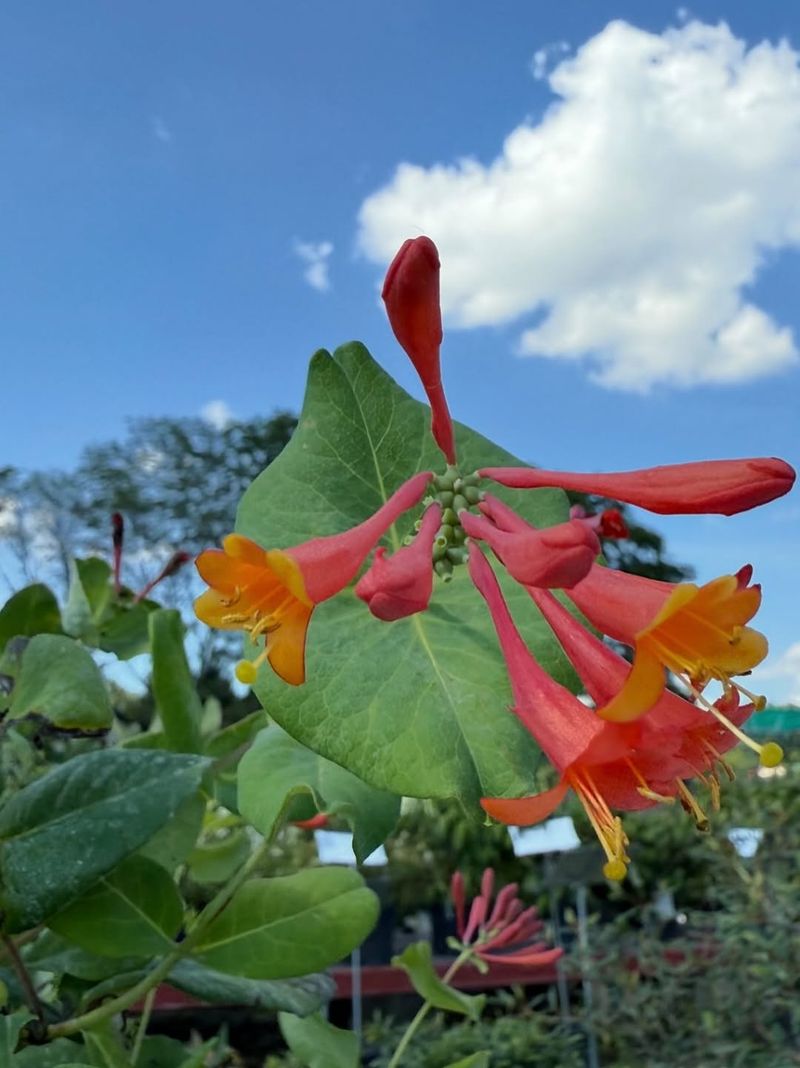
Getting Coral Honeysuckle off to a strong start is easier than you might think. The best time to plant it in Texas is in early spring or fall, when temperatures are mild and the vine has time to establish roots before the heat of summer kicks in.
Choose a spot along your fence where it will get at least six hours of direct sunlight each day for the best results.
Dig a hole about twice the width of the root ball and place the plant so the top of the roots sits level with the soil surface. Backfill with native soil rather than amended potting mix.
Coral Honeysuckle actually prefers lean, well-drained soil over rich, heavily fertilized ground. Too much fertilizer can push leafy growth at the expense of flowers, which is the opposite of what you want.
Once it is in the ground, give it a good deep watering and add a two-inch layer of mulch around the base to help hold moisture and regulate soil temperature.
Then attach a few flexible garden ties to guide the young stems toward your fence or trellis. The vine will start climbing on its own once it finds something to grab onto.
Space multiple plants about three to five feet apart along the fence for full coverage over time. Pruning is rarely necessary, but a light trim after the main bloom season can encourage fresh new growth.
Combining Coral Honeysuckle with other Texas natives like Black-Eyed Susan or Turk’s Cap creates a layered, low-water border that looks stunning and keeps your fence line naturally protected year-round.