The Most Underrated Florida Ground Cover That Makes Yards Less Welcoming To Ticks And Ants
Ground covers in Florida tend to get chosen for one reason. They fill space and look decent doing it.
Most homeowners never think about what a ground cover does beyond that. A lot of popular choices end up creating exactly the kind of dense, moist cover that ticks and certain ant species find ideal.
One Florida native works against that pattern entirely. Its growth habit and texture create conditions that both ticks and ants tend to avoid.
It still delivers the low-maintenance coverage homeowners actually want. It barely shows up on standard plant lists, overshadowed by more commonly marketed options that handle coverage without any of the added benefit.
That oversight has real costs for yards already dealing with tick or ant pressure. This plant solves more than one problem at once.
Most Florida yards have never given it a chance.
1. Sunshine Mimosa Replaces Tall Grass With Low Native Cover
A tall weedy edge by the fence might look harmless. At ground level, it creates exactly the kind of messy, dense cover that makes a yard harder to manage and easier for pests to hide in.
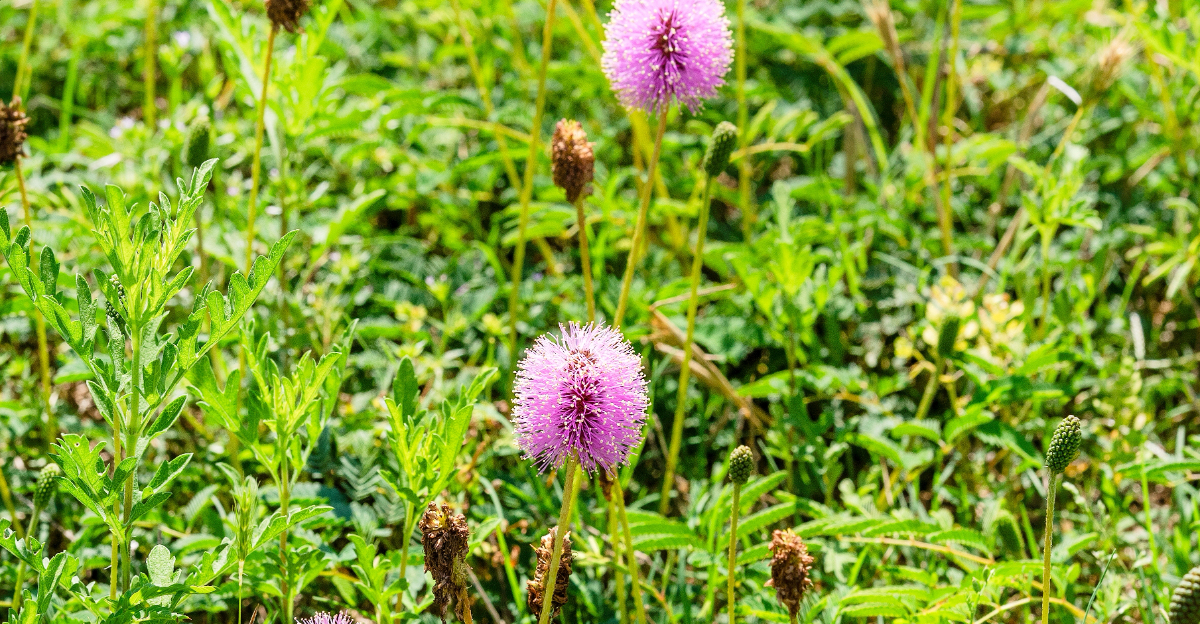
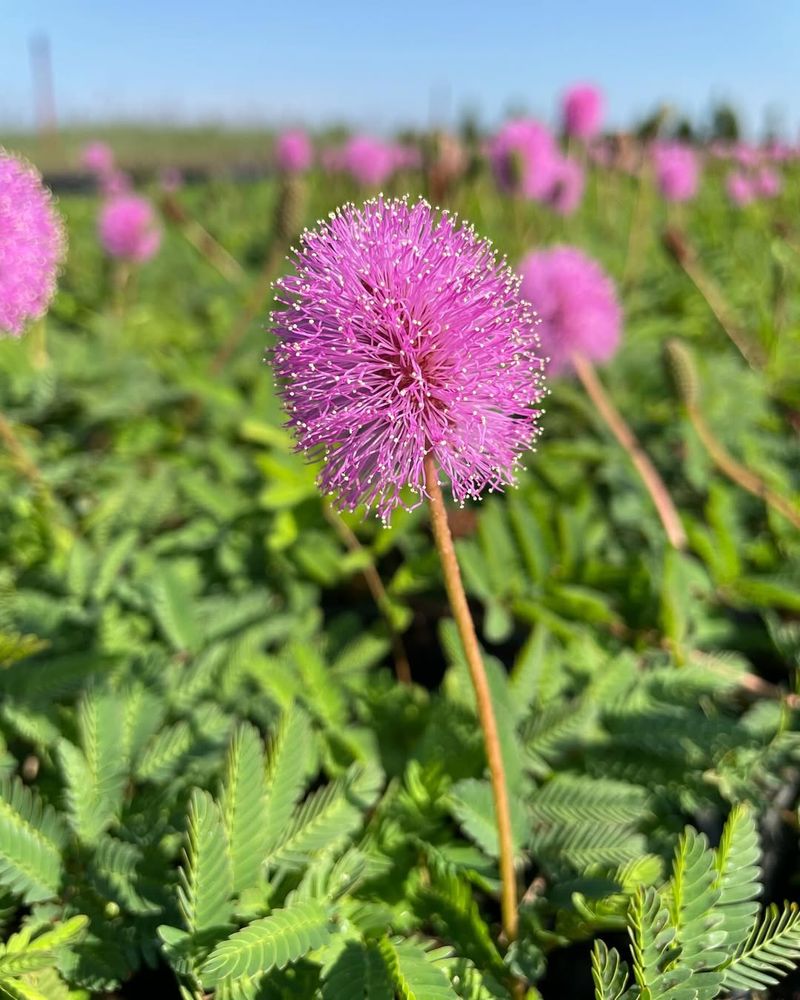
Sunshine mimosa (Mimosa strigillosa) offers a different approach. It grows as a low, spreading mat that stays close to the ground.
That makes it a practical lawn alternative or ground cover for open, sunny areas where taller weeds or rough grass tend to take over.
Sunshine mimosa is native to the southeastern United States, including warm regions of this state. UF/IFAS recognizes it as a Florida-Friendly ground cover suited to sunny, well-drained sites.
It spreads by rooting at nodes and can fill in a border without growing tall enough to create the kind of thick, brushy layer that ticks prefer. Its pink powderpuff blooms appear spring through fall and attract native bees and butterflies.
It is not a pest repellent, and it still needs attention during establishment. It also needs regular edging to keep it from creeping into turf and a site that matches its sun and drainage needs.
Deep shade, standing water, and heavy foot traffic are not good fits. When placed correctly, though, it replaces a messy edge with something lower, neater, and far easier to walk and check.
2. Ticks Prefer Brushy Edges More Than Open Ground Covers
A fire ant mound hidden in rough grass is easy to miss, but so is a tick waiting at the tip of a tall blade of grass along a brushy border.
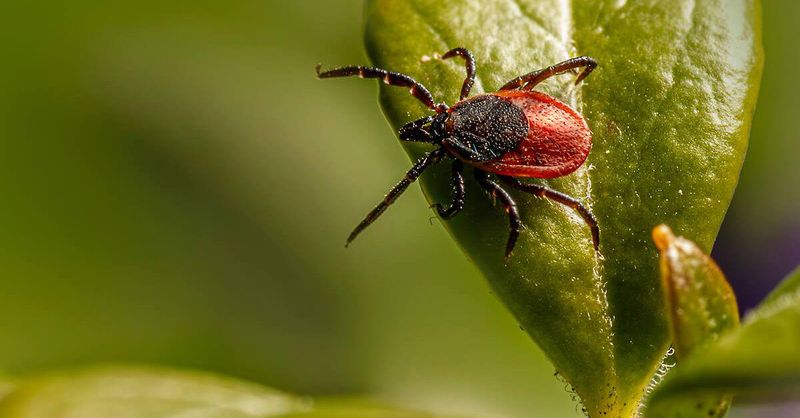
According to CDC guidance and UF/IFAS resources, ticks are most commonly found in tall grass, brushy edges, leaf litter, wooded margins, and areas with dense low growth.
They quest by climbing plant stems and waiting for a passing host, which means the taller and denser the vegetation, the more opportunity they have.
Replacing some of that tall, tangled growth with a lower, maintained ground cover like sunshine mimosa can reduce the amount of vertical cover available at the yard edge.
A mat that stays only a few inches tall gives ticks far less to climb and makes the border easier to scan with your eyes before walking through it.
Your Florida Garden Changes Every Week. Your Plan Should Too.
Gardening in Florida changes quickly throughout the season. Every Friday you’ll receive a simple weekly plan showing exactly what to plant, prune, fertilize, harvest, and protect so you never miss the right timing.
That visibility is a practical advantage, not a chemical one.
Ticks can still be present even in well-maintained yards, so personal protection still matters every time. Check people and pets thoroughly after outdoor activity.
Use EPA-registered repellents according to label directions. Ask a veterinarian about tick prevention products approved for your pets.
Landscape changes support good habits but do not replace them.
3. Ants Still Need Colony Control, Not Plant Myths
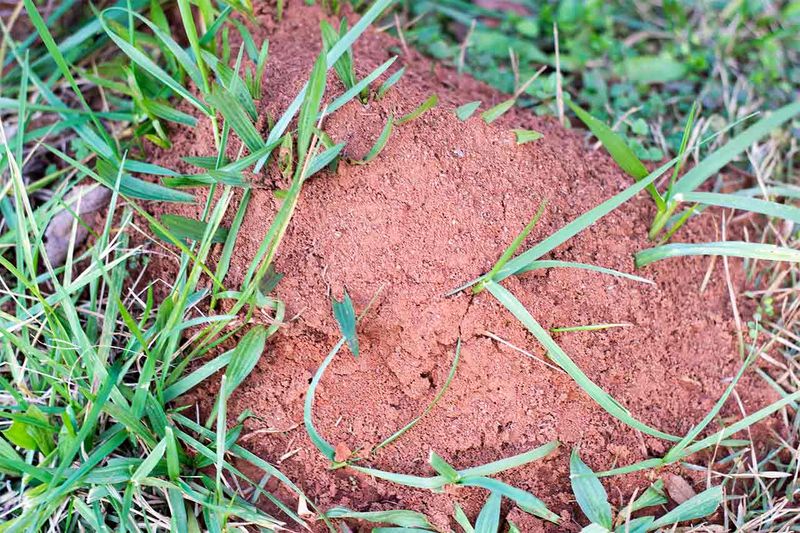
No ground cover removes an ant colony. That is worth saying plainly, because it is easy to read a headline and assume a plant can do more than it actually does.
Fire ants, which are a serious concern across warm regions of this state, respond to colony-level treatment, not to what is planted nearby.
UF/IFAS Extension and county Extension offices provide detailed guidance on identifying fire ant mounds and choosing the right management approach for each situation.
What sunshine mimosa (Mimosa strigillosa) can do is replace a patch of dense, weedy ground cover with a lower, more open surface. That makes mounds and disturbances easier to spot before you step into them.
Seeing a mound clearly is genuinely useful. But spotting it is only the first step.
Following Extension guidance, reading product labels carefully, and calling a professional for serious infestations are the steps that actually address the colony.
Native ants also live in sunny yards and play important roles in the soil. Not every ant you see is a fire ant, and not every ant needs treatment.
Proper identification matters before any action is taken. A cleaner ground surface helps you observe what is happening.
Responsible management decisions still depend on accurate knowledge and appropriate tools, not on which plant covers the soil.
4. A Low Mat Makes Pest Activity Easier To Spot
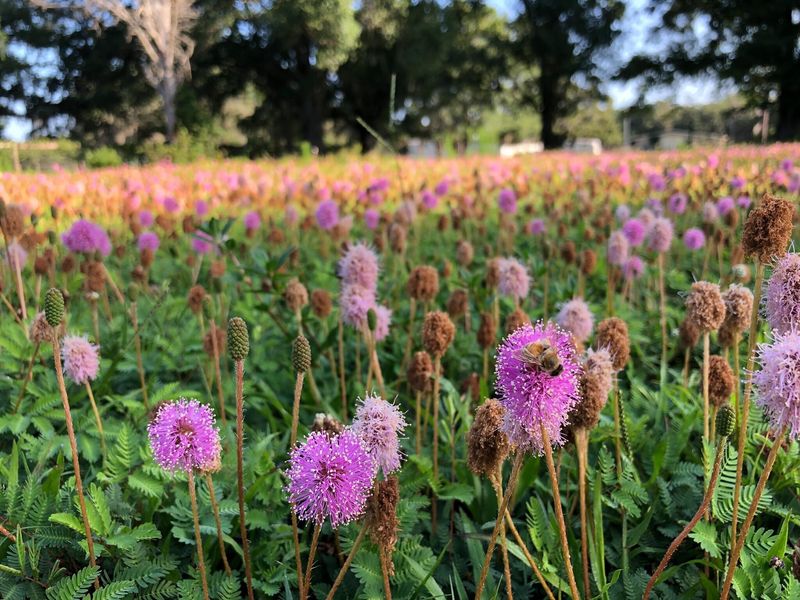
One quiet advantage of a low ground cover is what you can actually see. When a yard border is filled with tall weeds, rough grass, or tangled low growth, pest activity can stay hidden.
Mounds, bare patches, disturbed soil, and pest trails may not be visible until you are already standing in them. A low mat like sunshine mimosa (Mimosa strigillosa) keeps the surface visible from a normal walking height.
That gives you a chance to notice changes before they become bigger problems.
A homeowner checking the yard after a rain, walking a pet path, or glancing along the fence line can read a low, even ground cover more easily. A patchy, overgrown edge makes that much harder.
Disturbed soil near a mound, a bare circle where ants are active, or a spot that looks different from the rest of the mat are all easier to catch early. That is especially true when the ground cover stays low and consistent.
Regular walking checks still matter. Do not assume that because the ground looks tidy, nothing is happening beneath it.
Pet checks after outdoor time, a quick scan of the border before yard work, and simple observation habits are all part of staying aware. Visibility helps you respond sooner, but it works best when you are actually paying attention during routine yard time.
5. Pink Blooms Bring Pollinators Without A Messy Thicket
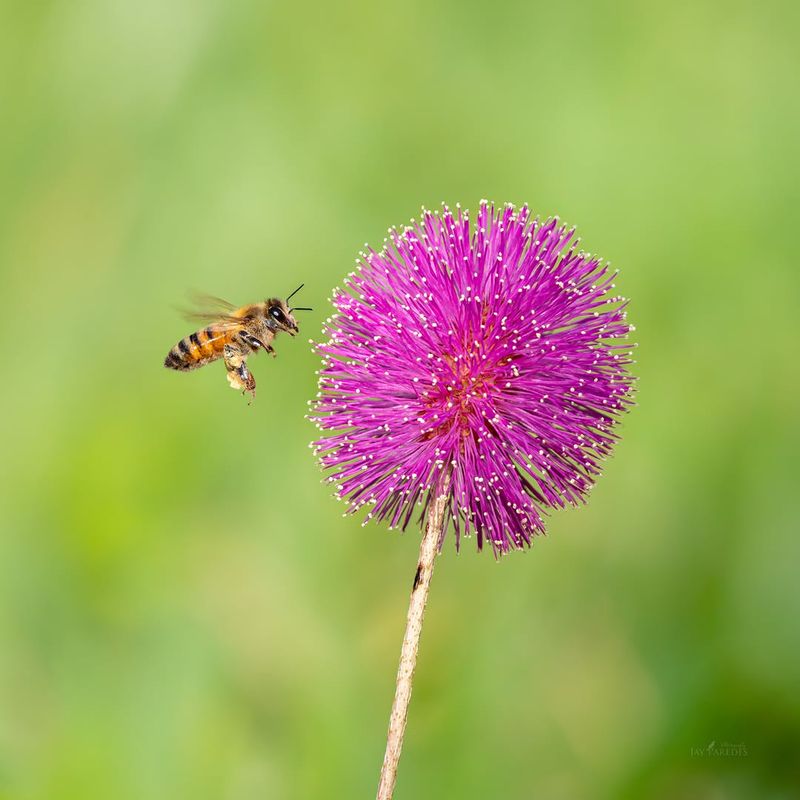
A pink powderpuff bloom sitting just above a low green mat is one of the more cheerful sights in a pest-aware yard. Sunshine mimosa (Mimosa strigillosa) produces those blooms from spring through fall.
According to UF/IFAS and Florida-Friendly Landscaping resources, they attract native bees, butterflies, and other pollinators. That is a real benefit in a yard that might otherwise look stripped and bare after removing overgrown weeds or rough turf edges.
Pollinators need flowering plants at ground level, not just in raised beds or tall borders. A low mat that blooms across a sunny border gives them a resource without creating the tall, dense thicket that makes a yard harder to manage.
The blooms do not repel ticks, ants, or any other pest. That claim is not supported, and it should not be part of the reason you choose this plant.
If pollinators are visiting the ground cover, avoid broad insecticide spraying across that area. Broad spraying can affect beneficial insects along with target pests and is not in line with responsible yard management.
Spot treatments, targeted baits, and label-directed applications are better choices when pest management is needed near flowering ground covers. A yard can support both pest awareness and pollinator health with thoughtful planning.
6. Good Edging Keeps The Ground Cover From Looking Wild
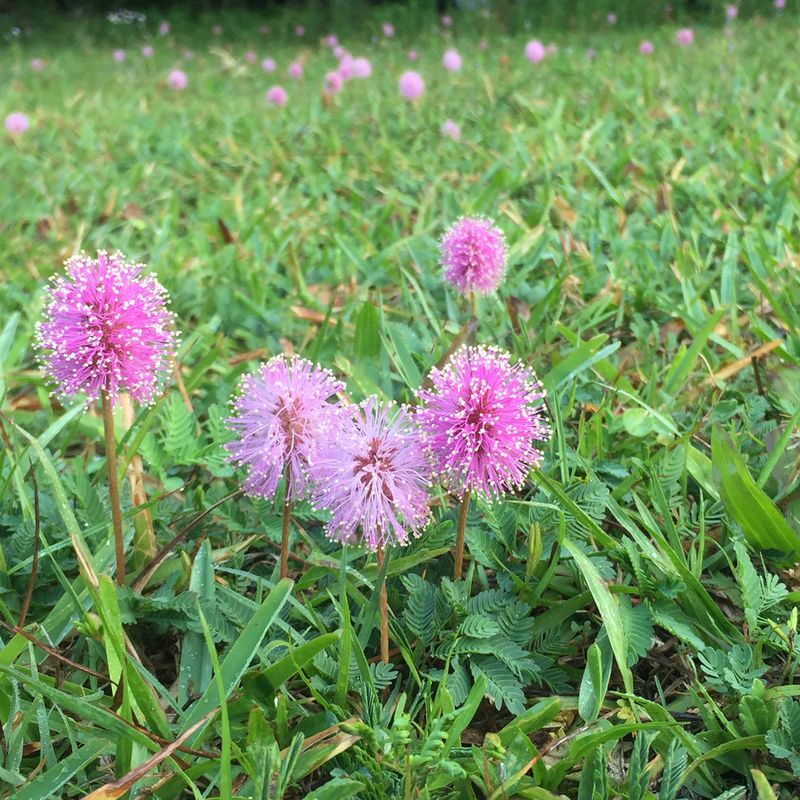
A ground cover that creeps beyond its intended space can start to look as messy as the weeds it replaced.
Sunshine mimosa (Mimosa strigillosa) spreads by rooting at nodes, which means it will move outward into turf, mulch beds, or pathways if it is not managed.
Regular edging, defined bed borders, or physical barriers like stepping stones or mowing strips help keep the planting looking clean and intentional. They prevent it from looking wild and uncontrolled.
In HOA-visible areas or front-yard strips, a tidy edge makes all the difference between a ground cover that reads as a design choice and one that looks like neglect.
A clean transition to turf, mulch, or hardscape signals that the planting is maintained on purpose.
That matters for curb appeal, for neighborhood guidelines, and for the overall impression your yard makes from the street.
Edging also makes pest checks easier. A clearly defined mat with a clean border is simpler to walk, inspect, and maintain than a plant that has blurred into surrounding turf or mulch.
Trim or pull back runners that cross where they are not wanted. Some light mowing tolerance has been noted for sunshine mimosa in Extension resources.
Consistent edging is a more reliable way to keep the border defined and the yard looking its best.
7. Dryer, Cleaner Borders Matter More Than Scent
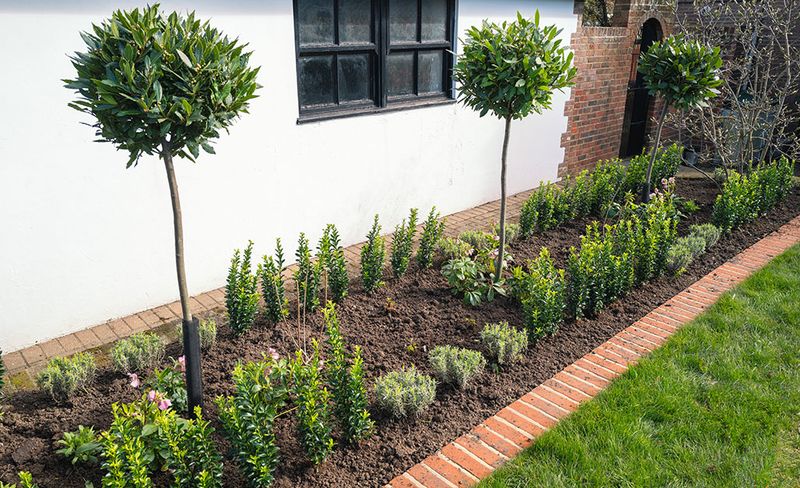
Ticks and ants are shaped by their environment far more than by the scent of any one plant. Moisture, cover, food sources, soil disturbance, animal activity, and clutter all influence where these pests settle and how active they become.
A ground cover that smells pleasant or even slightly herby does not change those conditions in any meaningful way. What changes them is how the whole border is managed day to day.
Clearing leaf litter near the house reduces tick habitat at the most dangerous zone, right where people and pets move in and out. Removing clutter like stacked pots, boards, or debris piles takes away nesting spots that ants and other pests use.
Avoiding overwatering near the house edge keeps moisture from creating the damp conditions that many pests prefer. Keeping pet food indoors and cleaning up fallen fruit removes food sources that draw ants toward the home.
Sunshine mimosa (Mimosa strigillosa) fits into this approach by replacing taller, wetter, messier growth with a lower surface that dries faster and stays more open. That is a real contribution, but it works best as part of a broader border management habit.
A plant alone does not create a pest-aware yard. A plant combined with consistent cleanup, good drainage, and smart edging does.
8. The Real Win Is Less Shelter, Not Repellent Power
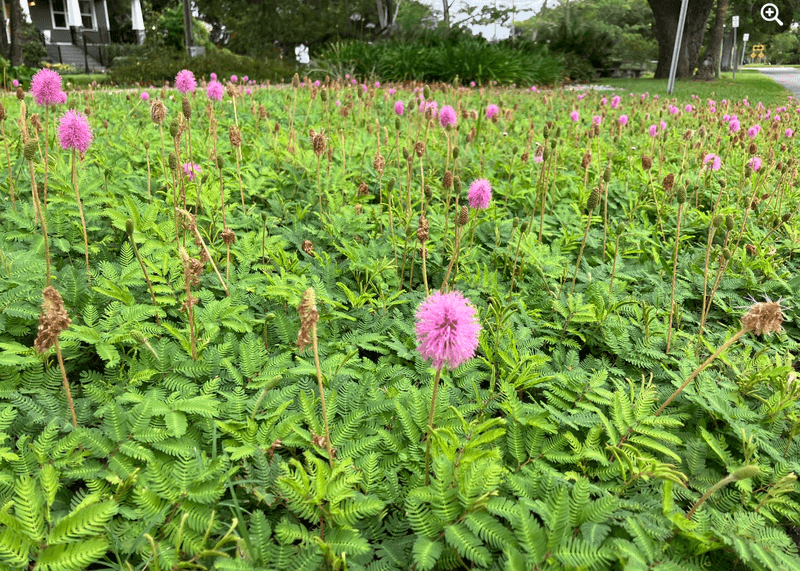
After all the sections in this article, the core idea is simple. Sunshine mimosa (Mimosa strigillosa) earns its place in a pest-aware yard not because it drives ticks or ants away by smell or chemistry.
It earns that place because it replaces taller, messier ground-level growth with something lower, cleaner, and easier to manage. That shift in the physical structure of the yard edge is the actual benefit, and it is a meaningful one when combined with good habits.
A lower mat means less vertical cover for ticks to quest from. A more open surface means mounds, trails, and disturbed spots are easier to notice.
A native, blooming ground cover means the yard looks better and supports pollinators without creating the tangled thicket that rough weeds and overgrown grass produce. None of that is magic.
All of it is practical.
The strongest yard strategy pairs a well-maintained ground cover with tick awareness, regular pet checks, and Extension-guided fire ant management.
It also includes debris cleanup, reduced clutter, and professional pest help when a problem is beyond a homeowner’s control.
Sunshine mimosa is one useful piece of that plan. Used in the right site, edged consistently, and paired with smart yard habits, it is a ground cover worth planting in sunny borders across this state.