Native Georgia Groundcovers To Grow Instead Of Turfgrass In Areas Where Grass Won’t Grow
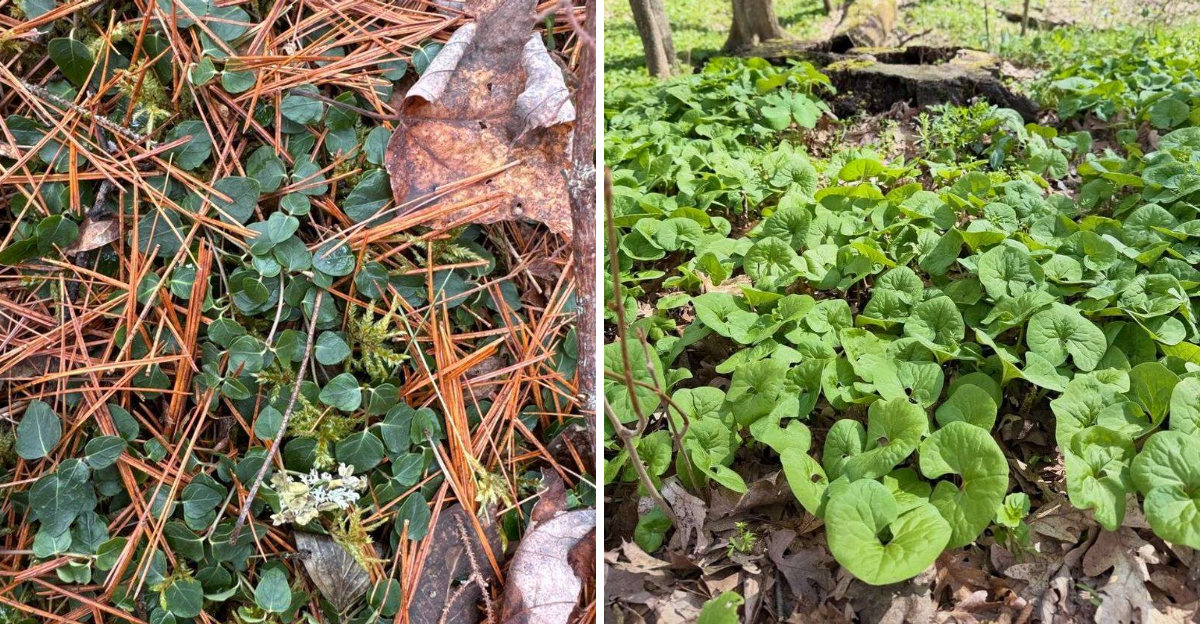
There’s something oddly satisfying about finally giving up on a project that was never working in the first place. For many homeowners, that project is a patch of lawn that refuses to fill in.
It gets watered, fertilized, and reseeded, yet it never becomes the thick green carpet everyone hopes for. Instead of improving, it stays patchy year after year and demands more effort than it’s worth.
The good news is that a beautiful landscape doesn’t have to rely on turfgrass everywhere.
Some plants naturally prefer the conditions that make grass struggle, whether that’s heavy shade, dry soil, or competition from tree roots.
Georgia has several native groundcovers that can turn those difficult spaces into attractive parts of the landscape.
Choosing the right plant can save time, reduce maintenance, and give those stubborn bare areas a purpose instead of becoming a constant source of frustration.
1. Green And Gold Brightens Bare Shady Areas
Bare patches under shade trees do not have to stay bare.
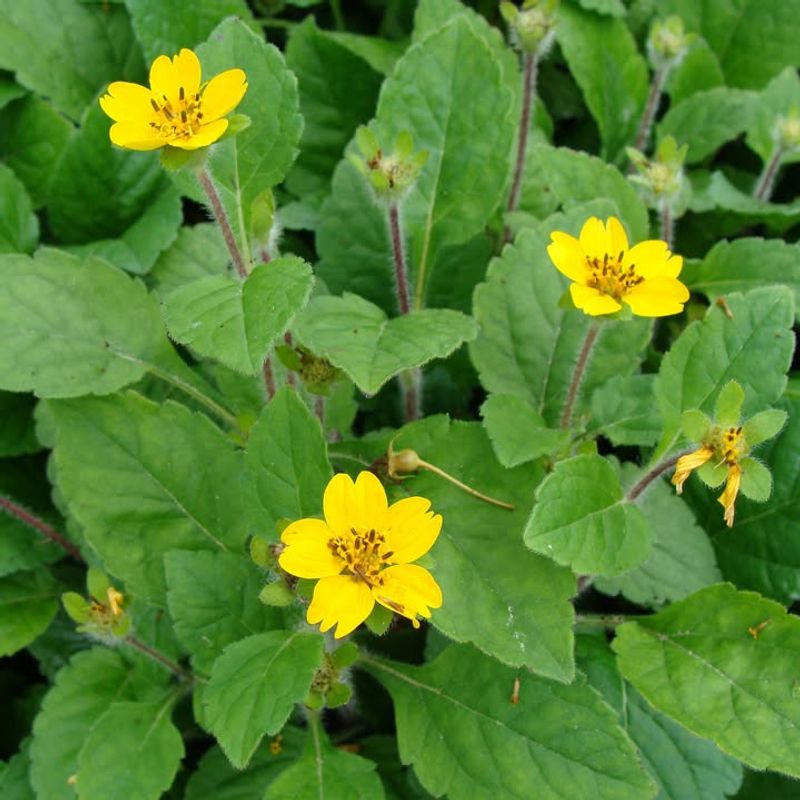
Green and Gold, known botanically as Chrysogonum virginianum, is a cheerful little native that pushes bright yellow blooms above dark green foliage even in heavy shade. It is one of the few groundcovers that actually flowers well without much sunlight.
Plants spread slowly but steadily through short runners. Once established, they knit together into a tidy, low mat that smothers weeds without much help from you.
Spacing plants about a foot apart gives them room to fill in without overcrowding.
Green and Gold handles average garden soil just fine. It does appreciate consistent moisture during its first season, but once roots settle in, it tolerates dry spells reasonably well.
Avoid waterlogged spots, as soggy roots can cause problems over time.
Pollinators love the small yellow flowers, which can bloom from early spring into summer and sometimes reappear in fall. Cutting plants back lightly after the main bloom flush can encourage fresh new growth.
No special fertilizer is needed, and this plant rarely has serious pest issues in typical garden conditions.
It works beautifully as a border edging, a woodland path liner, or a filler beneath azaleas and camellias. For shady spots in the Southeast where grass has always struggled, Green and Gold is genuinely worth trying.
2. Golden Ragwort Spreads Quickly In Moist Soil
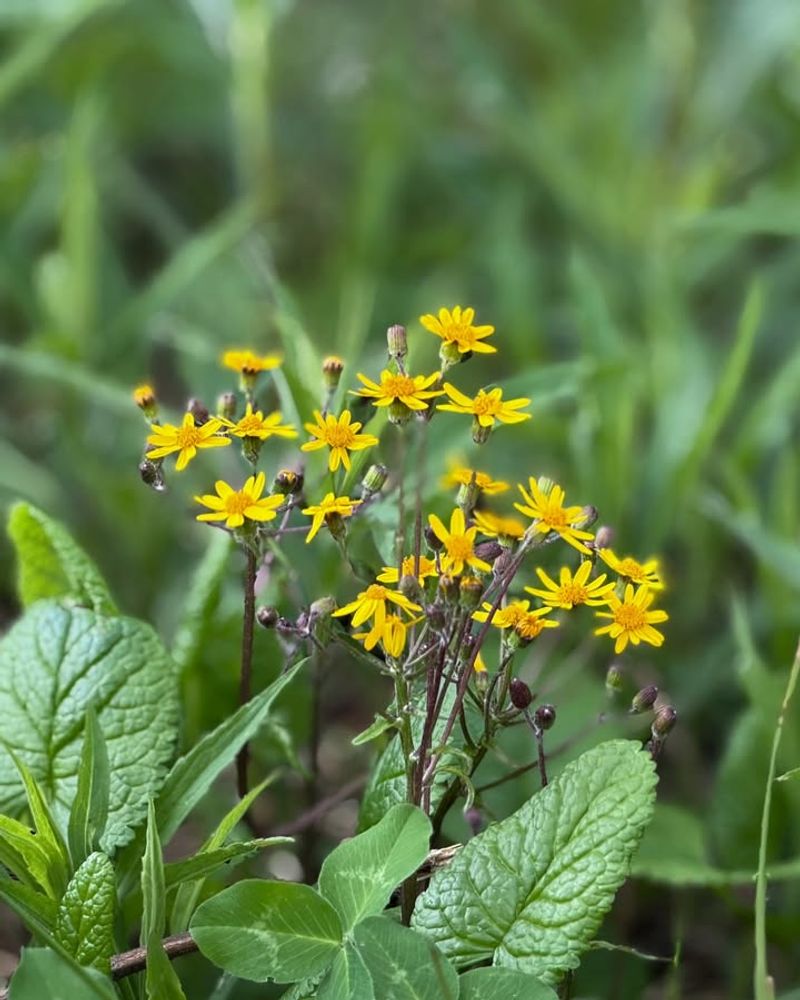
Golden Ragwort is a powerhouse in wet, shady spots where almost nothing else wants to grow.
Packera aurea produces bold clusters of golden yellow flowers in early spring, bringing real color to dark corners of the yard before most plants even wake up.
The bloom show is genuinely impressive for a groundcover.
After flowering, the foliage stays attractive all season. Leaves are rounded, dark green, and hold their shape well through summer heat.
Plants spread by both seeds and underground runners, which means a small planting can fill a large area within a few seasons under the right conditions.
Moist, humus-rich soil is where Golden Ragwort really takes off. Low spots near downspouts, boggy edges along a fence line, or shaded areas that stay damp after rain are ideal situations.
Your Georgia Garden Changes Every Week. Your Plan Should Too.
Gardening in Georgia changes quickly throughout the season. Every Friday you’ll receive a simple weekly plan showing exactly what to plant, prune, fertilize, harvest, and protect so you never miss the right timing.
It can handle average soil too, but growth will be slower without consistent moisture.
Wildlife value is high with this plant. Native bees work the flowers heavily, and certain butterfly species use it as a larval host.
Leaving seedheads in place at the end of the season supports birds and allows natural self-seeding.
One thing worth knowing is that Golden Ragwort can spread aggressively in ideal conditions. Planting it in contained areas or spots where spreading is welcome makes management much easier.
For problem wet spots in shaded yards, few native groundcovers perform as reliably.
3. Allegheny Spurge Thrives Beneath Mature Trees
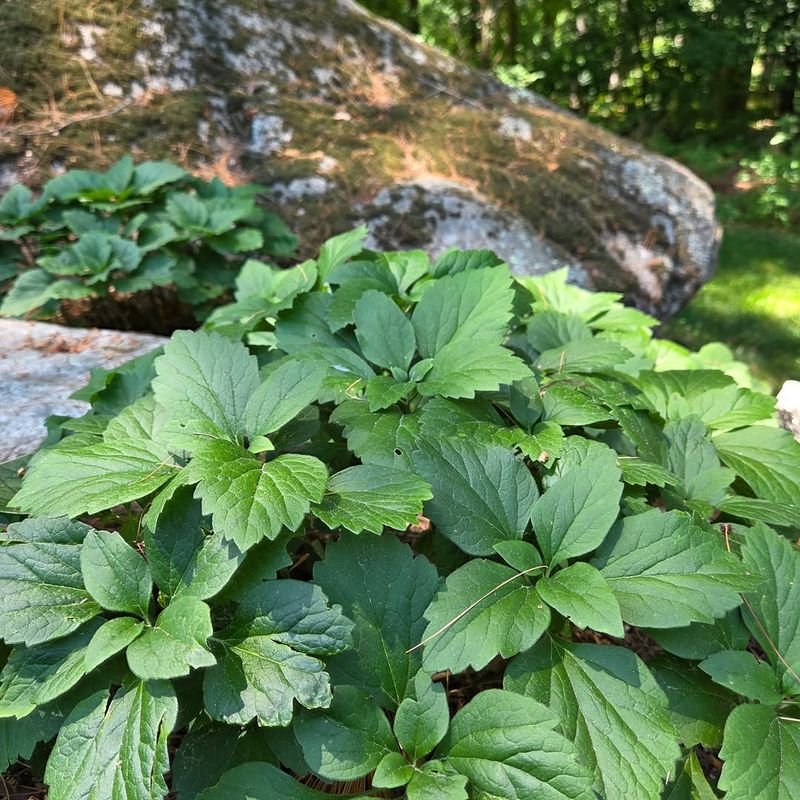
Forget the common Japanese Pachysandra you see everywhere.
Allegheny Spurge, Pachysandra procumbens, is the native version, and it is actually more interesting. Leaves are mottled with silvery markings, giving the planting a textured, layered look that holds up all year in mild winters across the Southeast.
Under mature oaks, hickories, and pines, where root competition and deep shade make growing anything a real challenge, Allegheny Spurge manages just fine.
It is slow to establish compared to some other groundcovers, so patience is important during the first year or two. Once roots settle in, plants spread steadily and form a dense, weed-suppressing mat.
Fragrant white flower spikes appear in late winter to early spring, often before the leaves fully flush. Pollinators visit the blooms early in the season when few other food sources are available.
The flowers are subtle but worth looking for up close.
Soil should be well-drained and on the acidic side, which matches the conditions found naturally under many large Southern trees. Adding leaf compost at planting helps roots establish faster.
Avoid heavy clay without amendment, as standing water around the crown can cause issues.
Allegheny Spurge pairs well with native ferns and wild ginger in shaded woodland garden beds. It stays low, typically under a foot tall, making it easy to combine with taller shade perennials without crowding them out.
4. Foamflower Grows Well In Woodland Settings
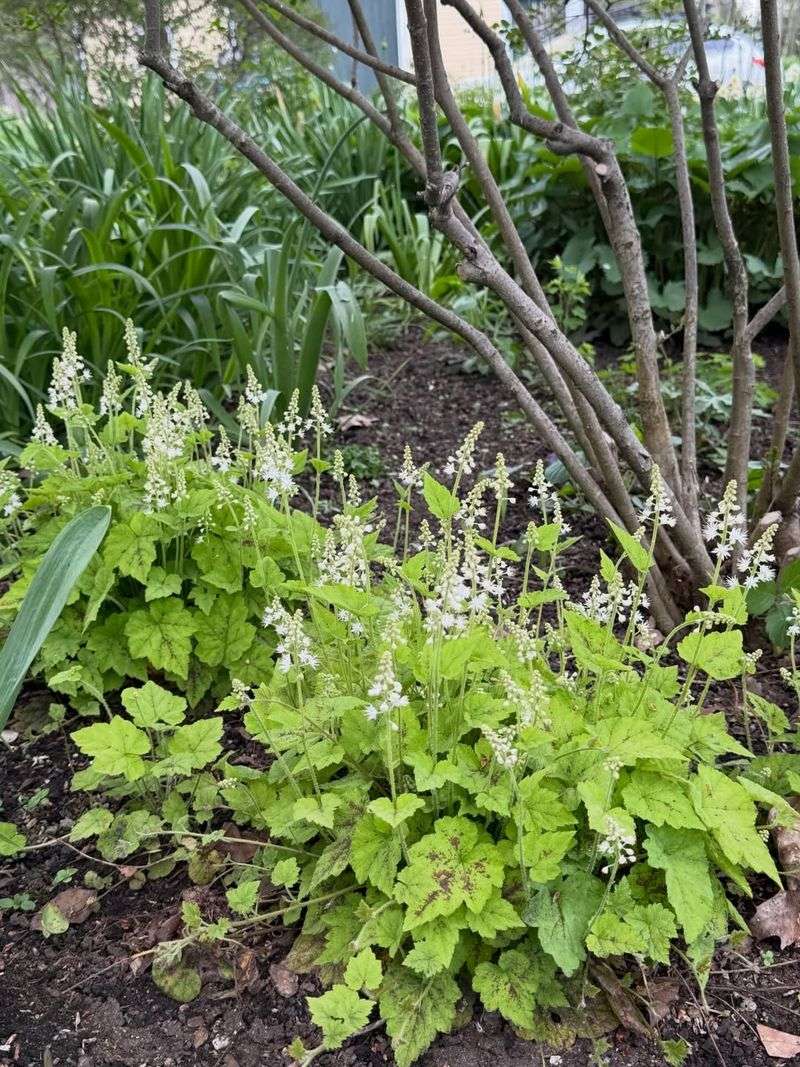
Walk through any healthy Appalachian woodland in spring and you will likely spot Foamflower putting on a show.
Tiarella cordifolia sends up airy white flower spikes that look almost like foam floating above the foliage, which is exactly how it earned its common name. Up close, the blooms are surprisingly delicate and beautiful.
Foamflower spreads by stolons, creating loose colonies over time rather than a tight, dense mat. Spacing is important at planting.
Set plants about a foot to eighteen inches apart and let them fill in naturally. Forcing them too close together early on can cause air circulation problems in humid summer conditions.
Shade and moisture are the two things Foamflower needs most. Morning sun with afternoon shade works well in warmer parts of the region.
Soil should stay consistently moist but never waterlogged. Amending with leaf mold or aged compost before planting makes a noticeable difference in how quickly plants establish.
Foliage is semi-evergreen in the Southeast, meaning plants hold their leaves through mild winters and only go fully dormant in hard freezes.
Leaf patterns vary by cultivar, with some showing deep maroon markings that add interest even when plants are not in bloom.
Native bees and early-season pollinators visit the flowers regularly. Foamflower works well layered with wild ginger, ferns, and Solomon’s seal in shaded beds where a natural woodland look is the goal.
5. Wild Ginger Creates A Dense Carpet Beneath Trees
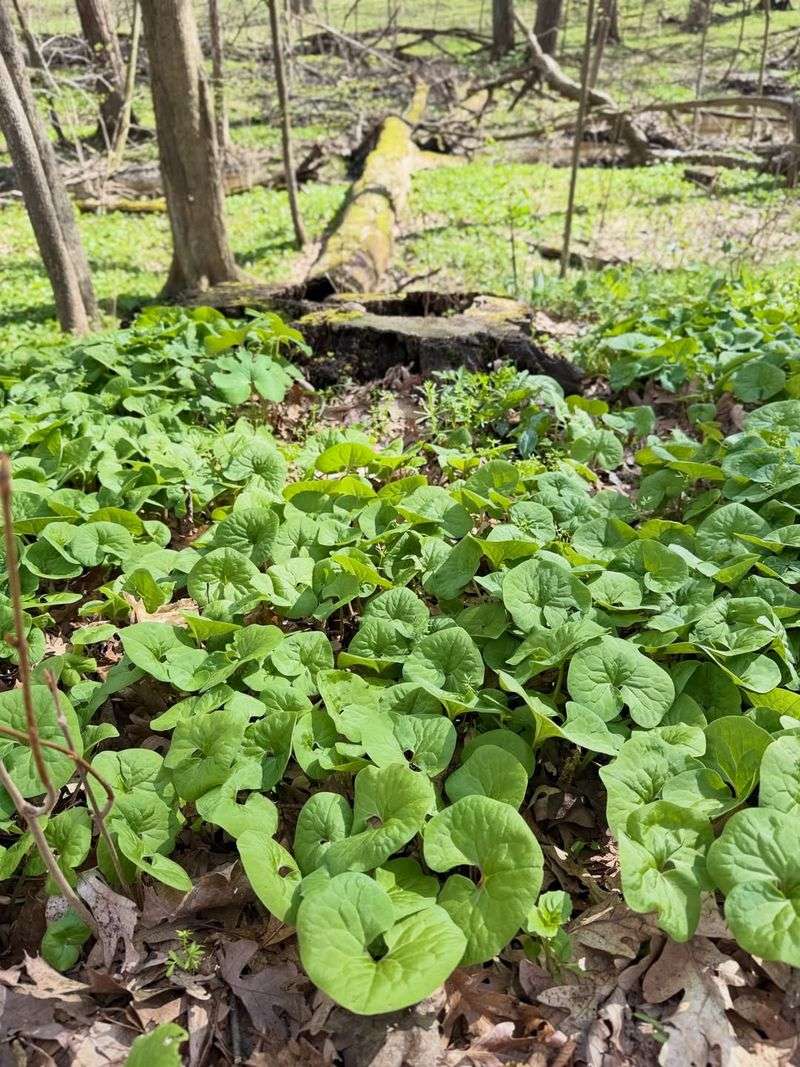
Wild Ginger is one of those plants that makes a shaded yard look intentional.
Asarum canadense produces large, heart-shaped leaves that overlap and interlock into a thick, weed-blocking carpet.
Once established, it is genuinely one of the most effective groundcovers available for deep shade situations.
Growth is slow at first. Planting in fall or early spring and keeping the soil consistently moist through the first season gives plants the best start.
Rich, humus-filled soil is ideal, and mulching around new plantings helps hold moisture while roots develop. Do not expect fast coverage in year one.
Flowers are easy to miss because they bloom at ground level, hidden beneath the foliage. Small, brownish-purple blooms appear in spring and are pollinated by ground-level insects.
The real show is the foliage, which stays lush and full through the growing season.
Wild Ginger is not related to culinary ginger and should not be eaten. It does, however, have a pleasant ginger-like scent when leaves are bruised.
Deer tend to leave it alone, which is a practical advantage in suburban yards and wooded properties where deer pressure is high.
It pairs naturally with Foamflower, ferns, and trillium in shade gardens. Under large oaks and maples where root competition is heavy, Wild Ginger holds its own better than most groundcovers.
Patience pays off with this one, and the result is a carpet that looks completely at home in any woodland setting.
6. Partridgeberry Adds Evergreen Color All Year
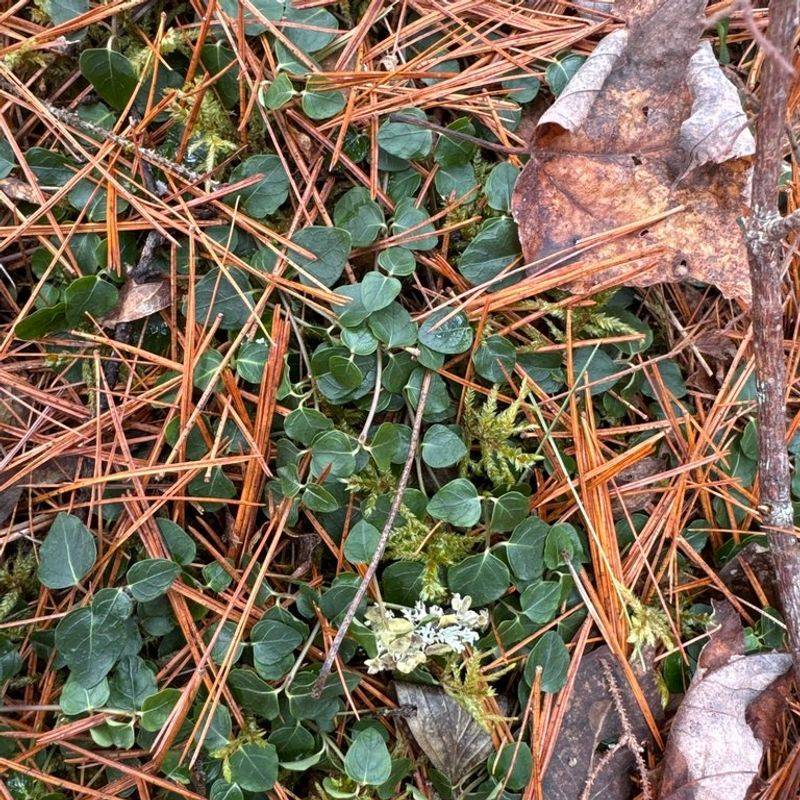
Not many groundcovers can claim to look good in every single month of the year. Partridgeberry, Mitchella repens, pulls it off with glossy, dark green leaves that stay attractive through winter and small red berries that persist from fall well into spring.
It is a genuinely four-season plant for shaded spots.
Plants are low and trailing, rarely reaching more than a few inches tall. They spread slowly along the ground, rooting as they go, eventually forming a fine-textured mat that works beautifully around the base of trees and along shaded paths.
Coverage takes time, so starting with multiple plants spaced about eight inches apart speeds things up.
Acidic, well-drained soil with plenty of organic matter suits Partridgeberry best. It naturally grows in leaf litter on the forest floor, so replicating those conditions at planting makes a real difference.
Avoid compacted or heavy clay soils without significant amendment first.
Tiny white flowers appear in late spring, usually in pairs. Both flowers in a pair must be pollinated to produce a single berry, which is an unusual botanical feature.
Bumblebees are the primary pollinators, and the berries that follow are eaten by songbirds and small mammals through fall and winter.
Partridgeberry works especially well in terrariums and shaded rock gardens, but its real strength is as a long-term groundcover in naturalistic woodland settings across the Southeast. Once established, it needs almost no maintenance at all.
7. Virginia Creeper Quickly Covers Large Bare Areas
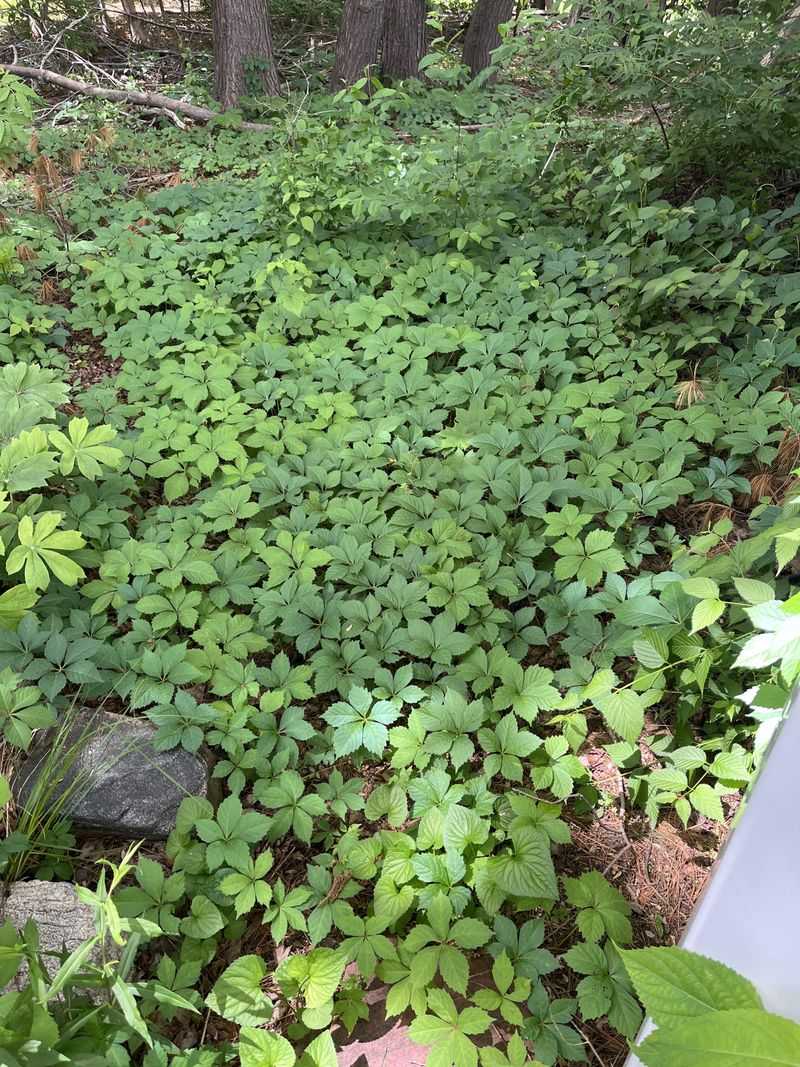
Speed matters when you have a large bare slope or an ugly fence line that needs covering fast.
Virginia Creeper, Parthenocissus quinquefolia, is one of the fastest-spreading native vines available, and it works equally well as a groundcover on flat or sloped terrain. Give it space because it will use every inch.
Fall color is spectacular. Leaves turn a deep, burning red in autumn, which makes this plant stand out in any yard.
Summer foliage is a clean, medium green with the distinctive five-leaflet pattern that separates it from poison ivy at a glance. Learning to identify it confidently is useful before planting.
Virginia Creeper adapts to sun, shade, and almost everything in between. It handles poor soil, clay, rocky ground, and dry conditions better than most groundcovers on this list.
Establishment is fast even without amendment or irrigation once plants are a few months old.
Small blue-black berries ripen in fall and are an important food source for migrating birds. Over thirty bird species are known to eat the berries, making this one of the highest wildlife-value plants you can add to a property.
Berries are not safe for humans, so keep that in mind around young children.
On slopes prone to erosion, Virginia Creeper forms a dense, root-holding mat that stabilizes soil effectively. It does require periodic trimming to keep it from climbing structures or trees where it is not wanted.
Managed well, it is an outstanding native solution for large problem areas.
8. Creeping Phlox Performs Best In Full Sun
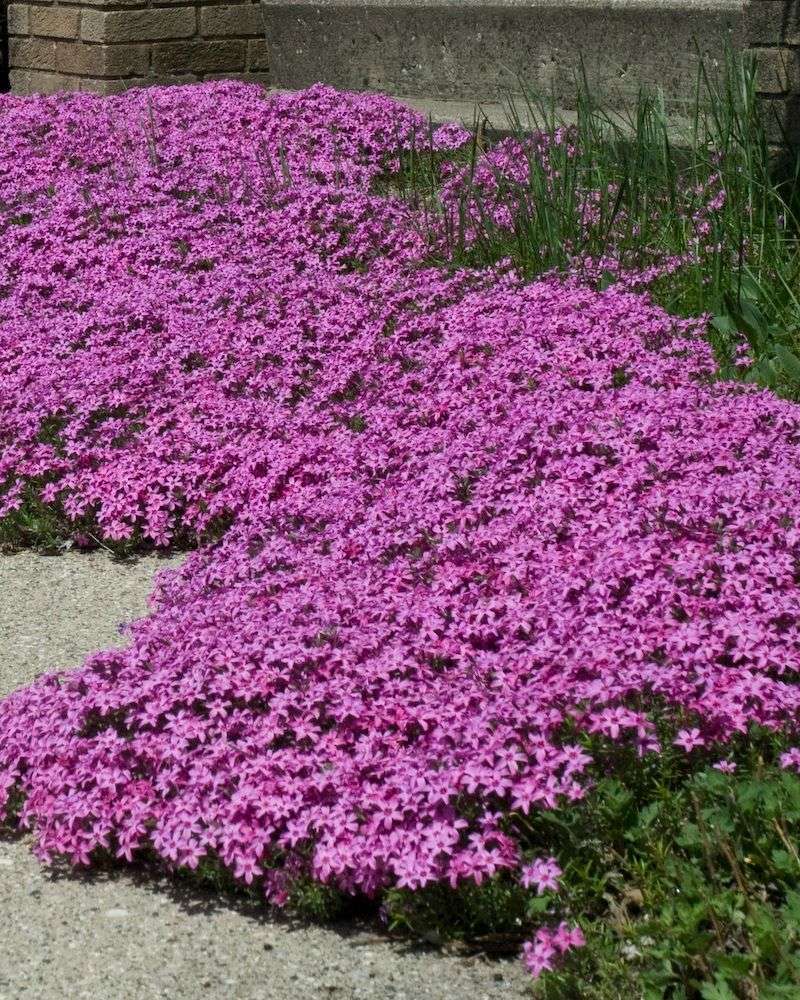
Sunny slopes that bake in summer heat are exactly where Creeping Phlox earns its reputation. Phlox subulata blankets the ground in dense, needle-like foliage that stays evergreen through winter, then explodes into a solid carpet of flowers each spring.
The bloom display is genuinely one of the most impressive of any low-growing groundcover.
Colors range from white and soft pink to deep magenta and lavender. Planting a single color creates a bold, graphic look, while mixing shades produces a more relaxed cottage style.
Either way, the spring show stops people in their tracks. Blooms typically last three to four weeks depending on temperatures.
After flowering, cut plants back by about one-third. Shearing after bloom keeps plants compact and prevents them from getting woody and open in the center over time.
Skipping this step usually leads to a less attractive plant within a few seasons.
Well-drained soil is non-negotiable. Creeping Phlox tolerates rocky, sandy, and even poor soil surprisingly well, but it struggles in heavy clay that holds water.
Raised beds, rock gardens, and slopes with good natural drainage are ideal placements across the region.
Butterflies and native bees flock to the flowers in spring, making Creeping Phlox a strong pollinator plant as well as a visual standout. It stays low, typically under six inches tall, and spreads steadily without becoming invasive.
For full sun problem spots, this plant delivers reliable results year after year.