The One Thing North Carolina Okra Needs In July Or Pods Will Turn Tough And Stringy
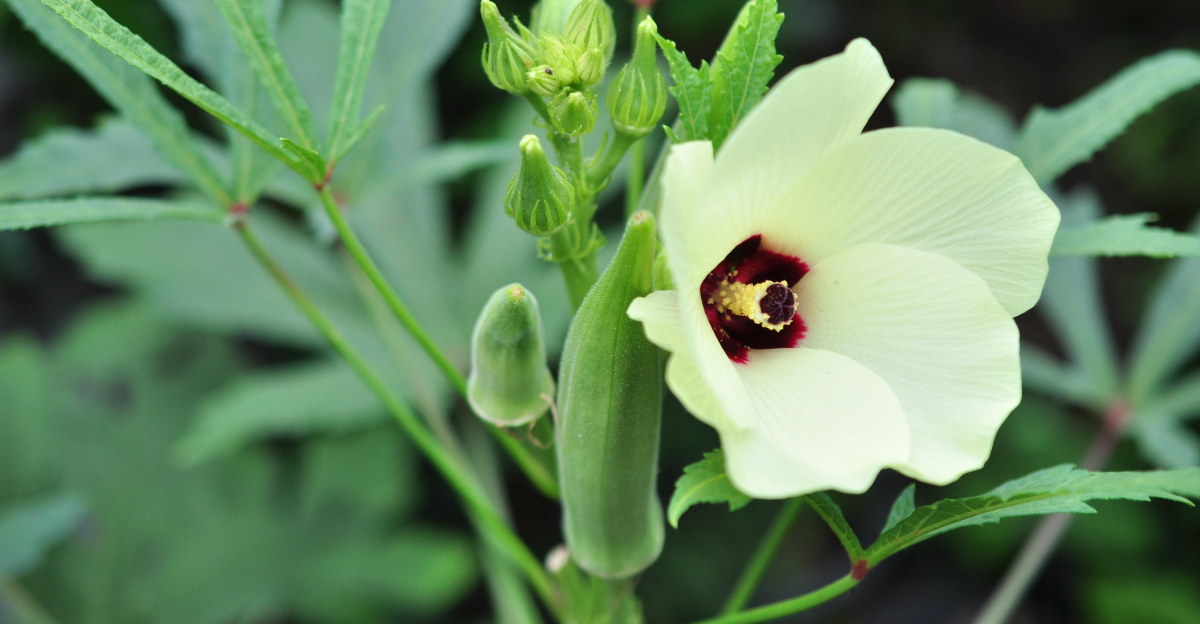
Okra has a short window between perfect and ruined, and July in North Carolina is exactly when that window gets tightest.
Pods that turn tough, woody, and stringy almost always trace back to one specific oversight that has nothing to do with variety or soil quality.
The plant itself is not the problem. A missed step in July care is what pushes pods past the point of being enjoyable to eat, and once that happens, there is no fixing an individual pod that has already gone too far.
Getting this one thing right consistently is what separates a July okra harvest worth eating from one that ends up in the compost.
1. Pick Pods Young And Often
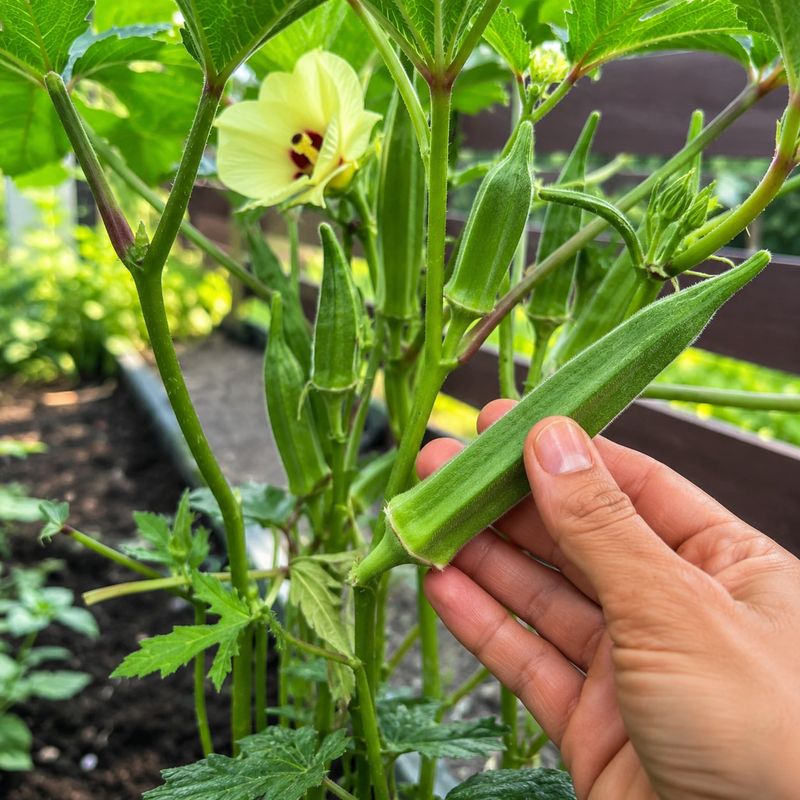
Most gardeners are surprised to learn that the number one reason okra turns tough and stringy has nothing to do with soil, fertilizer, or bugs. It comes down to one simple habit: not picking soon enough.
In North Carolina’s July heat, okra plants grow at a pace that can genuinely catch you off guard.
Pods that look tiny in the morning can be oversized and woody by the next evening. That is not an exaggeration.
Warm nights combined with hot, humid days create the perfect conditions for rapid pod development, which means gardeners have a very short window to grab pods at their best.
The sweet spot for picking is when pods reach about 2 to 3 inches long. At that size, the inside is still tender, the seeds are soft, and the texture holds up beautifully whether you fry, roast, or stew them.
Waiting for pods to get bigger might feel like getting more for your effort, but you actually end up with less because oversized pods are barely edible.
Checking your plants at least every other day is the minimum in July. If you can get out there daily, even better.
Frequent harvesting is not just about getting the best pods for your table. It also sends a signal to the plant to keep producing, which means more tender pods coming your way throughout the rest of the summer.
Pick young, pick often, and your okra patch will reward you generously.
2. July Heat Makes Okra Grow Fast
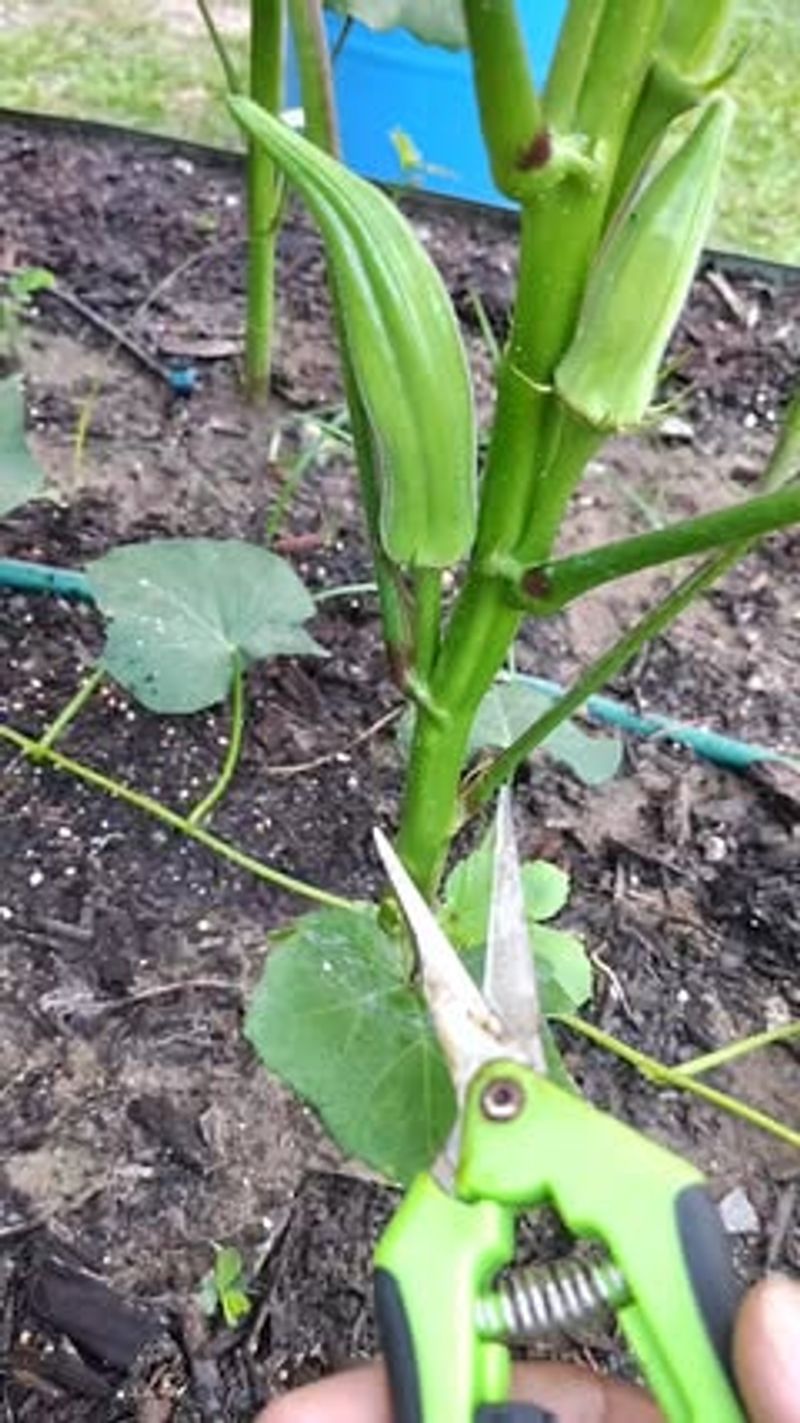
Okra is one of the few vegetables that actually thrives in the kind of heat North Carolina throws at gardeners in July. It loves the warmth, soaks up the sun, and responds by growing quickly and steadily.
That is great news for production, but it also means the window for perfect pods is surprisingly short.
On a hot July day, an okra pod can grow more than an inch in just 24 hours. That kind of speed means a pod that looked like a good candidate for tomorrow’s harvest might already be too large and fibrous by the time you get back to it.
July is simply not the month to take a relaxed, once-a-week approach to the garden. Gardeners who understand this tend to treat their okra patch differently in midsummer compared to spring.
Your North Carolina Garden Changes Every Week. Your Plan Should Too.
Gardening in North Carolina changes quickly throughout the season. Every Friday you’ll receive a simple weekly plan showing exactly what to plant, prune, fertilize, harvest, and protect so you never miss the right timing.
They visit more frequently, they look closely at individual pods rather than just glancing at the plant, and they pick without hesitation when a pod hits that 2 to 3 inch range.
Hesitation is what leads to a basket full of tough, chewy pods that nobody wants to eat.
The heat that makes okra so productive is also what demands your attention. Think of it as a trade-off: the plant gives you an abundance of pods, but only if you show up and harvest them at the right time.
Staying ahead of the growth curve in July is the real secret to a successful okra season in North Carolina.
3. Small Pods Usually Have The Best Texture
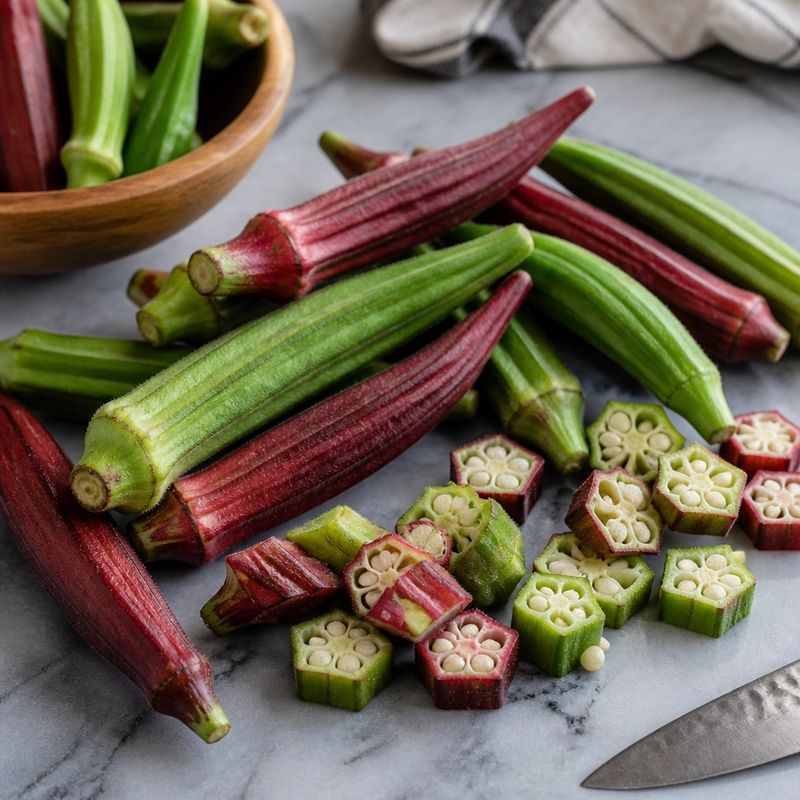
Size is not always a good thing when it comes to okra. Gardeners who wait for big, impressive-looking pods often end up disappointed at the dinner table.
Smaller pods, harvested young, consistently deliver the tender, slightly crisp texture that makes okra such a beloved vegetable in Southern cooking.
When pods grow beyond 4 inches, the fiber inside starts to toughen and the seeds harden. That combination creates the woody, stringy chew that turns people off okra entirely.
Many folks who say they do not like okra have simply only ever eaten it past its prime. A properly harvested young pod is a completely different experience.
Tenderness is the real quality marker, not length. Some gardeners do a simple squeeze test: if the pod gives just slightly under gentle pressure, it is ready.
If it feels stiff and resistant, it has already passed the ideal harvest point and will likely disappoint on the plate. Getting into the habit of checking tenderness rather than just eyeballing size makes a real difference.
There is also a practical bonus to picking small. Smaller pods cook faster and more evenly, which matters whether you are frying them in a cast iron skillet or tossing them on the grill.
They also freeze better if you end up with more than you can use fresh. Harvesting for tenderness rather than size is one of those simple shifts in thinking that can genuinely transform your whole okra experience from frustrating to fantastic.
4. Check Plants Every Morning If Possible
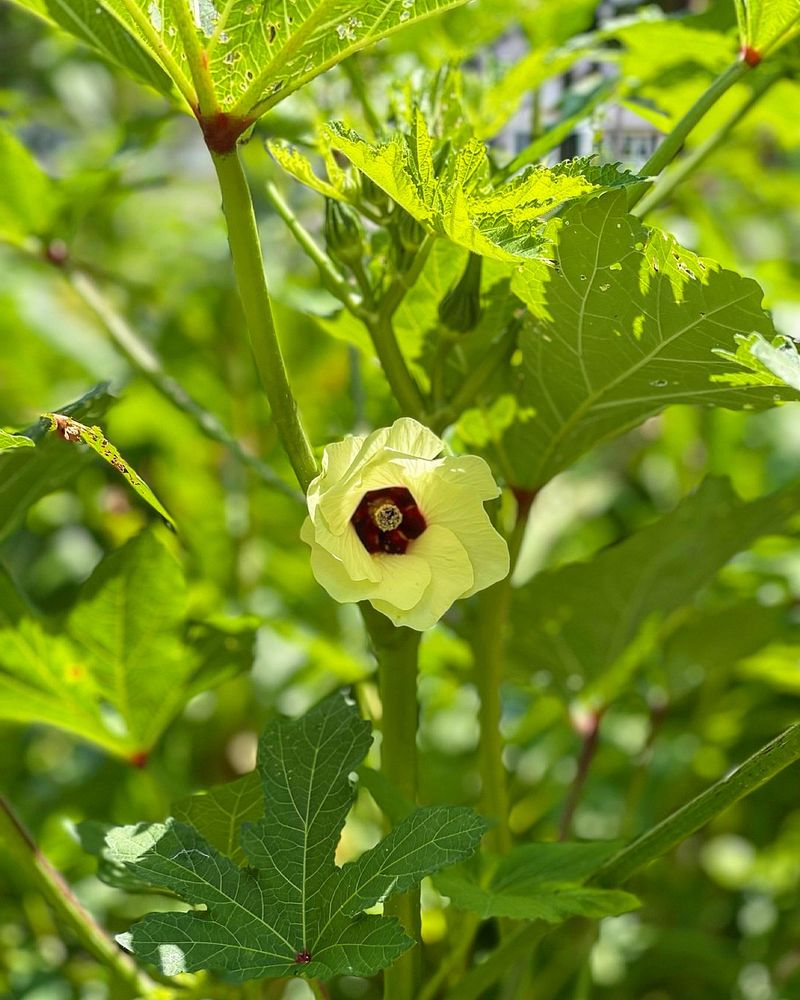
Morning is the best time to visit your okra patch in July, and not just because the temperature is a little more forgiving before the afternoon sun cranks up.
Early checks give you the best chance of catching pods before the day’s heat pushes them past their ideal size. By late afternoon, a pod that was borderline in the morning may already be too far gone.
Building a morning garden routine around okra picking is one of the easiest habits to develop, and it pays off quickly. Bring a small basket, walk the rows, and check every plant.
Okra grows tall, so pods can hide behind leaves. Take a moment to look at each plant from different angles so you do not miss anything tucked away near the top.
One thing worth knowing before you head out is that okra plants can irritate bare skin. The leaves, stems, and even the pods themselves have tiny spines that cause itching and mild irritation for many people.
Wearing light gloves and a long-sleeved shirt makes the whole experience much more comfortable, especially when reaching into the plant to grab pods near the center.
Morning picking also means you are working with the plant when it is most hydrated, which can make pods easier to cut cleanly. The ritual of an early morning harvest is genuinely enjoyable once it becomes part of your summer routine.
There is something satisfying about starting the day with a basket of fresh, perfectly sized okra pods ready for the kitchen.
5. Do Not Leave Large Pods On The Plant
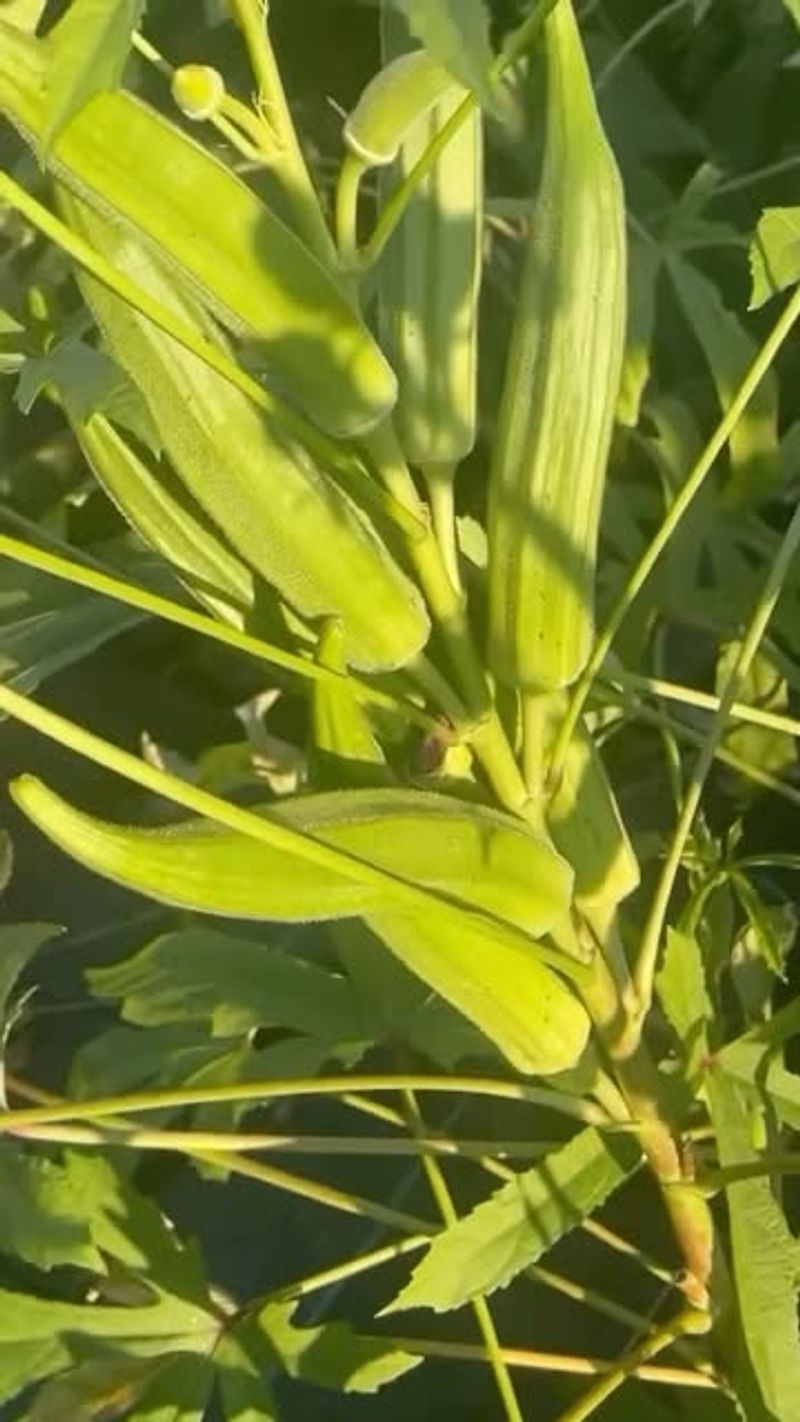
Oversized okra pods are a problem beyond just being unpleasant to eat. When large, mature pods stay on the plant, they pull energy and resources away from new pod development.
The plant shifts its focus toward maturing those existing pods rather than producing fresh flowers and new growth, which slows down your overall harvest significantly.
Think of it from the plant’s perspective. Its biological goal is to produce seeds and reproduce.
Once a pod reaches full maturity, the plant considers that mission accomplished for that particular branch. Removing the oversized pod interrupts that cycle and encourages the plant to start the process again with a new flower and a new pod.
During your regular harvest checks, pull off any pods that have grown too large for the kitchen, even if you would not normally use them. Toss them in the compost pile or discard them in the garden.
The point is simply to get them off the plant so production keeps moving forward. Leaving them out of laziness or indecision costs you future tender pods.
Some gardeners feel reluctant to remove pods they cannot eat, as if it is wasteful. The reality is the opposite.
Removing those oversized pods is the most productive thing you can do for your plant’s long-term output. Every old pod you pull off makes room for the next tender, perfectly sized one to come along.
Keeping the plant cleared of overgrown pods is one of the most underrated habits in a successful July okra garden.
6. Use Clippers Instead Of Pulling
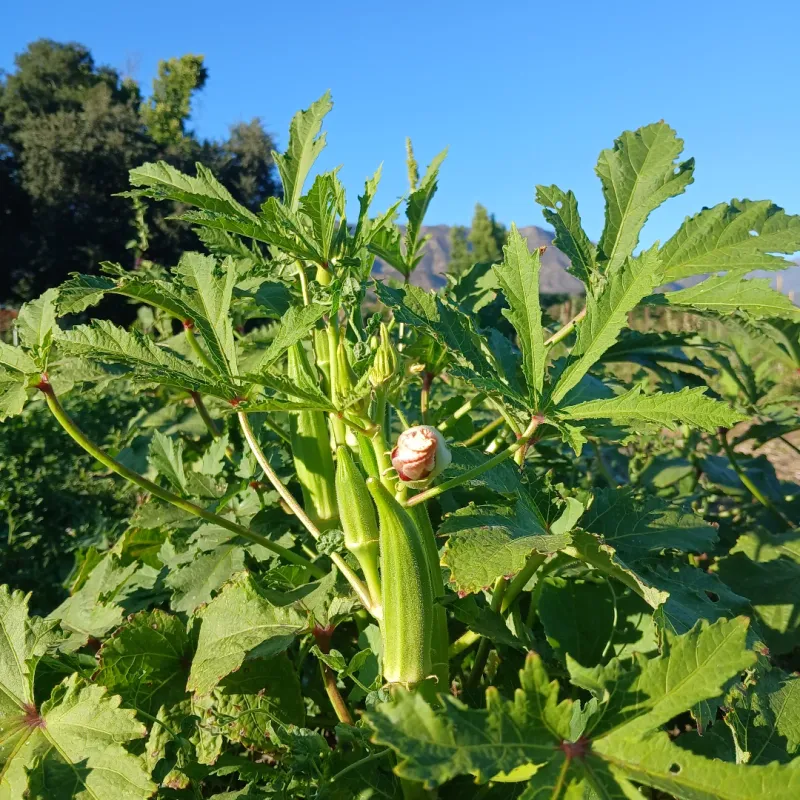
Yanking okra pods off the plant might seem quick and easy, but it often does more harm than good. Pulling can tear the stem, damage the branch, and stress the plant in ways that affect future pod production.
A clean cut is always the better choice, and it takes only a second longer with the right tool in hand.
A small pair of garden clippers or pruning shears works perfectly for okra harvesting. Some gardeners prefer a compact folding knife.
Either way, the goal is to cut the pod’s stem cleanly without twisting or pulling the surrounding plant material. A smooth cut heals faster and leaves the plant in better shape for continued growth through the rest of July.
This is especially important when the plant is loaded with pods and growing vigorously. Rough handling during harvest can knock off developing buds or damage young pods that are just starting to form.
Being a little careful during picking protects not just the current harvest but the ones that follow.
Keeping your clippers clean is also worth mentioning. Wiping the blades with a damp cloth between uses reduces the chance of spreading any disease from plant to plant.
It is a small step that most gardeners skip, but it matters when your plants are working hard in the heat.
Good tools, used properly, make harvesting faster, cleaner, and better for the long-term health of your entire okra patch throughout the busy growing season.
7. Keep Water Steady But Do Not Blame Water First
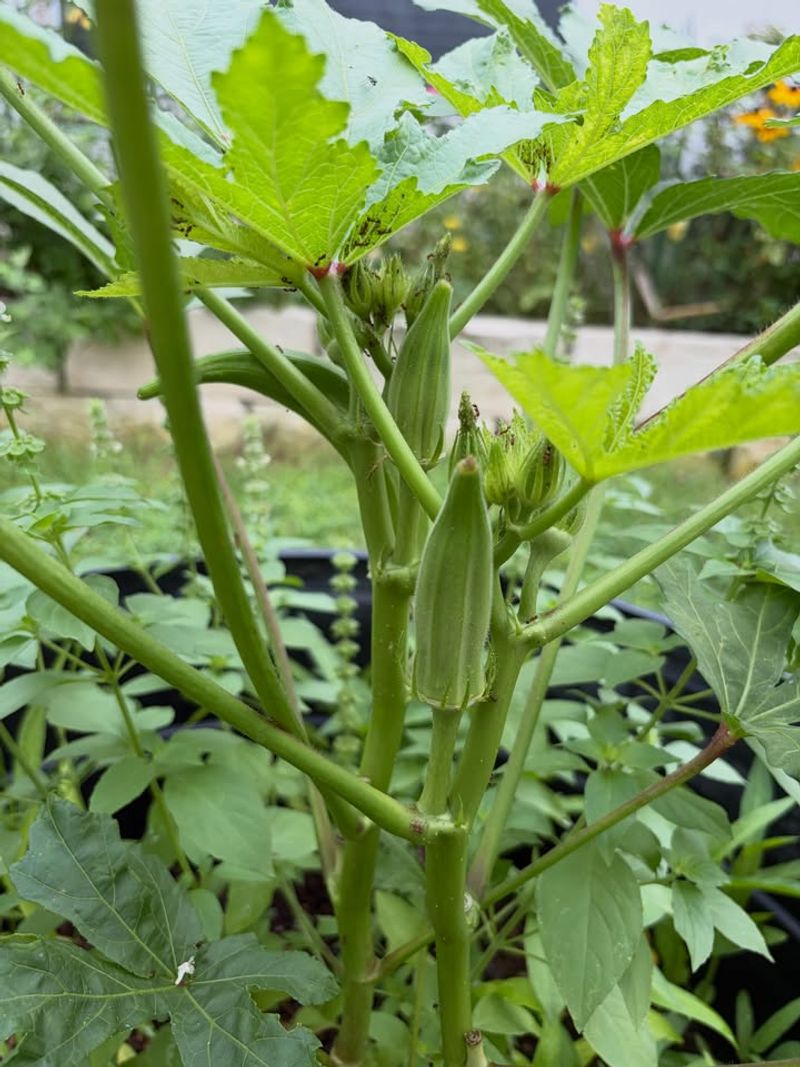
Water matters a lot for okra in July, but it is rarely the main culprit when pods turn tough and stringy.
Gardeners sometimes assume that tough pods mean the plant is stressed from drought, and while severe water shortage can affect quality, the far more common cause is simply waiting too long to pick.
Knowing the difference helps you focus your energy in the right place.
That said, steady moisture absolutely supports healthy pod development. Okra plants in North Carolina’s July heat benefit from deep watering once or twice a week, depending on how much rain falls.
Shallow, frequent watering encourages roots to stay near the surface, which makes plants more vulnerable during dry stretches. Deep watering pushes roots further down where soil stays cooler and moisture lasts longer.
Mulching around the base of your plants is one of the best things you can do to support steady moisture levels.
A few inches of straw, wood chips, or shredded leaves slows evaporation dramatically, keeps the soil cooler, and reduces how often you need to water. It also cuts down on weeds, which compete with your okra for both water and nutrients.
So yes, water consistently, mulch generously, and keep an eye on your plants during dry spells. But when pods start feeling tough, check your harvest frequency before you check the hose.
More often than not, the fix is simpler than you think: get out there earlier, pick more often, and do not let those pods linger on the plant past their prime.
8. Harvesting Often Keeps The Plant Productive
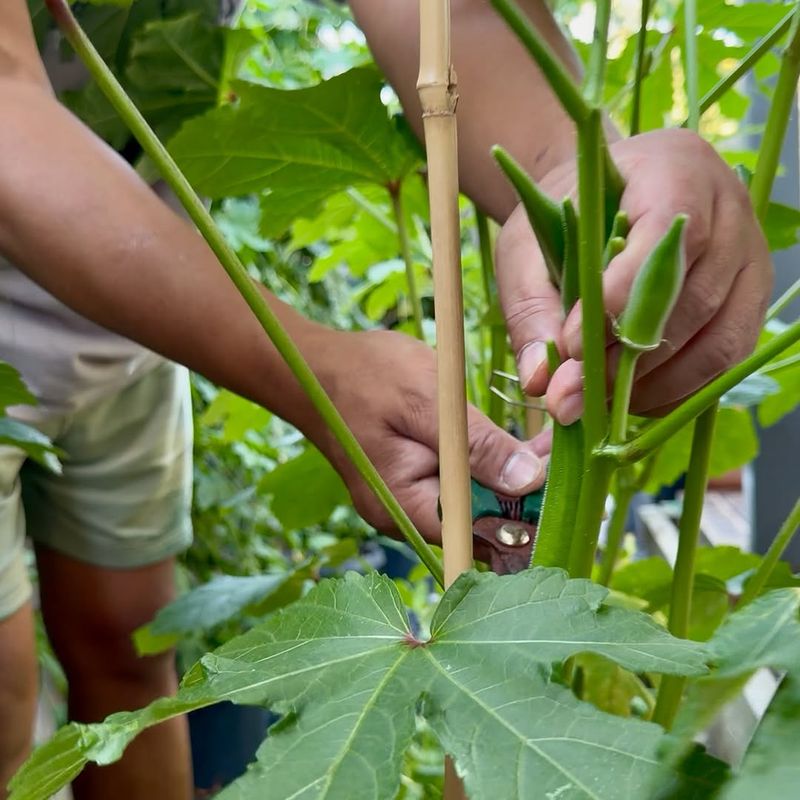
There is a rewarding cycle that happens when you harvest okra regularly, and once you see it in action, you will never skip a picking session again.
Every time you remove a mature pod, the plant responds by pushing out new flowers, and those flowers become the next round of tender pods.
Frequent picking is essentially how you keep the production line running all summer long.
Okra plants are remarkably generous when treated right. A healthy plant in a North Carolina July garden can produce pods continuously for weeks if you stay on top of the harvest.
Skip a few days and let pods go oversized, and the plant slows down noticeably. Come back after a week of neglect and you might find a handful of giant, tough pods and very few new flowers forming.
Consistency is everything. Even on busy days, a quick five-minute walk through the okra patch to check and pick is worth doing.
You do not need to spend an hour out there. Just show up, look closely, and grab anything that has reached that ideal 2 to 3 inch range.
Those small, regular efforts add up to a much bigger and better harvest overall.
The takeaway from a whole month of July okra gardening really boils down to one core habit. Check your plants often, pick pods while they are still small and tender, and never let an oversized pod sit on the plant longer than necessary.
Do those things consistently and your North Carolina okra patch will stay productive, flavorful, and deeply satisfying right through the rest of summer.