Keep These 8 Wisconsin Flowers Blooming Until Frost With A Simple July Trim
July in Wisconsin doesn’t mess around. One week you’ve got tidy rows of blooms, the next your garden looks like it partied too hard and forgot to clean up.
Petals are browning, stems are flopping, and you’re wondering if the show is already over. It isn’t.
There’s a trick most home gardeners never learn: a well-timed haircut in midsummer convinces your plants they haven’t finished their job yet.
Snip off the spent blooms, cut back the leggy growth, and instead of setting seed and calling it quits, your flowers shift gears and pump out a fresh round of color. Wisconsin summers are short, so every extra week of blooms matters.
The gardeners who know this trick are the ones still cutting bouquets in September. Everyone else is just staring at bare stalks.
Here are the flowers that respond best to a July trim, and how to do it right so your yard stays loud with color clear into October.
1. Coneflower
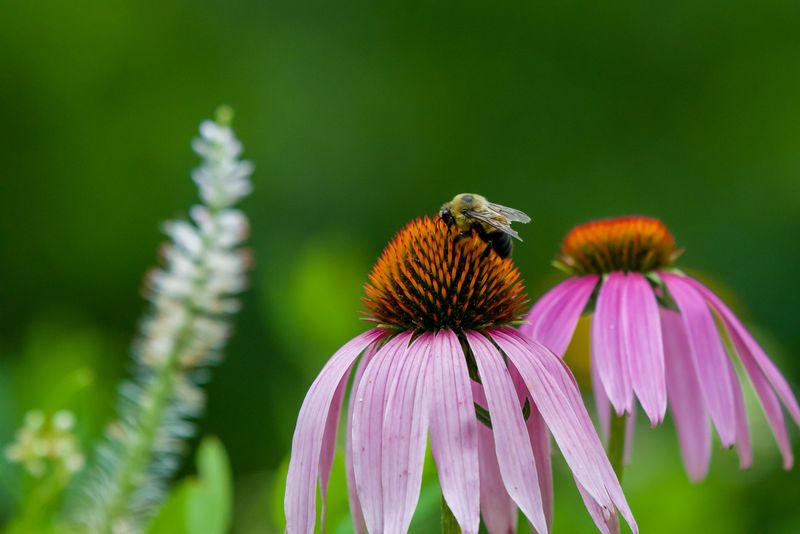
Purple coneflowers are a standout choice for any Midwestern garden. They bloom big, they stand tall, and they attract every pollinator in the neighborhood.
A July trim on coneflowers works like a reset button for the plant. Snip off spent blooms just above a leaf node, and new buds will typically appear within a couple of weeks.
The key is not to cut too deep into the stem. Remove only the faded flower and about an inch of stem to keep the plant energized for another round.
Coneflowers are tough plants that can handle a firm trim well. They recover quickly and reward your effort with fresh blooms that last deep into fall.
Wisconsin gardeners love coneflowers because they are drought-tolerant once established. You do not need to fuss over watering after a good trim.
Leave a few spent blooms at the end of the season to feed the goldfinches. They’re strongly attracted to coneflower seeds in September and October.
With proper trimming, a healthy coneflower plant can often bloom from June well into fall, giving you months of color from a single plant.
These flowers also come in yellow, orange, and white varieties, not just purple. Mix a few shades for a stunning late-season display that keeps your neighbors guessing your secret.
2. Black-Eyed Susan
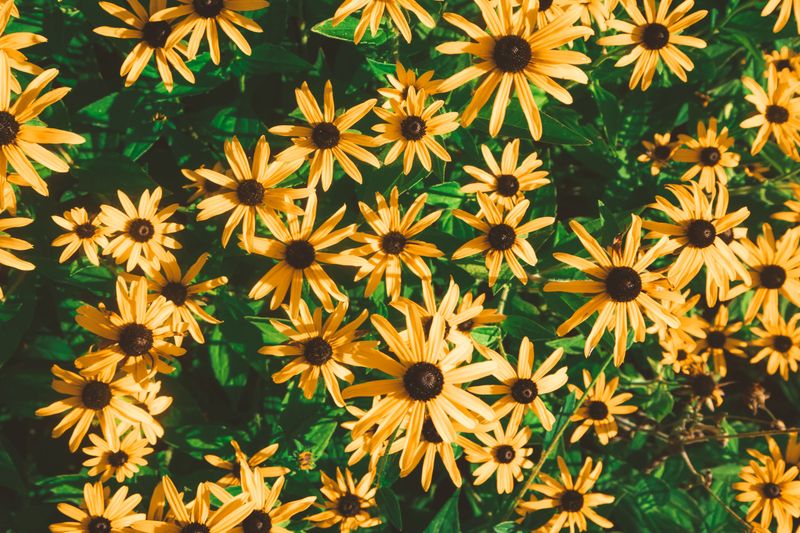
Few flowers say “summer” louder than a patch of golden Black-Eyed Susans glowing in the afternoon sun. They are cheerful, tough, and surprisingly easy to keep blooming.
Trim these beauties in early July by cutting back about one-third of the plant height. This method, called the Chelsea Chop, delays the next bloom cycle and extends your season significantly.
Black-Eyed Susans bloom in waves, so timing your trim matters. Cut the front half of your clump in early July and leave the back half alone for staggered, continuous color.
These plants are native to the Midwest, which means they are perfectly adapted to Wisconsin summers and cold falls. They do not need babying after a trim.
Your Wisconsin Garden Changes Every Week. Your Plan Should Too.
Gardening in Wisconsin changes quickly throughout the season. Every Friday you’ll receive a simple weekly plan showing exactly what to plant, prune, fertilize, harvest, and protect so you never miss the right timing.
One common mistake is waiting too long to trim off spent blooms. Once the seed heads form and dry out, the plant shifts energy away from new blooms, so catch them early.
After trimming, give your Black-Eyed Susans a light feeding with a balanced fertilizer. A little boost of nutrients helps fuel that second wave of flowers.
By August, your trimmed plants will push out fresh blooms that look just as bright as the ones in June. The color lasts well into October in most Wisconsin growing zones.
Pair them with purple coneflowers for a stunning late-season combo. That classic yellow-and-purple duo is one of the most satisfying sights a gardener can grow.
3. Salvia
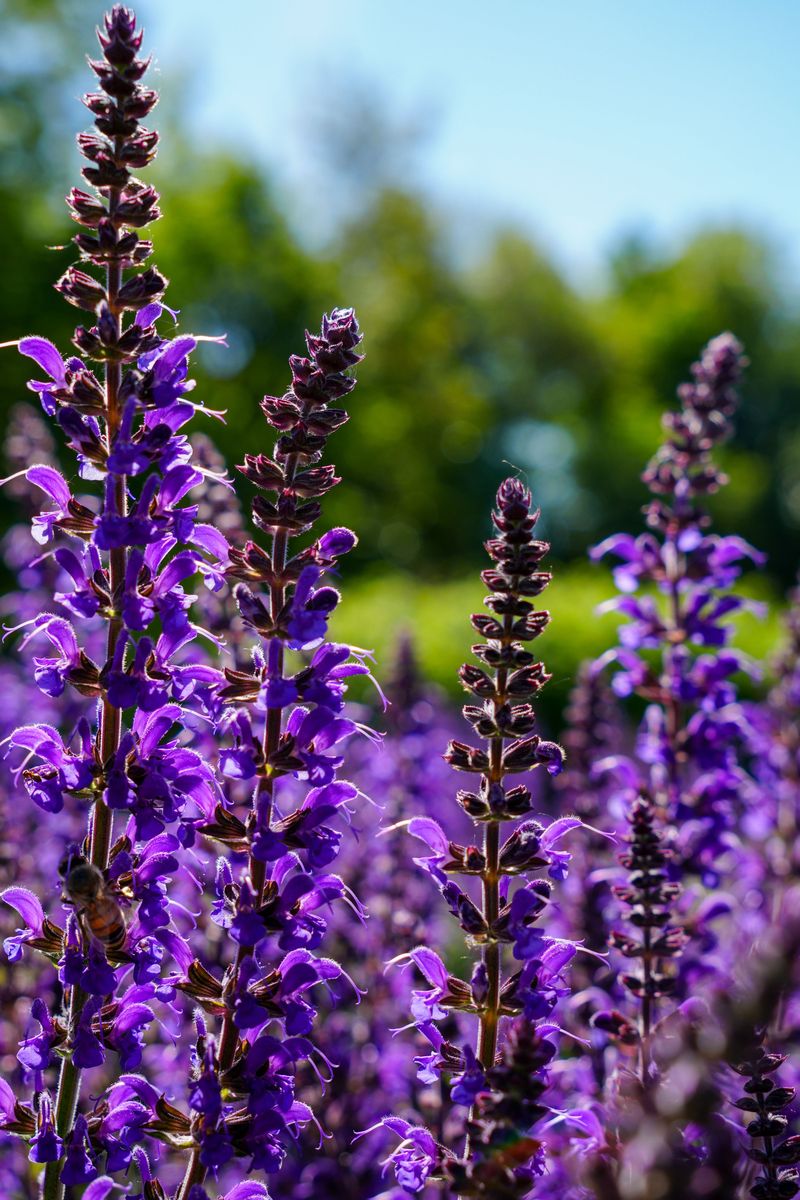
Salvia is the overachiever of the summer garden, pumping out flower spikes from June until the ground freezes. A July trim is all it takes to unlock its full potential.
When the first flush of blooms starts to fade, cut the entire plant back by about half. This may look drastic, but salvia tolerates it well and regrows quickly.
New growth often appears within a week or two of trimming on a healthy plant. By late July or early August, fresh flower spikes are already pushing up and opening.
Salvia comes in many colors, but the deep blue and violet varieties are especially striking in fall light. The low angle of September sun makes those cool tones pop beautifully.
One thing to know about salvia: it loves heat and dislikes wet feet. After trimming, make sure your soil drains well so the roots stay healthy.
Wisconsin summers can bring sudden rain, so check drainage around your plants after heavy storms. Standing water near the crown can cause rot right when you want blooms.
Hummingbirds are obsessed with salvia flower spikes, so a second flush in August brings incredible wildlife action. Keep a chair nearby because the show is worth watching.
Salvia is also deer-resistant, which is a huge bonus for Wisconsin gardeners dealing with browsing pressure. Trim it in July and let it do its thing worry-free all the way to frost.
4. Zinnia
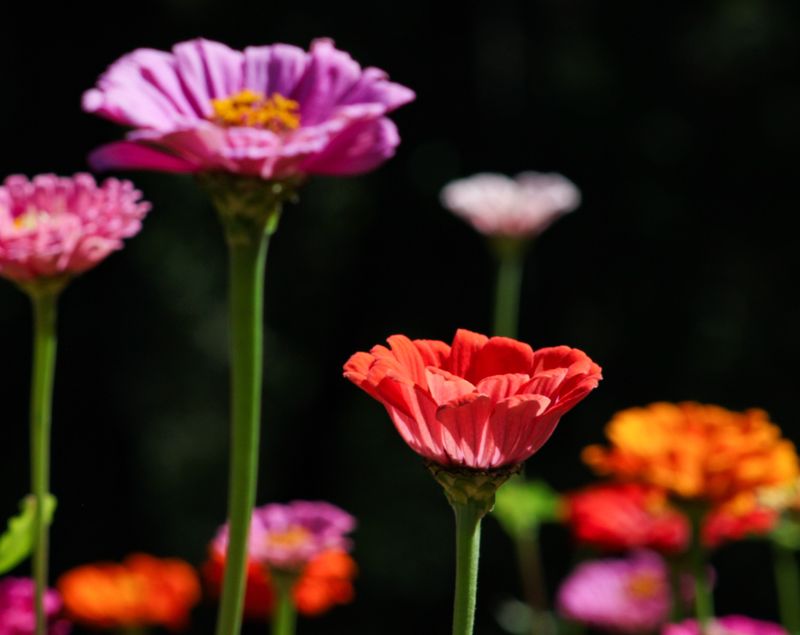
Zinnias are one of the most responsive flowers you can grow: the more you engage with them, the better they perform. Regularly trimming spent blooms is the single best thing you can do for these flowers.
In July, go through your zinnia patch every few days and snip off any bloom that looks faded or papery. Cut back to just above a pair of leaves for the best results.
Each cut you make triggers the plant to branch out and produce multiple new stems. One snip can often lead to several new blooms within a few weeks.
Zinnias are heat lovers that thrive in Wisconsin July temperatures. The warm nights actually help them recover faster after trimming than cooler-climate flowers would.
Watch for powdery mildew on zinnia leaves in humid stretches. If you spot white coating on leaves, remove affected foliage during your trim to keep the plant healthy.
Choosing mildew-resistant varieties like Benary Giant or Profusion gives you an extra advantage. Those types bloom more aggressively and hold up better through the humidity spikes of a Wisconsin summer.
Zinnias come in nearly every color except blue, so you can build a rainbow in your yard with just one flower type. Mix heights for a layered, cottage-garden look that photographs beautifully.
Keep trimming weekly through August and September and your zinnias will still be going strong when October arrives. That kind of staying power is exactly what makes zinnias a Wisconsin garden staple worth keeping.
5. Cosmos
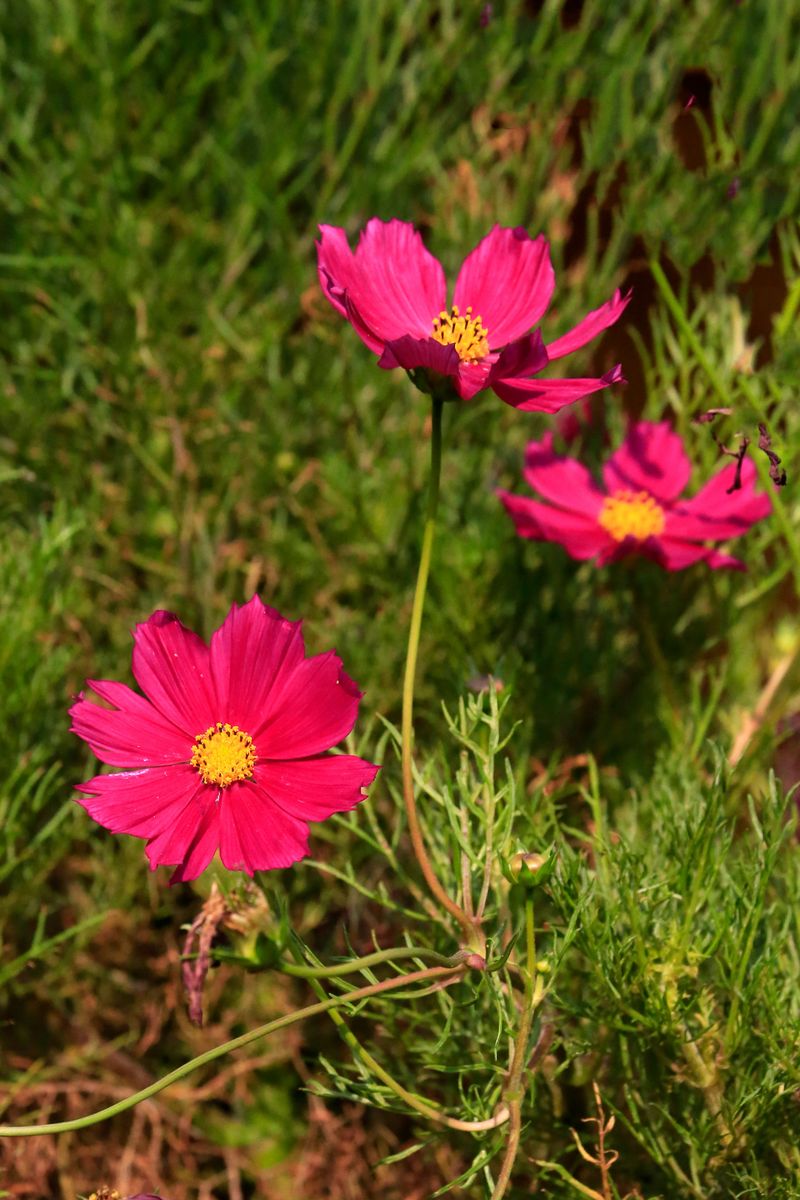
Cosmos have a delicate, airy look, with feathery leaves and tissue-thin petals floating on tall, willowy stems. They are also surprisingly easy to keep blooming for months.
Cut cosmos back by about one-third in July to encourage a fresh flush of growth. Do not be afraid of how bare the plant looks right after trimming.
Within a week or two, new stems typically shoot up and buds begin to form along each branch. The second flush of blooms is often fuller and more abundant than the first.
Cosmos are self-seeding annuals, which means they drop seeds as they bloom. Trimming spent blooms in July keeps the plant focused on producing flowers instead of setting seed too early.
These flowers love poor soil and minimal watering, which makes them almost foolproof. Overfertilizing actually causes cosmos to produce more leaves than blooms, so skip the heavy feeding after trimming.
Plant cosmos in a spot with full sun and good air circulation. They do not like to be crowded, and spacing them well reduces disease pressure through the humid Wisconsin summer.
The pastel shades of cosmos look stunning paired with the bold oranges and reds of late-season annuals. Mix them near marigolds or late zinnias for a color combination that feels warm and rich.
Keep the scissors handy through August and September, and your cosmos will reward you with blooms all the way until the first frost signals the end of the Wisconsin growing season.
6. Shasta Daisy
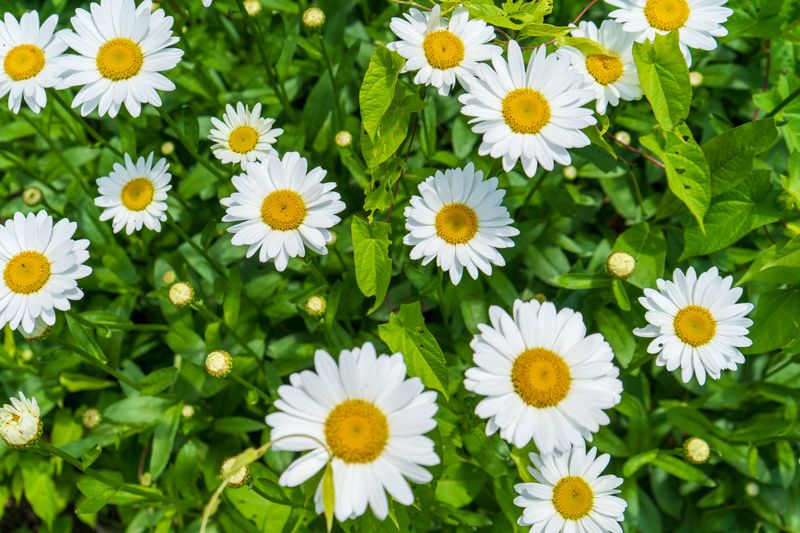
Shasta daisies have a classic, clean look that suits nearly any garden style. White petals, sunny yellow centers, and a cheerful upright habit make them a perennial favorite.
After the first bloom wave fades in early July, cut the entire plant back to about six inches from the ground. This hard trim may look severe, but Shastas are built for it.
New basal growth emerges quickly after the trim, and a second flush of blooms typically appears by late August. That second round often lasts well into October in Wisconsin.
Shasta daisies are perennials, so unlike annuals, they are building energy reserves in their roots all season long. A July trim channels that stored energy into new flower production instead of seed setting.
Dividing your Shasta clumps every two to three years keeps them vigorous and blooming well. If the center of the clump starts to look sparse, that is your cue to dig and divide.
After trimming, water your Shastas deeply once a week if rain does not cooperate. Consistent moisture helps roots recover and push up that second round of growth faster.
Shastas pair beautifully with black-eyed susans for a bold yellow-and-white contrast in late summer beds. The color combination feels fresh and classic without trying too hard.
Growing Shasta daisies in Wisconsin rewards patient gardeners who make that brave July cut. The payoff is weeks of bright white blooms that carry your garden all the way to frost.
7. Bee Balm
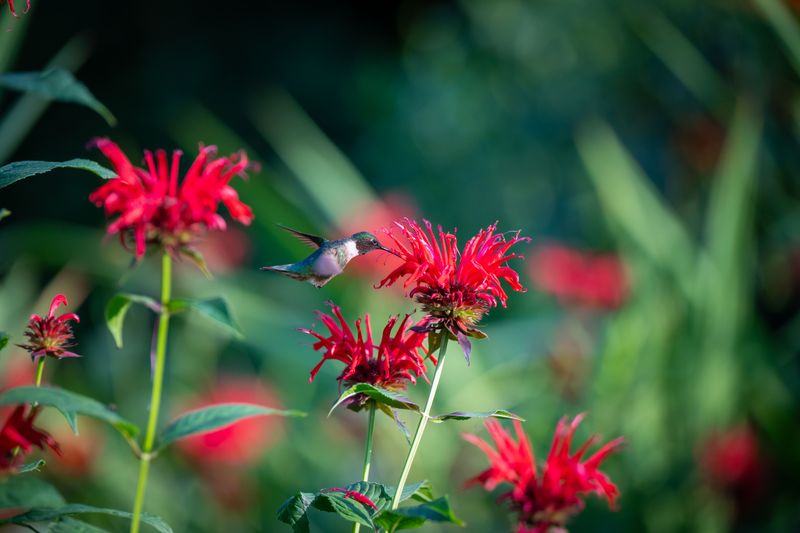
Bee balm is one of those plants that earns its name every single day it blooms. Hummingbirds, bees, and butterflies treat it like a buffet from the moment it opens.
Cut bee balm back hard in mid-July once the first bloom cycle starts to wind down. Trim spent flower heads and cut stems back to about half their height.
This trim prevents powdery mildew, which is bee balm’s biggest weakness in humid Wisconsin summers. Better airflow through the plant keeps the foliage clean and the roots healthy.
After cutting, new growth usually emerges from the base within a couple of weeks. The second round of blooms is usually smaller but still packed with enough color to keep pollinators coming.
Bee balm spreads aggressively through underground runners, so contain it with a buried border if space is tight. That spreading habit also means it recovers from a hard trim without missing a beat.
The fragrant leaves are a bonus that makes trimming a genuinely pleasant task. Crush a leaf between your fingers and you get a burst of oregano-mint scent that is surprisingly lovely.
Red varieties like Jacob Cline are especially mildew-resistant and rebloom more reliably after trimming. Seek those out at your local nursery if you have struggled with bee balm before.
A healthy, trimmed bee balm patch in late September still buzzes with insect activity, which is rare for most garden plants. That late-season pollinator action makes the July trim absolutely worth every snip.
8. Garden Phlox
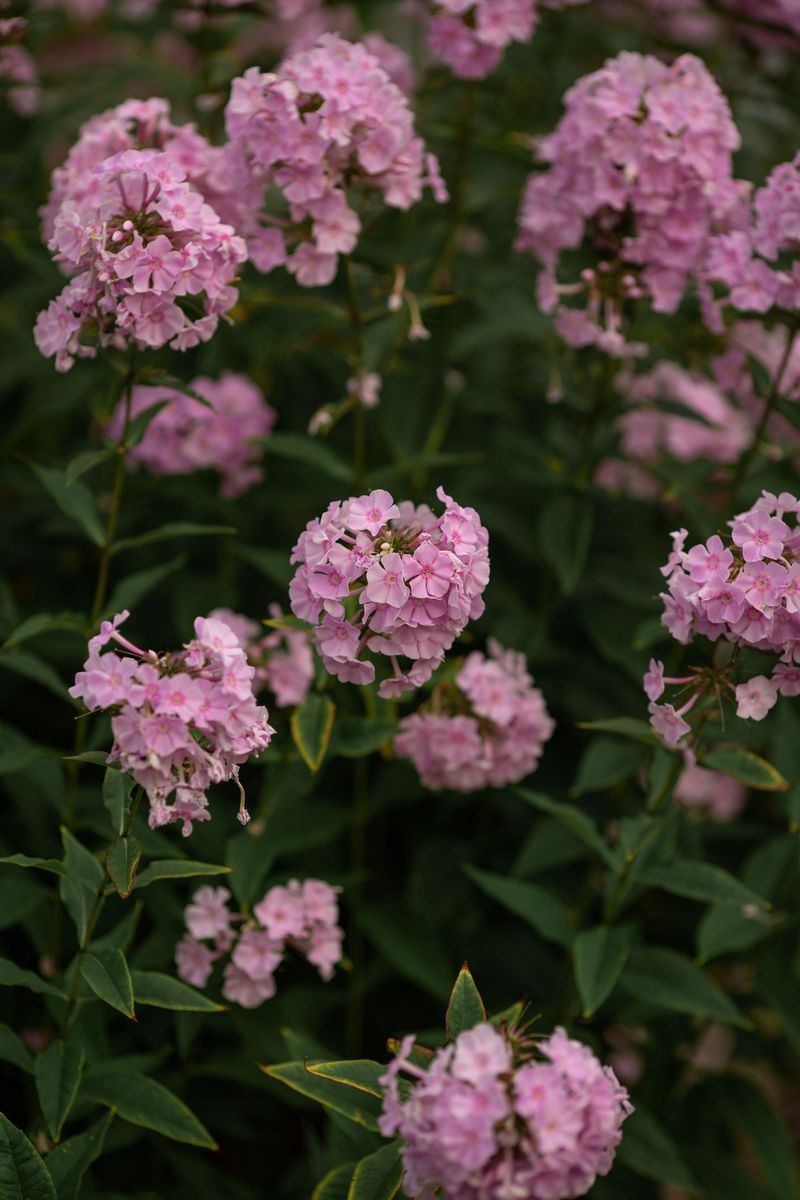
Garden phlox fills the late summer garden with towering columns of fragrant blooms that draw attention. The scent alone is worth growing this plant every single year.
In early July, pinch back the tips of about one-third of your phlox stems to delay their bloom cycle. This staggered approach gives you continuous color from July through September.
The unpinched stems bloom on their normal schedule while the pinched ones follow a few weeks later. You essentially double your bloom window with one simple technique and no extra plants needed.
Trim spent flower clusters throughout the season to prevent self-seeding. Phlox seedlings rarely match the parent plant in color and often revert to a muddy magenta that clashes with everything.
Powdery mildew is the main challenge with garden phlox, especially during humid Wisconsin summers. Trim away any affected leaves during your July session and improve airflow by removing crowded inner stems.
Watering at the base of the plant instead of overhead dramatically reduces mildew pressure. Keep the foliage dry and your phlox will look much cleaner through the entire growing season.
David phlox is a white variety known for outstanding mildew resistance and strong reblooming. If you want the most reliable blooms until frost, that cultivar is your best starting point.
Garden phlox paired with late-blooming coneflowers and salvia creates one of the most breathtaking fall displays in any Wisconsin yard. Make the July trim a habit and your garden will thank you every October.