Maryland Gardeners Still Have Time To Plant These Flowers For Fall Blooms
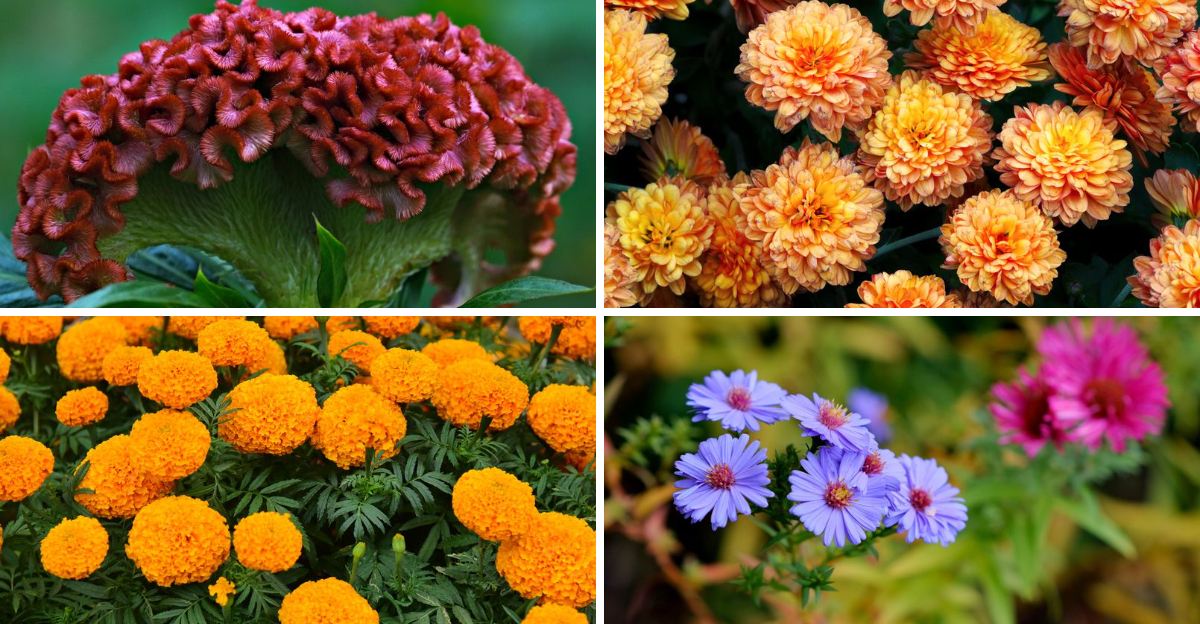
Labor Day doesn’t have to mark the end of your garden’s glory days. Right now, Maryland’s soil is still holding onto summer’s warmth while the air turns crisp at night, and that combination is exactly what fall bloomers crave.
Skip the instinct to pack it in for the season. This can be prime planting territory, whether you’re filling gaps in a tired border, refreshing a container on the porch, or starting a fresh bed altogether.
The plants on this list are easy to grow, ask for minimal fuss, and reward you with color for weeks before winter fully settles in. Think fiery mums, jewel-toned asters, and blooms that practically glow against fading green foliage.
Grab your trowel one more time this year. A little effort now means your yard stays the neighborhood standout long after everyone else’s gardens have gone quiet.
1. Zinnias
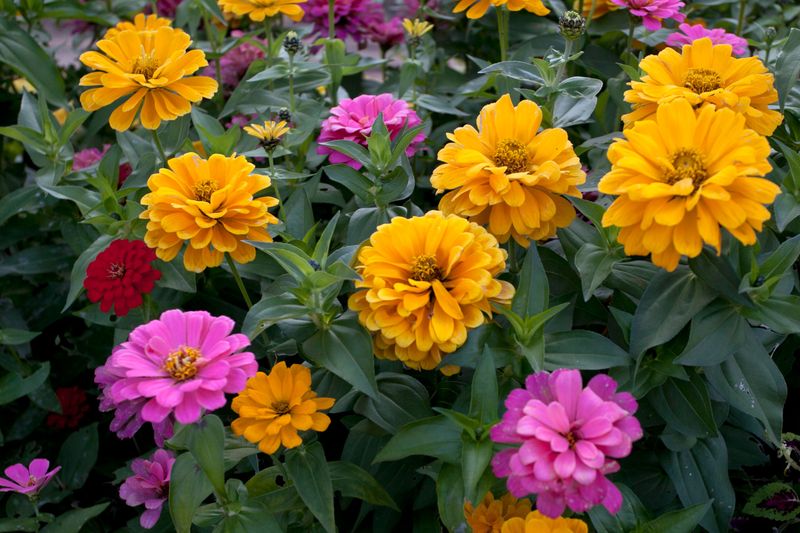
Zinnias are the overachievers of the garden world. They bloom fast, they bloom bold, and they ask for almost nothing in return.
Maryland gardeners still have time to plant these flowers for fall blooms, and zinnias top the list. A seed tucked into warm soil now can produce flowers in as little as six weeks.
That timeline works perfectly for a late-season color explosion before frost arrives. Zinnias love heat, and late summer soil temperatures in the mid-Atlantic region are still ideal.
Choose a spot with full sun and well-drained soil. Zinnias generally don’t tolerate soggy roots, so skip the low spots in your yard.
Direct sow seeds about a quarter inch deep and water gently. Thin seedlings to about six inches apart once they sprout.
Removing spent blooms regularly to keep new flowers coming fast. The more you cut, the more they produce, which is basically the best deal in gardening.
Butterflies and pollinators go absolutely wild for zinnias. Planting a patch near vegetables can also help attract more pollinators to your garden.
Pick varieties like Benary Giant or State Fair for tall, showy stems. Shorter types like Thumbelina work beautifully in containers on a porch or patio.
Zinnias also make incredible cut flowers for indoor bouquets. Snip them in the morning when stems are firm and full of water.
Zinnias prove that a late start does not mean a lackluster finish. Plant some this week and watch your garden steal the show all season long.
2. Cosmos
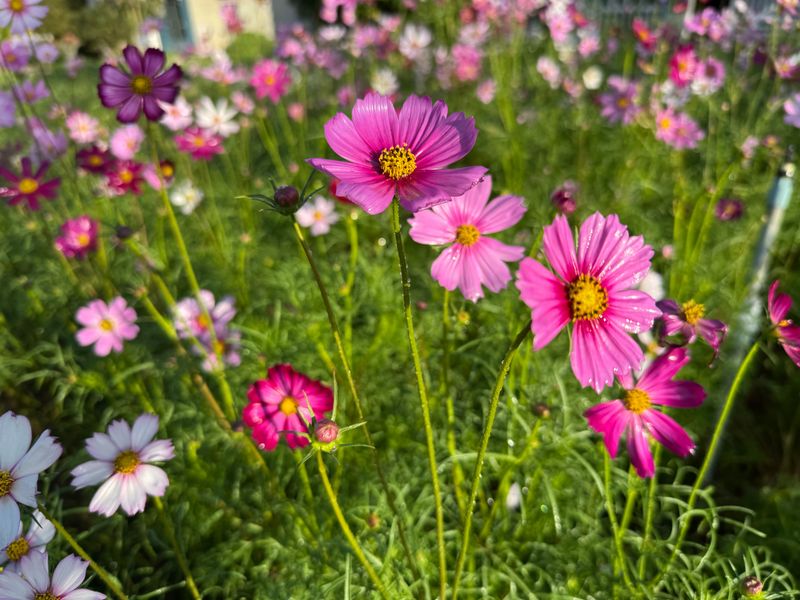
Cosmos are the free spirits of the flower world, swaying gracefully on long, airy stems like they do not have a care in the world. They bring a soft, dreamy quality to any garden space.
These blooms are shockingly easy to grow from seed. Scatter them directly in a sunny bed, press them lightly into the soil, and step back.
Cosmos actually prefer poor soil, which makes them a gardener’s dream. Overly rich soil produces lots of leaves and fewer flowers, so skip the fertilizer.
They sprout quickly in warm conditions and can flower in about seven to eight weeks from seed. That window still works for Maryland gardens in late summer.
Your Maryland Garden Changes Every Week. Your Plan Should Too.
Gardening in Maryland changes quickly throughout the season. Every Friday you’ll receive a simple weekly plan showing exactly what to plant, prune, fertilize, harvest, and protect so you never miss the right timing.
Choose classic varieties like Sensation Mix for tall, airy plants reaching four feet or more. Shorter Sonata varieties are excellent for borders and container displays.
Water new seedlings consistently until they establish, then ease off. Cosmos are drought-tolerant once they find their footing in the ground.
They self-seed generously, meaning next year’s plants may pop up on their own. Some gardeners call this a bonus; others call it a happy accident.
Pollinators adore cosmos blooms, especially bees and butterflies hunting for late-season nectar. A patch of cosmos can turn a quiet corner into a buzzing wildlife habitat.
Cut stems regularly for fresh indoor arrangements that last surprisingly well in a vase. Cosmos remind us that beauty does not always require a lot of effort or fuss.
3. Sunflowers
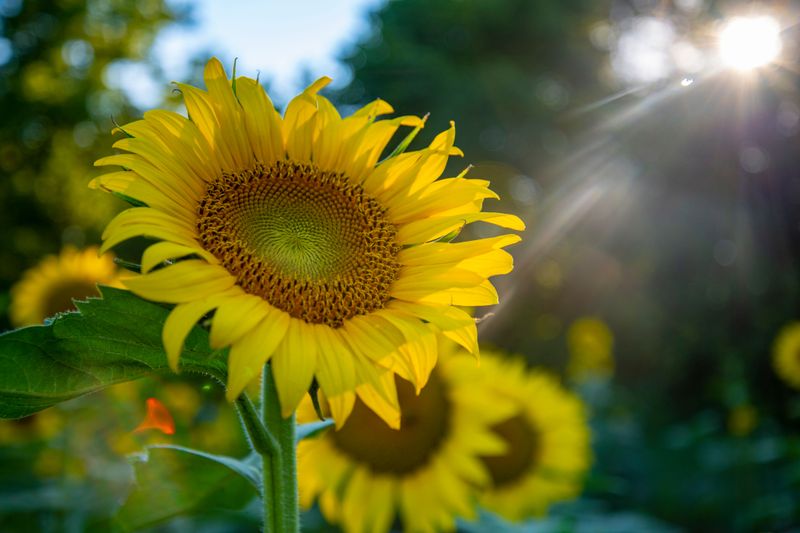
Few sights beat a row of sunflowers standing tall in a late-summer garden. They are bold, cheerful, and ridiculously rewarding to grow from seed.
Sunflowers grow fast, which is exactly why Maryland gardeners still have time to plant these flowers for fall blooms. Shorter varieties can go from seed to flower in about 50 to 60 days.
Choose quick-maturing types like Sunrich Orange or Italian White for the best results now. These compact varieties are also easier to manage in a backyard setting.
Plant seeds about an inch deep in a sunny location with at least six hours of direct sunlight. Space them about 12 inches apart to give each plant room to breathe.
Sunflowers generally don’t do well in soggy conditions, so good drainage helps. Water at the base of the plant rather than overhead to prevent mildew issues.
Once established, sunflowers are tough and drought-tolerant. They pull nutrients from the soil efficiently without much extra help from you.
Birds often flock to the seed heads as fall progresses, turning your garden into a natural feeding station. Goldfinches especially cannot resist a sunflower head packed with seeds.
Sunflowers also make spectacular cut flowers for kitchen tables and front porches. Harvest stems early in the morning when blooms are just beginning to open fully.
Growing sunflowers feels like a small act of optimism in the garden. Their upward-facing blooms are a reminder that even a late start leads to something golden.
4. Marigolds
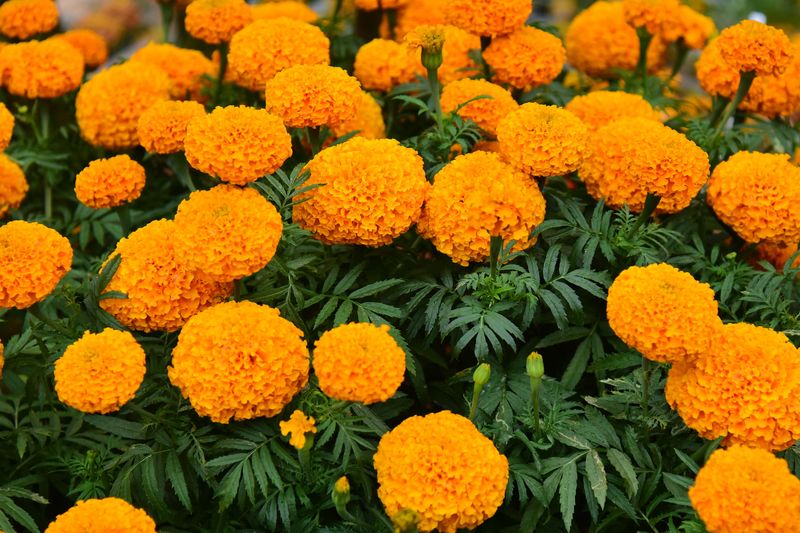
Marigolds are the workhorses of the fall garden, tough and dependable without attitude. They bloom in shades of gold, orange, and rust that feel perfectly matched to autumn.
Planting marigolds now is a smart move for any Maryland garden looking for low-effort color. They establish quickly and start blooming before you have had time to forget you planted them.
French marigolds are smaller and bushier, perfect for borders and containers. African marigolds grow taller and produce large, pom-pom blooms that make a dramatic statement.
Both types thrive in full sun and well-drained soil. They generally handle heat and drought well, which makes late-summer planting a breeze.
Marigolds are also traditionally planted near vegetables in hopes of deterring certain garden pests. Gardeners often tuck them near tomatoes and peppers to keep aphids and whiteflies at bay.
Removing spent blooms keeps the plant producing new flowers right up until frost. A quick pinch here and there is all it takes to maintain that colorful display.
Marigolds are one of the easiest flowers to grow from transplants found at local nurseries. You can also start them from seed, though transplants give you a head start now.
Their scent is distinctive and polarizing, but pollinators seem to love it. Bees and butterflies visit marigold blooms regularly throughout the fall season.
Marigolds are proof that reliability never goes out of style in a garden. Plant them now and enjoy weeks of warm, glowing color through the crisp fall air.
5. Celosia
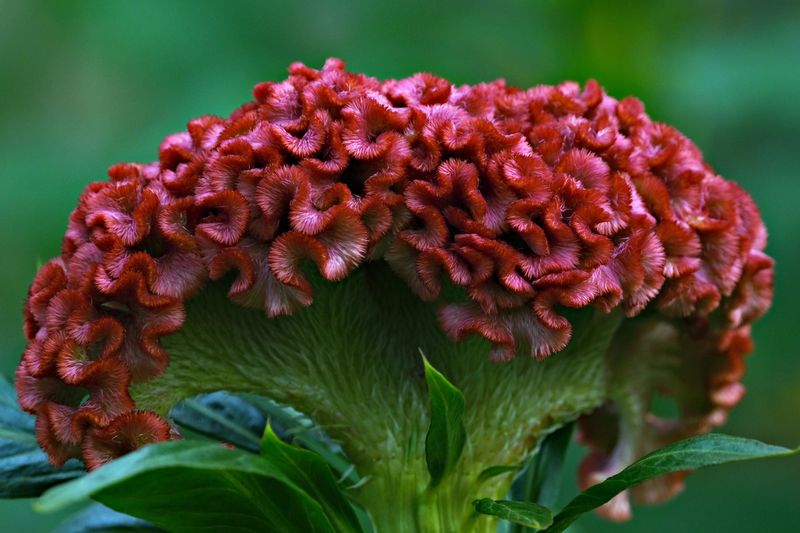
Image Credit: © hartono subagio / Pexels
Celosia looks like someone turned a garden on fire, in the best possible way. Its flame-shaped or velvety crested blooms are unlike anything else growing in a typical yard.
Also called cockscomb or feathered amaranth, celosia brings serious texture to fall garden beds. The unusual shapes and saturated colors create instant visual drama wherever you plant it.
Celosia loves heat and humidity, making it a natural fit for Maryland’s lingering summer conditions. Late-season planting still gives it plenty of warm days to establish and bloom.
Choose from plumed varieties for feathery, upright spikes or crested types for the classic velvety fan shape. Both perform beautifully in beds, borders, and mixed container arrangements.
Start from transplants for the fastest results at this point in the season. Seeds can work too, but transplants give you a two-week head start heading into fall.
Plant in full sun with well-drained soil and water consistently during the first few weeks. Once established, celosia handles dry spells with impressive resilience.
The blooms hold their color exceptionally well, even as temperatures begin to dip. Celosia is also a fantastic choice for dried flower arrangements that last through winter.
Cut stems before blooms fully open and hang them upside down in a cool, dry space. Within two weeks, you will have stunning dried flowers that keep their vivid color for months.
Celosia is a conversation starter in any garden setting. One glance at those wild, textured blooms and guests will immediately want to know what it is.
6. Asters
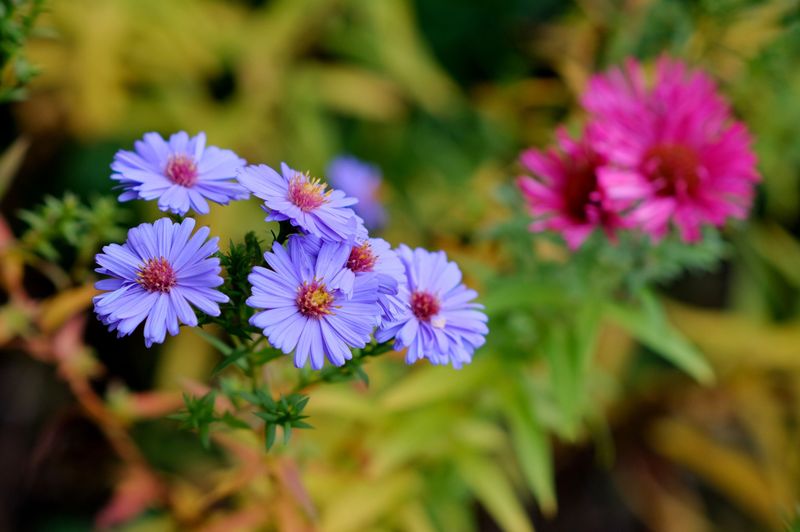
Asters are the stars of the fall garden, and they mean that literally. Their daisy-like blooms in purple, pink, and white pop open just as most summer flowers start to fade.
Timing a planting now puts asters right on track for a spectacular autumn show across Maryland. These plants are practically designed for the cooler days and crisp nights of September and October.
New England asters are especially popular and grow well in mid-Atlantic climates. They reach two to four feet tall and spread into full, bushy mounds loaded with blooms.
Plant asters in a spot with full sun for the strongest flowering. They tolerate light shade but produce fewer blooms when sunlight is limited throughout the day.
Transplants from local nurseries are your best bet at this stage of the season. Look for healthy, compact plants with buds just beginning to show color.
Water consistently after planting, especially during dry spells in late summer. Asters prefer moist but well-drained soil and do not like to sit in standing water.
Pinching back stems in early August encourages bushier growth and more blooms. If you missed that window, simply plant and let them grow naturally from here.
Monarch butterflies often depend on asters as a late-season nectar source during migration. Planting asters is one of the most meaningful things a gardener can do for pollinators.
Asters close out the gardening season with a burst of color that feels like a standing ovation. Your fall garden deserves that kind of grand finale.
7. Black-Eyed Susan
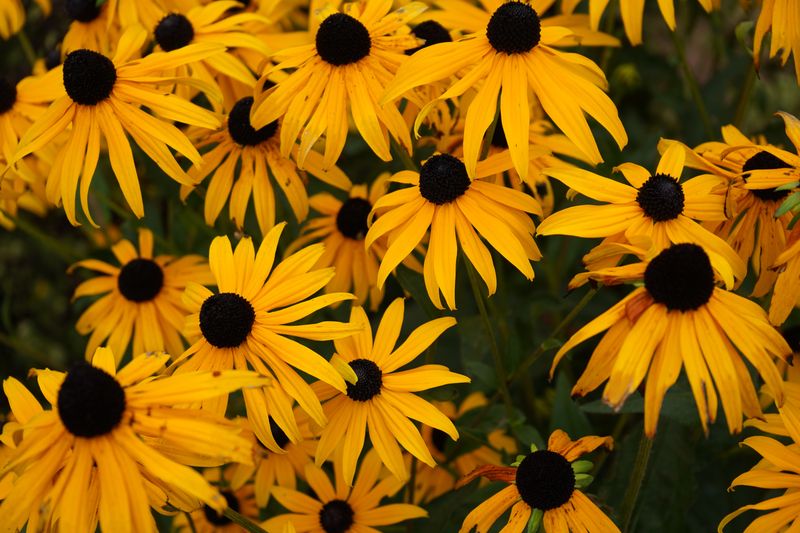
Black-eyed Susans are Maryland’s official state flower, and for good reason. These golden bloomers are tough, cheerful, and bloom for weeks without any fuss from the gardener.
Rudbeckia is the botanical name, but most gardeners just call it a showstopper. The bold yellow petals surrounding that deep brown center are instantly recognizable from a distance.
Maryland gardeners still have time to plant these flowers for fall blooms, and black-eyed Susans are one of the smartest choices available right now. Transplants establish quickly in warm late-summer soil.
Plant in full sun for the best blooming performance throughout the season. These plants can handle partial shade but will stretch toward sunlight and produce fewer flowers overall.
They are remarkably drought-tolerant once established, making them ideal for gardeners with busy schedules. A deep watering once or twice a week is plenty after the first two weeks.
Rudbeckia also attracts a wide range of pollinators, from bees to butterflies. The seed heads that form after blooming feed goldfinches and other small birds through winter.
Pair them with asters and ornamental grasses for a classic fall garden combination. That trio of textures and colors creates a naturalistic look that feels both wild and intentional.
Black-eyed Susans spread slowly over time and return reliably year after year. One planting this fall could reward you with a growing patch for many seasons ahead.
Few flowers capture the spirit of an autumn garden quite like these golden beauties. Plant them now and let them remind you why fall gardening is worth every effort.
8. Chrysanthemums
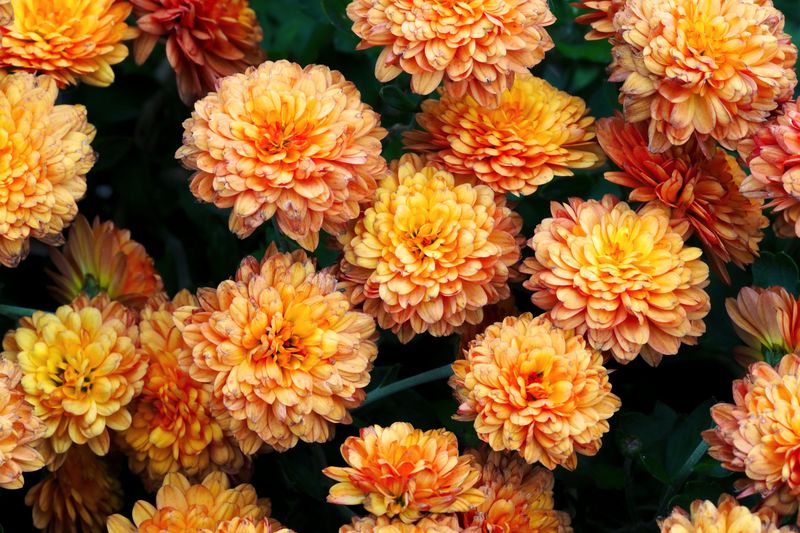
Walk into any garden center in September and mums are impossible to miss. They are stacked in every color imaginable, from deep burgundy to bright gold to soft lavender.
Chrysanthemums are practically synonymous with fall, and Maryland gardeners lean on them hard every autumn season. Few plants deliver such instant, reliable color with so little effort required.
Pot-grown mums can be planted directly into garden beds or left in containers for porch displays. Either way, they bring that classic fall feeling to any outdoor space immediately.
Choose garden mums rather than florist mums for better cold tolerance and longer outdoor performance. Florist varieties are bred for indoor use and often struggle once temperatures start dropping.
Plant in full sun and well-drained soil for the most vigorous blooming through fall. Mums planted in shadier spots tend to get leggy and produce fewer flowers overall.
Water at the base of the plant to keep foliage dry and prevent fungal issues. Consistent moisture is important, especially during the first few weeks after planting in a new spot.
Fertilizing mums at planting time gives them a quick energy boost for stronger blooms. A balanced slow-release granular fertilizer worked into the soil does the job nicely.
Mums left in the ground over winter often return in spring with new growth. Mulching around the base after the first frost gives roots extra protection against cold soil temperatures.
Chrysanthemums are the crown jewel of any fall garden plan in Maryland. Plant them now and enjoy a front-yard display that stops neighbors in their tracks.
9. Snapdragons
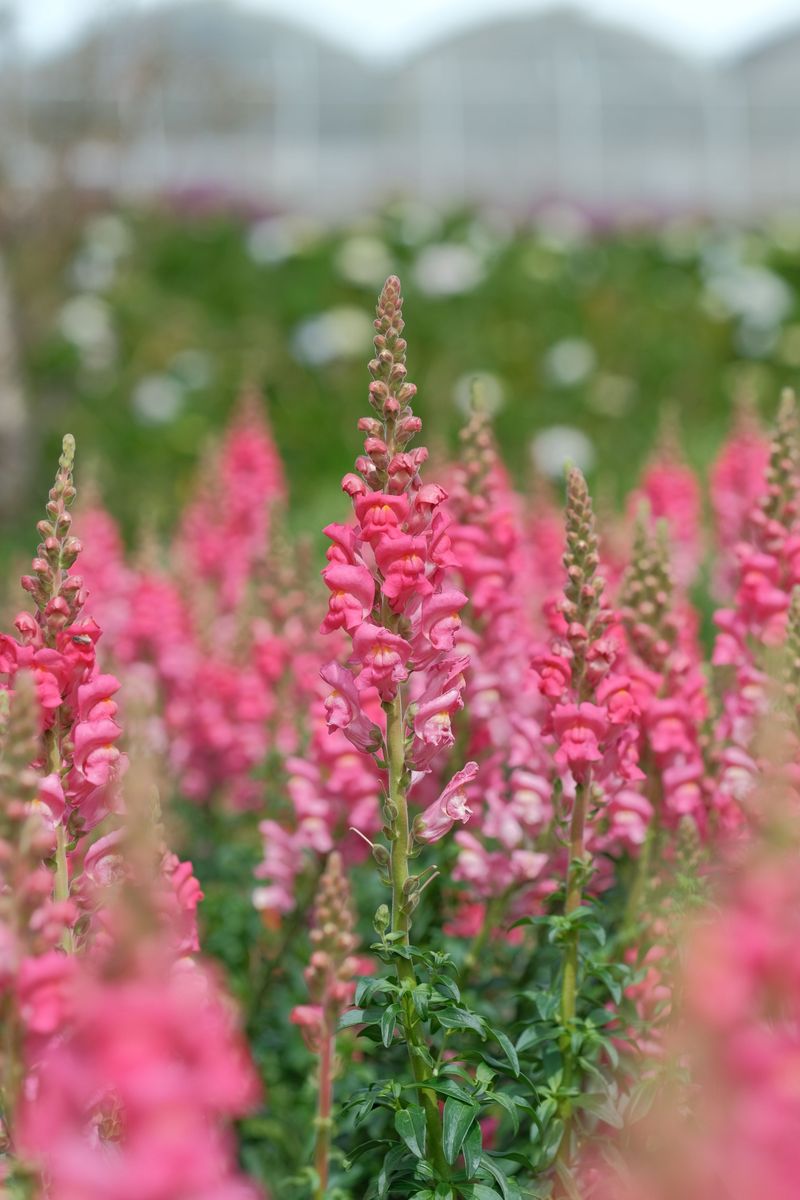
Snapdragons are the quirky, cool kids of the fall garden. Squeeze the sides of a bloom and it opens like a tiny mouth, a trick that has delighted gardeners of every age for generations.
Beyond the fun factor, snapdragons are serious performers in cooler weather. Unlike most summer flowers, they actually prefer the mild temperatures that define a Maryland fall season.
Plant transplants now while soil is still warm enough to encourage quick root establishment. Snapdragons will push through cooler air as long as their roots are settled and secure.
Choose a spot with full sun and good air circulation to keep foliage healthy. Snapdragons can be prone to rust in humid conditions, so spacing plants well matters.
Tall varieties like Rocket Mix can reach three feet and make stunning cut flowers for fall arrangements. Dwarf types like Montego are perfect for container gardens and front-of-border planting.
Pinch the growing tip of each transplant right after planting to encourage bushier growth. That small act of pruning leads to more branching and ultimately more blooms across the plant.
Snapdragons are cool-season bloomers that can surprise you with a second flush of flowers. If they slow down mid-fall, cut them back slightly and watch for fresh new growth.
Hummingbirds and bumblebees are particularly fond of snapdragon blooms. Their tubular shape is perfectly designed for pollinators that can push past the flower’s closed lips.
Snapdragons bring a playful energy to fall gardens that other flowers simply cannot match. Plant them now and let their spiky, colorful spires carry your garden right up to frost.