What To Do With Your Florida Gardenias In July So They Come Back Strong
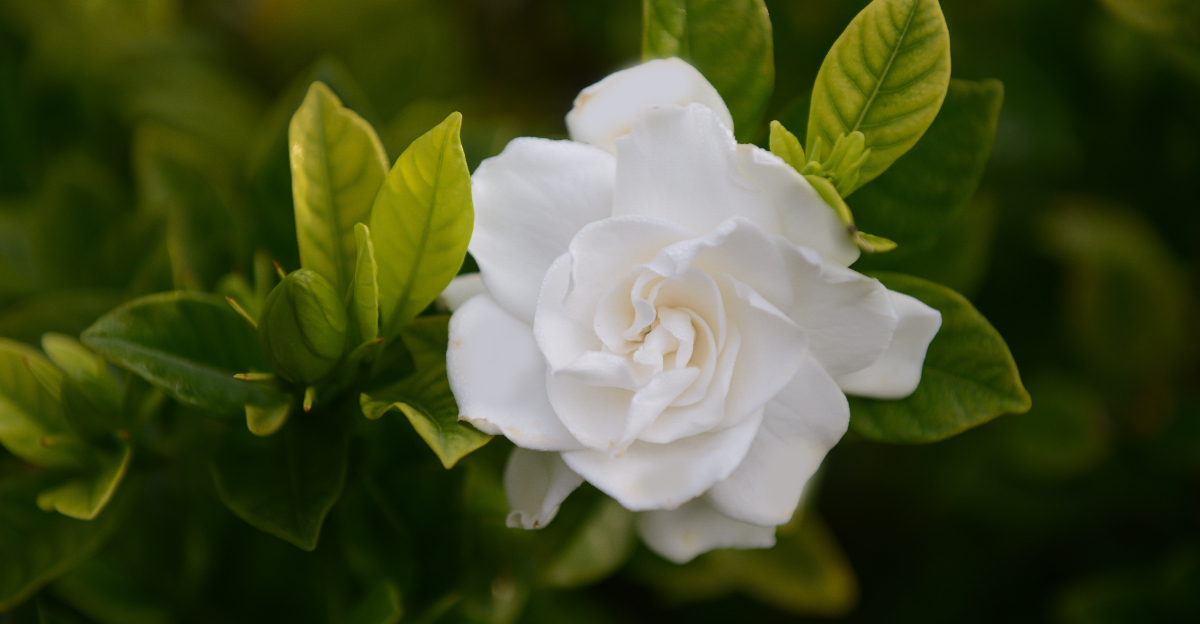
Gardenias in July rarely get the attention they actually need. The blooms are finished, the heat has settled in, and the plant gets ignored during the hardest stretch of summer.
That inattention in July is exactly what makes so many Florida gardenias disappoint the following spring. July is not a resting month for gardenias.
It is a working month, and what the plant does during this stretch determines how well it sets up for next season’s bloom.
A few targeted tasks right now protect the root system, support new growth, and prevent the kind of summer stress that shows up as poor flowering months later.
None of them are complicated or time-consuming. The gardenia that gets the right support in July comes back noticeably stronger.
The one that gets ignored through the heat often does not.
1. Prune Lightly After The Blooms Fade
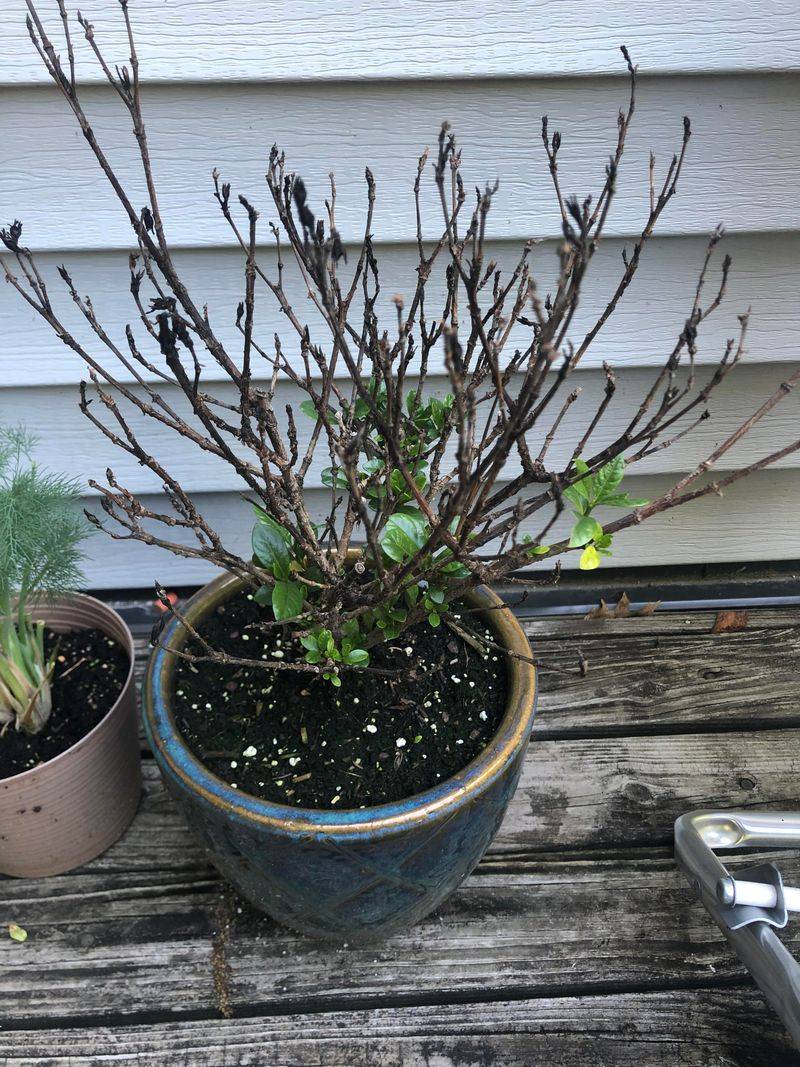
Spent gardenia flowers do not just look tired. Left on the plant, they can become an entry point for fungal problems in humid summer conditions.
July is a reasonable time for light cleanup pruning, especially if your shrubs finished blooming in late spring or early June.
The key word here is light. You are not reshaping the entire shrub or cutting it back hard.
Focus on removing faded blooms, withered or crossing twigs, and any awkward branches that stick out at strange angles. Small, careful cuts are the goal.
Gardenias set their flower buds on mature wood, meaning growth that has had time to develop and harden. If you prune heavily in July, you risk cutting off the wood that would have carried next season’s buds.
That is a mistake that will not show up until spring, when the blooms are noticeably fewer.
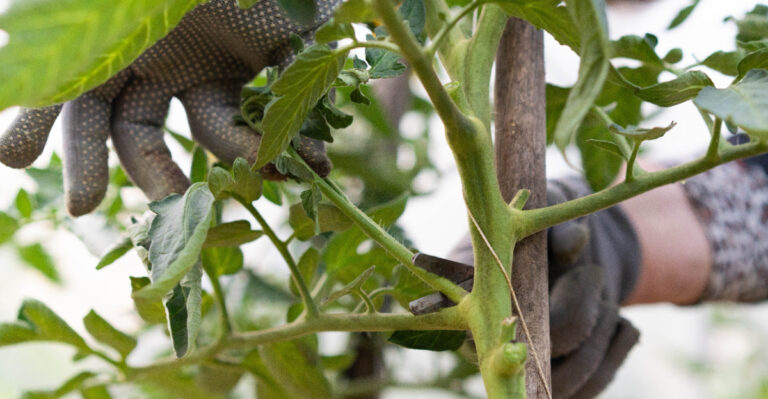
Use clean, sharp pruners and make cuts just above a leaf node or lateral branch. Wipe your blades with rubbing alcohol between plants to avoid spreading any disease.
Shape the plant gently rather than shearing it into a tight ball. A natural, open form is healthier and allows better airflow through the canopy.
2. Keep The Soil Moist But Not Soggy
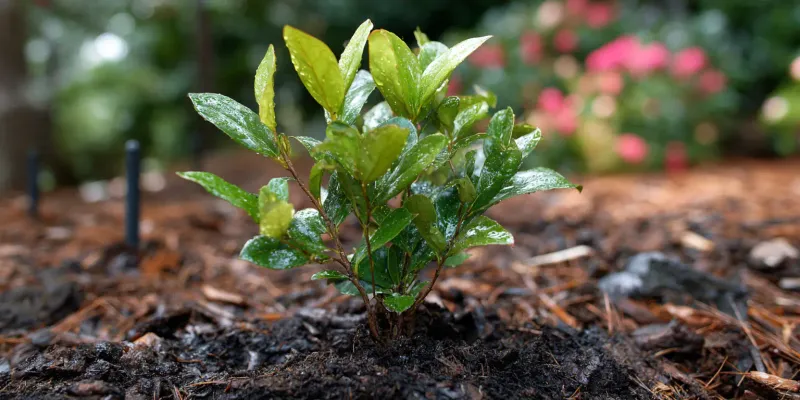
Grab a handful of soil near your gardenia’s roots and squeeze it. If it clumps and feels damp but not dripping, you are in good shape.
If water runs out easily or the soil feels slimy, the plant is getting too much water. If it crumbles apart and feels bone dry, it is time to water.
Gardenias want consistent moisture, not wet feet. July in Florida brings heavy afternoon rain some days and nothing at all on others.
Watering on a fixed schedule without checking the soil first is one of the most common mistakes gardeners make during summer.
Sandy soils drain fast and may need more frequent watering. Low spots, clay-heavy areas, or compacted ground can hold water too long and suffocate shallow roots.
Container gardenias dry out faster than in-ground plants, so check pots more often.
Always water at the soil level rather than overhead. Wetting the leaves in humid conditions invites fungal problems.
Your Florida Garden Changes Every Week. Your Plan Should Too.
Gardening in Florida changes quickly throughout the season. Every Friday you’ll receive a simple weekly plan showing exactly what to plant, prune, fertilize, harvest, and protect so you never miss the right timing.
A slow, deep watering a few times per week is usually more effective than a quick daily sprinkle. The goal is steady, even moisture that never lets the root zone go completely dry or sit in standing water.
3. Protect Roots With Fresh Mulch
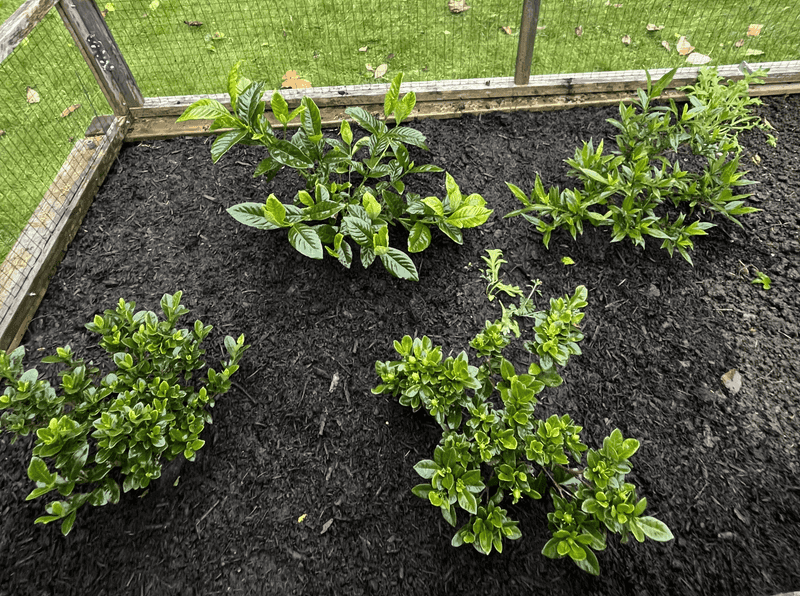
Mulch does a lot of quiet, important work in a summer garden. For gardenias, mulch helps hold soil moisture between waterings and buffers soil temperature against the intense July heat.
It also reduces weed competition that would otherwise steal nutrients and water from shallow roots.
Walk around your gardenias and check whether the mulch layer has thinned out, washed away from summer rains, or broken down since you last refreshed it. A layer of two to three inches is the general target.
Less than that and you lose most of the benefit. More than four inches can trap too much moisture against the stem.
Keep a clear gap of a few inches between the mulch and the base of the plant. Piling mulch directly against the trunk holds moisture against the bark and can encourage rot or pest activity over time.
Think of the gap as a breathing space for the plant.
Pine bark, pine straw, shredded leaves, and wood chips are all reasonable organic options for gardenias. As organic mulch breaks down, it adds a small amount of organic matter to the soil, which can gently support the slightly acidic conditions gardenias prefer.
Refresh as needed rather than waiting until the layer is completely gone.
4. Feed Carefully During Active Growth
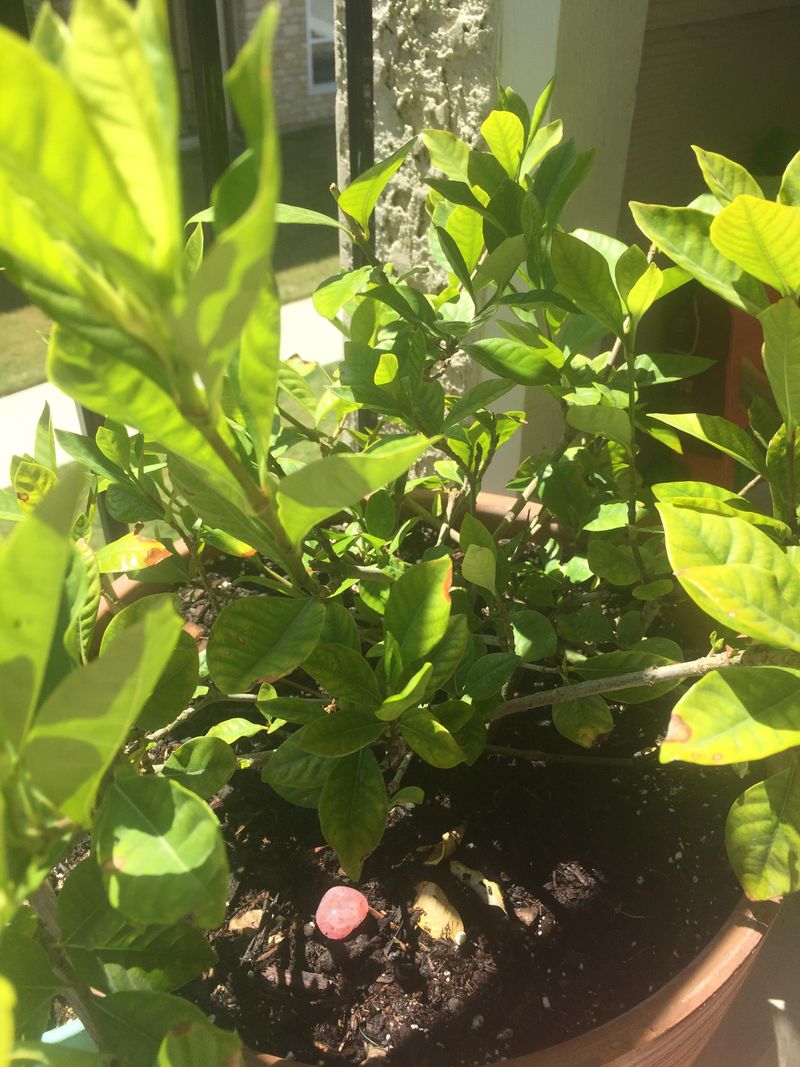
Fertilizing gardenias in July is not something to skip entirely, but it is also not the time to pour on extra product hoping to push more blooms.
The plant is in active vegetative growth during summer, which means it can use nutrients, but it also means stress from too much fertilizer can cause real problems.
Gardenias prefer slightly acidic soil, typically a pH between 5.0 and 6.5. In that range, nutrients like iron and manganese stay available to the plant.
When pH creeps too high, the plant cannot absorb those nutrients even if they are present in the soil. Yellowing leaves despite regular feeding is often a pH issue, not a fertilizer shortage.
Choose an acid-forming fertilizer labeled for gardenias, camellias, or azaleas and follow the label directions carefully. More is not better.
Excessive nitrogen in summer can push soft, weak growth that is more vulnerable to pests and heat stress.
If your gardenias keep showing problems despite regular feeding, a soil test through your county extension office is a smarter next step than adding more product. Extension offices across Florida offer low-cost soil testing and can give you specific guidance for your yard’s conditions.
Feed with intention, not habit.
5. Watch Yellow Leaves Before Guessing
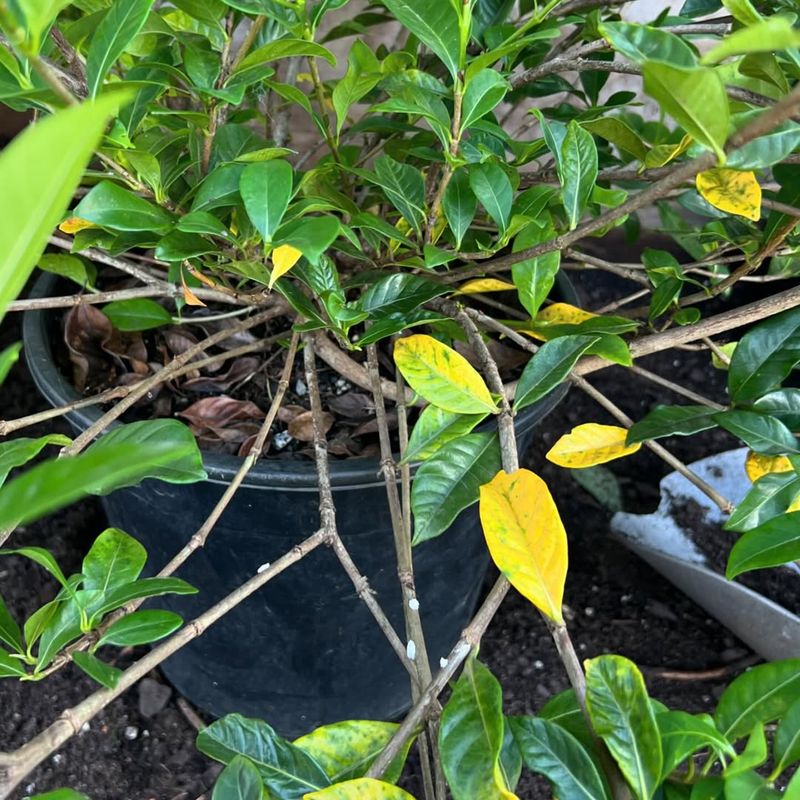
Yellow leaves on a gardenia can mean several different things, and reacting before you know the cause is a fast way to make the situation worse. Before reaching for any product, take a few minutes to actually look at the plant carefully.
Start by noticing which leaves are turning yellow. Older leaves near the bottom of the plant naturally drop off as the shrub puts energy into new growth.
That kind of yellowing is normal and not a sign of trouble. If new growth at the tips is yellowing while older leaves stay green, that pattern often points to an iron deficiency or high soil pH.
Uniform yellowing across the plant, combined with soft or wet soil, may suggest overwatering or poor drainage. Yellowing with dry, crispy edges in hot weather can mean the plant is not getting enough water.
Yellowing with sticky residue on the leaves or small insects visible underneath points to a pest problem.
Check the soil moisture, look under the leaves for insects, and think about recent weather and watering habits. If the problem persists after you make adjustments, reach out to your county extension office.
A soil test or in-person diagnosis from a local expert is far more reliable than guessing based on one symptom alone.
6. Check For Whiteflies And Scale
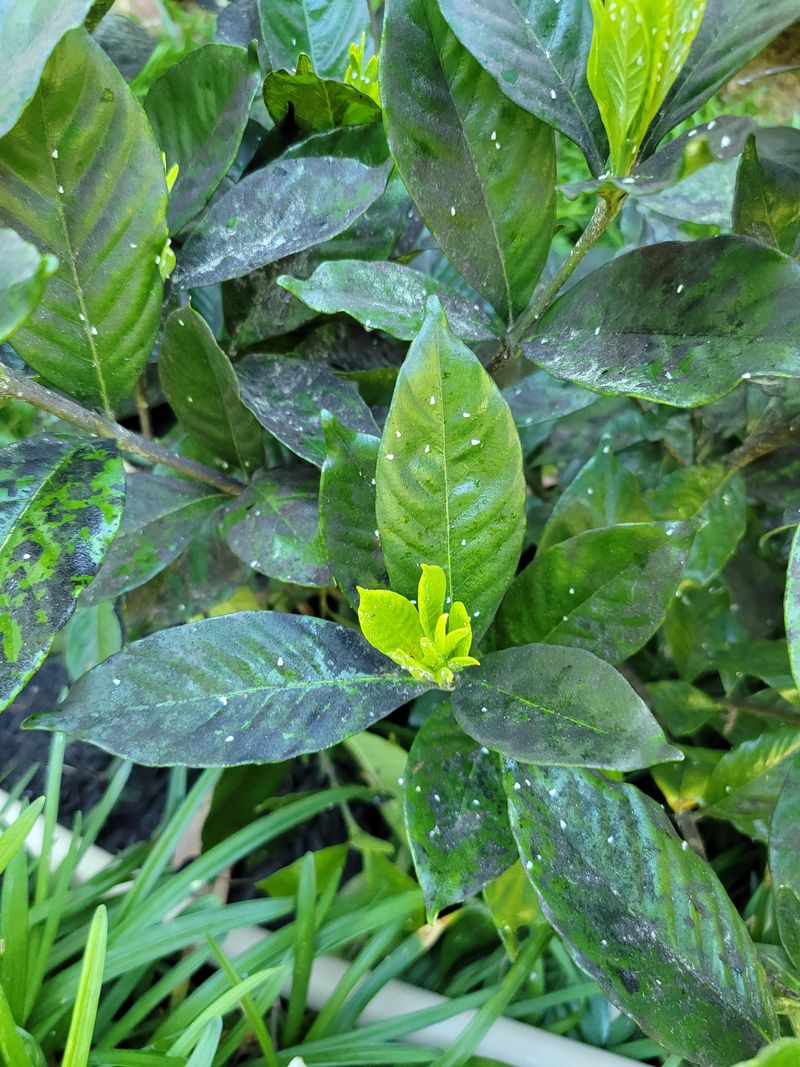
Flip a few gardenia leaves over and take a close look. Tiny white insects that flutter up when disturbed are whiteflies.
Flat, waxy bumps stuck to stems and leaf surfaces are scale insects. Both are common visitors to gardenias during warm, humid months and both feed by sucking sap from the plant.
Aphids and mealybugs also show up from time to time. Mealybugs look like small tufts of white fuzz clustered in joints and along stems.
Aphids are soft-bodied and usually found in groups on new growth. All of these insects weaken the plant and leave behind a sticky substance called honeydew, which leads to other problems.
Small infestations caught early are much easier to manage. A strong spray of water from a hose can knock insects off the plant, especially on sturdy older leaves.
For more persistent problems, horticultural oil or insecticidal soap labeled for the specific pest can help when applied according to directions.
Always identify the pest before treating. Using the wrong product wastes time and money and can harm beneficial insects that help keep pest populations in check.
Check your plants every week or two during summer, since catching an infestation early makes management much simpler and less disruptive to the plant overall.
7. Clear Sooty Mold By Stopping Pests
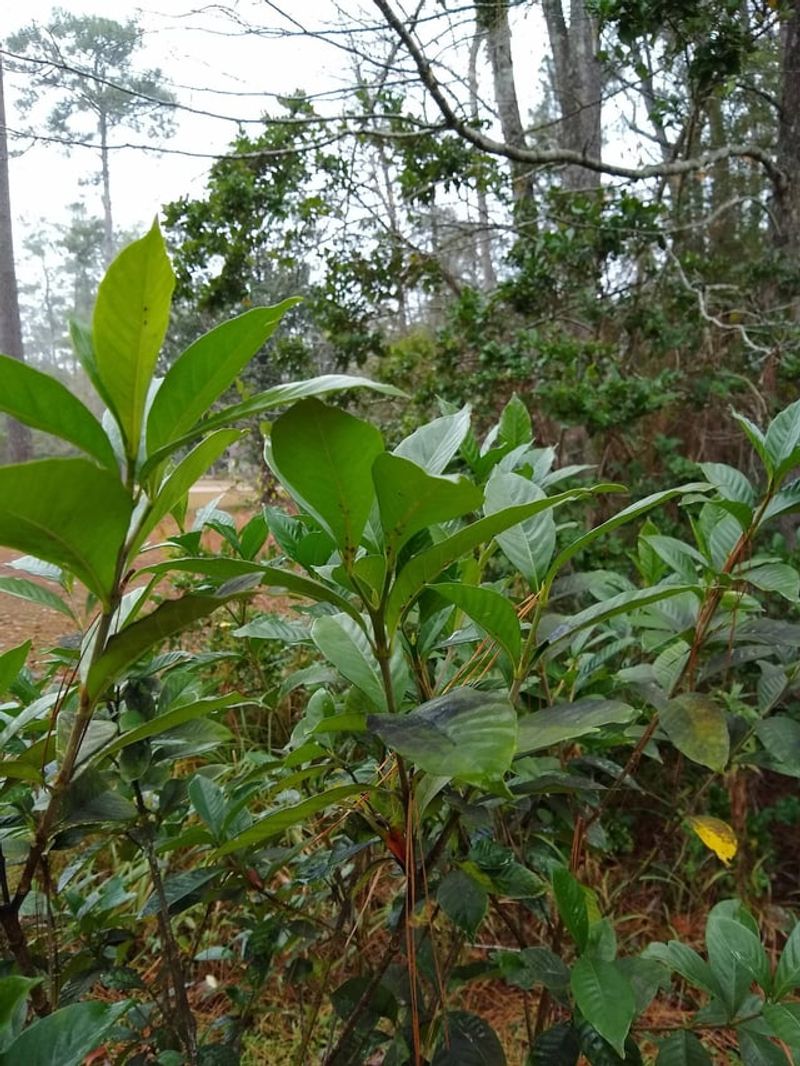
A dark, powdery coating on gardenia leaves is called sooty mold, and it looks alarming at first glance. Many Florida gardeners assume it is a disease attacking the plant directly.
Sooty mold is actually a fungus that grows on the sticky honeydew left behind by sap-feeding insects.
If you see sooty mold, the real problem is underneath it. Whiteflies, scale, aphids, and mealybugs all produce honeydew as a byproduct of feeding.
Ants are often a clue as well, since they are attracted to honeydew and will actively protect pest colonies to keep that food source available.
Scrubbing the mold off the leaves without dealing with the insects is only a temporary fix. The mold will return as long as the pests keep producing honeydew.
Focus on identifying and managing the insect infestation first, using labeled horticultural products when needed and following directions carefully.
Once the pest population is under control and honeydew production stops, sooty mold typically weathers away on its own over time.
You can gently wipe accessible leaves with a damp cloth to help speed things along, but the plant does not need aggressive scrubbing.
Steady pest management is the real solution, not surface cleaning.
8. Help New Growth Harden Before Fall
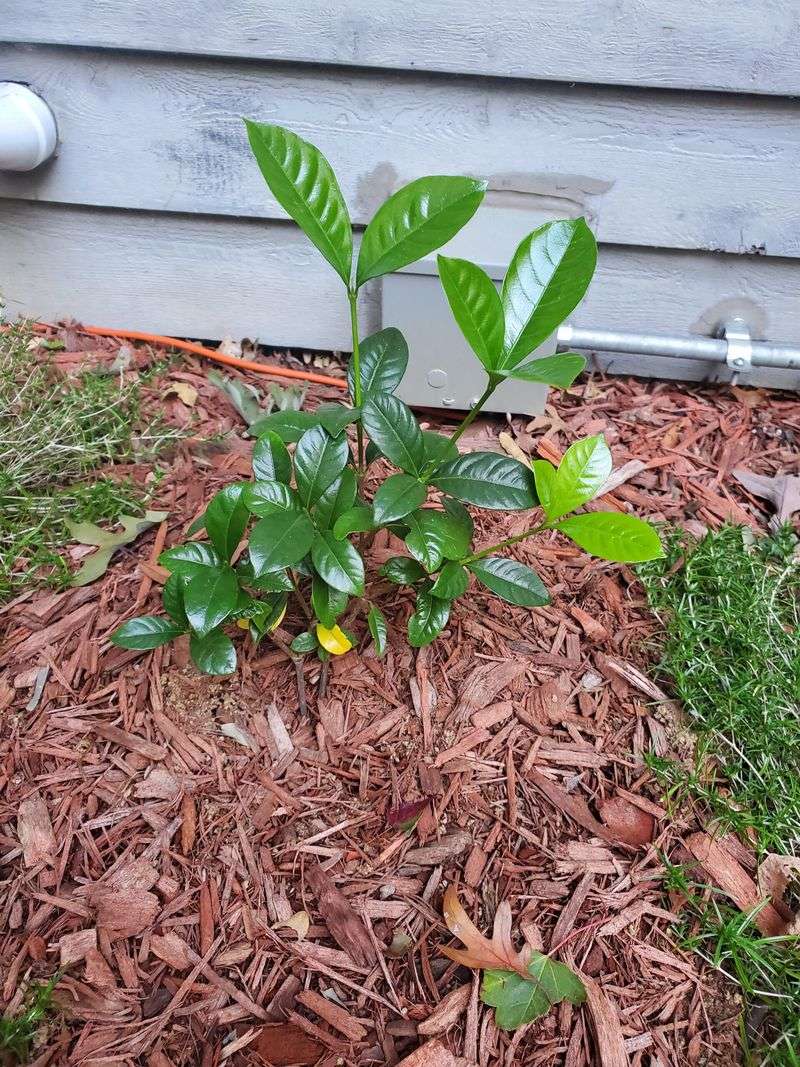
July care is not just about keeping your gardenias alive through Florida summer heat. Every good decision you make right now directly affects how strong the plant will be when temperatures start to ease and the next growth cycle begins.
Think of this month as preparation, not just maintenance.
Avoid heavy pruning from this point forward. New growth pushed out by late-season pruning will not have enough time to mature before cooler weather arrives, and immature wood is more vulnerable to stress.
Let the plant put its energy into hardening what is already growing rather than starting over.
Keep moisture steady, continue checking for pests every week or two, and hold off on heavy fertilizer applications as summer winds down. A balanced, lightly applied feeding in late summer is fine if the plant is actively growing and soil pH is in the right range.
But excessive nitrogen late in the season pushes soft, weak growth that is not ready for what comes next.
Healthy, hardened new growth is what carries the plant through the transition into fall and sets the stage for future flower buds. Steady, low-stress care throughout July and August gives gardenias the foundation they need.
Small, consistent efforts now lead to a stronger, fuller, better-blooming shrub when the season turns.