This Native Florida Grass Is Replacing St. Augustine In Flood-Prone Florida Yards
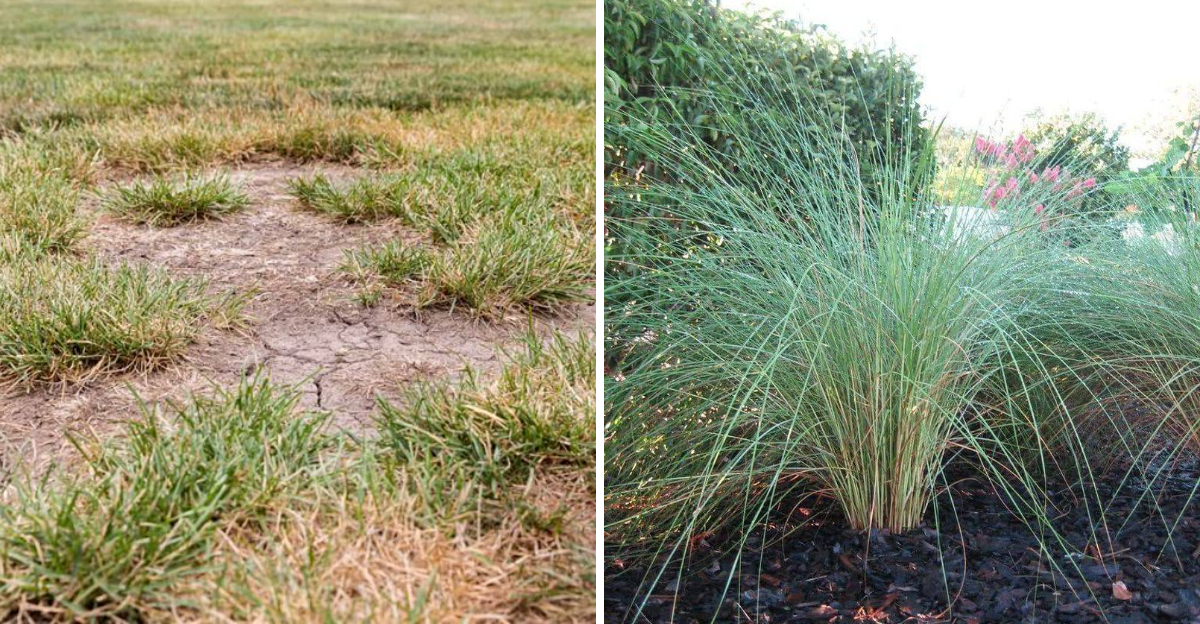
St. Augustine grass and flood-prone Florida yards have a troubled relationship. Standing water, saturated soil, the kind of repeated soaking that a heavy rainy season delivers without apology.
St. Augustine tolerates a lot, but sustained flooding pushes it past what it was built for. The bare, struggling patches that follow are familiar to anyone who has dealt with a low spot that never quite drains right.
A native Florida grass has been showing up in those patches as a practical replacement. Not a full lawn swap.
Just a smarter solution for the spots where St. Augustine keeps failing the same way every season. It handles flooding the way a plant that evolved in Florida’s coastal and wetland edges would be expected to.
Without drama, without the recovery period, and without the ongoing effort that keeping St. Augustine alive in wet conditions demands. For the patches that never recover, this native is worth a serious look.
1. Sand Cordgrass Handles Wet Soil Better Than St. Augustine
Picture the low strip along your backyard swale after a summer storm. St. Augustine sits there looking pale, thin, and waterlogged while the rest of the lawn looks fine.
That recurring stress is a sign the site needs a different plant, not more sod.
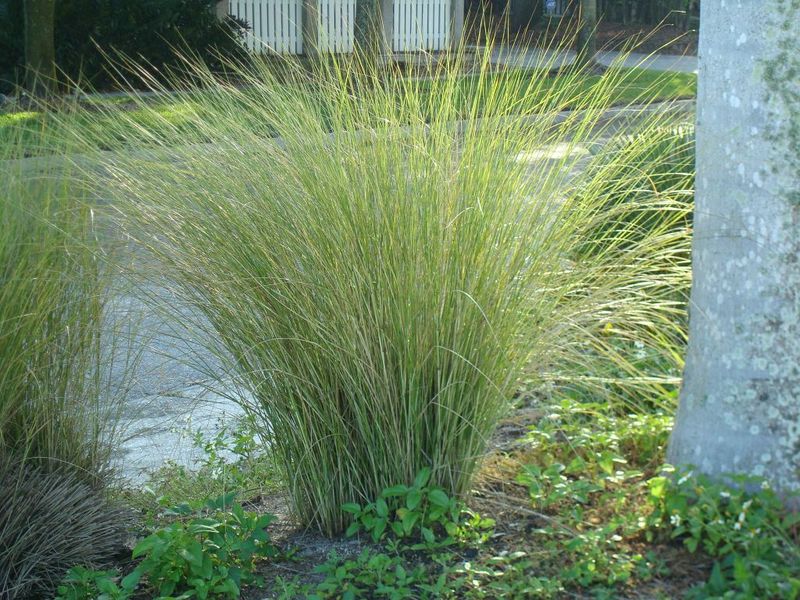
Sand cordgrass (Spartina bakeri) is a native clumping grass found naturally in wet flatwoods, marsh edges, and pond borders across much of this state. According to UF/IFAS, it tolerates moist to wet soils well and holds up in areas that experience periodic flooding.
Its deep, fibrous root system anchors it in soggy ground where shallow-rooted turf struggles to stay healthy.
St. Augustine is a solid turfgrass for many home lawns, but it is not well suited to spots with poor drainage, compacted wet soil, or repeated inundation. Roots weaken, disease pressure increases, and the turf thins out in the same wet patch every season.
Sand cordgrass does not replace your entire lawn. It replaces the specific wet problem area where turf keeps failing.
Planted correctly in a low, sunny, moist site, it can stay green and upright through the rainy season without the constant stress that wears down sod in the same spot.
2. The Swap Starts Where Sod Keeps Thinning Out
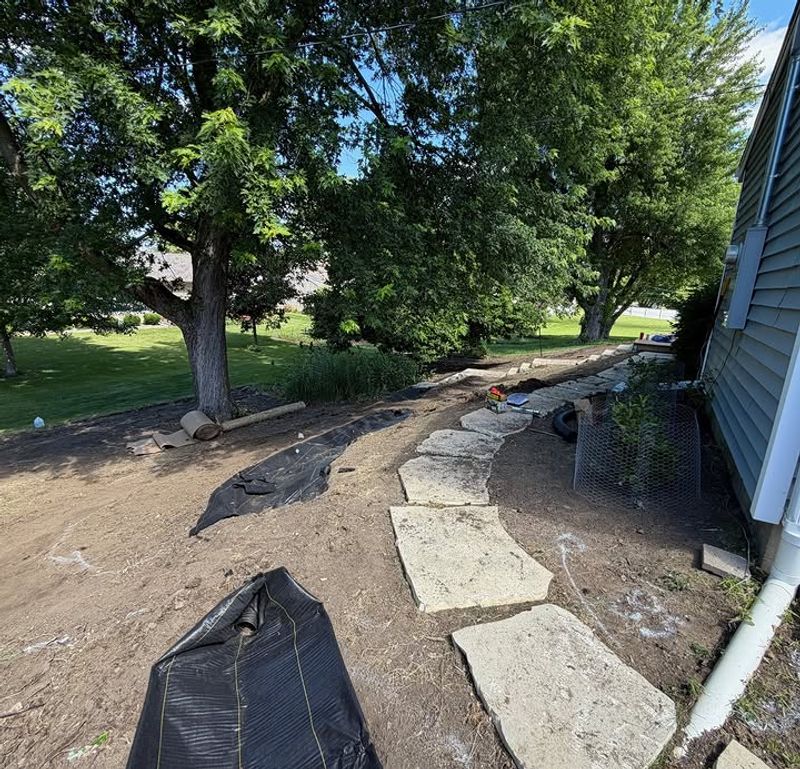
Most homeowners who end up planting sand cordgrass did not plan a native garden. They got tired of replacing the same strip of sod every single year.
The patch along the swale. The low corner near the fence.
The edge of the yard that never fully drains after heavy rain.
Those recurring problem spots are the right place to start. Look for areas where St. Augustine thins out after every rainy season, where soil stays soggy for days, where mower wheels sink and leave ruts, or where the grass simply refuses to fill back in.
Swale edges, pond margins, roadside ditches, and low drainage paths are common candidates across yards in this state.
Replacing the whole lawn is not the goal here, and it would not make sense. Sand cordgrass is a clumping grass that grows tall and bold.
Your Florida Garden Changes Every Week. Your Plan Should Too.
Gardening in Florida changes quickly throughout the season. Every Friday you’ll receive a simple weekly plan showing exactly what to plant, prune, fertilize, harvest, and protect so you never miss the right timing.
It is not a walkable, mowable turfgrass surface. The smartest first move is converting the most frustrating wet strip or low corner into a planted native grass zone with clean edges and intentional spacing.
Start small. Convert one problem area, see how it performs through a full rainy season, and expand from there if the site calls for it.
3. This Native Grass Works Best In Swales And Low Spots
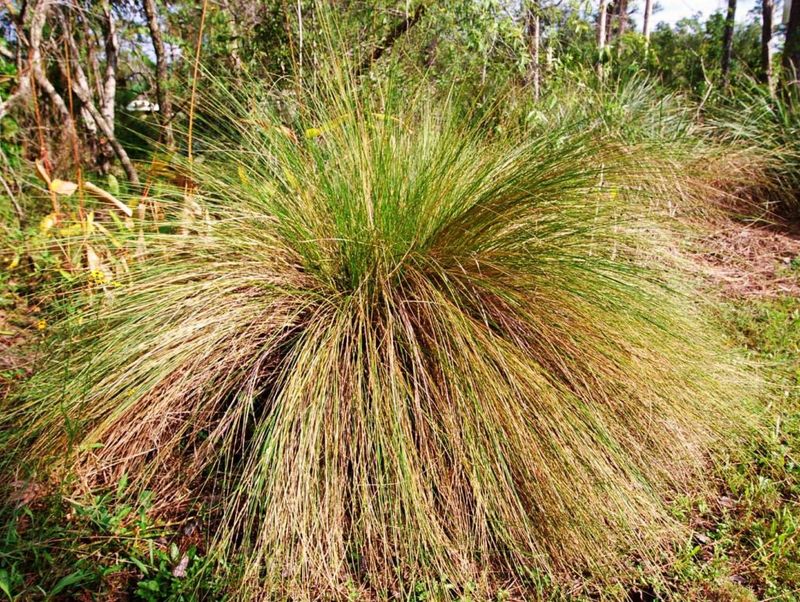
Not every corner of a yard is the right spot for sand cordgrass, and placement matters more than most people expect. Put it in the wrong location and it looks oversized, out of place, or simply unhappy.
Put it in the right one and it looks like it belongs there.
Sand cordgrass performs well in swales, rain-garden edges, retention-pond borders, broad drainage zones, and low sunny areas that receive periodic moisture.
UF/IFAS and Florida-Friendly Landscaping guidance support its use in wet-site plantings where full sun is available and soil moisture is consistent or seasonal.
It needs room to spread into its natural clumping form, and it does best where periodic wet conditions make sense for the site.
Dry formal foundation beds, narrow curb strips, tight entry areas near doors, and small decorative planters are not the right fit. Shaded spots under large trees are also a poor match since sand cordgrass needs full sun to perform well.
Think broadly about the site before planting. A wide swale bank, a low backyard edge near a retention area, or a sunny pond margin gives this grass the space and moisture it needs.
Matching the plant to the actual site conditions is what makes the planting succeed long term.
4. Tall Clumps Turn Wet Edges Into A Designed Feature
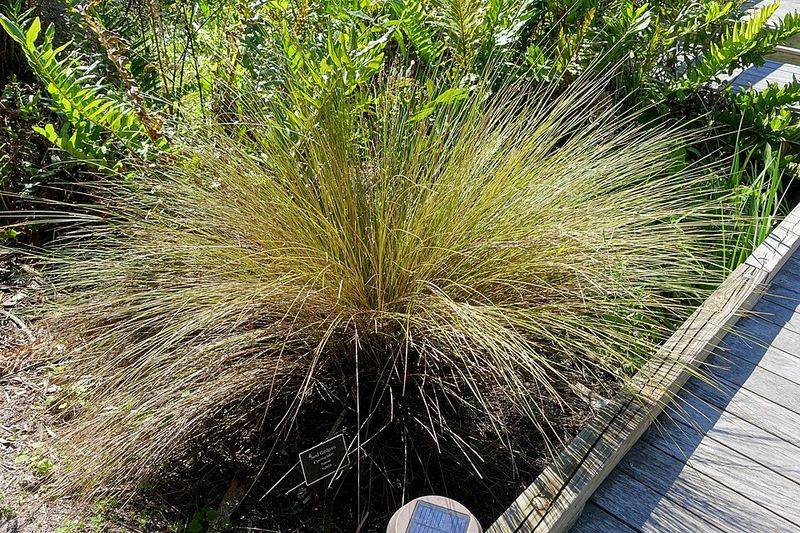
A soggy lawn edge does not have to look like a problem. With the right plant, the right spacing, and clean edging, that low wet strip can become one of the most intentional-looking parts of the yard.
Sand cordgrass grows in bold upright clumps that reach roughly three to five feet tall at maturity, according to UF/IFAS. The tall blades catch the breeze, create strong vertical texture, and add movement that flat turf cannot provide.
Repeating several clumps along a swale edge or pond border, spaced evenly with a clean mow edge or mulched border in front, shifts the look from neglected to designed.
Scale and planning are what make it work. One random clump dropped into a small formal bed looks awkward.
A row of evenly spaced clumps with a defined edge along a broad wet zone looks structured and intentional. Use the natural height and texture of sand cordgrass as a visual feature rather than fighting it.
Pair it with other low-growing wet-site natives along the front edge to create a layered look. Keep nearby turf edges trimmed neatly so the transition between lawn and native planting reads as a deliberate design choice, not an overgrown patch.
5. Flood-Prone Yards Need Roots That Can Take Moisture
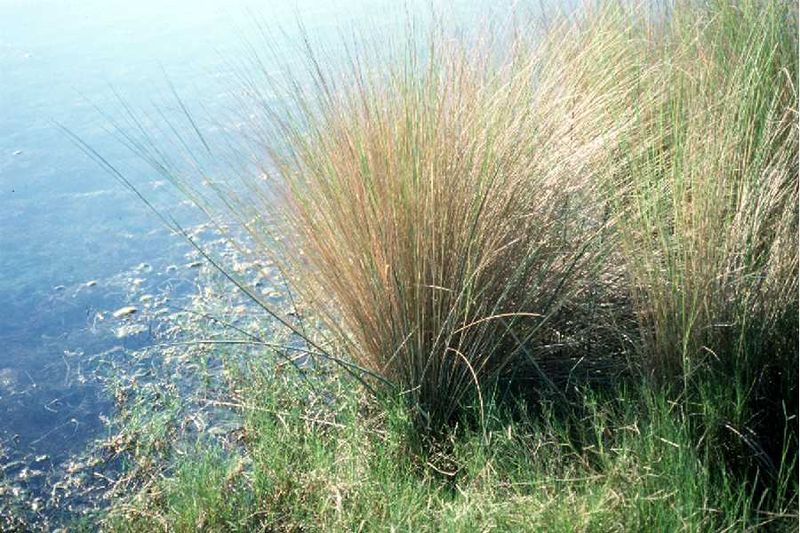
When the same low corner floods every summer, planting more St. Augustine in that spot is asking for the same disappointing result.
Turfgrass roots are not built for repeated inundation, and the stress compounds over time as soil compacts, roots weaken, and disease pressure builds.
Sand cordgrass has a root system suited to the moisture swings common in rainy-season yards. Its fibrous roots hold soil along wet edges, reduce surface runoff in planted areas, and stay anchored where shallow turf roots would struggle.
Water-management guidance in this state consistently points toward wet-adapted native plants for swale edges and drainage zones. They are better matched to site conditions than standard turf.
Being clear about what sand cordgrass can and cannot do matters here. It can help a planted area cope better with periodic flooding and wet soil.
It does not fix a drainage problem, prevent standing water, or solve grading issues on its own. If a yard has serious drainage failure, a low spot that holds water for weeks, or a slope that channels runoff in damaging ways, get help first.
A landscape contractor or county Extension office can assess whether grading or drainage work is needed before planting.
6. Wildlife Gets More From Grass Than Struggling Turf
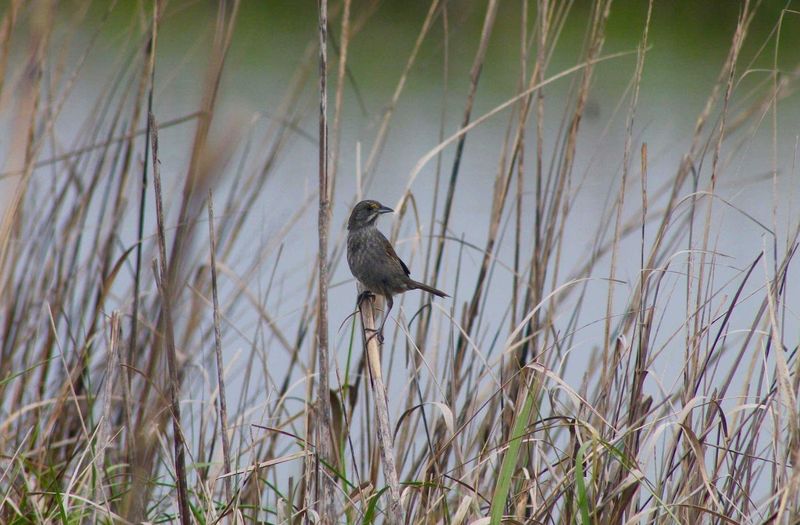
A failing patch of St. Augustine does not offer much to the birds, insects, or small animals passing through a yard. Stressed, thin turf with bare soil between blades is low on food, cover, and structure.
Swapping that patch for a native grass planting changes what the space can offer.
Sand cordgrass provides shelter at ground level, seed heads that attract birds, and stem structure that supports insects.
The Florida Native Plant Society and Florida Wildflower Foundation both recognize native grasses as valuable components of layered yard edges that support local wildlife.
Sparrows, wrens, and other seed-eating birds are often drawn to clumping native grasses, especially when the planting is given space to mature and seed naturally.
Habitat value depends on several factors beyond just the plant itself. Pesticide use, mowing frequency, planting size, and surrounding vegetation all affect how useful a native grass patch becomes for wildlife.
A small isolated clump in a chemically managed lawn offers less than a broader planting with diverse native companions and minimal pesticide pressure. Sand cordgrass alone does not create a complete wildlife habitat.
Combined thoughtfully with other wet-site natives and managed with a light hand, it can make a real difference in what a problem yard edge offers to local wildlife.
7. Wrong Placement Makes Sand Cordgrass Look Too Big
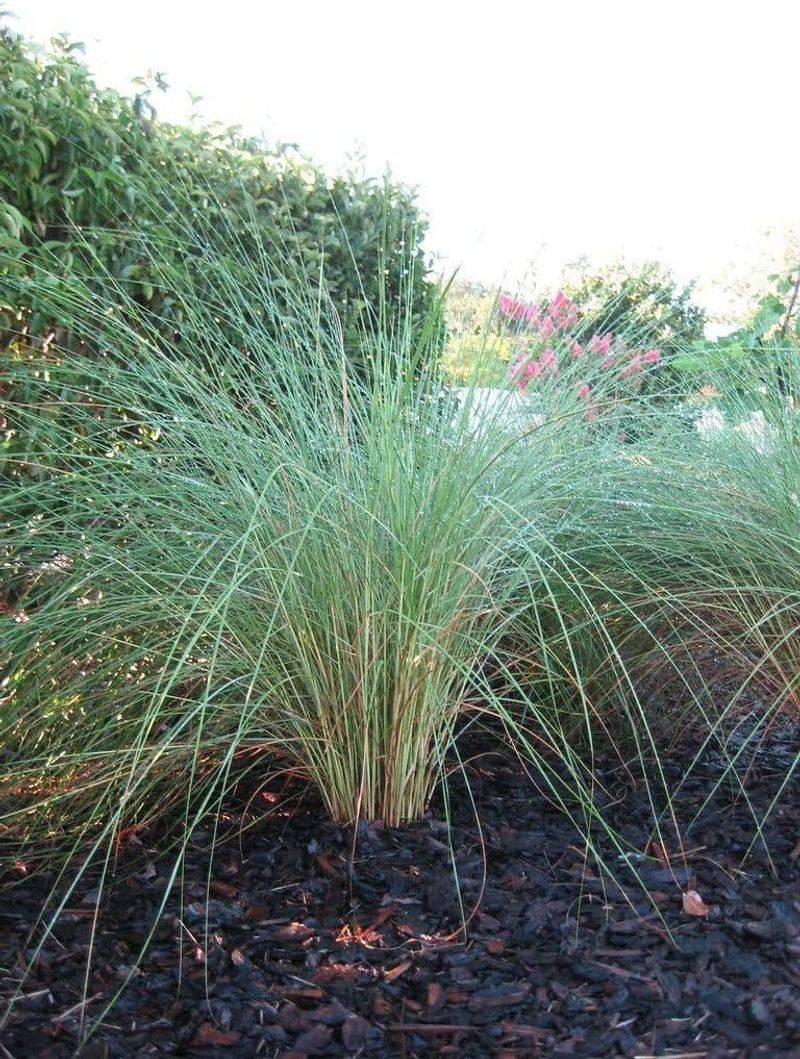
Sand cordgrass earns its place in the right spot, but it can look completely wrong in the wrong one. Size is the most common mismatch.
This grass grows three to five feet tall and spreads into wide clumps at maturity. In a small formal front bed or a narrow strip between a sidewalk and the street, that scale becomes a problem fast.
Tight entry areas near front doors, small decorative beds, narrow walkways, and curb strips under four feet wide are not good candidates. Avoid any spot where people expect a tidy low planting.
The mature clump can block sightlines, crowd adjacent plants, and create a maintenance headache in a space that calls for something much smaller and more refined. Trimming is possible, but it does not turn a naturally large clump into a compact ornamental.
Spacing between clumps matters too. Planting them too close together creates a dense wall of grass that can look overwhelming rather than designed.
UF/IFAS recommends checking mature size before placing any native plant in a landscape, and sand cordgrass is a clear example of why that step matters. A native plant is still the wrong plant if the site cannot accommodate its natural size.
Choose the location based on what the plant actually becomes, not what it looks like at the nursery.
8. The Smart Move Is Replacing Patches, Not The Whole Lawn
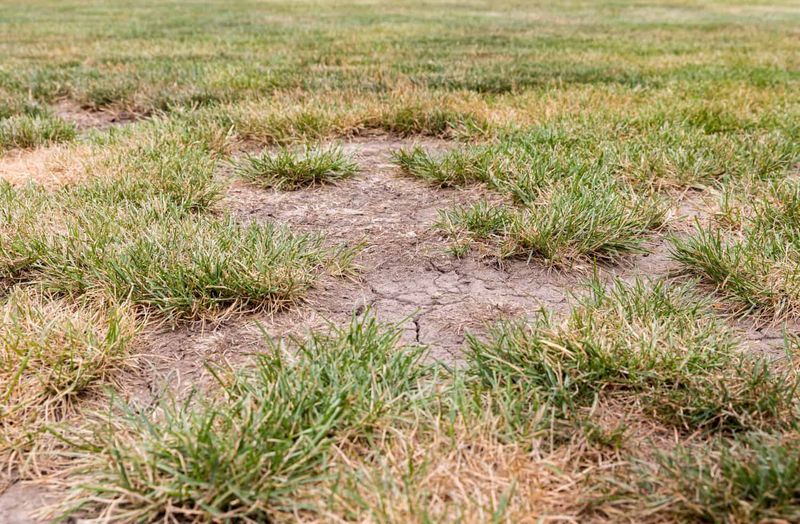
Nobody needs to rip out their entire lawn to make this idea work. St. Augustine does fine in many parts of a yard, especially where drainage is decent, sun is consistent, and soil is not compacted or waterlogged.
The goal is not a full-yard overhaul. The goal is fixing the specific wet spots that keep failing.
Start with one wet edge, one soggy swale strip, or one low corner that floods every summer. Convert that area into a native grass planting with clean edges, proper spacing, and a few companion plants suited to the same wet conditions.
Muhly grass, blue-flag iris, or other wet-site natives recommended by UF/IFAS or local Extension offices can complement sand cordgrass and add variety to the planting.
Keep a clean mow edge between the native planting and the surrounding turf so the transition reads as intentional. Plan access for mowing nearby lawn areas without driving equipment through the new planting.
Check any HOA rules or county guidelines before converting swale areas, drainage easements, or roadside strips. Some of those zones have restrictions on what can be planted.
The best replacement is targeted, practical, and matched to the wettest and most frustrating part of the yard. One well-planned patch is a better starting point than an ambitious overhaul that is hard to manage.