How To Keep Lilacs Blooming Better In Pennsylvania With The Right Pruning
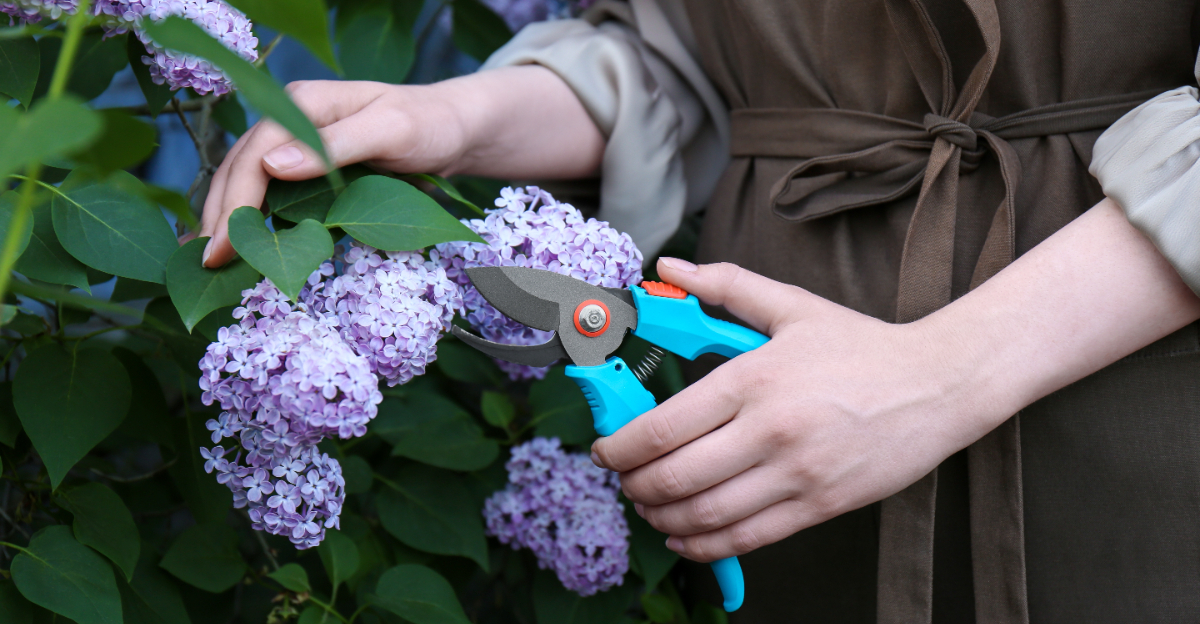
Lilacs are one of the most beloved flowering shrubs in Pennsylvania, filling spring yards with clouds of purple, pink, and white blooms that stop people mid-stride on the sidewalk.
But here is something many gardeners do not realize until they have already made the mistake: the way you prune your lilacs directly controls how well they bloom next year.
Lilacs grow their flower buds on old wood, meaning the branches that grew this season carry the blooms for next spring.
Prune at the wrong time, and you accidentally remove those buds before they ever get a chance to open.
Many people discover this the hard way after a well-intentioned fall trim leaves them with a perfectly healthy-looking shrub in May that produces almost no flowers.
Getting the timing right is simpler than it sounds, and once you understand how lilacs actually grow, pruning them feels less like a chore and more like a smart seasonal ritual that pays off every single spring without fail.
1. Prune Right After Bloom

The single most important rule for keeping lilacs blooming well is to make your cuts right after the flowers fade.
In Pennsylvania, that typically means late May or early June. That narrow window matters more than almost any other factor in lilac care, and most gardeners miss it simply because they are not watching for it closely enough.
Lilacs bloom on old wood, which means they set next year’s flower buds on the same branches that just finished blooming.
As soon as the flowers drop, the shrub begins forming those buds for the following spring. If you wait even a few weeks past bloom time, you risk snipping off the very buds your shrub spent energy building.
Right after bloom, snap or clip off the spent flower heads just above the first pair of leaves below the cluster.
This redirects the plant’s energy away from making seeds and toward producing healthy new growth and strong flower buds.
Penn State Extension confirms that post-bloom pruning is the safest and most effective timing for lilacs in Pennsylvania’s climate.
The state’s cool springs and warm summers create a tight window for bud development, so acting quickly after flowers fade gives your shrub the best possible head start on next year’s display.
Move fast, make clean cuts, and your lilac will reward you with a fuller, more spectacular bloom the following spring.
2. Leave Winter Buds Alone
Late summer arrives, the yard looks a little overgrown, and it is tempting to grab your pruners and tidy everything up.
With lilacs, that urge can cost you an entire season of blooms. Cutting branches in late summer, fall, or winter removes the flower buds that are already set and quietly waiting for spring.
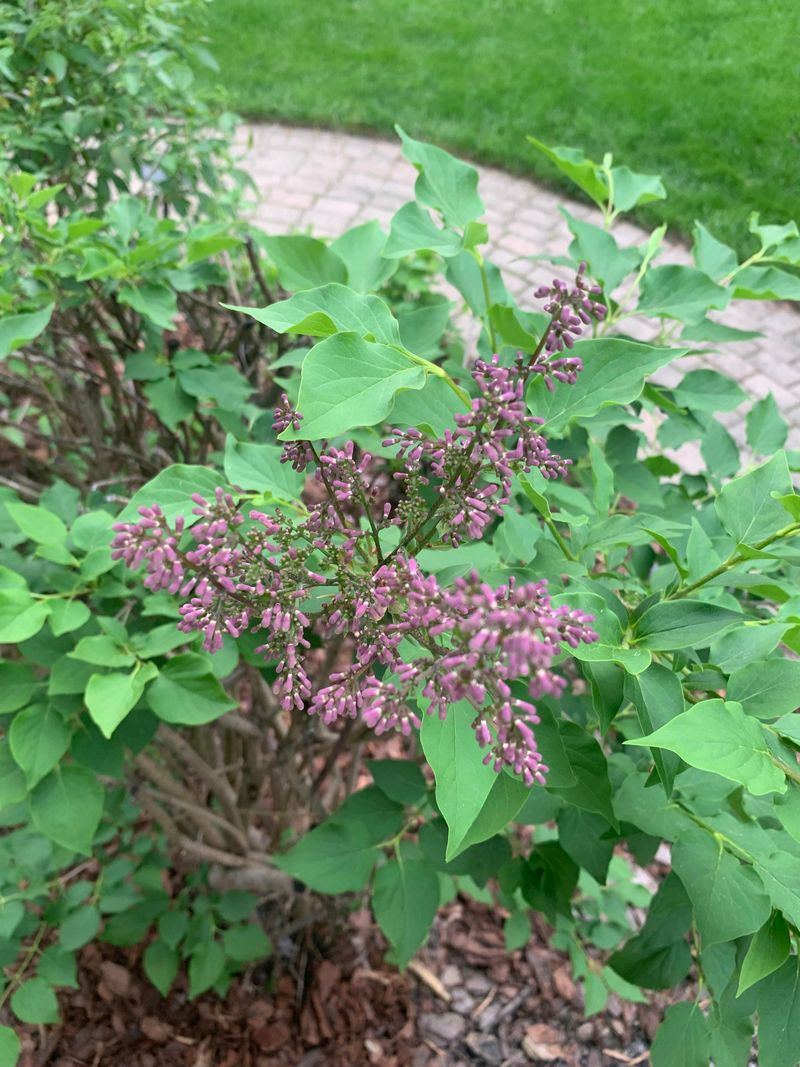
By August, a healthy lilac has already formed next year’s buds on the tips and upper sections of its stems.
Those buds sit tight through Pennsylvania’s cold winters, protected by a tough outer scale. They are not simply dormant. They are fully formed and ready to open the moment temperatures warm up in April or May.
Your Pennsylvania Garden Changes Every Week. Your Plan Should Too.
Gardening in Pennsylvania changes quickly throughout the season. Every Friday you’ll receive a simple weekly plan showing exactly what to plant, prune, fertilize, harvest, and protect so you never miss the right timing.
Pruning during this period is essentially removing your shrub’s future flowers.
Many Pennsylvania gardeners discover this the hard way after a fall trim leaves them with a lush green bush in spring but almost no blooms. The branches look healthy, but the buds are gone.
University extension guides consistently warn against fall pruning for lilacs.
Unlike many shrubs that respond well to late-season cuts, lilacs follow a strict bud-development timeline tied to old wood. Respecting that timeline is non-negotiable if you want reliable blooms year after year.
A simple rule worth posting somewhere visible: once summer heat sets in, put the pruners away until next May.
3. Remove Old Canes First
Older lilac canes are a bit like senior employees who have stopped producing.
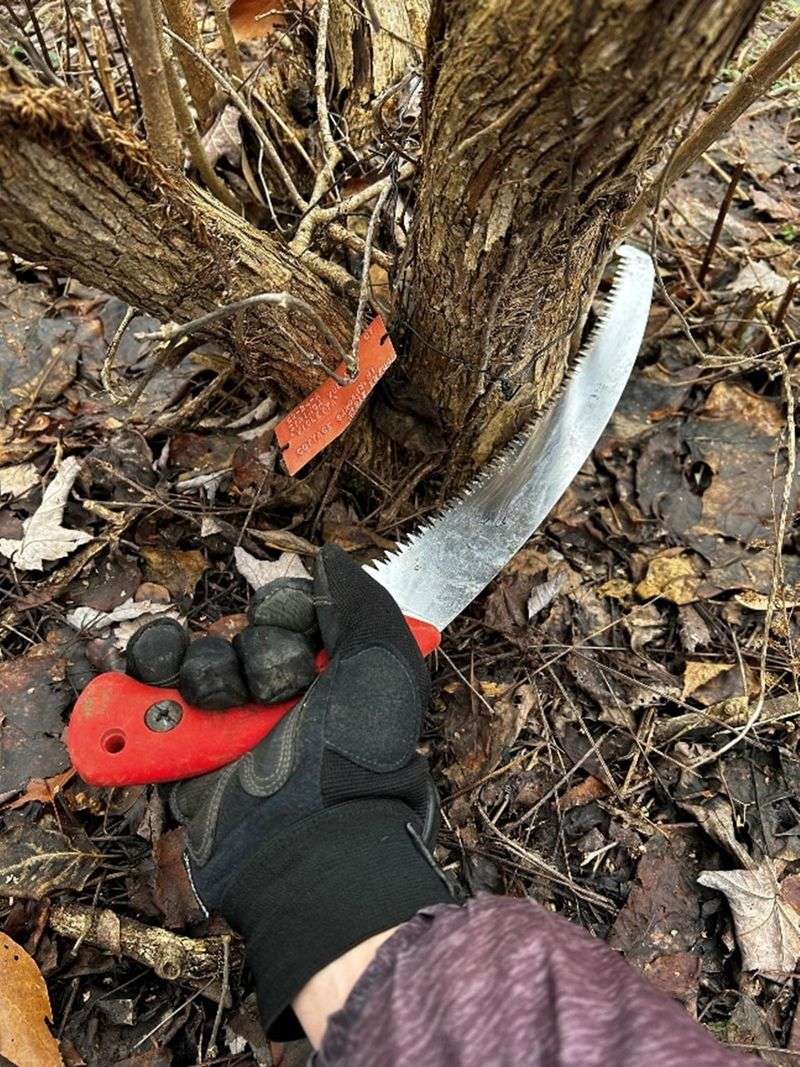
They take up space, block light, and slow down the younger, more energetic growth that actually carries the flowers. Renewal pruning means targeting those old canes first and cutting them all the way down to the ground.
A good rule of thumb from university horticulture guides is to remove canes that are thicker than two inches in diameter.
These older stems tend to produce fewer blooms over time and create a crowded interior that makes the whole shrub less productive. Removing them opens up the base and encourages vigorous new shoots to develop from the roots.
You do not have to remove all the old canes at once.
Spreading renewal pruning over two or three years is gentler on the plant and keeps it looking presentable while it recovers.
Each year, target the oldest and most congested canes first, always cutting clean at the base with sharp loppers or a pruning saw.
New shoots that emerge from the roots after renewal cuts are the future of your lilac.
They grow quickly, develop good flowering wood within a few years, and produce the dense clusters of blooms that make lilacs so satisfying in a Pennsylvania yard.
Starting this process early rather than waiting until the plant is completely overgrown makes the whole job much more manageable and keeps your lilac looking its best season after season.
4. Thin Crowded Stems For Air
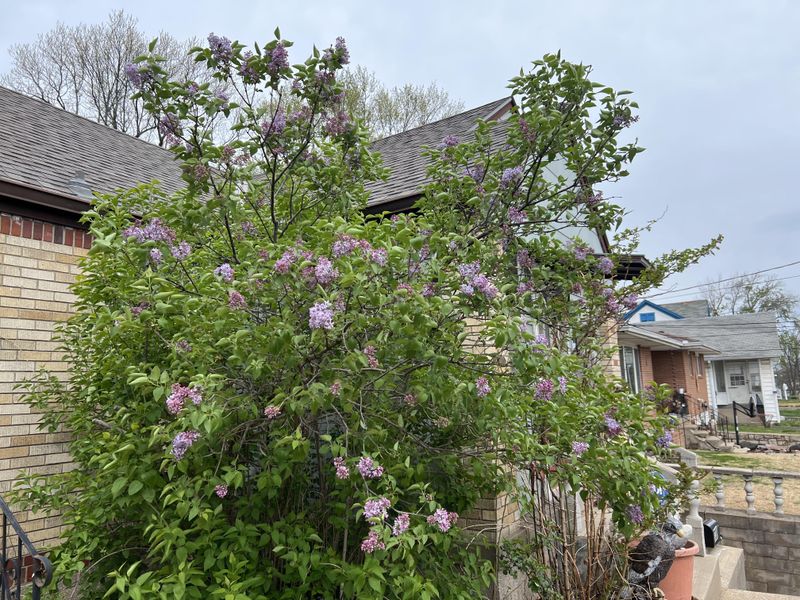
Reach inside an overgrown lilac and you will often find a tangle of crossing branches, weak twiggy growth, and stems rubbing against each other.
That kind of crowding is not just an aesthetic problem.
Poor airflow inside a shrub creates exactly the humid conditions that powdery mildew and other fungal issues love, and Pennsylvania summers are already warm and sticky enough without making things worse.
Thinning means selectively removing stems from the interior of the shrub to let light and air move through freely.
Focus on branches that cross or rub against each other, stems growing toward the center of the plant, and any weak or spindly growth that is unlikely to produce strong blooms.
The goal is not to strip the shrub bare but to open it up enough that you can see some daylight through the branches.
Better airflow reduces disease pressure and helps the remaining stems stay healthier and more productive.
Light penetration encourages flower bud formation deeper into the shrub rather than just at the tips of outer branches. Both of those outcomes directly improve bloom quality and quantity the following spring.
Pennsylvania’s humid summers make good airflow especially valuable.
A well-thinned lilac is a healthier lilac, and a healthier lilac blooms better, plain and simple. Start by removing the most obvious problem branches first, then step back and assess before making more cuts.
5. Keep The Natural Shape Loose
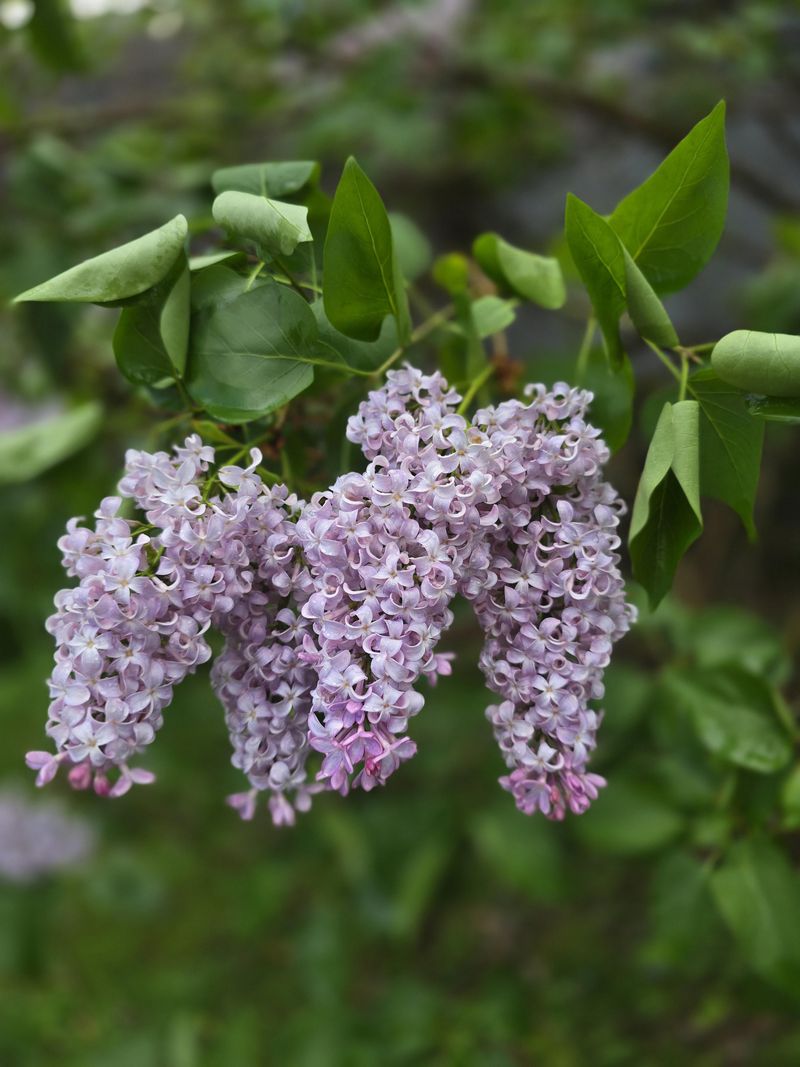
Grab a hedge trimmer and run it across a lilac, and the result might look neat for about two weeks. After that, the problems start.
Shearing a lilac into a tight, formal shape is one of the most common mistakes gardeners make, and it consistently produces a shrub that blooms less and looks worse over time.
Lilacs are naturally upright and arching shrubs.
Their best shape is loose, slightly irregular, and open at the top, allowing each cane to arch gracefully outward.
That natural form is not just prettier than a clipped ball or box shape. It is also healthier because it allows air and light to reach all parts of the shrub.
Shearing cuts through stems indiscriminately, removing flower buds and encouraging a flush of dense, twiggy regrowth just below the cut points.
That regrowth looks full initially but produces fewer blooms and creates exactly the kind of congested interior growth that thinning is meant to correct.
Instead of shearing, use hand pruners to make selective cuts that follow the shrub’s natural branching pattern.
Remove stems that stick out awkwardly, but preserve the overall arching silhouette.
University horticulture resources consistently recommend against formal shearing for lilacs, and the evidence shows up clearly every May in yards where the shears came out too freely the summer before.
6. Skip Heavy Summer Cutting
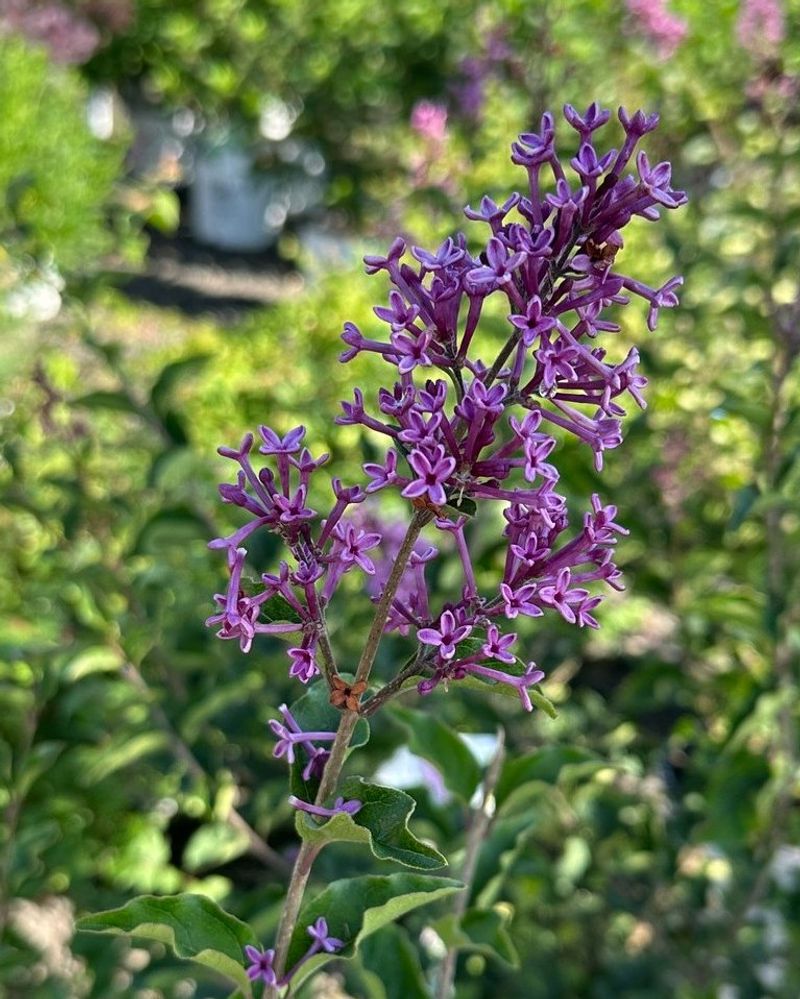
Summer in Pennsylvania can make a lilac look wild.
New shoots push up fast, a few stems lean out farther than you would like, and the whole shrub can seem like it needs a serious trim.
Resist the urge to do major cutting once summer heat settles in, because the cost to next year’s blooms is simply not worth it.
By mid-summer, your lilac is already building and hardening the flower buds that will open next spring.
Removing significant amounts of growth at this stage strips away those developing buds along with the stems. You might tidy up the look of the shrub, but you are borrowing against next year’s bloom display to do it.
Small corrective cuts are acceptable during summer if a branch is broken, damaged, or growing in a truly problematic direction.
Keep those cuts minimal and targeted, removing only what genuinely needs to go. A single problem stem is very different from a general shaping session that removes a third of the shrub.
The best strategy is to handle all your major shaping and thinning work right after bloom in late May or early June.
By taking care of the real pruning work then, you leave yourself almost nothing that needs correcting later in the season. Patience is genuinely the most powerful tool you have with lilacs in summer.
7. Clean Tools Between Shrubs
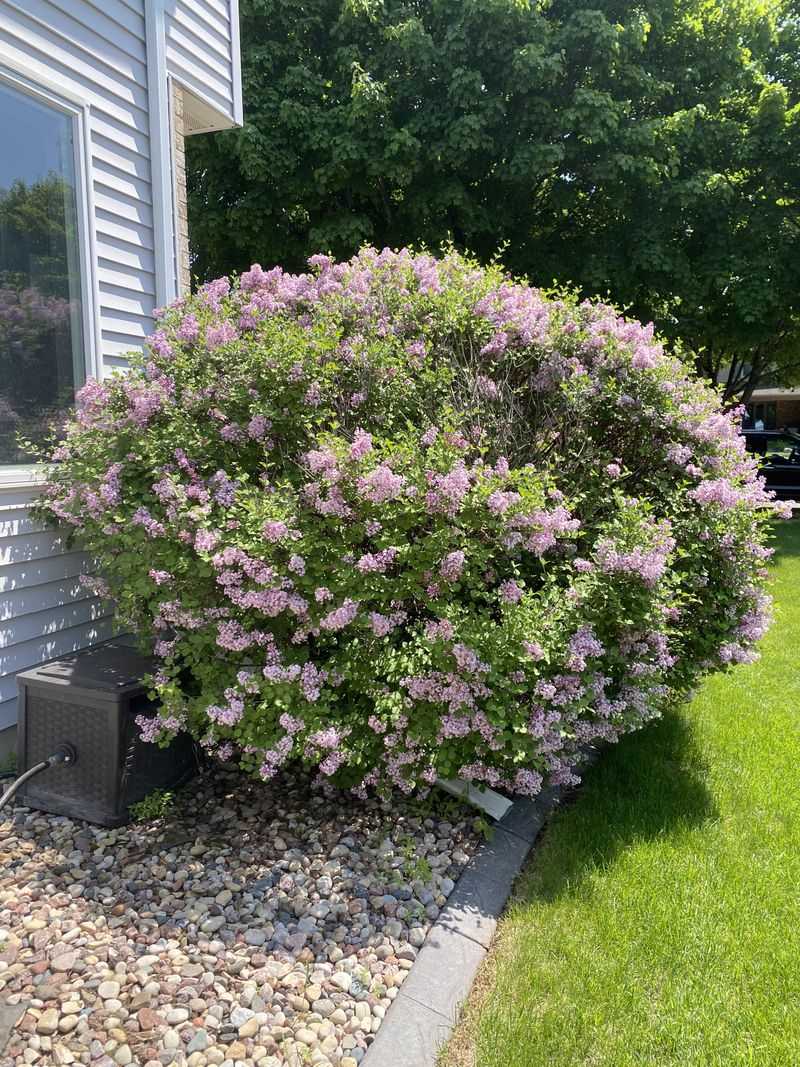
Sharp tools make a real difference that most people underestimate.
A clean, precise cut heals faster than a ragged tear, reduces the surface area exposed to pathogens, and puts less mechanical stress on the stem.
Dull pruners crush plant tissue rather than cutting it, and that crushed tissue is much more vulnerable to fungal and bacterial problems.
Before you start pruning any lilac, check your pruner blades.
They should close smoothly, hold a sharp edge, and open without sticking. If the blades are dull, take five minutes to sharpen them with a whetstone or a blade sharpener before you begin.
It is a small step that pays off immediately in the quality of every cut you make.
Sanitizing tools between shrubs is equally important, especially if any of your plants show signs of bacterial blight or other disease.
A quick wipe with a cloth soaked in 70 percent isopropyl alcohol, or a dip in a diluted bleach solution, breaks the chain of transmission between plants. This practice is standard in professional horticultural care and easy to adopt at home.
Lilac bacterial blight is present in Pennsylvania and spreads readily on pruning tools.
Infected stems show brown or blackened shoot tips and distorted growth. Removing affected wood with clean, sanitized tools and disposing of it properly prevents the problem from spreading to healthy parts of the shrub.
Good tool hygiene takes almost no extra time once it becomes a habit, and it protects the health of every plant in your yard.
8. Protect Plants From Summer Stress
Good pruning sets the stage, but summer stress can undo a lot of that work before fall even arrives.
Lilacs forming next year’s flower buds during the summer months need consistent moisture and stable soil conditions to develop those buds fully.
Drought stress, soggy roots, or extreme heat can weaken bud development and reduce next spring’s bloom quality.
Mulch is one of the most practical tools you have for protecting lilac roots during Pennsylvania summers.
A three to four inch layer of wood chips or shredded bark applied around the base of the shrub, kept a few inches away from the main stems, moderates soil temperature, retains moisture, and suppresses weeds that compete for water and nutrients.
Deep watering during dry stretches matters more than frequent shallow watering.
Lilacs prefer to have their roots soaked thoroughly and then allowed to dry out slightly before the next watering.
This encourages roots to grow deeper and makes the plant more resilient during dry spells. Soggy soil creates root problems that weaken the whole shrub.
Avoid heavy fertilizing in summer, particularly with high-nitrogen products, which push leafy growth at the expense of flower bud development.
If you fertilize at all, a light application of a balanced fertilizer right after bloom is generally sufficient for established Pennsylvania lilacs.
A lilac that stays healthy through summer arrives at fall with strong, well-formed buds and is set up to deliver exactly the bloom display you have been working toward all year.