What To Do With Your Florida Salvia In July So It Blooms Through Fall
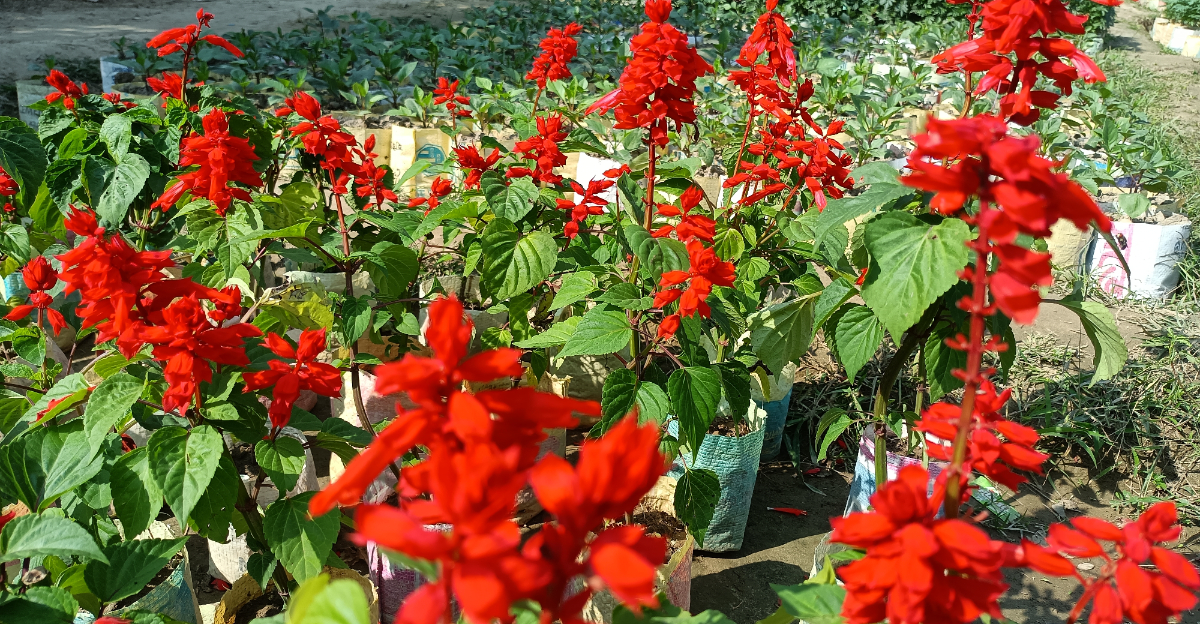
Florida salvia in July looks like it is managing just fine, and that appearance is part of what gets gardeners into trouble. The plant is green, it is holding its shape, and nothing about it signals that anything needs doing.
That comfortable picture is exactly when the opportunity to shape the rest of the season gets missed. What happens to salvia in July determines whether it delivers a strong fall bloom or limps into September looking spent and patchy.
The plant is making decisions right now about where to put its energy, and a gardener who knows how to redirect that energy gets a completely different outcome.
One targeted task in July keeps salvia on the right trajectory through the hardest stretch of summer.
It also sets the plant up to deliver real color when fall arrives and conditions ease. Most Florida gardeners skip it.
The ones who do not skip it notice the difference clearly.
1. Snip Spent Flower Spikes Fast
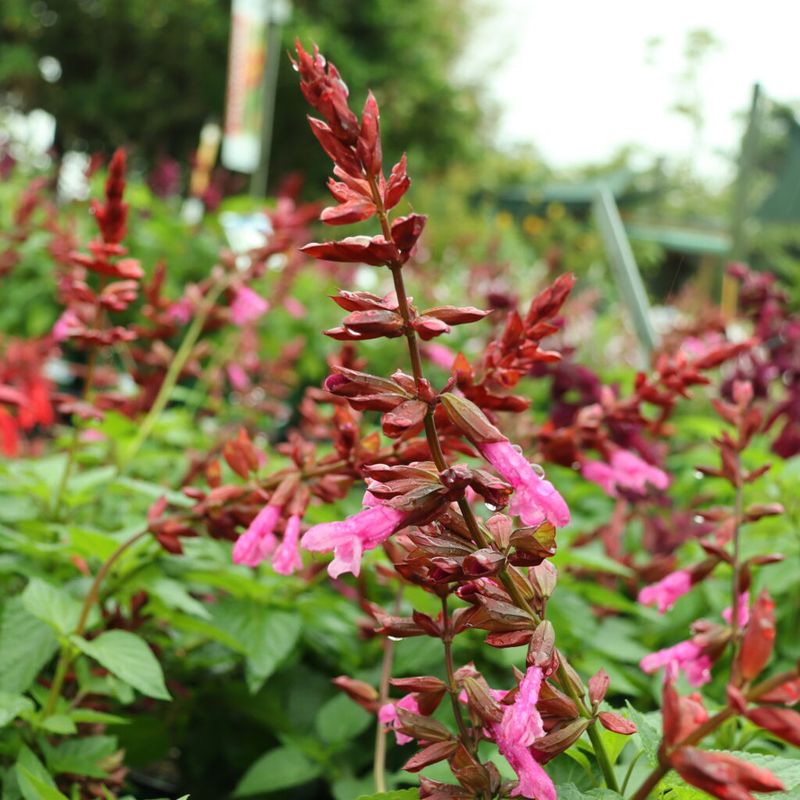
Old flower spikes left on the plant are not doing you any favors. Once a salvia bloom fades and starts to look brown or dried out, the plant puts energy into forming seeds rather than pushing new growth.
Removing those spent spikes regularly is one of the simplest ways to keep many salvia types looking cleaner and encourage them to rebloom.
Use hand pruners or sharp garden scissors to snip spent spikes just above a healthy leaf node or a visible side shoot. You do not need to go deep into the plant.
A light, precise cut above healthy growth is all it takes. Cutting too far down can remove stems that are still working, so keep it simple and stay near the top.
Not every salvia responds to trimming the same way. Some types are heavy rebloommers when trimmed regularly, while others follow a slower natural cycle.
Even if reblooming is gradual, cleaning up old spikes keeps beds looking tidy through the rainy, humid weeks of July. Soggy, decaying flower material left on the plant can also create spots where moisture lingers too long.
Make trimming a weekly habit during summer. A quick walk through the garden with scissors takes only a few minutes and keeps the plant looking its best.
Small, consistent effort adds up over the season and helps set the stage for stronger fall color.
2. Trim Leggy Stems Without Cutting Hard
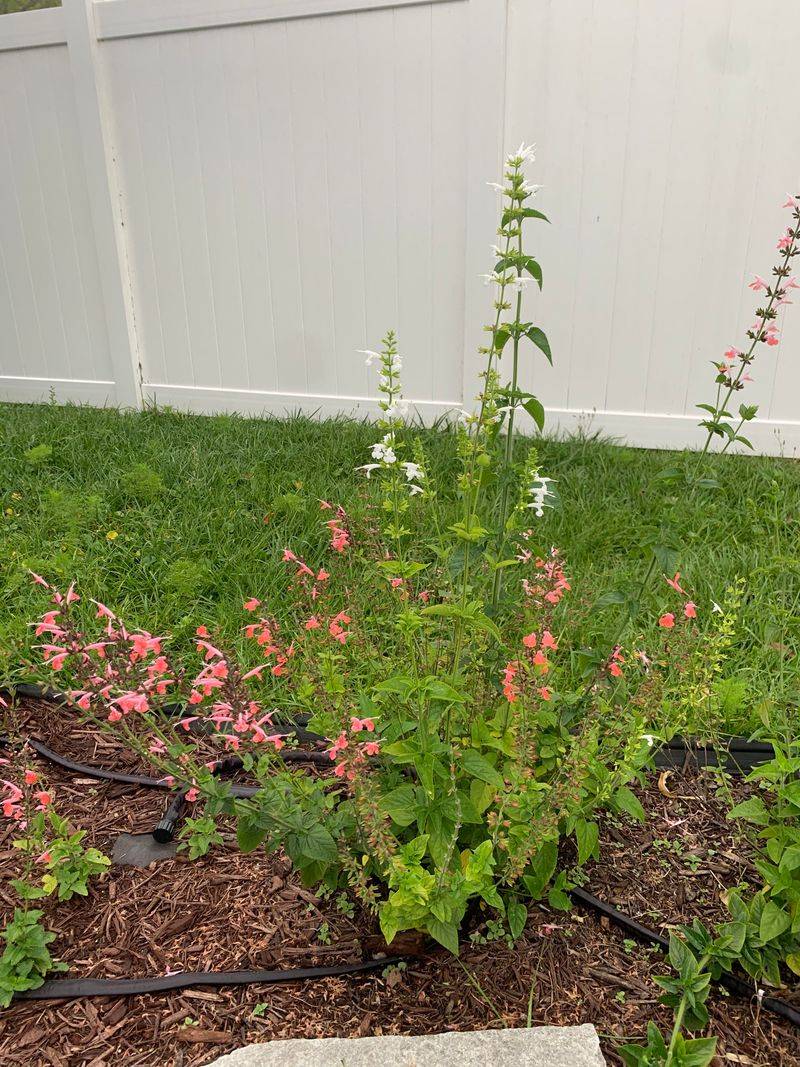
By July, many salvias have been growing hard since spring, and some stems get long, floppy, or open in the center. That stretched-out look is common in warm-weather gardens, especially after weeks of heat and heavy rain pushing fast growth.
A little shaping can help the plant look fuller and redirect energy toward fresh side shoots.
Keep trimming light. Cutting back too far during peak summer heat puts real stress on the plant at the worst possible time.
Focus on shortening the longest, weakest stems rather than taking a lot of material off at once. Removing damaged or crossing stems also helps open the plant up slightly without going overboard.
Your Florida Garden Changes Every Week. Your Plan Should Too.
Gardening in Florida changes quickly throughout the season. Every Friday you’ll receive a simple weekly plan showing exactly what to plant, prune, fertilize, harvest, and protect so you never miss the right timing.
Always use clean, sharp pruners. Dull blades can crush stems instead of cutting cleanly, and that makes it harder for the plant to heal.
Try to trim in the morning or evening when temperatures are lower. Trimming during the hottest part of the day adds extra stress to a plant that is already working hard to manage the heat.
After a light trim, watch the plant over the next week or two. Fresh side shoots often emerge from just below the cut.
Those new shoots are what will carry blooms into late summer and fall. The goal here is a gentle refresh, not a dramatic reshape.
Patience after trimming matters just as much as the cut itself.
3. Water Deeply When The Soil Dries
Afternoon thunderstorms are a regular part of summer in Florida, but they do not always water your garden as thoroughly as they seem. Heavy rain can run off quickly, especially in sandy or sloped beds, leaving the root zone drier than you might expect.
Checking the soil before you water is always a smarter move than watering on a set schedule.
Push a finger an inch or two into the soil near the base of the plant. If it feels dry at that depth, it is time to water.
When you do water, water deeply and slowly at the root zone rather than giving a quick surface splash. Deep watering encourages roots to grow downward, which helps plants handle dry spells better over time.
Container salvias and plants growing in sandy beds tend to dry out faster than those in heavier soils. On the flip side, low areas, clay soils, and spots near downspouts can stay soggy after storms.
Too much standing water around the roots can lead to weak, struggling growth just as easily as drought stress can.
Watering early in the morning gives foliage a chance to dry before evening, which is helpful in humid conditions. Avoid overhead watering when you can.
Getting water directly to the soil rather than soaking the leaves helps the plant stay healthier through the rainy season. It also keeps the plant strong enough to bloom again in fall.
4. Keep The Roots Cool With Mulch
Ground temperatures in a Florida garden bed can climb surprisingly high in July. Bare soil absorbs heat quickly, and that warmth moves right into the root zone.
Mulch acts like a buffer layer between the hot sun and the soil, helping keep roots cooler and steadier through the worst of summer.
If your mulch layer has thinned out, washed away during storms, or broken down since spring, July is a good time to refresh it. Aim for a two-to-three-inch layer around the plant, keeping it pulled back from the crown and stems.
Mulch piled against the base of the plant can trap moisture against the stem, which creates problems in humid conditions.
Pine bark, pine straw, shredded leaves, and wood chips all work well as organic mulch options. As they break down over time, they add a little organic matter back into the soil, which is a bonus in sandy or nutrient-poor beds.
Mulch also slows down weeds, which compete with salvia for water and nutrients during a time when the plant needs every advantage it can get.
Beyond temperature and moisture benefits, mulch simply makes a garden bed look more finished and cared for. A tidy, mulched bed is easier to maintain through the summer months.
Refreshing mulch in July is one of the lowest-effort, highest-reward tasks you can do to support bloom performance heading into fall.
5. Give Each Plant Room To Breathe
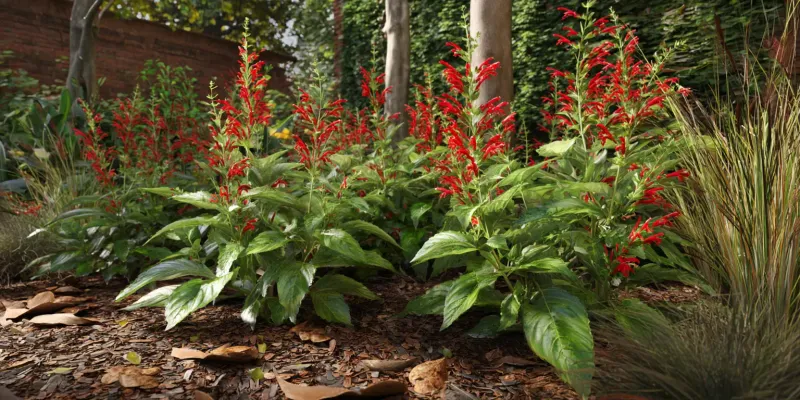
Warm, humid summers in Florida create conditions where moisture hangs around longer than it does in drier climates. Dense plantings, crowded stems, and foliage pressed up against walls or thick shrubs can stay damp for hours after rain or irrigation.
That prolonged wetness on leaves and stems is where trouble tends to start.
Good airflow around your salvia helps the plant dry out more quickly after rain and reduces the chance that leaf spots or powdery issues take hold.
If nearby plants have grown into your salvia’s space, a light trim of those neighbors can open things up without stressing your salvia directly.
You do not need to overhaul the whole bed, just give the plant a little breathing room.
Thinning out a few crowded stems from within a dense salvia clump can also help. Removing the weakest, most tangled interior growth lets air move through the plant more freely.
This is not a major pruning session. It is more like a light edit to improve conditions without cutting away healthy, productive stems.
When you water, try to aim at the soil rather than overhead-soaking the foliage. Wet leaves in humid weather take longer to dry, and that extended dampness is not ideal.
Keeping the plant open and the foliage as dry as practical is a simple, effective way to support overall health. It also gives salvia the best environment to push new blooms before fall.
6. Skip Heavy Feeding In Peak Heat
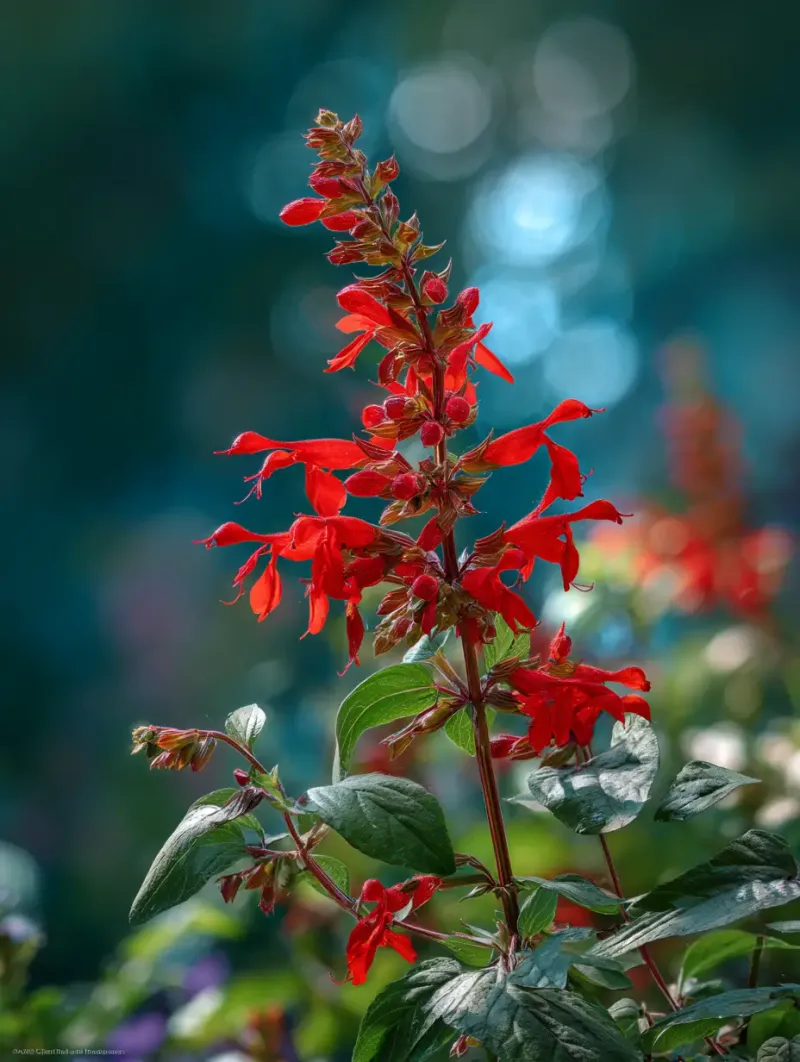
Reaching for fertilizer when plants look tired is a natural instinct, but July is usually not the right moment to push heavy feeding on salvia.
Plants under heat stress, drought stress, or sitting in waterlogged soil after storms are not in a good position to absorb and use a lot of nutrients efficiently.
Feeding at the wrong time can do more harm than good.
Too much nitrogen in particular can push a flush of soft, leafy growth at the expense of flowers. That lush new growth might look encouraging at first, but it can also be more vulnerable to pests and less focused on bloom production.
In some garden situations, compost worked lightly into the soil surface is a gentler option that feeds slowly and improves soil health at the same time.
If you do choose to fertilize, follow the product label carefully and use an amount appropriate for your plant size and soil type. Local extension offices in Florida offer solid guidance on fertilizer timing and rates for warm-climate landscapes.
Their recommendations are based on local conditions, not generic national advice that may not fit our heat and rainfall patterns.
Resist the urge to overfeed just because a plant looks stressed. Sometimes salvia in July simply needs water, mulch, and a little patience rather than a nutrient boost.
Keeping feeding light and thoughtful in summer helps protect the plant and keeps it on track for a healthier fall performance.
7. Let Pollinators Work The Flowers
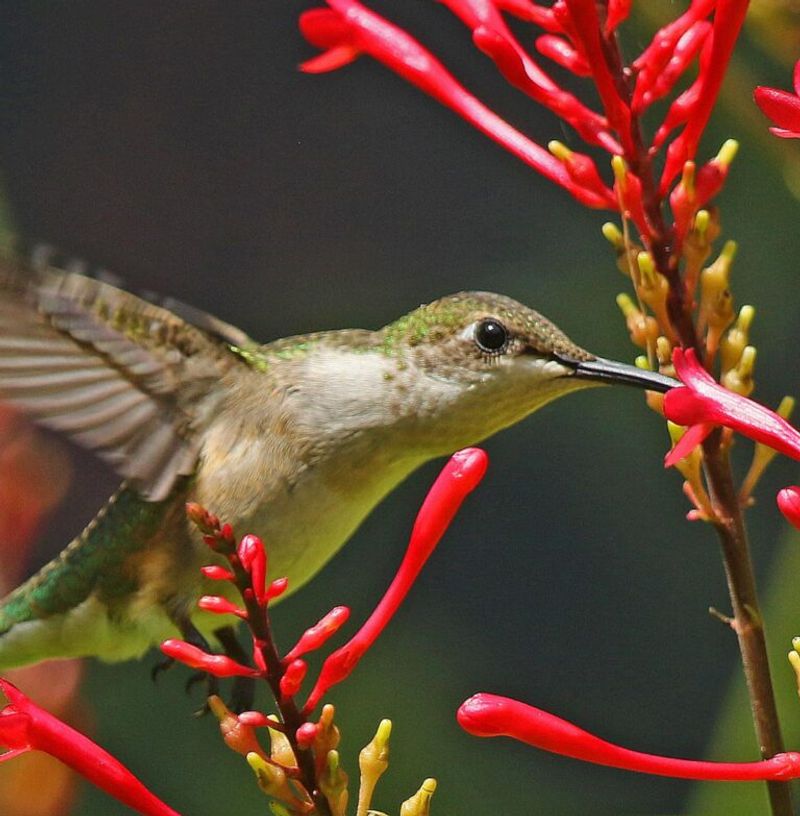
One of the best things about growing salvia in a warm-weather garden is how much wildlife it attracts. Butterflies, native bees, and hummingbirds are drawn to salvia blooms, especially types like scarlet salvia and tropical sage.
Even in the middle of summer, a healthy salvia in bloom is a busy, lively spot in the garden.
When you are managing spent spikes and shaping the plant, try to leave healthy, actively blooming stems in place as long as possible.
Pollinators need those open flowers, and removing blooms that still have life in them cuts off a food source that matters to your local garden ecosystem.
The goal is to remove only what is clearly finished, not anything that is still attracting visitors.
Pesticide use is worth thinking about carefully during bloom season. If you notice pest damage, take time to identify what is actually causing the problem before reaching for any spray.
Many common pest issues on salvia can be managed with targeted, minimal intervention rather than broad spraying across the whole plant. Spraying when pollinators are actively visiting can harm the very insects that support your garden.
Healthy salvia that attracts pollinators is also a sign that the plant is performing well. Keeping blooms available through July supports the garden’s broader health.
A plant that is regularly visited and well cared for is more likely to push fresh growth and new flowers as the season shifts toward fall.
8. Refresh Growth Before Fall Blooms
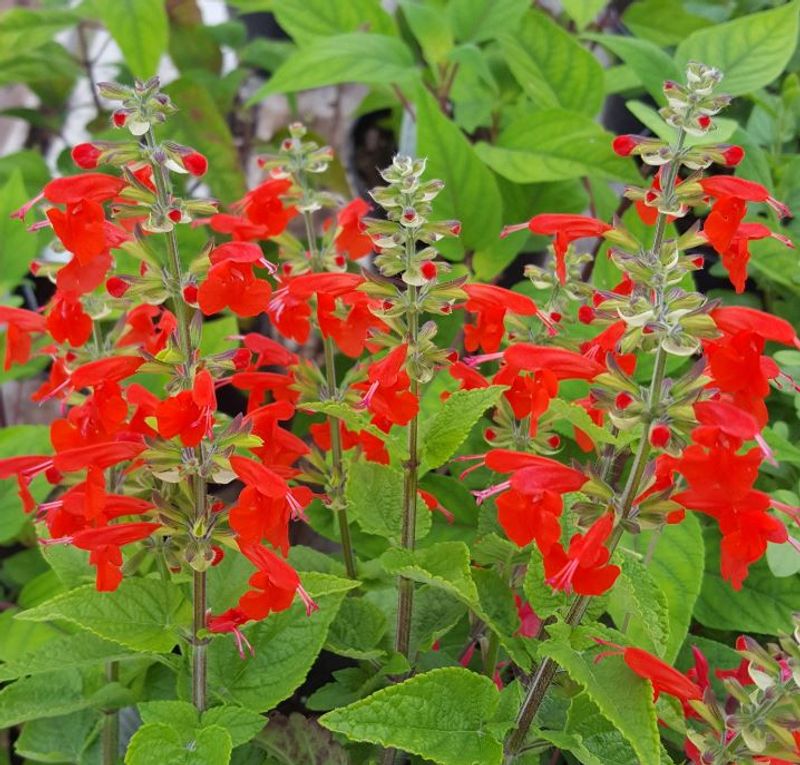
Everything you do for your salvia in July is really about one goal: keeping the plant healthy enough to push strong new growth once the worst of summer begins to ease. Late summer and early fall can bring some of the most rewarding color in a warm-weather garden.
That payoff depends on how the plant was treated during the hardest stretch.
Steady, consistent care is what makes the difference. Light trimming and deep watering when the soil dries, and a refreshed mulch layer all work together to reduce stress and keep the plant moving forward.
No single action is a magic fix, but the combination of small, regular habits adds up over weeks.
Keep observing the plant through the rest of summer. After a storm, check whether water is pooling near the base.
After a dry stretch, check the soil moisture before the next irrigation. Remove tired spikes as they appear.
Give crowded stems a little room. These quick checks take only a few minutes but keep small problems from becoming bigger ones.
Results will vary depending on the salvia variety you are growing, your soil type, your site conditions, and how the rest of the season unfolds. Some plants will push a strong flush of fall blooms with consistent care.
Others may be more modest. Either way, a plant that is well maintained through July is in a much better position to reward you with color when cooler weather finally arrives.