The Native California Plants That Support More Backyard Insects Than Gardeners Realize
A backyard can look peaceful while a whole tiny world is working inside it. Native California plants often support far more insects than gardeners notice at first glance.
A leaf may be feeding caterpillars. A flower may be drawing tiny native bees.
Even seed heads can bring activity later in the season. That hidden life matters because insects help support birds, lizards, and the larger garden food web.
The best part is that a yard does not have to look messy to become more useful. A few well-chosen natives can make beds feel alive in a deeper way.
They bring beauty on the surface while quietly feeding the small creatures that keep a garden balanced. Once you know which plants do the most work, your backyard starts to look a little different.
1. California Buckwheat Feeds Bees, Butterflies, And Beneficial Insects
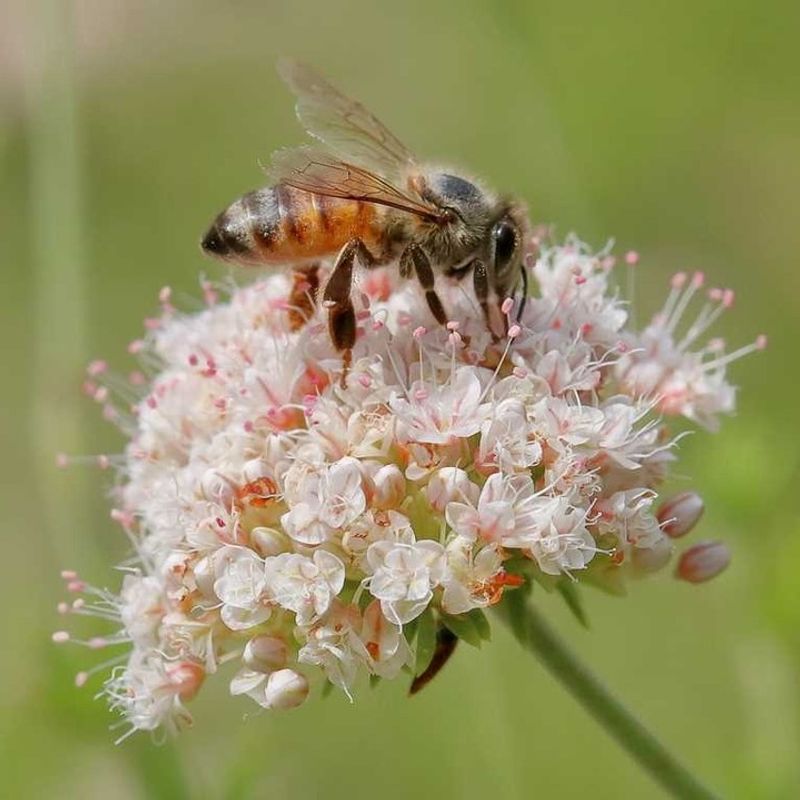
Few plants in California’s native landscape punch above their weight quite like California buckwheat. It looks simple at first glance, with its clusters of tiny white and pink flowers, but up close, it is absolutely alive with activity.
Bees, butterflies, beetles, and hoverflies all crowd its blooms throughout the long flowering season.
What makes this plant so valuable is its extended bloom time. It flowers from late spring all the way into fall, giving insects a reliable food source for months.
Many garden plants bloom for just a few weeks, but buckwheat keeps going long after others have faded. That staying power makes it a cornerstone plant for any insect-friendly yard.
Buckwheat also supports insects beyond just nectar. Its seeds attract birds, and its dried flower heads provide shelter for small beneficial insects through the cooler months.
Native bees in particular seem to love it, and some bee species are specialists that rely almost entirely on buckwheat pollen to feed their young. Planting it in a sunny, well-drained spot requires very little effort.
Once established, it handles drought without complaint. It also looks beautiful as the flower clusters shift from white to rusty red as the season progresses, adding visual interest long after the peak bloom has passed.
2. Showy Milkweed Supports Monarchs And Other Pollinators
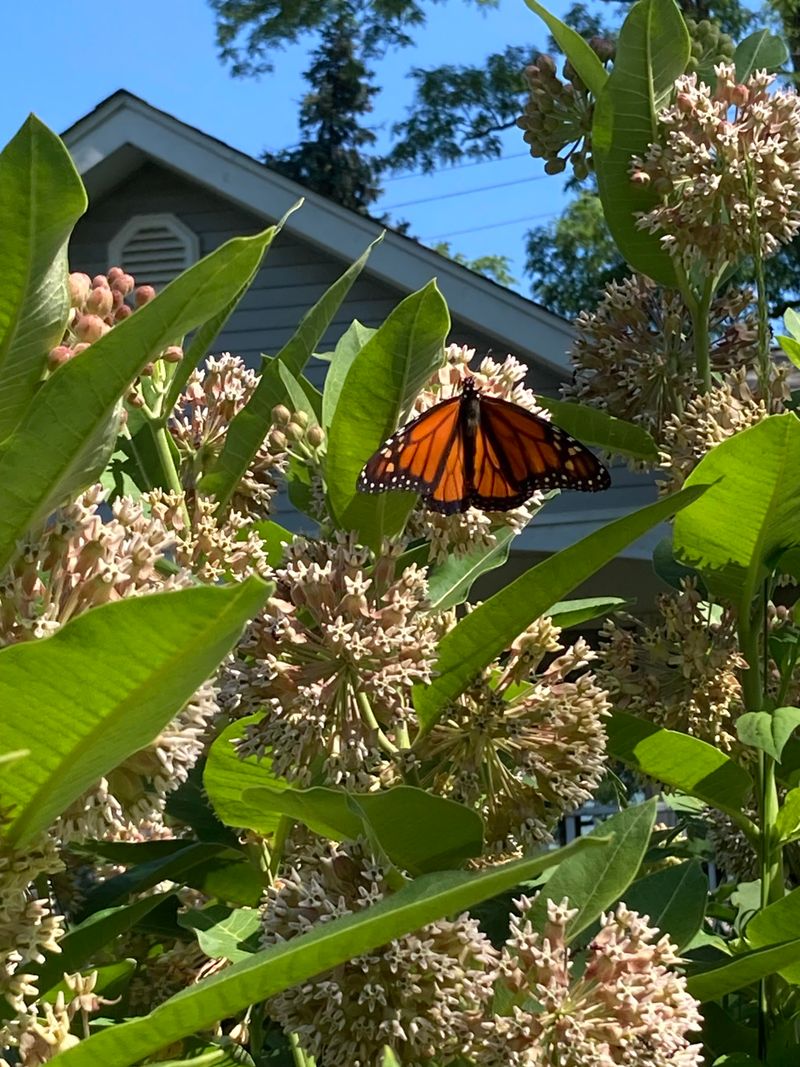
There is something almost magical about watching a monarch butterfly land on a milkweed plant.
Showy milkweed is one of the most important native plants in California for supporting monarch populations, which have declined sharply over the past few decades.
Without milkweed, monarchs simply cannot complete their life cycle.
Monarch caterpillars eat only milkweed leaves, so planting this species gives them a place to grow and develop. But the plant does not stop there.
Its large, fragrant pink flower clusters attract dozens of other pollinator species, including native bees, wasps, beetles, and painted lady butterflies. The blooms are rich in nectar and easy for insects to access.
Showy milkweed thrives in sunny spots with decent water during its first growing season. After that, it becomes quite drought-tolerant and spreads slowly by underground rhizomes to form a fuller patch over time.
Some gardeners worry it spreads too aggressively, but in most backyard settings, it stays manageable with light maintenance.
Your California Garden Changes Every Week. Your Plan Should Too.
Gardening in California changes quickly throughout the season. Every Friday you’ll receive a simple weekly plan showing exactly what to plant, prune, fertilize, harvest, and protect so you never miss the right timing.
It also pairs beautifully with other native wildflowers in a mixed border or meadow-style planting.
Watching the different insect species that visit throughout the season is genuinely rewarding.
From tiny native bees to large swallowtails, showy milkweed draws an impressive crowd that keeps your garden buzzing from early summer well into fall.
3. Coyote Mint Brings Native Bees To Dry Garden Beds
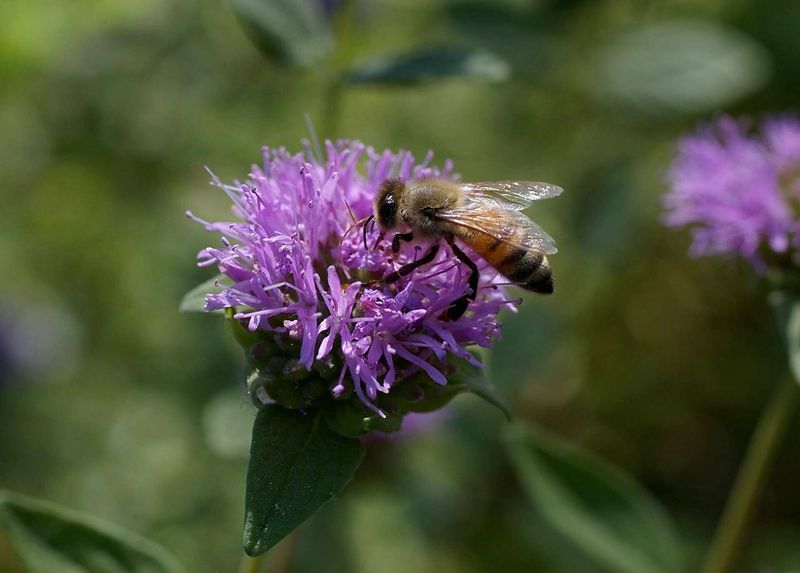
If you have a hot, dry patch of garden that nothing seems to want to grow in, coyote mint might be exactly what you need.
This low-growing native plant thrives in tough conditions that would stress most garden plants.
It handles poor soil, full sun, and long dry summers without breaking a sweat.
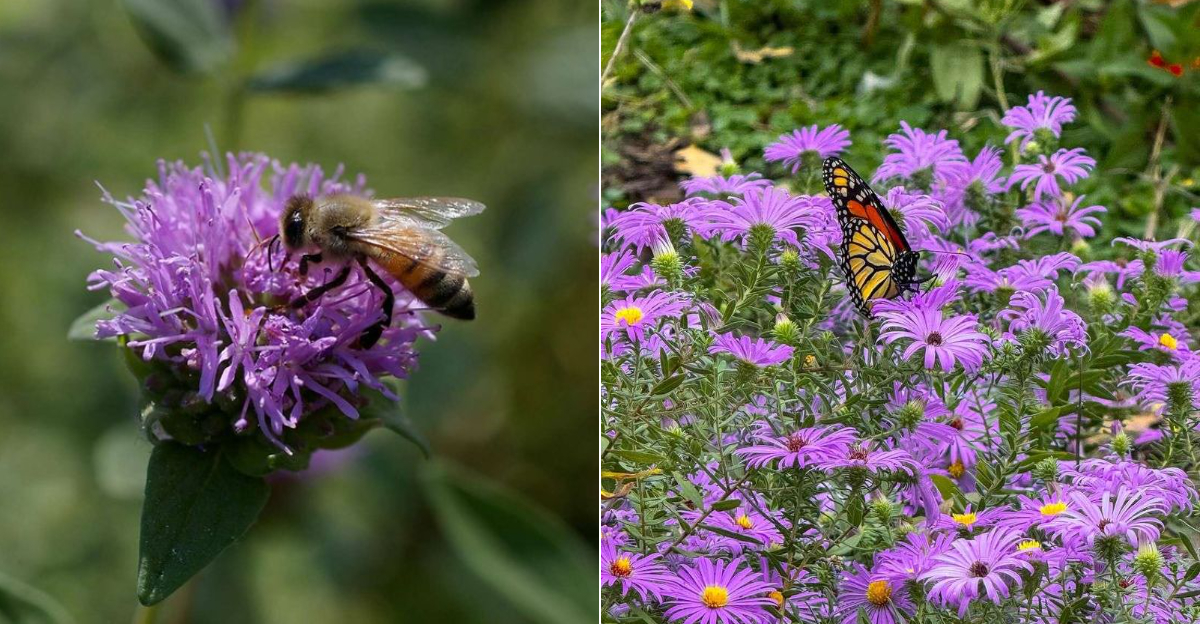
The flowers are small purple spikes that bloom in late spring and summer, and native bees go absolutely wild for them. Bumble bees, sweat bees, and small carpenter bees all visit regularly.
Because coyote mint blooms during the heat of summer when many other flowers have faded, it fills an important gap in the insect food calendar.
Pollinators need food sources all season long, not just in spring, and this plant reliably delivers during those tough summer months.
Beyond bees, coyote mint also attracts beneficial wasps and flies that help control garden pests naturally. Its strong minty scent tends to deter deer and rabbits, which is a bonus in areas where browsing animals are a problem.
The plant stays relatively compact, usually reaching about one to two feet tall and wide, making it easy to tuck into borders or rock gardens. Once established, it needs almost no supplemental watering.
It is a genuinely tough, productive plant that earns its space in any sun-drenched, insect-friendly garden.
4. Cleveland Sage Feeds Pollinators With Fragrant Flower Spikes
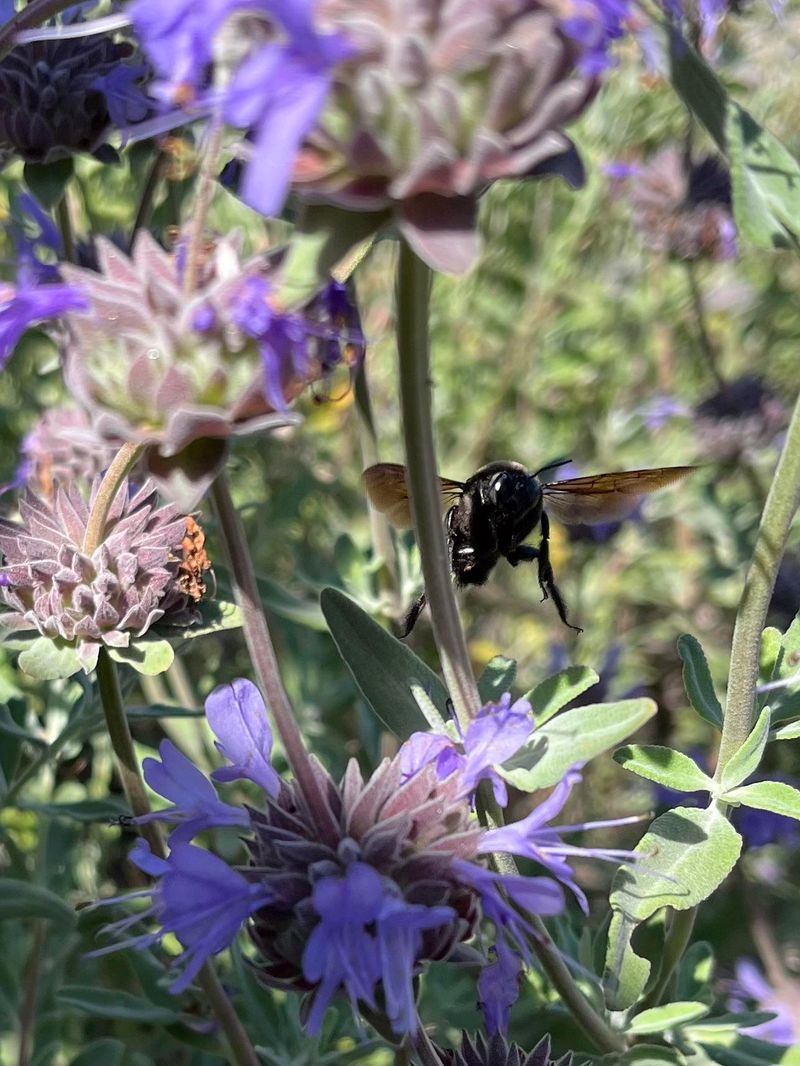
Walk past a Cleveland sage in full bloom and the scent alone will stop you in your tracks. This native shrub from the southern part of California produces tall spikes of deep purple flowers that are absolutely irresistible to pollinators.
Bees, butterflies, and hummingbirds all compete for a spot on its blooms.
What sets Cleveland sage apart from other garden sages is how productive it is for wildlife. Each flower spike holds dozens of individual blooms, and the plant produces many spikes at once.
A single established shrub can support hundreds of insect visits on a warm spring day. Native bumble bees are especially fond of it, and watching them work their way up each flower spike is one of the more enjoyable sights a garden can offer.
Cleveland sage is also remarkably easy to care for once it settles in. It prefers well-drained soil and full sun, and it handles drought conditions extremely well after its first year.
Pruning it lightly after bloom keeps it tidy and encourages fresh growth. In northern and coastal gardens, it may need a bit more water during establishment, but in warmer inland areas, it practically takes care of itself.
The silvery-green foliage looks attractive even when the plant is not in bloom, giving the garden year-round structure and texture that complements both formal and naturalistic garden styles beautifully.
5. Sticky Monkeyflower Supports Bees And Butterflies
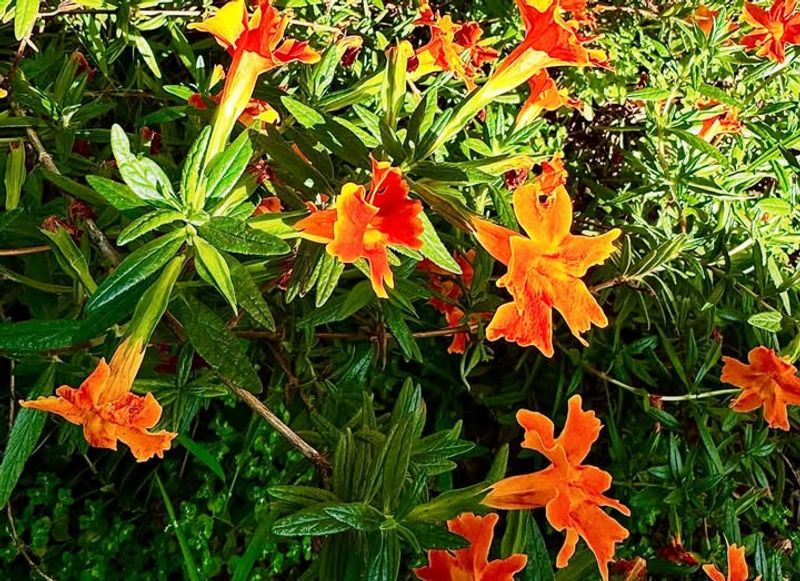
Bright orange blooms that practically glow in the afternoon sun, sticky monkeyflower is hard to miss in a native garden.
It grows naturally along roadsides, dry slopes, and stream banks across much of California, and it brings that same wild energy into backyard settings with very little fuss.
Hummingbirds are drawn to its tubular orange flowers like a magnet. The flower shape is perfectly designed for hummingbird feeding, with a long tube that fits their beaks just right.
But hummingbirds are not the only visitors. Native bees, especially larger species like bumble bees, also manage to access the nectar, and various butterfly species use the plant as a nectar source throughout its long blooming period.
One thing that surprises many gardeners is how long sticky monkeyflower blooms. In mild coastal areas of California, it can flower from late winter all the way through summer, giving wildlife an exceptionally long window of food availability.
It grows into a rounded shrub about two to four feet tall and handles dry summers well once established.
The sticky texture of its leaves and stems is a natural adaptation that helps the plant retain moisture, and it gives the foliage a slightly glossy appearance.
Pairing it with other native shrubs creates a layered habitat that supports a wide range of insect and bird species throughout the year with minimal upkeep needed.
6. California Aster Gives Late-Season Insects A Food Source
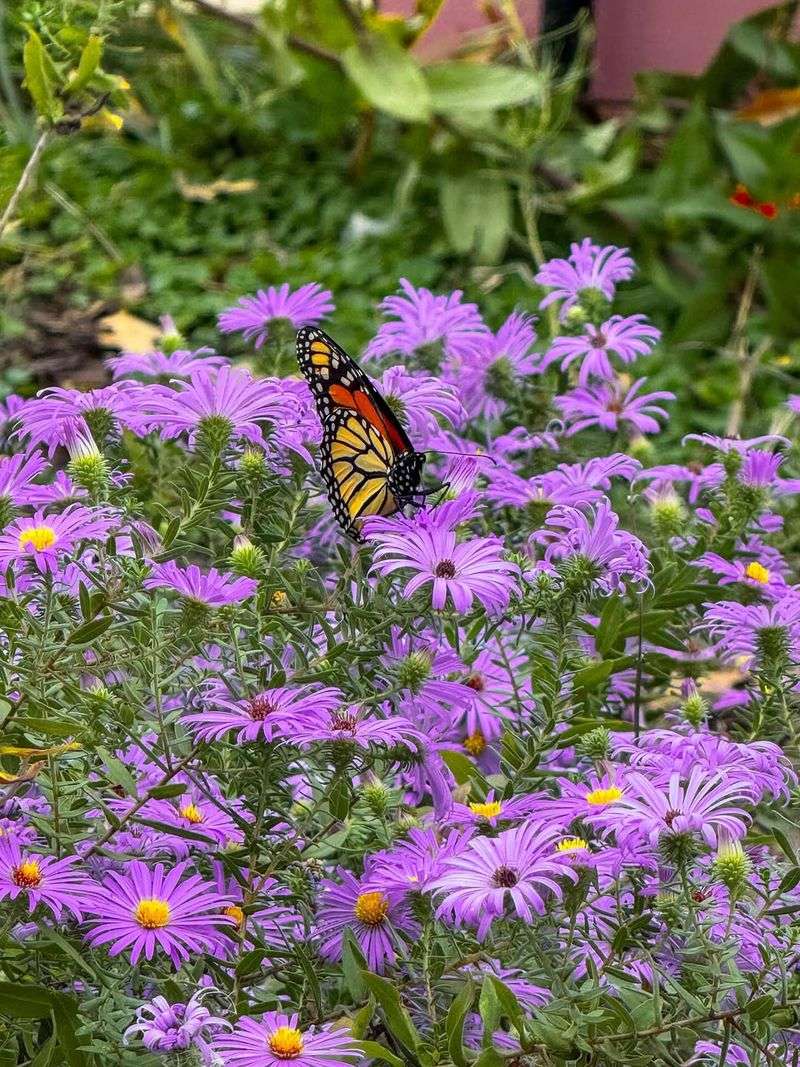
By the time fall rolls around, most garden plants have stopped blooming, and insects are left scrambling for food before cooler temperatures arrive. California aster steps in right when it is needed most.
Its cheerful purple and yellow daisy-like flowers open in late summer and keep going well into autumn, providing a late-season buffet for bees, butterflies, and other beneficial insects.
Native bees rely heavily on late-blooming plants to build up their fat reserves before winter.
Without plants like California aster, many bee species would struggle to find enough food during this critical window.
Monarch butterflies migrating through California also stop to feed on aster blooms as they make their way south.
Having this plant in your yard can directly support one of the most iconic insect migrations in North America.
Growing aster is straightforward. It prefers partial to full sun and does well in average garden soil with moderate moisture.
It can handle some summer drought once established, though a bit of supplemental water during dry spells keeps it looking its best.
The plant spreads gently over time, filling in gaps in a border or naturalistic planting without becoming invasive.
Its soft purple flowers combine beautifully with the warm tones of fall foliage. For gardeners who want to support insects through every season, this plant is an essential addition that delivers real ecological value right when it matters most.
7. California Fuchsia Keeps Hummingbirds And Insects Visiting Late
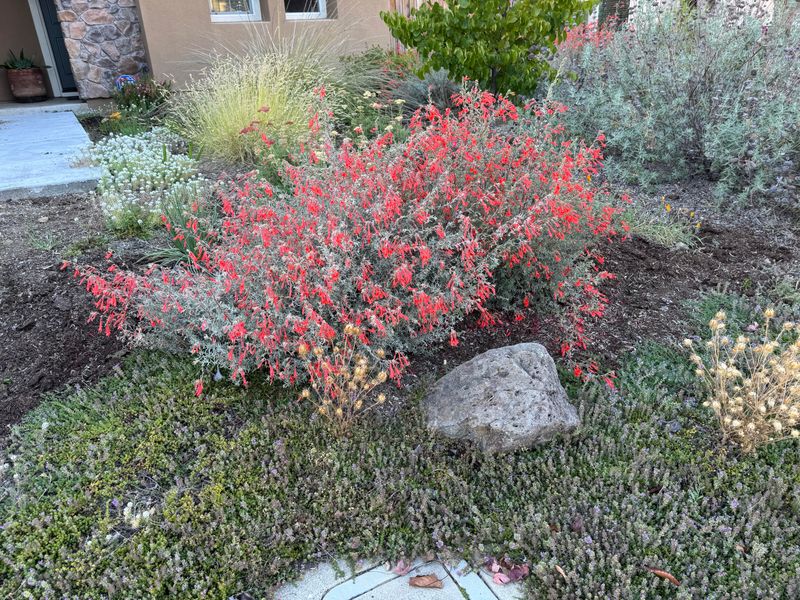
When most of the garden has gone quiet in late summer and fall, California fuchsia puts on a show that is impossible to ignore.
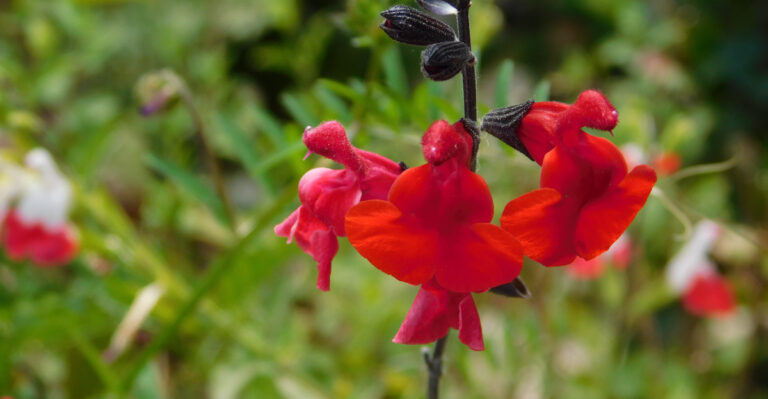
Its vivid scarlet-red tubular flowers light up garden beds and attract hummingbirds that are actively fueling up for their seasonal movements. Few plants offer this kind of late-season drama.
Beyond hummingbirds, the flowers also attract sphinx moths and a variety of native bees that are still active in the warmer months of fall.
The plant produces an abundance of blooms over a long period, making it one of the most productive late-season insect plants in California’s native flora.
Gardeners who add it to their yards often notice a sudden uptick in hummingbird activity almost immediately after it begins blooming.
California fuchsia is a low-growing, spreading plant that works well as a ground cover on slopes or in sunny borders. It handles heat and drought with ease, which makes it an excellent choice for gardeners in drier inland regions.
In cooler coastal areas, it still performs well but may bloom slightly later in the season. After flowering, cutting it back to the ground encourages fresh, vigorous growth the following year.
The silvery-gray foliage is attractive even when the plant is not in bloom. Its combination of bold color, wildlife value, and low maintenance needs makes it a standout choice for anyone building a native garden that works hard for local wildlife.
8. Toyon Flowers Feed Pollinators Before The Winter Berry Show
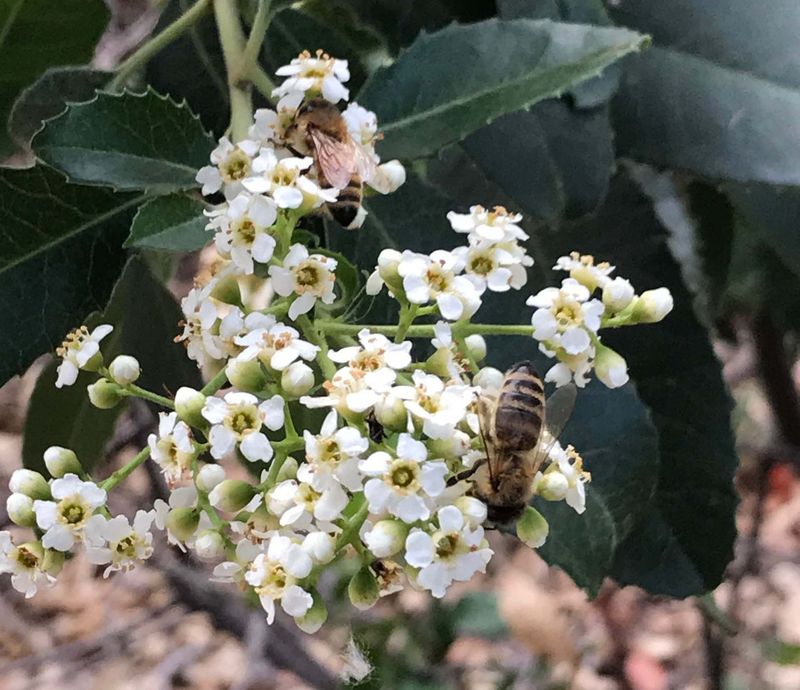
Most people know toyon for its clusters of bright red berries that appear in winter and give the plant its common name, Christmas berry.
But long before those berries arrive, toyon puts on a quieter but equally important show.
Its clusters of small white flowers bloom in early to midsummer and attract a wide variety of pollinators that often go unnoticed.
Bees, beetles, flies, and butterflies all visit toyon flowers for nectar and pollen. Because it blooms during the summer months when many other native shrubs have finished flowering, it fills a valuable gap in the pollinator food calendar.
In areas with hot, dry summers, finding reliable summer-blooming plants is a real challenge, and toyon handles those conditions exceptionally well.
Toyon grows into a large shrub or small tree, reaching anywhere from six to fifteen feet tall depending on conditions. It is incredibly tough, handling poor soil, full sun, and extended drought once established.
In northern regions, it may grow more slowly, but it is equally resilient. The berries that follow the flowers feed birds like cedar waxwings, robins, and mockingbirds through the winter months, making toyon a year-round wildlife plant of remarkable value.
Planting one in a backyard creates a long-term habitat anchor that supports insects, birds, and other wildlife across every season without requiring much care or attention from the gardener.