These Common Watering Mistakes Can Bring More Fungus To Georgia Lawns
Georgia summers are no joke, and your lawn is the one taking the heat.
The combination of high temperatures and relentless humidity creates conditions where lawn fungus can spread faster than many homeowners realize.
The frustrating part is that the watering habits meant to help are often the ones making things worse.
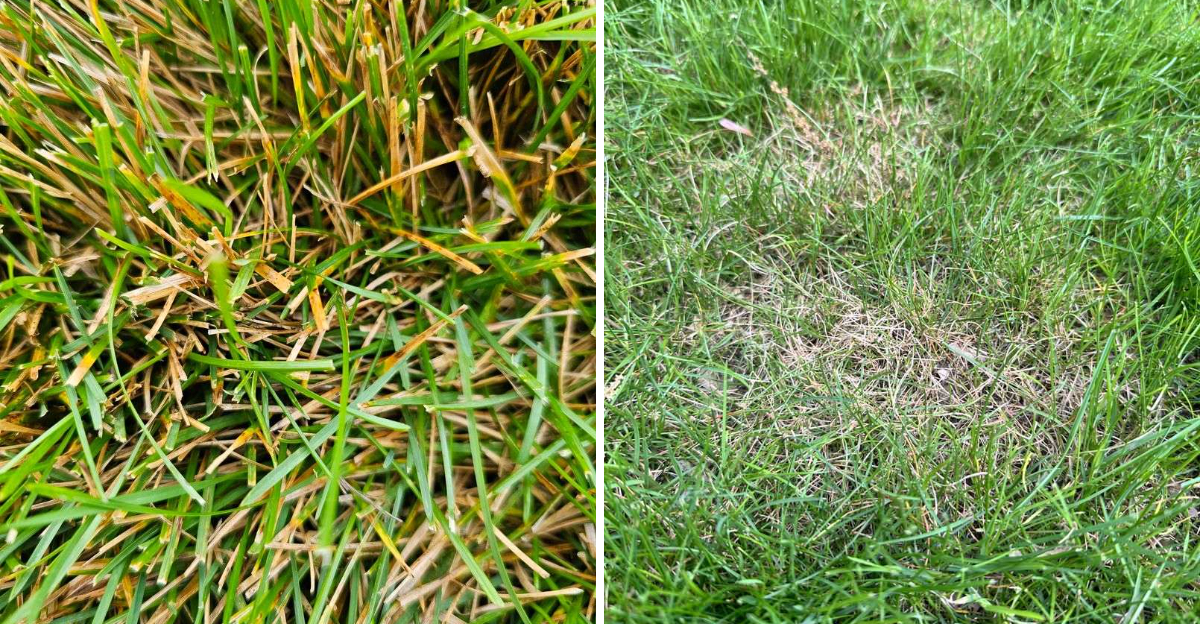
Brown patch, dollar spot, and other common turfgrass diseases do not show up randomly.
They show up when moisture sits too long on grass blades, when soil stays perpetually damp near the surface, when irrigation runs at the wrong time of day, and when a lawn gets pushed with extra fertilizer right before a humid stretch.
Most of these problems are preventable with a few straightforward adjustments to how and when you water.
Understanding how moisture and timing work together is the first step toward keeping your turf in better shape all summer long.
The adjustments are simpler than many homeowners expect once they understand what is actually happening at ground level.
1. Watering Too Late In The Evening
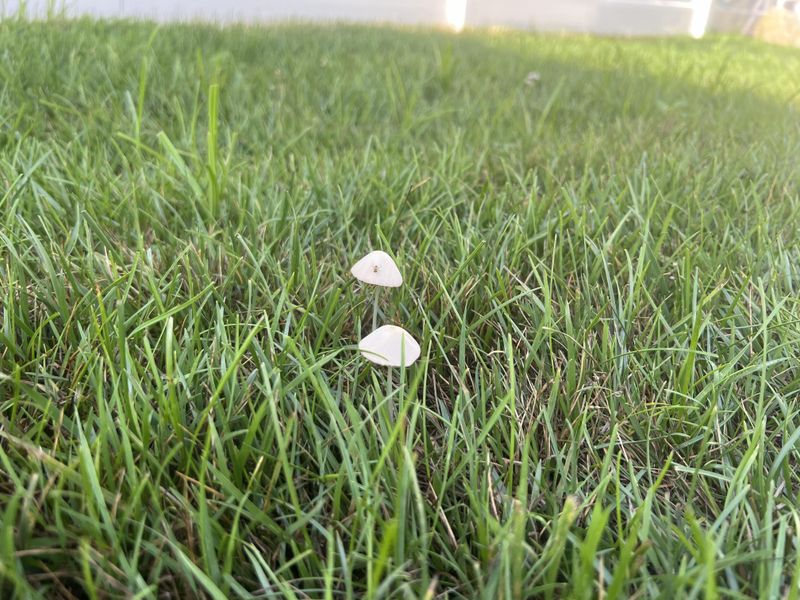
Your lawn sitting soaking wet all night with zero chance to dry out is exactly what happens when you run your sprinklers after the sun goes down.
Grass blades stay wet for hours, and that prolonged moisture is practically a welcome mat for fungal growth. The problem is not the water itself. It is the timing.
Fungi like brown patch and dollar spot thrive when leaf wetness lasts through the night.
Georgia’s warm, humid nights make this problem even worse because temperatures rarely drop low enough to slow fungal activity.
The University of Georgia Extension recommends watering in the early morning hours specifically to avoid this issue.
Early morning watering, ideally between 4 a.m. and 10 a.m., gives your lawn time to absorb moisture and then dry out as temperatures rise.
The wind and sun work together to pull excess water off the blades before evening arrives. That drying window makes a real difference in how much fungal pressure your turf faces.
If you are currently running your irrigation system in the evening because it feels convenient, consider reprogramming your timer this week.
Shifting your watering window does not cost anything, and it can meaningfully reduce the conditions that favor fungal outbreaks on Georgia lawns during the hottest months of the year.
2. Sprinkling Lightly Every Day
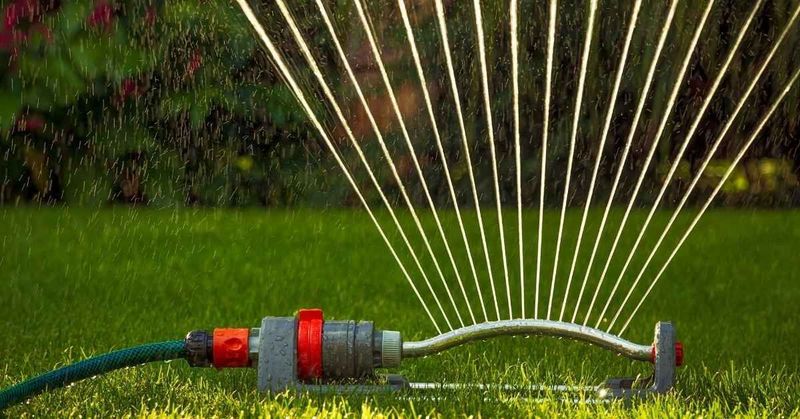
Frequent light watering feels responsible, like you are giving your lawn a little drink every day to stay refreshed.
But turf scientists and extension specialists consistently point out that this habit creates more problems than it solves. Light daily watering keeps the top layer of soil constantly moist while the deeper soil stays dry.
Grass roots follow moisture. When water never reaches deeper than an inch or two, roots stay shallow and weak.
Shallow-rooted turf is stressed turf, and stressed turf is far more vulnerable to fungal diseases. You end up with a lawn that looks okay on the surface but cannot handle heat, drought, or disease pressure.
The better approach is deep, infrequent watering.
Your Georgia Garden Changes Every Week. Your Plan Should Too.
Gardening in Georgia changes quickly throughout the season. Every Friday you’ll receive a simple weekly plan showing exactly what to plant, prune, fertilize, harvest, and protect so you never miss the right timing.
Most Georgia lawns benefit from about one inch of water per week, applied in one or two sessions rather than seven small ones. This encourages roots to grow downward, building a stronger and more resilient plant overall.
Constant surface moisture also keeps the thatch layer and soil surface perpetually damp, which is a favorite hiding spot for fungal spores waiting for the right conditions.
Cutting back your watering frequency while increasing the amount applied each session is one of the most effective adjustments a homeowner can make, and your lawn will respond noticeably better within a few weeks.
3. Keeping Blades Wet Too Long
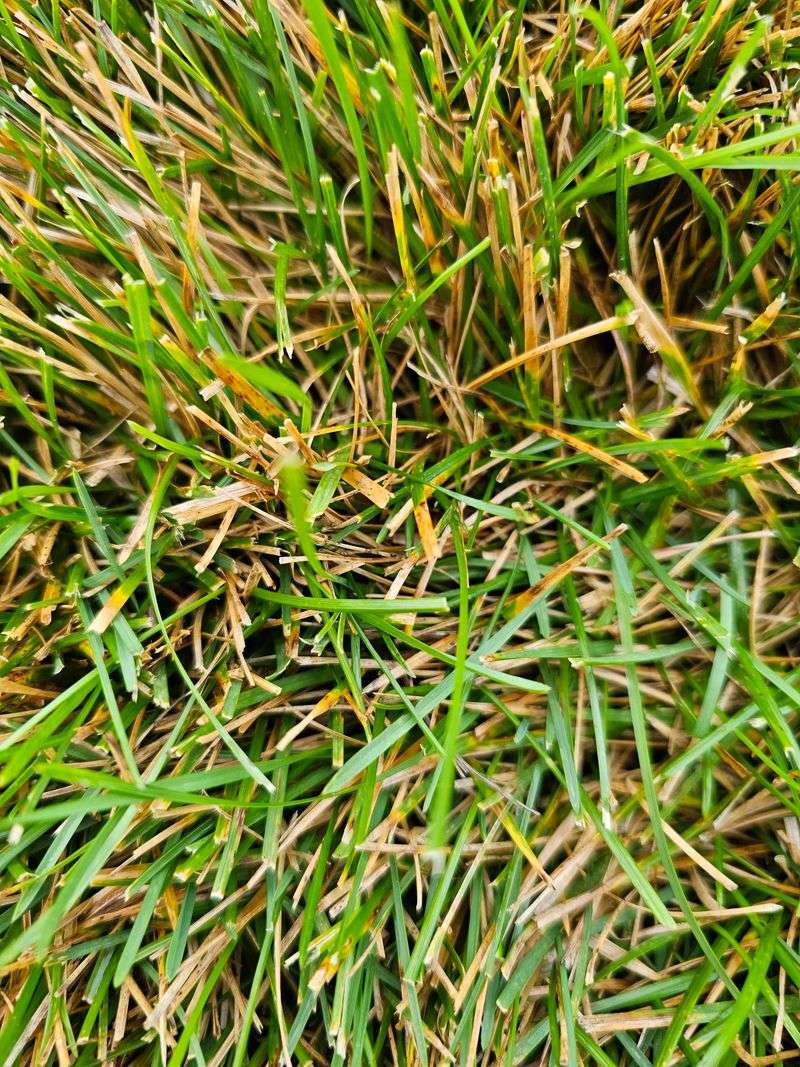
Leaf wetness duration is one of the most important factors in turfgrass disease development, and it does not get nearly enough attention from homeowners.
Researchers studying turfgrass pathology consistently find that how long blades stay wet matters just as much as how much water is applied. Long wet periods give fungal spores the time they need to germinate and establish on the leaf surface.
Brown patch, one of the most common fungal diseases on Georgia lawns, becomes especially aggressive when leaf wetness lasts six hours or more.
Georgia summers deliver high humidity on top of whatever moisture your irrigation system adds. When you combine long wet periods with warm nighttime temperatures, fungal spread can happen surprisingly fast across a lawn.
Reducing leaf wetness duration starts with timing.
Running your irrigation early in the morning lets the sun and morning breeze dry the blades before conditions get stagnant. Avoiding multiple short watering cycles throughout the day also helps because each cycle resets the wetness clock on your grass.
Mowing height plays a supporting role too.
Grass cut at the right height for its variety allows better airflow through the canopy, which speeds up drying after watering or rain.
Keeping your lawn at the recommended height for your specific grass type is a practical and underrated way to reduce how long those blades stay wet.
4. Ignoring Morning Irrigation Windows
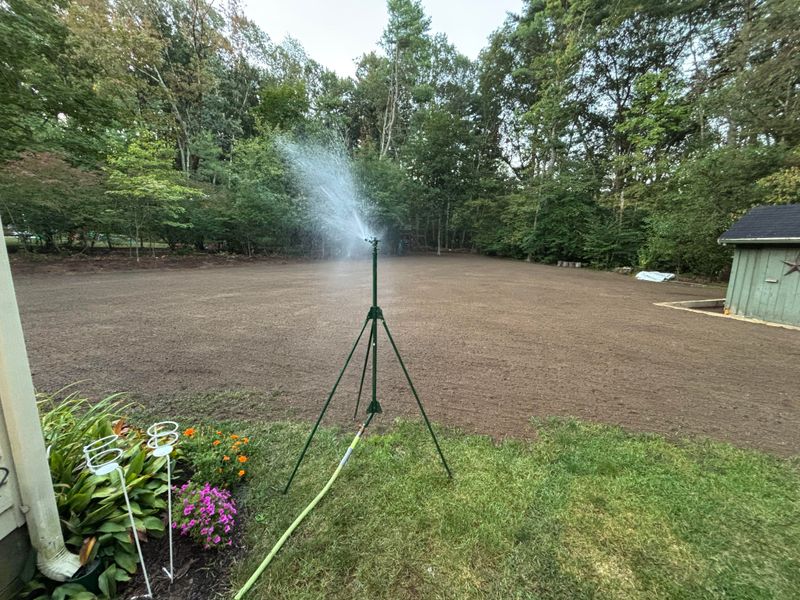
Morning irrigation is not just a suggestion from lawn care guides. It is backed by solid turfgrass science.
Between roughly 4 a.m. and 10 a.m., wind speeds are typically lower, which reduces water drift and evaporation loss. Temperatures are cooler, so water soaks into the soil more efficiently before the heat of the day pulls it upward.
Crucially, the rising sun and warming air will dry the grass blades naturally within a few hours of watering.
When you skip this window and water midday instead, you lose a significant portion of your water to evaporation before it ever reaches the roots.
Midday watering is wasteful and ineffective. Evening watering, as covered earlier, leaves blades wet overnight and sets up ideal conditions for fungal growth.
Programming your irrigation controller to run during the early morning window is one of the highest-value adjustments you can make for your Georgia lawn.
Many modern controllers let you set specific start times for each zone. If you have not looked at your timer settings recently, this weekend is a good time to check them.
Getting the timing right does more for your lawn than almost any product you could buy at a garden center, and it costs absolutely nothing to change.
5. Adding Water After Rain
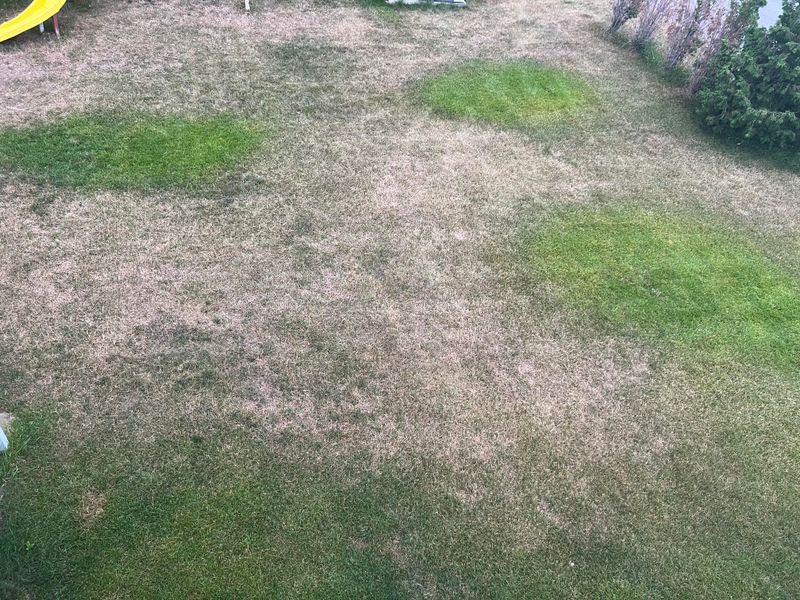
Rain gauges exist for a reason, and that reason is to stop you from watering a lawn that already got soaked.
Running your sprinklers after a decent rainfall is one of those habits that feels harmless but quietly adds up to serious problems.
Soggy turf does not just look bad. It creates the kind of saturated, oxygen-poor soil environment where both roots and fungal pathogens get into trouble simultaneously.
Many Georgia homeowners run their irrigation systems on a fixed schedule without checking whether rain already covered the week’s moisture needs.
A half-inch of rain followed by another half-inch from your sprinklers puts your lawn at or above its weekly water requirement in a single day.
That excess moisture sits in the soil and on the surface, encouraging fungal activity while also potentially stressing grass roots.
Rain sensors are a practical and affordable solution.
These small devices attach to your irrigation controller and automatically shut off the system when rainfall reaches a set threshold.
The University of Georgia and many Georgia water utilities actively encourage their use to conserve water and protect turf health.
Even without a sensor, a simple rain gauge placed in your yard gives you the information you need to make smarter decisions.
Check it after every storm and subtract that amount from your weekly watering goal.
6. Soaking Shady Lawn Areas
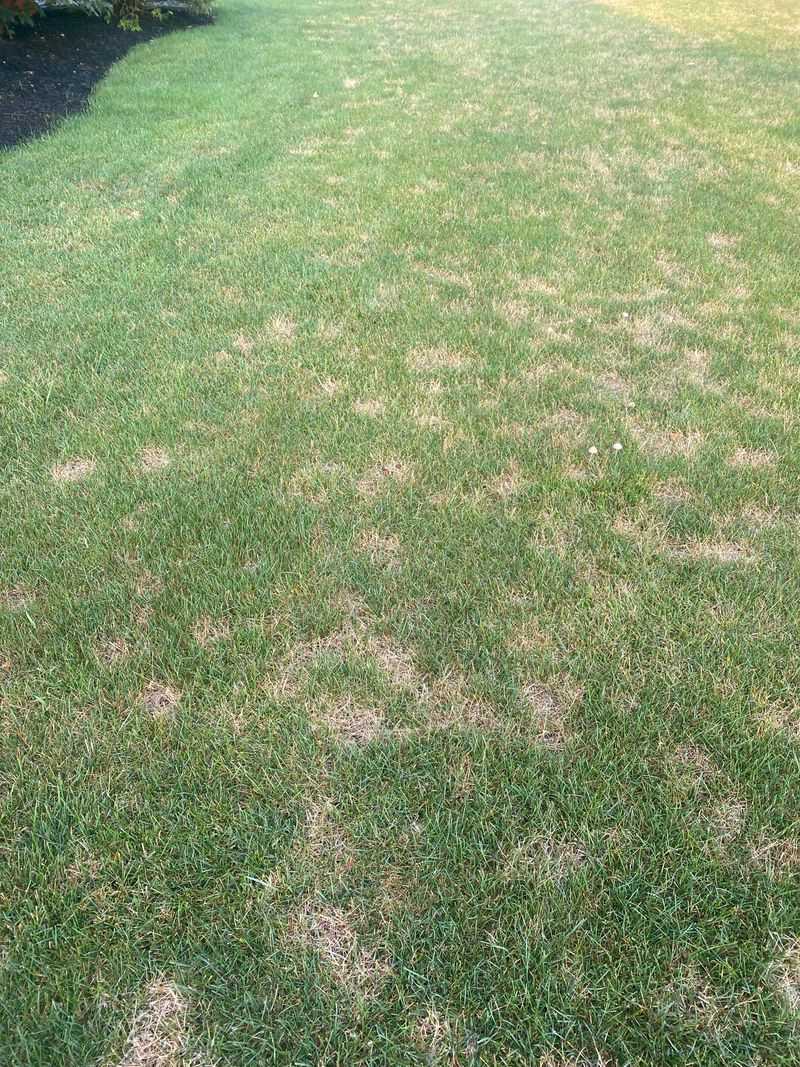
Shady spots in a Georgia lawn play by completely different rules than the sunny sections, and treating them all the same with your irrigation system is a reliable path to fungal trouble.
Areas under trees or beside fences receive far less sunlight and airflow than open turf. That reduced exposure means moisture evaporates much more slowly after watering or rain.
When you apply the same amount of water to a shaded zone as you do to a full-sun area, the shaded grass ends up sitting in excess moisture for hours longer.
That extended wet period creates exactly the conditions that fungal pathogens prefer.
Dollar spot, brown patch, and other common Georgia lawn diseases show up in shaded areas with frustrating regularity, often because those zones stay too wet for too long.
The fix is to adjust your irrigation zones so shaded areas receive less water and less frequent applications.
Many irrigation systems allow you to program each zone independently, which gives you real control over how much moisture each area of your lawn receives. It also helps to manage the shade itself where possible.
Trimming lower tree branches allows more light and air circulation to reach the turf below.
Grass growing under heavy shade is already under stress, and keeping it as dry as practical gives it a much better chance of staying healthy through Georgia’s long, humid summer months.
7. Pairing Wet Turf With Too Much Nitrogen
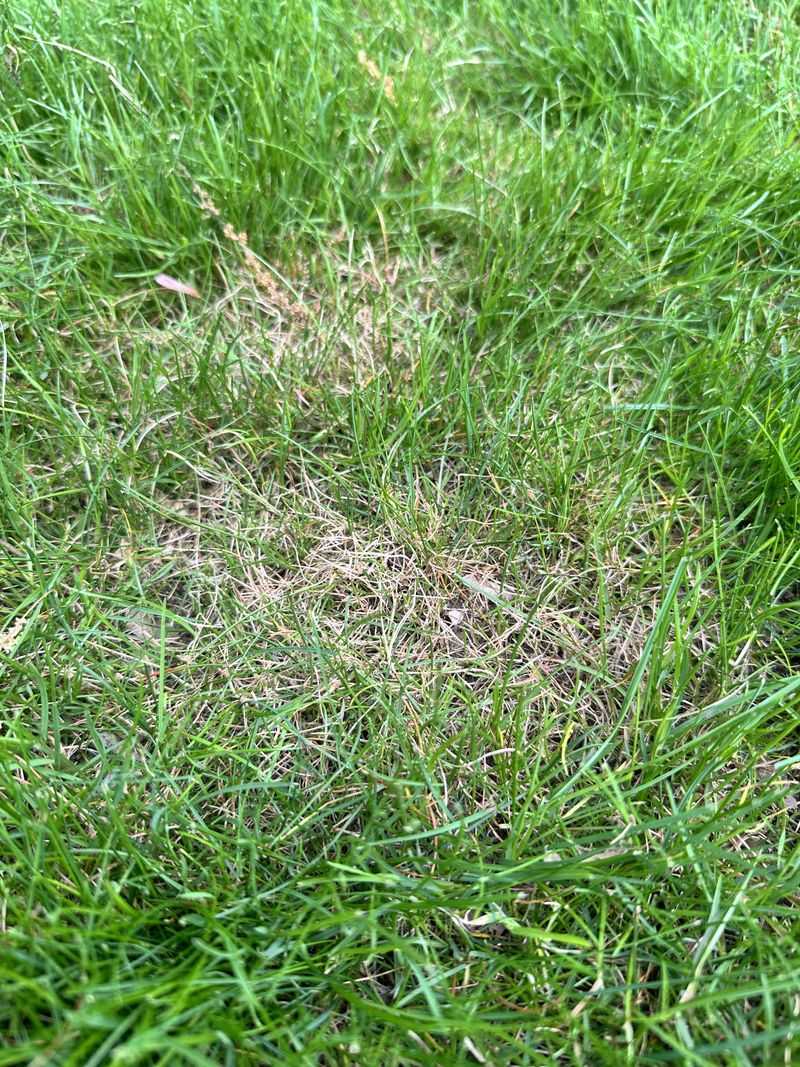
Nitrogen fertilizer is powerful stuff, and timing matters more than most homeowners realize.
It pushes grass into rapid, lush growth that looks impressive in the short term but can create serious vulnerability when conditions are already humid and wet.
Turfgrass pathologists have long recognized that excessive nitrogen during warm, moist periods is one of the key factors that amplifies fungal disease pressure on lawns.
A fast flush of nitrogen-driven growth produces soft, tender leaf tissue that is easier for fungal pathogens to penetrate.
When that soft, lush turf also stays wet because of poor watering timing or overwatering, the combination creates a near-perfect environment for diseases like brown patch to spread rapidly across the lawn.
Georgia homeowners are often tempted to fertilize heavily in summer because the warm season grasses common here, like Bermuda and zoysia, are actively growing.
University of Georgia Extension guidelines suggest using moderate nitrogen rates during peak summer and leaning toward slow-release fertilizer products that feed turf more gradually without the dramatic surge in soft growth.
Timing your fertilizer applications to align with drier periods and following up with proper watering practices makes a meaningful difference.
You do not have to stop fertilizing altogether. You just need to be thoughtful about rates, timing, and product selection.
A lawn fed sensibly and watered correctly is far more resistant to the fungal outbreaks that Georgia summers routinely deliver.
8. Skipping The Tuna Can Test
Many homeowners genuinely have no idea how much water their sprinkler system actually puts out.
They set a run time and assume the lawn is getting what it needs. That guesswork is surprisingly costly, both in terms of water use and lawn health.
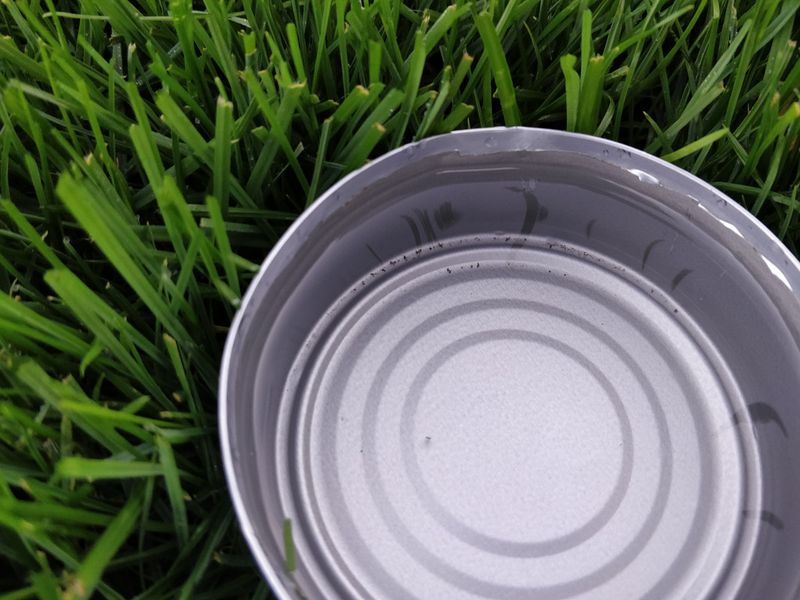
The tuna can test is a simple, old-school method that takes the mystery out of your irrigation output.
Place several straight-sided cans, like empty tuna or cat food cans, in different spots across each irrigation zone.
Run the system for your normal cycle time, then measure how much water collected in each can. The goal for most Georgia lawns is about one inch of water per week.
If your cans show you are applying two inches in a single session, you are overwatering significantly.
Uneven distribution is another thing this test reveals. If one can shows a quarter inch and another shows three quarters of an inch, your sprinkler heads may be overlapping poorly or some heads may be partially blocked.
Uneven coverage leads to dry spots and wet spots, and those wet spots are where fungal problems tend to cluster first.
Running this test once a season gives you real data to work with instead of assumptions. Adjust your run times based on what the cans show you.
Combine that data with a rain gauge reading and you have a genuinely practical system for managing your lawn’s water needs without creating the soggy conditions that invite fungal trouble all summer long.