The Texas Yard Feature That Armadillos Target Every Single Night
If armadillos have been tearing up your Texas yard night after night, you might be starting to feel like they have a personal grudge against you.
The same spots getting dug up repeatedly, the same areas looking like a small excavation crew came through while you were sleeping.
It feels random, but it is anything but. Armadillos are creatures of habit, and they return to the same spots for a very specific reason.
There is something in your yard that is pulling them back every single night, and once you understand what that is, dealing with the problem becomes a whole lot more straightforward.
It comes down to what’s living just below the surface of your soil, and in certain yard features that situation is significantly more attractive to armadillos than others.
Stop treating the symptom and start addressing the source. Here’s the yard feature armadillos are targeting, why they keep coming back, and what you can actually do to stop it.
1. Freshly Watered Lawns
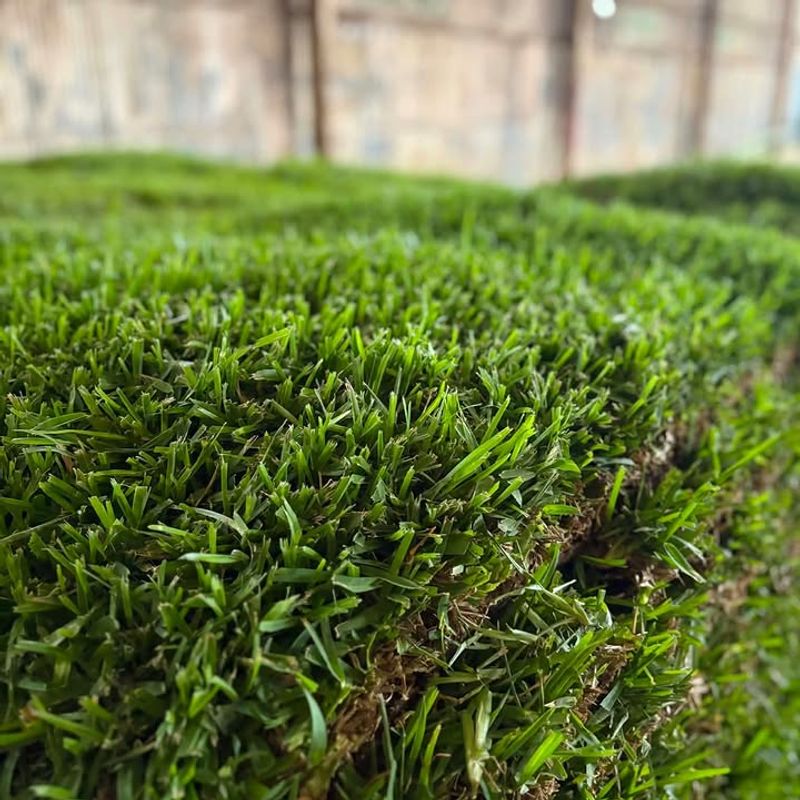
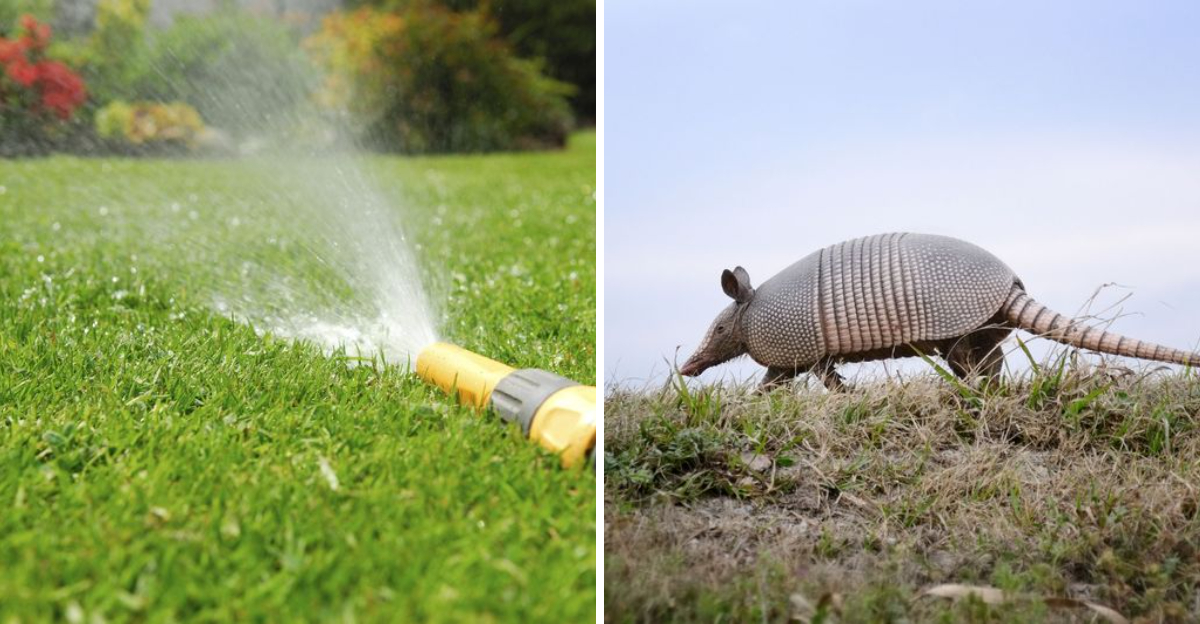
Most Texas homeowners are surprised to learn that the number one yard feature armadillos target is a freshly watered lawn. Soft, irrigated turf is basically an open invitation for these animals.
When soil is moist and loose, armadillos can dig through it quickly and easily with very little effort.
Armadillos eat grubs, beetles, ants, earthworms, and other small invertebrates that live in the ground. Dry, hard soil makes it tough to reach that food. But a freshly watered lawn? That is a different story entirely.
Moist soil allows armadillos to push their long snouts right into the ground and sniff out insects hiding just below the surface.
They are incredibly good at detecting food underground, and wet turf makes their job much easier. Think of it like the difference between digging through packed clay versus loose sand.
Lawns that get watered frequently, especially in the evenings, are the most vulnerable. The combination of soft soil and active insects near the surface creates a feeding zone that armadillos return to again and again.
They are creatures of habit, so once they find a reliable food source, they come back every night.
Texas summers are brutal, and many homeowners water their lawns heavily to keep grass alive. That regular watering schedule, while great for your lawn, can accidentally set up the perfect conditions for armadillo visits.
Knowing this connection is genuinely helpful because it means you have real control over the situation.
2. Why Night Matters
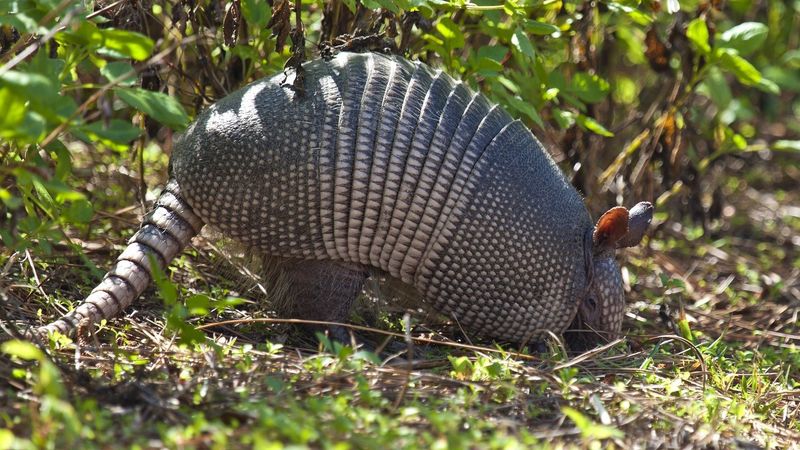
Armadillos are not random visitors. They follow a very predictable schedule, and that schedule runs at night.
These animals are most active from dusk until dawn, especially during the hot Texas summer months when daytime temperatures are simply too intense for them to handle comfortably.
During the day, armadillos rest in underground burrows where it is cooler and safer. Once the sun goes down and temperatures drop, they emerge to search for food.
That is why so many homeowners step outside in the morning and find fresh holes that were not there the night before.
Your Texas Garden Changes Every Week. Your Plan Should Too.
Gardening in Texas changes quickly throughout the season. Every Friday you’ll receive a simple weekly plan showing exactly what to plant, prune, fertilize, harvest, and protect so you never miss the right timing.
Here is something interesting about armadillos: they have very poor eyesight. They rely almost entirely on their strong sense of smell to find food.
The darkness does not slow them down at all because they were never relying on their eyes to begin with.
Texas weather plays a big role in their activity patterns. During cooler months, armadillos might be seen during the day.
But in the peak of summer, nighttime is their prime feeding window. Yards that stay moist overnight from evening watering become prime feeding spots during those exact hours.
Because most people are asleep when armadillos are active, the damage seems to appear out of nowhere. You go to bed with a perfect lawn and wake up to a yard full of shallow pits.
Knowing that these animals operate on a strict nocturnal schedule helps you plan smarter solutions, like adjusting your watering times or setting up deterrents before sunset to get ahead of the problem.
3. What The Damage Looks Like
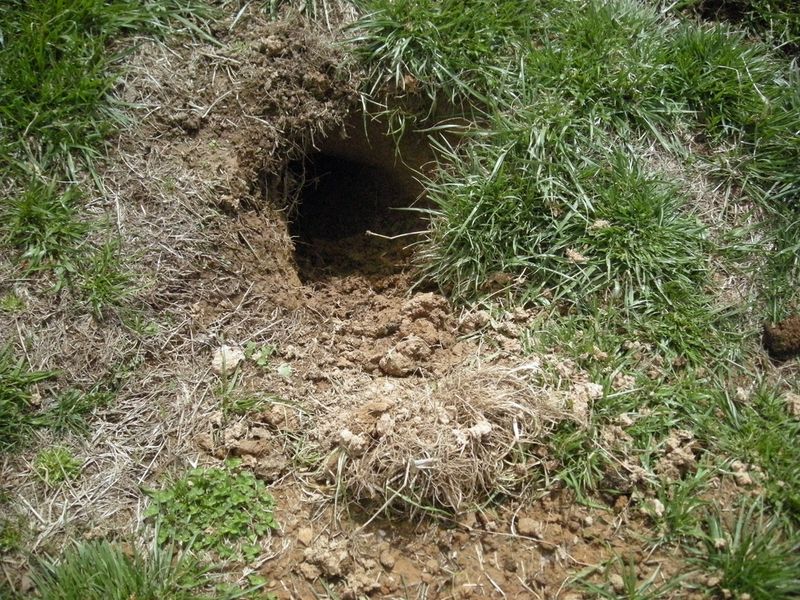
Spotting armadillo damage is usually pretty straightforward once you know what to look for. The most common sign is a series of small, cone-shaped holes scattered across the lawn.
These holes are typically two to five inches wide and about the same depth. They are not perfectly round but have a rough, scooped-out shape.
You will often notice disturbed mulch around flower beds and garden borders. Armadillos love to root along the edges of lawns where soft soil meets mulched areas.
The ground around these spots often looks torn up or shuffled, like something was pawing through it in a hurry.
Shallow pits are another telltale sign. Unlike moles or gophers, armadillos do not create long underground tunnels across your yard.
Their damage stays close to the surface because they are searching for insects that live in the top few inches of soil. The pits tend to cluster in areas where insect activity is highest.
Flower beds are a favorite target. The loose, often well-watered soil in garden beds is incredibly easy for armadillos to dig through.
If you notice plants being uprooted or soil pushed aside near your garden, an armadillo is likely the culprit.
The holes can appear anywhere in the yard but tend to cluster near irrigation zones, shady spots, and lawn edges. Over a few nights, one armadillo can create dozens of holes across a single yard.
Recognizing these signs early helps you respond quickly before the damage spreads across the entire lawn.
4. Why Watering Makes It Worse
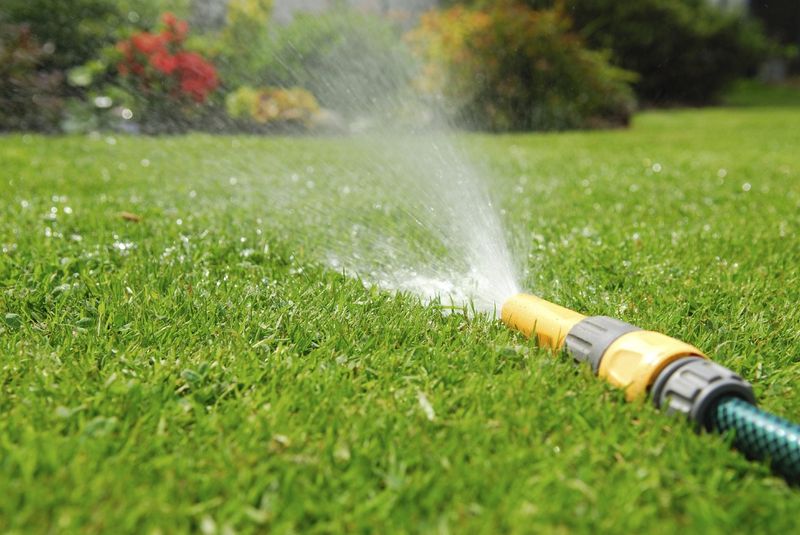
Regular irrigation is one of the best things you can do for a Texas lawn during the summer. But there is a real trade-off that most homeowners do not think about.
Frequent watering softens the soil, and soft soil is exactly what armadillos need to dig efficiently and find food fast.
When you water your lawn, you are doing more than hydrating your grass. You are also pulling earthworms and insects closer to the surface.
Worms move upward through moist soil because they need oxygen and moisture to survive. This brings them right into the zone where armadillos can sniff them out with ease.
Evening watering is especially problematic. If your sprinklers run at 8 or 9 in the evening, the soil is soft and insect activity is high right at the time armadillos are starting their nightly feeding rounds.
It is almost like setting the table for dinner and leaving the front door open. Overwatered patches that stay wet for hours are the biggest problem zones.
These soggy areas stay loose well into the night and sometimes into the following morning, giving armadillos multiple opportunities to dig through them. Consistently damp corners of the yard often become the most heavily damaged spots.
The link between irrigation and armadillo activity is very direct. More water equals softer soil. Softer soil equals easier digging. Easier digging equals more damage.
Understanding this cycle is empowering because it means changing your watering habits can genuinely reduce armadillo visits without requiring traps or expensive products.
5. How To Make Lawns Less Tempting
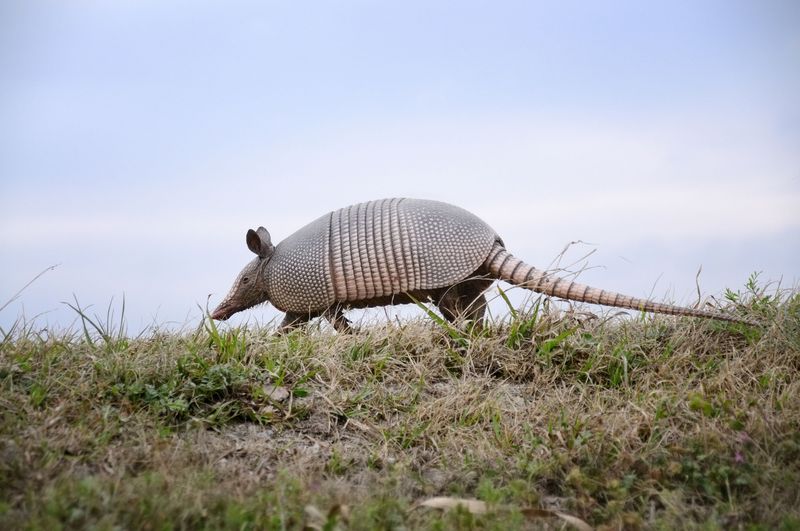
One of the most effective ways to discourage armadillos is to change how and when you water your lawn. Watering deeply but less often encourages grass roots to grow deeper into the soil.
This actually creates a healthier lawn while reducing the consistently soft surface that armadillos love to dig through.
Switching your irrigation schedule to early morning is a smart move. Morning watering gives the top layer of soil time to dry out during the day.
By the time armadillos start their nightly rounds, the surface is firmer and less rewarding to dig through. Evening watering keeps soil soft all night long, which is the worst possible combination.
Improving drainage in problem areas also helps. Spots that hold water after rain or irrigation stay soft for extended periods.
Adding compost to improve soil structure or regrading low spots can reduce those persistently damp zones that armadillos keep returning to.
If you have confirmed grub problems through proper lawn inspection, treating those specific areas can reduce the food supply that draws armadillos in.
However, treating for grubs without confirming their presence is unnecessary and can disrupt beneficial insects that your lawn actually needs.
Reducing moisture in mulched garden beds is another practical step. Thick layers of wet mulch are easy for armadillos to root through.
Keeping mulch at a reasonable depth and allowing it to dry between waterings makes those areas less attractive.
Combining several of these changes together creates a yard that is noticeably less rewarding for armadillos to visit, and they will gradually shift their nightly routes elsewhere.
6. What Not To Do
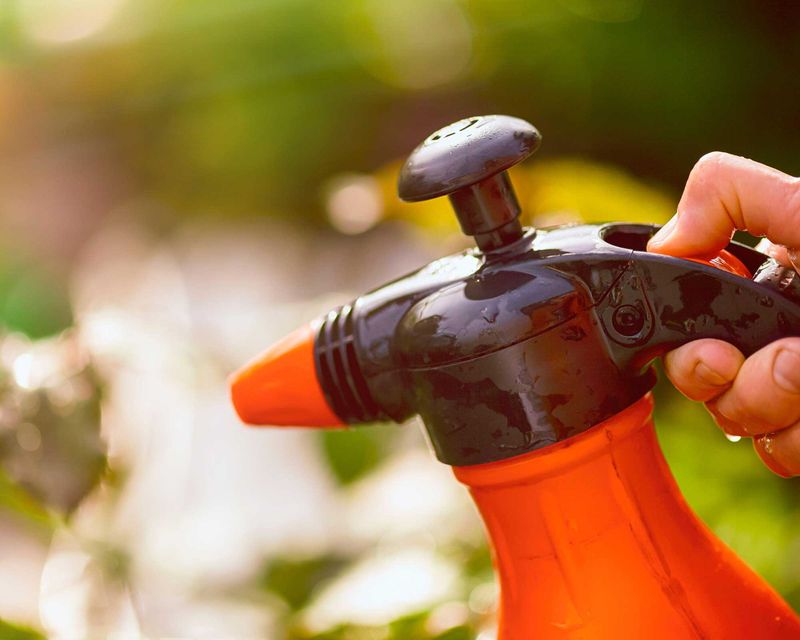
When armadillo damage gets frustrating, it is tempting to reach for whatever fix seems quickest. But some popular home remedies can cause more problems than they solve.
Mothballs are one of the most commonly suggested solutions online, and they simply do not work. Armadillos are not bothered by the smell, and mothballs contain chemicals that can harm soil, plants, and pets.
Poison is never a safe or appropriate option for armadillos. Beyond being ineffective, using poison outdoors puts other wildlife, neighborhood pets, and even children at serious risk.
There is no registered poison product for armadillos, which means anything labeled as such is either misleading or outright dangerous.
Castor oil sprays get mentioned frequently in gardening forums as a deterrent. Some homeowners report mild success, but results are inconsistent and short-lived.
Armadillos often return within a few nights once rain or irrigation washes the product away. Relying on this alone is not a reliable long-term strategy.
Temporary fencing around specific problem areas like flower beds or garden borders can be genuinely useful.
A simple wire mesh barrier staked firmly into the ground can block access to the spots armadillos target most. This is a safe, affordable, and reversible option that does not harm the animal.
Filling in active burrows near your home discourages armadillos from settling in permanently. If damage becomes frequent and widespread despite your best efforts, reaching out to a local Texas wildlife professional is a smart move.
They can assess the situation and recommend removal methods that are legal, humane, and appropriate for your specific yard.