How To Get Rid Of Japanese Beetles In Pennsylvania Without Using Harsh Chemicals
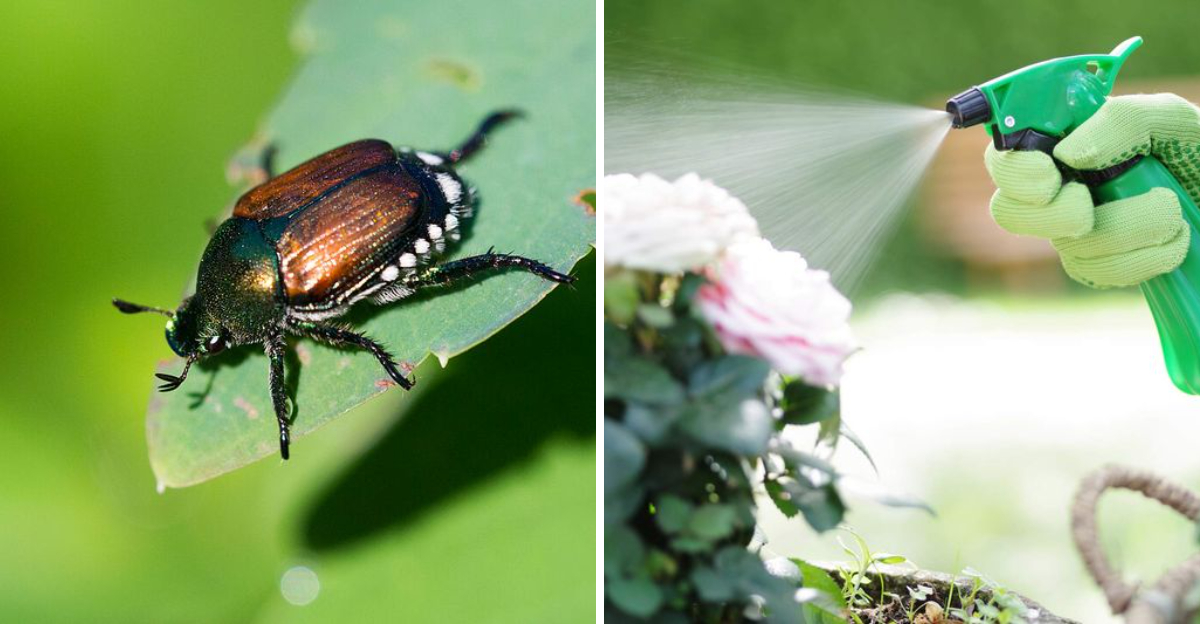
Japanese beetles are one of those pests that Pennsylvania gardeners dread seeing each summer. They arrive in numbers, they move fast, and they eat with a boldness that’s almost impressive if it wasn’t so destructive.
Roses, beans, grapes, linden trees, and dozens of other garden favorites are all fair game, and a bad infestation can do serious damage in a matter of days. The instinct is to reach for a chemical spray and deal with them quickly.
But chemical treatments come with real tradeoffs. They can harm beneficial insects, affect pollinators, and sometimes push the problem around rather than actually solving it.
The good news is that there are genuinely effective ways to tackle Japanese beetles without harsh chemicals. Methods that work at multiple stages of the beetle’s life cycle and are safer for the garden ecosystem you’ve worked hard to build.
1. Handpick Them Daily
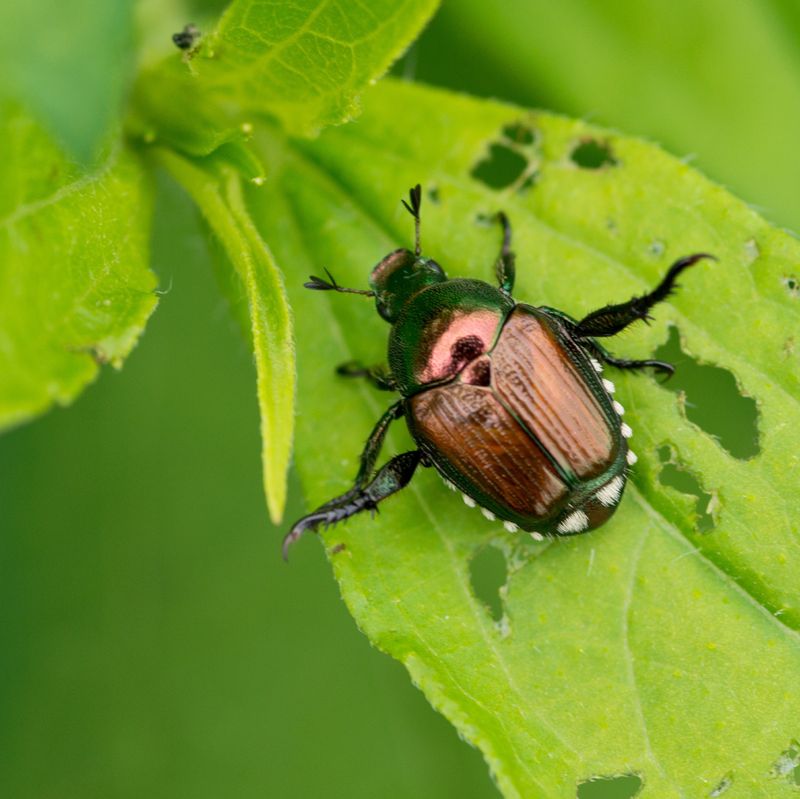
There is something oddly satisfying about catching pests with your own two hands. Handpicking Japanese beetles is one of the oldest and most reliable ways to protect your plants, and it costs almost nothing.
All you need is a bucket, some water, and a squirt of dish soap. Walk through your garden in the early morning or in the evening. Beetles are cold-blooded, so they slow down when temperatures drop.
That makes them much easier to knock off leaves and into your soapy bucket. The soapy water traps them so they cannot escape.
Penn State Extension recommends this method because it is simple and effective, especially when beetle numbers are still low. The key is doing it every single day.
If you skip a few days, the beetles can multiply fast and the damage can get out of hand quickly.
Focus on the plants beetles love most, like roses, grape leaves, and linden trees. Check both the tops and undersides of leaves.
Beetles tend to cluster together, so where you find one, you will often find many more nearby.
Make it part of your daily garden routine, like watering or weeding. Bring a friend or a kid along to make it go faster.
Many gardeners find that spending just ten to fifteen minutes each morning keeps beetle numbers manageable throughout the season.
It is not a perfect solution on its own, but paired with other methods on this list, handpicking can make a huge difference in how much damage your garden takes each summer in Pennsylvania.
2. Start In Early July
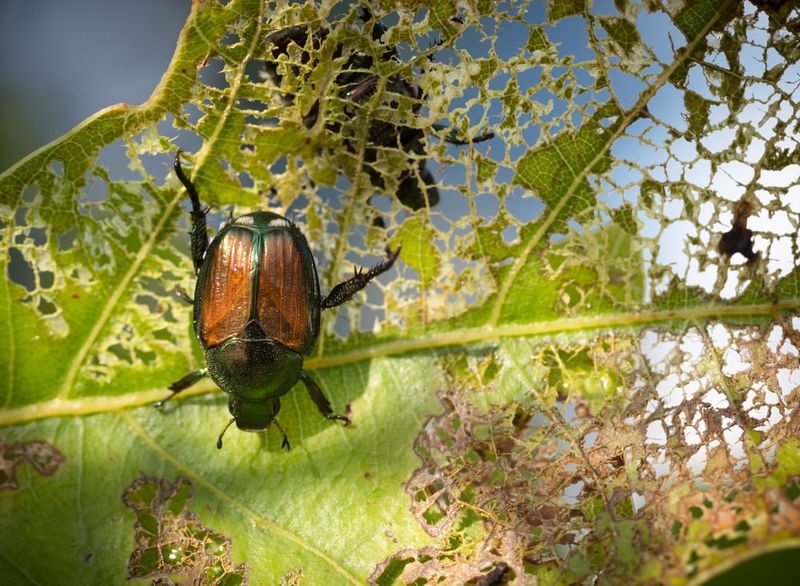
Timing is everything when it comes to Japanese beetles. If you wait until your plants look like lace, you have already lost valuable ground. Getting started in early July, before beetle populations peak, gives you a real advantage.
Japanese beetles in Pennsylvania typically begin appearing in late June and hit their highest numbers in July. When just a few beetles land on a plant, they release a scent that attracts more beetles.
Early action breaks that cycle before it spirals out of control. Walk your garden carefully during the first week of July.
Your Pennsylvania Garden Changes Every Week. Your Plan Should Too.
Gardening in Pennsylvania changes quickly throughout the season. Every Friday you’ll receive a simple weekly plan showing exactly what to plant, prune, fertilize, harvest, and protect so you never miss the right timing.
Look for the telltale signs of feeding damage, which includes skeletonized leaves where only the veins remain. Spotting this early means you can act before the problem spreads to other plants.
Damaged leaves actually send out chemical signals that draw in more beetles. So removing chewed-up foliage quickly, along with the beetles themselves, reduces the attractiveness of your garden to new arrivals.
Think of it like cleaning up crumbs so ants do not come marching in. Keep a simple log of where you see the most activity each year. Japanese beetles often return to the same plants season after season.
Knowing your garden’s beetle hot spots helps you plan where to focus your energy first. Some Pennsylvania gardeners also check neighboring yards or community gardens to get a sense of when beetles are starting to show up in the area.
Starting your monitoring early and acting fast is one of the smartest, most chemical-free moves you can make to protect your plants all summer long.
3. Cover Favorite Crops
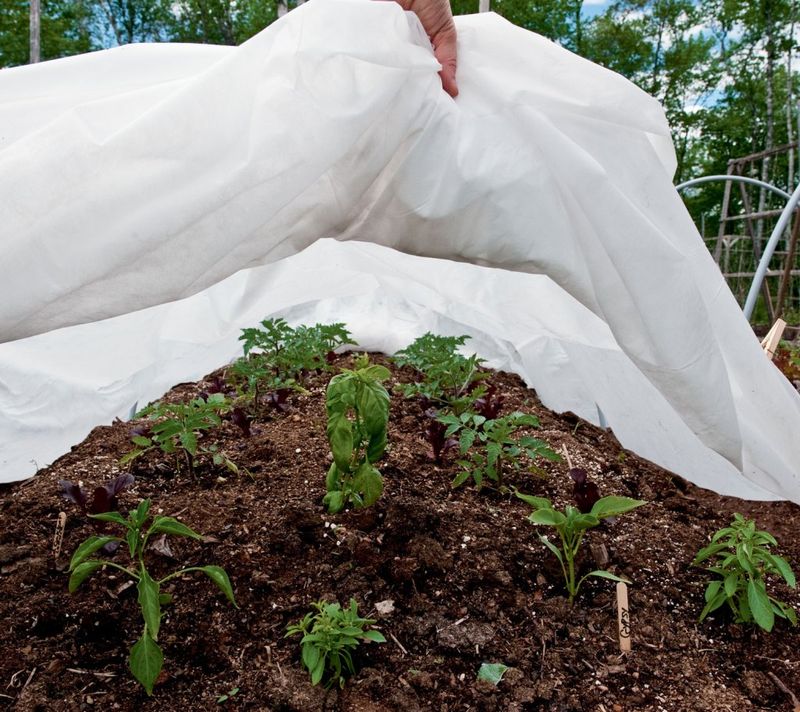
Picture a protective shield around your most precious plants. That is exactly what row covers and insect netting do.
They create a physical barrier that keeps Japanese beetles from ever reaching your vegetables in the first place.
Lightweight floating row covers are made from a thin, breathable fabric that lets in sunlight, air, and water while keeping insects out.
You can drape them loosely over plants and secure the edges with stakes, rocks, or sandbags. Insect netting works in a similar way and is slightly more durable.
This method works especially well for vegetables like green beans, peppers, and leafy greens that beetles love to munch on.
Place covers over plants at the start of beetle season, which in Pennsylvania is usually around late June or early July, and keep them on through August when beetle activity slows down.
There is one important thing to keep in mind. Some vegetables need bees and other pollinators to produce fruit.
Squash, cucumbers, melons, and other flowering crops must have their covers removed when flowers are open so pollinators can do their job. You can put the covers back on in the evening after the flowers close.
Row covers are reusable for several seasons if handled with care, making them a cost-effective investment for any Pennsylvania garden. You can find them at garden centers or online.
Combining row covers with daily handpicking gives your vegetable garden strong protection without a single drop of chemical spray. Many experienced gardeners say this combination is their top choice for keeping crops safe and healthy all summer.
4. Skip Beetle Traps
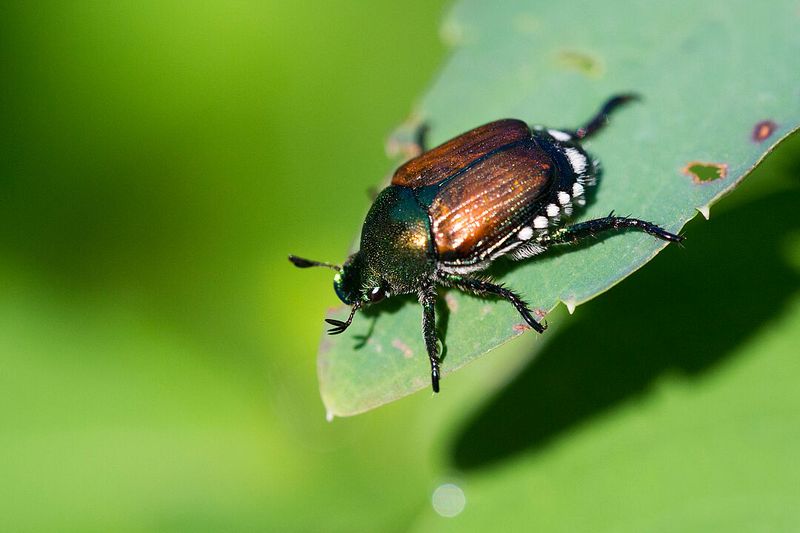
Beetle traps look like an easy fix. You hang them up, beetles fly in, problem solved, right? Not quite. The truth about Japanese beetle traps is a little more complicated, and understanding it could save your garden from extra damage.
Japanese beetle traps use floral and pheromone lures to attract beetles. They do catch a lot of beetles, sometimes thousands in a single day.
But research has shown that these traps often attract far more beetles into your yard than they actually capture. The beetles that miss the trap end up on your plants instead.
A study from the University of Kentucky found that gardens near beetle traps often suffered more plant damage than gardens without any traps at all. That is a result most gardeners definitely want to avoid.
So while the traps look impressive when they fill up, they can make your beetle problem worse overall.
If you want to use a trap at all, place it well away from your garden, at least 30 to 50 feet from your most valued plants. Some gardeners use traps at the far edge of their property as a monitoring tool to see when beetles are most active, not as a main control method.
For a home garden in Pennsylvania, the other methods on this list will serve you much better than relying on traps alone. Skipping the trap or using it wisely is one of the most important decisions you can make.
It is a case where doing less actually gets you better results, and your plants will thank you for it.
5. Try Neem Carefully
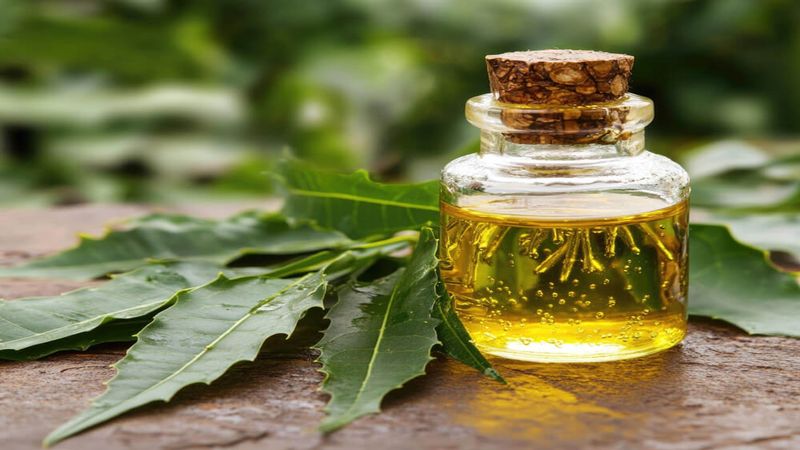
Neem oil has been used in gardening for decades, and it comes from the seeds of the neem tree, which is native to South Asia. It works as a natural insect deterrent rather than a chemical pesticide, which makes it popular with gardeners who want to go the eco-friendly route.
When sprayed on plant leaves, neem oil makes the leaves less appealing to Japanese beetles. It can also interfere with the beetles’ feeding and reproductive behavior.
For light infestations, it can help slow down damage and buy your plants some breathing room.
However, neem oil is not a permanent fix. It breaks down quickly in sunlight and rain, so you need to reapply it every five to seven days, or after any rainfall.
If your garden has a heavy beetle infestation, neem alone may not be enough to keep up with the pressure.
There are a few important rules to follow when using neem oil. Always read the label before spraying, and never apply more than it recommends.
Spray in the early morning or evening, never in the middle of the day when bees are most active. Neem can harm bees if they come into direct contact with it, so avoiding open flowers during application is essential.
Mix neem oil with water and a small amount of liquid dish soap to help it stick to leaves. Start with a small test area on each plant to make sure it does not cause leaf burn.
Used carefully and consistently, neem oil can be a helpful part of your chemical-free beetle management plan throughout the Pennsylvania summer season.
6. Use Btg Products
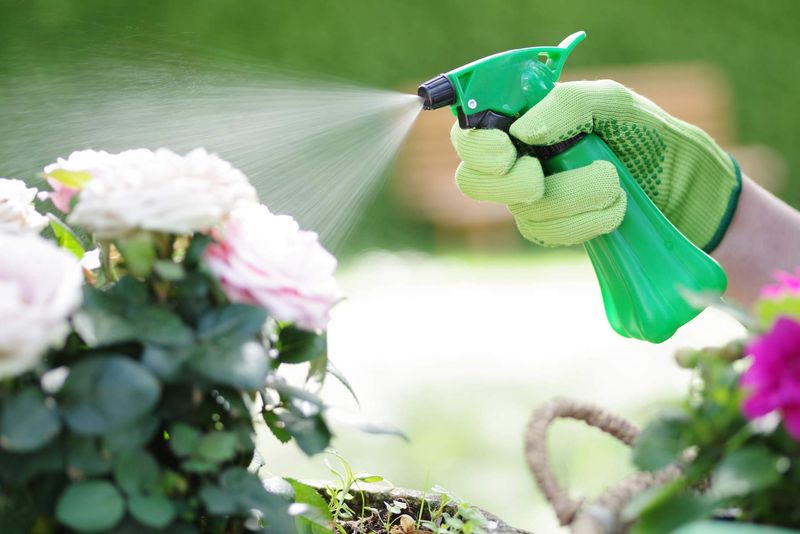
Not many gardeners have heard of Bacillus thuringiensis galleriae, but it is quickly becoming one of the most exciting options for tackling Japanese beetles without harming the environment.
Often shortened to Btg, this naturally occurring soil bacterium produces proteins that are toxic to beetle larvae and adults but pose very low risk to bees, butterflies, and other helpful insects.
Btg works by disrupting the digestive system of Japanese beetles when they eat treated plant material. It does not work instantly, but over a few days it can significantly reduce feeding damage.
Products containing Btg are available under several brand names at garden centers and online retailers.
One of the biggest advantages of Btg is its safety profile. Unlike broad-spectrum insecticides, which can wipe out bees, ladybugs, and other beneficial insects, Btg targets beetles specifically.
This makes it a much smarter choice for gardeners who care about protecting pollinators while still managing pest pressure.
Always check the product label before use to confirm it is approved for the specific plants you want to treat.
Labels vary by product, and using a Btg spray on an unlisted plant is not recommended. Follow all mixing and application instructions carefully for the best results.
Btg is best used as part of a broader management plan alongside handpicking, row covers, and early monitoring. On its own, it offers moderate control, but combined with other methods it becomes much more powerful.
For Pennsylvania gardeners looking for a science-backed, bee-friendly option, Btg products are absolutely worth exploring this beetle season and beyond.
7. Treat Grubs Only When Needed
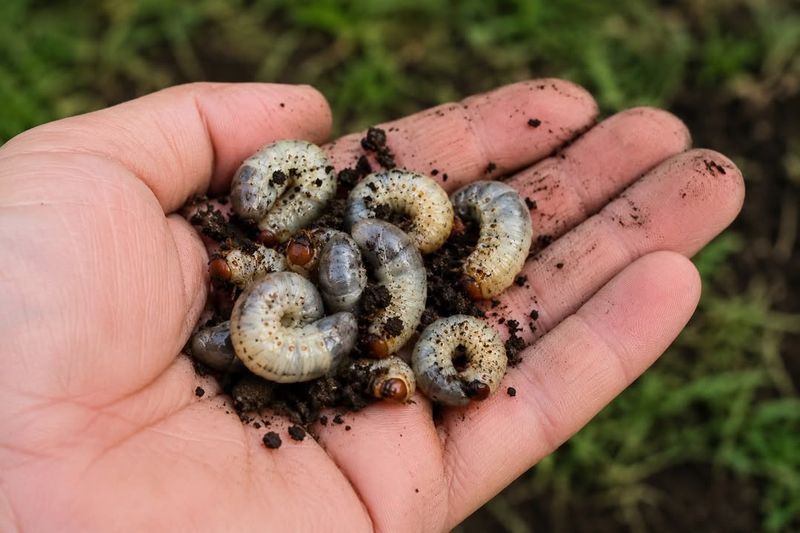
Here is a fact that surprises a lot of gardeners: treating your lawn for Japanese beetle grubs does not always mean fewer beetles on your plants.
Adult Japanese beetles can fly in from neighboring yards, parks, and fields, sometimes traveling a mile or more to find food. So even a grub-free lawn can still have plenty of beetles visiting your garden.
That said, if you have confirmed grub damage in your lawn, treating it makes sense. Signs of grub problems include patches of brown, spongy turf that peels back easily like a carpet, and birds or skunks digging up your yard looking for a meal.
If you see these signs, it is worth taking action Beneficial nematodes are a natural, chemical-free way to manage grubs in the soil. These microscopic roundworms seek out and enter grub larvae, stopping them from developing further.
They are safe for people, pets, earthworms, and plants when used correctly. Timing matters a lot with nematodes. They must be applied after beetle eggs have hatched, usually in late July through September in Pennsylvania.
The soil needs to be moist and cool, not hot and dry. Water your lawn well before and after application to help the nematodes move through the soil and reach the grubs effectively.
Store nematodes in the refrigerator until you are ready to use them and follow the package directions closely. They are living organisms and need proper handling to stay effective.
Used at the right time and under the right conditions, beneficial nematodes are a smart, low-impact tool for keeping grub populations in check in Pennsylvania lawns.